Amid Low Oil Prices, China’s Industry Restarts

Friday, May 1 marks one month since Chinese President Xi Jinping announced the restart of the Chinese economy. On April 1, the leader was photographed visiting Zhejiang province without a protective mask, sending the message that China was getting back to normal.

One month on, China’s experience with rebooting its economy holds lessons for the rest of the world. In the midst of a global demand slump, the country that provides nearly one-third of global manufacturing is experiencing the pros and cons of a post-coronavirus restart.

Low commodity prices, high margins

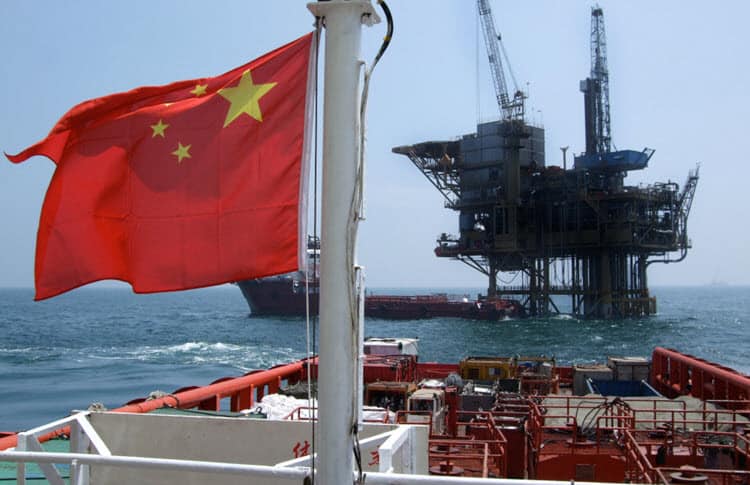
As the first country to restart its economy following a major national outbreak of the COVID-19 virus, China is facing a new playing field. Demand for products is low, but the materials required to produce those products is also at unprecedented lows. Chinese plastic production provides a clear example of the world’s twisted demand and supply situation.

Chinese-produced plastics are primarily used in manufacturing and packaging. The plastics industry uses naphtha, a gasoline-like flammable liquid that can be turned into low-density polyethylene, for transparent plastic bags and packaging, or high-density polyethylene that is used to produce more solid plastics.

Because naphtha is produced from oil, which is at unprecedentedly low prices, the margins for producing naphtha-based products rise. Industry analysts can subtract the price of naphtha from wholesale prices to arrive at production margins. This methodology has revealed that low-density polyethylene margins have gone from $400 to $560 per ton, and high-density polyethylene margins have doubled, from $250 in late 2019 to $500 today.

Working in a post-coronavirus workplace

As business leaders in China are weighing their margins and deciding what to produce, the workplace has changed radically. China is experiencing an increased need for public health facilities while businesses perform in-house COVID-19 monitoring and ensure staff wear necessary protective equipment.

The Chinese workplace today meets most of the guidance that the International Labor Organization is issuing for nations contemplating the restart of their economy in the near future. While the focus is on preventing COVID-19 infections, businesses must prioritize worker safety, according to Sun Huashan, the vice-minister for China’s Ministry of Emergency Management.

On Monday, April 27, the vice-minister delivered a briefing on safety risks during China’s restart. Unused inventory of chemicals and other dangerous goods should be carefully monitored and staff must be provided with sufficient safety training, in order to provide workplace safety and accountability, according to Sun.

Low consumer confidence

Many manufacturers and retailers had hoped for a burst in shopping following the lifting of tight restrictions. So-called “revenge shopping” after months of restricted access has not materialized; instead, Chinese consumers are focused more on saving than spending. This, however, could be a specifically cultural factor in China, as its consumers were already increasingly saving money even before the virus emerged.

Shopping in China’s post-coronavirus world is not the pleasure it once was. Plastic barriers around shops, health monitoring at checkpoints, and the requirement that citizens show an app displaying their COVID-19 status all curb a major reemergence in shopping crowds. Most shops will not allow customers inside without scanning a QR code that reveals what locations they have visited previously.

While margins on production are high, China needs its shopping public to increase consumption. While Chinese people might be more likely to save money, it will be interesting to see whether Americans and Europeans similarly reemerge cautiously. Ensuring health and safety will surely take more priority, but China’s restart could be a reason for cautious optimism.
 

Read also: How Oil Prices are Impacting Kuwait and Iraq

US Grants Iraq ‘Brief Extension’ on Iranian Energy Imports

The US has granted Iraq a shortened 30-day waiver to continue importing vital electricity supplies from Iran while continuing to impose crippling sanctions on Iraq’s neighboring state. The waivers have in the past been extended for 90 or even 120 days but this time will only be valid until May 26, a US State Department spokesman said on Sunday.  

“The Secretary granted this brief extension of the waiver to allow time for the formation of a credible government,” the departmental official said.  

“Once that government is in place, the Secretary will reassess whether to renew the waiver and for how long,” they added.  

Protesters plunged Iraq into political turmoil, taking to the streets in November 2019 and calling for an overhaul of the country’s government, better public services, and an end to endemic corruption. 

On April 9, Iraqi President Barham Salih announced Mustafa al-Kadhimi as the country’s third prime minister-designate in less than a year following Adnan al-Zurfi’s failed attempt at forming a government. Iraq and the US held high hopes that the former Iraqi National Intelligence Service chief would be able to quickly build a cabinet acceptable to the parliament, but the political deadlock continues nearly a month after his appointment. 

The renewed US waiver is conditional on Iraq making greater efforts towards energy self-sufficiency, and applies to electricity imports only. Any Iraqi efforts for energy independence are highly unlikely in the country’s current political and economic climate. 

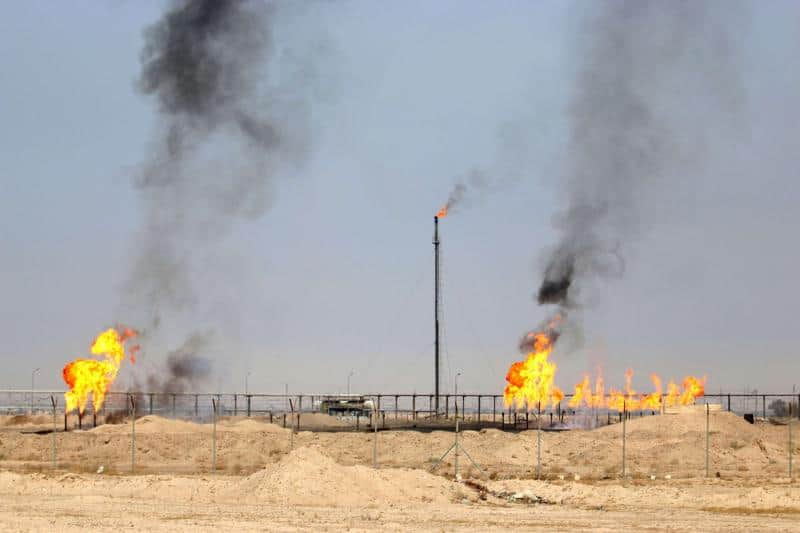
Iraq is OPEC’s second-largest producer and record-low oil prices are hitting its economy hard as COVID-19 shutdowns continue to depress demand. Iraq is also trying to manage the COVID-19 crisis with a chronically underfunded health system, ill-prepared for the threat after years of conflict. 

The shortened time frame is also evidence of the increasingly strained ties between Washington and Baghdad. There has been an uptick in rocket attacks on US troops and commercial interests in Iraq, such as the shelling of the Burjesia residential area near the oil-rich city of Basra on April 6, and a rocket attack that killed one British and two American soldiers in late March. 

Such incidents have the US “enormously disappointed” with Iraq for not providing adequate protection to US troops or doing enough to control the Iran-backed militias it blames for the attacks.  

Read also: Britain Targets ISIS in Iraq in First Airstrike Since September 2019

Lebanon: Living Conditions Supercede COVID-19 Crisis, Protests Reemerge

The threat of the COVID-19 pandemic means most national leaders do not have to fear public protests over their actions. During the last financial meltdown in 2008, demonstrators around the world protested government measures and expressed their displeasure with the handling of the crisis. The unique characteristics of our current economic crisis amid a pandemic allow little opportunity to voice discontent.

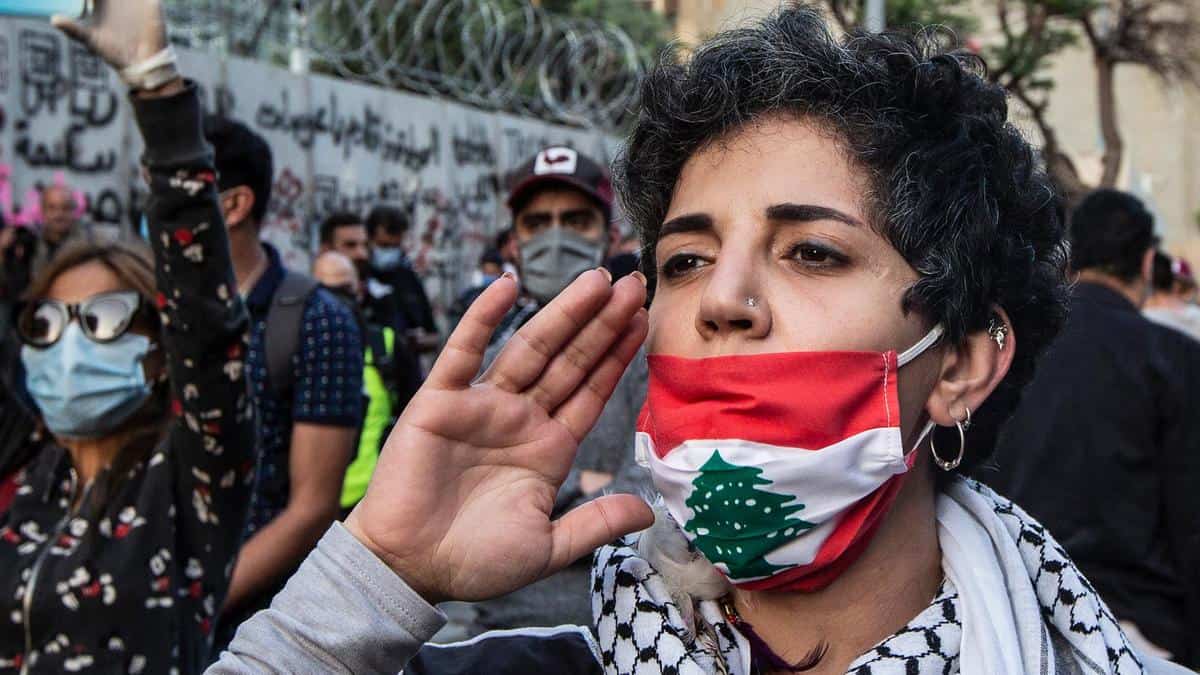
In Lebanon, however, the economic crisis that started long before the pandemic has resulted in enough economic hardships for protests to reemerge. On April 21, Lebanon’s frustrated masses protested the government from their cars and on April 26, people became desperate enough to take to the streets once again.

Lebanon’s financial crisis

The country’s economic woes started long before the virus appeared. Corruption, mismanagement, and incompetent politicians sent the country spiraling from one crisis to the next. The country ground to a halt last year as nationwide protests rocked its political elite. In order to increase state revenue, 2019 saw the Lebanese government announce several new taxes on fuel, tobacco, and on the use of popular social media application Whatsapp.

The Lebanese people thought the new taxes shifted the financial burden, created by inept politicians, onto the people. At the same time, the people could not count on their government to provide basic services such as electricity, water, and sanitation. The ensuing protests saw political offices destroyed, roads blocked, and masses of Lebanese people turning out to protest their government’s policies.

Eleven weeks of protests that started on October 17, 2019 and continued until the end of the year forced Prime Minister Saad Hariri to announce his resignation, while the government abandoned many of the proposed taxes. Lebanon’s economic problems were only getting worse. The country was forced to default on the repayment of its Eurobond loans in March this year and announced its depleted foreign currency reserves would no longer be used for the repayments.

Monetary policy worsens conditions

The Lebanese government’s inability to pay back its growing debt caused a deepening monetary crisis. Over the weekend, yet-unknown assailants threw an explosive device at a bank in southern Lebanon, as the Lebanese increasingly blame their banking sector and central bank for the country’s troubles.

Riad Salameh, governor of Lebanon’s central bank, is facing criticism from both politicians and protesters. Gebran Bassil of the Free Patriotic Movement (FPM) party blamed “thieving, corrupt, and greedy beneficiaries as well as bank owners, shareholders, and the central bank” for the crisis. While 1,500 Lebanese Pounds equaled approximately 1 US Dollar in 1997, when it was officially pegged to the currency at that rate, in April 2020 it would cost roughly LBP 15,000 to buy the same Dollar.

Banks have stopped any withdrawals in US dollars. Instead, the Lebanese central bank issued rules that any account in US Dollars must be paid out in Lebanese Pounds. The move created severe concerns. Haaretz reported a Lebanese shop owner as saying, “Whatever the rate is, it’s a loss, that’s how we feel. In any bank in the world, if you put your money, they must give it to you (in the same currency) as it was deposited.”

Dire conditions force protests

The seemingly unrelenting barrage of bad news that continues to send the country spiraling further out of control has forced people to neglect their personal health and take to the streets. Monday, April 27 saw roads and highways blocked with burning tires as security forces scrambled to reopen them. The continuing deterioration of Lebanese living conditions have resulted in a population that has little to lose, even as the threat of coronavirus endangers its health.

Human Rights Watch (HRW) has warned that more than half of Lebanese citizens are at risk of food insecurity while hundreds of thousands of Lebanese people are expected to soon slip under the global poverty rate. Increased hunger, frustration, and poverty will ensure continued protests and a potential worsening of the country’s COVID-19 outbreak.

Lebanon currently has 707 recorded cases of COVID-19, including 145 recoveries and 24 deaths, but many fear the virus could easily spread undetected. The official numbers are low– too low, according to many public health experts that fear the country has little control over its epidemic. The country’s economic woes mean that medical imports are limited as purchases in USD are complicated.

“Many people who had an income have lost it, and if the government does not step in, more than half the population may not be able to afford food and basic necessities,” senior HRW researcher Lena Simet told Arab News. How much firepower the Lebanese government has left to stem the tide is unclear as economic, health, and political crises continue to devastate the country and fuel each other in a calamitous spiral of misery and discontent.


Egypt Repatriates 375 Nationals, Promises More Flights to Come

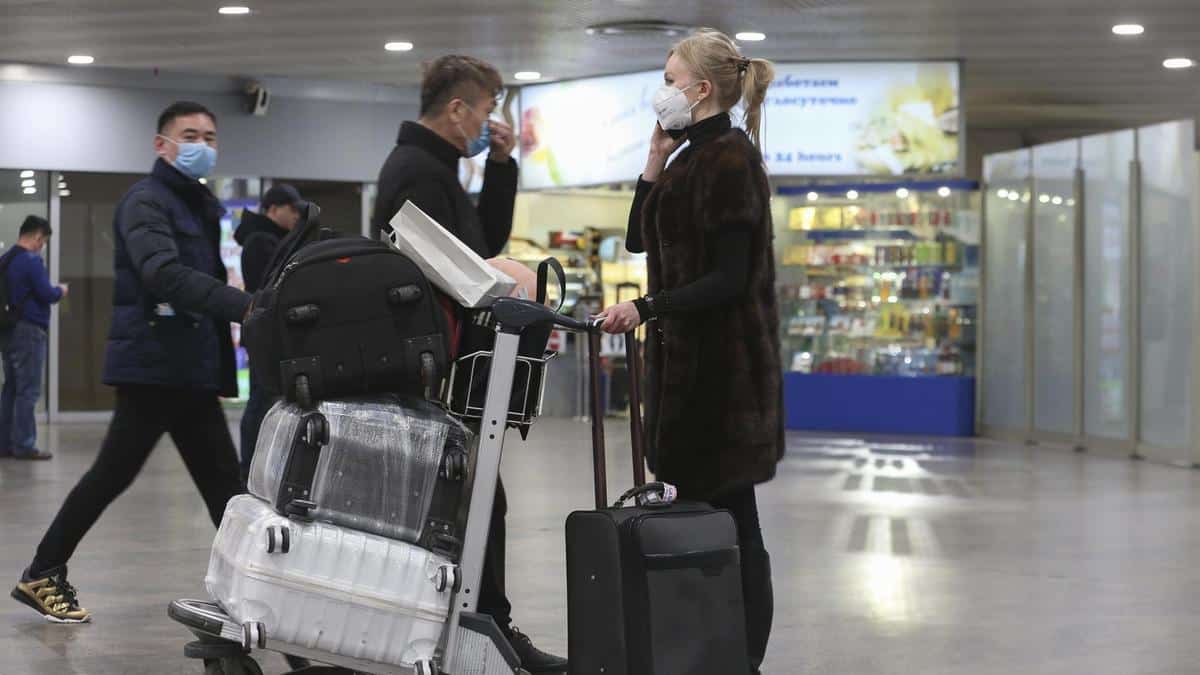
Over the weekend, two repatriation flights bought a total of 375 citizens back to Egypt, where they will spend the next 14 days quarantining in Red Sea hotels vacated by the global coronavirus pandemic. 

The first flight into the coastal airport of Marsa Alam carried 234 Egyptians who had been stranded in Thailand and Malaysia. Later on Sunday, April 26, an additional 141 Egyptians were repatriated on an Air Cairo flight from the German transport-hub of Frankfurt. 

Egypt suspended international flights to curb the spread of COVID-19 on March 19, leaving thousands of citizens stranded overseas. 

In line with the country’s gradual relaxation of virus restrictions, Egypt’s Ministry of Civil Aviation coordinated with the and ministries of foreign affairs and immigration to arrange a series of 22 “exceptional flights” to repatriate Egyptians between April 21 and May 5. Egypt has, however, made a concerted effort to bring citizens home, running repatriation flights since March

Egypt’s Al Watan news outlet reports that state carriers Egypt Air and Air Cairo will run one flight each to and from Guangzhou, China and Kyiv, Ukraine on May 1 in addition to a previously-announced flight to Washington, D.C. Rescue flights to bring home Egyptians from Ethiopia, Kenya, and the Maldives are scheduled for April 30. 

Last week, President Fattah el-Sisi said that, despite the “hard circumstances,” Egypt was committed to bringing home approximately 3,500 citizens still marooned overseas by COVID-19 shutdowns. Based on government figures, some 1,100 of those 3,500 Egyptians have been repatriated since April 24.

The coronavirus pandemic has placed unprecedented pressure on countries across the MENA region to repatriate their citizens stranded abroad and facilitate the return of foreign nationals. 

On April 23, Morocco’s Foreign Minister Nasser Bourita said Moroccans have an “incontestable” right to return home and repatriation flights were imminent. Bourita stressed that conditions had to be right to ensure the safety of returning citizens and the broader Moroccan community. 

Meanwhile, hundreds of Tunisians stranded in neighboring Libya since the border closure on March 16 forced their way back into the Tunisian border town of Ben Guerdane on April 20. The workers, frustrated by a lack of assistance from the Tunisian government and chaotic conditions in war-torn Libya, rushed the border late on the evening of April 22, forcing Tunisian border guards to open the gates and allow a controlled entry of 652 citizens in total.  

Fellow North African country Algeria says it has repatriated 8,000 citizens since the COVID-19 health crisis shut down international travel. It is unclear how many Algerians remain stranded overseas after the country closed its borders on March 19, but President Abdelmadjid Tebboune and Prime Minister Abdelalziz Djerad have strongly advocated for repatriation flights. 


Read also: Egypt Welcomes Chinese Support to COVID-19 Response

Yemen’s Southern Separatists Declare Independence During Ceasefire

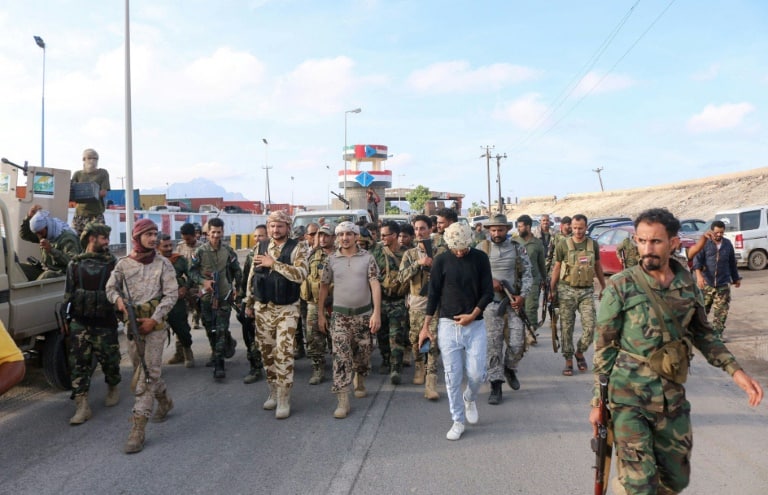
On Sunday, April 26, the Southern Transitional Council (STC) declared autonomous rule over Aden and eight Southern provinces. The move breaks a November peace agreement between the STC and the Yemeni government, amid a tenuous truce between Houthi combatants and the Saudi-led coalition that supports Yemen’s embattled national government.

Yemen’s Foreign Minister Mohammed Al-Hadhrami said “the announcement by the so-called transitional council of its intention to establish a southern administration is a resumption of its armed insurgency… and an announcement of its rejection and complete withdrawal from the Riyadh agreement,” referring to the November peace agreement.

Increasing chaos in Yemen

The announcement comes at an unfortunate time, as Yemenis looked forward to a temporary break in violence just as the Islamic holy month of Ramadan commenced. Heeding the call of UN Secretary-General Antonio Guterres, Houthi and Saudi negotiators had settled on a ceasefire that was extended prior to its expiry this weekend.

The ceasefire was intended to bring a temporary reprieve in the five-year-old conflict in order to allow entry of medical equipment and COVID-19 testing kits. After Yemen’s first coronavirus case was reported on April 9, aid agencies, the UN, and the World Health Organization (WHO) have stressed the importance of containing the virus as Yemen’s healthcare system would not be able to handle a major outbreak.

Conflicting interests in a proxy war

The April 26 declaration of autonomous rule in Yemen’s south will increase tensions between Saudi Arabia and the United Arab Emirates. The two nations were close allies at the start of the conflict but frustration over progress made has led to a fracturing of the alliance. The UAE chose to support the STC as it lamented ineffective action by the Saudi-supported National Government of Yemen.

Yemen’s Foreign Minister, Mohammed Al-Hadhrami, on April 26 called for the Saudi-led coalition to take “decisive measures against the continuing rebellion of the so-called Transitional Council” and declared that the governors of most provinces included in the STC’s area of control do not recognize the STC’s authority.

A history of Yemeni division

The STC declaration includes vast swaths of Yemen’s south, including Shabwa, Mahrah, and the island of Socotra located off the coast of Somalia, where the Gulf of Aden meets the Indian ocean. Controlling the region would mean control of much of Yemen’s trade as well as including Yemen’s second-largest city Aden.

Yemen has a history of deep divisions between its north and south. The south became independent following the dissolution of the British Empire, while northern Yemen had been an independent kingdom following the collapse of the Ottoman empire in 1918. Northern Yemen became the Yemen Arab Republic after its monarchy was overthrown while Yemen’s south became the Marxist People’s Republic of Southern Yemen. The two countries saw unification in 1990 but tensions remained.

Future in doubt

The current developments in southern Yemen mean a worrying escalation of the conflict in the country. “Now, more than ever, all political actors must cooperate in good faith, refrain from taking escalatory actions, and put the interests of Yemenis first,” said UN Special Envoy Martin Griffiths on April 27. 

While Yemen’s future is hanging in the balance, the STC’s move endangers any prospect of a conclusion to the conflict and threatens to hamper anti-COVID-19 measures.

The conflict in Yemen is often painted as an example of a Shia-Sunni proxy war being fought between Iran and Saudi Arabia, but the STC declaration will have highlighted the factional nature of the conflict’s splintered alliances. Not only does the southern declaration endanger the Yemeni conflict, it could easily create new tensions between Gulf neighbors Saudi Arabia and the UAE.


Read also: Saudi-Coalition Extends Yemen Ceasefire By One Month

Saudi Arabia Scraps Death Penalty For Minors, Flogging

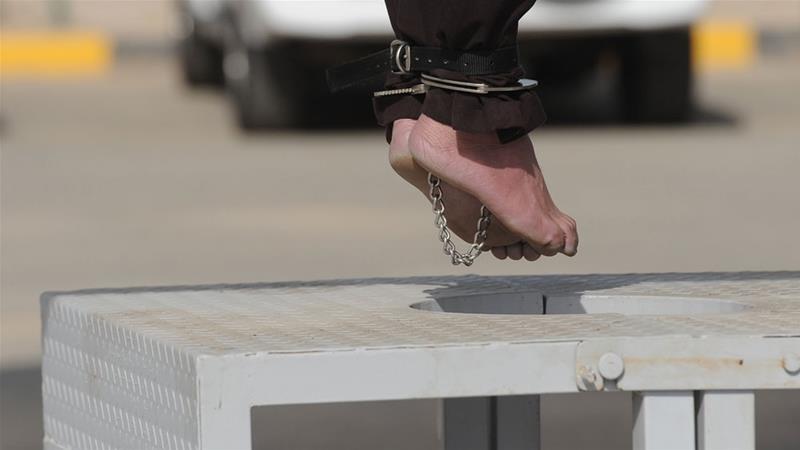
The Human Rights Commission (HRC) of Saudi Arabia moved on April 26 to end the death penalty for minors in another step towards modernization for the country, just days after the Saudi Supreme Court effectively scrapped flogging as a punishment.

Instead of facing execution, under-18’s who commit offenses “will receive a prison sentence of no longer than 10 years in a juvenile detention facility,” while those who would have been flogged will be subject to fines or jail time for their crimes. 

The HRC chair Awwad Alawwad said the changes demonstrate Saudi Arabia’s commitment to reform under the Vision 2030 program personally supervised by controversial Crown Prince Muhammad Bin Salman (MBS). 

“The decree helps us in establishing a more modern penal code, and demonstrates the Kingdom’s commitment to following through on key reforms across all sectors of our country,” said Alawwad. 

“More reforms will be coming,” Alawwad added. 


Capital punishment and corporal penalties like flogging have been a consistent source of criticism and bad press for the Saudi regime led by figurehead King Salman. Despite some 70 reforms listed by the HRC, punishments like amputation for stealing persist in the kingdom, where the absence of codified laws allows judges to apply sharia law as they interpret it. 

Amnesty International lists Saudi Arabia as one of the world’s leading user of the death penalty, alongside China and Iran. The human rights organization reported that at least one of the 184 people executed in Saudi Arabia last year was a minor. 

“Saudi Arabia’s growing use of the death penalty, including as a weapon against political dissidents, is an alarming development,” said Amnesty International’s Clare Algar.

“On 23 April [2019], there was a mass execution of 37 men, 32 of whom were from Saudi Arabia’s Shi’a minority,” Amnesty said in its annual report on the death penalty released on April 21.

“They included 11 men convicted by the Specialized Criminal Court (SCC) of spying for Iran and sentenced to death after a grossly unfair trial,” the report said. 

According to Amnesty, excluding China, 86% of executions carried out in 2019 took place in Iran, Saudi Arabia, Iraq, and Egypt combined. The Middle East and North Africa region saw a 16% uptick in the number of executions last year, with Iran executing over 250 prisoners, Iraq over 100, Egypt at least 32, Yemen around seven, Bahrain three, and Syria an unknown number of individuals.

Saudi Arabia has adopted a number of reforms and engaged in a concerted campaign to open itself culturally and economically to the world. The campaign has been spearheaded by MBS, whose credibility, along with the kingdom’s global image, was severely tarnished by the murder of dissident journalist Jamal Khashoggi at the Saudi Consulate in Istanbul in October 2018. 


Read also: COVID-19 Curbs Ease in Saudi Arabia, Mecca to Stay in Lockdown


Deep Recession Forecast For Oil-Dependent GCC Nations

Mitsubishi UFJ Financial Group (MUFG) announced today, April 27, it expects the six countries that make up the Gulf Cooperation Council (GCC) will likely face a deep recession. The six members, Bahrain, Kuwait, Oman, Qatar, Saudi Arabia, and the United Arab Emirates, are all predicted to be severely impacted by global trends in the near future.

The financial group expects overall real GDP in the region to fall by 3.7%, a significant drop as earlier forecasts had predicted growth of 2.9%. 

“The GCC region continues to grapple with two ultra-bearish shocks,” the research note stated, highlighting “demand-side destruction caused by COVID-19 and supply-side challenges caused by the oil price collapse,” as the primary factors.

Reliance on oil

Although GCC countries have taken significant steps to diversify their economies away from relying solely on oil and gas production, the region is still heavily dependent on hydrocarbon exports. With each $10 drop in oil prices, the six-nation bloc is expected to lose roughly $72 billion in lost oil export receipts.

Most GCC countries presented ambitious budgets earlier this year, with a focus on economic diversification and providing important social services. In order to fund those budgets, which make up roughly $208 billion combined, the region needs the price of Brent crude oil to be around $43 per barrel. 

Currently, the price of Brent crude hovers around half of that amount, with the price being $20.62 at the time of writing.

Victim to global trends

The GCC countries face a perfect storm of unprecedentedly low demand for hydrocarbons as production facilities, the global tourist industry, and personal travel have come to a stand-still while the COVID-19 pandemic continues to spread in most countries. 

Most GCC countries implemented lockdowns and curfews reasonably early, slowing the spread in the region, but the damage to the global economy exacerbates GCC troubles.

The effects of severely reduced demand and the oil price war that was initially seen as a Russo-Saudi disagreement are increasingly shifting focus to the US oil and gas industry

With prices going negative in some US oil markets last week, oil is experiencing historic turbulence. Within the GCC bloc, tankers are increasingly used as storage as the production glut shows little sign of abating.

Effects on budgets

On another turbulent day for oil prices, April 27 saw several oil-producing states starting to plan cuts to their budgets. In a foreshadowing of the GCC’s near future, Iraq is facing a 5% drop in its GDP. While the GCC can rely on its foreign currency reserves, Iraq will have no choice but to cut a budget that was imagined to quell significant political unrest in the country.

Iraq is planning to cut its budgets which had imagined a price of $56 per barrel, but many GCC countries had expected prices to come out even higher. GCC-member Kuwait, for instance, is bound to break-even on its budget when the price of Brent crude is around $81 per barrel. With current prices at roughly a quarter of what Kuwaiti officials had expected, severe cuts are to be expected.

A volatile short-term outlook

The GCC countries are now cutting production to contribute to the global reduction agreed upon by the world’s top oil producers early this month. In the short term, revenues will continue to stay low as the global oil market struggles to balance demand and supply. The 10 billion barrel production cut is not expected to have much of an effect, but low oil prices could force high-cost oil producers outside the GCC to fold.

The national budgets of GCC-members could face painful cuts and national deficits could increase dramatically in the coming months. 

The future prospects of the GCC are now tightly aligned with the price of oil. As some nations gingerly attempt to reopen some sectors of their economies, authorities in the GCC will undoubtedly hope that life will soon return to some form of normalcy.


Read also: Is Saudi Arabia Waging a War on US Oil Producers?

Etihad Airways to Start Flying May 16, Emirates Airlines Offers Refunds

Etihad Airways and Emirates Airlines have moved to reassure customers about their services and refund facilities over the weekend. Passenger flights to the UAE remain suspended and other worldwide travel restrictions triggered by the global coronavirus pandemic have led to an unprecedented wave of refund requests and changes to the airlines’ flight scheduling. 

Emirates issues refund reassurance  

Dubai-based Emirates Airlines reaffirmed its commitment to honoring customer refunds today, April 26. The airline announced it will increase processing capacity from a pre-pandemic rate of 35,000 per month to handle up to 150,000 refund requests per month.  

The increase will enable Emirates to clear a backlog of some 500,000 requests by August, according to the Dubai flag-carrier. The reassurance may, however, come as cold comfort to some customers who have found themselves out-of-pocket due to forced COVID-19-related travel changes.

“It is a difficult time for us, as it is for all airlines. We are dipping into our cash reserves by being proactive in processing refunds, but it is our duty and responsibility. We would like to assure our customers and trade partners that we will honour refunds, and that we are doing our best to speed things up,” Emirates Airlines President Tim Clark said in an online statement.


Clark advised that the airline has again changed its refund guidelines and now adopted “a simple, globally-applied approach that puts customers first.”

“We’ve also proactively contacted those of our customers who had submitted earlier requests for refunds or booking changes, to let them know of the new options available to them,” he added.

On Twitter, many customers reacted angrily to the announcement, saying they had already waited over a month for much-needed refunds which the airline had originally promised to pay out in 14-20 days. 

Others criticized Emirates for poor communication around refunds, saying they had not been personally contacted. Others claimed they had been charged cancellation fees despite the airline assuring they would be exempted. 

The airline responded by thanking customers for their patience and understanding, saying “due to the current situation relating to COVID-19 we are experiencing severe delays in processing times.” 

Etihad Airways to resume flights on May 16 

On Saturday, Etihad Airways confirmed it will begin flying a select number of regular passenger flights from May 16 after originally promising to resume services on May 1. 

The flights are still dependent on travel restrictions, but both inbound and outbound flight options are available again for the first time since the UAE implemented a passenger flight suspension on March 25. 

“While Etihad hoped to resume a reduced network of scheduled passenger services from May 1, subject to UAE government-imposed travel restrictions being lifted, the airline will now delay this plan until at least May 16, due to the ongoing situation,” an Etihad spokesperson told Emirati news outlet The National on April 25.

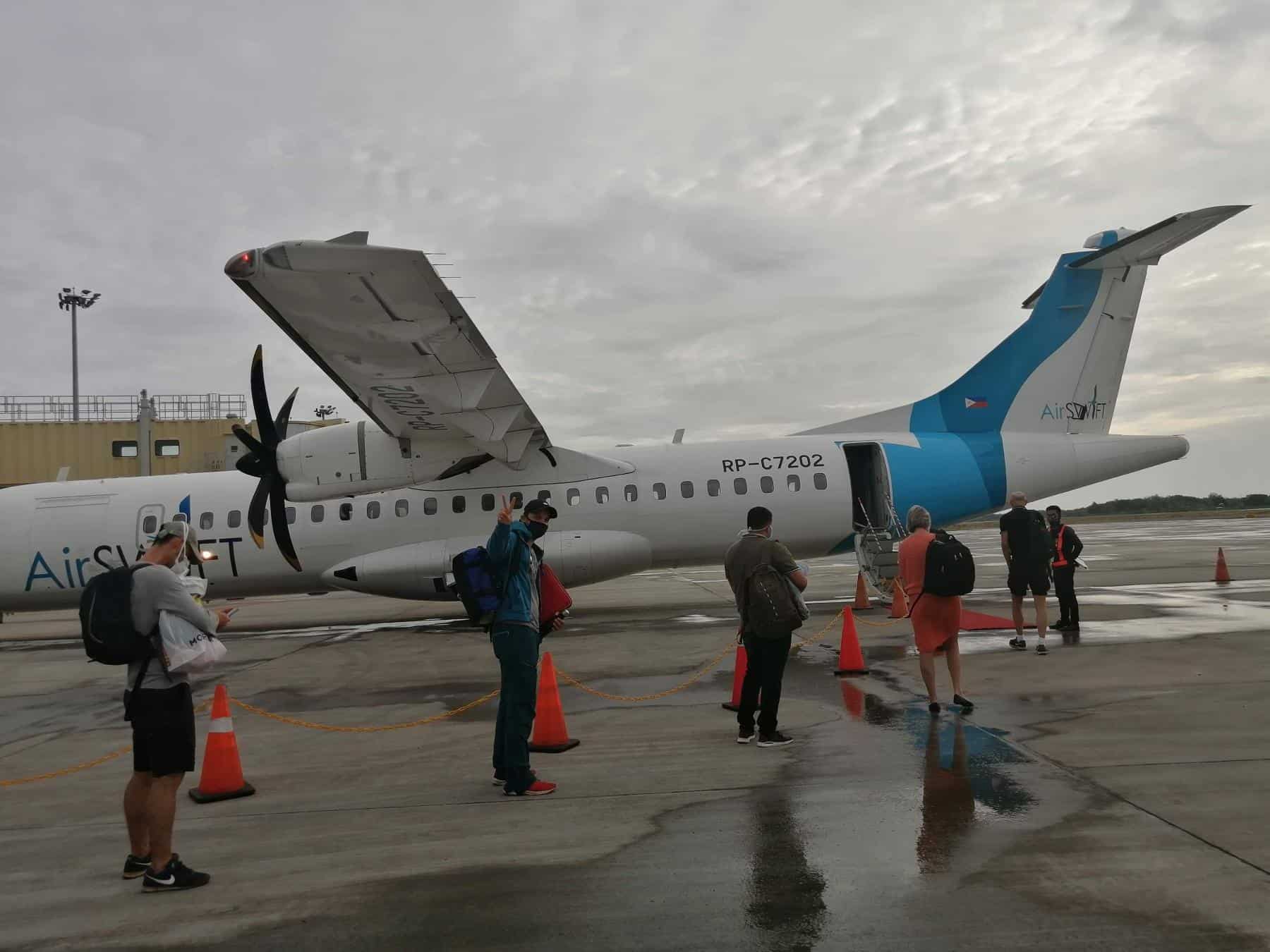
Tickets for routes between the airline’s base of Abu Dhabi and destinations in India, Sri Lanka, the UK, and the Philippines are now bookable. Purchasing tickets remains a risky proposition, and only “flex fairs,” which allow free cancellation or change, are available as the airline waits to hear if the UAE passenger flight suspension will be lifted or prolonged again. 

“This situation may change and Etihad will communicate any changes in due course,” the airline explained.

For those who do choose to book flights from May 16, Etihad provided the following advice today: “If you’re scheduled to fly with us before 31 July 2020, we’ll give you up to US $400 and up to 5,000 Etihad Guest Miles when you save your trip for later. Or, you can change the date of your flight for free.”


Read also: Emirates, Etihad Scale Up Outbound Passenger Flights to Select Destinations

Thousands Protest in Tel Aviv Against Israel’s New Unity Government

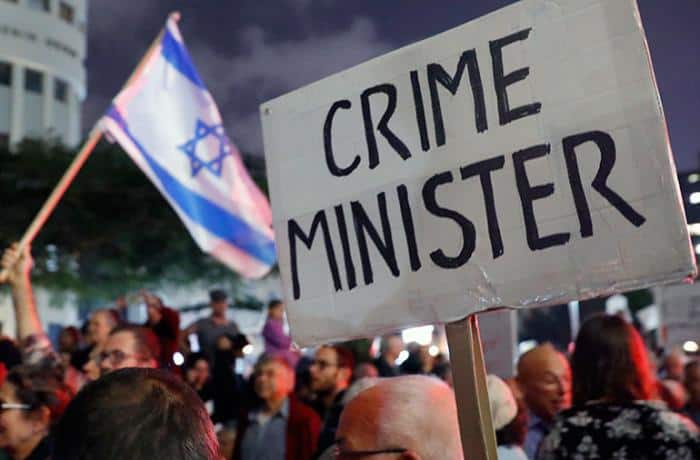
Thousands of Israelis demonstrated in Tel Aviv on April 26 to protest the new unity government comprised of outgoing Prime Minister Benjamin Netanyahu and his former rival in the elections, Benny Gantz, and their plan to annex parts of the Palestinian territories.

The unity government’s agreement provides for starting a bill to annex the Jordan Valley and Israeli settlements in the occupied West Bank in early July.

“The anti-annexation demonstrators demonstrated, in the most recent protest of the (Black Banners) movement, in Rabin Square, central Tel Aviv,” the Peace Now movement reported on Twitter. 

Peace Now added that “these actions corrupt our democracy. We must prevent the plans of (Prime Minister Benjamin) Netanyahu and (Benny) Gantz, to annex parts of the West Bank.”


The protesters have slammed the unity government deal, which gives Netanyahu the power to appoint judges and legal officials, saying it “crushes democracy” and aims to rescue Netanyahu from his corruption charges.

The demonstrators voiced their opposition to Netanyahu’s position as prime minister of Israel as long as he is suspected to be a criminal. Netanyahu is scheduled to appear in court next month on charges of fraud, breach of trust and accepting bribery.

Netanyahu and former military leader Benny Gantz, the leader of the Blue and White party, signed an agreement to share power on April 21 after weeks of negotiations on how to manage the COVID-19 crisis.

The number of confirmed COVID-19 cases in Israel stands at 15,398, with 199 deaths and 6,602 recoveries.

The unity agreement includes the formation of a new government composed of 32 ministers for six months to confront the COVID-19 crisis, then expand to include 36 ministers in total, the largest government in Israel’s history.


Read also: Third Time’s the Charm: Israel Forms National Emergency Government

Britain Targets ISIS in Iraq in First Airstrike Since September 2019

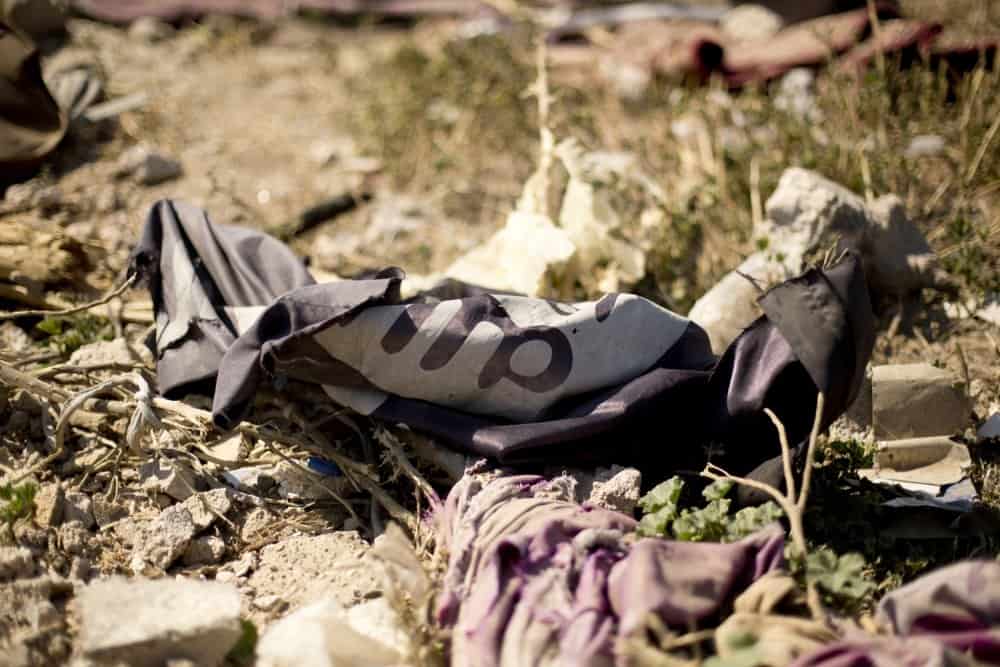
The British government announced yesterday, April 25, that its Royal Air Force conducted successful airstrikes on ISIS targets on April 10 as part of an international coalition campaign against the terrorist organization.

The government stated in a media briefing that the Royal Air Force carried out a “successful air raid” with two Typhoon fighters jets against ISIS terrorist forces in the Tuz Khurmatu area, south of Kirkuk in northern Iraq.

“The pair of Typhoons, assisted by an RAF Reaper aircraft, identified Daesh terrorists occupying a group of fortified buildings in an isolated location west of Tuz Khurma[tu], known to be inhabited by active terrorist commanders and fighters,” the British Government stated.

The government report stated that the operation had “removed a number of ISIS fighters from the battlefield and further deteriorated the organization.”

The air raid targeted ISIS militants in fortified buildings in an isolated area west of Tuz Khurmatu, known to be the center of the group’s active operations in the region.

The report said the Royal Air Force conducted a thorough examination of the area to identify non-combatants before using a group of precision-guided missiles to destroy the buildings in which the ISIS militants were holed up.

It added that “the surveillance plane carried out a careful examination of the area,” stressing that “all weapons hit their targets and there are no collateral damage.”

The last British airstrike against ISIS was in September 2019, when the Royal Air Force targeted a group of militants in Tuz Khurmatu after they had attacked Iraqi forces.

Tuz Khurmatu, in the Saladin province, is a disputed Kurdish territory ethnically mixed with Kurds, Shiite Turkmen, and Arabs.

Iraqi forces have assumed responsibility for Tuz Khurmatu’s security since October 2017.

Iraq announced ISIS’s regional defeat in December 2017, while Syria declared the organization ousted in March 2019. Nevertheless, its elements maintain a presence at specific points in both countries.

Read also: UK Pledges £200 Million in COVID-19 Aid for Disadvantaged Populations