COVID-19 Curbs Ease in Saudi Arabia, Mecca to Stay in Lockdown

The government of Saudi Arabia announced on Saturday, April 25, that the country’s curfew will be wound back to 9:00 a.m. to 5:00 p.m. from April 26 to May 23. The Gulf country has joined Algeria, Egypt, and the Emirate of Dubai in easing some COVID-19 curbs in light of Ramadan, which began on Friday. 

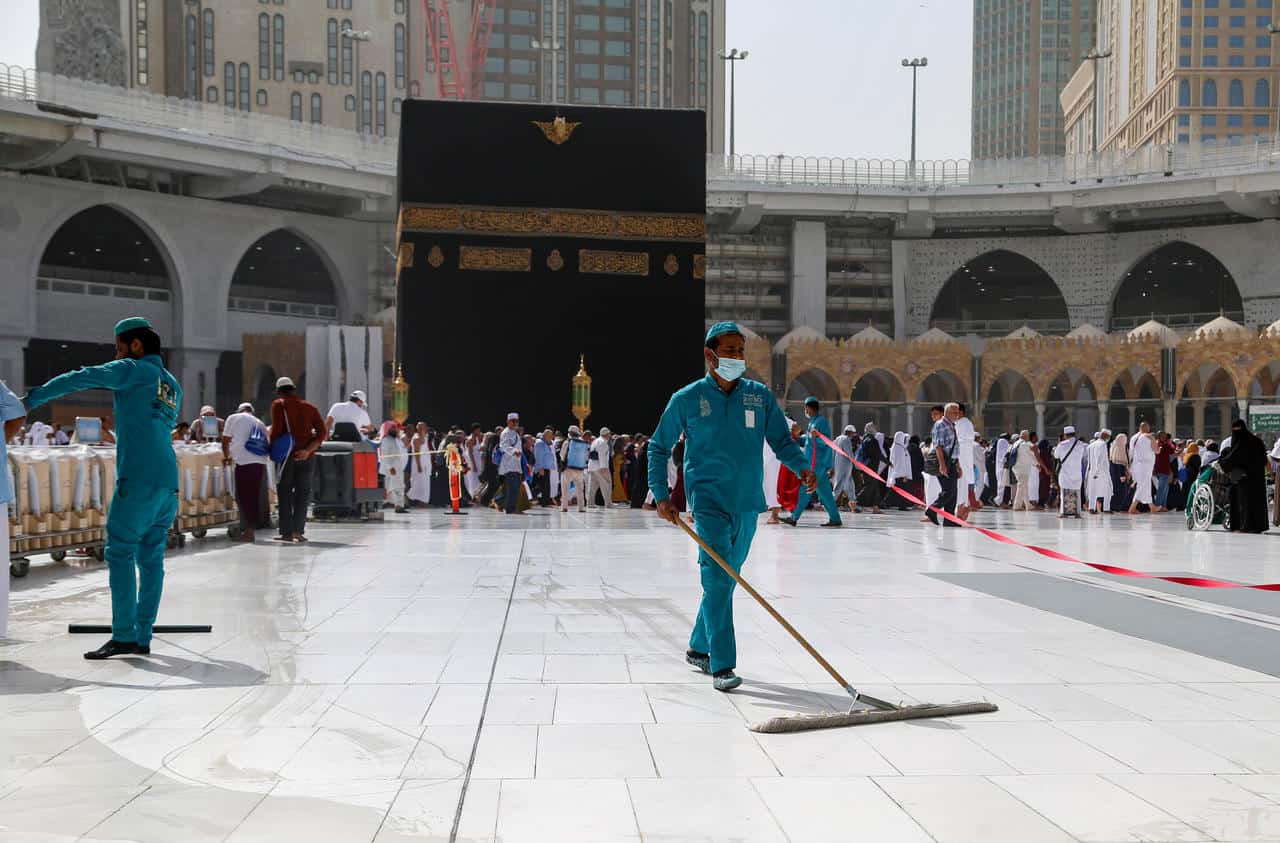
The 24-hour curfew in the holy city of Mecca will remain in place, as will the restrictions in areas under quarantine. Mecca, which is usually full of Hajj pilgrims during the Muslim holy month of Ramadan, is eerily empty this year due to the coronavirus pandemic. 

Saudi Arabia has also given some businesses the green light to start up again and help the country’s economy get back on track. Wholesale and retail stores, shopping centers, and malls will be allowed to open within the curfew hours from April 29 to May 13, while construction companies and factories can start up again without time restrictions.

Any outlets not adhering to social distancing rules and sanitation measures can be shut down, and the Ministry of Health will produce daily reports on how well the country is responding to the relaxed measures.

The government also used the curfew reduction announcement to encourage citizens to remain vigilant and respectful of precautionary measures designed to stem the spread of COVID-19.

Businesses and venues that cannot ensure social distancing measures like eateries, hairdressers, or gyms must remain closed for the time being. Non-commercial activities and gatherings of more than five people like weddings, funerals, or group prayers are still prohibited.

Saudi Arabia has the highest number of COVID-19 cases in the Gulf and has recorded 16,299 infections and 136 deaths from the virus to date.


Read also: Is Saudi Arabia Waging a War on US Oil Producers?

Saudi-Coalition Extends Yemen Ceasefire By One Month

Friday, April 24, started with troubling news for Yemen. Houthi negotiators had rejected a Saudi proposal of a two week extension to the cease-fire on the day the tenuous truce was ending.

The Houthi delegation had asked for concessions from the Saudis, including the lifting of a five-year air and sea blockade. But hope remained for Yemenis as later in the day the Saudi-led coalition announced it would extend the cease-fire by a month.

The cease-fire was initially implemented following the call for a global cease-fire from UN Secretary General Antonio Guterres’ in response to the spread of COVID-19. The UN chief had asked for a global truce in order to allow potentially life-saving COVID-19 measures to be implemented in conflict zones like Libya, Syria, Yemen and others.

“The coalition reaffirms that there is still an opportunity to focus all efforts in order to reach a comprehensive and lasting ceasefire in Yemen,” spokesman for the coalition Turki al-Maliki told Saudi Press Agency.

But the cease-fire is anything but a guarantee that violence will stop in the war-torn country as several breaches of the existing cease-fire have been reported in recent weeks. As Houthi demands of a lift in the Saudi blockade on Houthi-occupied areas have not been met, it remains to be seen if the conflict will subside enough to allow COVID-19 measures to be implemented.

A conflict on the brink

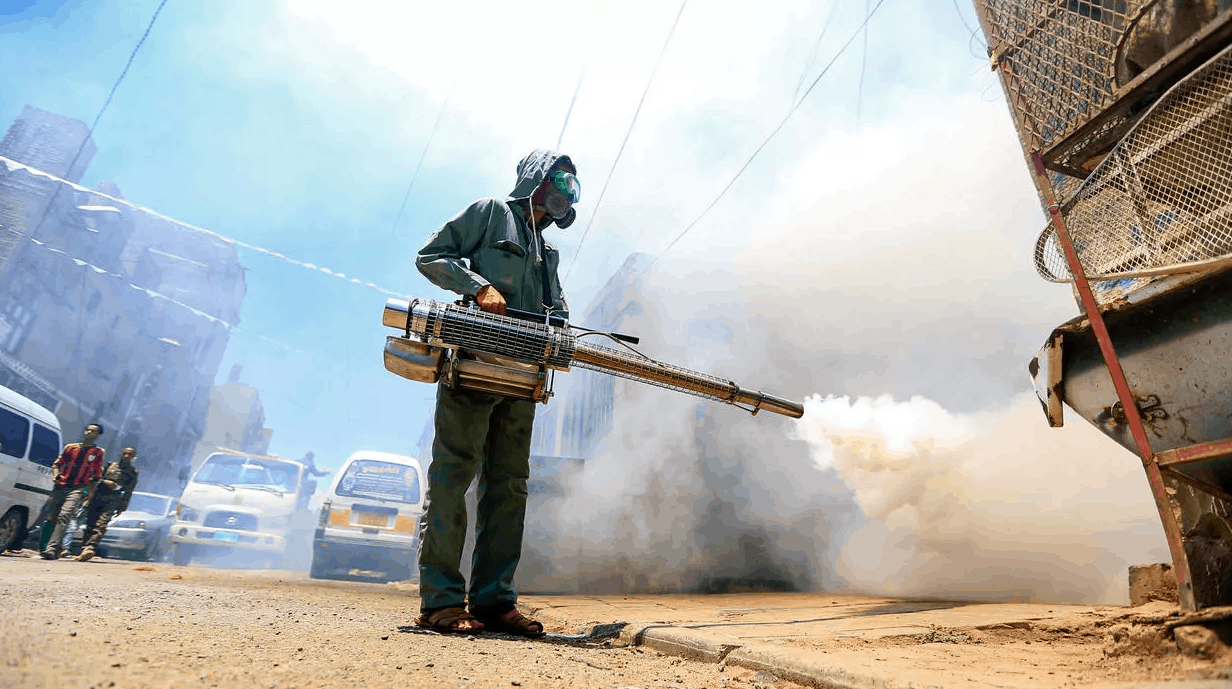
Yemen has recorded its first case, but many experts fear the scale of the local outbreak is much larger. The already limited Yemeni healthcare system has been brought to the brink of collapse as years of war have reduced the chances of any effective response to a threat like COVID-19.

The conflict in Yemen has raged on since the 2014 overthrow of the Sanaa government by the Houthis, a tribal group from Yemen’s northern regions. A Saudi-led coalition was formed to fight the Shia Houthis who are receiving support from Iran, Saudi Arabia’s traditional foe.

The UN envoy to Yemen, Martin Griffiths had spent weeks negotiating with the opposing combatants to extend the cease-fire. The Houthi, UAE and Saudi negotiators had discussed a variety of plans, including the release of prisoners, reopening Sanaa airport and paying for essential civil services to recommence.

It remains unclear to what degree the announcement of the Saudi-coalition will concede on these issues, especially as the previous cease-fire was repeatedly breached. While significant doubts remain over the future of Yemen, its people will certainly feel a moment of relief after the current lull in violence could be extended by another month.


COVID-19 Poses New Threat to People Living With Infectious Diseases

Around the world, there are 1.8 billion people who are living with tuberculosis and about 37.9 million people are living with HIV. These two diseases make up the most deadly infectious diseases on earth. According to the WHO, 10 million new people are infected with tuberculosis every year, claiming about 1.3 million people, who die because of the disease annually.

The two infectious diseases have a unique interplay, where tuberculosis is the most common cause of death for people living with HIV. Both diseases reduce the immune system, leaving people vulnerable to other infections and health risks. The countries worst affected by tuberculosis are some of the world’s poorest, with India, Indonesia and Nigeria topping the list.

In recent years organizations such as the Stop TB partnerships and UNAIDS have produced remarkable drops in infections and deaths from these diseases, saving more than 50 million lives since the year 2000. But this encouraging progress is being threatened by a new threat for people living with TB, HIV or both.

TB, HIV, and COVID-19

The global spread of the COVID-19 virus has presented a new threat to people with TB and/or HIV. The virus is most deadly for those with weakened immune systems or lung damage. Tuberculosis is an infection of the body that damages the lungs when it moves from its latent (dormant) state to active Tuberculosis.

Every day Tuberculosis claims roughly 4000 lives, and global TB-HIV programs are fearing the novel coronavirus could increase this rate. Because many people living with infectious diseases live in developing countries with limited public health programs, fears exist that COVID-19 could have a disproportionate impact on this at-risk population.

TB and HIV programs worldwide are now issuing specific guidance to protect vulnerable people and ensure the gains made against the diseases is not lost during the pandemic. The Stop TB Partnership, a global network of NGO’s dedicated to fighting Tuberculosis, provide advice for patients and public health programs alike.

Advice for people living with TB and/or HIV

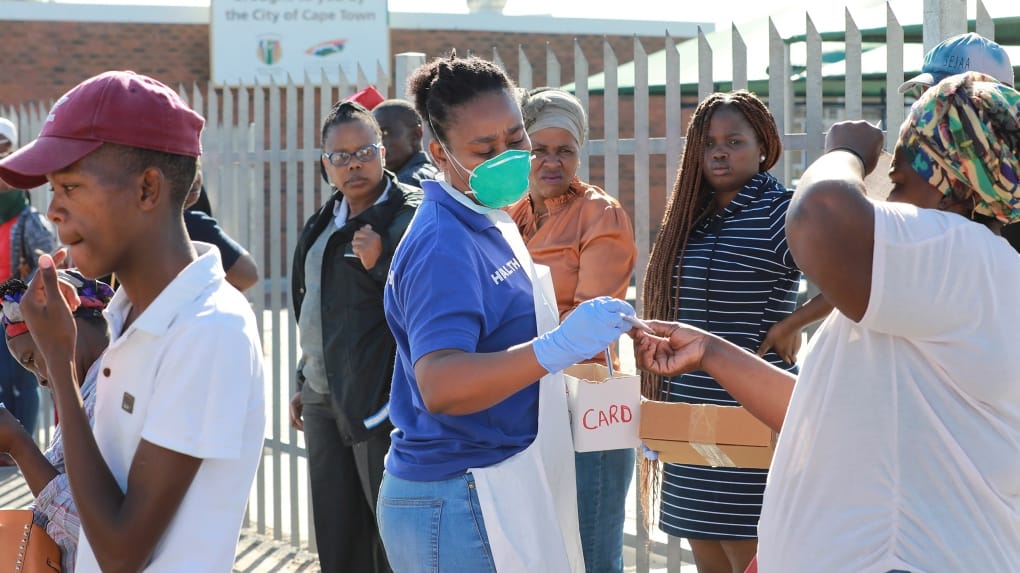
Recommendations for people living with TB are generally more strict versions of the WHO guidelines for everyone else. Social distancing and isolation, the use of masks, good hygiene, and strict adherence to existing TB treatment are recommended for people living with Tuberculosis.

For people with HIV, it is crucial to continue their treatment, as it ensures their immune-system remains strong, allowing their body to fight the virus as normal. People who are not in treatment could have a compromised immune system and are at greater risk of infection of both TB and COVID-19.

If anyone fears they might have one or either diseases, the advice is to contact your national health system who can provide testing and treatment.


Read also: UAE to Import Malaria Tablets From India for COVID-19 Treatment

Turkish Political Prisoner Mustafa Kocak Dies During Hunger Strike

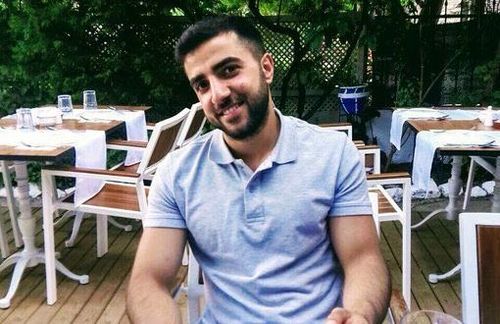
Left-wing Turkish activist Mustafa Kocak died in prison today, April 24, after a 297-day hunger strike in protest of his treatment by the Turkish justice system. 

Kocak, just 28 years old, was on a “death fast” in solidarity with Helin Bolek and Ibrahim Gokcek, members of leftist folk band Grup Yorum. Bolek died on April 3, 2020.

“I have a lot of pain, I cannot turn in my bed, I am really unwell,” Kocak told the Grup Yorum Solidarity Committee hours before his death. 

Soon after the activist’s death, his name began trending on Twitter with many expressing their anger at Turkish authorities, sorrow for his passing, and condolences to his family. 

“All he wanted was a fair trial, they did not give him this chance. He became the latest victim of an unjust judgment,” the pro-Kurdish People’s Democratic Party (HDP) parliamentarian Omer Faruk Gergerlioglu tweeted.

“Dismayed to learn of Mustafa Kocak’s death, after 297 days of death fast claiming for a fair trial. Second inmate to die of hunger strike in a month after Helin Bolek from Grup Yorum. Others, as Ibrahim Gokcek, are on the brink of death. State is responsible of all under its custody,” Spanish socialist European Union parliamentarian Nacho Sanchez Amor said on Twitter in response to the news. 


Unfair trial, torture, force-feeding 

After an April 20 visit, his sister Mine Kocak reported her brother’s weight had dropped to just 29 kilograms and declared, “I don’t want him to be taken out of here in a coffin, I don’t want my elder brother to die.”

Kocak, Bolek, and Gokcek started their “death fasts” in protest of the Grup Yorum’s prohibition from performing in 2016, and to demand a fair trial from Turkey’s notoriously political justice system. The young man’s death marks another dark day for justice and human rights in Turkey, which have been eroded under Recip Tayyip Erdogan’s presidency.  

In a letter given to his lawyers before his death, Kocak said his life changed when he was detained by Turkish police on September 23, 2017. Kocak alleged that police gave him the option of signing a false statement, threatening that he would never “see the light of day again” if he refused to sign. 

After refusing to sign the document, Kocak said he was “subjected to psychological and physical torture.” The young man was eventually charged for firearms trafficking and sentenced to life in prison for attempting to overthrow the constitutional order, on the back of flimsy evidence and a confession allegedly obtained by torture. 

On March 17, Kocak’s attorney Ezgi Cakir reported that he had finally been able to see his client who had, in turn, told him he had just been subjected to five days of force-feeding. In response to the medical intervention conducted against his will, Cakir said at the time, “Mustafa has a message for you, he continues to resist.”

Force-feeding and medical intervention against mentally competent hunger strikers is considered unethical and unacceptable under the World Medical Association’s Declaration of Malta on Hunger Strikers. 

“We lost Mustafa but death fasts still continue today; attorneys Ebru Timtik and Aytac Unsal have been on a death fast for 113 and 82 days, Grup Yorum [music band] member Ibrahim Gokcek for 312 days, Didem Akman and Ozgur Karakaya on 62 days. Days are moving terribly fast, the resisting ones are running out of time,” Attorney Aysegul Cagatay told “Bianet” today. 

Kocak’s resistance is now over, but Ibrahim Gokcek and a number of lawyers are continuing their hunger strikes in a quest for justice, which is unlikely to be forthcoming as long as Erdogan remains in power.


Read also: Syria, Turkey, Korea: How Developing Stories Could Change the World

Start of Ramadan Prompts Algeria, Egypt, Dubai to Ease COVID-19 Curbs

Algeria

Algerian authorities will relax lockdown restrictions in Blida but tighten the curfew in nine other provinces, including Algiers, ahead of Ramadan. They will also conduct a review of the nationwide lockdown, currently scheduled to end on April 29. 

From Friday, April 24, citizens of Blida’s full lockdown will see measures slightly eased, replaced with a 2 p.m. to 7 a.m. curfew. President Abdelmadjid Tebboune 

expressed his sympathy for Algerians stuck in confinement, singling out those in Blida.

“I know that you are going through hard moments, notably our fellow-citizens in Blida, confined in your houses, sometimes in cramped apartments,” he said in a statement on Thursday night. 

Tebboune also encouraged his fellow citizens “to show further solidarity, mutual help, discipline, patience and vigilance” in the wake of the COVID-19 pandemic and during the holy month of Ramadan. 

In Algiers and in eight other provinces, curfew hours have been shortened from 5 p.m. to 7 a.m rather than 3 p.m. to 7 a.m for the coming weeks. All other provinces will remain subject to a continuation of the existing 7 p.m. to 7 a.m restrictions.

Authorities will make a decision on further easing lockdown measures before the April 29 lockdown end-date, Minister of Health, Population and Hospital Reform Abderrahmane Benbouzid announced on Wednesday. He warned that it would be unwise to lift restrictions during Ramadan, “a month of meetings and outings,” adding that COVID-19 curbs must be lifted gradually. 

“We will gradually lift the lockdown, allowing the population to move, but the measures announced (wearing masks, social distancing …) may remain for months or more. The end of the pandemic will be ensured only when no further cases will be reported,” Benbouzid told the Algerian Press Service.

Dubai

Friday marks the beginning of Ramadan and the easing of some COVID-19 restrictions in the Emirati city-state of Dubai. The bustling metropolis has been eerily quiet under a strict lockdown designed to bring the virus’ spread under control.

From April 24, Dubai residents will once again be able to move freely, without a permit, from 6 a.m. to 10 p.m., the Ministry of Health and Prevention and the National Emergency Crisis and Disaster Management Authority (NCEMA) and Supreme Committee of Crisis and Disaster Management, headed by Dubai ruler Sheikh Mansour bin Mohammed bin Rashid Al Maktoum, decided on Thursday. 

“The decision to reduce restrictions on movement in Dubai follows a careful assessment of the current situation and analysis of reports from various authorities working to combat the pandemic,” the committee said in a statement carried by state-run news agency WAM

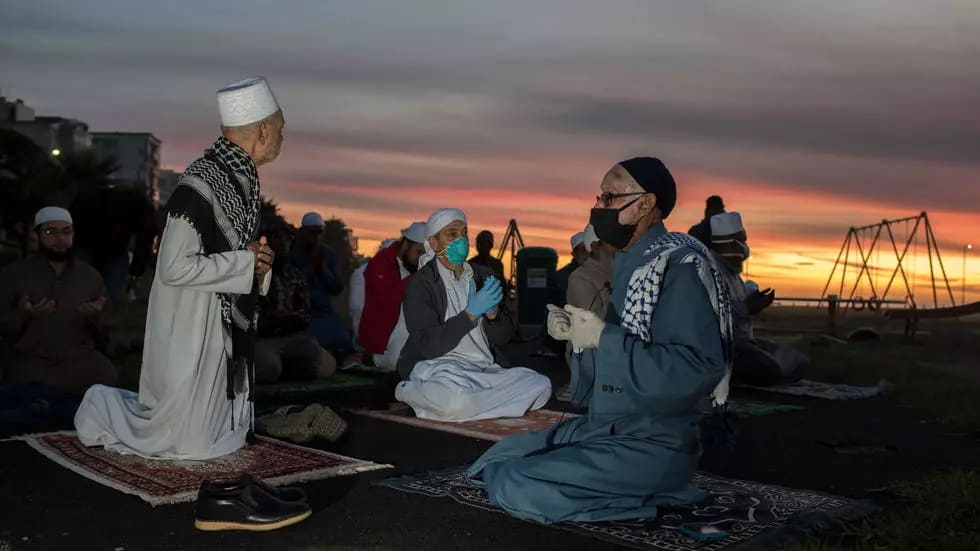
In an exciting Ramadan development, Dubai authorities are permitting family visits of no more than five people in total, between “first and second degree relatives.” Dubaians have been reminded that mosques remain closed and public prayers are prohibited, but they are welcome to perform prayers and Taraweeh together at home, with members of the same household.  

Shopping centers, markets, and eateries (excluding buffets and shisha cafes) can also reopen but may only operate at up to 30% of their capacity to reduce overcrowding. Up to three people will now be allowed to exercise outside, within their area of residence, for 1 to 2 hours as long as they wear a mask and keep their distance from one another.

Businesses outside the retail and hospitality sector will also be able to reopen their offices, but can only have 30% of their workforces on-site. Companies are encouraged to keep their employees working from home unless absolutely necessary, and to sterilize their premises on a daily basis. 

Egypt

Egypt is shortening its national nighttime curfew, allowing business to open longer and some government services to reopen for Ramadan, Prime Minister Mostafa Madbouly said on Thursday. 

The country’s curfew will be pushed back from 8 p.m. to 9 p.m. and end at 6 a.m. during the month of Ramadan. Shopping malls will now be allowed to open until 5 p.m. on weekends, when they were previously forced to close. 

Government offices responsible for issuing drivers licenses, recording deeds, and other key documents will also be allowed to reopen during the holy month. The situation will be reassessed in two weeks, the prime minister said.

“We have balanced between taking preventive measures against coronavirus and allowing the economy and production to continue,” Madbouly said. 

As Madbouly announced the easing of restrictions, the number of coronavirus cases reported also saw a sharp increase. Officials recorded 232 new cases on Thursday, the highest number of new cases since the disease was discovered in Egypt in February. This brought the country’s COVID-19 tally to 3,891 infections and 287 fatalities.

The jump in the number raises questions over whether easing restrictions is the right move, and if people will continue to respect them during Ramadan, which is normally a time of family and community gatherings.  

There was a strong indication that impatience with COVID-19 curbs is growing after a large crowd of people celebrating the beginning of Ramadan processed through the streets of Alexandria on Thursday night

The parade was in direct contradiction of President Abdel Fattah al-Sisi’s Wednesday order for Egyptians to maintain social distancing and avoid large gatherings. The raucous procession carried a large model of the Kabaa, while singing and dancing its way through the city’s streets. 

The march began before curfew, but the interior ministry nonetheless arrested its organizers. Videos of people touring Alexandria with the Kaaba on their shoulders went viral on social media, and received backlash from users who thought their actions were highly irresponsible in the wake of COVID-19. 



Read also: Ramadan Mubarak! MENA Countries Sight Crescent Moon

Haftar Vows to Build a New Libya

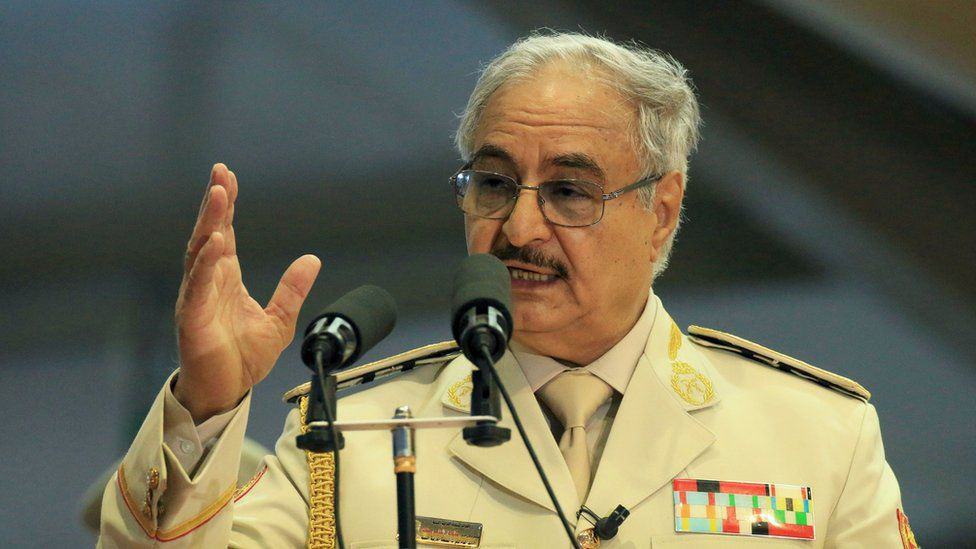
Field Marshal of the Libyan National Army (LNA) Khalifa Haftar today announced: “the dawn of a new Libya” in a speech to the fractured Libyan nation. Haftar said Libya would no longer be interfered with by “colonists”, in a reference to Turkey which is supporting the Tripoli-based Government of National Accord (GNA).

“Today we declare confrontation, accept the challenge, close ranks, reject our differences among us, announce jihad, and comprehensive mobilization, and bear arms, men and women, military and civilian, and prepare with all the strength that we have come to defend our land, and our honor,” Haftar said.


“The decisive battle in Tripoli is nearing victory”, Haftar said, contradicting reports of heavy losses suffered by his coalition in recent weeks. After and intervention by Turkish troops, the balance of power in Libya has changed. Turkish forces supplemented with Syrian mercenaries have prolonged the conflict just as Libya’s people anticipated the fall of Tripoli earlier in the year. 

Speaking to his supporters that control the east of the country, Haftar stressed that “the army will triumph over those who have sold honor and lost manhood and boast of giving up the homeland to those who have bored our ancestors for centuries, forgetting our glorious history in the struggle and jihad against the colonists.”

The bloody conflict in Libya rages on with little chance of a resolution and with its people as the main victim. As combatants continue to exchange fire, Haftar appeared confident he could regain the advantage and take Tripoli. Perhaps gauging the country’s fatigue over the conflict that has been fueled by foreign interference and mercenaries, he promised to “end terrorism” in reference to the irregular militias that roam the country.

Haftar took aim at Turkey’s role in supporting Tripoli, saying the war had become “a fierce war in the face of a brutal colonialist who sees Libya as a historical legacy and land without a people.” As Turkey has increased its foreign policy clout in recent years, Syria and Libya have become partly occupied by its troops, with disastrous consequences for the Kurdish people in Syria.

Painting the GNA as a foreign force, Hafter said that “the enemy is gathering its forces today to invade Libya, occupy our land, and enslave our people again,” He decried the coalition that opposes him, backed by Italy, Turkey and Qatar; “It has been found by traitors who sign the agreement of servitude, humiliation, and shame without a popular, constitutional or moral support to tolerate our land and our sky.”

Haftar made sure his comments were clearly aimed at Turkish President Erdogan, under whose leadership Turkey has embarked on its current foreign policy interventions. “The friendly Turkish people with whom the bonds of brotherhood in Islam are bound to rise up in the face of this foolish adventurer who pushes his army to perish and ignites discord between Muslims and the peoples of the entire region to satisfy his whims,” Haftar concluded in a dig at Erdogan.

Haftar rallies his supporters

Haftar’s speech was well-received by his supporters who have had a rough week. Tribal and local councils, civil society organizations, activists, politicians, and parliamentarians reaffirmed their support for the military leader.

As Haftar’s forces suffered losses and lost ground after the long siege of Tripoli, the address clearly shows Haftar has taken a state-building approach to his rhetoric. By addressing Libyans directly and promising an end to local fighting he appears to want to build support for an eventual resolution of the conflict in his favor.

Both sides of the conflict are under increased pressure by the international community to establish a cease-fire to allow COVID-19 measures to be implemented. Since the arrival of Turkish troops and mercenaries, the war has reignited shows little sign of a conclusion. For the war-weary people of Libya little hope remains for the near future.


Read also: UN Raises Alarm on Possible War Crimes as Fighting Intensifies in Libya

Is Saudi Arabia Waging a War on US Oil Producers?

On March 30, nine US senators joined Princess Rima al-Saudi on a conference call, and proceeded to “rip into her,” according to US Senator Ted Cruz. The princess, who is Saudi Arabia’s ambassador to the United States, attended the video conference where the senators “unloaded on her,” Cruz later boasted in a television interview with CNBC. “You are not behaving like a friend when you are trying to destroy thousands of small businesses across Texas and the country,” the senator said.

Cruz accused Saudi Arabia of “exploiting the coronavirus crisis to drive American producers out of business,” and threatened that the Saudi-US relationship could “change fundamentally.” Saudi Energy Minister Prince Abdulaziz bin Salman on April 15 said his country “was never looking to put the US shale industry out of business,” after the world’s oil producers agreed on an unprecedented cut in production.

American fears

The brief but historic American oil price drop into the negatives on April 20 highlighted the precarious nature of US oil production. With storage running out, the glut in American oil has few places to go amid weak global demand. The US expects its storage facilities will be exhausted within a few weeks, meaning trouble is on the horizon for the country.

While the United States struggles to deal with its expensive-to-produce but abundant hydrocarbons, a fleet of Saudi tankers filled with much cheaper crude is crossing the Atlantic and heading for US shores. These tankers were loaded before the historic production cut and contain a volume seven times the usual monthly intake of Saudi oil in the US.

On April 1, Saudi Arabia’s state-run oil producer Aramco announced it was “breaking records to supply 15 tankers with over 18.8 million barrels of oil,” now that oil prices have fallen dramatically and American storage is reaching tank tops, such statements sound increasingly ominous to American oil producers.

Saudi context

From Saudi Arabia’s perspective, these are similarly hard times. Like many Gulf states, the country depends on oil exports for a large part of its budget. Saudi Arabia also needs income to continue its diversification efforts, in order to wean itself off its reliance on oil in the long run. The country has publicly flexed its financial muscles in recent weeks, but remains in a precarious situation as global demand remains depressed.

The IMF estimates that Saudi Arabia needs oil prices to hover around $80 per barrel to balance its budgets and the country’s recent $7 billion bond sale surely is an indication that not all is well in the Arabian Peninsula. The country could borrow a record $58 billion during the crisis, according to Arabian Business, and its oil that is heading towards the US has suddenly lost much of its value.

If the US shale gas industry were to collapse and the Saudis received blame, the Middle Eastern kingdom could also lose a valuable strategic ally. The Saudi army, navy, and air force all rely heavily on American weapon-manufacturers and maintenance contracts. Losing US support could seriously undermine their standing in the region.

Winners and losers

If US experts’ fears were to come true with a  US shale gas industry collapse, the Saudis would lose a major competitor in the long run. Shale gas production would be expensive to shut down, and then would require significant investment to restart again, if it ever could. If a collapse were to happen, it could potentially re-balance global supply and demand, which would raise Saudi oil income and state revenue.

When politicians attributed the drop in oil prices to a Russo-Saudi disagreement, the Saudis were able to count the US as a strong ally. In our current situation, if the US oil industry collapses and the 10 million Americans that work in the industry lose their jobs, it is likely the Saudis could become the eventual scapegoat as American politicians cast blame.

Now, as Ramadan commences, the bargain is clear to Saudi Arabia. The kingdom could strengthen its income and long-term economic prospects by doing whatever it can to cause an American industry to collapse. If it does so, the country might lose its most valuable military ally, leaving the kingdom more isolated in the Middle East.

A resolution behind closed doors

In the end, it is very likely a resolution to the stand-off will be based on the relationship between Saudi crown-prince Mohammad Bin Salman and US President Donald Trump. The two leaders have supported each other so far and Trump’s response to the coming fleet of Saudi tankers should give an indication of which leader holds the upper hand.

If Donald Trump decides to put a ban on imports of Saudi crude, the Saudi fleet will have nowhere to go but elsewhere. If they are allowed to sell their oil in the US, the situation could be quite different. Trump has directed others to save the shale gas industry rather than taking it on as a personal task, which might indicate he is positioning himself to be able to cast blame on others later.

The relationship between the Trump family and the Saudi royal house may ultimately determine the outcome. Like empires of old, the bonds between the countries’ leaders might well shape the future for their citizens. As the Saudi tanker fleet continues to sail for American shores, we will soon see who has the upper hand in the relationship between the Trump family and the House of Saud.


Read also: Saudi Arabia Flexes Financial Muscles

Outcry after Lebanese Facebook Group User Puts Nigerian Domestic Worker Up for Sale

On April 22, a Facebook user called ‘Wael Jerro’ posted an advertisement to a group called ‘Buy & Sell in Lebanon’ offering a Nigerian domestic worker for sale with a price tag of $1000. The advertisement classed the woman, identified from her passport as Peace Ufuoma, as a “domestic worker from Nigeria for sale with new legal documents”. 

“She’s 30 years old, she’s very active and very clean,’ Jerro said in an Arabic Facebook post, that he now claims was accidentally written by his four-year-old daughter, Nigeria’s The Guardian news outlet reports.

The post was quickly picked up by human rights activists and fellow Nigerian social media users who shared the post with Lebanese authorities and reported the situation to the Nigerian Embassy in Lebanon. 

The General Directorate of Lebanese General Security said on Twitter that they had arrested a Syrian man ‘WJ’ (Wael Jerro) in connection with the social media posts on Thursday.

Advertising humans for sale online is against Lebanon’s people trafficking legislation, and that anyone doing so will be prosecuted, the General Security tweet emphasized. 

Lebanon’s Justice Minister Marie-Claude Najem called the incident a, “blatant violation of human dignity” and called for the perpetrators’ arrest on April 22. 

Four Nigerian women have reportedly been ‘rescued’ from Lebanon already this year, according to the county’s National Agency for the Prohibition of Trafficking in Persons (NAPTIP), who reacted angrily to the latest case. 

“The government is very angry,” said Julie Okah-Donli, director-general of the NAPTIP. “The Lebanese government should prosecute him and rescue other girls that have been sold or [are] about to be sold into slavery.”

On Thursday, the CEO of the Nigerian’s in Diaspora Commission Abike Dabiri-Erwa congratulated the Nigerian Embassy in Beirut for “swinging into immediate action” and welcomed Jerro’s arrest. The Embassy has demanded the woman be returned to them “unconditionally and in good health” when located.

Kafala System equals “Modern Day Slavery” 

Peace Ufuoma’s case comes less than a month after the suspicious death of Ghanian domestic worker Faustina Tay in Beirut. Tay was found dead in the car park of her employers’ apartment building, on March 14.

The forensic doctor who examined her body declared the death of suicide. In the days leading up to her passing, the 23-year old had sent dozens of texts and voice messages to her brother and Canadian NGO ‘This is Lebanon’ detailing physical abuse at the hands of her employers. In one voice message to This is Lebanon, Tay said, “I’m scared. I’m scared; they might kill me.”

Her employer Hussein Dia, denied Tay’s claims that he had beat her and told Al Jazeera that he had, “never laid a hand on her.” The evidence of Tay’s voice and text messages, however, prompted Lebanon’s labor ministry to launch an investigation into her employment conditions which lead to the employer being blacklisted. 

“It’s our duty to look into these cases and investigate with the employer and agent, even as the public prosecutor investigates at the same time,” said Labour Minister Lamia Yammine. 

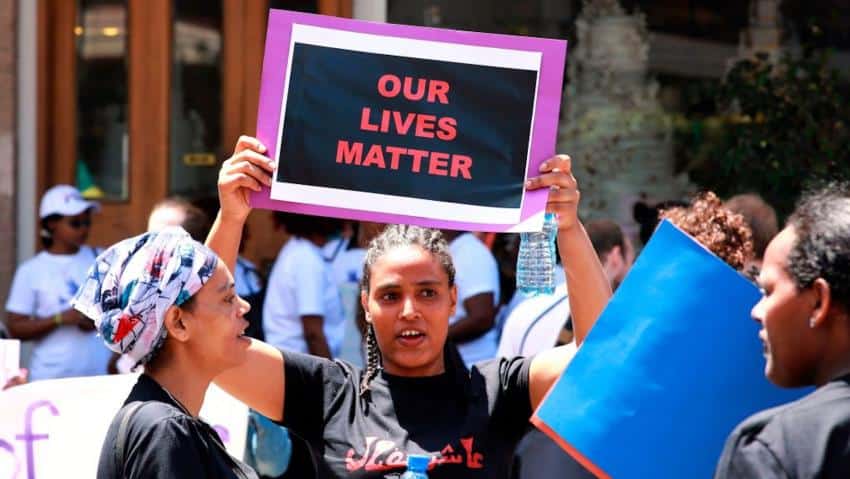
Approximately 250 000 foreign domestic workers, primarily from Sub-Saharan Africa but also from the Philippines and Nepal, reside in Lebanon under the country’s controversial kafala system. Under the sponsorship system which activists equate to “modern-day slavery,” employees can only leave a contract if the employer agrees.  

“The Lebanese labor law explicitly excludes domestic workers from labor protections enjoyed by other workers such as minimum wage, overtime pay, compensation for unfair dismissal, and social security. The labor law needs to be amended to recognize domestic workers as workers and grant them full labor protections,” explained Amnesty International’s Lebanon campaigner Diala Haidar.

Lebanon’s labor ministry has said it is looking to amend laws to make conditions safer for domestic workers. However, with the country now facing the dual crises of coronavirus and economic turmoil, it remains to be seen if action will be forthcoming. 

The difficult economic conditions could potentially lead to a deterioration in conditions for workers as Lebanese citizens struggle to withdraw cash from local banks and cash flow is further interrupted by COVID-19 curbs.


Read also: Lebanon Legalizes Medical and Industrial Cannabis Production

Controversial Egyptian Cleric: Drinking Alcohol Does Not Break Fast and 5G Causes COVID-19

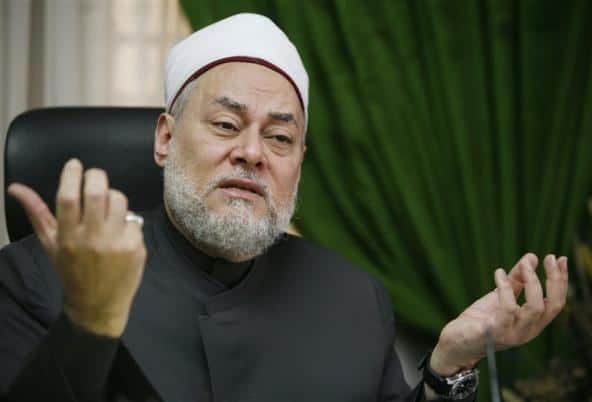
The former grand mufti of Egypt, Ali Gomaa appeared on Egyptian television-network CBC to make a controversial statement this week. 

Drinking alcohol does not invalidate a Muslim’s fast, the cleric stated. The statement was in direct opposition to centuries of Islamic teachings that ban the use of alcohol for recreational purposes.

“Does it make any sense to tell someone they can’t fast because they drink?” Gomaa asked, “what we ought to say is that when fasting, do not drink alcohol. We should encourage righteousness, shun evil and avoid judging.”

Alcohol consumption in the Middle-East

Although Gomaa’s statements are controversial, the drinking of alcohol is fairly common in a number of Muslim countries. Turkey produces and consumes large quantities of Raki, its own strong liquor, while north-African countries like Algeria and Morocco have flourishing wine industries. 

As lockdowns came into force because of COVID-19, Morocco labeled its liquor stores as ‘essential’ businesses and only closed alcohol vendors ahead of the holy month of Ramadan.

While the consumption of alcohol is not officially permitted for Muslims in these countries, the act is often considered as a forgivable offense. Ali Gomaa’s statements, however, contradict even this tolerant approach as the consumption of alcohol during Ramadan is considered taboo by even the most ardent Muslim wine-connoisseurs.

A history of controversial statements

Ali Gomaa, who served as Egypt’s 18th grand mufti from 2003 until 2013, has a history of making statements that are either controversial or in direct opposition to Islamic religious teachings. 

The cleric is considered a senior member of the religion, holding the power to issue fatwas which are non-binding but constitute official Islamic religious judgments.

In 2017, Gomaa issued a fatwa declaring that tattoos were permissible for women because modern methods of tattooing do not draw blood or inflict much pain. Men, however could not have tattoos as “for boys, it is like a boy putting on lipstick or nail polish, the practice imitating women and that is forbidden in Islam,” the cleric told the Egyptian Independent at the time.

Anti-Qatar, pro-military coup

In the same year, the cleric raised eyebrows over another set of controversial statements, this time targeting the state of Qatar. Tensions in the Gulf state had led to the Gulf crisis and the cleric predicted Qatar would be destroyed within two years. The cleric had survived an assassination attempt only a year prior and he is close to Egyptian president Al-Sisi.

Within Egypt he called on the state to shoot protesters in 2013, saying “”Shoot them in the heart. Blessed are those who kill them.” 

In the statement preceding the 2013 massacre of 1,150 protesters following the military coup, he continued: “We must cleanse our Egypt from these riffraff… they are hypocrites and seceders.”

Blaming 5G for COVID-19

On April 13, Ali Gomaa appeared on Egyptian television where he propagated a conspiracy theory that has seen 5G towers lit on fire in the UK and the Netherlands. The cleric claimed 100,000 satellites had been launched into space in order to introduce 5G technology, and that the technology “caused additional disruptions in the electromagnetic field, which have made the atmosphere hospitable for the spread of these viruses.”

Although it is true that the coming 5G technology will eventually require more satellites to make the technology available to self-driving cars and smart cities, this technology is not currently active.

The launch of a 100,000 satellites would also not have gone unnoticed as, on average, fewer than 1000 satellites are launched each year, according to EuroConsult. The non-existing link between electromagnetic fields and the rise of a zoologic virus is only posed in youtube conspiracy videos.


Read also: Egypt Welcomes Chinese Support to COVID-19 Response

2020 Could Become the Year of Great Famine

For most people living under lockdowns and curfews, the COVID-19 pandemic feels like the most historic moment in their life. Others recognize the legitimate possibility that the pandemic could be a minor footnote in history. The future could recall one of humanity’s biggest catastrophes unfolding in 2020 with little collective response.


A famine of ‘biblical’ proportions

Without immediate action, 2020 could see one of the world’s largest preventable disasters in history, warns David Beasley, executive director of the World Food Programme (WFP). Locust swarms, droughts, and economic crises could endanger the lives of millions without intervention, according to the WFP chief.

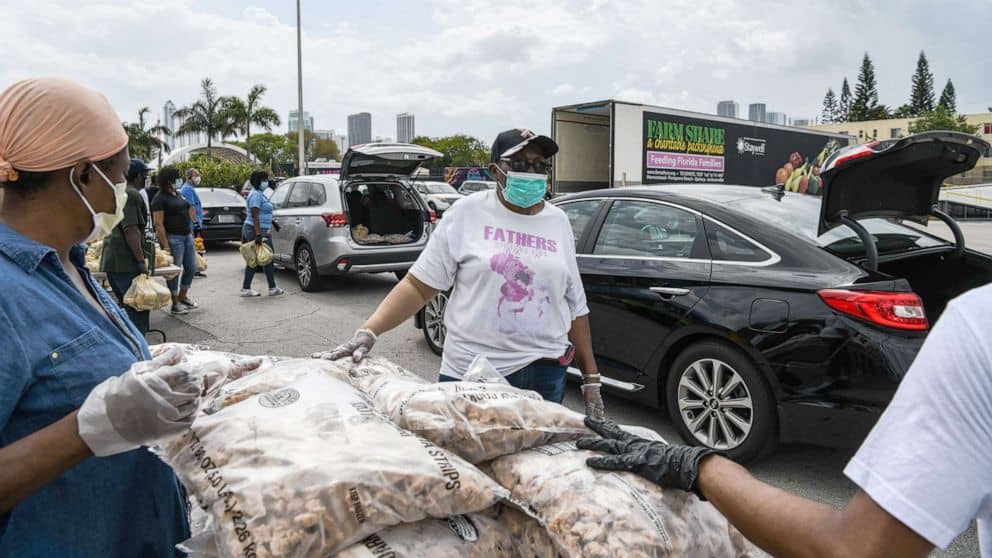
Even now, the WFP feeds 100 million people every day, and 30 million depend on the program to stay alive. Every night 821 million people go to bed hungry and the coming famine could increase that number to approximately 1 billion.

The conflicts in Libya, Syria, and Yemen continue to exacerbate food insecurity, which has become a daily concern for locals. In Africa, giant swarms of locusts destroy crops and create economic devastation. Economic crises as seen in Lebanon, the Democratic Republic of Congo, and Ethiopia could further exacerbate the impending doom scenario.


A cycle of crises

In 2019, hunger and drought were already significant problems Climate change and economic inequalities continued to drag humanity closer to disaster. Last year’s food crises were most severe in Afghanistan, the Democratic Republic of Congo, Ethiopia, Haiti, Nigeria, South Sudan, Sudan, Syria, Yemen, and Venezuela. The COVID-19 pandemic has only exacerbated the problem as international institutes and national governments remain occupied with combating the pandemic.

“In a worst-case scenario, we could be looking at famine in about three dozen countries,” Beasley said, adding that “in 10 of these countries we already have more than one million people per country who are on the verge of starvation.”

The COVID-19 pandemic is set to worsen the hunger crisis as economic consequences from lockdown measures hurt the economically vulnerable the most. The economic crisis, dubbed the “great lockdown” by the IMF, will have devastating consequences for the poor as a drop in remittances and tourism affects those in greatest need.

Even without the COVID-19 crisis, Beasley said, “our analysis shows that 300,000 people could starve to death every single day over a three-month period.”


Now or never

To avert  mass starvation, the international community must act immediately. “The truth is, we do not have time on our side, so let’s act wisely — and let’s act fast,” the WFP director said. In order to stave off a “hunger pandemic,” countries must work together to protect those in danger.

The World Food Programme plays a major role in combating the pandemic as it controls most of the UN’s practical logistics. On behalf of the WHO, WFP is delivering millions of pieces of protective medical equipment, testing kits, and masks to 78 countries. Beasley hopes the WFP’s logistical expertise could be put to good use in stopping the pending calamity.

Beasley expressed optimism that investment in food programs could provide the required aid, saying, “I do believe that with our expertise and partnerships, we can bring together the teams and the programs necessary to make certain the COVID-19 pandemic does not become a humanitarian and food crisis catastrophe.”