Saudi Artist Shoots to Fame After MBS Showcases Work in Online Meeting

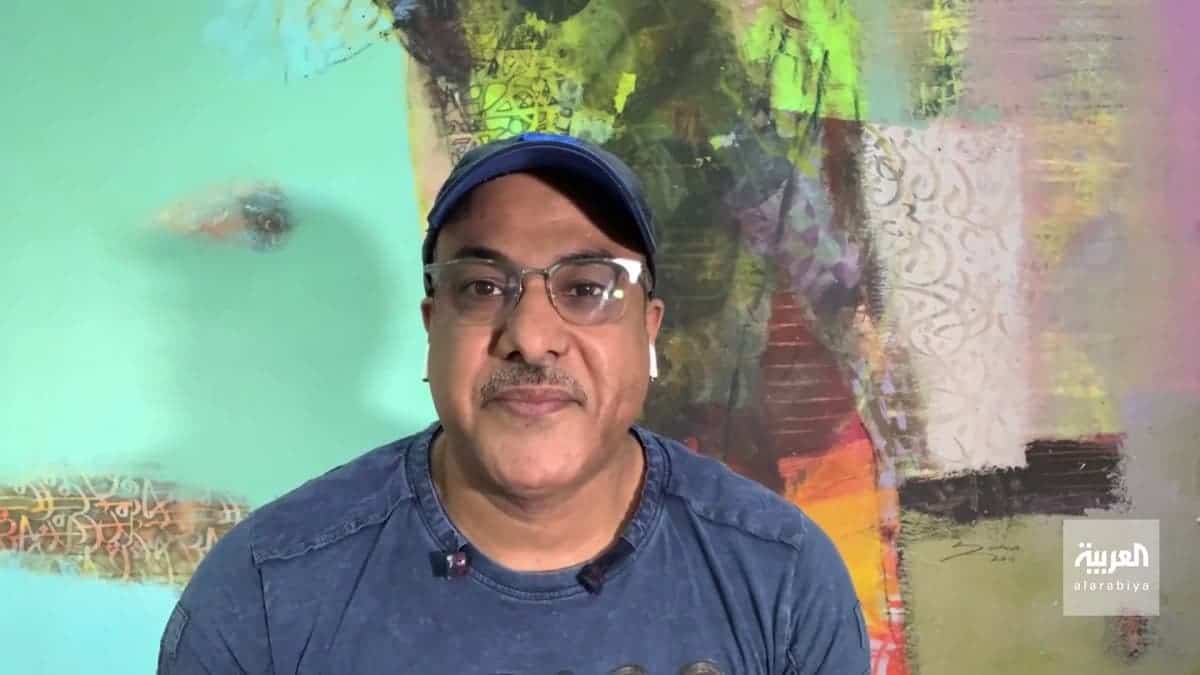
Jassim Zaman, a Saudi Arabian mixed-media artist has had a long and distinguished career, at home country and internationally. However, after 30 years in the industry, the social media buzz around the painting shown in Crown Prince Mohamad bin Salman’s has turned Jassim into an overnight star in Saudi Arabia. 

Jassim, who is from the oil-city of  Qatif in Eastern Saudi Arabia, has exhibited his works throughout the Arab World, North Africa, and Europe. His rich, textural paintings are also held by major collections like that of Saudi Princess Jawaher bint Majed bin Abdulaziz Al Saud’s Al Mansouria Foundation and Saudi’s oil company Aramco. 

The artist says he had no idea one of his paintings was hanging in pride-of-place in the Crown Prince’s office until Tuesday. Jassim said he was shocked when friends and family started sending him congratulatory messages after seeing the painting when photos from a virtual meeting aired on April 28. 

“I was surprised at the beginning obviously. I received a lot of messages from friends and relatives that they saw my painting in His Highness’ office,” he told Al Arabiya on April 30. 

“At first, I didn’t want to confirm that it was my painting because the painting in the photograph appeared very far in the background and I wanted to make sure that it was actually one of my works,” Jassim said.


Once the painter confirmed the work was his, Jassim said he was delighted, not just because of what its new-found popularity means for his own career but because of what it means for Saudi Arabian art as a whole.

“The matter that is more important is not that my work only appeared in such an important place, but it shows how much importance and significance this will add to the local artists and industry as a whole,” a proud Jassim said. 

Riyadh-based L’Art Pur Gallery has been a big supporter of Jassim’s work. The Gallery, which was one of the first modern art houses in Saudi Arabia and the biggest exhibition spaces in the Middle East, describes Jassim’s work as “heavily textured with unusual forms” and “enriched with symbols, tattoos, patterns and calligraphy and narrates a simultaneously stark and rich visual story.” 

“I’ve been practicing fine art for a number of years, especially painting. The painting which went viral in recent days, I painted three years ago exactly and it contains traditional motifs and calligraphy,” Jassim said.

Saudi Arabia’s Art and Culture Minister Prince Badr bin Abdullah bin Farhan said it is no coincidence that the colourful painting, featuring calligraphy and layers true to Jassim’s style, has now found its way onto the wall of one of, if not the most, powerful people in the Kingdom.

“For your information, His Highness the Crown Prince since 2013 requested that all his official offices and workplaces hold artistic works made by Saudi Arabian hands,” the Prince Tweeted on Thursday. 

Promotion of Arts and culture within the Kingdom is one of the pillars of the country’s Vision 2030 reform strategy championed by the Crown Prince. 

“Vision 2030 states that culture is “indispensable to our quality of life” and notes that the Kingdom must increase both the quality and quantity of its cultural activity. The Ministry of Culture will deliver on both counts,” Prince Badr said in a message published on the Ministry’s website


Read also: Falling Oil Prices Force Saudi Arabia to Dip into Reserves

Iraq in Stand-off With Oil Supermajors

Iraq is struggling to cut its oil production. The nation has committed to cutting its oil production by 1 million barrels per day as part of the global production cut agreed upon between OPEC and Russia earlier in April. 

The cuts begin in May, but Iraq is facing tough negotiations in order to realize its commitment.

Dependence on foreign super-majors

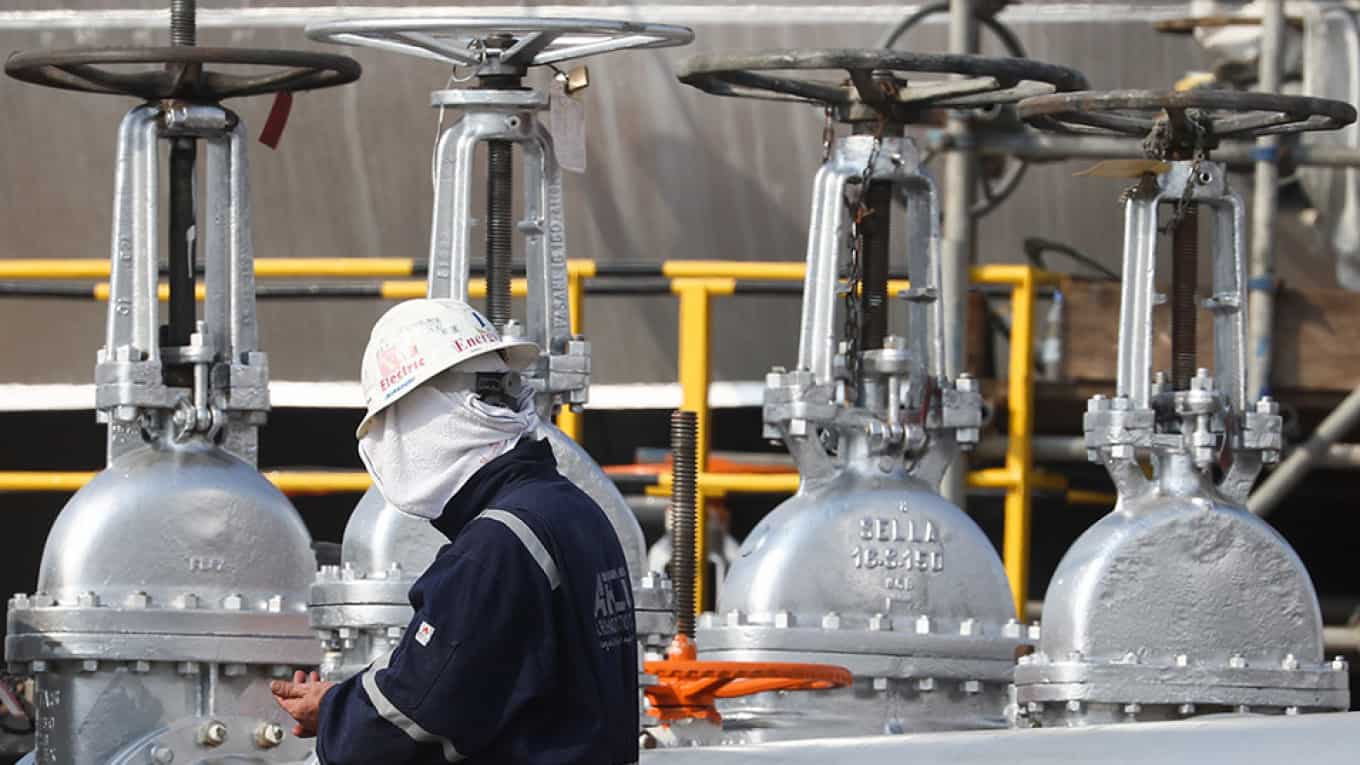
Iraq’s oil production is mostly carried out by foreign companies. Unlike Saudi-Arabia, Iraq’s oil production is not channeled through a large state-owned oil company like Saudi Aramco. It has a smaller national oil company ‘Basra Oil’ that works with international oil producers to extract oil. 

With a deep recession forecast for oil-producing nations, Iraq could be in deep trouble as it depends on oil revenues to finance most of its national budget.

For the majority of its production, the government has contracts with international oil-producers BP, Exxon Mobil, Lukoil and Eni. These ‘supermajors, the largest private oil, and gas companies have so far resisted cuts to production.

Iraq’s oil production is operated through ‘service contracts’ that allow foreign companies to extract oil, paying the Iraqi government a set fee in dollars for each barrel produced. The Iraqi government, in turn, reimburses these super-majors for maintenance and infrastructure development in order to facilitate oil production.

A Basra Oil manager told Reuters, “one of the options on the table is to ask international companies to cut production by rotation to make sure all contractors must contribute to cuts.”

Bargaining power

While two supermajors that operate in Iraq have responded positively, most are still resisting production cuts. In an effort to find a compromise, the Iraqi government has offered to use the temporary cuts to carry out scheduled maintenance work. Oil extraction facilities require regular maintenance, during which production is reduced or brought to a halt, and the Iraqi government aims to time this work with the production cuts.

The Iraqi government compromise entails cutting production by scheduling this maintenance work so that only one or two producers at a time are shut-down, receive maintenance and then restart, just as the other facilities shut down for their maintenance.

Basra Oil Company alone has been asked to cut 700,000 barrels a day, which could include severe cuts at fields operated by the country’s national oil production company.

Painful cuts

If the supermajors resist or refuse to cut their production, crisis-ridden Iraq might be forced to close the few oil fields it manages independently. These fields bring in higher revenues for the country but often operate in much smaller,  less-lucrative oil fields while supermajors extract from larger fields.

In order to meet its commitment, Iraq would have to cut the most productive in the nation’s south, where Lukoil, Eni, ExxonMobil and BP operate. The Russian, Italian, American, and British supermajors produce more than 2.5 million barrels of oil per day in the region.

Iraq’s national oil company Basra Oil had already made painful cuts after a 2019 OPEC agreement and would be hard-pressed to reduce production further. “We can’t cut further oil anymore from these small fields,” a Basra Oil manager told Reuters.

Industry-wide concerns

While the troubled nation of Iraq desperately needs the revenue, oil supermajors are also under increasing pressure. British-Dutch super-major Royal Dutch Shell announced on Thursday, April 30, that it would cut its famously stable dividend to investors for the first time since the second world war.

Shell’s CEO Ben van Beurden told Bloomberg media “we do not expect a recovery of oil prices or demand for our products in the medium term,” because people’s lifestyles will “be altered for some time to come.”

Exxon Mobil, the US oil giant, on May 1 reported that its inventory has lost $3 billion of its value, leading to quarterly losses of $610 million. In contrast, last year Exxon made $2.35 billion in profits in the same period.

“COVID-19 has significantly impacted near-term demand, resulting in oversupplied markets and unprecedented pressure on commodity prices and margins,” summarized Exxon Chief Executive Darren Woods.


Read also: Iraq Seeks More US COVID-19 Funding as Pompeo Decries Political Deadlock

EU Anti-Terror Chief Warns Pandemic is Fueling Extremism

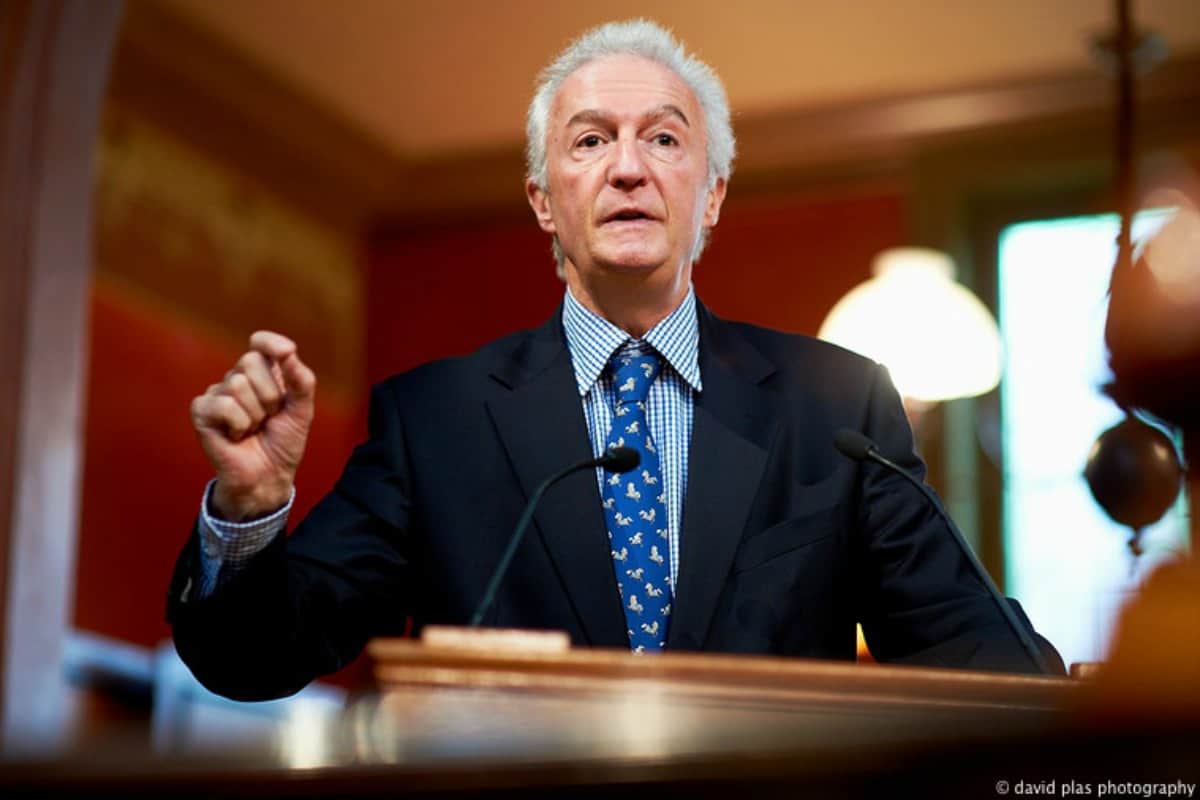
The head of the EU’s counter-terrorism has warned the COVID-19 pandemic could fuel extremism. Gilles de Kerchove, the EU counter-terrorism coordinator said on April 30 that the pandemic could offer a window of opportunity for extremists. 

Governments should first address the economic and health implications of the crisis, but without overlooking security issues, de Kerchove underlined.

Lock-downs increasing radicalization

De Kerchove highlighted how frustration with the economic implications of mandatory lockdowns could increase radicalization and recruitment by extremists. The counter-terrorism coordinator revealed how far-right groups in Europe have used the COVID-19 crisis to spur on their followers, according to Reuters. Some groups have called on infected supporters to go out and “infect enemies.”

The Hill reported that EU far-right groups have increasingly spread messages targeting Jews, Muslims, and migrants, directly blaming them for the coronavirus using similar xenophobic propaganda as in India. Conspiracy theorists have also linked COVID-19 with 5G technology, causing misinformed extremists to burn down cell phone towers in the UK and the Netherlands.

“People are confined and are a lot more online. It’s an ideal opportunity to reach those who spend all day on their computers,” de Kerchove said. 

The top EU-official highlighted the rising threat of far-right extremism, saying “what is likely to happen is just a growing rise of right-wing violent extremism.” These groups are actively using the current crisis to recruit, according to de Kerchove.

Fragile states vulnerable

De Kerchove also highlighted that fragile states like Iraq could struggle to contain a resurgence in militant extremism, so giving ISIS an opportunity to regroup.

Thousands of ISIS militants and their families remain locked up in prisons and camps in Syria and Iraq. The collapse of oil prices could hurt the efforts of countries like Iraq to contain extremism, according to the counter-terrorism chief.

How much “room to breathe” ISIS is getting is doubtful, however, as on April 29 the US continued their aerial campaign against the group, destroying an ISIS cave complex in Iraq’s Hamrin mountains. The withdrawal of US forces from Kurdish-held territories in northern Syria does pose a threat, several prison break attempts have already been reported..

“The presence of Daesh in Iraq continues to diminish, thanks to the efforts and sacrifices of our Iraqi partner forces,” Eric Hill, the commanding general, Special Operations Joint Task Force said in a statement.

EU counter-terrorism budget concerns

While the rise of far-right extremism and containing extremist militants is clearly important, de Kerchove’s warning could have just as much to do with his department’s budget. With the EU mustering large sums to combat the pandemic, de Kerchove is undoubtedly looking for an increased budget for counter-terrorism as well.

His message is undermined by including “far-left extremism” in his warning,  describing it as people criticizing capitalism or globalization online. Another troubling statement by the EU official imagined a hypothetical future “biological weapon in the hands of terrorists.” The image was reminiscent of scaremongering over terrorism following the attacks on New York’s World Trade Towers in 2001.

Since 2001, the US alone has spent $2.8 trillion on counter-terrorism, according to a Stimson Center study. The EU counter-terrorism budgets has grown nearly twenty-fold, from €5.7 million in 2002 to €93.5 million in 2009, according to EU reporting.

Rising extremism among the European far-right is certainly a concern. However, the inclusion of a variety of non-existing threats like an imaginary terrorist biological weapons-program and online critics of capitalism does beg the question: Is the EU chief is simply trying to increase his sector’s budget?


Read also: European and American Right Wing: Sacrifice the Elderly, Save the Economy

Iraq Seeks More US COVID-19 Funding as Pompeo Decries Political Deadlock

Iraq’s acting health minister confirmed his country is seeking more US aid to fight COVID-19, one day after the US secretary of state said the Iraqi parliament must put sectarianism aside and form a government.

Iraq is in the midst of a triad of crises. Record-low oil revenues have hit the economy hard, while the country’s ill-equipped health system struggles to deal with COVID-19, and its months-long political deadlock drags on. 

The head of consultancy firm Eurasia Group’s Middle East and North Africa branch, Ayham Kahmel, summed up the gravity of the situation for Bloomberg on Wednesday writing, “the challenges facing the Iraqi state have become more acute since the beginning of 2020 and represent real risks to the stability of the state.” 

Iraq looking for more US aid

In light of the country’s growing economic, health, and political problems, Health Minister-designate Jaafar Allawi confirmed it is negotiating more funding with the US.   

“We have been promised by the United States government as part of this strategy between Iraq and the United States to help us financially,” Allawi said during a Wednesday online policy discussion held by the Washington Institute for Near East Policy.                                                                                                      

“I think there is a team negotiating now, or in the process of negotiation, to get Iraq some support, financial support, from America,” he said. 

Iraq’s growing COVID-19 troubles and looming economic collapse, brought on by plummeting oil prices, face further complications from the parliament’s unwillingness to accept the cabinets that three successive prime minister-designates proposed in 10 weeks.

US closely watching political negotiations 

Like his predecessors, Iraq’s third PM-designate, Mustafa Khadimi, has yet to come up with a viable cabinet after three weeks of political wrangling. 

On Wednesday, US Secretary of State Mike Pompeo weighed in on the situation. Pompeo said he has been “watching closely,” telling Iraqi leaders to put the long-standing sectarian quota system aside, and give the Iraqi people the government they “need and deserve.” 

“Iraqi leaders must put aside the sectarian quota system and make compromises that lead to government formation for the good of the Iraqi people, and for the partnership between the United States and Iraq,” he said in a press briefing on April 29. 

“The Iraqi people need and deserve a government that frees the country from external intimidation, puts the prosperity of the Iraqi people first, and tackles the major challenges that continue to face Iraq,” Pompeo said. 

The sectarian quota or “muhasasa” political system was introduced after the US occupation of Iraq in 2003 and divvies up parliamentary positions between the country’s major ethno-religious blocs. The power-sharing system, which many believe feeds into the country’s endemic corruption, was a key issue for protesters who took to the streets and eventually brought down the Iraqi government in December 2019. 

US-held security concerns have put a strain on the relationship between Washington and Baghdad in recent months. The secretary of state had previously said he was “enormously disappointed” with Iraq for not providing adequate protection to US troops or doing enough to control the Iran-backed militias it blames for recent attacks 

Pompeo reiterated calls for the Iraqi government to “heed the call from many elements of Iraqi society to bring all armed groups under state control,” adding that the US welcomed “steps that have been taken in the past days in that direction.” 

The US’ top Middle East diplomat, David Schenker, touched on Iraq-related security concerns in a briefing earlier in April, saying, “we still see a significant threat to U.S. personnel and forces, military forces in Iraq and that persists.” The US assistant secretary for Near Eastern affairs praised Khadimi in the same briefing, predicting his leadership “would be great for Iraq, and I think it would be great for our bilateral relationship.”

Optimism versus realism

Middle East and North Africa consultant Ayham Kahmel agrees that Khadimi has what it takes to form a government, saying he is “well positioned to win confidence from the key political and sectarian blocks in parliament, and therefore succeed in forming a relatively reformist government.”  

“However, this is far from a slam dunk as the list of obstacles and complications in Iraq’s political system are endless,” Kahmel warned. 

The raft of hurdles facing Khadimi, if he can overcome the country’s crippling deadlock, are seemingly endless according to the Eurasia Group representative. 

“A shrinking revenue pie due to low oil prices will prove to be the most destabilizing factor over the next 12-18 months. Irrespective of who is leading the government, a large drop in revenues combined with rampant corruption is bound to create problems,” he added ominously.

The clock is ticking on Khadimi’s attempt to form a government and, following Pompeo’s Wednesday remarks, it is clear the world is watching his progress. If parliament fails to accept his cabinet, Iraq’s government may go the same way as oil prices, and collapse.

Read also: US Grants Iraq ‘Brief Extension’ on Iranian Energy Imports 


Biden’s Jerusalem Embassy Statement Reveals Electoral Weaknesses

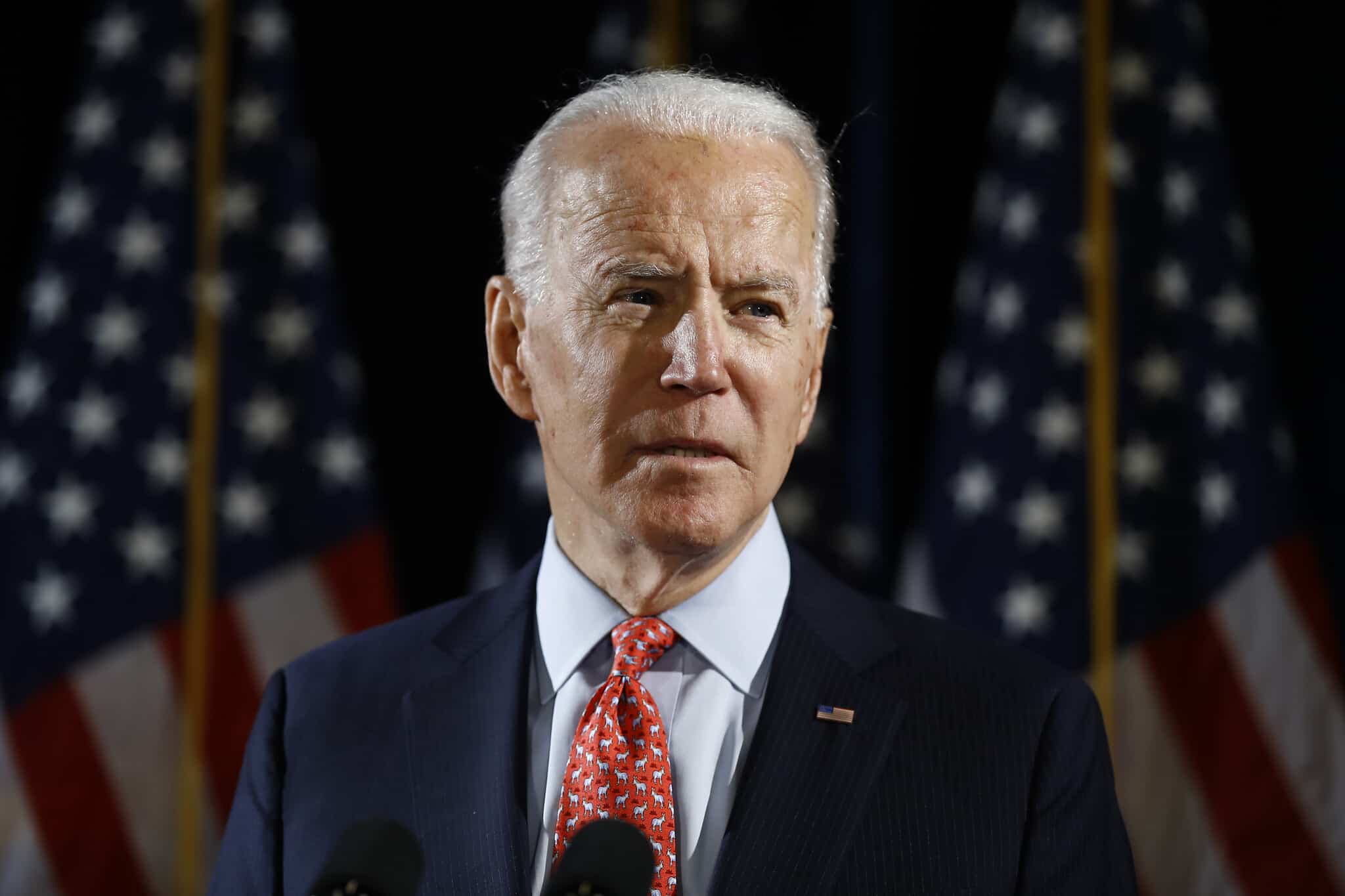
On April 29, US presidential candidate Joe Biden said that although the US should not have moved its embassy to Jerusalem, he will not move it back to Tel Aviv if he wins the election. As the presumptive Democratic nominee, Biden is all that stands between a different America and another four years of Donald Trump.

Biden indicated he thought the embassy could have been moved as part of a deal, saying, “The move shouldn’t have happened in the context as it did, it should happen in the context of a larger deal to help us achieve important concessions for peace in the process.” In contrast to the campaign of his former boss, Barack Obama, Biden’s campaign does not rely on lofty promises of hope and change. Instead it offers a return to a pre-Trump US.

No, We Can’t’

The US Democratic primaries started with a broad field of candidates that included several female candidates, the first openly gay candidate, and several up-and-coming African-American stars of the Democratic elite. Through political maneuvering to prevent its left-wing from ascending, the party ended up with another white man in his late 70s.

Barack Obama offered hope and change when Biden became vice president in 2008, but Biden’s 2020 campaign focuses on downplaying hopes for ambitious plans to overhaul healthcare, education, and energy policies. Instead, the former vice president offers a similar strategy to the one that led to Hillary Clinton’s surprise defeat in 2016.

Biden’s message is simple: He is not Trump. He posits that Americans should vote for him if they do not want the continuation of Trump’s policies, even though Biden himself offers few distinctive new policies. Biden does not aspire to realize any significant change in the US’ prohibitively expensive higher education, support a “green new deal” to try to stop climate change and stimulate the economy, or do much on the country’s $1.5 trillion in student loan debt. However, he is not as bad as Trump, according to his campaign.

Echoes of 2016

What Democrats are offering the American voter is eerily similar to 2016. Their candidate is an established states-person with name recognition, experience, and a willingness to work with Republicans. Democratic elites again picked a candidate with a history of provocative statements and legal corruption and scandals.

Just like in 2016, the American press avoided criticizing the candidate during the primaries, aside from laughing at his gaffs and “senior moments.” Just like in 2016, the American people will not hear any substantive criticism of the Democratic candidate until the general election. When Trump’s campaign will start to lay out the “facts,” Democrats may once again lack the momentum and enthusiasm to mobilize voters.

The 2020 primaries have been one of the most polite and non-confrontational primaries in US history, while the winner will have to face possibly the most confrontational Republican. As soon as Biden is announced as the candidate at the Democratic Convention, Trump’s campaign will be able to start telling the American public about damaging information that the media has hidden all this time.

Easy pickings for Trump

Trump will undoubtedly highlight that Biden’s willingness to support corporations over people earned him the nickname “the senator of MBNA” from his colleagues in the Senate. MBNA is a bank in the candidate’s home state that influenced Biden’s priorities through brazen political donations.

The Republicans will highlight the multiple accusations of Biden inappropriately touching women and children, often in public. They can reveal how in 2015, Biden led efforts to ensure students could never file for bankruptcy over student loans. Whenever Biden calls Trump a racist, they can point to a myriad of racist politicians and policies that Biden wholeheartedly supported in the past.

The fault lies not with Biden, but with a Democratic establishment blinded by the corporate money that fuels its campaigns, which has led to over 1,000 electoral defeats in less than a decade. The fault also lies with Bernie Sanders, Biden’s last political opponent. Throughout the primaries, Sanders refused to highlight Biden’s flaws and continued to call him “my friend Joe.”

US President Donald Trump has led an administration that failed to prevent the death of 60,000 Americans while presiding over 30 million people losing their jobs. Many feel the embattled and often-mocked president stands a good chance of winning reelection. If he does win, it will not be because of his political skills, but because of the ineptitude of the US Democratic party.


Read also: Trump Urges Syria to Release Kidnapped American Journalist Austin Tice

Dark Web Becomes Hot Spot for Anti-COVID-19 Products

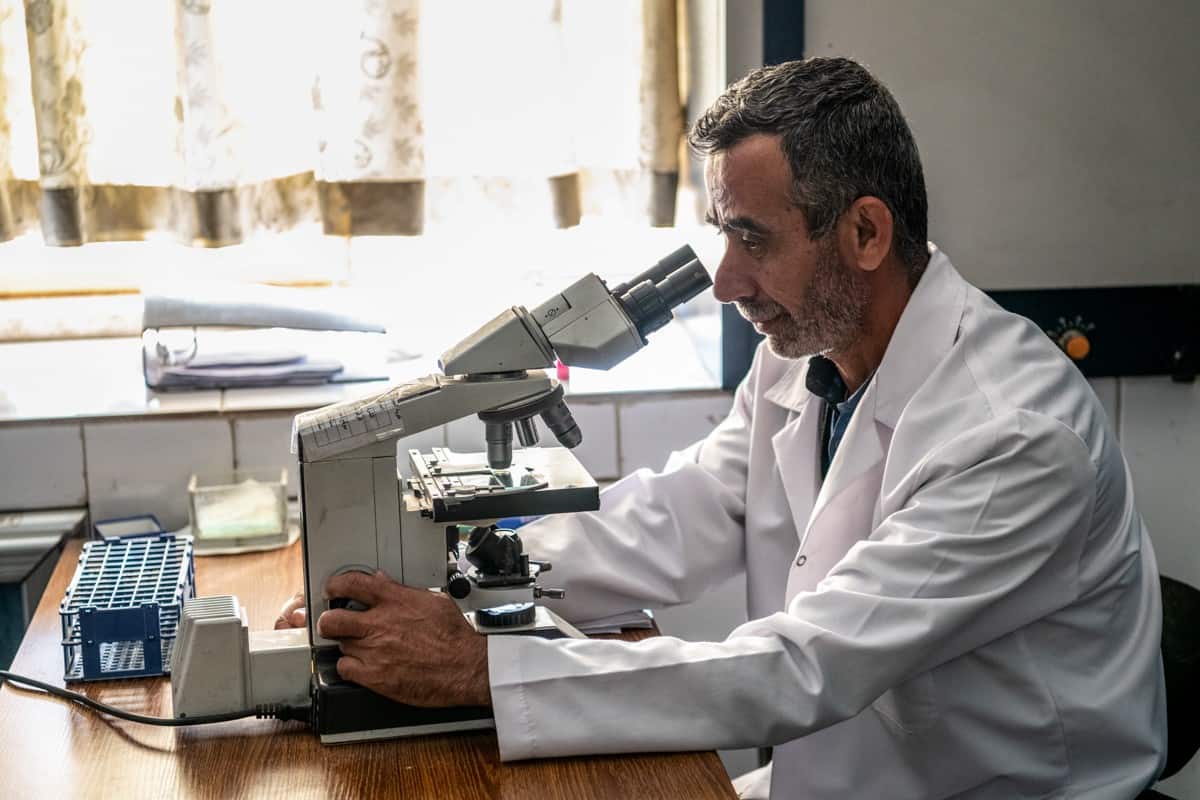
A new study has found alleged coronavirus cures such as trial vaccines and blood plasma harvested from recovered patients are among hundreds of coronavirus-related “products” being hawked on the infamous dark web. 

The Australian National University (ANU) study, released on April 30, revealed criminals are trying to “cash in” on global fear and pandemic shortages by selling often stolen and unsafe items on darknet markets.

The academics analyzed 20 “darknet markets’ and found 645 listings of COVID-19 related products on the underground marketplace, which is often used by criminals, drug traffickers, and terrorists who hide under layers of deep encryption. 

According to the Australian Institute of Criminology researchers, one of the most disturbing discoveries was blood plasma purportedly harvested from recovered Chinese COVID-19 patients being marketed as a ‘passive vaccine.’

“The word I think is passive vaccination, where the blood plasma of a recovered COVID-19 patient is harvested for the antibodies and that is then used to inject into someone who may be at risk of COVID-19,” study lead Professor Rod Broadhurst told the Australian Broadcasting Corporation (ABC) in an interview on April 30

Broadhurst said the study also found a number of unsafe vaccines, antivirals that are currently in short supply, and bulk offerings of personal protective equipment (PPE) most likely stolen directly from factories, up for sale on the dark web. 

“The biosecurity hazardous products are the most dangerous because some are marketed as if they have been leaked from real trials. But, they could be fake and we don’t know what they are made from,” the Australian Institute of Criminology academic said.

The ANU team found one-third of the items they saw listed were, “anti-viral or repurposed medicines,” while 10 % were drugs touted as ‘vaccines.’

The purported ‘vaccines,’ many of which are fake and have dubious compositions, are being sold for $575 on average but the most expensive was listed at  $24,598 while others supposedly from China were on the market for over $23, 000. 

“Fake vaccines could assist in the spread of the virus because users may behave as if they are immune but nevertheless become exposed to the coronavirus,” Broadhurst said, adding that many experimental drugs sold on the black-market also have “lots of nasty side effects.”

Social media is another major source of unfounded virus remedies and cures. In Iran, hundreds have died from drinking alcohol to protect themselves from COVID-19 and in recent days an aspirin, lemon juice , and warm water recipe that allegedly cures the virus has been making the rounds on Facebook, the French Press Agency (AFP) reported

The misleading home remedy has prompted the World Health Organization to once again warn people against self-medication. 

“WHO does not recommend self-medication with any medicines, including antibiotics, as a prevention or cure for COVID-19,” a spokesperson told AFP on April 29.  

“While some home remedies may provide comfort and alleviate symptoms of COVID-19, there is no evidence that current medicine can prevent or cure the disease,” the spokesperson added. 

While not as nefarious or dangerous as the ‘vaccines’ being marketed on the dark web, this useless home remedy is just another example of the information war that global health authorities are fighting alongside the novel coronavirus. 


Germany Bans Hezbollah Bowing To US, Israeli Pressure

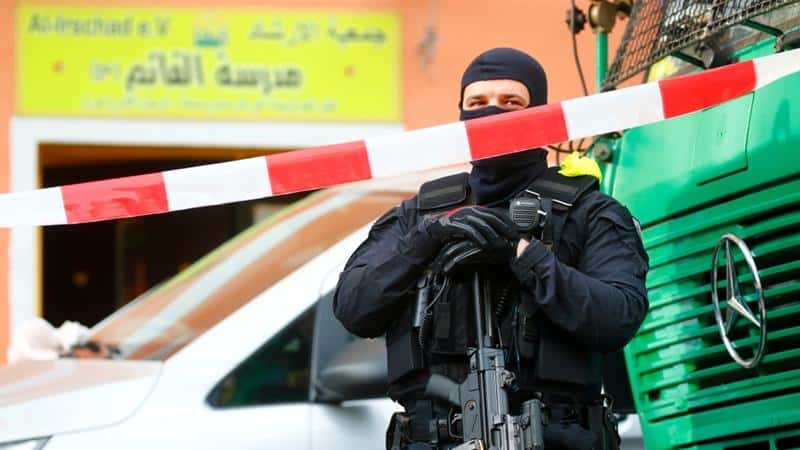
On Thursday, April 30, heavily-armed German police stormed several mosques and offices in Berlin, Bremen, and Dortmund after declaring Hezbollah a ‘Shiite terrorist organization’. 

The day before, the activities of Hezbollah’s political wing had been allowed to operate in the country but everything changed overnight after the group’s reclassification.

In the space of 12 hours 1,050 activists that support the Lebanese Shia group became terrorists according to German law. “The activities of Hezbollah violate criminal law and the organization opposes the concept of international understanding,” Germany’s interior ministry said in a statement as it announced how it plans to curtail the organization’s influence in Germany.

German measures

Prior to April 30, Hezbollah’s activities in Germany had been divided into two separate classifications. The military wing of the Lebanese Shia group was considered to be a terrorist organization while its political wing, part of Lebanon’s government, was permitted to operate. German authorities now accuse Hezbollah’s political organizations of providing financial support and propaganda to its military wing.

All Hezbollah activities are now described by German authorities as part of their “extremist wing.”. All Hezbollah symbols and publications are now banned outright during gatherings and for the German press.

The move raises concerns over the right of freedom of expression in Germany, as legitimate protests against Israeli policies could now be banned by declaring them antisemitic or pro-Hezbollah. Germany’s history means the government is understandably sensitive to antisemitism, which is often exploited by right-wing Israeli lobbyists who paint any opposition to Israeli policies as antisemitic.

The move means Germany is breaking with EU policy. The EU allows the free expression of Hezbollah’s political wing, similar to how Ireland’s terrorist group, the IRA, had its political wing in Sinn Fein.

US-Israeli pressure campaign

The reclassification of Hezbollah will come as welcome news in Jerusalem and Washington DC. The US and Israelis had long pressured the German government to change its national classification. Israel’s Minister of Foreign Affairs Israel Katz said Berlin had taken “a significant step in the global fight against terrorism,” while the American Jewish Committee called the move a “welcome, much-anticipated, and significant German decision.”

The decision was much-anticipated as the immense lobbying power of Israel and the US had earlier success in changing Germany’s national policy. Israeli lobbying efforts in Germany generally attempt to paint criticism of Israel’s government as antisemitism. In 2018, German newspaper the Tageszeitung revealed a leaked letter sent to Chancellor Angela Merkel that showed Israeli lobbying efforts against critics, including the Jewish Museum Berlin.

Israeli Prime Minister Benjamin Netanyahu’s government was accused of pressuring Germany to revoke funding media and human rights organizations that opposed Israel’s right-wing government. Online Lebanese publication +972 verified the report and reported Israel’s opposition to the groups was based on the fact that “authors regularly accuse Israel of apartheid.”

While Israel actively attempts to silence German critics of Israel, it has remained quiet on the rise of Germany’s far-right. While the German ‘Alternative for Germany’ (AfD) Party would seem like a logical threat, Israel’s right-wing government has done little to stop it. The Times of Israel even published a piece praising the far-right movement.

Countries that ban both wings of Hezbollah are usually closely aligned with the US. Canada, Japan, GCC countries, and the Netherlands all ban the group while most of the rest of the world sees the political activities of the group as part of its role in Lebanon’s democratic government. French President Emmanuel Macron said “it was up to the Lebanese people to decide which political force should represent them, not external powers”.


Read also: World on the Brink: A Window to Right Global Wrongs

UAE Eyeing Threats and Benefits of Digital Technology During Lockdown

With the population in lock-down, the UAE government is renewing focus on digital technologies. On April 29, the Ministry of Education announced it will provide free high-speed internet for students and teachers who do not have access to broadband. 

Dubai police meanwhile have warned of the hidden threats of mobile video-games.

The UAE generally has access to good quality internet. Although access is heavily censored to match the state’s politics and morality laws, citizens have a variety of options to choose from, from mobile data to fiber-optic internet at home. The government now seeks to extend access as students and teachers are forced to study from home.

Education in isolation

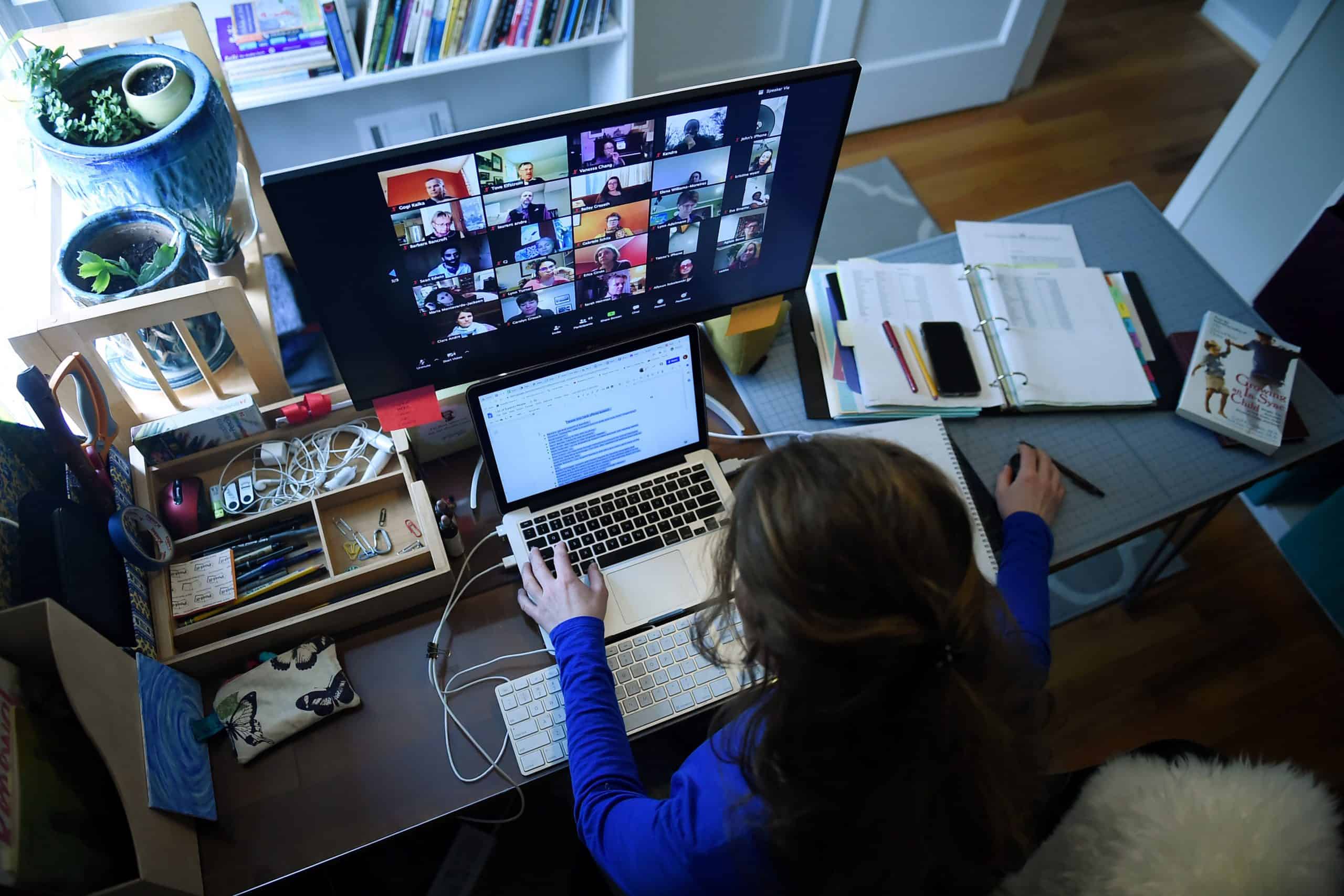
Streaming video and online assignments have replaced the class-room during the COVID-19 pandemic. Most of the country remains on lock-down, and, as students and teachers adapt to the new normal, the need for high-speed internet has become more apparent than ever. 

The Ministry of Education has announced it will provide free high-speed internet via satellite in order to ensure all students and teachers can have fast access to educational material.

“Continuity of learning and the provision of educational tools and resources are key national priorities in the current conditions” said Jameela Al Muhairi, Minister of State for Public Education. 

The minister highlighted how some remote regions do not have broadband access and said the government aims to “bridge the gap” through the initiative.

The collaboration between the government and local telecom-provider Yahsat will provide access to educational material provided by the UAE’s Remote Schooling initiative. The country provides a digital platform, apps, and online libraries where students can continue their education from home.

Al Muhairi said the program is being well received by users. “After the launch of the ministry’s Remote Schooling initiative, we have witnessed a high level of responsibility, awareness and increased logistic and financial support that are helping us achieve the desired outcomes.”

The UAE initiative comes after the World Economic Forum (WEF) declared that the pandemic has “changed education forever.” 

According to WEF research online-education results in better retention of information and is more efficient, predicting online classrooms could become the new model for education worldwide.

Threats to privacy

As the Ministry of Education expands internet access, the country is also focused on what students do online in their free time. The Dubai Police have issued an advisory statement on free online video games, in order to spread awareness over privacy concerns and data use in popular mobile entertainment.

Popular online games including PUBG, Mobile Legends and Call of Duty Mobile are only ‘free’ in name only, the Dubai Police stated. The police department highlighted how many games billed as free in app-stores actually make significant profits through the sale of personal data. The issue is presented as a privacy problem and echoes many concerns from industry-experts.

The games the Dubai Police named as examples are considered “freemium,” a maturing business model that offers high quality video games with no initial purchase cost. These games often offer in-app purchases to entice users to spend real money on digital products. An example of a popular freemium game, Pokemon Go, made $14 million in its first week without charging for the app.

The move from the Dubai police department to inform parents of the potential dangers of mobile gaming comes at an opportune time, as children increasingly spend time on their phones. 

By recognizing many of the threats industry experts have reported, Dubai Police hopes to protect both children and parents who are often unaware of the privacy-implications of these apps.


Read also: Dubai Introduces New Mechanism for Online Conversion to Islam

Xenophobia in India: Hindu Nationalists Prevent Christian Doctor’s Burial

Propaganda, xenophobia, and religious hatred are reaching a dangerous peak in India as religious minorities increasingly fear mobs of Hindu nationalists. The Guardian on Wednesday, April 29 reported on the story of a Christian neurosurgeon in Tamil Nadu. The diabetic doctor had cared for COVID-19 patients before his condition led to him becoming infected and dying of complications related to the virus.

Instead of receiving a hero’s funeral, a mob of 200 Hindu nationalists took to the Christian cemetery to prevent his body from being buried. Fueled by xenophobia, propaganda, and ignorance, the mob feared the Christian burial would “infect the ground,” preferring he be cremated as is common in Hinduism.

When loved ones attempted to bury the doctor elsewhere, they were attacked. “They were screaming at us to leave and take the body before it spread the virus to everyone,” a man who attended a second attempt to bury the doctor in another cemetery told the Guardian. “It was a crowd of about 60 people, pelting us with sticks and stones. We all had to run for our lives.”

A structural problem

India’s problematic rise in violence against minority religions is the result of government-supported propaganda, religious tensions remaining from the British partition of India, and an increasingly political Hindu majority.

The Indian COVID-19 epidemic has been blamed on Muslim Indians, who are accused of purposefully spreading the virus under the moniker “Corona Jihad.” India’s mainstream media commonly paint many of the country’s structural problems as being directed by its Muslim minority. This misinformation has fueled anger against religious minorities and sparked riots and mob violence.

Hindu nationalists often form groups in order to organize attacks against individuals or small groups of innocent people they encounter on the street.

The religious violence led the US Commission on International Religious Freedom (USCIRF) to condemn the country. The commission has placed India on its list of “countries of particular concern” in recognition of deteriorating religious tolerance under Prime Minister Narendra Modi’s government.

The commission’s report highlighted Indian politicians calling Muslims “termites” and brought renewed focus on violence and repression in Kashmir.

USCIRF stated that “in 2019, religious freedom conditions in India experienced a drastic turn downward, with religious minorities under increasing assault.” The commission’s reclassification of India could potentially lead to sanctions, but India’s importance to US interests in the Indian Ocean region will likely lead to little action.


Read also: Indian Nationalists Blame Local Muslims for COVID-19 Outbreak

Has COVID-19 Killed Movie Theatres?

First came streaming, and now it appears that COVID-19 may be the final straw for movie theatres’ time-honored business model of offering exclusive early access to new film releases.

The Academy of Motion Picture Arts and Science’s decision to allow streamed releases to qualify for the 2020 Oscar’s, and the outrageous success of the “Trolls World Tour” online-only premiere represent what may turn out to be an existential threat to cinemas worldwide.

On Tuesday the Academy, which runs the Oscars, said they would accept online-only releases for the first time. The major rule change forced by COVID-19 came after years of Academy resistance to the idea.

“Until further notice, and for the 93rd Awards year only, films that had a previously planned theatrical release but are initially made available on commercial streaming… platform may qualify,” the Academy announced in a statement on April 28. 

The Academy was quick to specify that the change would only apply to the 93rd Oscars, but some speculate the change may become permanent as pressure from streaming services-turned producers as Netflix grows. 

The debate within the industry has swirled in the last two years about including streamed movies for awards following the critically acclaimed Netflix films “The Irishman” and “Roma.” The streaming service was forced to debut both in short-run cinema releases before making them available online in order to qualify for major movie industry awards such as the Oscars and Golden Globes. 

Streaming success causes a studio-theatre rift

The hugely successful online-only debut of the Universal film “Trolls World Tour” prompted a rift between the movie studio and leading international movie theatre chain AMC. 

Unable to go ahead with its planned March theatrical release due to COVID-19 cinema closures, Universal released the children’s film via streaming platforms. With most of the world confined by a coronavirus, the movie’s streaming debut was a record-breaking success, grossing $95 million from 5 million domestic views.

“Trolls World Tour’s” streaming success has convinced Universal big-wigs that simultaneous streaming and cinema releases are “a winning strategy,” according to a Wall Street Journal report. 

AMC does not appreciate the studio’s new strategy, and said on April 29 that “effectively immediately AMC will no longer play any Universal movies in any of our theatres in the United States, Europe or the Middle East.”

“AMC believes that with this proposed action to go to the home and theatres simultaneously, Universal is breaking the business model and dealings between our two companies,” AMC CEO Adam Aron said in a letter published by US media on Wednesday. 

America’s National Association of Theatre Owners (NATO) downplayed the “Trolls World Tour” streaming success, saying it should not be interpreted as a “new normal” for the entertainment sector. 

“This performance is indicative of hundreds of millions of people isolated in their homes seeking entertainment, not a shift in consumer movie viewing preferences,” NATO said in an online statement on April 28.

Universal moved to reassure cinema partners late on Tuesday, telling them, “we absolutely believe in the theatrical experience and have made no statement to the contrary.”  

In spite of NATO’s assurances that streaming will not supersede cinema-release, Universal’s new-found enthusiasm is certainly not a good sign for movie theatres. It is however clear that the future of movie theatres, such as those of the airline and tourism industries, is becoming increasingly shaky as the novel coronavirus crisis seems to drag on indefinitely.