Middle Eastern States to Limit Ramadan Rituals and Celebrations

As the holy month of Ramadan approaches for Muslims around the world, worries about the impact of COVID-19 have resulted in unprecedented changes to centuries-old traditions. Several governments around the Middle East have announced recommendations to prevent the virus from spreading as Muslims embark on their month of fasting and feasting.

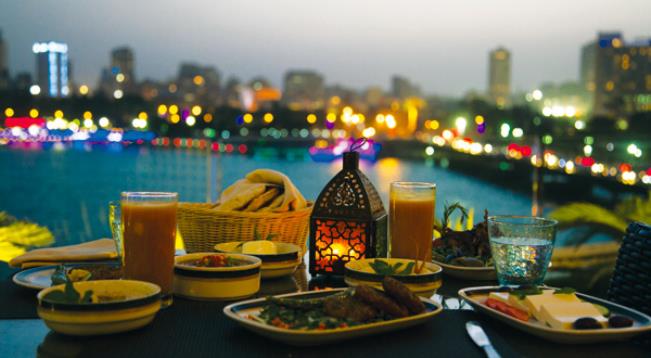
Traditionally, Ramadan features a celebration at the start and conclusion of the month of fasting, and daily “iftar” meals where families come together to break their fast. These celebrations commonly feature repeated trips to the mosque for communal prayers and families travel from far and wide to reconnect.

Ramadan during a pandemic

This year, the governments of several prominent Middle Eastern states have recommended that Muslims perform evening Taraweeh prayers privately, instead of at crowded mosques. Saudi Arabia’s grand mufti announced on Friday, April 18 that the nightly prayers, as well as the Eid-al-Fitr celebrations that conclude the month-long fast, will have to be performed from home instead.

The daily celebration to break the fast after sunset often features large gatherings where iftar meals are shared between friends, neighbors and family. This year, the threat of COVID-19 infection is deemed too great to allow these gatherings. The Egyptian Ministry of Endowments this week announced that all group activities related to Ramadan are suspended.

The Dubai Islamic Affairs and Charitable Activities Department (IACAD) similarly limited all Ramadan gatherings in the UAE as most Middle Eastern nations continue to fight national outbreaks of the novel coronavirus.

Safety recommendations

The WHO has released guidance on recommended measures in order to safely celebrate the Islamic holy month. The document gives advice on social distancing measures, recommends banning all public gatherings, and urges older people and those with pre-existing conditions to celebrate the month away from public gatherings.

Opportunities to give Sadaqat, mandatory charity for the poor, should be done through local authorities instead of at physical gatherings, according to the WHO. Many are urging centralized institutions to facilitate options for Muslims to give much-needed charity to the poor in this difficult time without risking infection.

According to the WHO, fasting itself should not result in heightened susceptibility to the virus, although people who have contracted COVID-19 are recommended to abstain from fasting. Those celebrating Ramadan are advised to eat fresh and unprocessed foods when breaking their fast and ensure proper hydration.

While the coming Ramadan will likely be one like never before, connecting to loved ones through digital media may alleviate loneliness in what is normally a month of physical re-connection and togetherness. While the month will lose some of its most important communal functions, by adhering to recommendations Muslims around the world can protect loved ones so that families can again reconvene in good health after the pandemic has waned.
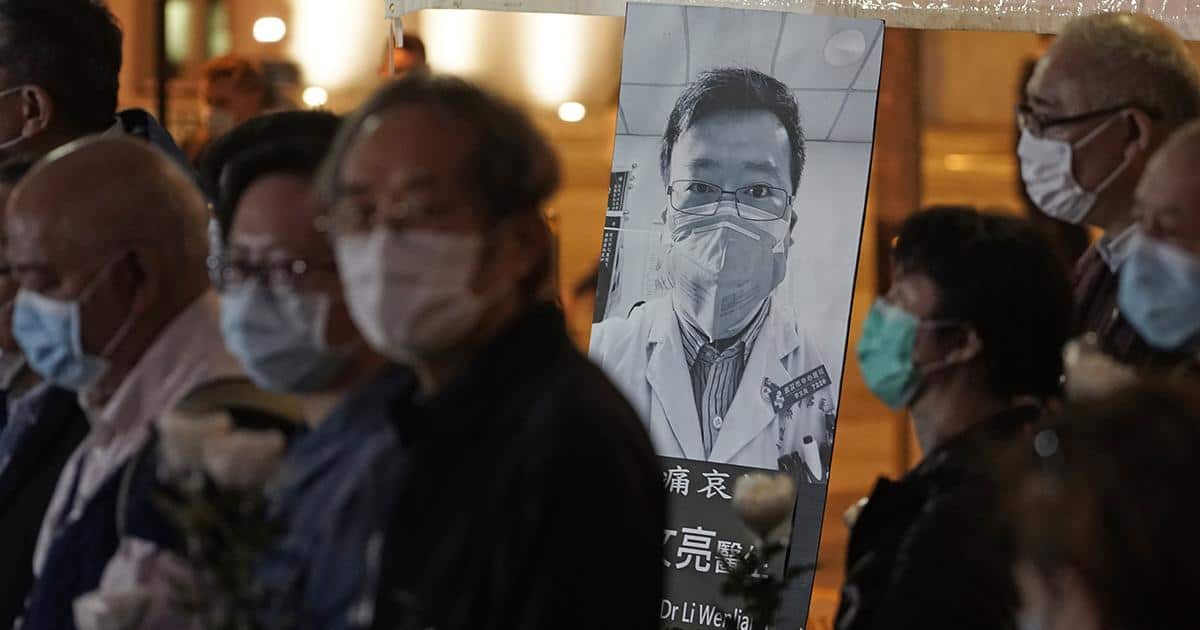
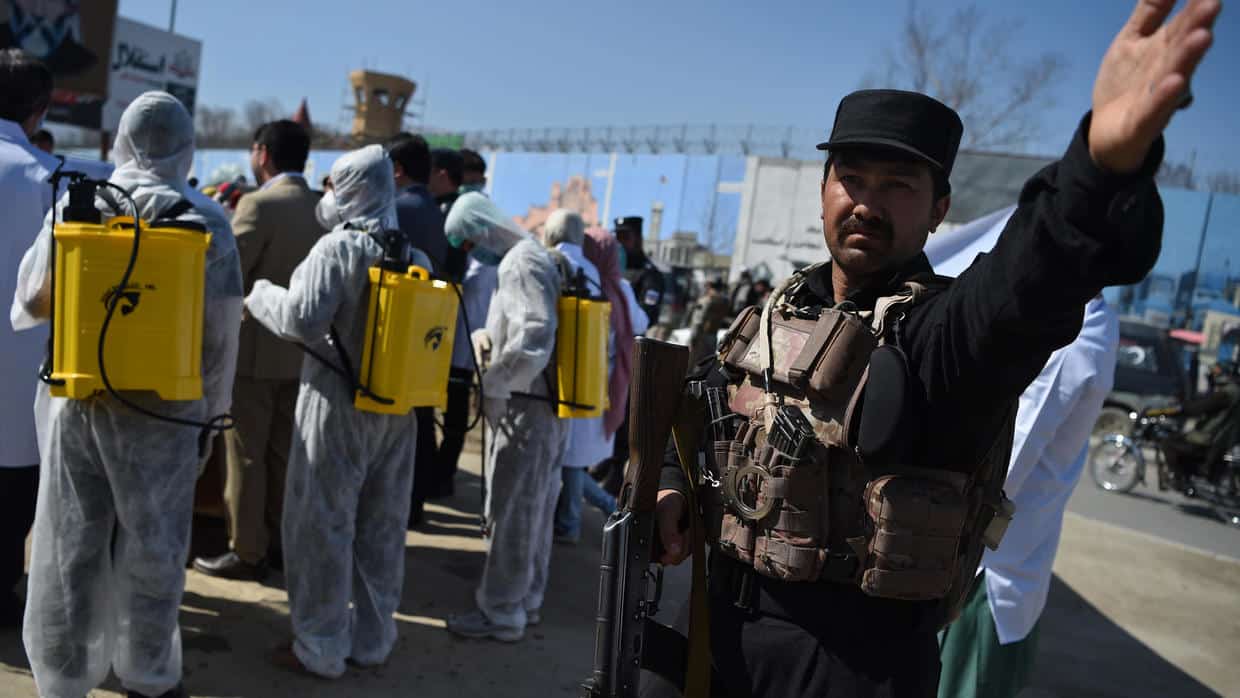
China Reviews Wuhan Coronavirus Death Figures, Increases Them by 50%

An additional 1,290 people died from the novel coronavirus in the Chinese epicenter of the disease, according to new data released by Wuhan officials on Friday. 

The revised tally raises the number of confirmed cases in Wuhan to 50,333 and the death toll to 3,869. The new figures on COVID-19 in Wuhan are 50% higher than previously reported. 

Chinese authorities are blaming the virus’ rapid spread and an overwhelmed hospital system for the misreporting. Chinese Foreign Ministry spokesman Zhao Lijian sought to downplay the undercounting saying, “there has never been any concealment, and we’ll never allow any concealment.”

Wuhan released the new data against a background of rising criticism from Western powers over China’s handling and reporting of the disease. 

An editorial in the State-run Chinese daily the Global Times about the “responsible correction” said, “some in the West spared no effort in hyping this speculation.”

Western leaders plagued by astronomical death tolls in their own countries originally praised the Chinese disease response, but have been highly circumspect in recent days. 

On Thursday, French President Emmanuel Macron told the Financial Times,

“Let’s not be so naive as to say [China’s] been much better at handling this.”  

“There are clearly things that have happened that we don’t know about,” Macron said. 

“We’ll have to ask the hard questions about how it came about and how it couldn’t have been stopped earlier,” said UK’s Acting Prime Minister and Foreign Secretary Dominic Raab on April 16. 

The United Kingdom’s virus figures have also come into question after they were revised on April 14 to include infections and fatalities recorded in the country’s nursing homes. The Office for National Statistics’ (ONS) inclusion of non-hospital deaths raised Britain’s nationwide novel coronavirus death toll by 15%. 

On the same day in the United States, New York City’s death toll shot up dramatically after authorities corrected it to include “probable” COVID-19 fatalities. The addition of 3,778 “probable” deaths to the 6,589 previously confirmed COVID-19 deaths pushed the city’s disease fatalities over the grim 10,000 mark on Tuesday. 

Statistical confusion prompts blame game

US President Donald Trump has been vicious in his criticism surrounding COVID-19 information shared by China and the World Health Organization, prompting him to cut US funding to the latter on April 15. 

“Do you really believe those numbers in this vast country called China?” Trump said in a Thursday press briefing. 

The president went on to laud the United States’ reporting on what he has often called the “China virus,” boasting, “we report everything, we’re reporting the cases and our reporting is good.”

COVID-19 has spread rapidly, overwhelming even the world’s best developed and prepared health systems such as those of France and the United Kingdom. Testing inefficiencies and overwhelmed health authorities mean that under-reporting is likely to remain a feature of the coronavirus pandemic for some time to come. 

Rubbery figures will continue to be bandied about, and the most recent controversy around China’s reporting simply highlights the slippery nature of statistics and data.

Given the sheer scale of the pandemic, the world is unlikely to have accurate numbers on coronavirus infections and deaths for some time to come, if ever. 


Read also: China Leads Fight Against COVID-19 as Spread of Infection Slows

Violence After Failed Peace Talks Compounds Afghanistan’s Crises

On Wednesday, April 15, President of Afghanistan Muhammad Ashraf Ghani called on the Taliban to accept a ceasefire as the country faces a perfect storm of growing crises in its security, health, and economy. The statement had little effect and violence continued to rock Afghanistan on Thursday and Friday.

A violent Thursday

Ghani said “The UN Secretary-General, and in particular, some countries in the region, have called on all parties to the conflict to cease-fire in order to provide humanitarian assistance to those affected by the crisis.” The president directly addressed the Taliban, saying “I call on the Taliban to respond positively to this legitimate call by the UN, the countries of the region, the people of Afghanistan and the government to end the war and cease-fire.”

Moments after Ghani’s request for a ceasefire, a firefight broke out in Baghlan Province, north of Kabul. Unknown gunmen exchanged fire, claiming the lives of five innocent civilians. The same day, nine soldiers of the Afghan National Army lost their lives in Logar Province to the capital’s south. The soldiers were manning a checkpoint when they were attacked by dozens of Taliban soldiers.

While on Thursday Afghani health officials reported 56 more COVID-19 cases, twelve people died in separate incidents of violence, including one police officer. Later in the day, two women joined the list of daily casualties after a mortar hit a family home, injuring an additional three others.

Bad news on Friday

Friday provided anything but a reprieve from the violence and virus-related bad news. Sixty-six more Afghans were reported as having contracted the virus, bringing the country’s total above 900. As the sad news circulated, a roadside bomb killed a taxi driver in the country’s Southeast. The ancient city of Lashkar Gah, the capital of Helmand Province, saw a police chief and his bodyguard assassinated along with an innocent bystander.

The Afghan government has its hands full. The country has little control over violence within its borders and its healthcare systems are wholly unprepared for the COVID-19 pandemic, which spread to the country from neighboring Iran. With its budgets slashed by $1 billion last week, the government is hard-pressed to stop even one of their three crises.

The health, economic, and security crises in Afghanistan go hand-in-hand to make the situation in the country even more hopeless. Economic struggles mean less resources for healthcare. As a result, poor handling of the COVID-19 crisis could severely damage the government’s mandate in the eyes of its citizens. The lack of security results in violence that in turn weakens the economy and the cycle continues.

Read also: UN Secretary-General Commends Humanitarian Pause in Libya Conflict

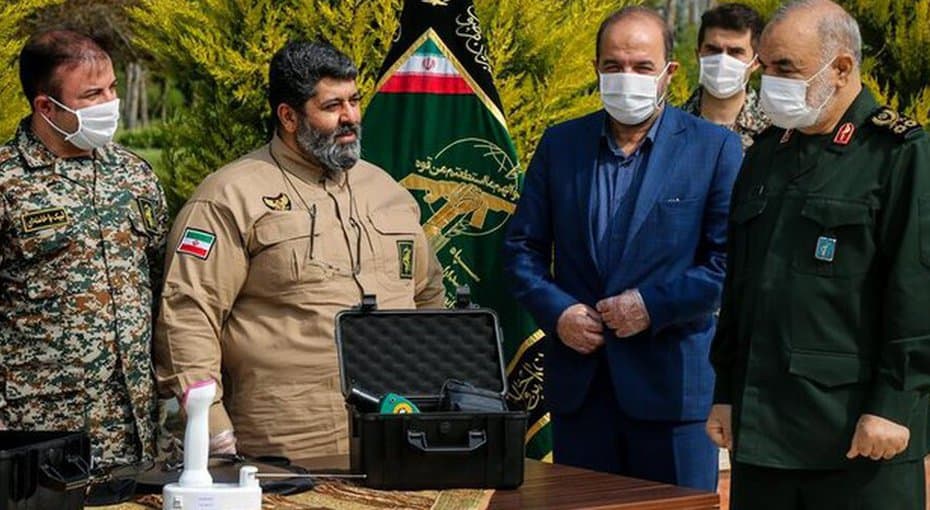
Iran Claims to Have Invented COVID-19 Detection Machine’s IRGC

Commander of Iran’s Revolutionary Guards (IRGC) Hussein Salami said on April 15 that the IRG has manufactured a smart device, the first of its kind in the world, that can detect the novel coronavirus almost instantly.

The device, called Mosta’an, “can detect people infected with the virus or contaminated surfaces within 100 meters in just five seconds, by directing an antenna connected to the device towards the affected point,” Salami said.

Mosta’an works by “creating a magnetic field and using a bipolar virus inside the device,” according to the commander. 

“The innovative system can do this without the need to draw samples from the blood of patients, and it has been tested in different hospitals and showed positive performance in 80 percent of cases,” he claimed


Because detecting COVID-19 is only possible through samples from the body of the infected person, the announcement about the device prompted mockery on social media for its inconsistency with scientific contexts.


Immediately after the announcement, Iranians ridiculed Salami’s claims, saying that the authorities in their country are known for making dubious allegations of scientific and military breakthroughs without any basis.

According to the Independent, Egyptian authorities claimed to have invented a similar device in 2013. The device could allegedly detect hepatitis and AIDS without taking a blood sample from the patient and then kill the virus using electromagnetic waves.

The Independent also drew parallels between the Mosta’an device and the fake bomb detectors a British man sold to Iraq, Saudi Arabia, Thailand, and other countries.

The conman, James McCormick, made $62.47 million from selling the counterfeit equipment before investigations found that the $5,000 bomb detectors were actually novelty golf ball finders.


Read also: Iran turns ‘army day’ into ‘healthcare worker day’

Iran turns ‘army day’ into ‘healthcare worker day’

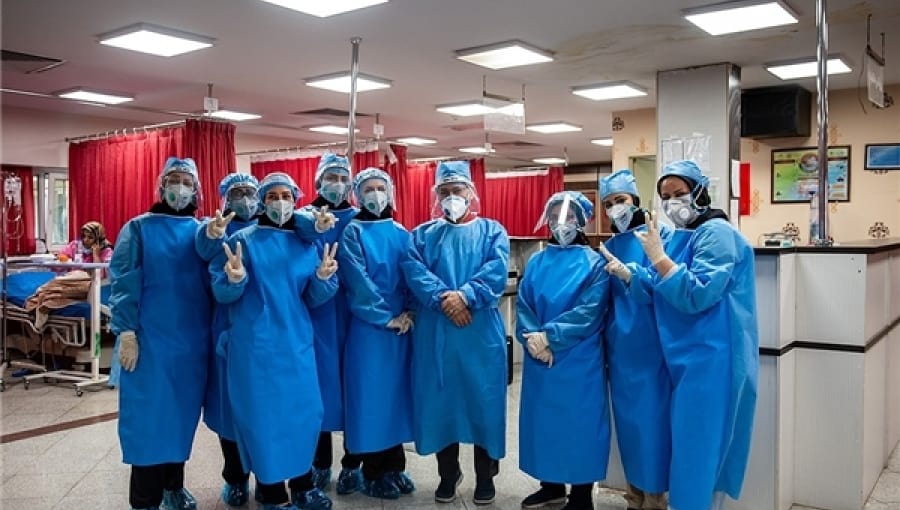
Iran traditionally uses its ‘Army Day’ to ‘frighten’ the world with missiles and a show of military force. Today, however, was no day for bravura and pomp, instead the day became a reminder of the war Iran is currently losing against COVID-19.

In a war against a virus, medical staff and equipment become the only weapons. In order to honor its “Defenders of the homeland,” the Iranian government decided to have a small parade showing medical staff and COVID-19 related medical gear.

Where normally tanks, missile batteries, and armored personnel carriers parade through Tehran, today’s parade featured disinfection vehicles, medical equipment, and mobile hospitals used by what Iran calls the “Helpers of Health”.

COVID-19 crisis in Iran

The move comes as the number of novel coronavirus-related deaths in Iran edges towards 5000. The country’s struggle against the virus has led to the unprecedented release of 85,000 prisoners and repeated requests for international assistance.

However, among the Iranian own population COVID-19 is not seen as a dangerous enemy, with only 40% of Tehran’s citizens ‘taking the virus seriously,’ according to Alireza Zali, head of the Iranian Coronavirus Taskforce in Tehran.

The event is most likely intended to shape popular opinion as the virus continues to impact daily life in Iran.

 “The enemy now is hidden and doctors and nurses are at the frontlines of the battlefield,” Iranian President Hassan Rouhani said. Lack of international assistance for its crumbling economy have forced the government to lift lockdowns outside Tehran, where the infection-rate is deemed the most severe.

International support

Iran’s President has called the lack of international support as ‘discrimination,’ as Iranian attempts to make use of international support structures like the IMF and WHO are thwarted by its long-standing foe the United States. “I want to remind the international community of their duties in this pandemic crisis.” President Rouhani said on Twitter. “We are a member of the International Monetary Fund and World Bank. It is unacceptable to discriminate between different nations, both for us and the global public opinion.”

The Iranian opaque approach, especially in the beginning of its epidemic, has been roundly criticized but international partners in the Joint Comprehensive Plan of Action, a body meant to curtail Iranian nuclear ambitions, have urged for greater assistance and a loosening of sanctions. The EU, China, and even some traditional foes of Iran like the UAE have increased efforts to aid the Gulf state while the moves face opposition from the United States and Israel.


Read also: Iran Pulls the Strings as EU Nations Ignore Sanctions, Alliances for Profit

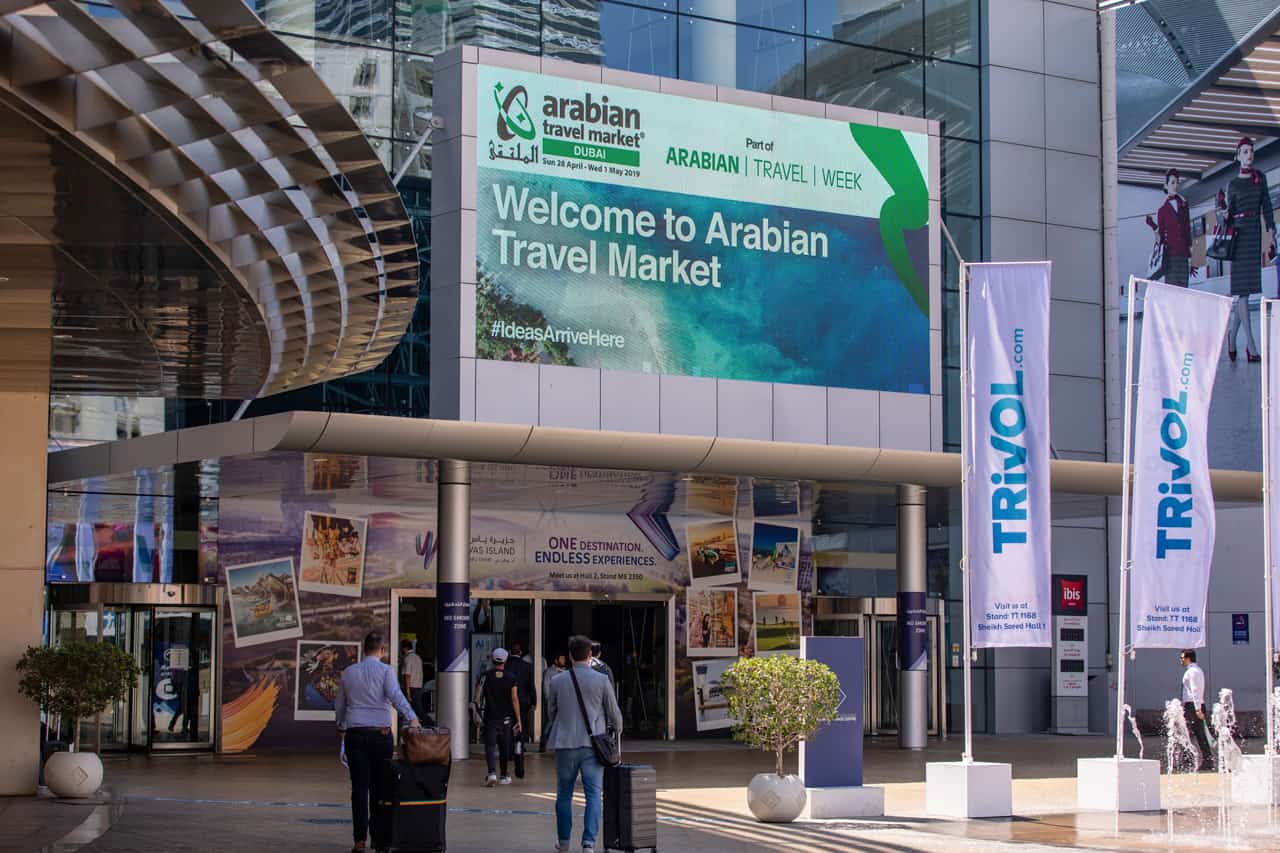
Dubai hoteliers say “we need more support” as COVID crisis drags on

Dubai hotel owners are calling for increased support from local authorities regarding government fees, in line with provisions in neighboring Sharjah and Abu Dhabi, as their occupancy rates remain at record lows due to the global coronavirus pandemic.

On April 14, Dubai’s Department of Tourism and Commerce Marketing announced that the Emirate’s restaurant, hotel, and event shutdown had been extended until further notice. The United Arab Emirates have recorded 5825 cases of COVID-19, 35 deaths, and 1095 recoveries from the virus as of April 16. 

LEVA Hotels and Resorts operates four and five-star hotels in Dubai. CEO J.S Anand said that occupancy rates are at record lows, cash flow non-existent, and the sector holds little hope of recovering before July or August at the earliest. 

“At the macro level, several fees are imposed on hoteliers. We can do with some support in the form of a rental waiver or discount,” Anand told Gulf News in an interview on April 17.

“In Dubai, the Municipality fee on sales has been halved to 3.5 percent only for three months while the tourism dirham is unchanged at Dh15 per stay per night. We need more support,” he emphasized. 

On April 15, the Dubai International Financial Centre (DIFC) announced it would waive retailers’ rent for three months to help them get through the coronavirus downturn. 

“Waiving basic rental fees for retailers will secure livelihoods and enable outlets to once again contribute to one of Dubai’s primary shopping destinations with ease and flexibility as markets start to rebalance,” DIFC Governor Essa Kazim, told state-news agency WAM

Long-term occupancy is the only thing keeping many Dubai hoteliers afloat at present, where room occupancy normally averaging around 75% has dropped to lows of 20-30%. 

The lack of custom has also prompted a dramatic price war, where five star hotels have dropped their prices dramatically to match those normally offered by three or four star establishments.  

According to Anand, “the room rate at our 4-star Leva Hotel is [now] Dh150 a night – it used to be an average of Dh350 in March last year.” He added that the company’s 5-star Millennium Plaza Hotel is also offering rooms at a similar, bargain-basement price. 

Meanwhile, CEO of JA Resorts and Hotels Anthony Ross said occupancy was way down across the company’s six hotels, prompting them to move and consolidate guests into two hotels only. Long-stay guests, mostly from Europe are helping keep the company afloat for now the CEO said, but it too will offer big discounts for guests when travel opens up again.

“When the time is right for us to accept guests on a “staycation” basis, we will offer generous room rates to reflect the pain that people have gone through [in terms of loss of income],” said Ross.

It is unclear when that will be though as the world remains locked down due to the novel coronavirus pandemic and the debate continues around how and when countries should start to ease restrictions. 


Read also: Dubai Expo 2020 Likely Postponed to 2021

Saudi Arabia Flexes Financial Muscles

Saudi Arabia is ready to weather the geopolitical and economic storms stirred by the COVID-19 pandemic, according to Saudi finance minister Mohammed Al-Jadaan.

The Gulf state has relatively low debts and has a strong cash reserve, the finance minister reported on April 16. 

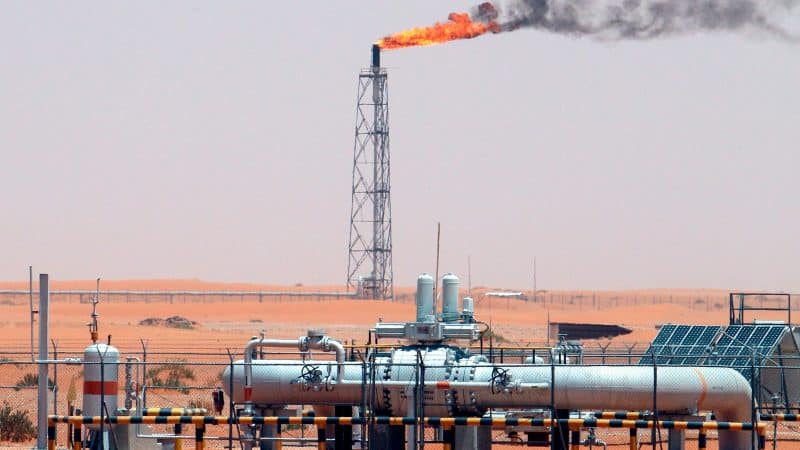
As average oil prices have slipped below $20 this week, many oil-producing countries are feeling the pain. Saudi Arabia depends heavily on its hydrocarbon production but has built a sufficient reserve to survive what the finance minister described as a recession worse than the 2008 financial crisis.

Saudis prepare funds for COVID-19 response

A state news report on Friday, April 17, highlighted that the Saudi government has allocated the necessary resources to support its healthcare system as well as its economy. The government in Riyadh is preparing for rapid economic recovery following the current pandemic and is now looking outside its borders to provide COVID-19 assistance.

The Saudis have urged the International Monetary Fund to support MENA countries in their ongoing struggle to cope with the impact of COVID-19 on its citizens’ health and economy. As chair of the G-20, Saudi Arabia pledged $500 million to support global efforts to stop the pandemic.

A total gap of $8 billion stands between stopping COVID-19 or allowing it to become an even larger global problem. The Saudi government is donating $150 million to the Coalition for Epidemic Preparedness and Innovation, $150 million to the Global Alliance for Vaccines and Immunizations, with $200 million going to a variety of other health organizations and programs.

Oil war continues

While Saudi Arabia reassures the international public of its financial strength, it continues to play a pivotal role in the global war over oil prices. A historic cut in oil production failed to improve oil prices after grueling negotiations between OPEC and several non-OPEC countries. 

Following the meeting, Saudi Arabia’s state oil producer Aramco announced it would cut prices for the Asian market and has since offered lower prices to Europe as well. What was originally pitched as a Russo-Saudi standoff, the war over oil prices is now becoming a US-Saudi affair.

Cheap Saudi oil has flooded the American market over the last month as shipments of Saudi oil to the United States have nearly quadrupled since February, according to CNBC.

“A fleet of tankers full of Saudi oil is slowly making its way to the US Gulf Coast,” the Wall Street Journal reported as anxiety over oil prices increases among US energy experts. 

With US oil prices below the cost of producing shale-gas, the US has lost its ‘trump card’. The US has, in recent years, become a top oil-producing country through widespread shale gas production. The controversial and expensive extraction method has led to a boom in hydrocarbon production in the US, but the heavily indebted shale gas industry is already on the brink of bankruptcy.

As the Saudi fleet of tankers filled with cheap oil continues to head for US refineries, Saudi Arabia appears to be in a strong enough position to warrant internal confidence. Whether that confidence originates from Saudi reserves or its potential future market share after the US hydrocarbon industry collapses, the ‘oil war’ appears to be going favorably for Riyadh.


Read also: Historic Oil Deal Proves Insufficient to Increase Oil Prices

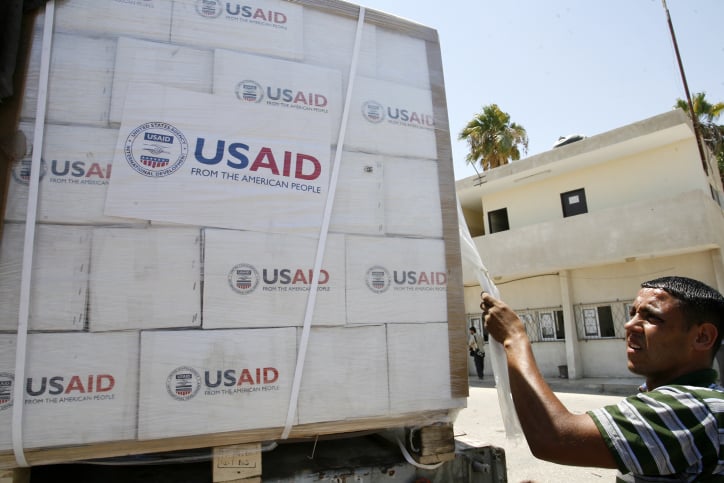
US to give $5 Million in COVID-19 Aid to Palestine After Years of Cuts

Days after President Donald Trump declared the US would withdraw funding from the World Health Organization, US Ambassador to Israel David Friedman announced that his country plans to give a surprise $5 million in COVID-19 aid to support Palestinians through the crisis.  

“I’m very pleased the USA is providing $5M for Palestinian hospitals and households to meet immediate, life-saving needs in combating COVID-19,” Friedman said via his personal Twitter account late on April 16. 


The United Nations Office for the Coordination of Humanitarian Affairs (OCHA) in the Occupied Palestinian Territory (oPT) has recorded 282 cases of COVID-19  in the West Bank and 13 in Gaza to date. There have been 69 recoveries and two fatalities from coronavirus in the oPT but infection figures for Palestinians living in East Jerusalem are unknown, the agency says. 

“The current number of people detected positive for COVID-19 in the oPt, especially in Gaza, remains low relative to other countries, but this may reflect the limited testing capacity,” the OCHA said in an Emergency Situation Report on April 14. 

The capacity of the Palestinian health system to cope with an expected increase in caseload remains severely impaired by longstanding challenges and critical shortages, particularly in Gaza,” the United Nations agency warned. 

The Israeli government allegedly shut down a clinic conducting coronavirus testing in East Jerusalem organised by the Palestian Authority on April 15, according to Israeli media reports. Four people working at the PA sponsored clinic next to a mosque in Silwan were arrested on Wednesday evening Israeli news agency Haaretz reported.  

“All activity by the Palestinian Authority in Israeli territory that is not coordinated and approved by authorities is prohibited under law and the police must prevent it,” Israel’s Public Security Minister said in response to the clinic’s shutdown. 

Arab Joint List parliamentarian Ofer Cassif called the closure “inhumane and even stupid.” 

“Preventing the virus spread is a joint interest and if Israel doesn’t do the checks it must at least enable testing by others,” Cassif told Haaretz. 

Ever-Closer bond between US and Israel

On April 12, Friedman was only one of ten individuals selected to attend a bi-annual Priestly Blessing at the Western Wall due to COVID-19 restrictions, further demonstrating the close cultural, religious and political ties between Israel and the Trump administration. 

The US has grown closer to Israel under Trump’s presidency and, while continuing to be the world’s largest aid donor, America has cut the majority of its funding to Palestine. 

Trump first froze aid to Palestine in two years ago after the Palestinian Authority (PA) violently protested his decision to recognise Jerusalem as Israel’s capital in December 2017 and move the Embassy there from Tel Aviv in May 2018. By August 2018, the US had cut almost the entire aid budget for Palestine, equating to a funding cut of over $200 million.

At the end of January 2019, the US said it would stop providing another approximately $60 million of funding to Palestinian authorities in the occupied West Bank and Gaza. 

A year later, on January 29, 2020, Trump unveiled the long anticipated Middle East peace plan crafted by his son-in-law and senior advisor Jared Kushner. The controversial plan nicknamed the “Deal of the Century,” which aimed to reduce Palestinian territory significantly and essentially discards the two-state solution, was wholly rejected and heavily opposed by Palestinians.


Read also: Palestine is No Longer Arabs’ ‘Primary Cause’  

Escalating Fighting in Libya Raises Concern over Painful Impasse

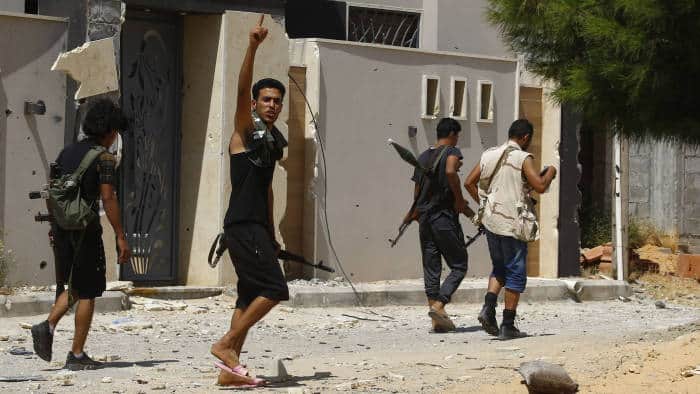
Another  week of heavy fighting has left Libya at an impasse as the two sides appear unable to break the deadlock. April 17 has so far been an eventful day in Libya, as fighting between the UN-backed Government of National Accord and Haftar’s Libyan National Army continues.

Over the last 48-hours, several Turkish c-130 Hercules military planes have been moving south across the Mediterranean sea as planes maneuver into position to refuel for a coming aerial assault. 

Citizens of Tripoli’s South-eastern neighborhoods awoke to heavy shelling as GNA artillery attacks aimed to push back Haftar-aligned forces from Tripoli’s peripheries.

The morning started with heavy fighting, similar to how previous nights had ended. Over the last few days, GNA airstrikes have targeted Haftar’s Al-Watiyah base in the country’s western provinces. An LNA Drone was shot down in Ain Zara, as Russia shipped more armored personnel carriers to the region.

With Russia and Turkey both sending ships and airplanes to resupply the war effort in the region, no clear winner is materializing. Haftar’s LNA forces failed attempt to take Tripoli has clearly allowed the GNA forces to resupply and plan. Backed by a significant Turkish presence, the GNA has pushed back after months of advances by LNA’s troops.

The Libyan conflict has become a proxy war between the countries that back opposing sides. 

Mercenaries make up large swaths of fighting forces and, as the two parties trade blows, little has changed to tilt the balance of power in any specific direction. Meanwhile, Libya’s vital oil industry has come to a stand-still which endangers any prospect of economic recovery.

A proxy-war at an impasse

Ever since Turkey increased its participation in the conflict by supplying the GNA with forces and equipment, Haftar’s march on Tripoli has slowly reversed after weeks of a stand-off in Tripoli’s outer neighborhoods. Now that COVID-19 has reached the conflict zone, a resolution to the conflict has become more urgent than ever.

Bloomberg News speculated that the conflict may lead to a highly unlikely partition of the country. But potential borders between GNA and LNA areas would be unclear, as forces are dispersed on inconclusive front-lines. With little outright support for either side in the conflict, Libya’s population is unlikely to have any say in how the conflict ends.

With some of Haftar’s French strategic advisers caught in the midst of the fighting in western Libya, the only likely definitive outcome in the conflict appears to come from a waning interest by the countries that are supporting both forces.

Turkey’s intervention in the conflict has had a lasting impact, prolonging the war. Turkey’s current national struggle with COVID-19 could result in two outcomes in Libya. Erdogan could withdraw forces in order to allow a chance of a cease-fire as urged by UN Secretary General Antonio Guterres to take place.

It is also likely that Turkey will press on in Libya, desperate for some foreign-policy ‘good news’ to report to its distressed citizens as national news becomes more dire. After initial bravado over a reported lack of COVID-19 cases, Turkey now faces a potential national catastrophe. 

In the end it could be that the people of Libya become victims of a reaction to Turkey’s failed internal policies.


Read also: UN Libya Mission Calls for Humanitarian Pause as Clashes Renew in Tripoli

Yemeni Capital Sanaa Lashed by Days of Heavy Rain

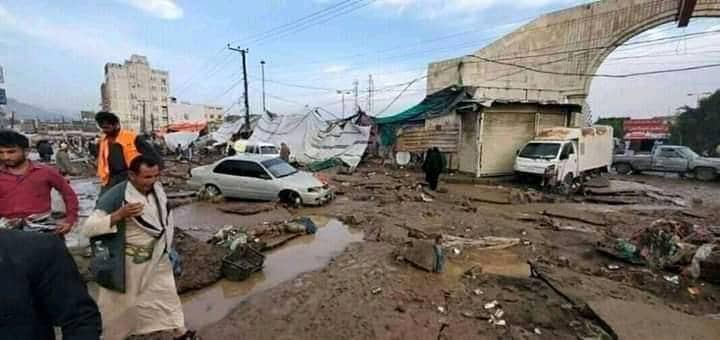
The Yemeni capital, located in a mountainous region, is prone to flooding. Sanaa’s streets quickly turned into fast flowing streams as heavy rain lashed the capital city from Monday through Wednesday evening. 

Local authorities report that cars and some poorly constructed houses were washed away by the floodwaters, but no casualties have yet been reported. Pictures shared by the official Yemen Meteorological Services show muddy city streets strewn with flood debris including goat carcasses. 

In response to the intense rain, Yemen’s Civil Aviation and Meteorology Authority issued a number of severe weather warnings for flash flooding from April 13-15. Citizens were reminded to stay safe, avoid driving through floodwaters, and keep children in particular from playing in inundated watercourses. 

Conditions eased on Thursday with only light rain predicted, allowing citizens of Sanaa and the surrounding region to begin the flood cleanup. 

There are concerns that damage to sanitation facilities could lead to another outbreak of cholera in the country already ravaged by five years of bloody civil war. Yemen experienced the largest epidemic of the waterborne disease the world has seen in years when it swept through the country in late 2016. 

The World Health Organization reports that cholera persists in Yemen but is under control for now. The fragile health and sanitation systems mean cases can spike again after events like the recent flash flooding in the country’s North.