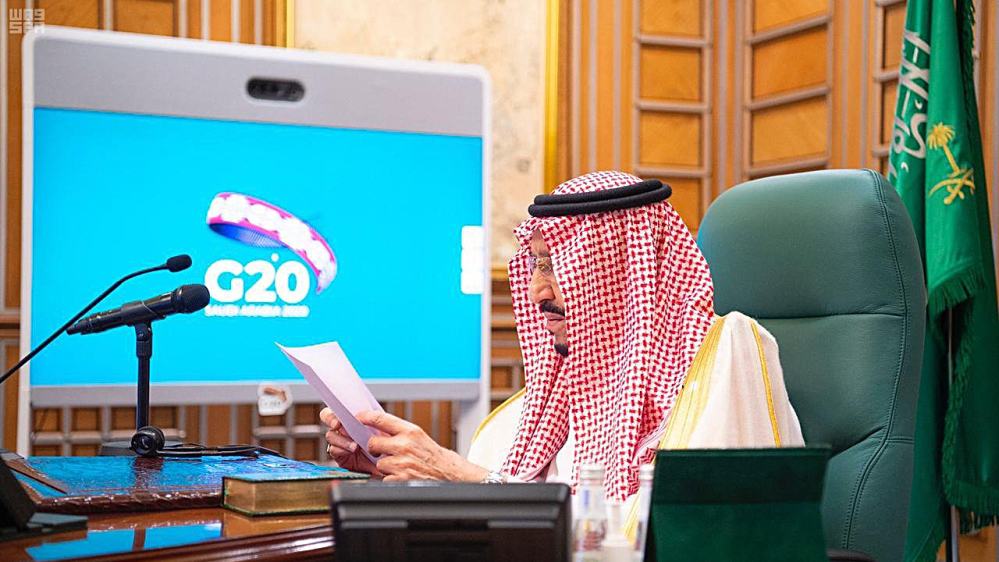
Saudi Arabia to Give $500 Million to COVID-19 Global Pledging Marathon

A conglomeration of the world’s richest countries are joining together today to raise funds for the Coronavirus Global Response through a “worldwide pledging marathon” that aims to raise $8 billion. 

The European Union (EU), Canada, Japan, the United Kingdom, Norway, and current G-20 President, Saudi Arabia, are leading the COVID-19 pledging conference. The initiative aims to support the accelerated development, production, and equitable global access to new essential health technologies such as a vaccine. 

EMBED TWEET

Saudi Health Minister Tawfig Alarabi used his spot during the live-streamed pledging conference broadcast to encourage governments, individuals, businesses, and organizations around the world to support the campaign

Saudi Arabia is hoping to spur on other donors by announcing that the kingdom “has donated $500 million and is urging all members and organizations to commit to empowering global solidarity and bridging direct (COVID-19) funding gaps,” Alarabi said.

King Abdullah of Jordan used his spot on the live stream to highlight the importance of supporting the most vulnerable to COVID-19 in his country, the MENA region, and globally. 

“In my region, failure is not an option, with ongoing conflict and unemployment, the risks are too high,” the Jordanian monarch stressed.

Money raised will be funneled into three separate areas: Diagnostics, treatments, and vaccines. An op-ed from the European Commission published prior to the pledging conference shared King Abdullah’s concerns and warned that “we will not truly be safe until all of us are safe–across every village, city, region, and country in the world.”

The pledging marathon will build on the fundraising efforts of the World Health Organisation, the Bill and Melinda Gates Foundation (BMGF), the Coalition for Epidemic Preparedness Innovations (CEPI).

It comes off the back of the G-20’s commitment to “spare no effort” in fighting COVID-19 and accelerating universal access to therapies, treatments, and diagnostics, and a similar promise by the EU to seek solutions to the global coronavirus pandemic. 
 

Read also: Falling Oil Prices Force Saudi Arabia to Dip into Reserves

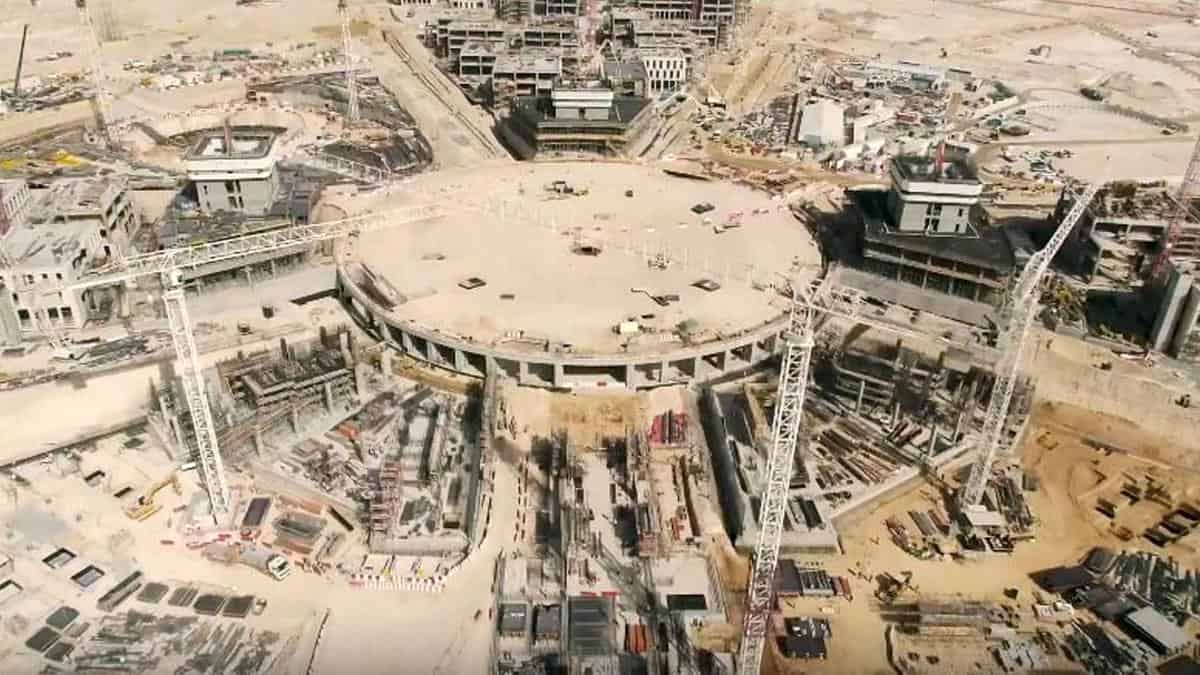
Expo 2020 Dubai Officially Postponed to October 2021

On Monday, a two-thirds majority of World Expo member states voted in favor of postponing Expo 2020 Dubai to 2021. The 173-day showcase was set to take place from October 2020 to April 2021, but will now run from October 1, 2021, to March 31, 2022.

The delay will, according to the member states, allow participants and organizers time to “safely navigate the impact of COVID-19.”

The Expo 2020 Dubai organizing committee and World Expo governing body, the Bureau International des Expositions (BIE), said the change will also allow World Expo time “to focus on a collective desire for new thinking to identify solutions to some of the greatest challenges of our time.” 

Chairman of the Expo 2020 Dubai Higher Committee Sheikh Ahmed bin Saeed Al Maktoum welcomed the member states’ approval and said it demonstrated the international community’s confidence in the United Arab Emirates to run an event that “will capture the world’s imagination when the time is right.”

“We welcome the decision of BIE Member States to support the delay of Expo 2020 Dubai by one year. We are thankful to the Member States for their continued commitment to contributing to a World Expo in Dubai that will play a pivotal role in shaping our post-pandemic world at a time when it will be most needed,” Al Maktoum said in an official statement.

“This swift and overwhelming vote reflects the strength of our international partnerships and truly reflects the positive role the UAE and Dubai play with all countries around the world,” he added.

The Secretary-General of the BIE, Dimitri Kerkentzes, said the new dates will be formally approved on May 29, and the vote was a sign of solidarity and confidence in “creating the future.

“In their support for the one-year postponement of Expo 2020 Dubai, Member States of the BIE are giving the world the opportunity to reconvene in 2021, when together, we can address the challenges facing humanity and celebrate the unity and solidarity that strengthen us,” Kerkentzes said.

“With its theme ‘Connecting Minds, Creating the Future’, Expo 2020 Dubai will offer the world a unique platform to share the lessons, solutions, and ideas for a better tomorrow,” he added. 

The Expo 2020 Dubai steering committee debuted the idea of postponing the event on March 31 during a virtual meeting with stakeholders. BIE opened a virtual voting process from April 24 until May 29 and yielded a two-thirds majority. 

Dubai began preparations to host the Dubai World Expo 2020 in 2013, and, like the Tokyo Olympics, the event will keep the “2020” title.

The “World’s Greatest Show” will give Dubai the opportunity to shine on the world stage, address the universal challenges of our times, and provide a serious boost for the national economy.

The UAE has invested an estimated $8 billion in Expo 2020 infrastructure projects alone and was banking on tourist revenues in the vicinity of $9 billion over the course of the 2020 event, until COVID-19 forced its delay.

It remains to be seen if the visitation numbers and economic benefits envisaged can still be achieved in an uncertain post-COVID-19 environment, but confirming the postponement should provide local stakeholders, international partners, and potential visitors with renewed confidence in Expo 2020 Dubai.


Read also: Dubai Expo 2020 Likely Postponed to 2021

Berlin Cancels Annual Quds Day Rallies Upon Hezbollah Ban

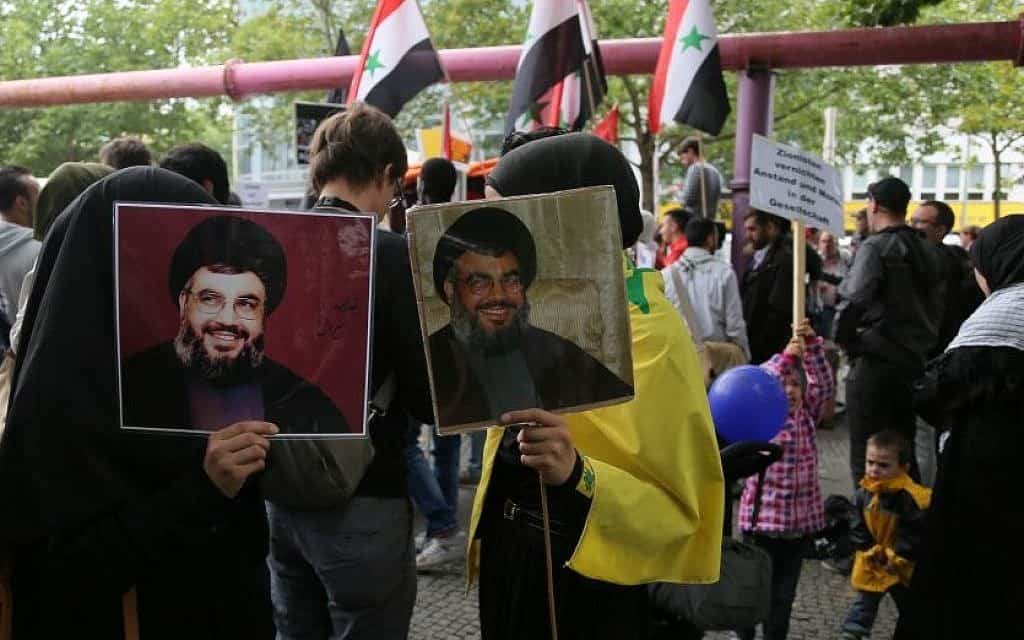
After Germany banned all activities of Hezbollah and classified it as a terrorist organization, the local government of Berlin decided on May 1 to cancel the Quds Day rallies, an annual event that takes place at the end of Ramadan and welcomes Hezbollah supporters.

“The organizer of the al-Quds march canceled today the demonstration for this year. We are all spared one of the most disgusting antisemitic events. Good news for Berlin,” the Berlin Senator of the Interior, Andreas Geisel, tweeted after the decision.

The Iranian Embassy has long organized Quds Day. The event sparked great controversy in Germany, with Berlin’s Mayor Michael Muller facing intense criticism for several years for not attempting to prohibit the demonstration. 

The move reinforces Germany’s decision on April 30 to prohibit any organized activities of Hezbollah or its supporters in the country. Police carried out raids early the following morning to arrest people suspected of being members of the Iran-backed Lebanese militia.

The German parliament voted last December, by a large majority, to pass the law banning Hezbollah. The vote came after two ruling parties in the country called for the group to be included in the European Union’s list of terrorist organizations.

Matthias Middleburg, a spokesman for German Chancellor Angela Merkel, stressed at the time that “Hezbollah activities are funded through criminal activities all over the world” and called for a ban on the group in the country.

Security officials believe up to 1,050 people in Germany are current members of Hezbollah.


Read also: Germany Bans Hezbollah Bowing To US, Israeli Pressure

Acclaimed Berber Algerian Musician Idir Dies in Paris at Age 70

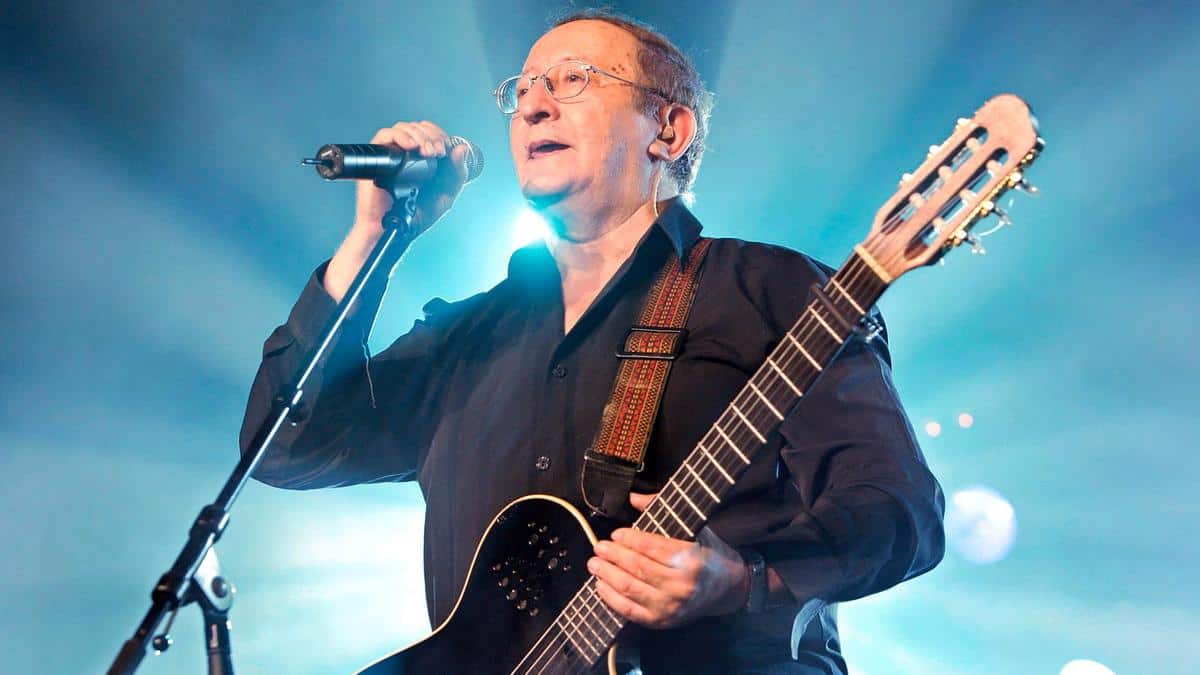
Legendary Berber (Amazigh) Algerian singer Idir died peacefully in a Parisian hospital late on Saturday evening after a long fight with a non-COVID-19 related pulmonary disease, his family said via Facebook today

“We regret to announce the passing of our father (to all), Idir on Saturday 2 May at 2130. Rest in peace dad,” the post said.

Idir’s lilting lullaby “A Vava Inouva” made him world-famous in 1976, and was played in 77 countries and translated into fifteen different languages. The softly-spoken singer’s music helped gain visibility for and drove interest in traditional Kabyle and Berber music outside the Maghreb.

Algerian President Abdelmadjid Tebboune took to Twitter to express his “sadness and sorrow” at Cheriet’s passing, paying tribute to the singer and poet whom he called an “icon of Algerian music.”

“My sincere condolences to the family of the deceased and all the Algerian community, and his fans, Algeria has lost one of its monuments,” the president tweeted. 

Born on October 25, 1949, in the village of Ait Lahcene in the mountainous Berber-speaking Kabyle region, the young man grew up surrounded by local music and was destined to become a geologist before fate intervened

In 1973, Idir stepped in at the last minute when another singer could not perform on Radio Alger and, after rave reviews, a star was born. His recording career, however, had to wait until he completed his military service. 

With that behind him, Idir’s poetic music gained a following within Algeria and the Maghreb after the release of his first album in 1976, titled “A Vava Inouva,” which included his best-known track by the same name alongside other hits “Zwit Rwit” and “Ssendu.”

Known as a quiet and humble man, Idir used his platform as a musician to preserve and champion his beloved culture. The life-long advocate for Kabyle and Berber culture also gained a following from international musicians like Manu Chao and Charles Aznavour.

His relationships with a new generation of international musicians helped him hit the charts again in the late 1990s off the back of his album “Identities,” featuring the likes of Manu Chao, Maxime le Forestier, and Zebda.

Idir’s gentle, delicate, nostalgic, and often melancholic music will live on in his native Kayble, Algeria, the broader Maghreb, and beyond for generations to come. 


Read also:  Algeria to Move Beyond Oil With Increased Focus on Mining

UNICEF: ‘Absolutely Critical’ MENA Child Vaccination Programs Continue

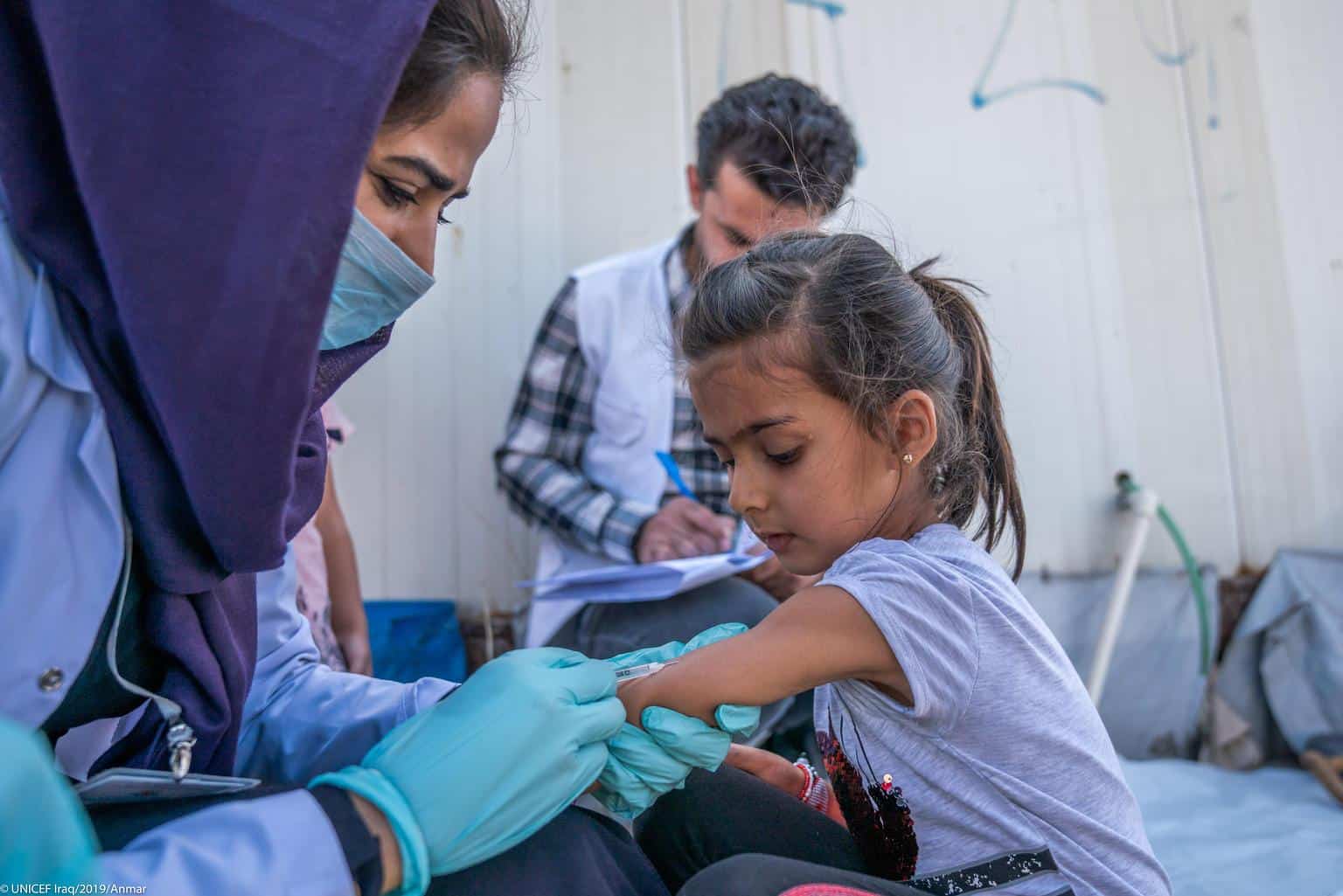
UNICEF reports that vaccination programs are continuing as normal in most Middle East and North African countries, but children in some of the most at-risk countries and conflict zones are not being reached due to COVID-19 restrictions. 

According to UNICEF, the vaccination programs for children under five in Iraq, Sudan, Syria, and Yemen are in  “serious jeopardy” due to the stress placed on supply chains and health resources by COVID-19. The agency predicts 10.5 million children in those countries have yet to receive their polio vaccination this year, meaning the deadly disease successfully eradicated in the region two years ago is at risk of returning. 

“Immunization for children is possible even in the time of COVID, using protective measures to protect the child, the mother, and the vaccinator. It is absolutely critical that every child gets immunized against deadly diseases including polio, measles, diphtheria, and hepatitis,” said UNICEF Regional Director for the Middle East and North Africa Ted Chaiban.

Meanwhile, measles vaccination campaigns have been suspended in Iraq, Lebanon, Yemen, and Djibouti, leaving approximately 4.5 million children under the age of 15 unprotected from the highly contagious disease. 

The safe and cost-effective vaccine has resulted in a 73% drop in the mortality rate from viruses worldwide between 2000 and 2018, the World Health Organization (WHO) reports. Nevertheless, some 140 000 people, mostly children under five, died of measles in 2018. 

Chaiban reiterated that vaccinations can be carried out safely, even in the time of Coronavirus. Health professionals can use personal protective equipment (PPE), disinfection protocols, and social distancing to ensure vaccinations are delivered safely and on time to children in the MENA region.  

“Last year, UNICEF with partners reached nearly 34 million children with life-saving vaccines including measles and polio across the region. This year, the COVID-19 pandemic is overstretching health systems, as frontline workers are supporting the outbreak response. Despite that, nearly 1.5 million children on average are getting their vaccines every month,” added Chaiban.

UNICEF’s Middle East and North Africa Branch says it has managed to bring 17.5 million doses of essential vaccines into the region despite COVID-19 restrictions and border closures. They are also working closely with regional partners and governments to monitor vaccine expiry dates and provide the necessary PPE and other COVID-19 fighting equipment to enable the vital vaccination programs to continue unhindered.


Read also: Iraq Seeks More US COVID-19 Funding as Pompeo Decries Political Deadlock

Algeria to Move Beyond Oil With Increased Focus on Mining

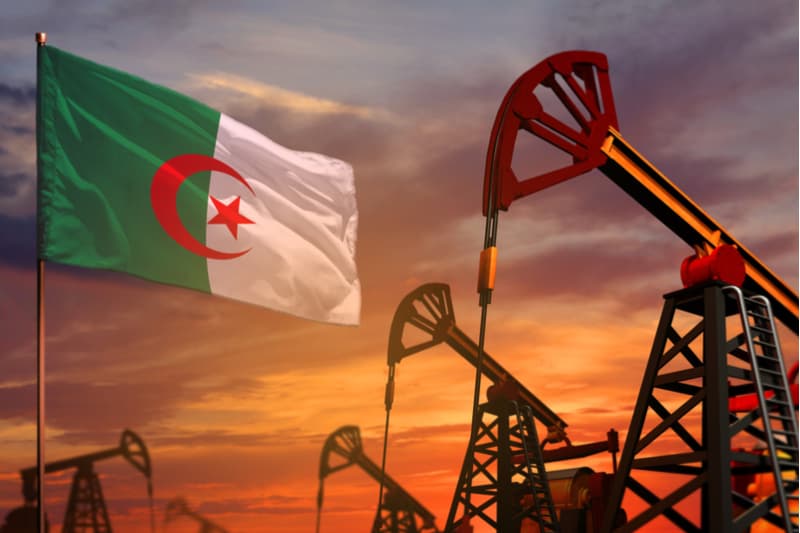
On Friday, May 1, Algerian President Abdelmadjid Tebboune used a televised address to the nation to announce a shift away from oil and gas production. The country exports both oil and gas, with much of its territory still unexplored, but the current drop in oil prices is leading the government away from its reliance on hydrocarbon sales for state revenue.

The North African state largely uses its income from oil for food imports worth $45 billion annually. The drop in oil prices has revealed the danger of relying on oil revenue that many oil-exporting nations are experiencing. In order to reverse this dependence in the future, Algeria will refocus efforts to diversify its economy by developing its agricultural and mining sectors.

Embattled president

Algeria’s president appears eager to assure his people that the government is easing their pain. “A political change will take place and strong institutions will be created,” Tebboune announced on state television, referring to demands of the Hirak protest movement. Tebboune was a prominent member of the deposed regime, even presenting himself as Bouteflika’s successor while on a foreign mission in Paris in 2017.

The president continues to face opposition from large swaths of the population who see him as a remnant of deposed former president Abdelaziz Bouteflika’s regime. Large national protests forced the ailing Bouteflika from power after attempting to run for a fifth term in office in 2019, after which Tebboune won 58% of the vote. Only 41% of Algerians turned out to vote, ensuring Tebboune lacked a solid mandate and continued to face anti-government protests.

A renewed economic focus

Tebboune’s plan to renew focus on the country’s mining industry appears an attempt to emulate the success of its western neighbor. Morocco’s mining industry is flourishing, and the nation holds more than two-thirds of the world’s phosphate reserves while also extracting minerals such as cobalt, silver, and lead, among others.

Algeria is the largest country in Africa and the Middle East geographically, with much of its resources still untapped. Tebboune specifically highlighted uranium, gold, and phosphate extraction as promising investments. The move highlights an increasing reluctance to depend on oil income even as Algeria still has large proven oil reserves and much unexploited onshore and offshore potential.

Foreign influence

The country faces significant obstacles to realize its diversification plans, especially attracting the foreign investment needed to develop its industry could be difficult. “Several resources are still untapped. The list includes for example uranium, gold and phosphate. We are ready to develop them with foreign partners,” Tebboune said in his televised address.

While interest from foreign investors could definitely materialize, these foreign parties could demand far-reaching concessions of a nation desperate to wean itself off its dependence on oil. In order to fully benefit from its mining industry, Algeria would need to ensure that a large part of the extracted materials is used to locally produce high-value products for export, instead of merely exporting the raw materials abroad.

Algeria diversifying its industry could reduce its dependence on global oil prices, but the investment required provides a stumbling block. It is likely the country will first need a resurgence in global oil prices in order to partly finance industry development and face foreign investors from a stronger negotiating position.

Video Exposes Rift in Syria’s Assad Family

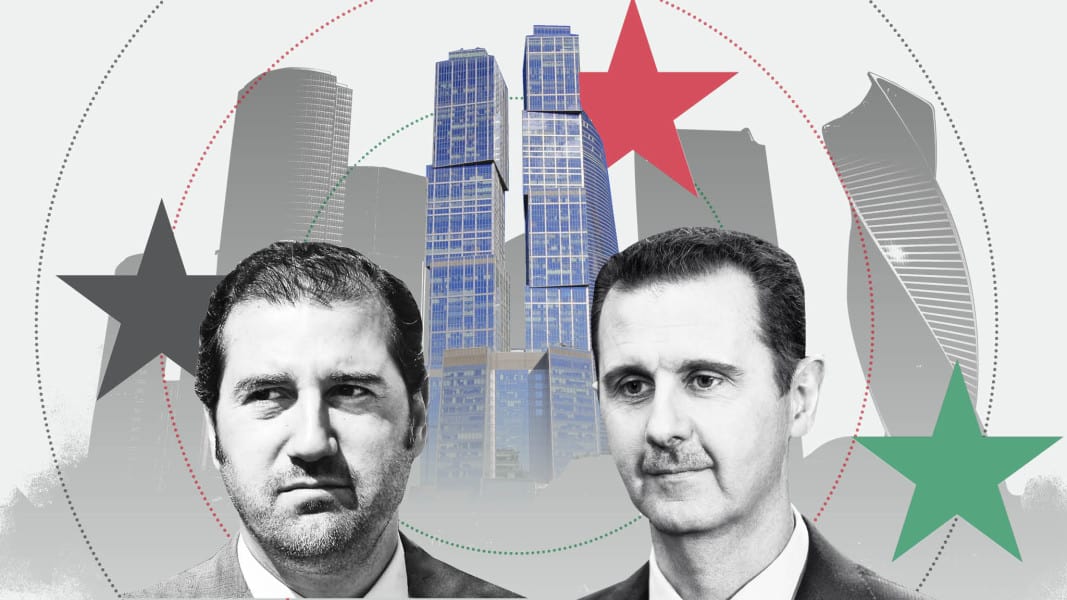
On Friday, May 1, an influential cousin of Syria’s President Bashar al-Assad, Rami Makhlouf, posted a 15-minute video on Facebook in which he directly appeals to Assad. Makhlouf, an influential Syrian businessman and telecom tycoon has come under increased pressure, culminating in the eyebrow-raising public rant against his former benefactor.

Makhlouf speaks out

Rami Makhlouf appeared on a Facebook video sitting in front of a stack of firewood as he decried accusations of tax evasion leveled against him. “I will send whomever you want to check the papers, and this is the truth, but I am tired of this crew,” he said, directly addressing al-Assad. The video provided an unprecedented view behind the scenes of Syria’s ruling family.

Makhlouf stated that “unjust taxation” could cause the collapse of the company where he is the major shareholder, even though he officially stepped aside as CEO in 2011. The Syrian businessman has encountered increased pressure over his business dealings, but insiders say the feud might be the result of a palace intrigue between Makhlouf and al-Assad’s wife, Asma Assad.

Makhlouf’s role in Syria’s civil war

Rami Makhlouf was the owner and CEO of Syriatel, the country’s largest telecom provider with 11 million domestic mobile customers. Close ties to the Assad family provided the political clout and financial assurances that allowed for his rise to prominence. In 2011, just as the Syrian civil war started, Makhlouf announced he was stepping down from running the Telecom provider to focus on “charity.”

In reality, his charitable initiatives consisted of direct patronage to the country’s Alawite community, an important base of support for Assad’s regime. Makhlouf was tasked with ensuring loyalty among Alawites as the conflict devolved into a multi-factional bloodbath. Makhlouf’s role in providing patronage to the community resulted in the US and EU applying direct sanctions against him.

Fall from grace

Makhlouf rose to prominence too rapidly and eagerly. A Western diplomat with inside knowledge told the Associated Press that the move is part of a deepening family feud after Makhlouf “overplayed his hand.” Tensions between Makhlouf and the Assads became public in December 2019 when the Syrian government declared a “preventive seizure” of his assets, along with a list of other officials and their wives.

At the end of April 2020, the Syrian Telecommunications and Postal Regulatory Authority slapped a fine of 234 billion Syrian Pounds on Makhlouf’s company, accusing it of changing contract details that resulted in missed revenue for the Syrian state. Makhlouf had earlier been accused of smuggling products worth SYP 1.9 billion and on April 25, Asharq Al-Awsat reported plans to seize the assets of Makhlouf’s Lebanese company “Abar Petroleum Service SAL offshore.”

Palace intrigue

Makhlouf embarrassed the Syrian regime further when on April 30, Saudi officials announced they had discovered 44.7 million illegal narcotic pills hidden in a shipment of herbal beverage packages belonging to Makhlouf. The businessman claimed the seizure was a set-up aimed at defaming him, but the damage was done.

Rami Makhlouf’s downfall coincides with regime action against other large businesses in an effort to increase state revenue. The action against Assad’s cousin after decades of nepotistic support appears to stem from a feud between Makhlouf and Assad’s wife, Asma Assad. Both provide “charity” among the minority Alawite community allegedly to purchase support, giving the two significant power in the country.

Possible consequences

Makhlouf’s public appeal appears to be a final play for the disgraced tycoon. In an effort to leverage his influence over the Alawites, he has denied all charges against him and is trying to recommit to the priorities of the Syrian regime. By making his statement publicly, Makhlouf could be hoping for an outpouring of support from those he patrons during the conflict.

The video also reveals that Makhlouf has lost direct access to Assad. The desperate public plea could simply be a last-ditch effort to save his own business and reputation. Many powerful actors within the regime oppose him, including the Russians who are reportedly eager to diminish the businessman’s influence over the Assads.


Read also: At Least 30 Die After Fuel Tanker Explosion Rips Through Afrin, Syria

IED Kills, Injures 10 Soldiers in Egypt’s Troubled North Sinai

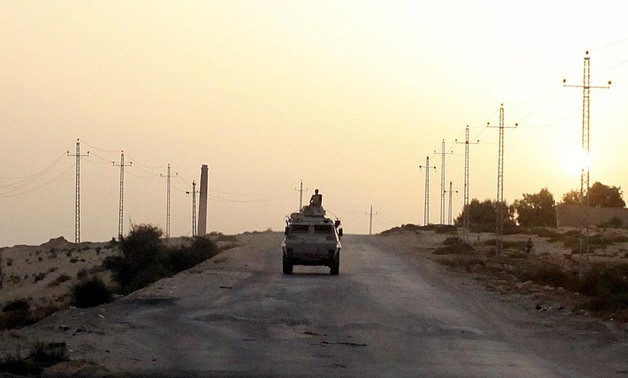
Egyptian President Abdel Fattah El-Sisi said he is mourning the deaths of an unspecified number of Egyptian soldiers killed yesterday by an improvised explosive device near the city of Bir al-Abd. 

Army spokesperson Tamer al Refai said on April 30 an IED blast had killed or injured eight soldiers and two officers traveling in an armored vehicle. 

“Treacherous hands have reached out to our heroes in southern Bir al Abd City in Sinai as evil powers are still trying to snatch our country. Thanks to our sons and strong army, we are capable of destroying any attempts by such malicious elements,” El-Sisi said on May 1.

Egyptian authorities have not clarified how many of the eight soldiers and two officers were injured or killed in the blast that is being considered a terrorist attack. No group has claimed responsibility for the blast, but ISIS affiliate Wilayat Sinai and groups claiming links to al-Qaeda are known to operate in the restive, rural province. 

The Egyptian Army was quick to react to yesterday’s IED attack, and al Refai reported today that the armed forces killed two “high risk terrorists” in North Sinai.

“Upon intelligence information provided to armed forces on a hotbed of a group of terrorists in a farm in North Sinai, the forces carried out an operation in which a shoot-out occurred between two sides,” the army spokesperson told Egyptian media on May 1.

“Two highly dangerous terrorists were killed while a general-purpose machine gun, a wireless device, and ammunition were confiscated,” he added. 

On Friday, the US Ambassador to Egypt, Jonathan Cohen, joined Sisi in condemning the Bir al-Abd terrorist attack.

“The United States strongly condemns the April 30 attack in North Sinai on Egyptian soldiers. This attack is especially despicable as it comes during the holy month of Ramadan,” Cohen said on May 1.

“We express our condolences to the families of the victims and wish a speedy recovery to the injured. The United States continues to stand with the Egyptian government and people in the fight against terrorism,” said Cohen. 

The North Sinai attack comes a fortnight after a Cairo shoot-out left seven terrorists and two police officers dead, following a raid on a terror cell thought to be planning attacks against Coptic Christians. In the wake of Egypt’s 2011 revolution, the sparsely populated and desolate North Sinai became a terrorist safe-haven and has been the main target of Sisi’s anti-terrorism operations since 2018. 

Living Room Circus Lion Show Encourages Egyptians to Stay Home

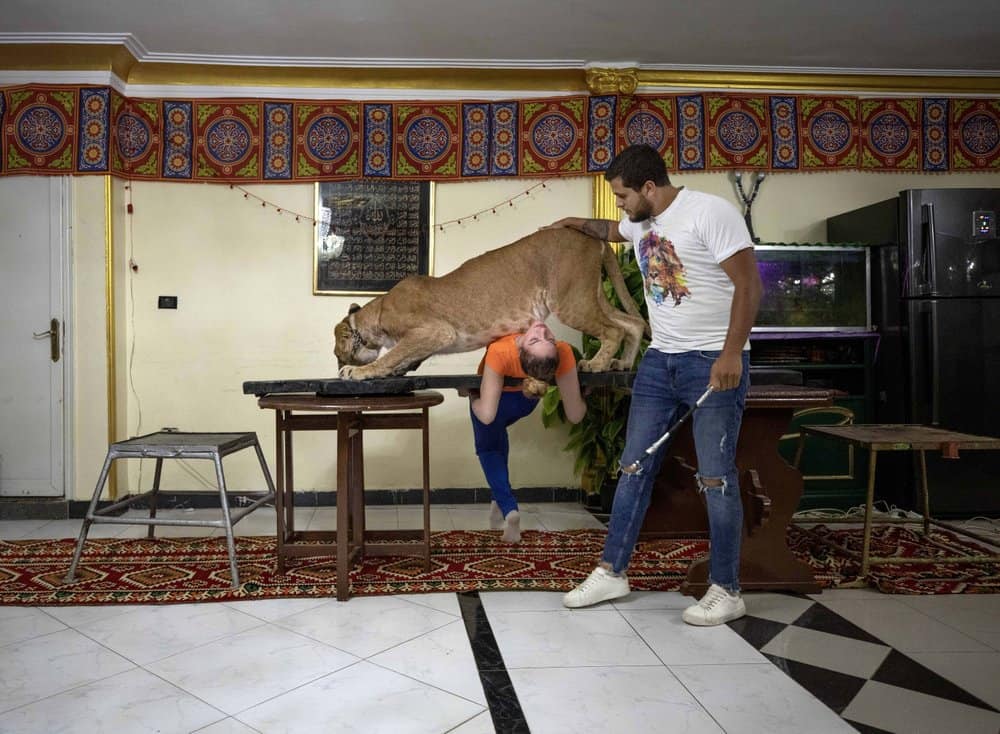
Like many other entertainment businesses, the big top of Egypt’s National Circus has fallen silent in recent weeks due to the coronavirus pandemic. Some of the circus’s most famous stars, the El-Helw family and their big cats, are still putting on shows from their Cairo lounge room, giving a new meaning to the idea of “working from home.”

Lion tamer Ashraf el-Helw is getting ready to make another video showcasing his tame lion Joumana and her tricks from his Cairo lounge room instead of the big top. Clips from his first show featuring an adult lion eating meat from his mouth and jumping over his sister Bushra created a buzz on social media.

With the message, “stay in your homes to keep safe,” Ashraf posted the videos to his Instagram account, where they sit alongside hundreds of other photos and videos of the young man posing with his beloved big cats.  

“Since I opened my eyes to the world, I found lions around me,” Ashraf told the Associated Press on May 1, and his social media goes to show not much has changed in the past 26 years. 

“They are like my children,” his sister and fellow lion trainer Bushra said about the animals, which have been at the center of the family’s fame and fortune for over a century.   

Ashraf and Bushra, alongside elder sisters Ousa and Luba, are following in the footsteps of a proud el-Helw family tradition of working with the majestic predators. Ashraf’s grandmother, Mahassen el-Helw, made a name for herself as the Arab World’s first female tamer while Ashraf’s grandfather, Mohammed el-Helw, was famously mauled to death by a lion during a performance in 1972. 

The big cat-wrangling dynasty brings the lions in from their family farm, an hour outside the sprawling megacity of Cairo, to their Nile-side apartment specifically for the “work from home” performances. 

The el-Hewl’s have, nevertheless, copped plenty of criticism over how they treat the animals and for continuing what for them is a family tradition, but for many is a barbaric and outdated abuse of wild animals for human enjoyment.  

One of Egypt’s leading animal rights activists, Dina Zulfikar, finds fault in the frivolous way the el-Hewl’s portray their interactions with the big cats online. 

“This is an irresponsible and foolish behavior,” she told the Associated Press on May 1.

“They are not pets, they are wild animals,” Zulfikar stated, reminding the el-Helws that it is illegal to keep wild animals in a private home.  

Zulfikar has spent the last decade campaigning for better treatment of animals at the Giza Zoo and working to stop wild animal trafficking in Egypt and Africa. 

Pressure from Revitalise Giza Zoo campaigners, a sub-group of Animal Welfare Awareness Research group (AWAR) coordinated by Zulfikar, has brought about a dramatic improvement of the living conditions for the hundreds of animals housed in Egypt’s largest zoo. 

Animal welfare remains a major concern in Egypt, where Zulfikar says “the law that protects domestic animals is extremely vague,” while laws protecting wild animals “are wonderful—too bad they are not properly enforced.”

Illegal Logging Surges in Locked-Down Tunisia

Many citizens in Tunisia are struggling economically, causing some to turn to illegal logging and charcoal production, Tunisian authorities have reported. With the country facing a 6 p.m. to 8 a.m. curfew, illegal loggers are using the tranquility at night to fell trees undetected. With forest covering only 6.5% of the country, the destruction of ancient forests is a serious concern in Tunisia.

Illegal logging

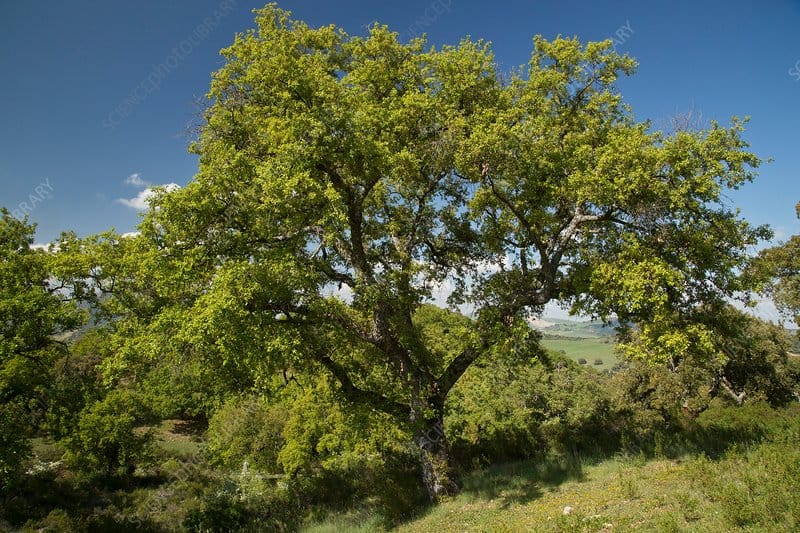
The Tunisian forestry agency at the Ministry of Agriculture reported over 200 cases of illegal logging since the start of lockdowns, a tenfold increase over last year’s numbers. Reuters reported today on a group of people who illegally cut down 400 Algerian oak trees, an endangered species that grow over several centuries, to produce charcoal for extra income.

Curfews that limit movement after 6 p.m. have allowed illegal loggers to operate undetected. Mohamed Boufaroua, general director of forestry at the Ministry of Agriculture, said “they (illegal loggers) want to take advantage of this period of confinement.”

The disappearance of Tunisia’s forests is a major concern. In 1970, Tunisia’s oak forest covered 140,000 hectares. Over time, forest area has fallen by a third, and only 8,350 hectares of its protected Algerian oak trees remain. Felling Algerian oak trees is illegal, but local authorities often do not enforce the law, according to Ines Labiadh, head of environmental justice at the Tunisian Forum for Economic and Social Rights.

Economic hardships

Because many Tunisians work in the informal economy, they lack economic support during the lockdown. Desperate for income, they turn to the forest. By felling trees for charcoal production, desperate Tunisians can supplement their income in these difficult times.

The problem existed long before the lockdowns began as illegal logging is highly profitable. According to Ines Labiadh, “the forest is a mine for money,” as illegal loggers can earn roughly 2,000 dinars ($690) a month, more than double the average Tunisian wage.

Whenever instability and economic uncertainty rises, so does illegal logging. Following the 2011 Arab Spring revolution in Tunisia, illegal logging tripled as desperate citizens took to the country’s diminishing forest.

Importance of North African forests

Forests are important to reduce desertification, a term for fertile land gradually turning into a desert. Trees form a natural buffer against the growth of deserts and reduce the effects of climate change as they can soak up greenhouse gasses. Throughout Africa, forests are being planted in order to stop deserts from growing and to convert land from barren to lush.

A 15-kilometer wide “great green wall” stretching from Senegal in West Africa to Eritrea in the eastern Horn of Africa is being planted. Governments are investing millions into forests in order to halt the growth of the Sahara desert that threatens both northern and sub-Saharan Africa.

In Algeria, where forests cover only 1.6% of the country, deforestation is a similar concern, according to the UN Food and Agriculture Organization. The World Wildlife Fund has warned that only 1,000 square kilometers of the original 10,000 square kilometers of Algerian wild olive and carob forests remain.

The importance of flourishing forests in North Africa is so great that on February 12, King Mohammed VI of Morocco and his heir personally attended events to establish new strategies to ensure agriculture and forestry could coexist to create local jobs without endangering forests.

Morocco’s renewed approach to protecting its forests will include local communities in forest management in order to ensure locals benefit from forests without needing to destroy them. Morocco will spend millions of dollars to realize modern forest nurseries, promote training and research, and establish a new Water and Forest Agency as well as a Nature Conservation Agency.