Greece to Move 2,300 From Crowded Island Camps to Curb COVID-19 Spread

On Thursday, Greek Minister for Migration and Asylum Notis Mitarakis released a statement saying the country’s authorities would begin moving sick and elderly migrants from camps on five Aegean Islands to the Greek mainland over two weeks, beginning after the country’s April 19 Easter observation. 

“This additional protective measure aims to further reduce the risk of a [virus] outbreak,” Mitarakis said.

The ministry said that of the 2,380 to be relocated, 200 were over the age of 60 while another 1,730 are “people of all ages who are experiencing chronic health problems.” The remaining are family members. 

Mitarakis’ announcement comes after EU Commissioner for Home Affairs Ylva Johansson said 1,000 “vulnerable” migrants would be moved from camps to vacant hotel rooms on April 14. Ylva did not specify how the migrants would be selected or if they would be moved to the mainland or other islands. 


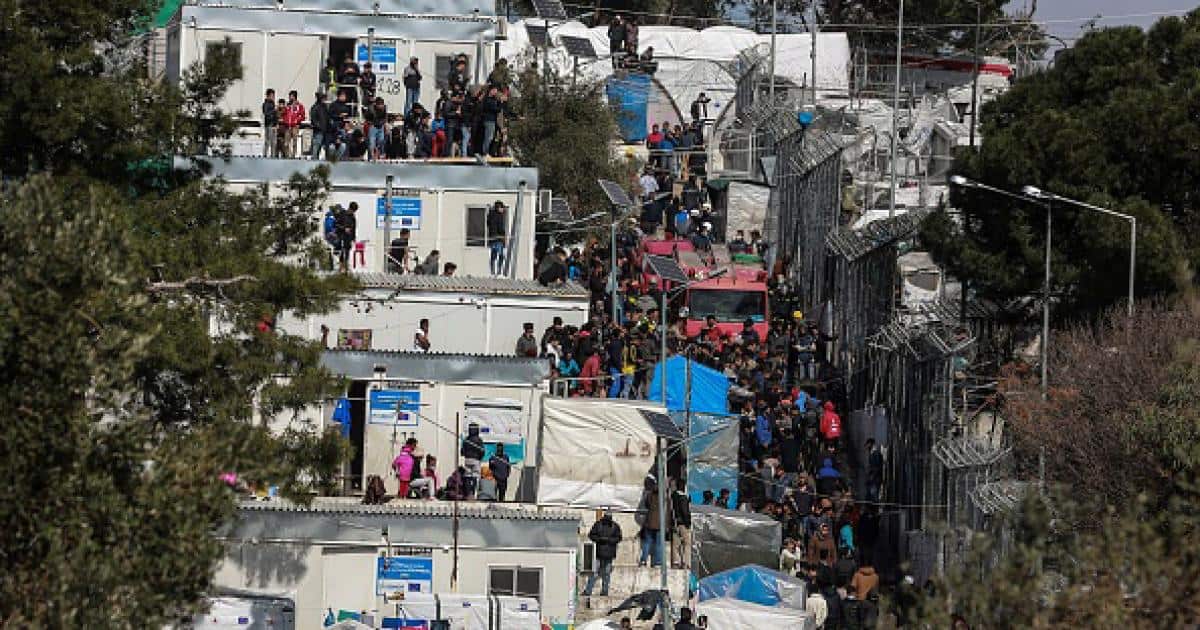
Human rights and migrant support groups have long called for Greece to “clear the camps,” and their urging has crescendoed as the global coronavirus pandemic spreads. NGOs remain concerned that the virus could spread rapidly among the approximately 36,000 migrants living in cramped camps throughout the country that were originally designed to house only 6,100 people. 

On April 2, the Ritsona camp near Athens was quarantined after a cluster of 20 COVID-19 cases was identified. 

First Unaccompanied Minors Relocated to EU

Meanwhile on Wednesday, the first group of unaccompanied migrant children was relocated from Greece to Luxembourg. Twelve children of Afghan and Syrian origin, aged from 11 to 15, were flown from Lesbos, Samos, and Chios to Luxembourg. 

Another 1,600 children are set to be relocated throughout the European Union after a March agreement to move the vulnerable minors out of crowded camps. Luxembourg, alongside France, Germany, Finland and Portugal, was one of the first nations to enter what European commission President Ursula.

Von Der Leyen called a “coalition of the willing,” which has promised to take in the vulnerable children. 

“It is very urgent to care for the unattended minors on these Greek islands. I am very concerned about their situation,” Von Der Leyen stressed during a March 9 press conference on the first 100 days of her mandate. 

Greek Asylum Service Remains Closed

While the outlook for some migrants in Greece has improved following these announcements, the uncertainty continues for others. On April 10, the Greek Asylum Service said it would remain closed to the public with all administrative activities suspended until May 15.

Greece suspended the processing of asylum claims in late February. A new influx of migrants had hit the country’s islands after Turkey re-opened its borders. The Asylum Service has reassured beneficiaries that “applicants’ cards and residence permits that are due to expire before May 15 will remain valid.”
 

read also: Three Percent of Dutch Population Likely Infected With COVID-19

Three Percent of Dutch Population Likely Infected With COVID-19

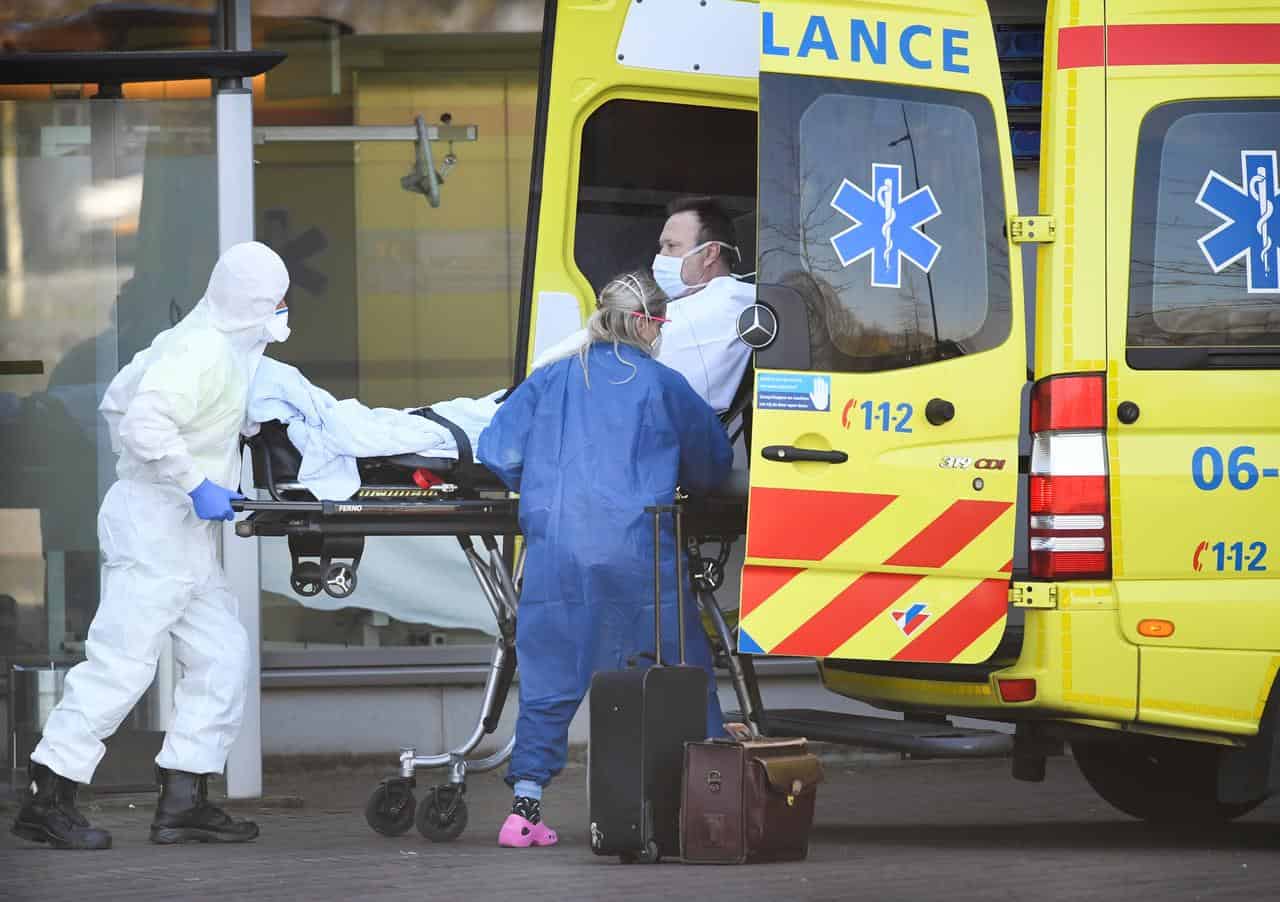
The Dutch parliament was told today that it is highly likely that approximately 3% of the country’s population could already have been infected with COVID-19. Jaap Van Dissel, director of the Infectious Diseases Center of the Dutch health ministry, presented the findings. The report to parliament comes from a yet-to-be-published study of Dutch blood donors.

The findings are not conclusive, but researchers found COVID-19 antibodies in 3% of blood donors included in the study. Antibodies are typically created as the human body fights an infection. After a person has healed, traces of these antibodies remain detectable in blood samples, which is how the Dutch institute Sanquin made the discovery.

Dutch daily Nu.nl reported that several of the blood donors in the study had not received a positive diagnosis for COVID-19. As the study is still ongoing, researchers dare not make any definitive predictions, but Van Dissel highlights that building full immunity following COVID-19 recovery does not appear certain.


Older patients build fewer antibodies

The study found that the younger the patient is, the more antibodies they produce. Nu.nl reported that of the 688 participants in the study between the ages of 18 and 20 built the most antibodies and the prevalence gradually decreased with age. Participants aged 71 and over showed no sign of antibodies, although the test group consisted of only ten individuals.

The head of the Dutch Infectious Disease Center had released a statement to Dutch parliament on April 8 to convey his fears that post-infection immunity could not be guaranteed, in contrast to common assumptions. “People with milder symptoms appear to be building lower amounts of antibodies, possibly not enough to stop future infection,” Van Dissel had said.

The findings released today reconfirm Van Dissel’s earlier fear that immunity is not a given and could even be temporary.

The infectious disease expert earlier expressed hope that a coronavirus-tracking app proposed by the Dutch government would help make testing more effective. The Dutch government is trying to prevent a sudden peak in intensive care intakes through what it calls an “intelligent lockdown.”


Herd immunity strategy is misguided

A cornerstone of the Dutch approach is the development of “herd immunity” among the Dutch population. Herd immunity refers to the phenomenon when a virus cannot spread further because most individuals it encounters are either infected or have antibodies because of a previous infection. Dutch Prime Minister Mark Rutte had promoted the concept, saying “through herd-immunity we in essence build a protective wall.”

In contrast, Van Dissel says the concept of herd immunity received too much attention following the initial outbreak. “It’s a by-product of the virus circulating in the population,” he said, summarizing the concept. Building herd immunity would require 60% of the population to have been infected. This would mean millions of Dutch people would need to be infected before the remaining 40% would reap any benefits from the strategy.


COVID-19 continues to spread in the Netherlands

Because only high-risk and elderly Dutch patients with symptoms are tested, much is unclear about the level of infection in the Netherlands. The center-right government has attempted to keep the economy going as much as possible, only doling out fines for people breaking lockdowns while emphasizing the personal responsibility of citizens.

Dutch people filled parks in the Netherlands’ first sunny days of spring, confident that the impact of COVID-19 could be limited. A large outbreak in the country’s Catholic South following Carnival celebrations increased attention but prompted few concrete measures by the government.

Dutch overconfidence during the early phases of the outbreak was clear as the massive crowds celebrating Carnival often mocked the virus and featured ugly characterizations of Chinese people.

“If you are not Chinese, you have nothing to fear,” said one song played at the annual  province-wide festival. Two weeks later, the province’s hospitals had to move patients to hospitals in the North as local intensive care units overflowed with infected festival-goers.

The Dutch “intelligent lockdown” continues, Prime Minister Rutte is increasing in popularity, and the number of Dutch COVID-19 cases continues to grow unabated. Dutch overconfidence in its healthcare system could be misplaced because it was overhauled due to austerity and privatization.

The tiny European nation remains high on the list of the world’s most-infected countries, even as it systematically under-reports its numbers by only testing high-risk cases. Hospitals and nursing homes are vulnerable to infection, and the country’s relatively old population could be at a much greater risk than it estimates.

Displaced Syrians return home to outrun virus

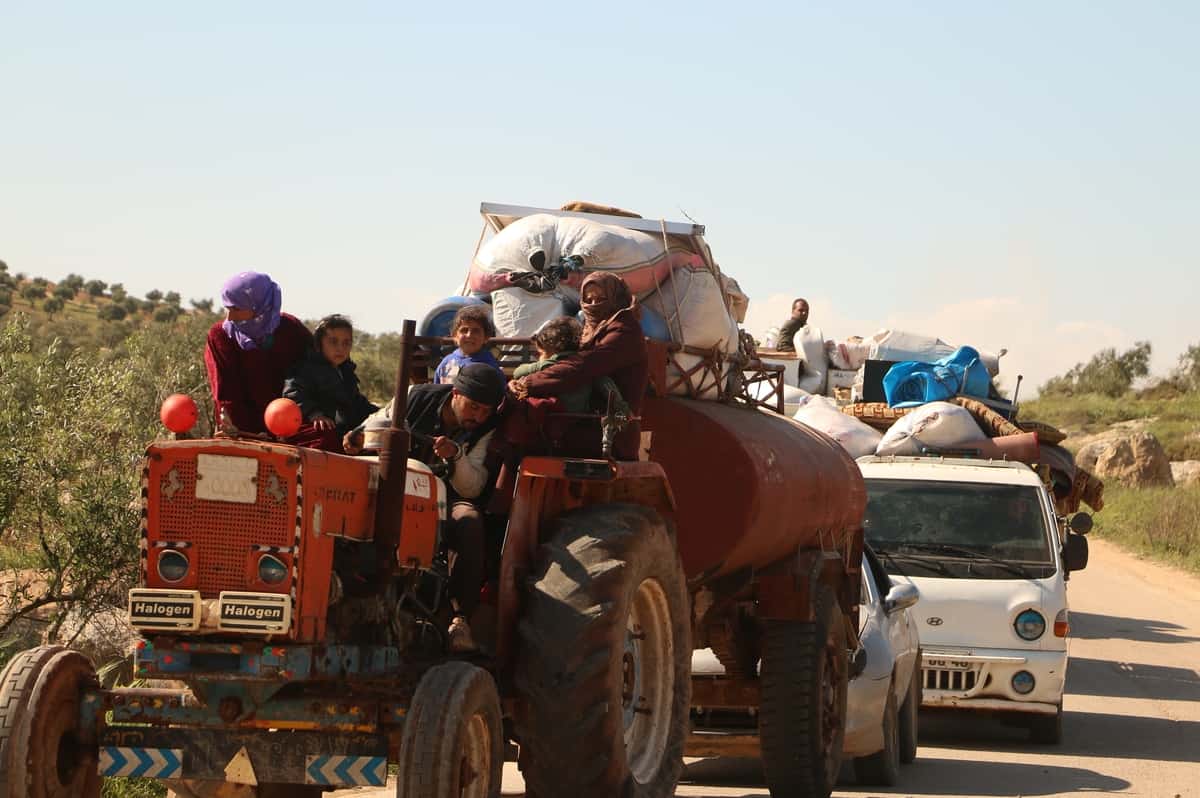
A tenuous ceasefire and the spread of the novel coronavirus are drawing Syrians who fled intense fighting in Aleppo and Idlib Province back to their homes along the rubble-strewn streets of cities such as Ariha. 

Over 1 million displaced Syrians face a harrowing “Catch-22:” Stay in overcrowded camps where they might face an extremely high risk of contracting COVID-19 or returning to a potentially bombed-out home and hoping the ceasefire holds.

On Thursday, the Syrian Response Coordination Group NGO issued an update on the situation, asking civilians returning to be vigilant and humanitarian organizations to help restore basic services for homecomers. 

“The number of returnees until the date of April 16, 2020, after the ceasefire in the region, reached more than 119,583 people distributed over the countryside of Aleppo and Idlib within the villages and towns far from the areas of contact with the Syrian regime forces,” Syrian Response Coordination Group said in a statement shared via Twitter. 

EMBED TWEET

According to the NGO’s figures, some 920,000 residents of Aleppo and Idlib remain displaced after fleeing the Syrian government’s Russian-backed, year-long campaign to oust Islamic State militants from their northwestern stronghold.

Many have spent the intervening months huddled in cramped conditions in rambling displaced persons camps on the country’s northwestern border. 

Lines of small trucks topped with mattresses and furniture have been photographed returning to Idlib over the past week. The homes of many returning have been completely destroyed, but their fear of contracting COVID-19 in overcrowded camps is motivating their return nonetheless, said Hassan Khraiby, who has returned to Ariha.

The 45-year-old father of 10 told AFP, “we decided to come home — even if our homes have been destroyed.”

“We were scared the coronavirus might spread because of the severe overcrowding,” Kraiby explained.

Fellow Idlib residents like Abu Abdo, also 45 years old, are tempted to return to the countryside by clean air and open spaces, in spite of the potential security risks.

“Our lives go from danger to danger as we flee from bombing, the regime, and conflict, to overcrowding and coronavirus,” he told Reuters after returning to his village in Idlib with his seven children.

“Here it’s agricultural land and the air is clean and there’s no congestion, but it’s still a dangerous area,” he conceded.

It remains to be seen how many more will follow the likes of Khraiby and Abdo in returning to the Northwest, if the ceasefire will continue, and how the coronavirus outbreak in Syria will play out.


Read also: Prison Riots in Syria, Iran Amid Global Tensions

UN Libya Mission Calls for Humanitarian Pause as Clashes Renew in Tripoli

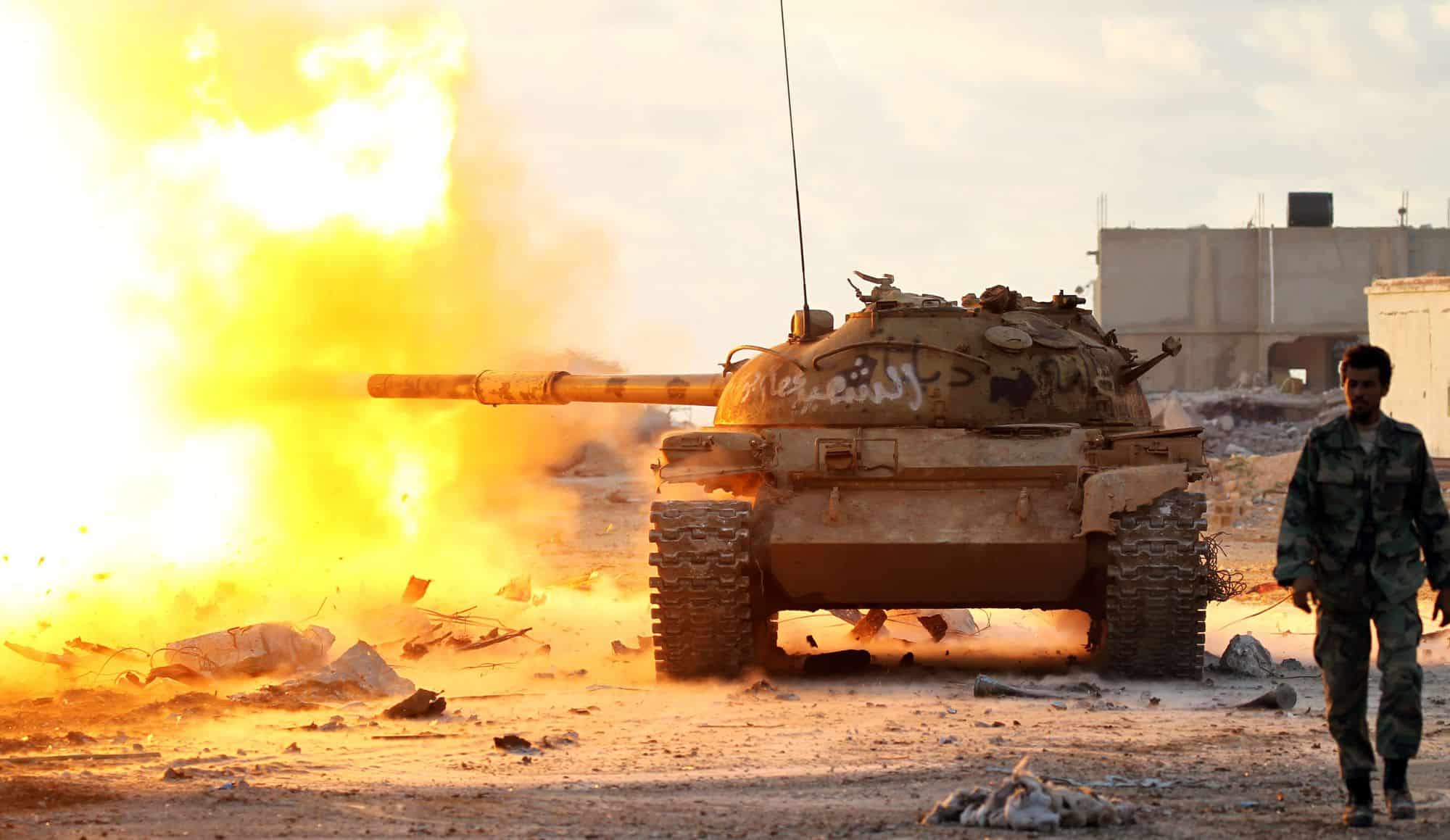
The United Nations Support Mission in Libya (UNSMIL) yesterday expressed “deep concern” over escalations in the war-torn country after the Government of National Accord (GNA) took control over six cities previously held by the Libyan National Army (LNA).

UNSMIL condemned the reprisals in the western coastal cities and the “indiscriminate bombardment of Tripoli with rockets, many of which have landed on civilian neighborhoods, resulting in casualties,” in an official statement.

GNA forces, with the help of Turkey, launched heavy bombardment near the Libyan capital Tripoli on Wednesday, April 15.

Sorman, Sabratha, Al-Ujailat, Zalatn, Rikdalin, and Al-Jameel are now under GNA control. The GNA also struck the two important areas of Al-Asa and Mleeta, spanning a total area of ​​more than 3,000 square kilometers.

UNSMIL expressed concern regarding “reports of attacks on civilians, the Surman Prison break and release of 401 prisoners without adequate legal proceedings or vetting, desecration of corpses, retribution, including looting, robberies, and torching of public and private properties, in western coastal towns recently seized by the Government of National Accord (GNA) forces,” the UNSMIL statement added.

Despite calls for a ceasefire amid the global pandemic, GNA leader Fayez al-Sarraj confirmed in an April 15 interview with Italian newspaper La Repubblica that he would not negotiate with the leader of the Libyan National Army (LNA), Khalifa Haftar.


Erdogan’s mercenaries 

LNA spokesman Ahmed Al Mismari told reporters on April 15 that Haftar’s forces are battling against the Turkish army, allowing GNA forces to take control of the cities on the west coast.

“Militias including al-Qaeda, ISIS and Ansar al-Sharia carried out an attack on Sabratha, kidnapped entire families, and took them to the city of Al-Zawiya by force of arms,” he added. 

“The battle will not end until we finish with the terrorists in our country,” Al Mismari clarified.

The LNA spokesman explained that “the Syrian mercenaries in Libya are undergoing great losses, and Turkish intelligence is ready to publish any fake news with the aim of distracting them from their heavy losses.”

Turkish President Tayyip Recep Erdogan has taken advantage of the coronavirus epidemic to escalate clashes in Libya by flooding the country with mercenaries and weapons, argued Al Mismari at the press conference

More than 1,500 armed Syrian mercenaries and large quantities of weapons backed by Erdogan recently passed through Libyan airports with the aim of carrying out terrorist operations in LNA-controlled areas, according to Libyan sources.

Turkish-backed GNA forces targeted medical and food supply convoys designated for the fight against the COVID-19 pandemic in Libya, according to the LNA.

“Although the entire world is restricting aviation as a protective measure against COVID-19, Turkey still transports terrorists into Libya,” Al Mismari said.

The LNA detected the arrival of 1,500 Syrian terrorists on a ship at Tripoli Port. They were not tested for COVID-19 before entering the country, he added.

“Any foreign support to the warring parties will only deepen the ongoing conflict and will further complicate efforts to find a peaceful and comprehensive political solution,” UN Secretary-General Antonio Guterres said in a statement on January 4.

“The Secretary-General reiterates that the continued violations of the arms embargo imposed by Security Council Resolution No. 1970 issued in 2011 and its amendments in subsequent resolutions make matters worse,” the statement added.

However, Erdogan’s actions continue to violate the UN Security Council’s decision and all international norms banning the transfer of weapons to Libya.


Read also: Libya’s Coronavirus Outbreak Grows as Conflict Ensues in Tripoli

Bangladeshi Coast Guard ‘Rescues’ Rohingya Refugees Trapped at Sea

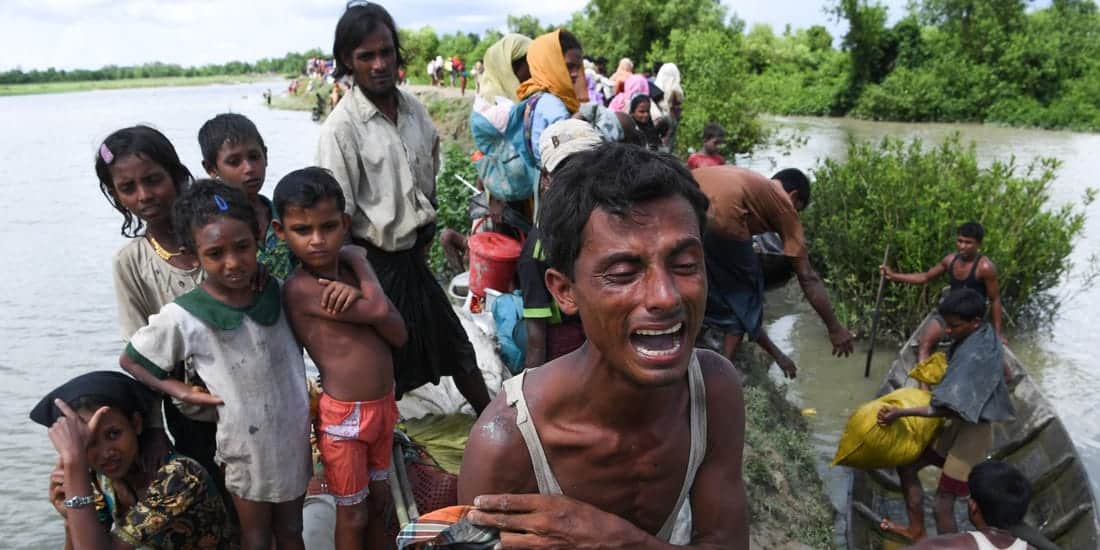
A fishing trawler filled to the brim with starving Rohingya refugees has been brought to Teknaf, Bangladesh after two months at sea. The boat carried over 400 Rohingyas when it left for Malaysia in February but more than 30 perished during the journey.

The ship had set off for Malaysian shores but was stopped by Malaysian patrol ships. Malaysia has stepped up coastal patrols in response to the coronavirus pandemic. It remains unclear whether the Malaysian coast guard had refused the refugees access to coastal waters, or whether the refugees had decided against an attempt to reach Malaysia after receiving word of the increased security.

The Bangladeshi coast guard had received a tip about the vessel, which drifted into Bangladeshi waters in the last seven days. “We have rescued at least 382 Rohingya from a big overcrowded fishing trawler and brought them to a beach near Teknaf. They were starving,” Lieutenant Shah Zia Rahman, spokesman for the Bangladesh Coast Guard said.

Similar fears over coronavirus infection that led to the failed passage to Malaysia now mean the refugees are quarantined in Bangladesh. Rahman highlighted the country’s precautions: “We have cordoned off the place where they have landed. We could not question them because of the fear they could be infected with the coronavirus.”

Origin unknown

The origin of the trawler remains a mystery. The Dhaka Tribune has speculated the refugee boat did not originate from Myanmar, but is likely a Bangladeshi vessel used to flee local refugee camps. Approximately 1,000 Rohingya refugees have been plucked off Bangladeshi beaches as they waited to board boats bound for Malaysia or Thailand.

Criticism about Bangladesh’s treatment of Rohingyas is on the rise. Squalid conditions and blocked internet access in refugee camps changed what was intended to be a place of refuge into another threat to the vulnerable population’s well-being.

Since 2015, the Islamic ethnic minority in Myanmar has come under repeated attacks. Their native country sees Rohingyas as Bangladeshi refugees with no right of residence in Myanmar. This propaganda and the resulting violence has caused thousands of Rohingyas to flee to Bangladesh where they are concentrated in camps. The accommodations are cramped and rife with disease, prompting Bangladeshi authorities to plan to move all refugees to an island off its coast.

Not welcome anywhere

The inhumane treatment of the now stateless Rohingyas remains a blight on humanity. The Muslim minority were chased off their native land, where Myanmar authorities now face accusations of building government facilities over former Rohingya villages. 

The treatment of the vulnerable group in both their native country and their place of refuge has prompted many to embark on desperate journeys to Thailand and Malaysia, where they hope for more humane reception.

The COVID-19 pandemic is making these journeys even more hopeless. Increased naval patrols and a higher degree of suspicion towards outsiders means there is no place to go for refugees such as those “rescued” by the Bangladeshi coast guard. Those fortunate enough to have survived the horrific journey will now be sent back into camps where there is little protection against COVID-19. 

With limited medical supplies and a lack of information due to blocked internet access, this unfortunate population can do little but hope and pray as international actors continue to advocate for a humane response.  


Read also: UNHCR Reports No New Cases of Coronavirus Among Refugees in Lebanon

Israeli Parliament Has 21 Days to Form Government

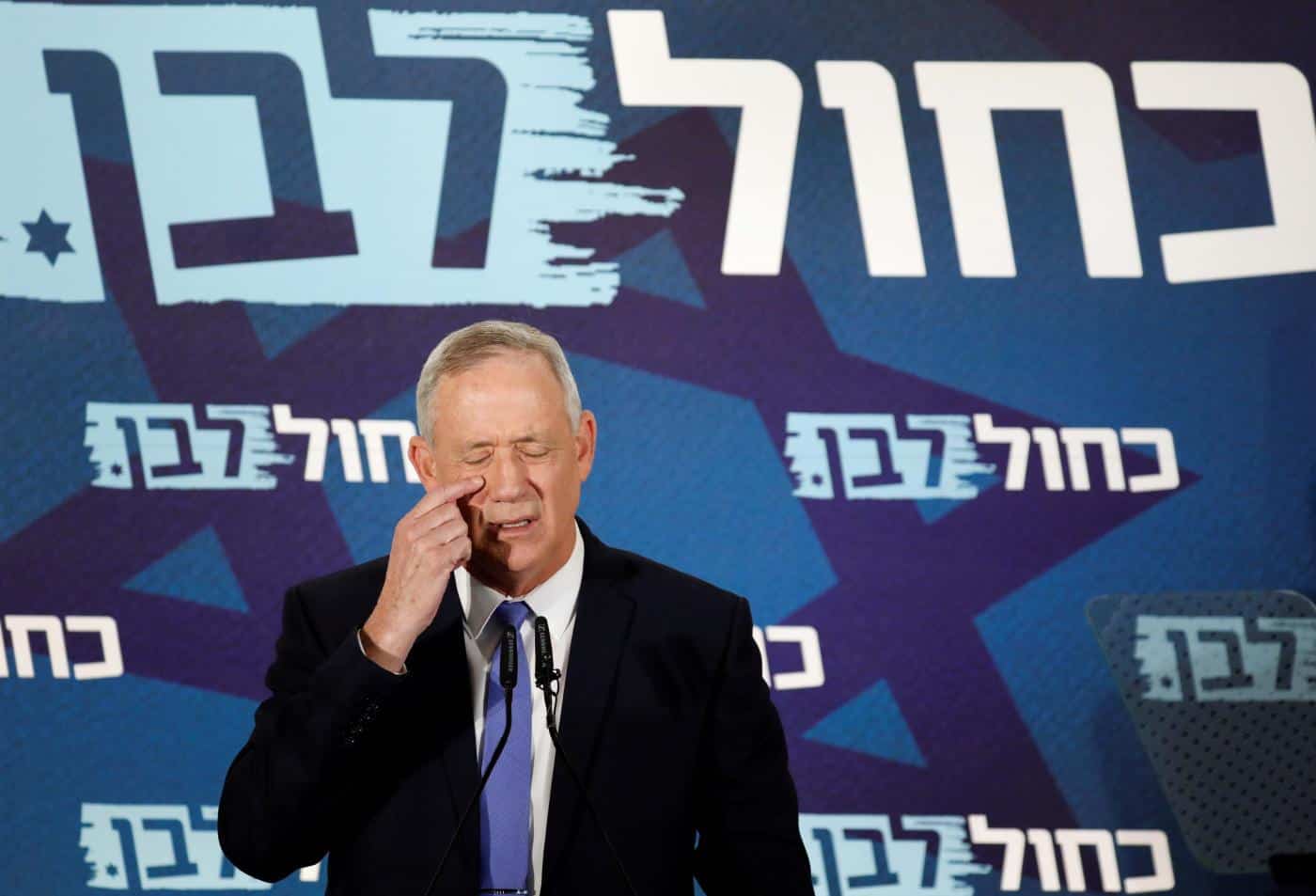
After another failed round of negotiations between Blue and White leader Benny Gantz and incumbent Benjamin Netanyahu’s Likud Party, Israeli President Reuven Rivlin has given the Knesset (Israeli parliament) 21 days to find a new prime minister. Failure to form a government will trigger Israel’s fourth consecutive round of elections. 

Israelis had grown hopeful that, in the midst of the global coronavirus crisis, rivals Gantz and Netanyahu could put political differences aside and form an emergency unity government. Hopes that COVID-19 might bring an end to the country’s almost year-long political deadlock were, again, dashed on Thursday, April 16. 

The two parties had pledged to find common ground, but even after a last-gasp 48-hour extension from Rivlin, they failed to come to an agreement before the midnight deadline on Wednesday, April 15.  

The President could have given Netanyahu another opportunity to form a government but appears to have lost faith in the two leaders, instead preferring to hand the decision making to the parliament as a whole.

“I am informing you that I do not see the possibility of forming a government and I entrust the formation of a government to the Knesset,” Rivlin wrote in a letter to the parliament outlining his decision. 

“I hope that the Knesset members will be able to form a majority in such a way that a government can be formed as soon as possible and to prevent the fourth round of elections.”

An emergency coalition government uniting Gantz and Netanyahu could still emerge during the next 21 days of negotiations. Theoretically, an as-yet untested alternate leader to form a government could also be put forward by the Knesset. 

Gantz was given the mandate to form a government after the April election, as he had slightly more support than Netanyahu, but his decision to accept the role of Parliamentary Speaker has eroded some of that support.

“Neither of the candidates has the support of a majority of Knesset members in a way that allows them to secure the confidence of the Knesset and form a government, including in the form of a national unity government,” Rivlin wrote.

If no deal can be made by May 7, parliament will be dissolved triggering the fourth round of elections. Israel’s growing coronavirus outbreak will seriously complicate a new pole, meaning any potential vote may not be able to actually take place until later in the year. 

The country has recorded upwards of 12 500 cases and 140 deaths from the disease and is under a COVID-19 curfew, with some neighborhoods completely locked down to curb the spread of coronavirus. 

The Times of Israel is reporting that both Gantz and Netanyahu are willing to head into a fourth poll, with Gantz believing it could deliver more votes to his centrist Blue and White Party. 

Based on information from anonymous sources close to Gantz, Hebrew newspaper Zman Israel is reporting that Blue and White would enter any new poll separate from their coalition partner Yesh Atid in an attempt to grab more seats. 

“If we go to an election split, without a Yesh Atid, we might bring more seats. Everyone will know why there is no unity [government]– just because of Netanyahu,” Zman Israel’s source revealed.  


Read also: Israel Tightens Lockdown to Prevent COVID-19 Spread During Passover

Former FIFA President ‘Offers’ World Cup to US Amid Corruption Inquiry

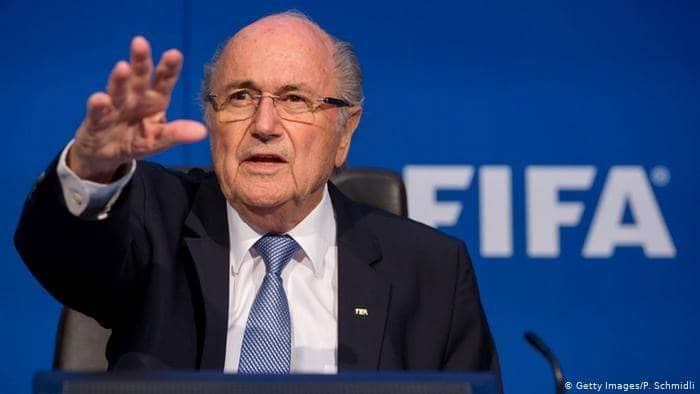
On April 15, former FIFA president Sepp Blatter told German magazine Bild that the United States could still host the 2022 World Cup. The statement follows last week’s revelations of corruption in the bidding process for the 2018 and 2022 World Cups.

Blatter himself left FIFA in disgrace in 2015, after 17 years managing the global organization that governs the world’s most popular sport. Under Blatter’s tenure, far-reaching corruption influenced where major tournaments would take place and how money was distributed in exchange for votes from smaller nations.

United States law enforcement started investigating FIFA following allegations of corruption in the bids for the 2018 and 2022 world cup tournaments. For decades most nations in the world had not dared to challenge FIFA in any way, but the US’ relative independence from the organization allowed it to investigate.

It did not take long before evidence emerged in 2017 that indicted top-level executives at FIFA and its partners. The indictments led to several prosecutions while other executives fled to countries that do not have extradition treaties with the United States. The 2017 revelations were just a drop in the bucket. Last week, prosecutors in New York unsealed an indictment that showed just how deep the rabbit hole went.

The 2018 World Cup in Russia and the 2022 World Cup, to be held in Qatar, had been assigned to these nations after significant bribery. Legitimate bids from countries such as the United States and several European nations had little chance of succeeding as the tournaments were bought and paid for before organizers could make any genuine evaluation.

The allocation of the 2022 World Cup in particularly raised eyebrows as the hosting nation, Qatar, faces 50° Celsius temperatures in the summer months when the tournament is typically played. Organizers had to make far-reaching adjustments to the global league’s schedules in order to move the tournament to November when Qatar’s air-conditioned stadiums would be more comfortable for playing and watching football.

An olive branch?

It now appears Sepp Blatter is trying to extend an olive branch to the United States. In statements to Bild magazine, Blatter casually pondered whether the US would be able to host the 2022 world cup. The US is set to host the 2026 World Cup, but Blatter highlighted that the country has the infrastructure and financial capabilities to host the cup in 2022.

This would entail canceling Qatar’s bid. The Gulf country has been rapidly building stadiums, often conducting construction under terrible working conditions, and is on track to organize the prestigious tournament. “The Arab world deserves a World Cup,” Blatter said about the Qatar bid when FIFA selected it under his leadership.

Moving the tournament from Qatar, the smallest nation ever to host the cup, would be an unprecedented action. The US, Mexico, and Canada made a combined bid for the 2026 cup and North America would most likely be expected to apply its 2026 plans to 2022.

The move appears to be a brazen attempt to make the US more of a stakeholder in FIFA. If the North American bid were moved to 2022, it could efficiently dissuade the US from prodding deeper into FIFA’s shady practices as a direct beneficiary of a more positive narrative about FIFA.

This carrot-and-stick method has kept most nations subservient to FIFA. Football-crazy countries have been lured into giving FIFA tax breaks and strictly adhering to its methods in hopes of securing a major tournament in the future.

Blatter has little influence left at FIFA but his thinking is an example of the organization’s manipulative tactics that have allowed it to wallow in corruption unchecked. If the US indeed gets a chance at hosting the 2022 cup, it will be interesting to see if the country acquiesces to FIFA’s influence.

One thing has certainly become clear in the last half-decade: The United States is making an unexpected and much appreciated contribution to world football. Football fans around the world cheer for the United States’ efforts as they continue their investigations. The coming months should reveal if FIFA can make an offer the US can’t refuse, or whether the veil will further lift on FIFA’s corruption.


Read also: Will Structural Corruption at FIFA Impact Qatar 2022 World Cup?

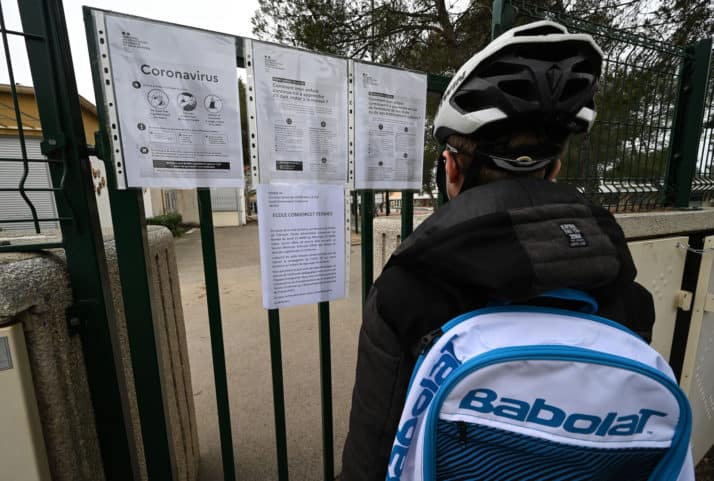
Opening Schools Too Soon ‘Risky,’ Say French Doctors and Teachers

President Emmanuel Macron addressed the nation on April 13 to inform French citizens that a nationwide lockdown will be extended until May 11. During the speech, he announced that schools would begin progressively re-opening from that date to enable all French children equal access to education.

Macron said it was necessary to reboot the education system because “too many children, notably in poorer areas, in the countryside, are deprived of school, without access to digital tools.” Education Minister Jean-Michel Blanquer agrees and has sought to assure students, teachers, and parents that their health and safety will be guaranteed when classes resume.

French doctors have come out in support of teachers who think May 11 is too soon to safely reopen the education system. French Federation of Doctors President Jean-Paul Hamon said it represents “an unnecessary risk” to children, teachers, parents, and the community at large.

“Children do not necessarily follow instructions, they will naturally play together and they risk bringing the virus home,” Hamon said in an interview with FranceInfo. 

Hamon said he understands that the current situation might create education inequalities for certain students but he still believes the decision is “premature” and that school should instead recommence in September, the traditional start of the French school year. 

French teachers have also expressed their reservations about a May 11 return to the classroom. French primary teacher’s union SNUipp-FSU spokeswoman Francette Popineau said teachers and students were looking forward to getting back into the classroom, but only if it is safe to do so.

“We are told that public spaces like cinemas and theatres will remain closed, but not schools, even as we know that they are places of high transmission and contamination,” Popineau said.

“We have the impression that we are being sacrificed on the altar of the economy,” she added.

SNUEP-FSU, which represents public school teachers, has threatened union action if their demands regarding anti-COVID-19 measures for the classroom are not met.

“Each staff member and student must be equipped with masks, and tested, disinfectant must be available in each classroom and social-distancing measures must be respected – this final condition is however impossible given the number of students per class,” the SNUEP-FSU said in a statement on April 14.  


Read also: French Police Investigate Sudanese Refugees Behind Deadly Knife Attack

US Undermines Global Institutions in a Time of Crisis

Donald Trump announced during his inauguration that his administration would put “America first,” but no one could have expected what happened this week. On Tuesday, April 14, the US president announced, “Today I’m instructing my administration to halt funding of the World Health Organization.”

In the midst of a global pandemic and with scientists begging politicians to work together and avoid casting blame, Donald Trump has passed on accusations against his own administration, applying them instead to the WHO. According to the US president, the WHO has “severely mismanaged” and “covered up” the spread of COVID-19. Trump highlighted the level of funding that the US pays into the WHO relative to China, and as its “leading sponsor,” Trump claimed the US has “a duty to insist on full accountability.”

Donald Trump criticized the WHO for its doubts over travel bans from China early on in the crisis, pointing to this decision as the reason for COVID-19’s rapid spread across the globe. “Travel bans work for the same reason as quarantine works,” the president said. Trump accused the WHO of misusing American funding and of hiding information.

“The WHO failed in its most basic duty and must be held accountable. It’s time, after all of these decades,” the US president said. One person who should not be held accountable is Donald Trump himself, according to his blunt accusations against the UN’s global health body.


Delaying IMF liquidity boost

As the US decision to stop funding the WHO draws widespread condemnation, the International Monetary Fund (IMF) similarly faces US opposition. German Chancellor Angela Merkel and French President Emanuel Macron have joined Abiy Ahmed, prime minister of Ethiopia, and Cyril Ramaphose, president of South Africa, in a call for the IMF to urgently provide liquidity to struggling nations.

By allocating “special drawing rights,” the IMF has the power to provide financial liquidity to countries in need of basic commodities and essential medical supplies, according to a statement by almost 20 world leaders, published yesterday by the Financial Times.. “No region can win the battle against COVID-19 alone,” the statement said. “This is not the time for division or politics but for unity and cooperation.”

The IMF allocates Special Drawing Rights (SDR) as a claim to currency held by IMF members, and the mechanism was widely used in the 2008 financial crisis.

The US is now delaying SDR allocation. The US would not benefit from allocating SDRs as much as developing countries would, as it already secured significant liquidity through its Federal Reserve.

“Blocking an SDR increase will simply force these countries to pursue less effective policy choices with adverse consequences for themselves and for the world economy,” Masood Ahmed, president of the Center for Global Development told the Financial Times.

‘Rewriting history’

CNN accused Donald Trump of releasing “propaganda” and “rewriting history” in reference to a campaign-style video released on April 14. The heavily edited video highlights the Trump administration’s efforts, but the video completely ignores the crucial month of February when the country did little to prepare for the crisis.

In February, Trump claimed that in warmer spring weather would make the virus “miraculously go away [sic].” He also claimed the virus was “very well under control” in the country and that the number of cases in the US would reach zero that month. During February, the president held several rallies with thousands of his supporters.

In recent days Trump has likened disagreeing state governors to mutineers, claiming he had “total authority” to reopen the country. Trump has blamed American media, the Chinese, and now the WHO for the current public health crisis playing out in cities and towns across the country.

With the US government facing dual health and economic crises in an election year, observers can expect much more maneuvering and blame-casting from the US president. American opinions are divided along partisan lines, as they have been for years. A fractured American political landscape appears to now pose a dire threat to important global institutions in this unparalleled global crisis.  


Read also: Trump Urges Syria to Release Kidnapped American Journalist Austin Tice

Tourism Losses and COVID-19 Spending Stress Tunisia’s Budget

Tunisia’s tourism sector accounts for approximately 7% of annual GDP and alongside automotive and textile exporters, the industry has been hit hard by the global COVID-19 pandemic-driven shutdowns.

The Tunisian government expects to lose $1.4 billion and 400,000 jobs in the tourism sector this year, according to a document reviewed by Reuter’s. The letter that Tunisia’s finance minister sent to the International Monetary Fund (IMF) also said there will be a sharp drop in economic growth. 

“We are working with partner governments on a potential guarantee for future sovereign bond issuances in the currently difficult international context,” the letter added.

Devoid of tourism revenue, and with the domestic economy badly affected by nationwide confinement and a nighttime curfew, Tunisia’s central bank advised the IMF that the country’s economic growth will sink to -4.3%, the lowest rate since its independence in 1956. 

Trade figures released on April 11 show that exports are already down 11.2%, compared to a 16.3% rise for the same period in 2019. While exports plunged 25% compared to 2019 figures in March alone, imports also fell by 11.4% for the first quarter of 2020. 

The increase in government debt is likely to rise from an anticipated 2.8% increase to a 4.3% increase due to coronavirus-related rises in social security and public health spending and economic contraction, the IMF predicts. 

“Tunisia’s debt burden will increase significantly, as the country grapples with the COVID-19 shock, reflecting the steep fall in growth and the deterioration of the primary fiscal balance as a result of lower revenues and the crisis-response measures,” the IMF posits. 

The Fund has praised Tunisia’s disease response and efforts to limit the socio-economic impact of coronavirus.

On top of the $1 billion the Tunisian government already spent on its coronavirus response, Tunisia announced it will offer employers a DT 200 ($69) wage subsidy per employee, in a bid to guarantee private-sector employees’ April wages. The initiative should add much-needed cash flow into the domestic economy. 

Employers of informal workers will receive one month’s grace period to declare their employees to the National Social Security Fund (CNSS), under the agreement reached by Minister of Social Affairs Mohamed Habib Kechaou with the Tunisian General Labour Union (UGTT) and the Tunisian Confederation of Industry, Trade and Handicrafts (UTICA) on April 14.

More Hardship to Come

Like every other economy worldwide, the IMF is warning that more economic hardships are on the horizon for Tunisia.

“Unemployment, already at 15 percent, will rise further, incomes will fall, and import prices will increase. Many businesses are likely to face cash flow shortages because of temporary closures and lower revenues from consumption and exports,” the Fund explained.

On April 10, the IMF announced Tunisia will receive a$745 million loan, equivalent to 2% of GDP, under the Fund’s Rapid Financing Instrument. 

In exchange, Tunisia has once again had to reassure the IMF it will control public sector wages, reform state-owned enterprises, improve the tax system, and reduce government subventions, particularly in the energy sector.

Despite receiving a disbursement from the IMF, Tunisia’s government is actively discussing financing options with a variety of international donors, Minister of Development and International Cooperation Slim Azzabi told the media during a factory visit on April 14. 

“The government is committed to meet its financial obligations and is working to provide the necessary funds to respond to the needs for essential health supplies and equipment,” said Azzabi.

Earlier that day, Tunisia’s Finance, Planning, and Development Committee said it had provided approval for funding agreements with the International Bank for Reconstruction and Development (IBRD) and the  African Development Bank (AfDB), and looked at a bill regarding a German Development Bank loan. 


Read also: Tunisia Pardons Prisoners, Welcomes EU Aid in COVID-19 Response