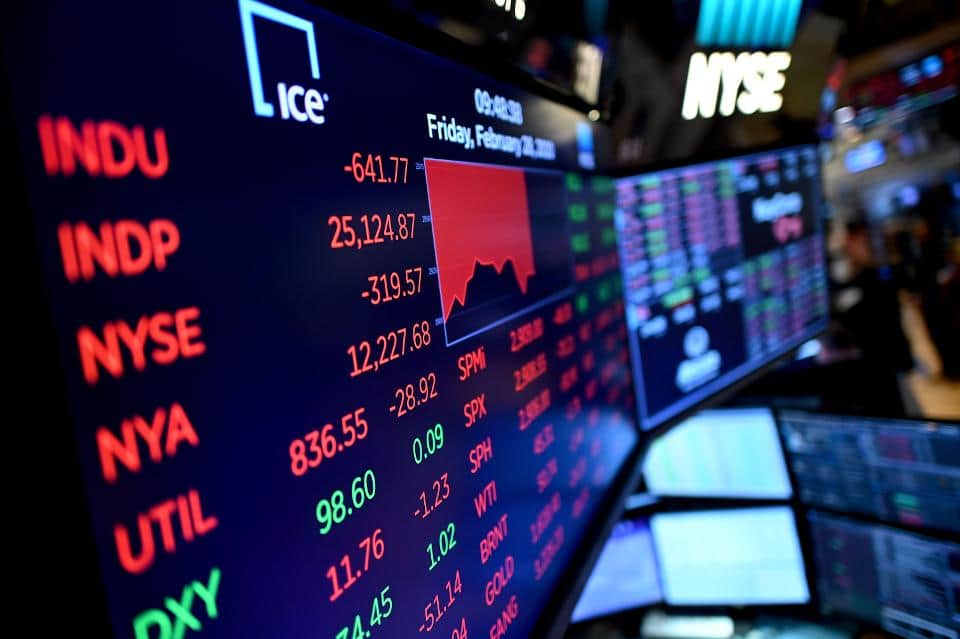
After oil prices plunged more than 20% to $33.36 a barrel, the New York Stock Exchange halted trading as indexes dropped by 7%, the largest fall in the US since 2010.
Trading resumed after a 15-minute interruption and stock indexes regained some of their losses.
In early trading, the broader S&P 500 (SPX) index fell 7.4% while the Dow Jones Industrial Average was down 4.9%, losing 1,255 points to 24,605. Nasdaq was down 6.86%. The Dow eventually closed with the worst point drop in history (7.8%), making it the worst day in trading since October 2008 when global financial markets nearly collapsed.
The drop in oil prices also impacted stock exchanges in Asia and Europe.
Australia’s S&P/ASX 200 ended 7.3% lower on Monday, the index’s biggest plunge since October 2008.
Japan’s Nikkei 225 (N225) was down 5.1%, Hong Kong’s Hang Seng (HSI) lost 4.2%, and China’s Shanghai Composite (SHCOMP) dropped 3%.
The Stoxx Europe 600 SXX fell by 7.44%, the most significant drop in a single day since the 2008 financial crisis.
The stock exchange crisis occurred after Saudi Arabia launched an oil price war against Russia, although financial experts have long expected a new financial crisis following the 2012-2020 recovery.
During a Saudi-led OPEC meeting in Vienna on Friday, March 6, Russia refused to comply with the OPEC proposal to stabilize the coronavirus-ravaged market by cutting oil production.
Russia’s move was an attempt to weaken US shale oil companies that depend on high oil prices to survive.
Saudi Arabia then moved to raise production and offer major discounts to win over new customers and revive the oil demand.
The Gulf kingdom plans to produce 10 million barrels per day and sell to northwest Europe, one of Russia’s key oil markets, and offer discounts in the US and Asia.
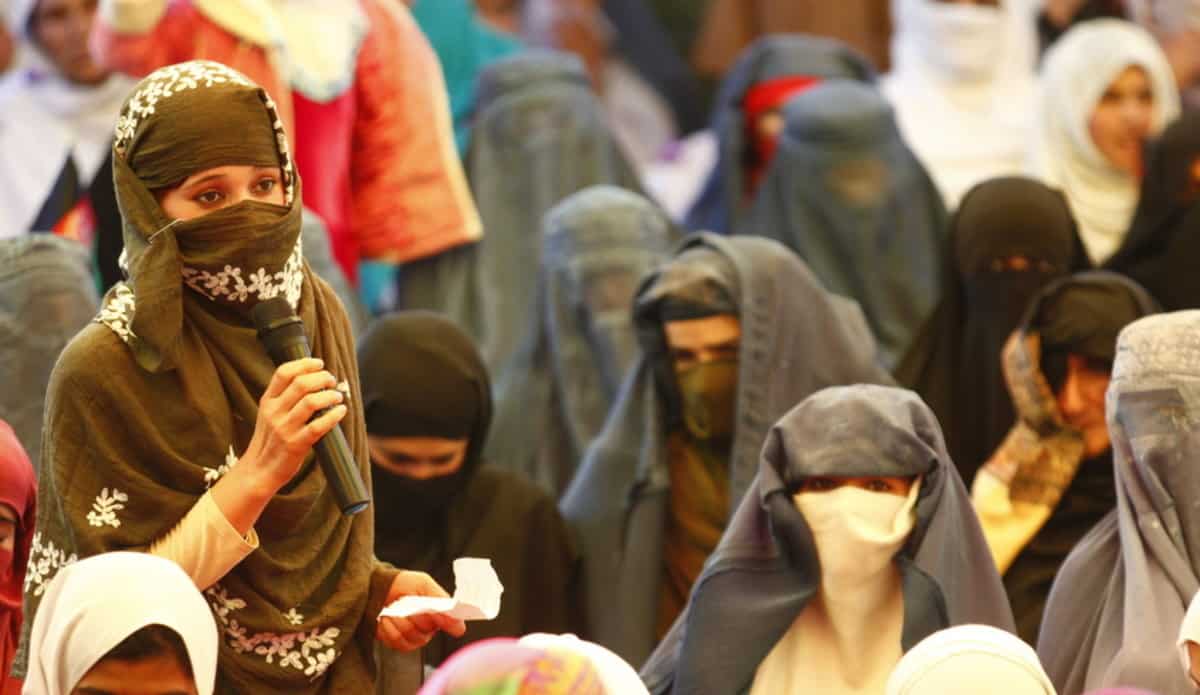
When the Taliban and the United States signed an agreement intended to end the decades-long conflict in Afghanistan, many were hopeful. But one section of Afghani society might have felt left out as the agreement did little to guarantee the future protection of women’s rights after foreign troops leave the country.
Taliban spokesman Zabihullah Mujahid did little to assuage these concerns when asked about celebrating International Women’s Day.
“We respect women, we congratulate our women—mothers, sisters, wives, and relatives—but not under the name of 8th March, as Women’s Day, because it is not in Islam and Sharia,” Mujahid told Reuters.
Vice President of Afghanistan’s National Assembly Fawzia Koofi is worried. She is a women’s rights activist and Afghani parliamentarian that has been involved in negotiations with the Taliban. She feels the focus of the peace deal has changed.
Koofi claims the goal of the deal has shifted from creating peace to withdrawing foreign troops as soon as possible.
Koofi revealed to the Washington Post that a senior US official had told her, “if everything else is going well in Afghanistan, we are not going to keep letting our soldiers get killed for Afghan women.”
The peace deal accomplished what the two parties wanted, but created a weakened negotiating position for the Afghani National government by giving away much leverage.
How much leverage women will have left to safeguard their future rights while the Taliban re-enters politics remains to be seen.
While a swift withdrawal may be seen as a good result for both the Taliban and Washington, for the Afghani government and the future rights of women, it is considered a dangerous wager.
Angelina Jolie, the American actress and Special Envoy to the UN Refugee Agency dedicated a CNN opinion piece on the topic of future women’s rights in Afghanistan.
“Everyone wants to see peace in Afghanistan. But peace gained at the price of the rights of women is no peace at all, just conflict and oppression by different means,” she wrote. “It would be a betrayal of the huge sacrifices made by the Afghan people and security forces, and by many brave international servicemen and women.”
This Monday, March 9, US military forces left Lashkarag city in Helmand province, where for almost two decades young Afghani and foreign men died trying to take control of the region.
Now, as the foreign military forces abandon their strategic positions and head back home, women across Afghanistan hope their rights will not be similarly abandoned.
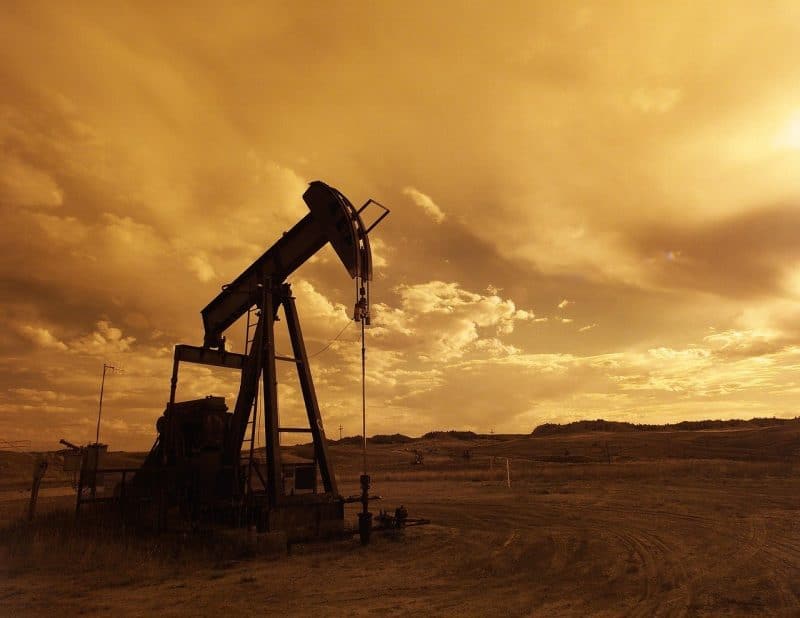
Oil prices significantly dropped overnight on March 9 after Saudi Arabia decided to slash prices and boost production, effectively waging a price war against Russia.
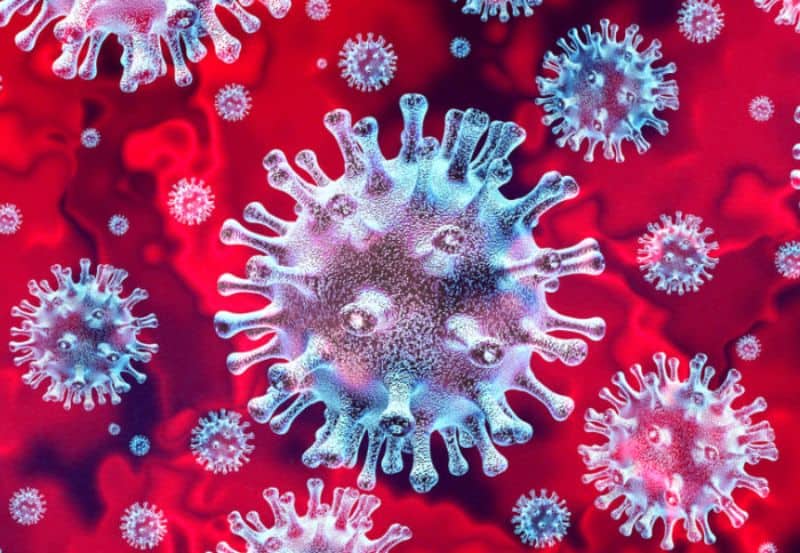
Scrambling to deal with the economic effects of the novel coronavirus (COVID-19) epidemic, the Saudi-led Organization of the Petroleum Exporting Countries (OPEC) met in Vienna on Friday, March 6, to try and salvage the oil market.
OPEC proposed oil production cuts to respond to the global lack of demand, but Russia refused to comply with the plan.
Russia is a non-member of OPEC but cooperated in making production cuts in April 2017.
In response, Saudi oil company Aramco reduced prices by $8 a barrel and the kingdom announced that it will raise production and offer severe discounts to customers next month. The move is an attempt to dissuade Russia from maintaining high oil prices and eventually reach a compromise.
The oil turmoil caused Brent crude oil, the international benchmark, to drop below $50 a barrel on Friday, March 6 and stand at $33 on Monday, March 9.
Analysts suggest that Russia’s non-compliance with Vienna’s meeting negotiations is meant to slam the US shale oil producers that depend on high oil prices to remain operational.
“If you are Russia, it’s worth it for you to take a three-month price hit to see if you can knock out US oil exports,” said Amy Myers Jaffe, an oil and Middle East expert at the Council on Foreign Relations.
“They might be correct for three months but the shale never gets destroyed.”
However, the impact on US producers and the American economy would be immense only if the prices remained low for a period that exceeds three months.
“Russia has been dropping hints that the real target is the US shale oil producers because it is fed up with cutting output and just leaving them with space,” analysts at energy consulting firm FGE wrote in a note to clients Sunday.
“Such an attack may be doomed to failure unless prices remain low for a long time.”
The drop in oil prices will largely hit the economies of oil-depending nations including Iran, Saudi Arabia’s enemy, and Venezuela, Russia’s ally. The two countries already suffer a decline in oil export earnings due to US sanctions.
The spread of COVID-19 has resulted in 17 cases in Algeria so far.
Because 16 of these 17 cases belonged to a single family, Algerian authorities are hopeful they can contain the spread.
On the evening of Sunday, March 8, the Algerian Ministry of Health published new guidelines for hospital directors. The government presented over $3 million in additional funding to fight the spread of the virus on Monday.
Bahrain
Current cases reported: 52
For an island nation as small as Bahrain, 52 cases indicate a relatively high infection rate.
Bahrain’s close links in trade and travel across the Middle-East have presented the nation with a dilemma.
The government appears to be taking some preventative measures: The Formula One Grand Prix will go on as planned, but without the thousands of fans that usually attend such an event.
Because of the frequency of travel in and out of the country, Bahrain’s Ministry of Health has asked citizens returning from Lebanon and Egypt to self-isolate.
Egypt
Current cases reported: 55
Reported cases are rising rapidly in Egypt, where the death of a 60-year-old German tourist in Hurghada marked the country’s first COVID-19 fatality on March 8.
Taiwan’s first reported case of the virus appears to have originated in Egypt. A Taiwanese woman who had recently visited Egypt as a tourist was diagnosed with the virus.
The number of confirmed COVID-19 cases jumped from three to 45 in one day, according to Egyptian officials, highlighting the need for rapid isolation and containment of infected individuals.
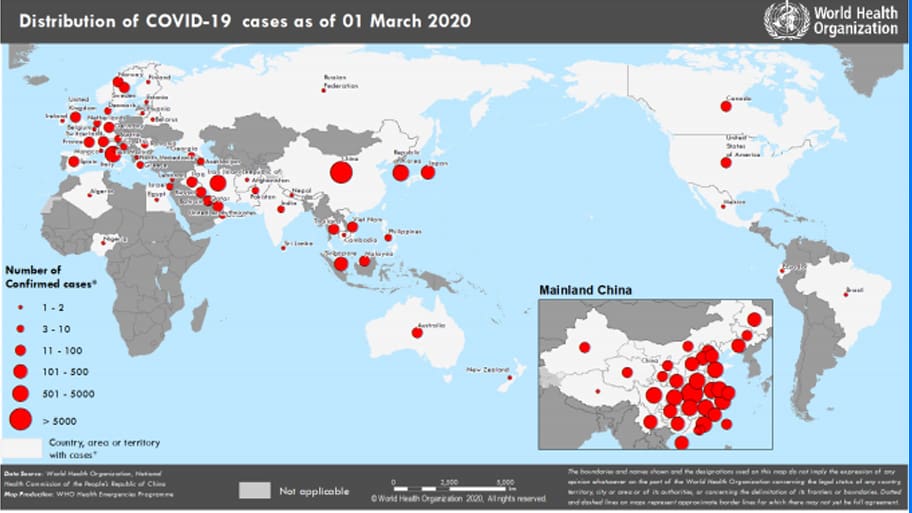
Graphic: Global overview (WHO map, page 1)
Countries, territories or areas with reported confirmed cases of COVID-19, 01 March 2020
Iran
Current cases reported: unknown
With more than 7,000 confirmed infections and 237 reported deaths, Iran appears the worst-hit MENA-country thus far.
The alarming number of infections among politicians and senior health officials indicates that the virus is poorly contained.
Reports that two senior politicians have died of COVID-19, as well as indications that the head of Iran’s corona-response, Esmail Najar, has been infected, offer little hope that the virus can be contained within Iran’s borders.
Iraq
Current cases reported: 56
Iraq has enough issues to keep its politicians awake at night already—protests against the government have brought the country to a standstill on several occasions and the country’s economic crisis affects every part of society.
Muayyad Al-Alami, president of Iraqi Syndicated Journalists, has sounded the alarm that more trouble is ahead.
Iraq has so far reported dozens of cases, but protesters have refused to abandon public events. On Friday night, protesters in Baghdad were heard singing, “let coronavirus come to Iraq to take revenge at militias and corrupt politicians.”
Footage:
The Iraqi government has so far approved emergency measures to try to stop the spread of COVID-19 in Iraq, including banning Shia pilgrimages to Najaf, as Anadolu Agency reports the number of confirmed cases now stands at 56.
Israel
Current cases reported: 39
With 39 cases reported, Israel scrambles to limit the spread of COVID-19.
The Israeli government is considering quarantining all foreign visitors, regardless of their origin.
In Athens, an Israeli diplomat and his family were diagnosed with the virus.
The Israeli Defense Ministry is contemplating a complete closure of the West Bank, as infections appear to have spread from Bethlehem to Nazareth.
Jordan
Current cases reported: 1
The Jordanian government is taking a careful approach, quarantining citizens who have traveled abroad and banning visitors from China, South Korea, Italy, and Iran.
Jordan now has 77 people under quarantine, down from 296 last week. Currently, no new cases have been reported and an increasing number of those under quarantine have been cleared.
Kuwait
Current cases reported: 65
Kuwait reported three new cases on Monday, March 9, bringing the total number of confirmed cases to 65, according to the Ministry of Health.
All suspected patients have been brought to a designated hospital for medical observation, with three patients in intensive care, Al-Arabiya reports.
Reuters reports that the country’s shortages of imported goods have not yet hampered the containment, but Lebanon’s close contact with several countries with high infection rates, as well as it’s connection with Iran, indicate that further spread of COVID-19 can be expected.
Libya
Current cases reported: ?
In a country with no effective government, an active civil war raging, and close contact with several countries with a relatively high incidence of the virus, it should stand to reason that the virus will have a significant impact on the country if it is not already.
At the end of February, Libya’s Ministry of Health claimed there were no cases of the virus whatsoever, yet it remains to be seen if the Tripoli government could do anything at all to stop the virus given its lack of control over the country.
Morocco
Current cases reported: 2
Morocco confirmed its second case of the virus after a traveler from Italy was diagnosed in Casablanca last week.
Both the public and private sectors are taking the virus seriously. All events with more than 1,000 attendees have been canceled and a national campaign is informing citizens how toavoid risk of contamination.
Oman
Current cases reported: 16
After detecting its 16th case of COVID-19, the government of Oman has decided to suspend all flights from Egypt. How effective the ban will remain to be seen: Out of the current reported cases, 15 originated in Italy and one is related to travel in Iran.
Palestine
Current cases reported: 7
The Palestinian Authority has declared a state of emergency after the virus has spread from Bethlehem to nearby Nazareth. Major economic hardships are expected as Israel closes borders and the Palestinian hospitality branch appears to be the current source of infection.
Qatar
Current cases reported: 15
Similar to Bahrain, Qatar’s small size and international outlook make it rife for contact with COVID-19 infected individuals. So far, 15 cases have been reported, prompting the country to ban travelers from 14 countries and close all schools and universities.
Pakistan
Current cases reported: 7
Pakistan reported its seventh case this weekend. The country’s close proximity and trade with Iran might result in an increase in the infection-rate in the near future.
Pakistan has a lot at stake: The Asian Development Bank estimates the economy might lose $5 billion as a direct result of the virus.
Saudi Arabia
Current cases reported: 15
Saudi Arabia has so far reported 15 cases, including four new cases Monday, March 9. The government has suspended travel to and from nine countries, closed schools and universities, and quarantined an area home to half a million people.
Syria
Current cases reported:?
With many of its largest cities in rubble and several foreign military forces active within its borders, Syria is wholly unprepared for the inevitable spread of COVID-19. Bordered by countries where the virus has been detected, and working closely with Iran, it is only a matter of time until the scale of the virus in Syria is revealed.
Tunisia
Current cases reported: 2
Tunisia has so far reported two definitive cases of the virus. The government is currently discussing travel bans and contemplating closing its borders as Algeria’s travel and trade with Italy have become a risk factor.
United Arab Emirates
Current cases reported: 45
Like other Gulf countries, the UAE is experiencing a rising number of infections.
The UAE’s position as a global hub for travel have led local airlines to issue waivers to customers now banned from flying. With a two-week vacation starting today, the government has urged teachers, school staff, and students not to travel abroad.
Yemen
Current cases reported: 0
WHO reported last week that no cases have been confirmed as of yet, warning that Yemen is ill-equipped to deal with the inevitable spread of the virus.
The ongoing civil war means little to no containment is possible on a national level in Yemen. Houthi health officials reported to Al-Monitor that 193 Yemenis had recently returned from China and had been tested and released.
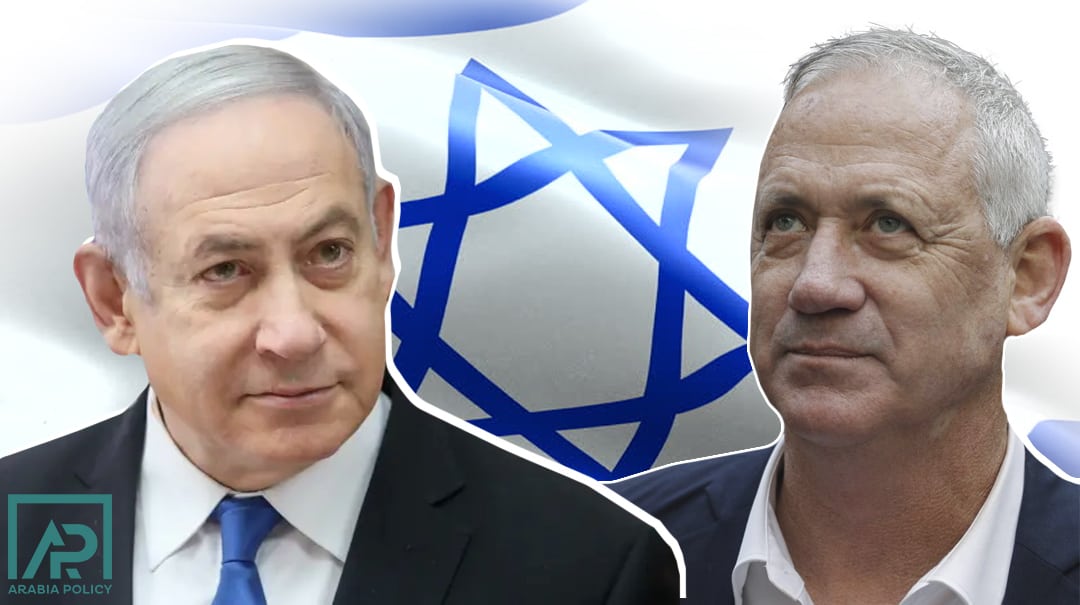
Israel’s Blue and White Party leader Benny Gantz revealed a man attempted to assault him at a speaking engagement on Saturday evening. According to The Guardian, the Blue and White Party has reported a number of credible death threats to the Knesset, prompting an increase in Gantz’s security detail.
Gantz is the main challenger to Benjamin Netanyahu, Israel’s longest-running prime minister, who claimed victory in the latest election but will go on trial over fraud and corruption charges later this month.
Threats against the former defense chief circulating on social media have become increasingly violent in recent days. One post portrayed Blue and White and Arab List candidates in Palestinian headdresses, another called for Gantz to be murdered like former prime minister Yitzhak Rabin.
The Blue and White leader has also used social media to hit back at the threats and Netanyahu, whose rhetoric, Gantz says, is behind the escalating menaces.
“Netanyahu, stop the wild incitement. Don’t say you didn’t know,” Gantz captioned a screenshot of the post calling for him to be murdered like Rabin.
When an anti-Netanyahu protester was assaulted over the weekend, Gantz wrote: “The incitement to violence crosses every line. If we don’t wake up, the next political murder is around the corner.”
Unofficial results of Monday’s election show Netanyahu’s Likud party is on track to take 36 seats. Combined with the 22 seats won by its right-wing allies, Netanyahu’s bloc will finish with a total of 58 seats—one less than predicted and three short of a majority in the 120 seat Knesset.
Gantz’s Blue and White have 33 seats and should end up with a 40 seat center-left bloc in the new Knesset. The remaining seats will fall to the Joint Arab List (15) and Yisrael Beytenu (7).
The year-long political deadlock looks set to continue as political leaders approach a new round of negotiations to try and form a coalition government.
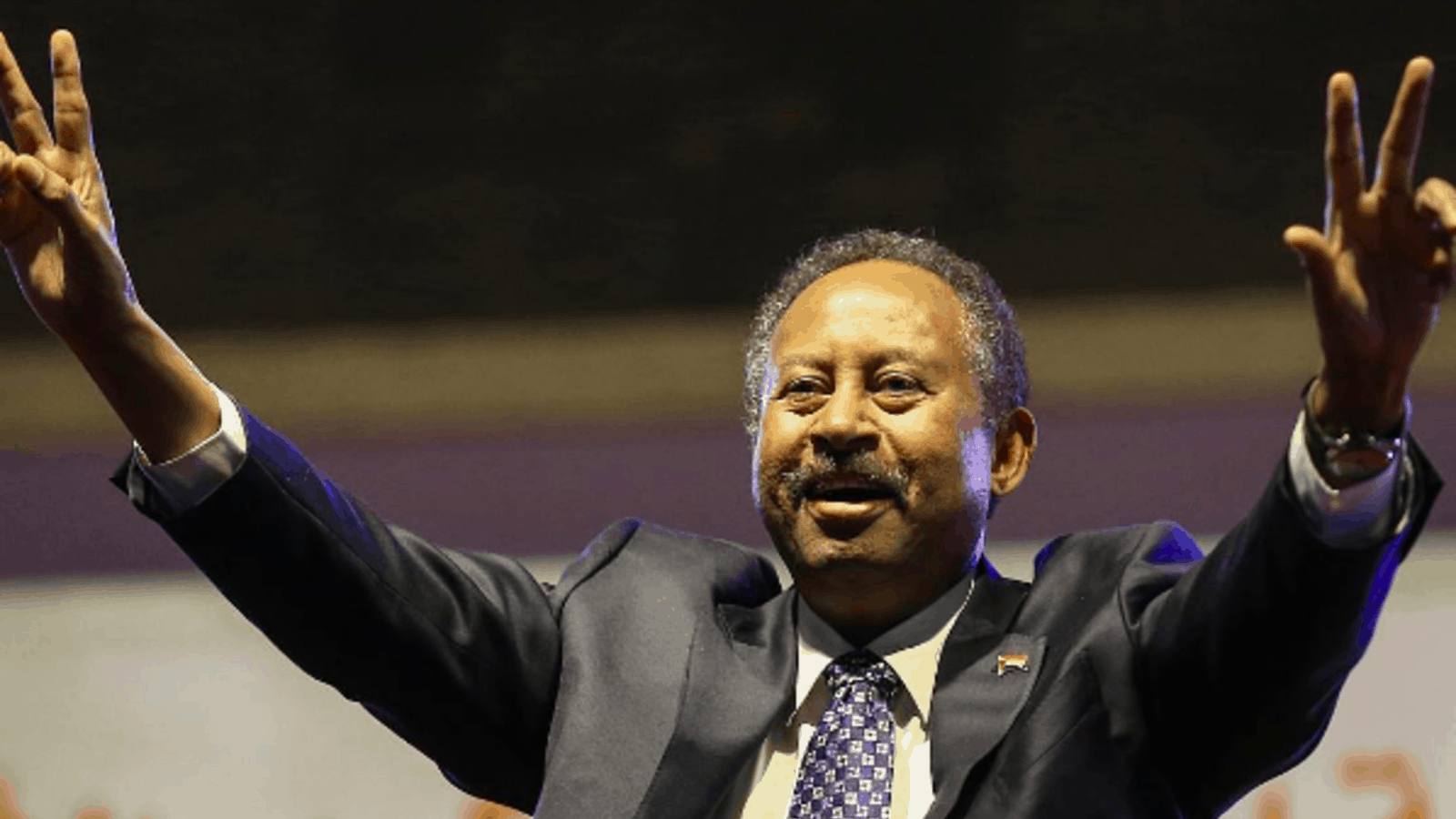
The Prime Minister of Sudan, Abdullah Hamdok, survived an assassination attempt early Monday morning, government sources and state television reports.
It was a normal start to the week for the convoy escorting Hamdok through Khartoum, the capital of Sudan, as the PM made his way to his office in the center of the city.
As the convoy crossed a bridge over the Blue Nile River, unknown assailants opened fire on the white SUV’s carrying the PM.
Omdurman, a state-run radio station, reported gunfire from automatic weapons, with the South China Morning Post reporting the attack happened from an elevated position, indicating the possible use of snipers.
Social media and state television have shown images of badly damaged white SUV’s with shattered windows and blast damage, indicating an explosion had occurred.
Whether the gunfire that was reported by witnesses came as part of the attack, or from government forces in response to the attack, remains unclear.
Hamdok, who became prime minister in August, certainly does not enjoy universal support in Khartoum. His willingness to allow the government to collaborate with the International Criminal Court has made him an enemy to supporters of former dictator Omar al-Bashir.
In February, Hamdok announced his government would cooperate with the ICC prosecution for al-Bashir’s role in atrocities committed during the Darfur conflict.
Whether al-Bashir will be sent to the ICC court in The Hague is still unclear, as is the ICC’s ability to prosecute charges of genocide, notoriously difficult to prove because of its convoluted definition in international law.
Sudan is currently governed by an uneasy coalition of military and civilian leaders, a result of last year’s popular uprising against the 30-year dictatorship of al-Bashir.
Changes in government have so far done little to resuscitate Sudan’s economy, and an uneasy peace with rebel groups fighting for autonomy has so far failed to bring stability to the country.
Rebel groups from Darfur and Blue Nile have agreed to a deal with the government, but rebels from the South Kordofan region have so far shown little interest in anything but full autonomy over their native region.
So far, no party has laid claim to Monday’s failed attack on the prime minister’s life, and as speculation spreads, so do renewed fears over Sudan’s future.
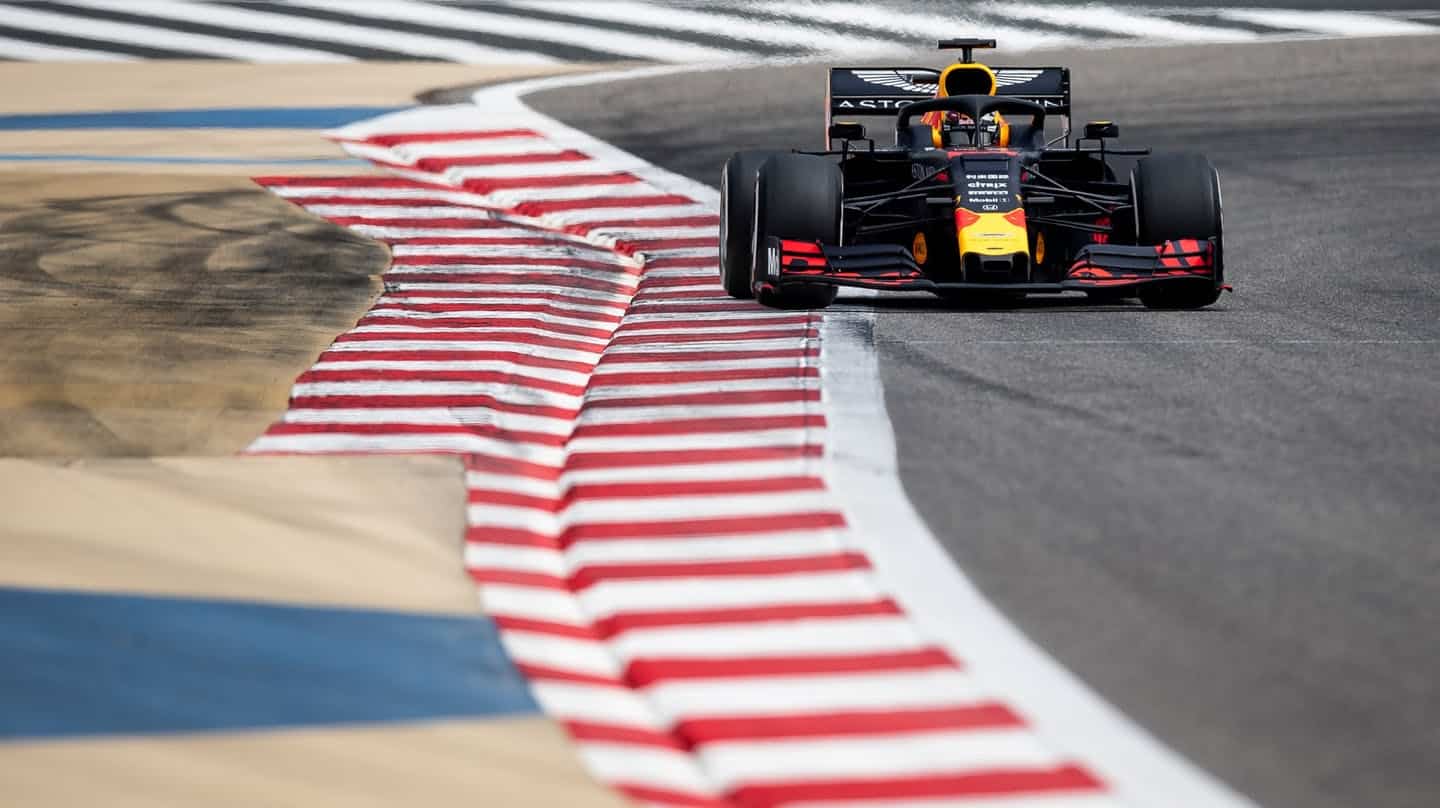
The Formula 1 Bahrain Grand Prix 2020 is the latest international sports event to fall victim to the spread of novel coronavirus (COVID-19). Organisers announced the race scheduled for March 20-22 will go-ahead as a ‘participants-only’ event, as Bahrain reported the highest number of new cases since the disease outbreak began.
An official statement from race organisers said banning spectators was the right thing to do, as Bahrain continues what organisers called an “extremely successful” campaign against COVID-19.
“In consultation with our international partners and the Kingdom’s national health Taskforce, Bahrain has made the decision to hold this year’s Bahrain Grand Prix as a participants-only event,” the statement read.
“Given the continued spread of Covid-19 globally, convening a major sporting event, which is open to the public and allows thousands of international travellers and local fans to interact in close proximity would not be the right thing to do at the present time.”
According to World Health Organization data, Bahrain has reported 79 confirmed cases of novel coronavirus to date. Thirty new cases were reported on March 9, the largest jump in cases since the disease was identified in the small Gulf nation on February 24. No new cases had been reported since March 2.
The recent jump in the number of confirmed cases calls into question the success of Bahrain’s measures to limit the spread of COVID-19. As other countries, such as the US are discovering, “early actions to prevent, identify and isolate cases of individuals with Covid-19” have not been as effective as originally thought.
The coronavirus outbreak is calling into question the fate of the global F1 tour, which has strong links to Italy, as well as many other international sporting events, from the Olympics to golf and cycling tours.
Organisers have to take into account the feasibility of conducting events with no spectators, contracts, and commitments to sponsors, and of course the safety of participants, staff and support crews.
At this stage, the opening Australia Grand Prix of the tour is set to go ahead on March 15 as scheduled, with teams en route for Melbourne and freight from Italy already dispatched to the Albert Park track, according to Australian Grand Prix Corporation CEO Andrew Westacott.
Westacott assured fans on Monday that the event would go ahead as planned and there was “not a chance” of it being held behind closed doors.
“When you look at 86,000 at the MCG last night, and the footy the week after, we’ve got to go around things sensibly and keep moving on through life while taking the necessary precautions,” Westacott said.
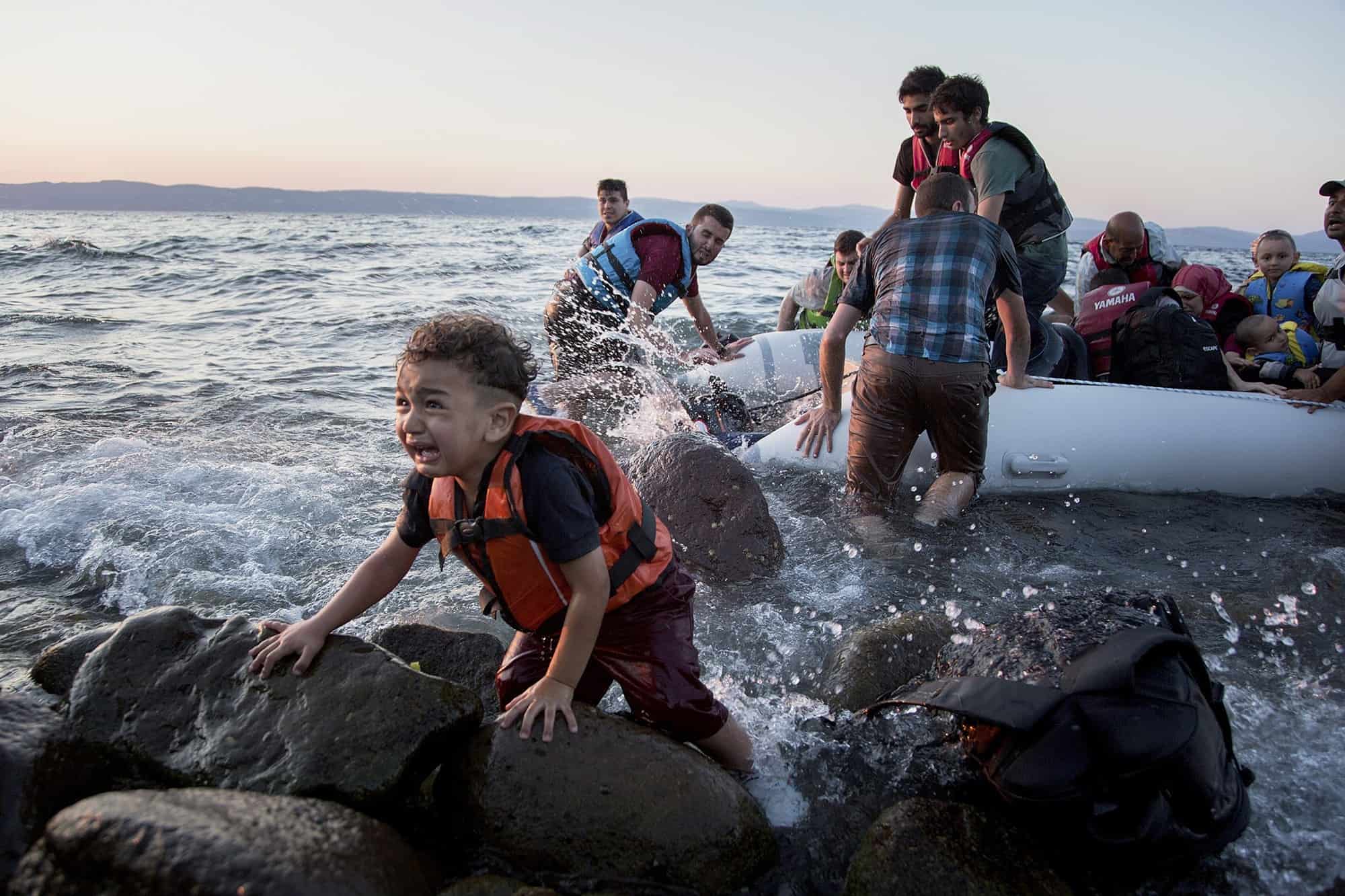
In the context of Turkey’s recent move to ‘open their borders’ for refugees, anti-immigrant sentiment is reaching a peak.
The One Happy Family migrant center, built by volunteers and refugees on the Greek island of Lesbos, went up in flames this weekend, as international developments fuel anti-migrant resentment.
The two-year-old community center, supported by a Swiss non-profit, aimed to “give a measure of dignity and self-determination back to the thousands of people which are stuck on Lesvos,” according to the organization’s website.
The building suffered severe damage, although no injuries have been reported, according to AFP.
The event joins a long list of violence against refugees over the last weeks, as European far-right extremists capitalize on Greek economic hardships, religious intolerance, and online propaganda to incite local resentment and xenophobia.
International developments
The Greek island of Lesbos, situated off the coast of Turkey, is increasingly feeling the effects of Turkey’s recent opening of its borders.
Turkish President Tayyip Erdoğan’s statements on the matter appeared tailored to force European governments, many of whom have made immigration a primary electoral issue, to the negotiating table.
The Greek government, in turn, responded in a manner deemed ‘inhumane’ by Amnesty International.
“The government has also temporarily suspended the registration of asylum claims and said it will deport anyone who enters irregularly, without examining their cases. This is a violation of Greece’s responsibilities under the 1951 Geneva Convention on Refugees, the NGO stated.
As the situation worsens, European extremists are poised to be the only beneficiary of recent tensions. Images of refugees at the Greek border are instantly converted into right-wing propaganda, painting innocent victims of conflict as foreign invaders.
Not since the 1940s has Europe seen such widespread xenophobia and religious intolerance, encouraging racist and fascist organizations across the continent to head to Europe’s borders.
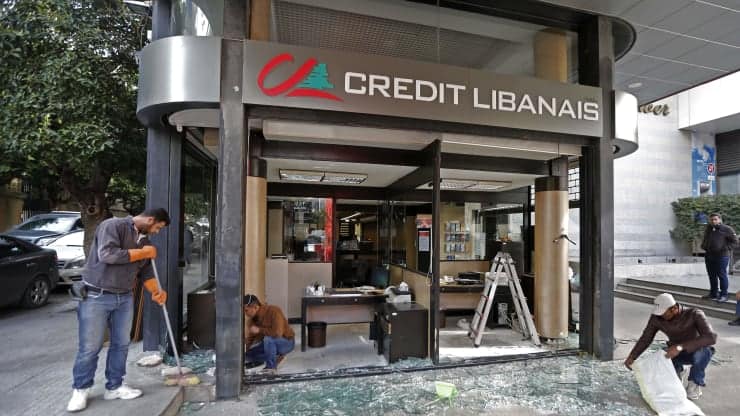
On Saturday evening, Lebanese Prime Minister Hassan Diab nervously fixed his cuff-links, put on his glasses, and adjusted the microphones in front of him. He was about to shock the world.
Lebanon’s economic crisis has been spiraling out of control, leaving the new prime minister with no option but to publicly announce that the government will default on the $1.2 billion bond payment that was due the following Monday.
“Our debt has become greater than Lebanon can bear, it has exceeded Lebanon’s capability to pay its interests. Lebanon has become a prisoner of its own economic policies based on leverage and accumulated interests, which have undermined the productive sectors of our national economy, leaving no light in sight at the end of the tunnel.” Diab declared in his national address.
The prime minister blamed mismanagement by previous governments, corruption, and regional conflict as the primary factors for Lebanon’s current economic woes.
International partners, local political players, and the Lebanese people were presented with a number of initiatives to stem the tide, drenched in populist language as Diab called for “a new fight for our independence in order to be freed from the enemy tightening its grip on the present and future of the Lebanese people.”
The prime minister’s remarks intend to unify Lebanon’s divided public as the country will have to cut back on its already limited spending. The government announced reform efforts targeting the electricity sector, making the tax system more ‘fair,’ fighting tax evasion, as well as launching a new national anti-corruption strategy.
A divided response
Shortly after the speech, Hezbollah, which supports the current government, announced their support for the default and their opposition to IMF interference.
Reuters reported Hezbollah’s deputy leader describing the IMF as “a US tool to which Lebanon would not submit” as a Hezbollah MP declared opposition to the neo-liberal reforms commonly demanded as part of IMF support.
Meanwhile, international players urged the Lebanese government to discuss debt restructuring. France offered “ any need for help, either bilateral or multilateral,” while the US treasury secretary told Reuters they were “monitoring the situation.”
Lebanese debts are currently exceeding $90 billion and the World Bank warns that 40% of the country’s people might soon be living below the poverty line.
With internal and international divisions toward the government’s approach, Lebanon’s financial future remains in dire straits.
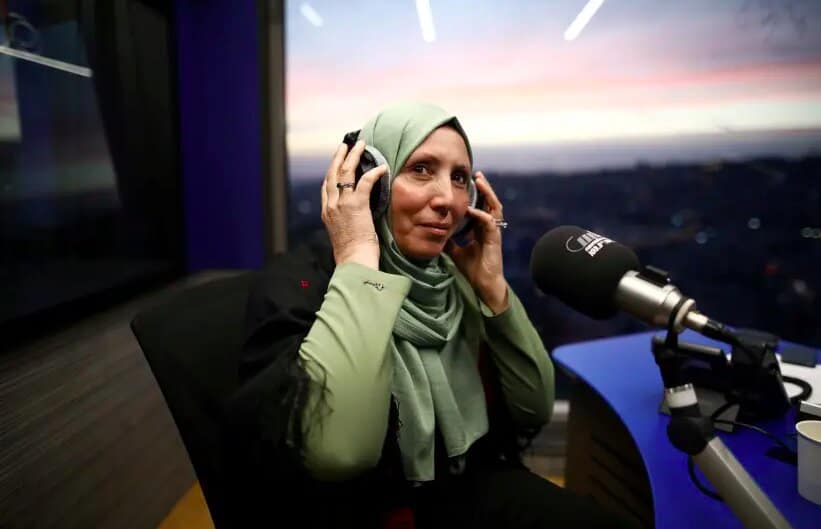
Rabat – The results have been far more positive for the Arab Joint List, securing 15 votes and the election of Iman Yassin Khatib, who will become the country’s first hijabi parliamentarian.
Exit polls on Monday predicted that the right-wing bloc led by Netanyahu’s Likud Party would take 59 seats ahead of opposition center and center-left parties, who polls predicted would win 54-55 seats.
Now with 99% of votes counted, the Likud party is on track to take 36 seats and its allies an additional 22, giving them a total of 58 seats—one less than predicted.
Those results mean Netanyahu will again fall short of gaining a majority in the 120-seat Knesset, forcing him into fresh political negotiations to avoid a fourth round of elections.
Benny Gantz’s Blue and White Party gained one more seat than expected and now holds 33, which should deliver Gantz a combined center-left bloc 40 seats in the Knesset. The remaining seats are expected to fall to the Joint Arab List (15) and Yisrael Beytenu (7).
The Joint Arab List drew support from Israel’s Arab minority that makes up just 21% of the population.
Iman Yassin Khatib will be one of the Joint List coalition’s 15 members in the new parliament.
The 55-year-old mother of four is set to become Israel’s first hijabi lawmaker but has encouraged constituents to “look beyond the veil.”
“There is no way (the hijab) won’t capture people’s attention. But what’s more important is what is inside: The ability and potential to advance our community,” said Khatib told Reuters as she took a victory to walk around the streets of Nazareth.
Khatib managed a community center in the village on the outskirts of Nazareth before turning her hand to politics. She is the first to admit that wearing the hijab is not easy in Israel.
“Every challenge I faced in my life was made harder because I wear a hijab,” she said.
But Khatib, one of four female lawmakers on the Joint List, believes the future is bright for Arab women.
“There is a growing awareness amongst Arab women that we can be active participants in our future,” she remarked.
“My message to young women: There is a possibility. There is a way. Don’t limit your hopes and dreams.”