Tunisia Has “No Choice” But to Turn to IMF, as Drought, COVID-19 Hit Economic Growth Hard

Tunisia’s Prime Minister-designate Elyess Fakhfakh told local newspaper El Maghreb on Sunday that economic growth was expected to reach just 1% this year, down from the 2.7% growth rate predicted in the national budget. 

The impact of the novel coronavirus was responsible for a half a percentage point reduction in growth, Fakhfakh said. 

Fakhfakh did not go into further detail about the forecast cut, but it is most likely driven by a retraction in trade with Italy, China, and France. 

Lower tourism levels due to coronavirus, coupled with reduced agricultural sector activity caused by low rainfall are also contributing factors. 

Vice President of the National Chamber of Commerce Maher Ben Issa told Tunisie Numerique that the country’s economy is heavily reliant on trade with Italy, France, and China, with commercial transactions with those three countries responsible for 60% of trade.  

In the last two months since the coronavirus outbreak, trade with Italy and France dropped by 30 million ($10.7 million) and 40 million ($14.27 million) dinars respectively, Ben Issa explained. Given it takes two months for goods to travel between China and Tunisia, he also predicted the true impact in Tunisia-China trade would be felt from March onwards. 

Around nine million tourists visit Tunisia each year bringing in valuable foreign currency and revenue that accounts for about 8% of the country’s GDP. Travel restrictions and fears around COVID-19 threaten to derail the entire sector.

In light of these developments, Fakhfakh, who managed to form government just two weeks ago, said “we have no other choice,” than to forge ahead and negotiate a new IMF deal. 

The current deal, a $2.8 billion loan package brokered in 2016, ends in April. Negotiations about the sixth tranche of the package stalled while the Tunisian parliament struggled to form the government after the October elections left it deeply fragmented. 

Tunisia needs to borrow $3 billion from international lenders to service its 2020 spending commitments. Talks about the sixth installment have restarted but aren’t moving quick enough for Fakhfakh’s liking. “We will lose a lot,” he said, if the “IMF delegation does not visit Tunisia until March 20.”

On the upside, the slump in global oil prices may be the coronavirus outbreak’s silver-lining for Tunisia’s economy and the national budget. At present, L’Economiste Maghrebin reports hydrocarbon subsidies account for 45% of the 2020 national budget, equivalent to 8.9% of the national budget or 3.3% of GDP. 

Tunisian economiste Ezzeddine Saidane said the government could greatly benefit from the drop in crude oil prices. The 2020 budget estimated crude oil prices at $65 a barrel, but reduced demand from coronavirus and increased production by Saudi Arabia have caused it to drop dramatically. 

On Wednesday Brent Crude Oil had recovered to $38.84 a barrel, up from a low of $34.36 a barrel on Monday. Buying crude oil at the lower price would make way for significant budget savings on hydrocarbon subsidies and reduce pressure on the Tunisian government to roll-back fuel spending.
 

Read also: Tunisia Forms New Government Promising Stability and ‘Deep’ Reform

Taliban Prisoner Exchange Divides Opinions

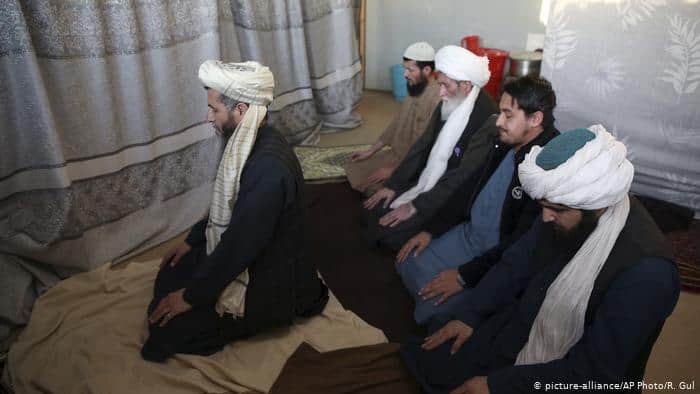
Yesterday, a convoy of Taliban vehicles made their way to the north of the Afghani capital Kabul in order to collect 5000 Taliban fighters from the Parwan Detention Facility. This was not a plot for a daring escape, it was the inevitable result of the US-Taliban peace agreement, signed in Doha on February 29.

While the Taliban convoy maneuvered the mountainous roads north of Kabul, far away in New York City, the United Nations Security Council unanimously approved a resolution endorsing the peace agreement.

Although no one in the convoy expected to return home with more than a hundred of their compatriots, the convoy did intend to signal that the Taliban was expecting the terms of the deal to be upheld to the letter.

A day earlier, and 80 kilometers south, two different presidential candidates had taken the oath to become president of the country. 

Presidential candidate Abdullah Abdullah swore himself in watched by a large crowd of supporters, while foreign diplomats and national officials gathered in the Presidential complex where Ashraf Ghani was about to do the same.

Al Jazeera reported that, as both men delivered their inaugural speeches, several rockets struck the presidential complex, landing not far from Ghani’s lectern.

Not long after the twin inaugurations were complete, Ashraf Ghani signed a decree that would free 1500 Taliban prisoners over a span of 15 days, while the Taliban and National government officials continued negotiations.

If satisfactory progress is made and the Taliban limits violent acts, a further 500 Taliban prisoners will be released every two weeks, up to 5000, as stipulated in the US-Taliban agreement. The Taliban is not a monolithic group and it sees the prisoner exchange as a way to show its rank-and-file that progress is being made.

Divided opinions

On Wednesday, March 11, a Taliban spokesman told Reuters the conditional release order violates the agreement with the United States: “It is properly explained in the peace accord that first 5,000 prisoners would be freed and then the Afghan dialogue would be initiated.”

As US forces begin their withdrawal, the peace deal is being criticized by both supporters and opponents of the current administration occupying the White House. 

Salon reports that even though Taliban leadership was able to fully evaluate the deal, the Trump administration classified important sections of the deal, blocking American lawmakers from accessing the entire agreement.

The US Secretary of State was criticized for the deal when compared to his earlier remarks on prisoner exchanges during the administration of former US president Barack Obama. 

“This is the same Pompeo who criticized Obama’s administration for swapping five Taliban militants for Army Sgt. Bowe Bergdahl. Now we are talking five times a thousand and all of a sudden, it’s OK.” a retired military officer told The Daily Beast.

“If society is torn apart and women pushed to the margins, it is more likely that terrorists will find a haven.” former Secretary of State, Hillary Clinton said on Tuesday, lambasting the agreement over its failure to safeguard rights for women. “There can be no sustainable peace without women’s participation and rights.”

While both Afghanistan and the United States remain internally divided over the agreement, Russia is jockeying for increased influence with the Taliban after US forces leave.

Appearing to want to drive a wedge between the negotiating parties, Russia’s envoy to Afghanistan, Zamir Kabulov highlighted US airstrikes on Taliban forces last week, telling Bloomberg Media: “If the U.S. genuinely wants to bring the peace process to a logical conclusion, a cease-fire, and inter-Afghan dialog, they shouldn’t act in this way.”

As Afghani and Taliban officials meet for negotiations, and American forces continue to leave the country, much is left uncertain about Afghanistan’s future.


Read also: Chaos in Kabul After Gunmen Open Fire at Memorial for Second Year in a Row

No Novel Coronavirus Precautions at Ceuta as Spanish Outbreak Spreads Rapidly

Spain now has 1622 confirmed cases of COVID-19 and recorded 35 deaths from the virus. The country now has the fifth-largest number of cases worldwide and the second-highest tally in Europe, after Italy.  

The dramatic increase in cases over recent days has prompted the Spanish government to implement harsher containment measures to try to avoid an “Italian “Scenario,” the Financial Times reports. 

Spain has banned large scale gatherings, parliamentary plenary meetings, and flights to Italy. Schools and education facilities in the Madrid and Basque regions, where the outbreak is worst, closed for two weeks beginning on Monday. 

The new measures come just days after parliamentarians participated in marches to mark International Women’s Day on March 8. 

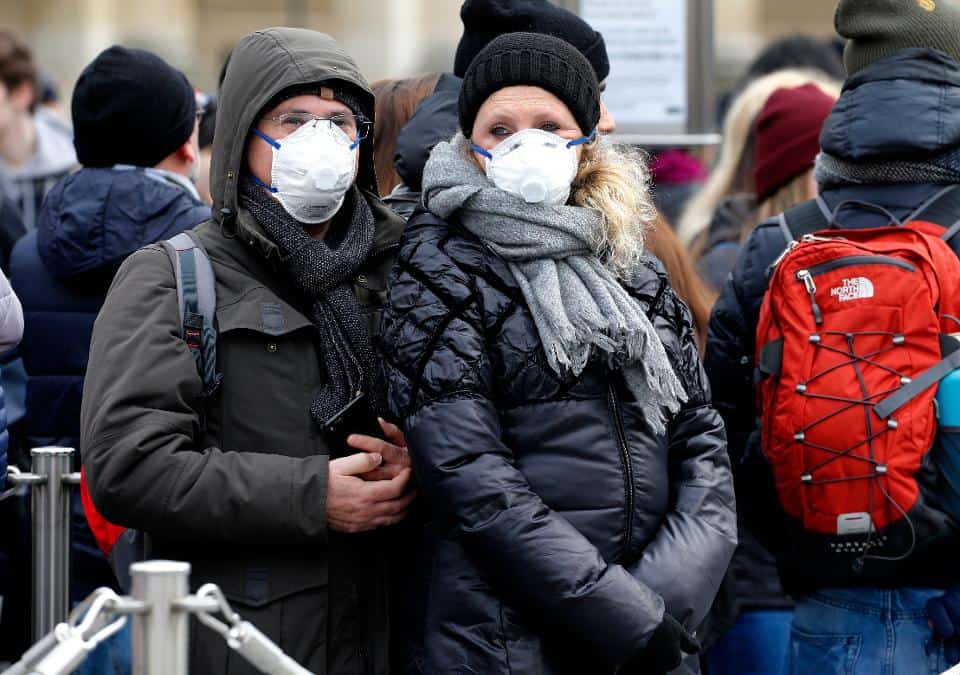
A week ago large crowds filled the streets of Andalusian towns Seville and Jerez, without a facemask in sight, to enjoy the Spring sunshine on a holiday weekend. 

The rapidly growing outbreak of novel coronavirus in Spain raises questions about Morocco’s current screening measures and general preparedness for a similarly large spread of the virus on its soil. 

With just five cases identified at present, the atmosphere in Morocco remains relaxed. Very few people are wearing masks in public, and despite sporting events being banning spectators, public gatherings and everyday life seem to be continuing as normal. 

In addition, Arabia Policy can report that unlike in Australia, the toilet paper aisles in local supermarkets remain fully stocked and Moroccan citizens have not yet fallen victim to panic buying. 

No COVID-19 measures at Ceuta

The same nonchalance towards the virus seems also to be in place at Morocco’s borders. A source returning to Rabat from Seville on March 1, told Arabia Policy that she was simply asked to fill out a ‘Public health Passenger’ form by immigration officers. 

There were no other health checks for passengers on the flight, and she received no further communications from authorities after arriving in Morocco. 

The same source crossed the border from Morocco into Spain at Ceuta on Sunday and returned Monday. She was not once asked to fill out a passenger form or posed any questions relating to her health when entering or exiting either country. She did not observe forms being distributed to others at the terrestrial border. 

The ‘Public Health Passenger’ forms can be found on the Health Ministry’s website and require people to provide their contact details and indicate if they have transited through China. 

The form asks if, during the last 14 days passengers have had an acute respiratory infection or fever; been in contact with a person infected with or suspected of having coronavirus. The form also asks if travelers have been to a hospital or lab where a coronavirus infection is suspected. 

Moroccan authorities’ focus has, thus far, been on travelers coming from Italy. The developing situation in Spain however, suggests measures to minimize travel may need to be extended to include Morocco’s closest European neighbor too. That may prove a far more difficult due to the volume and ease of transit between Morocco and Spain by land, sea, and air. 

Outbreak in Morocco

Up until now, Morocco has remained relatively untouched by the virus, but on Tuesday its health Ministry announced an 89-year-old woman became the first person to succumb to COVID-19 in the country. 

The elderly woman had recently returned to Casablanca from Italy and was suffering from heart and respiratory diseases. Her weakened immune system made her more susceptible to the virus, despite receiving the best care, the ministry noted.  

The unfortunate news was followed by a press conference later on Tuesday where the health ministry’s Director of Epidemiology and Disease Prevention, Mohamed El Youbi, stated Morocco currently has a total of five identified cases of COVID-19.

At a press conference in Rabat, El Youbi said the latest people to test positive for the virus in Morocco were a 39-year-old Moroccan man returning from Italy and a 52-year-old French tourist who is currently hospitalized in Marrakech. Both men remain in a“reassuring” condition, he added. 

Read also: 13 Countries Shut Down Schools Amid Coronavirus Outbreak, Affecting 290 Million Students 

Guns for Hire: Mercenary Warfare in Libya

Throughout history, mercenaries have been a common presence on the battlefield. Many European armies still have mentions of Scottish or Irish regiments, while the British, to this day, maintain a brigade of Indian Gurkhas.

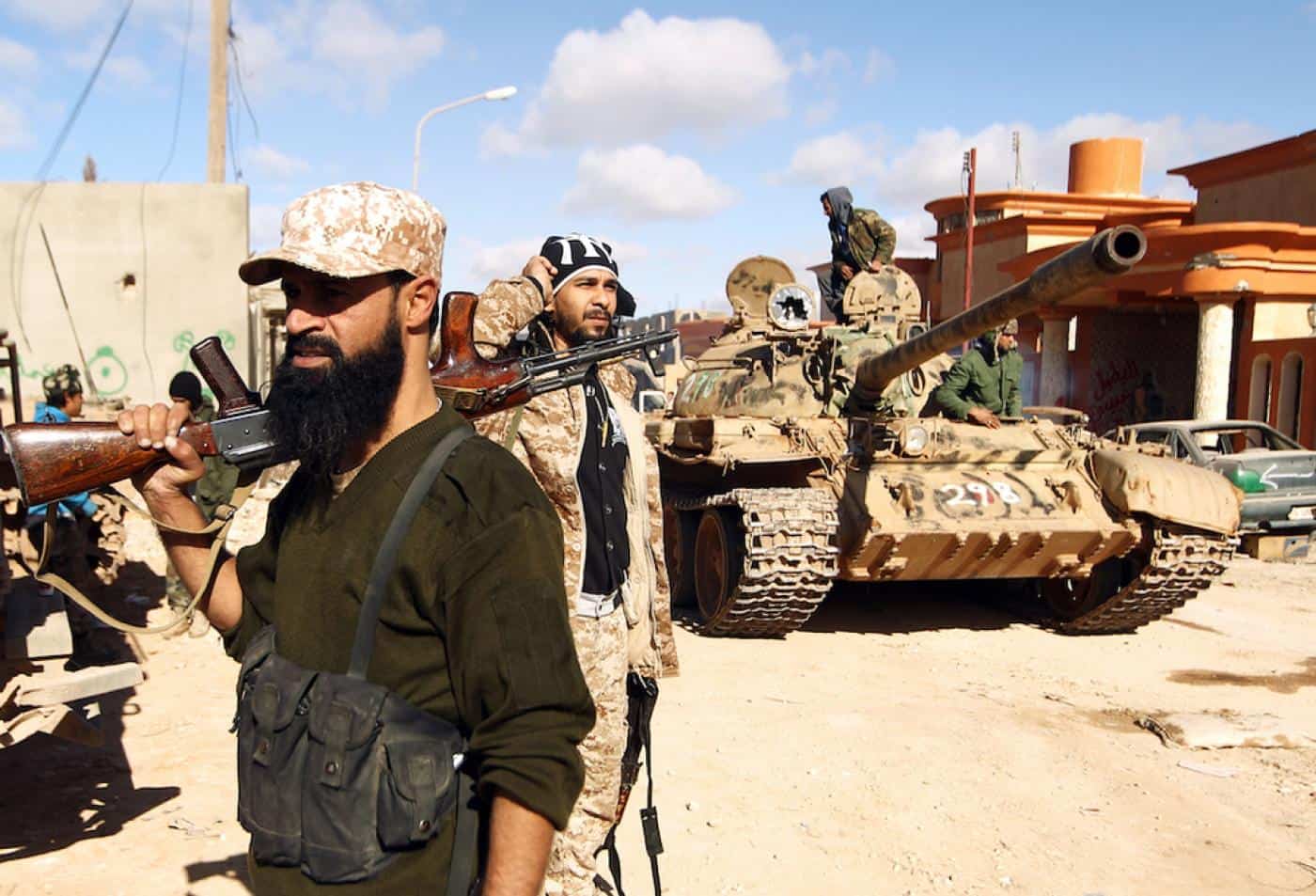
But the use of mercenaries in today’s battlefields is much less illustrious. The protracted conflict in Libya provides an example where mercenaries involved in irregular (‘guerilla’) warfare are making a bad situation even worse.

In contrast with the similarly multi-factional conflict in Syria, where locals and international immigrants join militias or already established factions, Libya’s large geographic size, and small population make it the perfect scene for the use of mercenaries.

In the absence of Libyan men willing to fight, the international coalitions behind each faction are deploying mercenaries, which, in turn, prolongs the conflict.

Libya has a long history with the use of mercenaries. Muammar al-Gaddafi infamously assembled a mercenary force recruiting soldiers and entire militias from conflict zones in Sudan and Chad.

In Libya’s current multi-factional chaos, it was the ‘Libyan National Army,’ led by Libyan-American strongman Khalifa Haftar, who first deployed mercenaries. These mercenaries are mainly African and Russian, with many alleging involvement of the Russian paramilitary force ‘The Wagner Group,’ which has links to Russian President Vladimir Putin.

In response to the calamitous military campaign of the UN-backed Government of National Accord, who lost control of most of the country, Turkey has increased its involvement in the conflict.

Ever since, Turkey has deployed infantry and artillery units to Libya, where they are converting parts of Tripoli’s airport into a Turkish military base from which to launch operations.

Yet, it is the mercenaries that Turkey is deploying to the area that is raising eyebrows internationally.

Turkey’s Syrian mercenary forces

In order to supplement its regular army presence, Turkey has deployed Syrian mercenaries, transported from one conflict to another, to do its ‘dirty work.’ Mercenaries are often used for irregular warfare, such as harassing supply lines and generally have little regard for the international humanitarian law which dictates the laws of war for regular army forces.

Deutsche Welt has reported that these Syrian militiamen are promised monthly wages of $2,000, with Turkish citizenship as a final reward. 

According to the Syrian Observatory for Human Rights, at least 4,750 Syrian fighters have reportedly been flown to Libya via Libyan Airlines and private planes, with 1900 more in training in Turkey, to be deployed at a later date.

“After 10 months of fighting… the capital and its suburbs have become a den of mercenaries where arms are flooding in, in broad daylight,” a student from Tripoli told The East African.

With no end to the Libyan conflict in sight, the use of mercenaries has become one of the main factors prolonging the already opaque and brutal civil war.

Read also: Turkey’s Involvement in Libya: Another Failed Foreign Policy Adventure?

Five EU Countries Agree to Take most Vulnerable Children from Greek Migrant Camps

“Finland, France, Germany, Luxembourg, and Portugal have agreed to step in and take the most vulnerable children out of Greek camps and welcome them in their countries,” said European Commission President Ursula von der Leyen on Monday in Brussels. 

“It is very urgent to care for the unattended minors on these Greek islands. I am very concerned about their situation,” von der Leyen stressed during a press conference on the first 100 days of her mandate. 

She said that an additional 60 million euros will be made available to help the children, on top of the €350 million already provided by the EU to deal with the migrant situation on the Greek islands. 

President von der Leyen also noted a new European migration pact, focused on preparedness, would be put forward after Easter. 

Greek Prime Minister Kyriakos Mitsotakis said he has been lobbying the European Union for months about the “tragedy of unaccompanied children arriving in Greece” and thanked the President for her personal support on the issue. 

“What we need is a clear demonstration of European solidarity, which should take the form of a voluntary relocation pact, by which unaccompanied minors who are currently in Greece are relocated to other European countries,” Mitsotakis said. 

Mitsotakis now has his wish, but it remains unclear just how many vulnerable children will be relocated and when. Deutsche Welle reports that 1000-1500 children who are under the age of 14, very sick and mostly female will be the first supported under the plan. 

Germany is set to take its fair share of the children and was a driving force behind the “coalition of the willing” the German media outlet said. Senator Andreas Geisel also confirmed Germany’s support for the plan when she told national broadcaster RTL the city of Berlin will take 80-100 children. Geisal said the children would most likely arrive in the coming days, during an interview on Tuesday. 

Germany has experience caring for unaccompanied minors and in February last year, 15 000 were living  in the country according to a German government report on the topic. The report found the young people were well looked after in Germany, plus “highly motivated to learn German and obtain a school leaving qualification.”

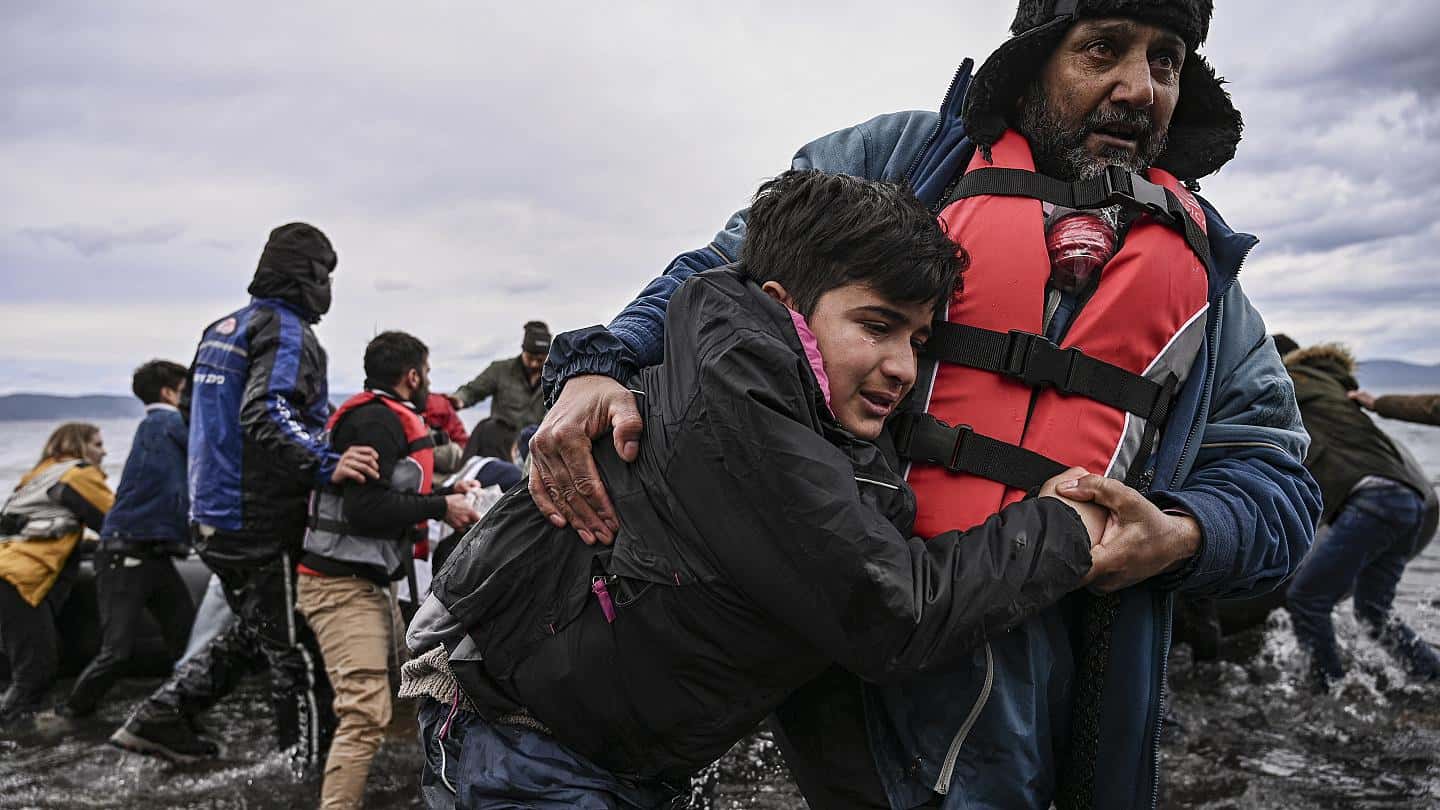
Thousands of migrants, many fleeing war in Syria, others from Afghanistan, Pakistan and West Africa, have rushed towards Greece via land and sea after Turkey opened its borders last month. 

Greece is struggling under the weight of the never-ending migrant crisis and anti-migrant sentiment has bubbled up around the impoverished country with far-right propaganda circulating on social media urging Greek’s to ‘defend Europe’s borders’ on Aegean islands like Lesvos, situated off the coast of Turkey. 

Fire ripped through a migrant centre on the island over the weekend and Greek authorities have used teargas and water cannons to push back migrants on the mainland. 

The European Commission estimates there are around 42 000 migrants, including 5 500 children currently on the Greek Islands.   

Read also: Turkey to File Complaint to European Court of Human Rights Over Greece Treatment of Migrants

Oil Price Crash Spotlights Systemic Weakness in Algeria’s Economy

The US oil price dropped below $30 a barrel this week as demand dried up in the midst of the new coronavirus crisis and after Saudi Arabia ramped up production in the wake of collapsed OPEC+ talks

As oil prices took the biggest dive since 1991, Algerian Energy Minister Mohamed Arkab said the country remains in “permanent consultations” with its OPEC counterparts over the current situation. 

“We agreed on Friday that no decision would be very negative on producers. We need a rapid decision to balance the market,” he added. 

The fall in commodity prices is putting a strain on the economies of many big hydrocarbon producers but is being felt most keenly in smaller and less-developed nations like Algeria, which currently has a limited safety net in the way of currency reserves and alternative income sources.  

As with any unbalanced economy, Algeria is particularly vulnerable to global oil price shocks and changes in its production rates. Both have declined in recent years, eating into the country’s foreign currency reserves. 

The World Bank says on top of “the restrained upside in world oil prices,” higher domestic consumption and stagnant production are to blame for the reduction in Algerian energy exports. 

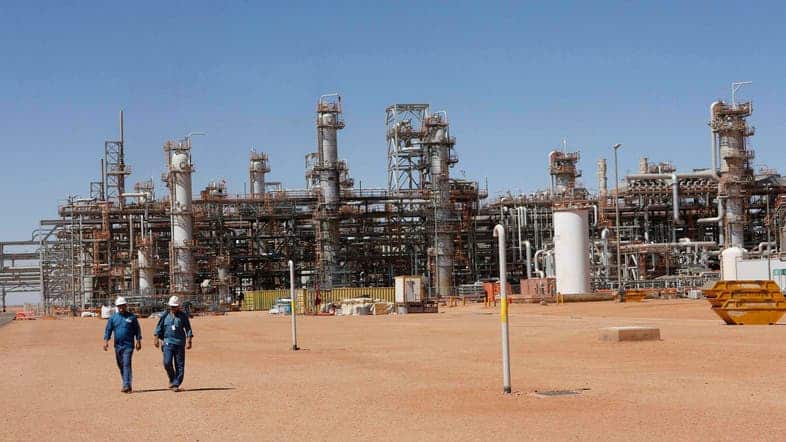
Meanwhile, the government has made little real progress towards diversification, with 95% of its foreign earnings still derived from the energy sector. The latest drop in oil prices threatens to blow December’s budget out of the water. 

Even with a forecast oil price of $60 a barrel, the government was set to cut public spending by 9.2% in an attempt to bring down the high budget deficit. It remains to be seen how they can implement a budget based on numbers that are now considerably lower than expected. 

Some politicians are claiming there is still time to change. 

“Algeria must urgently find alternatives and adopt a new management model,” said Houari Tighersi, a member of the parliament’s finance committee. “We still have time to change things.” 

Others, however, see change as overly optimistic and unrealistic. 

For years, hydrocarbon rents have funded Algeria’s development, enabling it to achieve a commendable 20% reduction in poverty over the past two decades, according to the world bank. 

The government has known for some time that it needs to begin rolling back the subsidies and public spending that have supported development, but as the Hirak protests roll on, the political climate in Algeria remains too delicate for the implementation of wholesale austerity measures.

Prime Minister Abdelaziz Djerad warned the parliament about Algeria’s economic fragility back in January as public debt reached 45% of GDP. 

“The current financial situation is still fragile as it depends on the volatility of the oil market,” he said, unaware that the future would deliver exactly that. 

At the time, Djerad said “the difficult and delicate economic and social situation will be faced by the government with responsibility.” 

As the predicted oil price halved, the pressure on the government to handle the country’s socio-economic challenges responsibly has doubled. 

Read also: Saudi Arabia Slashes Oil Prices, Boosts Production After Failed OPEC Meeting with Russia

New Energy for the MENA Region: The Future Looks Green

Difficult times are ahead for producers of hydrocarbons such as oil and gas—that is the impression current news about plummeting oil prices might give. 

Combined with global efforts to reduce greenhouse gas emissions, it appears to be a bad time for countries that depend on this industry. 

The MENA region holds over half of the world’s oil and gas reserves; therefore, it can be expected the region would be worst hit by the current fall in oil prices and global developments in the energy market.

Yet, at the World Future Energy Summit 2020 in Abu Dhabi last January, opinions were optimistic. 

This optimism was not based in a hope that oil price would remain high forever, or that the energy transition might not happen. Instead, industry-experts at the summit were in a good mood exactly because of the potential the energy transition holds for countries in the Middle East and North Africa.

This optimism stems from an inescapable fact: A ‘green’ future will demand more electricity than ever, and MENA countries are perfectly situated to produce that energy in a sustainable way.

Diversifying economies away from hydrocarbon production has not resulted in many tangible results so far. Most Gulf states have poured billions into wind parks, solar installations, and other nifty green tech. But low oil prices post-2014 have made these solutions ineffective, if not inefficient.

But a new form of energy is just around the corner, and it is called Hydrogen.

Hydrogen and the MENA region: a perfect marriage

Royal Dutch Shell, a multinational heavily invested in oil and gas production, calls Hydrogen ‘one of the most abundant elements in the universe.’ 

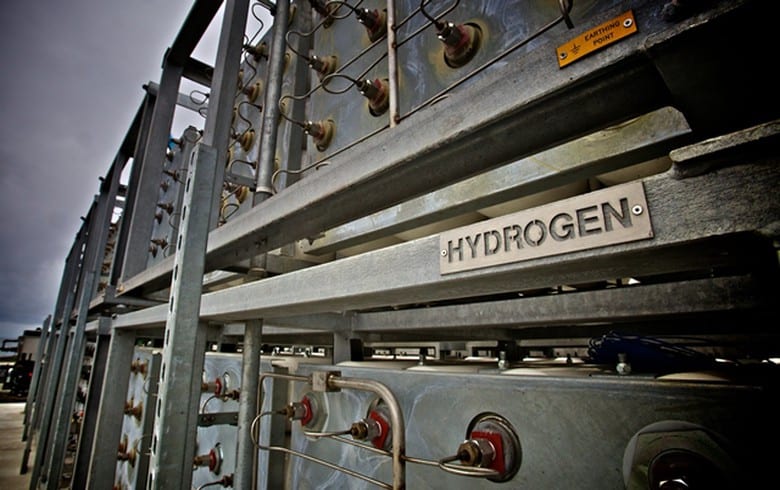
Hydrogen can be produced from several sources, including using traditional gas, renewable biogas, or methane, as well as applying solar and wind technology to produce the pure form required for energy use.

Hydrogen solves one of the most pertinent problems with solar and wind technology: Energy storage. 

Because electricity storage is still in its infancy, most energy created by solar or wind technology needs to be used as soon as it is produced. This means that when there is little sun or wind, there is no electricity without relying on hydrocarbons like coal, oil, or gas.

The promise of Hydrogen has already resulted in the installation of Hydrogen fuel stations in Germany and the rapid development of Hydrogen-powered cars by major car manufacturers.

The reason that Hydrogen is perfectly suited to benefit the MENA region lies in the means of storing and transporting the fuel. 

Hydrogen can be converted to ammonia and shipped across the world in similar ways that oil and gas tankers now do, making it a great replacement for current exports by Gulf countries. 

For North Africa, pipelines to Europe can create a steady and sustainable source of income as solar and wind energy complement production and hydrogen can be transported through existing natural gas pipelines.

European partners are keeping a close eye on developments, with the Executive Vice President-Designate of the European Commission, Frans Timmermans, stating:

“In my dreams, we would create a partnership with Africa, especially North Africa, and we would help install a huge capacity of solar energy in Africa and transform that energy into hydrogen. Then we would transport that hydrogen to other parts of the world and Europe, through existing means that we already have. It is not that difficult to change the pipelines you now use for gas into hydrogen. It’s not that difficult to use LNG terminals for hydrogen.”

Morocco is leading the way through its Institut de Recherche en Energie Solaire et Energies Nouvelles (IRESEN), where the production and transport of green hydrogen is being researched at a promising pace.

Morocco Announces First Coronavirus-Related Tragedy

At 12:45 on Tuesday, March 10, Morocco reached a sad milestone in recording its first COVID-19 virus-related casualty. 

An 89-year-old woman died of the virus after being in critical condition for a week. The woman contracted COVID-19 Italy in February and after returning to Morocco, she became the second recorded case of the virus in the country.

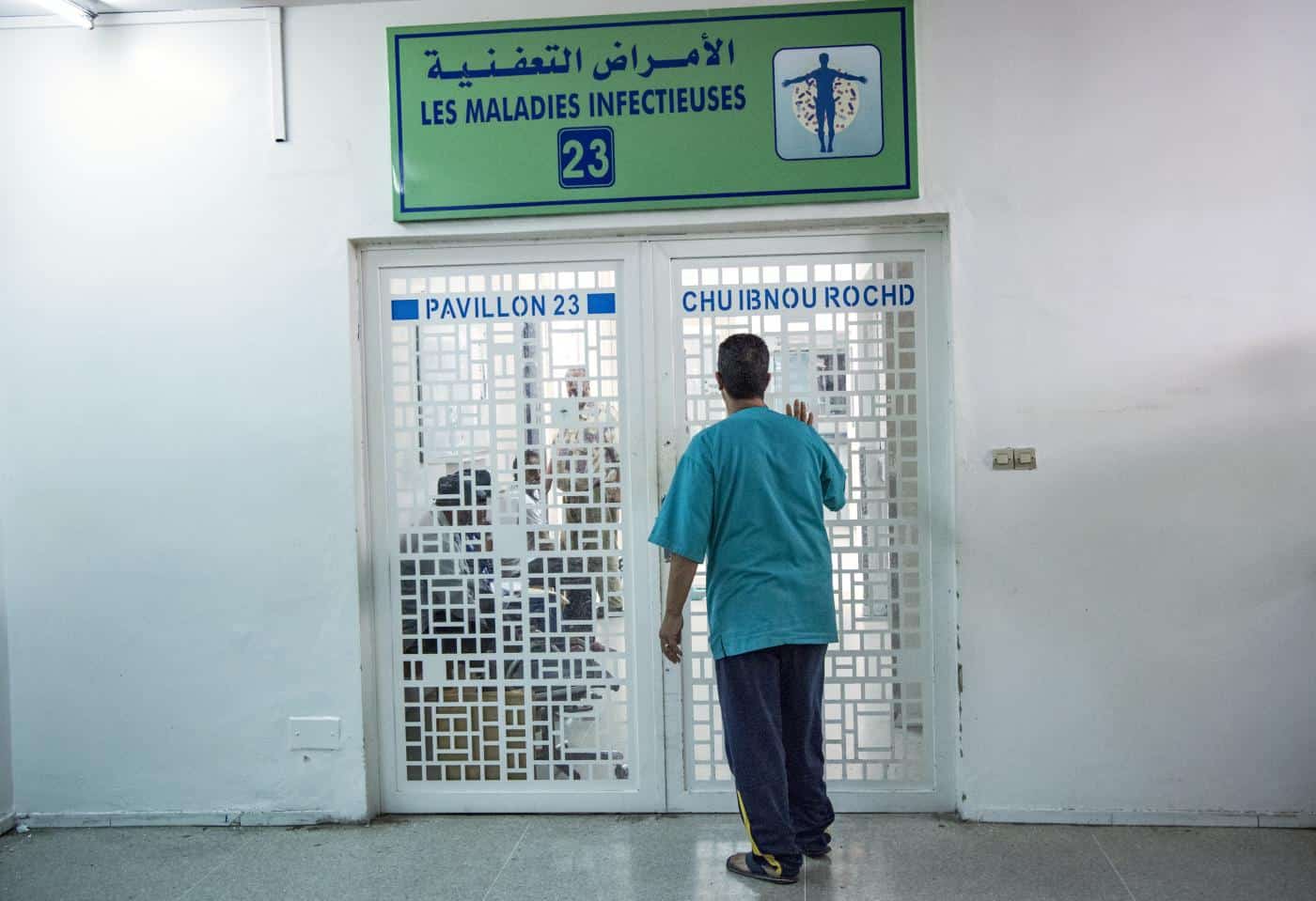
While in quarantine in Casablanca, it was clear the patient was under threat because of a chronic disease that weakened her immune system. The patient was transferred to Intensive Care where she remained until she passed away.

Morocco’s Ministry of Health affirmed it has identified any person who the patient was in contact with, and placed them under quarantine for 14 days.

The patient was classified as a ‘high risk’ patient, which includes older adults and people with chronic medical conditions that weaken the immune system.

Health organizations recommend that people at higher risk should avoid public transport, international flights, large crowds, and stay at home as much as possible. Relatives of at-risk people can assist them by avoiding physical contact and helping them stock up on essential supplies, such as medicine for their condition.

On the same day, Morocco recorded its third case of the virus. A French tourist sought medical assistance after having trouble breathing on March 8 and tested positive for the coronavirus at the Pasteur Institute in Casablanca. The patient is in stable condition, Morocco World News reports.

The Moroccan government appears to be taking the crisis seriously, banning large public events and even jailing a man from northern Morocco for spreading false information in order to incite panic. As the Moroccan government responds, so has national airline Royal Air Maroc, which has decided to suspend all flights to Italy.

Any concerned Moroccans in need of information are encouraged to contact Morocco’s Ministry of Health (+212 801 004 747) or the Ministry of Foreign Affairs (+212 537 663 300).  

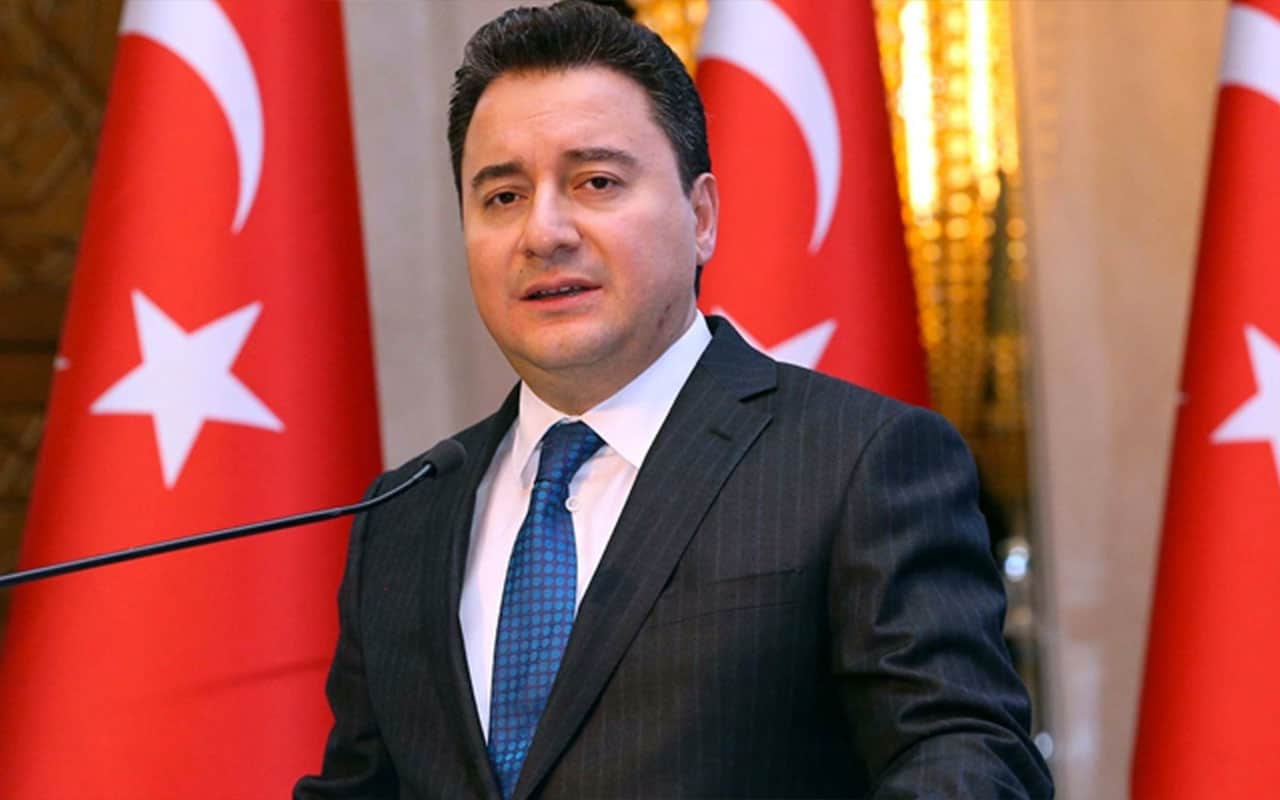
Former Erdogan Ally Ali Babacan Launches New Political Party, Calls for ‘Fresh Start’ in Turkey

When Ali Babacan resigned from the ruling AKP party last year, he promised to launch a new party before 2020. After some internal political and staffing issues, Babacan formally registered the new party with Turkey’s interior ministry on Monday and plans to announce the name at a launch event on Wednesday.

Ali Babacan has had a long and illustrious career in Turkish politics, reaching the high office of deputy prime minister from 2009-2015. He also controlled the economic and foreign affairs portfolios and was held in high regard by foreign investors. 

Babacan was a founding member of the Justice and Development Party (AKP) in 2002, now led by President Recip Tyep Erdogan, but resigned from the party in July last year, citing ‘deep differences’ on issues such as democracy, justice, and the economy. 

“We need to revive the rule of law, freedoms and universal values, to create a more liveable Turkey for its citizens,” Babacan said during an interview with Turkey’s Fox TV on Monday where he discussed the new party.

“It is impossible to realize that with this administration. The country cannot prosper with this style of politics,” he said. 

He also said the new party would have a big focus on press freedom, and criticized the government’s arrest of human rights activist and journalist Osman Kavala

“The need has emerged for a fresh start in Turkey,” Babacan declared. 

The new party will be called the Democracy and Progress Party, or DEVA for short, an acronym that also means ‘remedy’ or ‘cure’ in Turkish. 

The founder’s list makes for interesting reading and includes former ministers Sadullah Ergin, Nihat Ergun and Selma Aliye Kavaf; parliamentary and former AKP official Mustafa Yeneroglu; bureaucrats Birol Aydemir, Cavit Dagdas, and Omer Rifat Gencal, female entrepreneur Sanem Oktar, law professor Fazil Husnu Erdem, liberal journalist Gulay Gokturk, and military analyst Metin Gurcan. 

Implications for Turkish politics 

Babacan is another high-profile name on the list of former-AKP supporters who have slipped away from Erdogan in recent years. He joins the likes of fellow former Prime Minister Ahmet Davutoglu who established his own ‘Future Party’ in 2019 and ex-President Abdullah Gul, who has hitched his wagon to Babacan’s new political venture.

Both Barbacan and Davutoglu were once close allies of Erdogan but have become disenfranchised with the way the strongman is running Turkey. They have both criticized the new presidential system, that was implemented in 2018, particularly for the removal of the office of prime minister. That change handed Erdogan even more power, which he continues to wield assertively as his 17 year reign marches on.

“Nearly 20 years have passed (since the AKP was founded)… Turkey has changed and unfortunately the political party of which I was a member began to do things very contrary to its founding principles,” Babacan outlined.

Davutoglu and Babacan have both called for a return to parliamentary democracy, as a way of recalibrating the nation’s political landscape.

However, it remains to be seen if their antidote to AKP’s political monopoly – the establishment of multiple new splinter parties – will have any real effect on Erdogan’s vote and election in 2023.  

Last year’s municipal elections demonstrated that AKP and Erdogan are not invincible. They partly lost the key cities of Ankara and Istanbul in the 2019 elections, and recent polling suggests that Erdogan’s presidential popularity is slipping.

The latest Metropol figures released on March 5, showed Erdogan’s approval rating had reached a low of 41.1%, a seven-point slide since October last year. At the same time, the President’s disapproval rating rose to 51.7 percent, up from under 35 percent in October 2019. 

Metropol also reported that 48.8 percent of respondents found Turkey’s military involvement in Idlib unnecessary and only 30.7 percent approved of the military’s presence in the northwest Syrian province. The polling was, however, conducted between February 15 and 21, prior to dozens of Turkish soldiers being killed in Idlib, an event which has galvanized support for Turkey’s operations there. 

Nevertheless, last year’s local election results, recent polling, and new parties cropping up are starting to eat away at Erdogan’s aura of invincibility. 

Waning support for expansionist policies, concerns over Turkey’s economic future and a desire for a return to a democratic political system may yet provide the perfect conditions for the Future Party or Babacan to usurp power in 2023. 

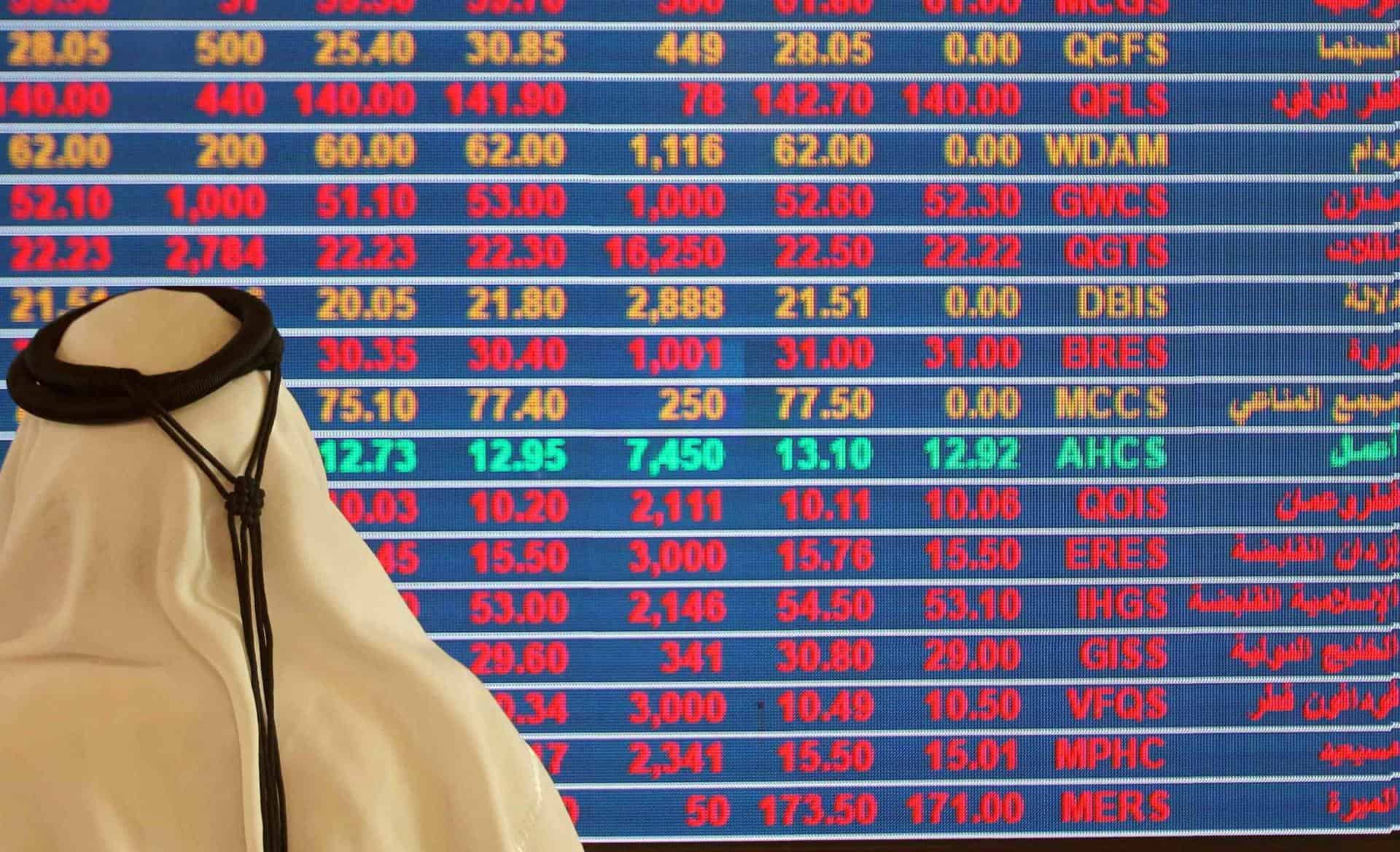
Global Markets Are Crashing: Is a 2020 Recession at Hand?

For years, financial experts have been predicting a ‘correction,’ a technical term for financial markets crashing after having been artificially high for too long.

These artificially high prices, what economists call a ‘bubble,’ result in a market where unwarranted optimism leads to prices going up without much of a connection to reality. In 2008, it was the collapse of US real-estate markets, where house prices had continuously gone up with no true link to the actual value of houses increasing.

In 2020, markets are tumbling for a different reason, but with potentially similar results as in 2008. 

CNN’S global economic analyst, Rana Foroohar, described the current collapse in stock prices as a ‘perfect storm’ as the long-overdue correction is triggered by a fall in oil prices combined with a sudden evisceration of global tourism.

Many economists will be eager to put the full blame of the crash on the global coronavirus (COVID-19) outbreak, but in reality, a plunge in commodity and stock prices was inevitable. 

One of the largest ‘bubbles’ to burst is the global corporate debt bubble, which the US Federal Reserve and the International Monetary Fund have been warning about.

In October 2019, the IMF warned that “prolonged low-interest-rate environment in advanced economies has encouraged risk-taking, including among institutional investors, (leading) to a continued build-up in financial vulnerabilities.”

What does this have to do with oil prices and COVID-19, you might wonder?

The danger of a corporate debt bubble is that when stock prices fall, like they are now, it becomes clear how much of those stocks were purchased, or propped up, by borrowed money. 

For years, central banks have been pumping trillions of dollars into the system, a practice called ‘Quantitative Easing,’ in order to recover from the 2008 crash. However, when markets had recovered, central banks continued the practice in order to not anger investors and politicians who were benefiting from the longest bull market in a long time.

Remember the 2008 bailouts?

One of the more painful memories of the 2008 financial crisis was the resulting ‘bailouts.’ While people around the globe were losing their houses and jobs, governments gave billions of ‘stimulus’ money to banks and industry.

Many experts believe the current recession will be intense but brief, as governments are once again expected to hand out dizzying amounts of money. In theory, some of this money could go to citizens in trouble, through large public works that provide well-paying jobs, subsidies, unemployment insurance or short-term loans for small businesses. This is how the US spent its way out of the largest economic crisis in history in the 1930s.

But recent lessons have taught that stimulus money will likely go straight to giant financial corporations and industry, in order to ‘protect jobs and consumer savings,’ through the sale of bonds and reducing already-low interest-rates while purchasing oil to increase national oil reserves and stabilize oil prices.

There is one hopeful note, however. As crashing markets have been attributed to the novel coronavirus and its effect on commodity prices, any news of a vaccine or a global reduction in new cases could start a rebound effect.

Markets are influenced by emotion and trends, and a string of good news regarding the virus could create enough optimism for markets to recover. It might take a while, but short-term stimulus and effective measures to limit the damage of a recession could result in a quick recovery.

After a decade of cheap credit, a correction in asset prices was due. Smart and decisive action by central banks across the world, that avoid re-inflating existing bubbles, should determine whether we are in for a short-term recession or a significant global financial crisis.


Read also: Oil Price Crisis: Stock Markets Suspend Trading After Falling 7%