Billion Dollar Budgets Aim to Combat COVID-19

The novel coronavirus (COVID-19) global epidemic continues to spread throughout the world, reaching more than 171,112 cases and 6,526 deaths, globally. 

The majority of cases are concentrated in China, Italy, and Iran, followed by South Korea, Spain, Germany, France, and the US. 

Governments around the world have established budgets worth billions of dollars in addition to aid packages from international bodies to respond to outbreaks and keep national economies above water as COVID-19 delivers devastating blows to tourism and trade. 

The West

US: $8.3 billion

Italy: $28 billion 

UK: $37 billion 

France: $4 billion 

Spain: $4.2 billion

Germany: $11.2 billion


The Middle East 


Iran: Requested $5 billion from the IMF


Qatar: $25 billion

Kuwait: $33 million

UAE: $27 billion

Saudi Arabia: $13 billion

Bahrain: N/A

Oman: N/A

Lebanon: N/A

North Africa

Egypt: $6.38 billion

Morocco: $1.4 billion

Algeria: $31 million

Tunisia: N/A

LNA Accuses Turkey of Transporting Terrorists to Libya on Civilian Aircraft

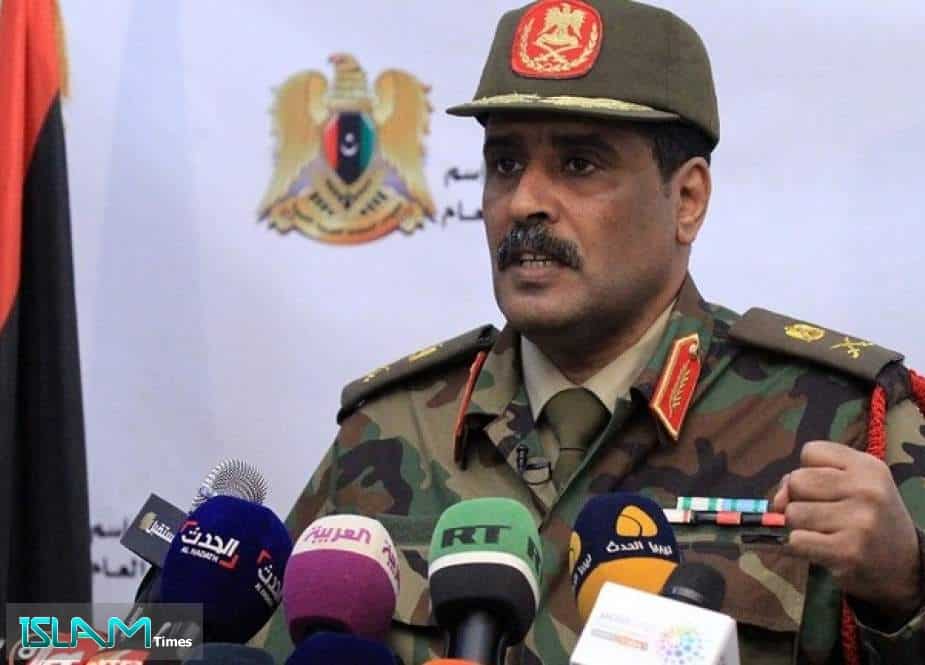
Libyan National Army (LNA) spokesman Major General Ahmed al-Mesmari alleged in a press conference held in the Egyptian capital, Cairo, on March 15 that Turkey is transporting about 400 terrorists to Libya on a daily basis in order to assist militias operating under orders of Fayez al-Sarraj’s Government of National Accord (GNA).

Turkey had previously transported almost 2,000 mercenaries to Libya, Al-Mismari continued, including members of ISIS and the Al-Nusra Front, using civilian aircraft.

Al-Mesmari stressed that General Khalifa Haftar’s LNA is committed to expelling the mercenaries and Turkish forces from Libya, pointing to the presence of experts and military officers among them. 

He also reported that LNA military operations resulted in the deaths of Turkish military personnel, confirming that Haftar’s forces “targeted the Turkish forces in Maitika.” 

Mercenaries failed

Al-Mismari said on March 12 that Turkish interference in the Libyan crisis is not a recent matter. 

The Turks have been physically present in the country since 2014, he said, either by supporting terrorist organizations and providing aid to their members or by transporting supplies and weapons. Qatar has also been involved in these maneuvers, Al-Mismari added. 

What changed on April 4, 2019, according to the LNA spokesman, was Ankara making its involvement in the conflict public, defying international law and UN Security Council resolutions.

Al-Mismari stated that Turkey does not support the UN-backed GNA, but rather supports the Muslim Brotherhood in Libya allied with foreign extremist organizations such as Al Qaeda and ISIS.

“Ankara does not operate in a clear political framework,” he said. 

Turkish President Recep Tayyip Erdogan and the Muslim Brotherhood are two sides of the same coin, he continued. 

Al-Mesmari stressed that “Erdogan is responsible for terrorism in Europe. He leads terrorists in Tripoli and promotes rumors before the Berlin conference.”

Read also: Guns for Hire: Mercenary Warfare in Libya

Mayhem in the Wake of US Airstrikes in Iraq

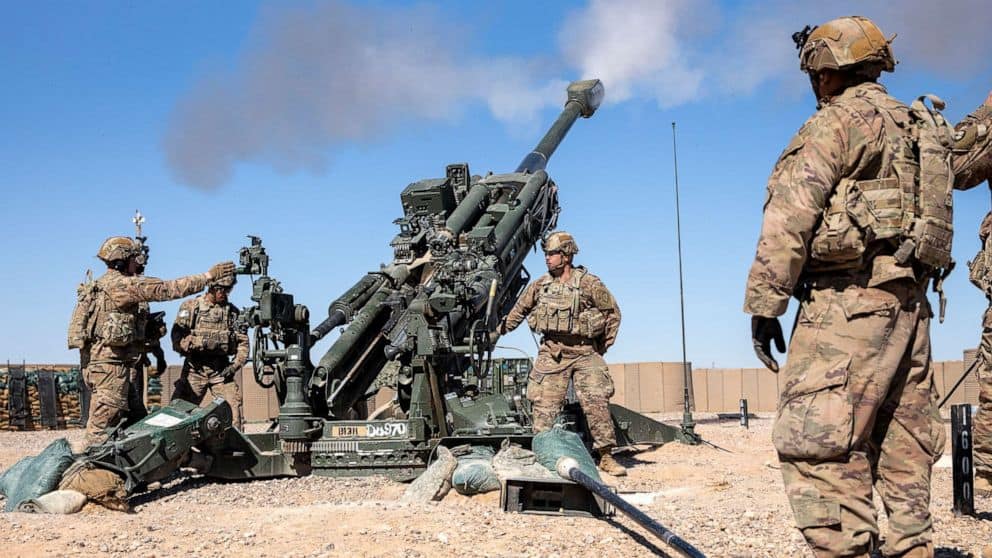
On Friday, March 13, Arabia Policy reported on statements made by Commander of US Central Command General McKenzie Jr. during a press conference regarding US retaliatory airstrikes following a rocket attack that killed a British medic and two American soldiers.

With no mention of the six innocent lives lost in the midnight bombing of five locations around Iraq’s capital, the general had declared the operation a resounding success. There had been “minimal collateral damage” and the operation had been mandated by the US “support of the people of Iraq.”

“We don’t actively look for places to attack,” General McKenzie had proclaimed, as the airstrikes had been “defensive” in nature.

In the end, the airstrikes had been a “resounding success,” the general reported to the US media.

The five “storage units” had held “advanced Iranian weapons,”, which had now been destroyed. The strikes were necessary to “degrade the future attack capabilities” of the Iran-backed militia and the general was confident the militia would now be unable to execute their “cowardly attacks.”

Iraqi government and Shia-militia respond to US action

The general had reiterated that the US military presence was there at the invitation of the Iraqi nation, and all military action was done through careful collaboration.

However, late Friday, that argument was called into question as the Iraqi Foreign Ministry held an emergency meeting, summoned the British and American ambassadors, and stated it will make a formal complaint on the US airstrikes at the UN Security Council.

The Iraqi military released a statement on Saturday, March 14, reiterating Iraq’s demands for a withdrawal of US military forces from the country, according to The Daily Star. The statement emphasized the decision made by Iraq’s parliament in January to expel US troops, highlighting that the current US military presence is neither wanted nor sanctioned by the Iraqi government.

On Friday the US claimed to have eliminated the ability of Shia militias to attack the US further.

“They attack us at night when its harder to spot them. They set a timer and leave before rockets are fired,” General McKenzie said in an apparent effort to paint the attack as cowardly and only possible because of the militia’s efforts to hide the one rocket launcher used.

These comments had clearly hit a nerve with the Shia militia responsible for the rocket attack, as Saturday afternoon, rockets were fired at Camp Taji once again, this time injuring five.

As resistance to the US presence in Iraq grows, the future of US engagement in Iraq remains in question.

With little support from the Iraqi government and the local population, the US intends to increase some defensive capabilities in the country by bringing in its patriot missile system. This system could do nothing against attacks such as those seen on Camp Taji, but further highlight that the American presence in the country has more to do with countering Iraq’s next-door neighbor, Iran.

As the US continues to keep two carrier strike groups in the region and assesses that Iran’s coronavirus-related crisis will “make Iranian generals even more aggressive,” what impact the current outcry against US military activity will have remains to be seen.

Read also: US Denies that ‘Defensive Precision Strikes’ in Iraq Killed Policemen and Kitchen Staff


Egypt Seeks EU Support to Break Arab-African Balance in GERD Standoff

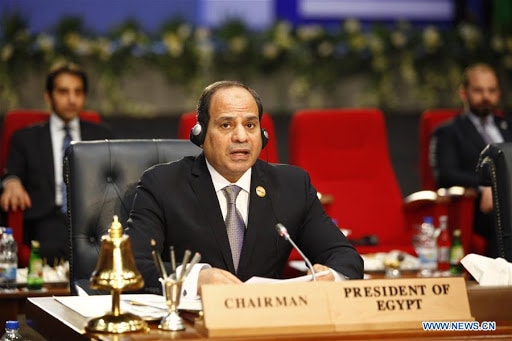
On Friday, March 13, Egyptian President Abdel Fattah el-Sisi sent a note to French President Emmanuel Macron.

The note first made its way from Egypt’s Foreign Minister Sameh Skhoukry to his French counterpart Jean-Yves Le Drian. 

Skhoukry told the French Foreign Minister that Egypt considers it important that France and other EU countries push Ethiopia to sign an agreement on the filling and operation of the Grand Ethiopia Renaissance Dam to “preserve security and stability in the region,” according to Egypt’s Foreign Ministry.

Egypt is worried that Ethiopian plans to rapidly fill the GERD reservoir could severely limit the amount of water that flows through the Nile, which supplies Egypt with 90% of its water.

Egypt is now trying to leverage its alliance with France in Libya into a potential shared position on the Dam.

Egypt and France are both members of the coalition supporting General Khalifa Haftar’s Libyan National Army (LNA). Haftar’s forces now occupy most of Libya and have attempted to conquer Tripoli. The Libyan capital is the last significant stronghold of the UN-backed Government of National Accord (GNA), supported militarily by a recent influx of Turkish forces and mercenaries.

While both France and Egypt reiterated their commitments on Libya, it was Sisi’s note to Macron that caught the most attention.

Breaking an Arab-African stalemate

The contentious negotiations over progress regarding the Grand Ethiopia Renaissance Dam have resulted in the forming of two political blocs. 

African nations generally support Ethiopia, with outright support from Sudan and several African leaders urging for an ‘African solution’ to the matter. 

On Egypt’s side are most Arab nations, with the Arab League Council declaring on March 5 that Egypt’s ‘historical water rights’ should not be endangered.

Egypt’s foreign minister has made a tour through multiple Arab nations including Jordan, Iraq, the UAE, Saudi Arabia, Kuwait, Bahrain, and Oman. Statements of support for Egypt’s position followed from King Hamad bin Isa Al Khalifa of Bahrain and King Abdullah II of Jordan.

In an attempt to break the stalemate, Egypt is now actively lobbying Western countries to voice their support for its position. Sisi’s foreign minister has now actively courted Paris, Brussels, and Washington. 

Trump has already voiced support for Sisi, while the Egyptian foreign office is clearly eager to build on French-Egyptian collaboration in Libya to extend to supporting its position on the Grand Ethiopia Renaissance Dam.


Read also: Egyptian Politician and Lawyer Jailed for ‘false News’ Interview with BBC

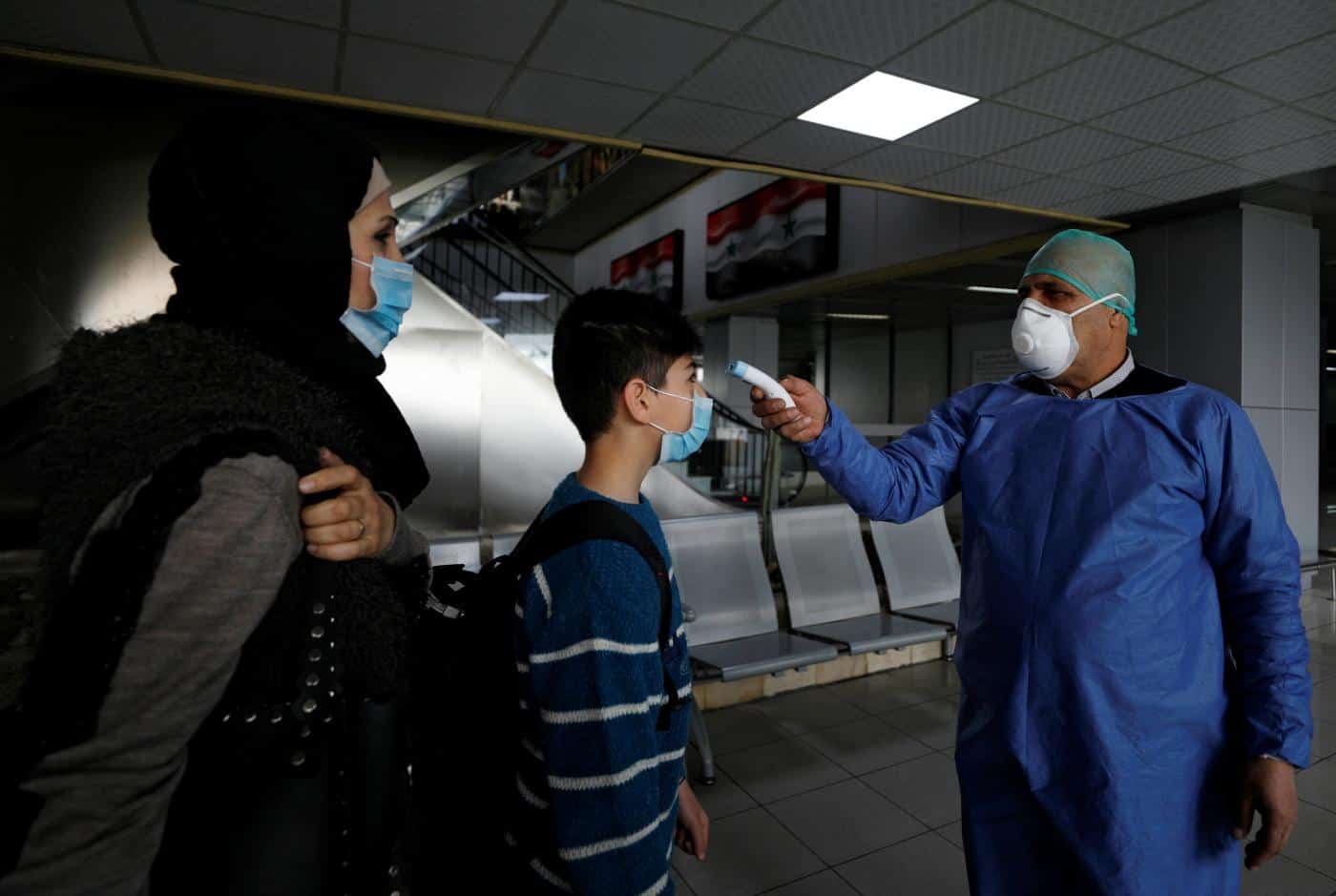
COVID-19 Prompts Syria to Postpone Parliamentary Elections

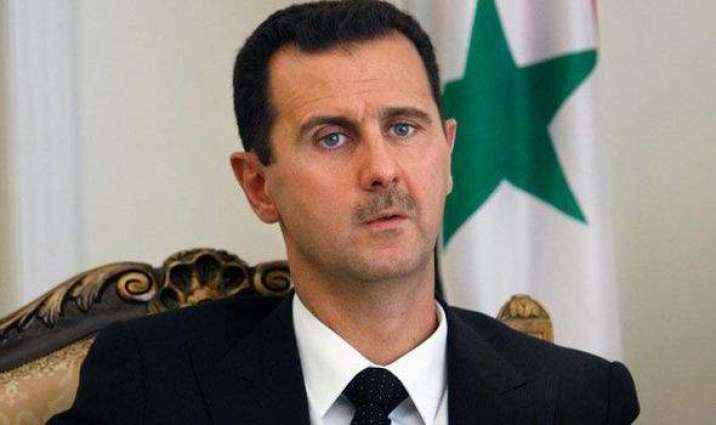
Syrian President Bashar al-Assad has postponed the country’s parliamentary elections that were scheduled for April 13 due to concerns about the emerging Coronavirus (COVID-19).

The Syrian government made a statement explaining the move on its official Facebook page

“As part of the precautionary measures taken by the state to deal with COVID-19, President al-Assad issues Decree N.86 of 2020 to reschedule the People’s Assembly elections for the third legislative session specified by Decree No. 76 of 2020, to Wednesday, May 20, 2020.”

Syria has not yet officially announced any case of COVID-19 or related deaths, but the Syrian Observatory for Human Rights reported that Syrian doctors had discovered cases of the virus, but were under strict orders to keep quiet. 

Education Minister Imad al-Azab denied the observatory’s reports.

The government said on Friday that all scientific, cultural, social, and sporting events will be suspended and many public institutions will be closed or operated by 40% while reducing their working hours, according to the Syrian Arab News Agency.

The Ministry of Health assured the public that the steps are precautionary and aim to consolidate the health sector’s readiness to control the spread of the virus if it appears.

Meanwhile, The fiqh Scientific Council of the Syrian Ministry announced a fatwa suspending Friday prayers and group prayers in the mosques of Syria until April 4.

Read also: MSF: Overcrowded Migrant Camps in Greece Present COVID-19 Breeding Ground

COVID-19: Morocco Restricts Travel With 29 Countries

As of today, March 14, Morocco has suspended flights and maritime links to and from a total of 29 countries throughout Europe, the Middle East, and Africa until further notice to prevent the spread of the novel coronavirus (COVID-19). 

The North African country began its travel restrictions earlier this week by suspending air and sea travel to and from Italy, Spain, and France, along with flights to and from Algeria.

Morocco extended the ban to Germany, the Netherlands, Belgium, and Portugal early on Saturday, March 14. 

Later in the day, the Moroccan government unveiled an extended list of countries with travel restrictions. 

The flight suspensions are primarily concentrated in Europe, with the new additions of Greece, Switzerland, Sweden, Turkey, Denmark, Norway, and Austria. 

In the Americas, air links are suspended with Canada and Brazil. 

In Africa, flights with Egypt, Niger, Mali, Chad, Mauritania, and Senegal are suspended.

Morocco also suspended flights to and from Turkey, the UAE, Oman, Jordan, Lebanon, and Bahrain.

The Moroccan Ministry of Foreign Affairs affirmed that all travel restrictions were finalized in consultation with the concerned countries and that air and maritime links will resume when the global health crisis wanes. 

Moroccan authorities will continue to track the COVID-19 situation in various countries and take the necessary measures to ensure the safety of the Moroccan people. 

Europe is now the epicenter of the global COVID-19 pandemic, the World Health Organization declared on March 13.

Italy, the hardest-hit country in Europe, has confirmed 21,157 cases of the virus, with 1,441 deaths and 1,966 patients recovered. 

Spain follows with 6,313 cases, 193 deaths, and 517 recoveries.

Meanwhile, Germany has confirmed 4,525 cases, 46 recoveries, and only eight deaths. 

France is not far behind with 4,499 cases, but with 91 deaths and only 12 recoveries. 

Morocco appears to be ready to contain the spread of COVID-19 through any means necessary. With only 18 confirmed cases, one death, and one recovery, the North African country already seems prepared to completely isolate itself against the global pandemic. 


Read also: Morocco Announces First Coronavirus-Related Tragedy

Coronavirus: UAE Suspends All Air Links With Lebanon, Turkey, Syria, and Iraq

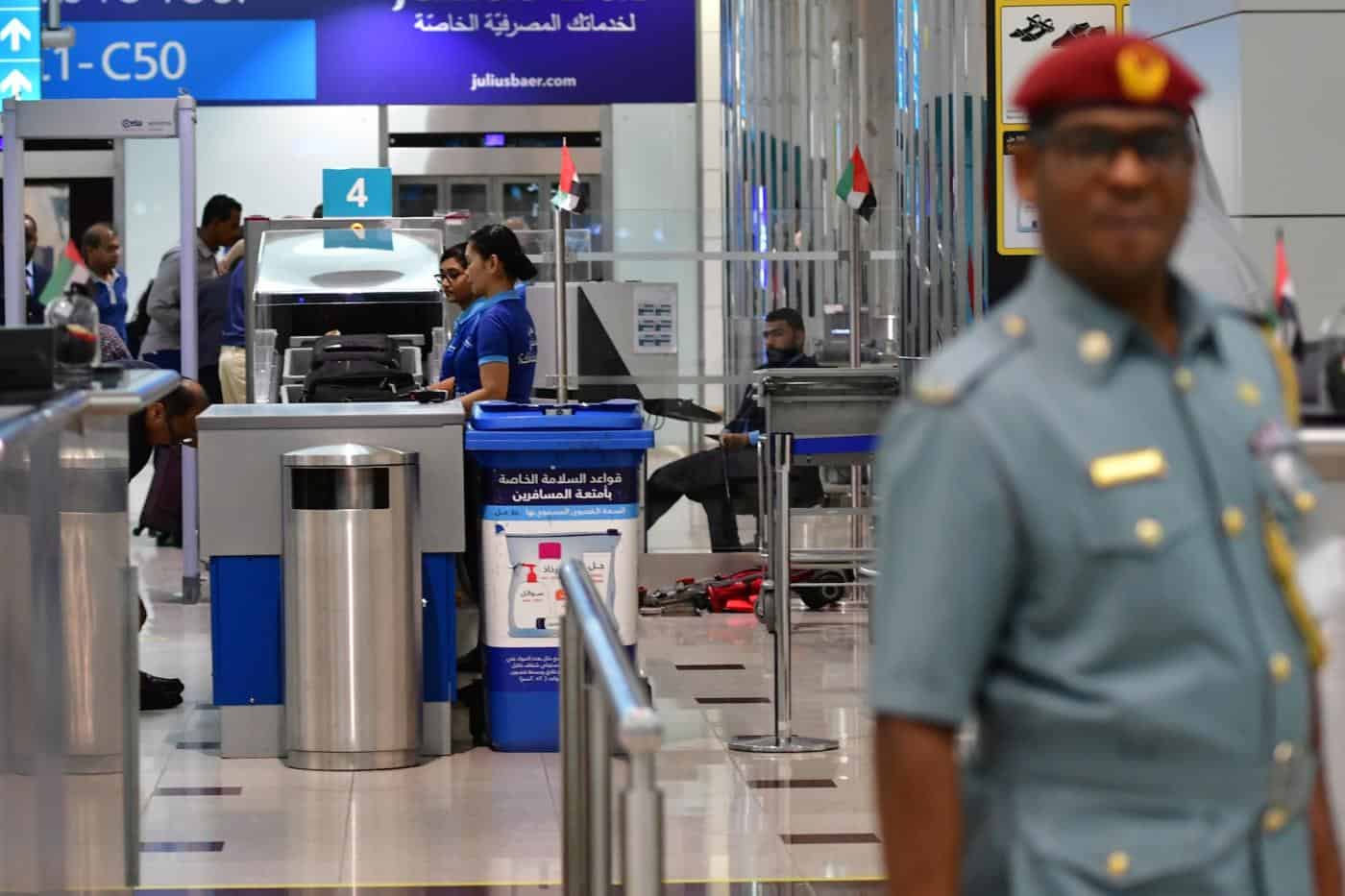
The General Civil Aviation Authority (GCAA) of the UAE announced today, March 14, that all incoming and outgoing flights from Lebanon, Turkey, Syria, and Iraq are suspended from March 17. 

The decision comes in response to the novel coronavirus (COVID-19) outbreak that is steadily growing throughout the Middle East and North Africa. The UAE has confirmed 85 cases of the new coronavirus, with 20 patients recovered and no deaths.

The total number of coronavirus cases in Lebanon has risen to 93, with three deaths, the Lebanese Health Ministry said on March 14. Iraq has reported 10 coronavirus-related fatalities. 

Meanwhile, Turkey announced on March 13 the closure of all borders to passengers coming from nine European countries to prevent the spread of COVID-19. Current cases in the country now stand at five, according to the Turkish Minister of Health, Fahrettin Koca.

Schools in parts of northern Syria have been closed for the next two. Figures of COVID-19 cases and deaths in Syria are unknown.

The GCAA added that UAE authorities “under the National Emergency Crisis and Disaster Management Authority (NCEMA) are following up the global situation due to coronavirus to take the best appropriate decisions that ensure the continuity of the work within the UAE and lower the risk of coronavirus spread.”

The GCAA encouraged all travelers affected by the decision to communicate with airlines to ensure safe returns to their final destinations without delay.

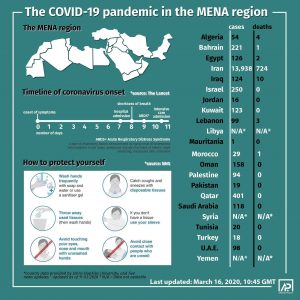
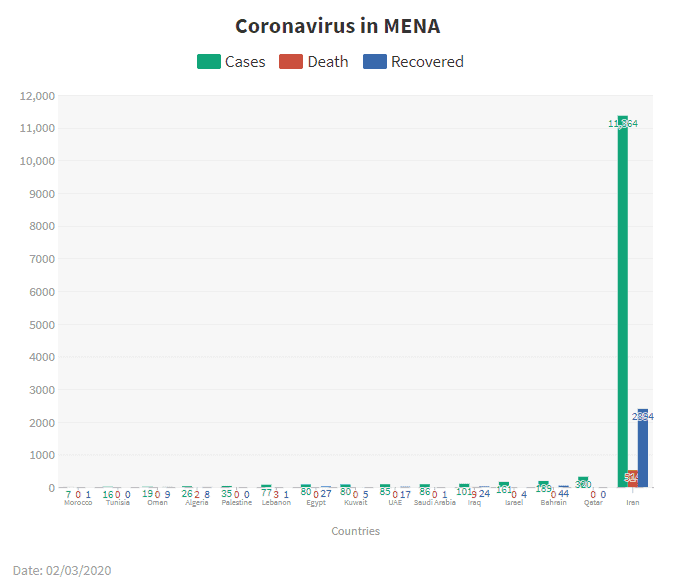
Coronavirus in MENA 2 – Line, bar and pie charts by Flourish team

By Omar El Katouri on 14 Mar 2020


Read also: COVID-19 Continues to Spread Throughout MENA Region

Coronavirus Pandemic: Middle East and North Africa Update

Saturday saw the novel coronavirus death toll exceed 5,000, and the number of cases worldwide surpass 140,000. 

The World Health Organization now identifies Europe as the new epicenter of the disease outbreak, as the number of cases in the United States itself grows rapidly. 

Trump has declared a national emergency, with the latest figures from the Center for Disease Control and Prevention placing the number of confirmed cases at 1629 and death toll at 41. Forty-six states are affected and community transmission is occurring, with 129 of the cases reported so far identified as being from ‘close contact’ compared to 138 ‘travel-related cases,’ the government authority reports. 

Iran remains the epicenter of the outbreak in the Middle East, but all countries throughout the MENA region are stepping up measures to contain the spread of the disease and prevent a similar catastrophe from occurring. 

The death toll in Iran rose to 611 on Saturday, according to Iranian TV. The country has 12,792 cases of the disease, many amongst high-ranking politicians and government members. 

There is some positive news coming out of Asia, as the virus’ spread seems to also be slowing in South Korea. On Thursday, the Korea Centers for Disease Control and Prevention (KCDC) released 177 recovered patients from the hospital and recorded only 110 new cases of the diseases. 

More than 71,000 people have now recovered from the disease worldwide.

Until this week, Africa had remained relatively untouched by COVID-19 due to a lower level of global exchange between the continent and hotspots like China, South Korea, Iran, and Italy. 

Outbreaks in Africa are mostly concentrated in the north, with 93 cases in Egypt, 26 cases in Algeria, 17 in Morocco, and seven in Tunisia.

At least one case has been recorded in Mauritania, Senegal, Togo, Cote d’Ivoire, Burkina Faso, Sudan, Ghana, Nigeria, Cameroon, Democratic Republic of Congo, Namibia, South Africa, Kenya, Guinea, Rwanda, Ethiopia, and Eswatini (formerly Swaziland). 

There are grave concerns over how the African continent would cope with an outbreak given its underdeveloped health infrastructure.

It is also feared that the virus may already be spreading uncontrolled and unmonitored in conflict areas like Syria and Libya, plus amongst the growing number of refugees in Greek migrant camps. 

Borders closed, flights suspended 

Many countries are entering a state of virtual lockdown as some international flights are canceled and land and sea borders are shut to prevent the spread of COVID-19. 

Morocco now has 17 cases of the virus and closed its land, air, and sea borders with Europe on Friday, as 1,500 new cases were reported in nearby Spain. 

Flights to Algeria, Spain, Germany, France, the Netherlands, Belgium, Italy, and Portugal are also suspended until further notice. However, repatriation flights for French nationals will go ahead, according to French Foreign Minister Jean-Yves le Drian

Saudi Arabia has suspended all international flights for two weeks from March 15 and closed its land borders with several neighboring countries. The Qatif province, the source of most of the country’s domestic cases, was quarantined on March 8, with 86 confirmed cases and no deaths recorded to date.

Kuwait has around 100 confirmed cases and has also taken the unprecedented step of banning all commercial flights until further notice. 

Accusations

Different Middle Eastern countries are now accusing one another of using the virus to wage biological war. 

Bahrain, in particular, has hit out at Iran, accusing it of “biological aggression.”

Some Iranians have claimed the virus is a US biological weapon.

Quarantine

Tunisia and Israel has ordered all visitors, regardless of their origin, to self-isolate upon entry. Breaking quarantine rules is a criminal offense in Tunisia. 

Schools in Algeria, Bahrain, Iran, Israel, Jordan, Kuwait, Morocco Saudi Arabia, Turkey, and the UAE have closed for varying durations. 

The World Health Organization (WHO) recommends a quarantine period of 14 days and that anyone with symptoms should self-quarantine and call local health authorities. 

Masks and sanitizers have flown off supermarket shelves and there are various reports of price gouging on hygiene products. 

Closures, public gatherings canceled

Across the region, authorities are discouraging public gatherings, including attending mosques, churches, and other religious gatherings.

Saudi Arabia has extended the Umrah pilgrimage suspension and there are concerns the Hajj will suffer the same fate.  

Many government agencies, offices and businesses have closed and there are widespread reports of panic buying of essential items like toilet paper, canned food, and pasta. That being said, governments have reassured citizens that essential health services will remain open and food supplies will continue to flow. 

Tunisia has closed the national theater, canceled festivals, and events in March, and postponed conferences, lectures, and workshops. Events gathering more than 50 people in confined spaces are canceled in Morocco.

Nowruz festivities to celebrate the Persian New Year have been canceled in Iran and Afghanistan. 

Abu Dhabi announced the “main tourist attractions, theme parks & cultural destinations will be temporarily closed from 15 to 31 March to limit large gatherings and protect public health in response to COVID-19.” 

Egypt’s Freak Thunderstorm Death Toll Rises to 20

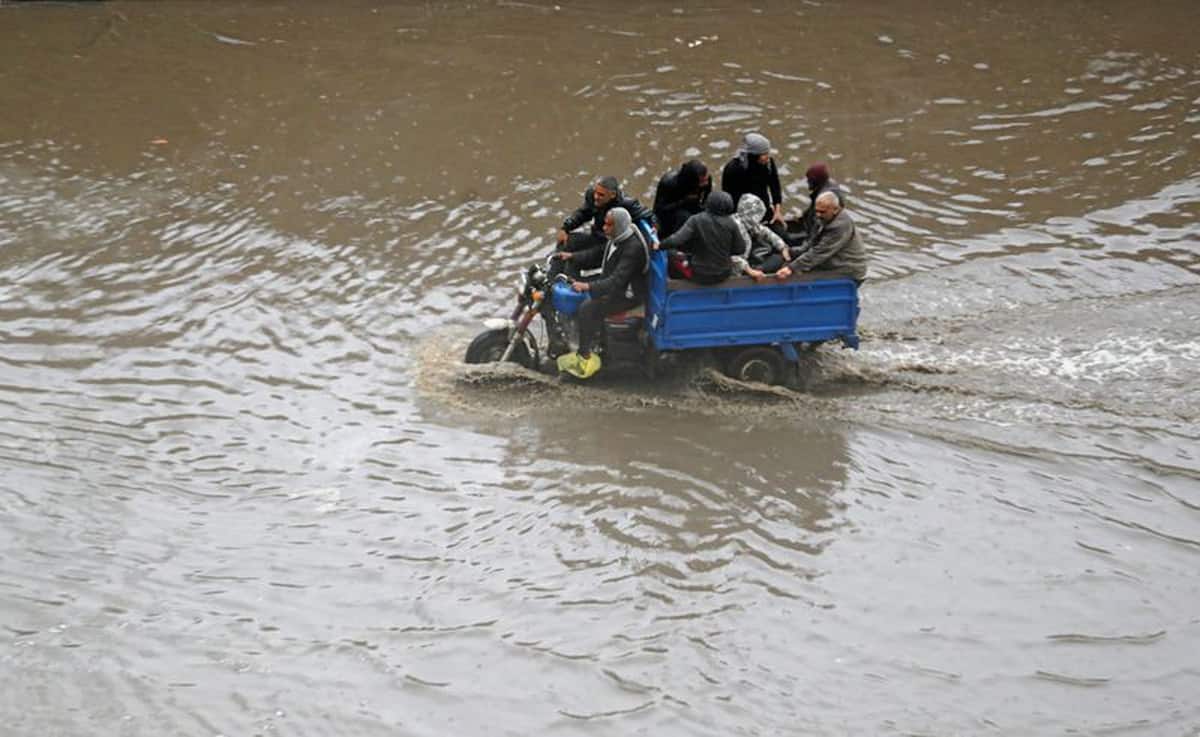
Violent storms packing heavy rain, high winds, and lightning ripped through Egypt on Thursday, March 12, and Friday, March 13. 

“Egypt has not experienced such weather conditions for nearly 35 or 40 years,” Prime Minister Mostafa Madbouly remarked. 

Madbouly confirmed today the deaths of 20 people across the country due to the weather conditions, a sharp rise from the five deaths reported on Thursday.   

The Egyptian government declared a state of extreme emergency and the Egyptian Meteorological Authority (EMA) predicts unstable conditions will continue until Saturday, March 14.

The EMA’s Director of Forecasting, Dr. Mahmoud Shaheen, said the weather conditions are the worst seen in Egypt since 1994. 

Egyptians have been advised to stay home until the dangerous conditions subside, and the Prime Minister’s office declared Thursday a paid holiday for non-essential public servants, according to the Egyptian Gazette

Poor rural areas and slums were worst affected. According to the latest reports, six children are amongst the victims of the freak weather, dying from either electrocution or house collapses. 

On Thursday, a six-year-old child in Qena, Upper Egypt, died after a massive tree fell on their family’s home, injuring the mother and two brothers. A motorist in the rural southern province also died when high winds blew his car off the road and into a canal, AP News reported. 

According to Egypt Today, the dangerous weather felled 31 trees, 16 electricity towers, a minaret, and caused the collapse of five houses. 

Two men died of electrocution, one in the New Valley province and the other in Menoufeya. A 35-year old man was killed by falling rubble from a wall destroyed by high winds in Sohag province. 

The Prime Minister has since urged pedestrians to stay away from lamp posts to avoid being shocked during storms. 

Lightning strikes started several fires in Qena and Sohag governorates but caused no casualties. 

The Ministry of Social Solidarity has called in rescue teams and opened aid centers to assist Egyptians through the natural disaster and support has also been made available by the Red Crescent. 

Torrential rain caused significant flooding nationwide, which led to major road, rail, sea, and air transport disruptions. Train services were suspended across Egypt, and two trains collided near Cairo due to a signal error blamed on the bad weather. The train accident and a number of road collisions accounted for numerous storm-related injuries and casualties. 

Luxor International Airport was temporarily closed, as was Cairo’s airspace and the ports of Alexandria, Sharm el-Sheikh, and Hurghada as the weather system whipped the usually calm seas into a frenzy. Nile cruises between the tourist hubs of Aswan and Luxor were also interrupted. Most services have since resumed normal operations. 

The storms were also accompanied by rough sea conditions in the Mediterranean and the Red Sea, along with unseasonably cold weather and high winds in Cairo, Lower Egypt, and North and Central Sinai.  

Meanwhile, social media was awash with images of flooded streets from Cairo to Dahab, painting a damning picture of how poorly equipped Egypt’s infrastructure is to handle intense weather conditions. 

Heavy rain is a rare occurrence in Egypt but routinely upsets the country’s aging transport, drainage, and sanitation infrastructure. The website for the Egyptian government’s media and public relations agency, the State Information Service also appears to have been down since Thursday but it is unknown if the two events are linked. 

The area of the capital known as ‘New Cairo’ was once again badly affected by torrential rain. Housing Minister Assem Al-Gazzar braved the bad weather to visit the area and oversee drainage and sanitation works in the suburb. The city’s sewage system was overcome by the intense rain, forcing Cairo’s Water Authority to suspended water services. 


Read Also: Train Crash Near Cairo Injures More Than 20 Passengers

MSF: Overcrowded Migrant Camps in Greece Present COVID-19 Breeding Ground

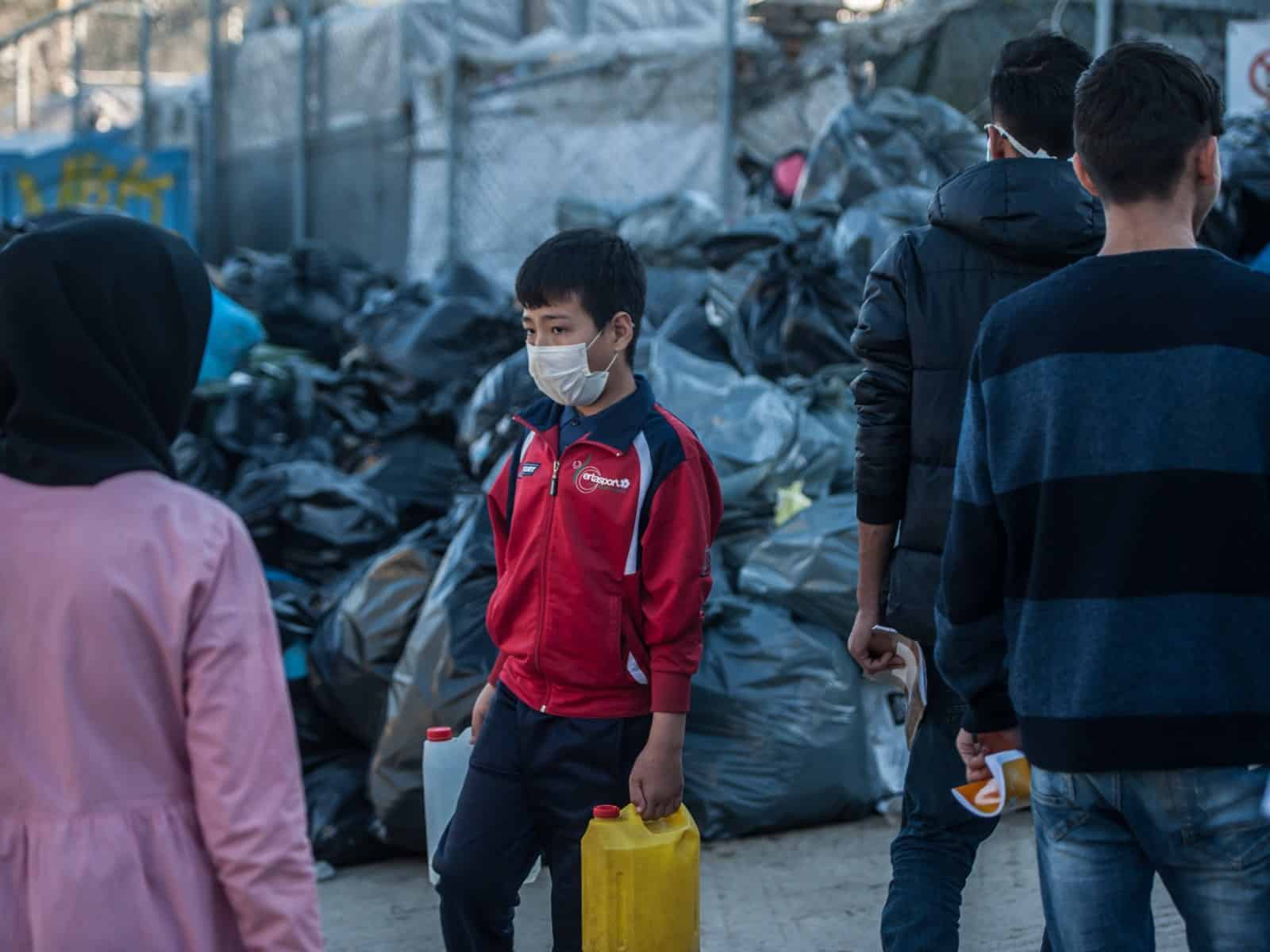
Greece now has 117 cases of the novel coronavirus (COVID-19) and recorded its first fatality on Thursday, March 12. The first case of COVID-19 was also registered on the Aegean island of Lesvos, a focal point of the migrant crisis where thousands are being held in crowded facilities like the infamous Moria Camp. 

Doctors Without Borders (MSF), an international humanitarian NGO, argues that forcing the 42,000 people trapped on Greece’s borders “to live in overcrowded camps–unprotected–is unacceptable,” calling upon the Greek government and EU to act before “it’s too late.”

The Moria camp was originally constructed to host 3,000 people but is now housing five times that number, and is just one example of how Greece is unequipped to cope with the latest wave of migrants, let alone the health implications of a COVID-19 outbreak among the steadily increasing migrant population. 

The lack of adequate sanitation and cramped living quarters create the ideal conditions for diseases like the new coronavirus to spread in the squalid camps, according to MFS’s medical coordinator for Greece, Dr. Hilde Vochten.

“In some parts of Moria camp, there is just one water tap for every 1,300 people and no soap available. Families of five or six have to sleep in spaces of no more than three square meters. This means that recommended measures such as frequent hand washing and social distancing to prevent the spread of the virus are just impossible,” stressed Vochten. 

Despite talks with Greek health authorities, she added, they remain unprepared to deal with an outbreak amongst the migrant population.

“We need to be realistic: It would be impossible to contain an outbreak in such camp settings in Lesvos, Chios, Samos, Leros, and Kos. To this day we have not seen a credible emergency plan to protect and treat people living there in case of an outbreak,” Vochten argued.  

Thousands have migrants have flowed into Greece from neighboring Turkey since Turkish President Recep Tayyip Erdogan opened the country’s borders, contravening a 2016 agreement with the EU to curb migrant flows in exchange for 6 billion. 

The move has drawn criticism from Greece and the EU. 

“The events at the Greek-Turkish border clearly point to politically motivated pressure on the EU’s external border,” European Commission President Usrula Von der Leyen said on Monday.

Greece has neither the finances nor the resources to deal with the heavy burden created by the latest wave of migrants and has sought assistance from the EU to manage the situation, as conditions deteriorate by the day. 

The ball is now in Erdogan’s court, as the most efficient solution to the migrant crisis would be for Turkey to re-close its borders and return to the status-quo established by the 2016 pact. 


Read also: Five EU Countries Agree to Take most Vulnerable Children from Greek Migrant Camps