Ultra-Orthodox Israelis Face High COVID-19 Risks, is Pakistan Next?

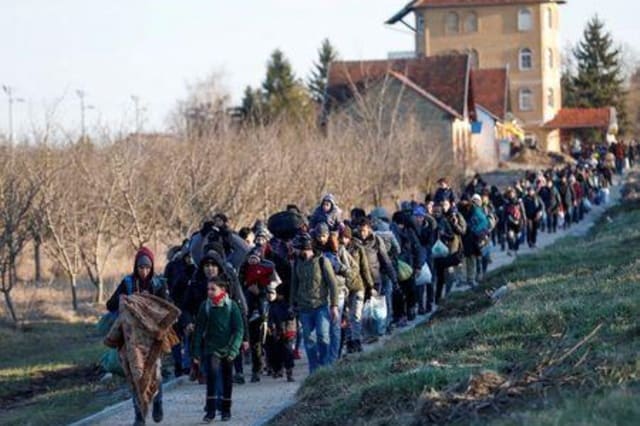
The town of Brei Brak became a ‘restricted zone’ today, April 3 after religious authorities in the city with a population of 185,882 ignored the national COVID-19 response and encouraged the local ultra-orthodox community to defy lock-down measures. 

The call of defiance led to busy streets, markets, and temples as the city’s ultra-orthodox population continued to gather for both work and worship.

“The Torah protects and saves,” Rabbi Chaim Kanievsky, an influential local rabbi, had proclaimed for weeks while urging followers to go out and shop, socialize, and attend religious gatherings, the Associated Press reported.

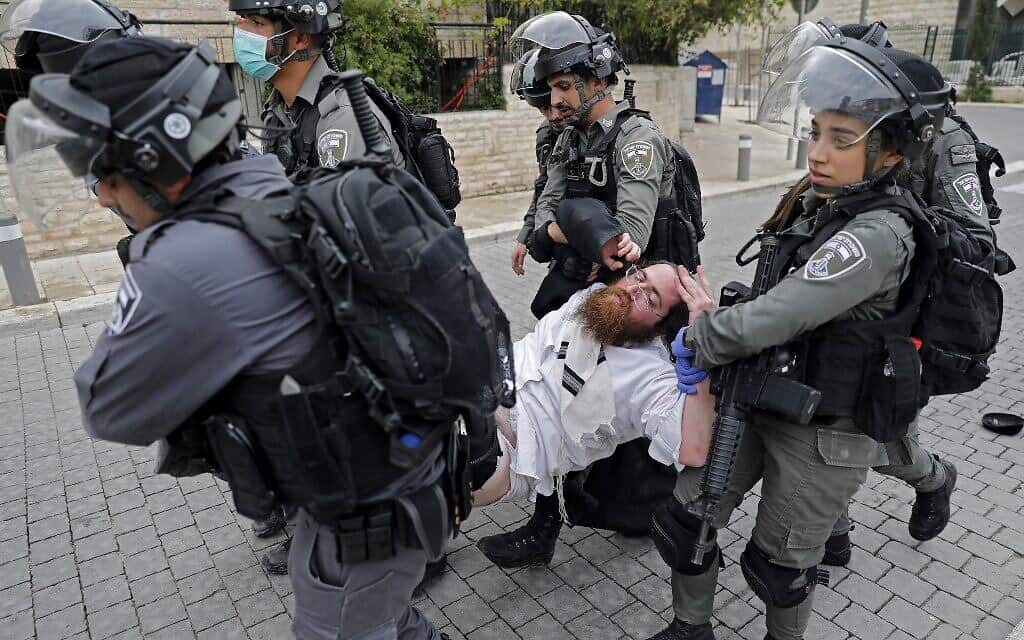
Israeli security forces have now taken strong measures to force residents of Brei Brak into their homes. The local community, however, responded with violence against police and ambulance personnel. Bystanders shouted ‘nazis’ at police as they made a desperate attempt to disperse crowds and arrest violators using stun grenades, drones, and significant force.

The efforts were to no avail. Today, April 3, the streets of Brei Brak are deserted and the city has become the COVID-19 epicenter within Israel. Health experts estimate that more than a third of the city’s population have contracted the virus.

Rabbi Kanievsky is now urging his community to follow lockdown measures as the scale of the local outbreak becomes clear.

All the eyes of the Israeli media are now on Brei Brak as experts and politicians feared the local outbreak could result in an increased spread of the coronavirus in the country as a whole.

Recent events highlighted the importance of containment measures and exposed the threat posed by people performing regular daily-life activities.

Fears over a similar threat in Pakistan

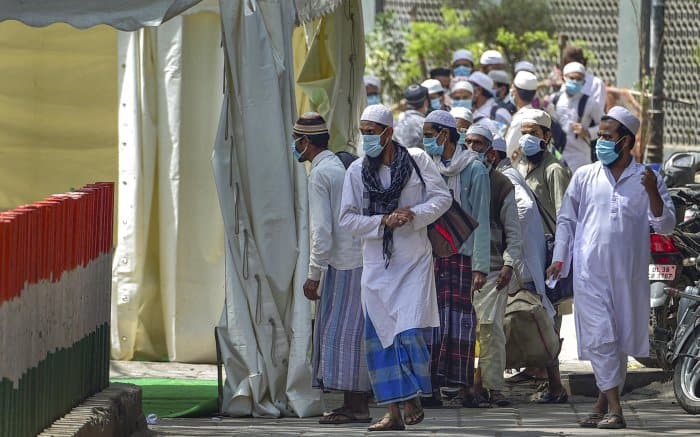
The lessons learned in Israel should pose a grave warning to Pakistan. Although most of the country is now on lockdown and police are enforcing containment measures on the street, mosques remain open.

Some provinces have responded to the national decision with specific restrictions on citizens attending Friday prayers, however many mosques across the country remain open to the public.

In Pakistan’s capital, Islamabad, observers have blamed local outbreaks of COVID-19 on international religious gatherings. The prime minister and the Islamic Ideology Council have responded with messages discouraging mosque attendance and restricting the number of people allowed to congregate in places of worship.

Keeping mosques open while discouraging attendance is sending a mixed message at a time where clarity is paramount. As the experiences in Brei Brak have exposed, allowing religious gatherings to continue could have terrible results.

 

Read also: Israeli gov’t uses cover of COVID19 to approve civilian phone tracking

Google Releases Mobility Reports Showing Impact of COVID-19 Restrictions

Governments around the world have imposed lockdowns and self-isolation measures, with varying degrees of severity, to contain the novel coronavirus (COVID-19).

On Thursday, April 2, Google released the first set of “Community Mobility Reports” aimed at helping public health officials assess how successfully the community is adhering to the new COVID-19 curbs.

Google produced the reports using Google Maps data to show how community mobility has changed since governments across the globe imposed  anti-COVID-19 measures like curfews, self-isolation, and shelter in place orders to ‘flatten the curve’. 

“The reports use aggregated, anonymized data to chart movement trends over time by geography, across different high-level categories of places such as retail and recreation, groceries and pharmacies, parks, transit stations, workplaces, and residential,” Google Geo’s Senior Vice President Jen Fitzpatrick and Chief Health Officer Karen DeSalvo said in a statement on April 3. 

The tech giant also sought to reassure users that the “reports have been developed to be helpful while adhering to our stringent privacy protocols and policies.”

So far Google has made data available from the following MENA Region countries: 

Bahrain, Egypt, Iraq, Israel, Joran, Kuwait, Lebanon, Libya, Oman, Qatar, Saudi Arabia, Turkey, United Arab Emirates, and Yemen. 

In Jordan, a strict curfew, rigorously enforced by authorities is in place. As a result, the Community Mobility data shows visits to retail and recreation spaces are down 74%. Mobility trends for transit stations, like public transport hubs, are down 89% and there are 73%fewer people visiting workplaces than before the COVID-19 curfew. 

Worn-torn Yemen, on the other hand, has experienced minimal changes across all the areas Google assessed through its Community Mobility Report. Retail and recreation is down 8%, grocery and pharmacy down 1%, and workplaces down 5%. 

Conspicuously, Yemen is yet to report any cases of COVID-19 but there are grave concerns that an outbreak there would be catastrophic, further adding to what the UN describes as the “world’s worst humanitarian crisis” brought about by five years of civil war. 

Jordan’s draconian lockdown appears to be paying dividends as the country’s coronavirus tally remains relatively low at 299 confirmed cases, compared to neighboring Saudi Arabia which has recorded 1885 cases, and Israel with 7030 confirmed cases.

In spite of its low number of cases, Jordan has moved to tighten restrictions even further by imposing a complete, nationwide, 24-hour lockdown on Friday, April 3.

The lockdown, to be enforced by security services and the military will “allow epidemiological investigation teams to work efficiently and effectively and reach and test the contacts of confirmed cases,” the State Minister for Media Affairs, Amjad Adileh said on Thursday.


Read also: COVID-19: Harsh Measures to Quell the Pandemic Across MENA Region

EU Court: Poland, Hungary, Czech Republic Violated Migration Agreement

In a decision handed down on April 2, the Luxembourg-based European Court of Justice (ECJ) ruled that Poland, Hungary, and the Czech Republic broke European law by failing to take in their share of migrants.

“By refusing to comply with the temporary mechanism for the relocation of applicants for international protection, Poland, Hungary and the Czech Republic have failed to fulfill their obligations under European Union law,” the top EU court said. 

The EJC ruling went on to state, “those Member States can rely neither on their responsibilities concerning the maintenance of law and order and the safeguarding of internal security, nor on the alleged malfunctioning of the relocation mechanism to avoid implementing that mechanism.” 

Greece and Italy, on the frontlines of the migrant crisis, were quickly overwhelmed as thousands upon thousands of migrants came to their shores, primarily from the Middle East and North Africa. 

Greece’s poorly equipped camps, where tens of thousands of migrants are still awaiting resettlement, re-entered the spotlight in 2020. A new influx of migrants arrived in the Mediterranean country after Turkey reopened its borders in late February. 

In September 2015, a two-thirds majority of EU states voted in favor of a plan to redistribute migrants throughout member states, in order to relieve pressure on Greece and Italy. Hungary, Poland, and the Czech Republic, who were governed by nationalist, Eurosceptic governments at the time, were part of the minority that opposed the so-called “migrant quota.” 

European law stipulated that of the more than one million migrants who entered the EU, 140,000 were to be mandatorily re-allocated from Italy and Greece, and another 40,000 were to be redistributed among member states on a voluntary basis. Member states can be fined for contravening EU laws, but the court chose not to pursue that option in this particular case.

From 2015 to 2017, member states could receive €6,000 per migrant they accepted through the “temporary relocation mechanism.” 

The ECJ found that the Czech Republic had accepted just 12 of the 150 migrants it had agreed to take in. Meanwhile, the court said Poland did not accept any migrants and Hungary never even agreed on an allocation. 

Hungarian Justice Minister Varga Judit decried the ruling, arguing the relocation strategy was “unreasonable from the beginning.”

“We will continue to fight against the European mainstream, who still did not understand that supporting migration is not a good response to the problems of Europe,” Judit vowed in a Facebook post. 

The right-wing Hungarian minister’s sentiments have been shared by many politicians and voters throughout the union since the migrant crisis broke out in 2015. A new wave of nationalism and populist politics washed over Europe in its wake, carrying with it the sentiment that fueled Brexit, the greatest challenge to the common market to date.   


 Read also: EU Closes Borders in Last-Ditch Attempt to Slow COVID-19 Spread


Is a Dictatorship Emerging Inside the European Union?

Hungarian Prime Minister Viktor Orban is using pandemic-related chaos to become the country’s sole ruler. Orban, who has been the prime minister of Hungary since 2010, is grabbing at unprecedented power which could spell doom for the country’s flailing democracy. 

Orban is a name commonly associated with nationalist leaders like US President Donald Trump and Brazilian President Jair Bolsonaro. Like these leaders, Orban commands a majority bloc in government, but his March 11 declaration of an indefinite state of emergency could make him the envy of his contemporaries.

Hungary’s prime minister came to power on a platform of xenophobia and Islamophobia, proclaiming himself a “defender of Christian democracy.” His followers are nationalists and are often proudly anti-Semitic. They see a Europe under threat by “foreign invaders,” a moniker they attach to the victims of violence who have been granted shelter in one of the richest regions in the world.

Orban’s religious convictions appear to be a purely political play. In the 1980s Orban was an anti-communist politician with no focus on religion. One decade later, after the fall of communism, the leader conveniently rediscovered his passion for religion and even remarried his wife in a religious ceremony, according to the Guardian. 

The leader may appear personally religious, but Orban’s government has been anything but Christian to its weakest in society. Homelessness was criminalized, pensions for the elderly were privatized, and asylum seekers are now kept under inhumane conditions in Orban’s self-styled “illiberal democracy.”

The newly enacted state of emergency, ominously called the “omnipotence” law, will in essence make Hungary the first de-facto dictatorship in the European Union. The law has no sunset clause, meaning the government can maintain the state of emergency as long as it pleases. 

Under the state of emergency, Orban can make any national decision without parliamentary approval. Anyone speaking up against executive decisions can be jailed for up to five years for spreading misinformation, or “interfering with the successful protection of the people.”

Supporters of the law say it poses no threat as parliament has the power to revoke the bill. However, doubts exist over whether parliament would curtail Orban’s powers after the body voluntarily gave away its own power by enacting the bill. The Hungarian constitution allows for a 15-day state of emergency, but the absence of a sunset clause in the law worries political opponents and international human rights groups.

Other EU governments have declared a national state of emergency, but these laws typically include a definitive date when powers need to be expressly renewed by democratic institutions.

European leaders and the European Commission expressed dismay with the developments in Hungary. However, they did so in an overly diplomatic way, not specifically mentioning Hungary by name. Al Jazeera reported that Matteo Renzi, the former Italian prime minister, has called to expel Hungary from the EU over the move, although there are no mechanisms to do so in the EU’s founding documents.

The prime minister labeled opponents of the bill as “coronavirus supporters,” a prime example of how Orban gained and extended his power during his decade-long reign.

The Hungarian leader appears to have found an opportune time to expand his power while international institutions and the EU itself are preoccupied with the COVID-19 pandemic. Orban has criticized both NATO and the EU as being weak and ineffective. 

The current power grab under way in the eastern European nation is the latest evidence of Orban’s disdain for the opinions of foreign powers. With the “omnipotence” law in place, and Orban in full control of the Hungarian state, he is daring European leaders to call his bluff.


Read also: EU Sends Medical Support to Iran, Tests Circumvention of US Sanctions

Piety Before Precaution: A New Religious Extremism in the COVID-19 Era

A new form of religious extremism has emerged. Unlike mosque attacks, suicide bombings, and cheap imitations of a caliphate, this extremism is non-violent. However, it could claim more lives than terrorism ever has. The victims will be the unsuspecting families, friends, and neighbors of those who flaunt COVID-19 warnings because of their personal interpretations of common religious beliefs.

Millions of religious and non-religious people alike are doing their part to stop the outbreak. They have given up income to stay at home or work under difficult circumstances to provide the essential services we all depend on. But some people are taking religion to a new extreme, where piety prevails over precaution.

In the US, some Christian preachers are urging their congregants to attend Sunday service, claiming that fearing the virus evidences a lack of faith. The pastor of one Florida mega-church was arrested on March 30 for organizing Sunday services with hundreds of attendees. The pastor claimed “religious discrimination” was the reason for his arrest. Public officials called the pastor’s actions “shameful” and “reckless.”

183 attendees of a gathering of Indonesian Muslims on the Island of Java had to be quarantined directly after leaving the mosque where they had gathered. “The news about confirmed Covid-19 carriers among the participants stirred a widespread panic in the neighborhood and prompted authorities to deploy policemen and soldiers to prevent anyone in the mosque from leaving,” according to the Jakarta Globe.

In Israel, state violence against citizens is a multi-denominational reality. Authorities are dispersing gatherings of ultra Orthodox Jews using drones, stun grenades, and force usually reserved for Israel’s Arab citizens. The skepticism about COVID-19 measures among ultra Orthodox Jews is so widespread that Morocco’s chief rabbi released a statement addressing the global Jewish community. 

“Showing wisdom in abiding by national decisions taken in the face of this global pandemic is necessary and fundamental to contain the spread of the virus,” Rabbi Yoshiyahu Yosef Pinto stated, according to Morocco World News.

A gathering of 30,000 Hindus celebrating the annual floating chariot festival in Penang, Malaysia is causing grave concern over the potential spread of COVID-19. Authorities are asking all attendees to get tested, while the festival’s organizers are proudly proclaiming that there have been “no reports of cases yet.” 

Malaysian and Indian Hindu nationalists are framing the South Asian coronavirus epidemic as a specifically Islamic issue after a large Muslim gathering in the region was linked to the virus.

ISIS, undoubtedly the most prominent religious extremist organization of the last decade, has issued COVID-19 travel bans to its followers. With 200,000 worldwide casualties of religious terrorism since 2010, this new form of coronavirus-flouting religious extremism could easily claim a higher death toll in less than one year.

Meanwhile, mosques, churches, and temples around the world are providing methods to worship via live stream. Religious leaders have helped spread life-saving information and religious organizations are helping the poorest survive the economic consequences of the pandemic.

Disney+ to Make MENA Television Debut in April

Dubai-based cable channel OSN has signed an exclusive agreement with Disney that will bring Disney+ programming to television and streaming subscribers in 17 regional markets including the Gulf, Egypt, and Lebanon from April 9, OSN CEO Patrick Tillieux said on April 2.

The “long-term” distribution deal is a first for both OSN and Disney. It is believed to be the first time Disney has chosen to distribute Disney+ through a third-party provider, and will allow OSN to premier an extended catalog “of Disney’s storytelling to our loyal customers,” not previously accessible in the MENA region, the OSN CEO boasted.   

“What we previously did not have from Disney was the Disney+ Originals. By acquiring the exclusive Middle East rights to all of the Disney Plus Originals, OSN provides a more complete Disney offering to our subscribers,” Tillieux told BroadcastPro ME

Like many other subscription-only television networks, OSN has added an online streaming platform in line with the growing consumer trend towards on-demand viewing.

OSN will revamp its online platform to make way for the new Disney+ offering, and to better compete with online streaming behemoth Netflix and other major players in the highly competitive on-demand entertainment market.

“Besides this [Disney+], OSN also has access to the entire HBO content portfolio–-again exclusive–-as well as content from MGM, Universal, Paramount and all the major Hollywood studios,” Tillieux added.

OSN customers will be able to access hit Disney+ shows like “The Mandalorian” and new movie releases like “Lady and the Tramp” for $9.50 per month, a price comparable to the $9.99 standard monthly subscription for Netflix. 

Disney, who launched Disney+ as an independent streaming platform–separate from existing platforms like Netflix, Stan, and Amazon Prime–in European markets on March 24, welcomed the new deal.

“Given that we currently do not plan to launch Disney+ as a standalone service in the region in the near future, we are pleased to work with OSN to bring Disney+ originals to viewers in the Middle East,” said Disney’s regional lead for content sales and distribution Amit Malhotra. 

The COVID-19 pandemic has caused major setbacks for many industries including aviation, hospitality, and tourism, but is proving to be a boon for the digital content sector. Streaming services like Netflix and Disney+ have already been forced to downgrade streaming quality in order to reduce congestion as audiences in lockdown around the world tune in to fill their idle days in isolation. 

OSN has had a presence in the MENA region since 1998. In 2019 the company recorded revenues of $500 million but was also forced to restructure and let go of 60% of its workforce that same year due to pressure from growing competition in the increasingly crowded entertainment sector. 

In an interview with Reuters, Tilleux said he was nevertheless feeling optimistic about the network’s future. “We have come out of a dark period,” Tilleux lamented, but in light of the new Disney deal and increased traffic thanks to COVID-19 shutdowns, the outlook for OSN is positive, the CEO concluded. 


Iran’s New Quds Force Commander Visits Fractured Baghdad

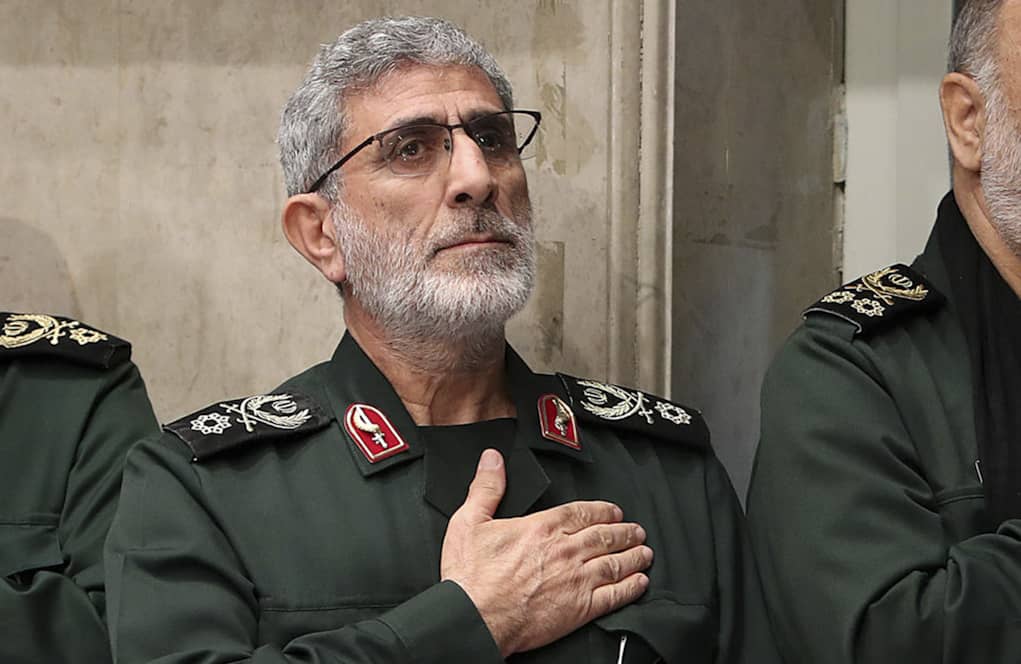
Commander of the Iranian Revolutionary Guards Quds Force Esmail Ghaani arrived in Baghdad on March 30. Ghaani made the visit in an attempt to unite Iraq’s fractured political leadership, Iraqi officials announced on April 1. Fierce opposition from a major Iraqi bloc has thwarted attempts by the country’s prime minister to form a new cabinet.

The visit was his first official public visit to Iraq. The commander assumed his new role after Qassem Soleimani was killed in an American air strike.

He arrived at Baghdad airport amid a curfew that was implemented on March 16 to slow the spread of the novel coronavirus, which has resulted in suspended travel to and from the country.

Upon arrival in Baghdad Ghaani left the airport under heavy guard in a convoy of three armed vehicles.

The visit comes amid doubts about Ghaani’s ability to reach a consensus in the sharply divided Iraqi political scene, especially bearing in mind his weak Arabic language ability and his lack of personal relationships with significant players on Iraq’s political scene.

In contrast to Soleimani, who was known for his ability to bring the fiercest rivals in Iraq together, Ghaani’s position could be see as precarious. Soleimani made several visits to the Iraqi capital to unify political factions a during time that was characterized by political paralysis.

“This is his first test to see whether he will succeed in unifying the Shiite position as Soleimani did,” said a senior Shiite political official, reports Haaretz.

Ghaani’s trip coincides with a worsening crisis in Iraq. Prime Minister Designate Adnan Al Zarfi faces resistance from a core of powerful political elites while discord reigns across the country’s political spectrum.

At the same time, low oil prices and financial losses from the coronavirus pandemic have caused severe damage to the Iraqi economy.

Without Soleimani’s “charisma”, political analysts said, Iran will have to change tactics to bring the Iraqi Shiite parties to heel.

“Iran is still powerful and (Ghaani) will have to rely on threats to try and find some way to bring back the massive fragmentation that is Iraqi elite politics today…Carrot and stick rather than managing networks,” said Renad Mansour, a senior research fellow at Chatham House in London.

Since Soleimani’s death, Iraq’s political scene has become more difficult to grasp as political infighting between Shiites and Kurds runs rampant.

“There are too many people who feel entitled to a piece of the pie,” said Mansour

The Al Fateh bloc in the House of Representatives, which came second after the Saeron bloc during the May 2018 elections, strongly opposes Prime Minister Designate Al Zarfi.

The bloc, headed by Hadi Al Amiri, consists of Iran-backed parties allied to the militia of the Popular Mobilization Forces.


Read also: Adnan Al Zurfi: Who is Iraq’s New Prime Minister-designate?

Why Disinfecting Streets is a Misuse of Resources

In response to the COVID-19 pandemic, countries are reassuring panicked citizens with footage of government workers dressed in protective gear spraying streets, cars, and walls to “disinfect” public spaces.

Around the world politicians are ordering millions of tons of chemical disinfectants sprayed on surfaces that no human ever touches with their hands or face. Drones, fire trucks, and disinfecting booths are being used to spray the anxiety away.

Scientists are sounding the alarm: Disinfecting most surfaces has little effect on stopping the spread of COVID-19. While personal hygiene is crucial and disinfecting surfaces is important, there are limits after which disinfection efforts actually cause harm. Surfaces that are touched by thousands of people daily, such as banisters in public transport hubs or ATM machines, do pose a risk of infection. But roads, park benches, and walls that are rarely, if ever, touched by human hands have no need to be “disinfected.”

A virus does not survive indefinitely outside a living entity. It is quickly passed to a new host or withers away within hours to days, depending on the surface. Any outside surface that is touched by different hands multiple times in an hour is a risk, but most other surfaces are not, according to Science Magazine. 

“Nobody goes around licking sidewalks or trees,” said Juan Leon, an environmental health scientist, when asked about the risk of exposure from outdoor surfaces.

While government efforts are clearly not malicious and might provide some comfort for millions of scared citizens, the efforts have downsides. The chemical used in disinfectant is usually a form of bleach, which is highly irritating and could lead to respiratory troubles. In Indonesia, where people are doused in bleach in “disinfection rooms” when entering malls, people have reported severe irritation as a result, according to reporting by the Jakarta Post.

The irony of spraying bleach outside is that bleach, just like the coronavirus, breaks down in the ultraviolet rays coming from sunlight. The chemicals sprayed are not only hurting humans but also harm natural ecosystems.

But the most important cost of disinfecting streets is the opportunity cost. Every government employee sent out to spray streets is one less employee available to inform the public or assist in logistics to provide money and essentials to those most in need.

While it is understandable that governments want to be seen fighting the virus, disinfecting streets is not the solution. If citizens follow government guidance regarding personal hygiene, keep social distancing in mind, and limit interactions with others, the virus will wither away in time. The power to end this pandemic lies not in powerful chemicals, but in our common solidarity and discipline. As the experts recommend: be clean and don’t lick trees or sidewalks.


Read also: US Intelligence Unaware of Foes’ COVID-19 Crises

Top US COVID-19 Expert Receives Death Threats, Increases Security

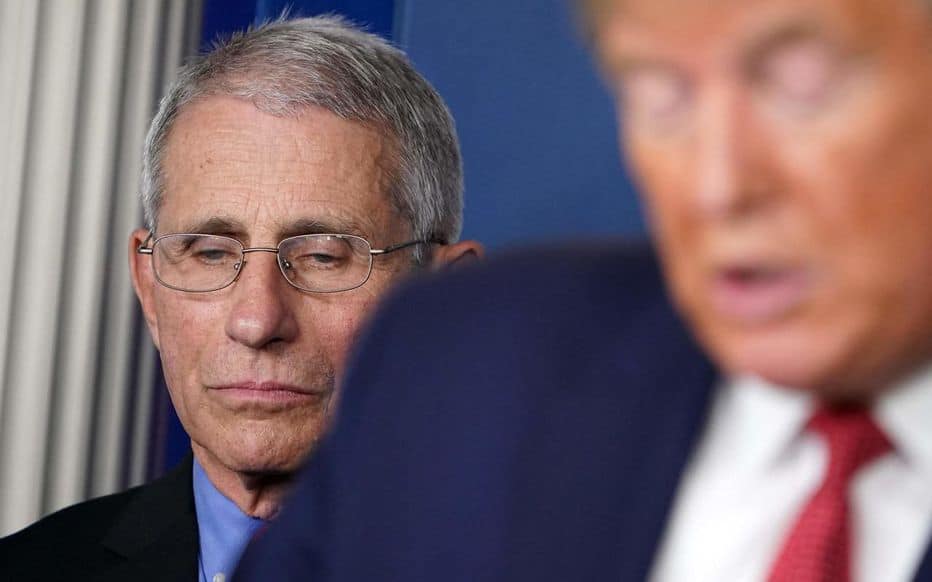
There has been one calm voice of reason emerging from the chaos of the Trump administration’s day-to-day management in the COVID-19 outbreak. Anthony Fauci is a public health expert who made his name fighting some of the deadliest diseases on the planet. Fauci worked in the battle against HIV/AIDS and tuberculosis, where he supported programs that saved millions of lives around the world.

The life that needs to be protected now, however, is his own. As the face of science in an otherwise proudly expert-free administration, he has become the target of many death threats. Fauci has become a darling of the left, with every gesture he makes being read as an indication of the Republican administration’s mishandling of the crisis. But being loved by one side of the political spectrum often results in being hated by the other half of American society.


A law enforcement official told CNN on March 2 that the US Marshall Service had been asked for assistance in response to threats made on the immunologist’s life. 

Fauci’s house is now guarded at all times by Washington DC Metropolitan police. Referring to another member of the White House science team Dr Deborah Birx, president Trump said the team “doesn’t need security, everybody loves them, Besides that, they’d be in big trouble if they ever attacked.” Now it appears that officials tasked with security at the white house disagree as Fauci’s security-detail is being expanded.


The tension between Fauci and the right-wing of American politics started with some initial low-key disagreements with[ the president. While Trump wanted to get the country back to business-as-usual as soon as possible, spurred on by business leaders and right-wing thinkers, Fauci disagreed. He argued the virus would not respond to deadlines and that the priority should lie in economically painful but necessary lock-downs.


For the last four years, anyone who disagrees with Donald Trump has been viciously attacked by his supporters. A hangover of the contentious 2016 presidential campaign, any opposition or disagreement with Trump is seen as guided by his opponent in the presidential race, Hillary Clinton. Any link or positive remark about Clinton is seen as a sign of disloyalty, or even hostility towards the Trump administration by its most fervent supporters.


The most extreme of these supporters have, for years, met online to share conspiracy stories where American bureaucracy is seen as the ‘deep state’, out to get Trump. Any negative news about Trump is by definition labeled ‘fake news’. The most ridiculous of these conspiracy theories, called ‘Qanon’ by its supporters, led to the death threats directed at Dr Anthony Fauci.


Qanon is a conspiracy theory so ridiculous, it is hard to describe. A few years ago, an anonymous person claiming to be a top US official started posting cryptic messages on an online forum. Without any proof of his claim, millions started trying to interpret his purposely vague messages. The Qanon-fans have created a vortex of insanity in which they claim Hillary Clinton is leading a secret network of global elites who actively engage in pedophilia.


Recently a leaked email from Fauci was discovered. Written in 2016, the email mentioned a Hillary Clinton speech that had brought him to tears. Proof that he is actively undermining Trump and is part of Clinton’s ring of pedophiles, according to the right-wing fringe that follows Qanon.

Online conspiracies might seem like harmless fun to many, but for Anthony Fauci they have become deadly serious.


Read also: US Intelligence Unaware of Foes’ COVID-19 Crises


Emirates Airlines to Start Flying Passengers Again from April 6

Emirates Airlines announced plans to resume a restricted number of passenger flights on April 6. Chairman and Chief Executive of the airline Sheikh Ahmed bin Saeed Al Maktoum shared the news on Twitter on April 2.  

Al Maktoum said “the flights will initially carry travellers outbound from the UAE” only, as well as freight. Freight flights have been allowed to keep flying while passenger flights are grounded. 

“Over time, Emirates looks forward to the gradual resumption of passenger services in line with lifting of travel and operational restrictions, including assurance of health measures to safeguard our people & customers. Their safety & well-being will always be our top priority,” said Al Maktoum, who is also the President of Dubai’s Civil Aviation Authority and Chairman of Dubai Airports. 


The United Arab Emirates suspended international flights, including transit through the global air-transport hub, for two weeks from March 25 to April 8 in an attempt to curb the spread of novel coronavirus (COVID-19). Emirati carriers Etihad Airways and Emirates Airlines were forced to shut-down their passenger operations. 

At the time, the UAE’s National Emergency Crisis and Disasters Management Authority, (NCEMA), and the General Civil Aviation Authority, (GCAA) said the decision was open to re-assessment, hinting at an earlier resumption of air travel.  

On April 1, the UAE Ministry of Health said the country has diagnosed 150 more cases of COVID-19, taking the total number of confirmed cases to 814. The death toll from COVID-19 now stands at eight, after two men aged 62 and 78 suffering from chronic health conditions succumbed to the disease yesterday.  


Read also: UAE Suspends International Flights, and Introduces New COVID-19 Closures