Research Reveals Israel Spraying Herbicides in Gaza

When the wind blows from the East, crop duster planes set off to spray herbicide on the Israeli borders with Gaza. Observing the smoke from burning tires to establish the direction of the wind, Israeli officials signal action when they are sure the herbicide will not blow into Israel.

“The materials have been approved by the Ministry of Agriculture, and are used in agricultural fields across Israel, as well as by other countries. The process is conducted and supervised by certified professionals,” said a statement of the Israeli Ministry of Defense.

The fact that Israel takes precautions to prevent the chemicals from blowing onto its side of the border indicates that this notion may not be true.

Forensic Architecture, a research agency at Goldsmiths, University of London revealed the use of herbicides to destroy vegetation on the border with Gaza in a July 2019 report. The agency spent 16 months investigating the practice’s effects, and confirmed the activities through freedom of information requests to the Israeli government.

The planes spray the areas with three chemicals, Glyphosate, Oxyfluorfen, and Diuron. Glyphosate, marketed in the US as “Roundup,” is a controversial chemical that has been linked to DNA damage which can lead to cancer.

The herbicide-spraying planes are part of a larger operation that mobilizes bulldozers and military personnel. These forces enter the strip to demolish structures and trees to increase visibility for the Israeli Defense Forces stationed at the border.

Using precise methods to determine where and when crop duster planes spray herbicides, Forensic Architecture concluded that the chemicals are blown up to 300 meters into Gaza.

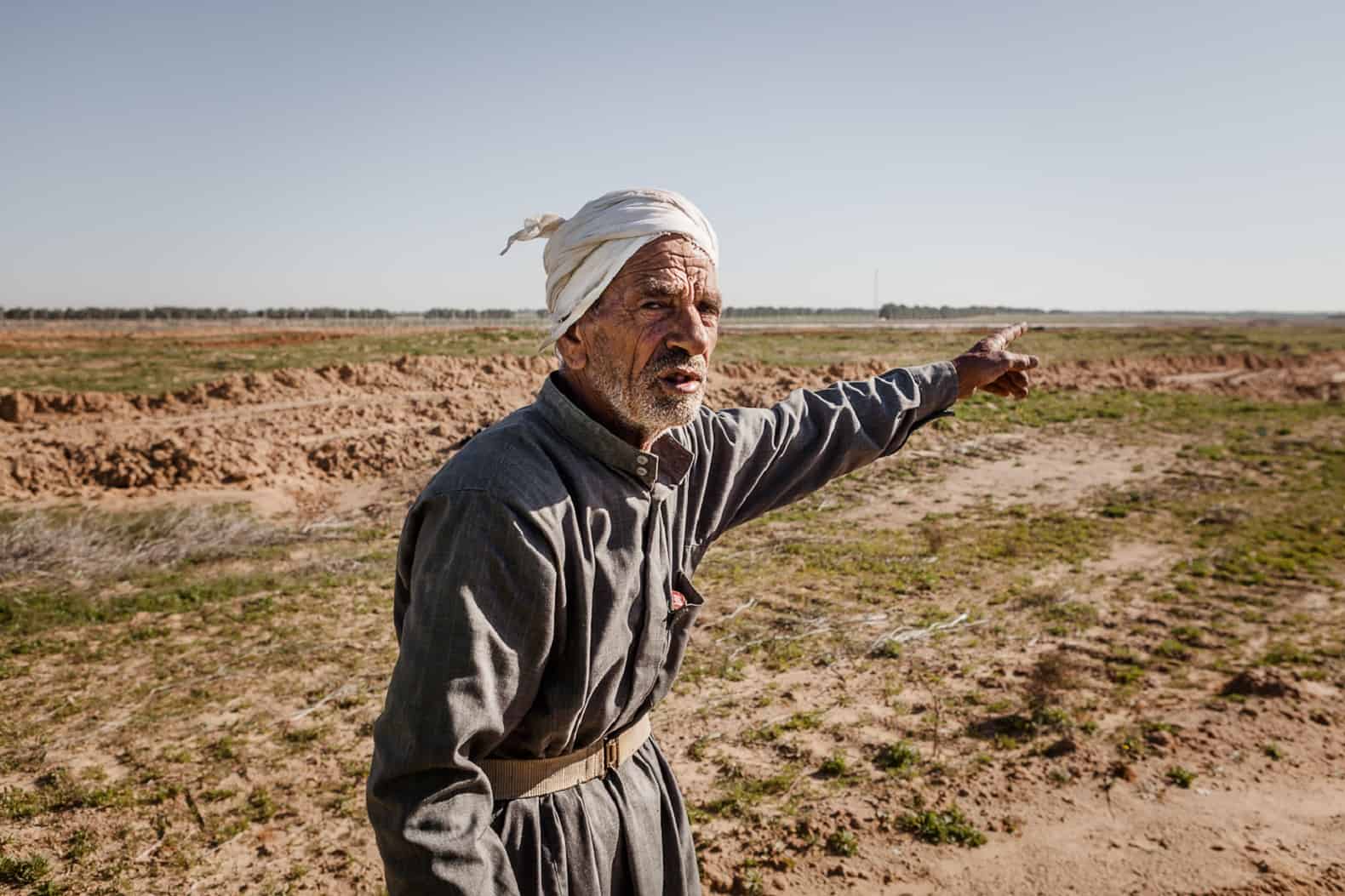
While Israeli officials stated that the spraying is only done on “territory of the State of Israel” in order to prevent “cover for potential terror elements,” farmers in the area have seen their crops wither after the herbicides were deployed.

The practice harms locals

Gisha, a Tel Aviv NGO focused on freedom of movement, supplied Forensic Architecture with video material, samples of vegetation, and interviews with local farmers. The combined evidence shows that forces use quantities of the herbicides that would be illegal according to EU norms.

Forensic Architecture called the practice “herbicidal warfare” and used satellite photography to show the damage to Gaza’s vegetation following runs by the Israeli crop dusters. Samples of plants in the area show that significant amounts of herbicide drift into Gaza and hurt local crops.

The London-based organization reaffirmed the practice is a military one that enacts a heavy price on Gaza’s farming community and civilian population. The practice endangers Gaza’s agricultural sector, which it greatly depends on because of the ongoing Israeli blockade.

Forensic Architecture sums up the effects of the spraying succinctly: “These practices have provided the Israeli military with visibility along the eastern border of Gaza—a visibility that has also left Palestinian civilians, including farmers, youth and families, further exposed to Israeli fire from hundreds of metres away.”

Since Forensic Architecture released the research, a committee organized by the Office of the High Commissioner of Human Rights has argued that “such herbicides should not be used in close proximity to the [Gaza border] fence.”

Like many issues that affect the citizens of Gaza, the case now constitutes a disagreement between the Israeli government and much of the international community. Israel does not deny the spraying but insists that it is done within Israel. Precautions taken to ensure the wind blows into Gaza when the planes operate indicates that Israel is aware of the practice’s damaging effects.
 

Read also: Ultra-Orthodox Israelis Face High COVID-19 Risks, is Pakistan Next?

Roundup: Five Weird and Wacky COVID-19 Stories from the Weekend

The global coronavirus pandemic reached new heights this week when the number of confirmed cases surpassed one million. Amid the fear, uncertainty, and death, some quirky stories have emerged that feature the lighter side of the crisis and show us just how bizarre our world is right now.

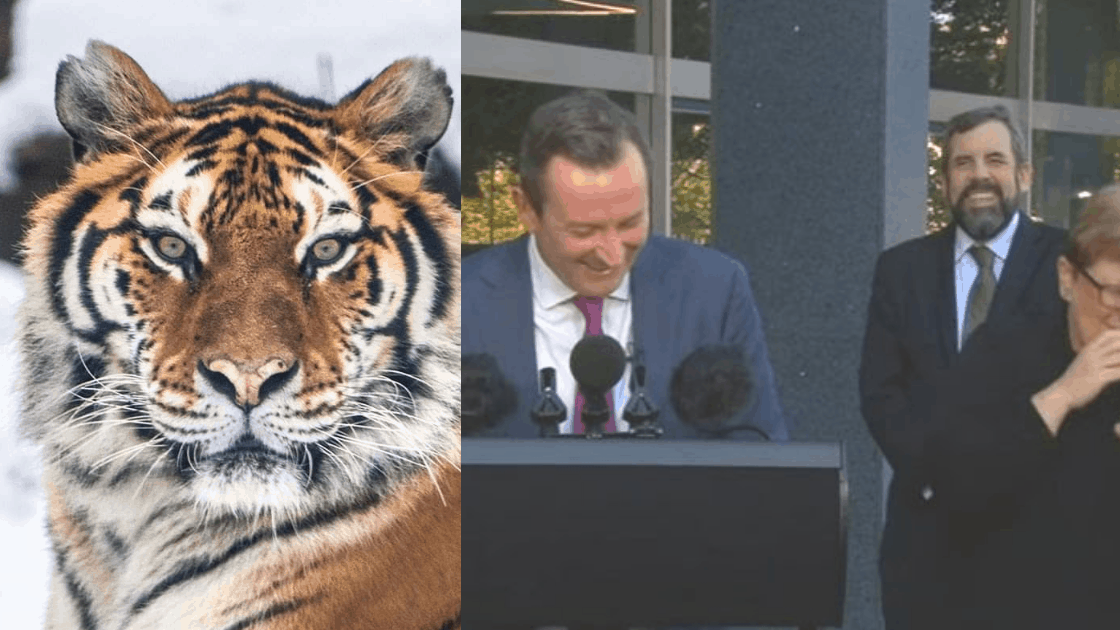
Tiger tests positive for COVID-19 at US zoo

Four-year-old Malayan tiger Nadia from New York City’s Bronx Zoo tested positive for COVID-19 on April 5. 

It appears the big cat was infected with the novel coronavirus by a keeper who had the disease but was asymptomatic, the Wildlife Conservation Society, which manages the zoo, said in a press release.  

Pets around the world have been testing positive for COVID-19 but none seemed to have been affected by the disease, until now.  

“This is the first time that any of us know of anywhere in the world that a person infected the animal and the animal got sick,” the zoo’s top veterinarian, Paul Calle, told Reuters on April 5. 

Zoo staff decided to get Nadia tested after she began showing symptoms including a dry cough and loss of appetite. 

In total, three other tigers and three African lions all housed in the “Tiger Mountain” enclosure have similar symptoms, leading keepers to believe they are also infected. However, they will not be tested to avoid putting the felines through the stress of anaesthesia.  

Nadia and her pals “are otherwise doing well under veterinary care and are bright, alert, and interactive with their keepers,” and expected to make a full recovery.


 Australian man fined for going on a run, getting a kebab in contravention of COVID-19 measures cracks up politician

In one of the most comical novel coronavirus press conferences to date Premier of Western Australia (WA) Mark McGowan got a serious case of the giggles after fielding a question about a man who was fined after stopping to eat a kebab mid-run.

During the question and answer phase of a COVID-19 press conference on April 4, a journalist posed the following question: “There was one gentleman yesterday in New South Wales going for a run who stopped to have a kebab and then was handed a fine, so will WA be handing out similar fines?” 

The principle of the question appeared to greatly amuse McGowan, who let out a giggle before attempting to seriously answer the question. 

“I find it hard to believe someone was going for a run and then stopped for a kebab,” McGowan blurted out, chuckling. 

“There’s nothing wrong with going for a run… and having a kebab but…I don’t think there’s anything wrong with…we’re not making it unlawful to go for a run and eat a kebab,” the premier managed to say before giving in to a good laugh at the kebab-eating runner’s expense.  

French fast trains converted into speedy ambulances 

In France, the old adage “necessity is the mother of all invention” is being put to good use as medical teams transform fast trains into ambulances on rails.  

The famous Trains de Grand Vitesse (TGV) would normally be packed with Easter holiday travelers this time of year, but have instead been “medicalized” to transport critically ill patients from overwhelmed hospitals to the west of the country, where more beds are available. 

Each rail car can accommodate four patients and a six person medical team, in the trains which reach up to 320 kilometers per hour as they whisk their precious cargo from one city to the next.  


Japanese social media star Pikotaro remixes hit song with COVID-19 message

Japanese culture can be a little quirky at the best of times and it has lost none of its charm during the novel coronavirus pandemic. 

On April 4, Japanese social media sensation Pikotaro, who rose to fame with his viral song Pen-Pineapple-Apple-Pen (PPAP), released a 2020 version of the catchy tune with special virus-related (or should that be viral?) lyrics, to help educate his followers about COVID-19. 

Watch “Pray-for-People-and-Peace” for yourself to learn some valuable COVID-19 protection techniques! 


#FakeNews: Lentils can prevent COVID-19 

It wouldn’t be a round of weird COVID-19 stories without a bit of #FakeNews. This weekend it came from an Egyptian doctor who declared that lentils, cooked the Egyptian way, can prevent novel coronavirus infection. 

“Americans keep asking me about how to avoid coronavirus. I told them to eat lentils, but it should be cooked in Egyptian way,” Dr. Majdi Badran said during an appearance on Egyptian television on April 4.

The best kind of lentils to eat? Homemade of course, said Badran. If you want some serious advice on COVID-19 protection, check out the World Health Organization’s five tips in the video below. 


How Trustworthy is COVID-19 Reporting in Authoritarian States?

“We are governed, our minds are molded, our tastes formed, our ideas suggested, largely by men we have never heard of.” This is how Edward Bernays, the self-styled inventor of modern public relations, describes our current predicament. His field used to be called “propaganda” until the experiences of two world wars dirtied the term.

In essence all communications have a certain goal. When it comes to government communications, this goal is well established in advance and shapes the message. In the current COVID-19 crisis many countries are doing their utmost to keep their populations reassured and calm. In countries where the political elite are stronger than the scientific community, the reported number of cases and deaths can become propaganda in itself.

In the midst of chaos and confusion, statistics provide a satisfying assurance of control. A quick glance at data provided by the World Health Organization (WHO) or Johns Hopkins University can make the difference between panic or calm, but many are doubting the data provided by the world’s authoritarian regimes.

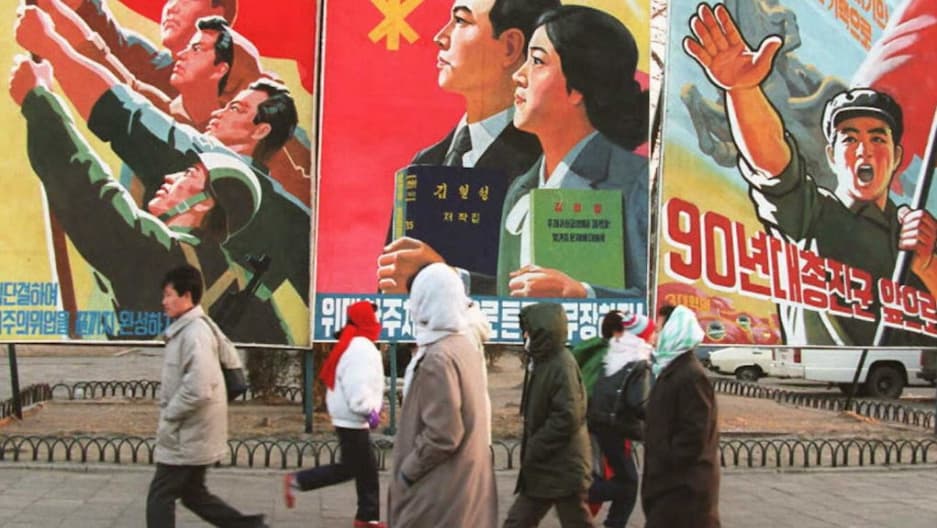
North Korea has reported no cases as of April 6, even though its proximity to China and South Korea indicate the communist dictatorship must have a significant number of infections. US intelligence agencies are questioning the reported totals from both Iran and China, according to the New York Times.

Turkey could have half a million more infections than publicly announced. Iraq and Egypt have both expelled reporters over claims that their numbers were misreported. Russia is quietly dealing with its own outbreak, sharing little trusted information with the outside world.

In many of these nations, the real numbers might not be clear even to their own governments. The difficulties in procuring reliable test kits and the possibility to screen populations in lockdown mean many governments struggle to understand the scale of their national outbreak.

The lack of testing provides authoritarian regimes with an alternative solution: Present the limited amount of cases detected as the total number. Because of limited testing, the amount of cases will be lower, and it will seem that all is well within the country’s borders.

Confusion and uncertainty in this early stage of the COVID-19 pandemic benefit authoritarian regimes. Massive amounts of testing underway in the US, EU, and East Asia might soon reveal their ploy. As numbers change from “X amount of reported cases” to the percentage of tested people that have been infected, much more will become clear. Until then, be wary of propaganda.


Lebanon’s Hezbollah Rebrands in the Era of COVID-19

Lebanon is a unique case in the midst of a pandemic. The confusion and fear that accompanies the spread of the virus has worsened with Lebanon’s economic outlook. With limited funds available for healthcare or medical imports, Lebanon risks a worst-case scenario as its proximity to Iraq, Israel, and Syria and its close connections to Iran mean the spread of the virus is virtually inevitable.

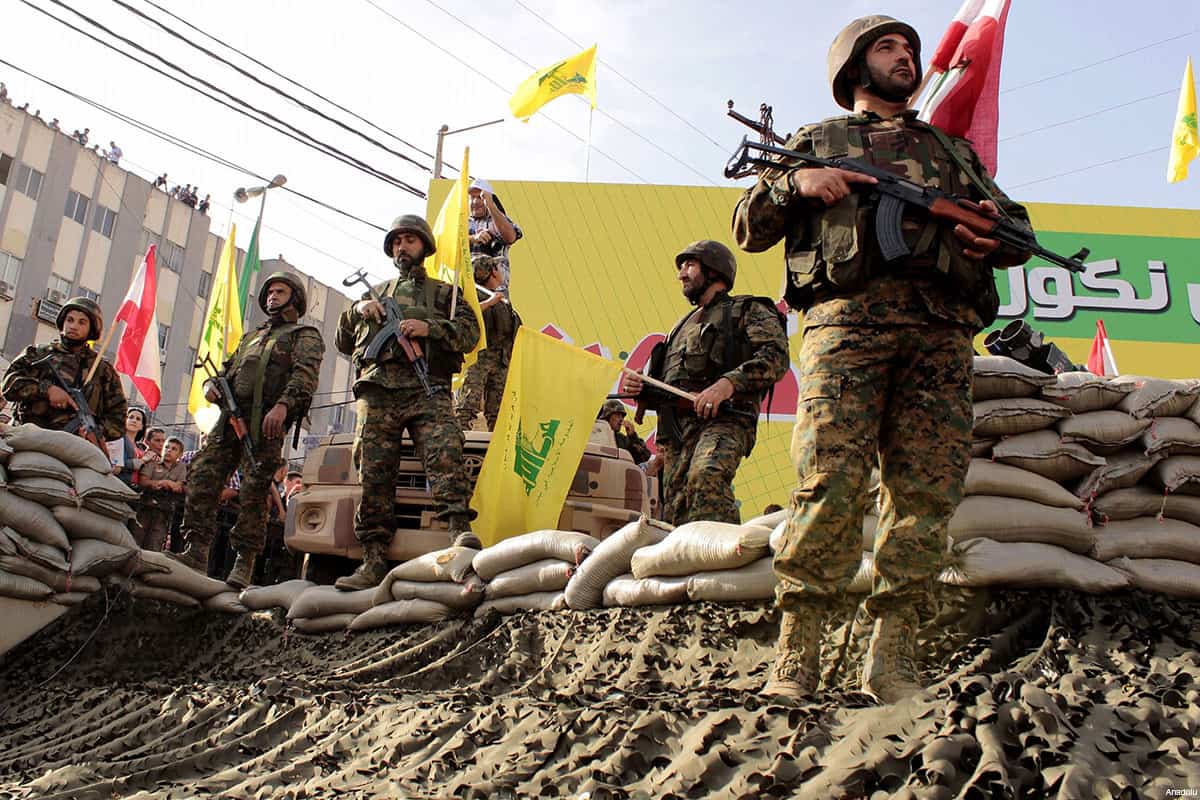
Hezbollah is employing some unorthodox tactics for the usually less-than-subtle organization. Since March 24, Hezbollah has changed its focus from Israel to a new enemy: COVID-19. Hezbollah members are disinfecting streets, according to Middle-East Monitor, and the organization has publicly announced a $2.3 million budget to help combat the spread of the virus. The group says it has formed a “front-line Islamic resistance” of several thousand health professionals and over 20,000 activists.

“It is a real war that we must confront with the mindset of a warrior,” the group announced on its Lebanese TV channel, Al Manar Tav. Hezbollah claims it does not wish to interfere with the government, which it backs, but the group’s efforts clearly signal a goal. Most countries aligned with the US classify Hezbollah as a terrorist organization. The group’s role as a proxy force for Iran on the northern borders of Israel have made the group an international pariah.

Hezbollah appears to see the COVID-19 crisis as an opportunity. By lending aid and providing money in the cash-strapped nation, it seems to be trying to prove its worth as a legitimate organization. Eager to convince both the Lebanese people and international audiences, Hezbollah selected a new enemy that is loathed and feared throughout the world.

An opportunity to intervene

The chaos and despair in the Lebanese healthcare system provide an opportunity for Hezbollah to rebrand itself and build political capital for a post-coronavirus world. While Hezbollah’s opponents in Lebanon and Israel have blamed it for delays in travel bans to Iran, which might have resulted in the first cases in Lebanon, the group is actively trying to flip that narrative.

In a country where people doubt the government’s ability to effectively organize trash collection, fears over the national capacity to combat the pandemic provide Hezbollah with a window of opportunity. Lebanon increasingly sees Western countries as demanding creditors as the fragile nation struggles to repay its Eurobonds. With little assistance expected from the US and EU, Hezbollah’s play might change perceptions in the small country.

It appears the only way that Hezbollah’s public relations campaign could backfire is if its efforts are outclassed by more assistance and possible debt relief from countries opposed to Hezbollah and Iran. With the WHO and IMF willing to support Lebanon, countries around the world could finally have an easily winnable “war” in the Middle East.

If Lebanon receives the support it needs from Western or Sunni nations, the Hezbollah rebranding could turn into a disaster for the group. If Lebanon is allowed to descend into chaos as its dual crises continue to take their toll, Hezbollah could emerge as a significantly more prominent force in Lebanon’s divided political landscape.


Read also: Lebanese President Calls for International Support Against COVID-19

Fresh Round of Rocket Attacks on Oil Fields Near Basra, Iraq

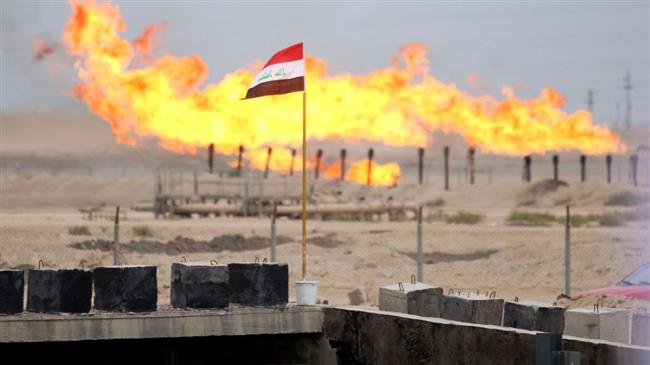
Three Katyusha rockets landed near the Burjesia residential and operations hub near Basra at 3 a.m. Monday, April 6, according to local police and witnesses. 

US oil service company Halliburton operates in the area, but one of their Iraqi employees told Reuters the rockets landed a significant distance from the company’s southern-Iraq headquarters. 

Burjesia has been a relative ghost town in recent weeks since Halliburton and other companies operating in the area sent the vast majority of foreign workers home amid the COVID-19 pandemic.  

A statement from the state-run Basra Oil Company confirmed the attack had not affected oil production or exports.

Local police reportedly found a rocket launcher and 11 unexploded missiles on farmland nearby, which they have since destroyed. No one has claimed responsibility for the attack.

The residential area that houses foreign workers and oil company offices west of Basra has been targeted by a number of rocket attacks in the past. 

On June 19, 2019, three Iraqi workers were injured when a Katyusha rocket hit near the site that is home to the camps of major oil corporations like Royal Dutch Shell PLC and ExxonMobil, as well as the local Iraqi Drilling Company. 


Read also: Kuwait Boosts National Economy Amid COVID-19 Shocks, Falling Oil Prices

Lebanese President Calls for International Support Against COVID-19

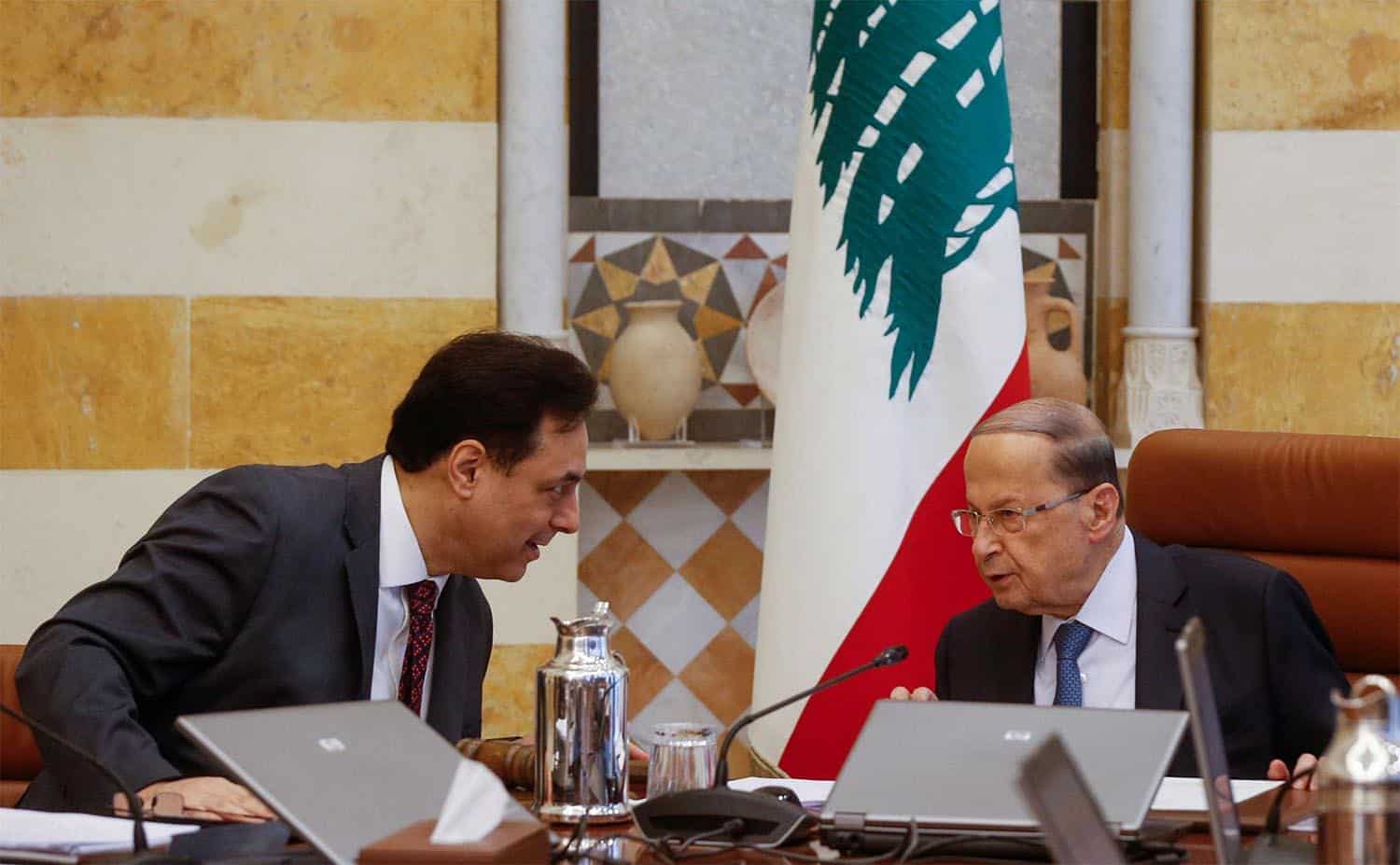
Lebanese President Michel Aoun called on the international community on Monday, April 6 to support the country financially and to help Lebanon overcome a severe economic collapse. 

The country has witnessed its greatest financial crisis in recent history over the past several months, and the spread of the new coronavirus epidemic is exacerbating the crisis.

The country has experienced a rapid economic downturn for months, with a severe shortage of liquidity, a significant decline in foreign reserves, and a decrease in the value of the Lira against the US Dollar in the parallel market.

While the government, which was formed at the beginning of the year, worked on an economic plan that it described as a “rescue,” COVID-19 arrived in Lebanon. The country has so far recorded 541 cases, including 19 deaths.

Aoun urged support during his meeting with ambassadors of the International Support Group for Lebanon (ISG) member states, which include European and Arab countries. 

“Given the seriousness of the current financial situation, and the significant economic effects on the Lebanese, residents, and displaced persons, our reform program will need external financial support to support the balance of payments and to develop our vital sectors,” Aoun stressed.

The ISG, during its last meeting in Paris at the end of 2019, stipulated the formation of an “effective and credible” government that would undertake “urgent” reforms to provide any financial assistance to Lebanon.

Prime Minister Hassan Diab’s cabinet, nominated in January to tackle a financial meltdown and unprecedented anti-government protests, has pledged a far-reaching reform plan to address the crisis as the cabinet seeks to enter restructuring negotiations with creditors.

The coronavirus pandemic has added to the country’s difficulties, complicating reform efforts, Aoun said, appealing for help. “Today we are confronting all these crises and their consequences and we welcome any kind of international assistance,” he added.

Lebanon suffers from debts amounting to $90 billion, which constitutes approximately 170% of its gross domestic product, according to the credit rating agency Standard and Poor’s. This debt percentage is among the highest in the world.

Lebanon announced last month that it had stopped paying all Eurobond dues in foreign currencies as part of a comprehensive debt restructuring that would protect the “limited foreign exchange reserve.”

The influx of Syrian refugees to Lebanon since the conflict began in the neighboring country nine years ago has exacerbated the small, fragile country’s economic burden.

The secretary-general of the United Nations described the COVID-19 pandemic as the “most challenging crisis humanity has faced since World War II.”

The Syrian refugee crisis was previously described as the worst humanitarian crisis since the Second World War. Lebanon currently hosts two of the worst crises that have afflicted the world for 75 years.

Authorities estimate that there are 1.5 million Syrian refugees in Lebanon, less than a million of whom are registered with the Office of the United Nations High Commissioner for Refugees. Most of them live in difficult conditions and depend on international aid.


Read also: Lebanon Struggles to Deal with Dual Crises

Planned $1 Billion Cut in US Aid Imperils the Afghan Peace Process

The United States has spent $1.5 trillion waging war, $10 billion on the Afghani “war on drugs,” $87 billion training security forces, $30 billion on reconstruction, and $24 billion on economic development. The US will spend an additional half a trillion dollars in interest as the Afghanistan conflict and reconstruction was paid for mostly by borrowed money. The proposed $1 billion cut may appear small in light of this historical spending. 

For such a major investment, Afghanistan is anything but stable. Two presidential candidates claimed to win the September 2019 elections. There is no sign of a stable government coalition. US-Taliban agreements that preceded the now stalled negotiations complicated negotiations with the Taliban. A statement from the terrorist organization on April 6 accused both the US and the Afghani national government of violating the agreement’s terms. A reignition of nationwide violence is once again a realistic prospect.

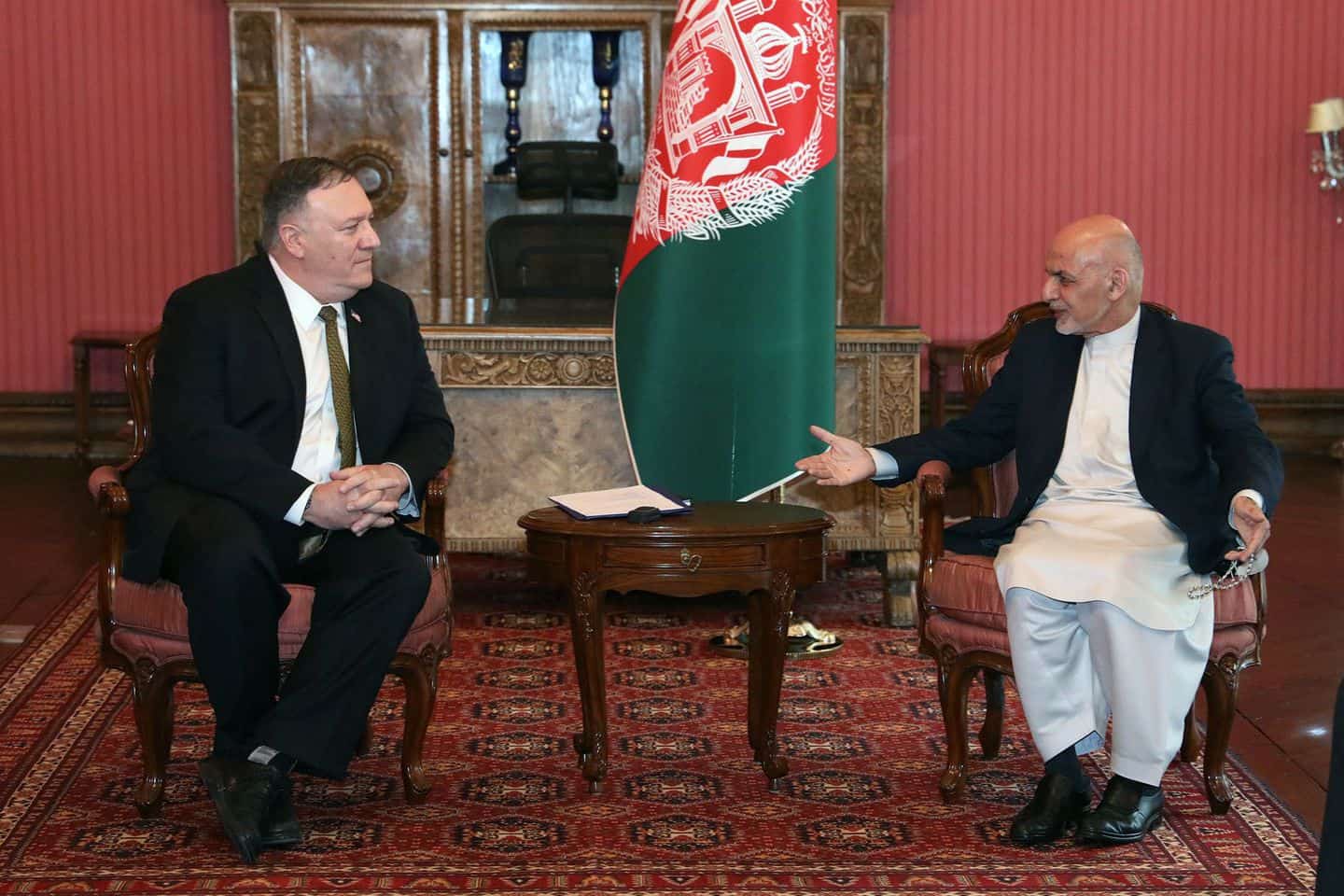
The division in Afghani politics is reportedly the cause for the reduction in funding. Frustration over the impasse between President Ashraf Ghani and his opponent Abdullah Abdullah resulted in US Secretary of State Mike Pompeo announcing cuts on March 23. A statement from Pompeo mentioned the US is conducting “a review of all of our programmes and projects to identify additional reductions and reconsider our pledges to future donor conferences for Afghanistan.”

President Ghani has downplayed the effects of the cut, announcing in a televised address to the nation that the reduction in US aid would have “no impact on Afghanistan and its key sectors,” according to MenaFN

The Kabul-based Biruni Institute disagreed in its recently released “Afghanistan Economic Outlook” report. The report highlighted the reduction in aid as one of three significant threats to the Afghan economy. On par with the threats of COVID-19 and the national political crisis, the report called the US cut “austerity measures” and considered it a grave threat to the economy.

Austerity and peace

The report highlighted the poor timing of the budget cut, recommending, “The United States should seriously reconsider its decision to cut its civilian grants to Afghanistan.” The Biruni Institute predicted significant consequences to the cut. “A reduction of grants at this scale will put the country on the brink of a full fledged economic and humanitarian crisis at a time when COVID-19 epidemic is threatening the country with deteriorating fiscal position.”

Although the report estimates that economic growth, food prices, and tax revenue are in jeopardy, the impact on the country’s security could provide another disheartening blow to the prospect of peace in Afghanistan. A majority of the country’s budget comes from foreign aid and the training and maintenance of the country’s security forces is particularly dependent on external support.

While President Ghani is trying to reassure his country, his earlier statements contradict the leader’s current display of optimism. In a 2018 interview the president told CBS, “we will not be able to support our army for six months without U.S. support, and U.S. capabilities.” A new threat emerged in the form of a pandemic that Afghanistan is wholly unprepared for, and weakening the power of state comes at a most inopportune time.

As US forces withdraw from the country and a deadlock continues to plague Afghani politics, this budget cut has the potential to deliver another blow to the national government. The weaker the national government is, the more power the Taliban will have. The only chance of brightening Afghanistan’s prospects now lies in its politicians.

The US can no longer “win” in Afghanistan. Only if Ashraf Ghani and Abdullah Abdullah manage to set their differences aside and form a united front in the upcoming negotiations will the Taliban not come out as the de facto winner of the 18-year conflict.


Age or Healthcare Capacity: What Determines the Impact of COVID-19?

Every day the global numbers of COVID-19 infections grow. Death tolls continue to climb and countries detect new cases as the scale of the health crisis becomes clearer. The impacts of the novel coronavirus are very much measured on national levels, but it is clear on a global level that this virus will not be stopped anytime soon.

Different countries report different experiences. The number of reported cases in Germany now surpasses 100,000, positioning it among the four countries with the largest number of infections. The EU and the United States appear to suffer the worst so far with a high rate of deaths and an increasingly worrying rise in new infections.

Globally renowned healthcare systems such as those of Spain and Italy have struggled to limit deaths resulting from infection. Europe’s older population is at a high risk of life-threatening complications, which has resulted in a higher mortality rate than the World Health Organization estimated.

As governments struggle to balance their citizens’ health and incomes, it is increasingly clear that stopping the virus completely will not be possible anytime soon. The effective distribution of vaccines could easily be more than a year away and lockdowns appear to slow but not completely stop transmission. Most governments are unable to afford a complete lockdown on the scale of China’s apparently effective enforced quarantine in Wuhan.

Many of the world’s nations can afford neither high-quality healthcare nor full economic shutdown. Some of the world’s poorest countries will most likely see the most dramatic spread of the virus. Questions remain over whether the eventual results will differ from those currently seen in Europe.

Youth could mean strength

The fact that many of the world’s most destitute countries have relatively young populations may be a saving grace. Angola, Niger, Mali, and Uganda all have populations with a median age below 16, a tremendous difference from Italy with its median age at 45.5, Germany at 47.1, and Spain at 42.7. Most of Africa is young, and although there is a significantly higher chance of infections spreading in African countries, the chance of building “herd immunity” without impacting the elderly is much larger.

It appears the global community can be divided into three categories: The first are countries currently dominating headlines, countries with good healthcare but older populations, such as most of Europe. The second category is the “in-between:” Countries with reasonable healthcare quality and a more standard median age such as China or Indonesia. The third category consists of countries with poor healthcare quality but a very young population.

The first category of richer nations appears to be relying on quality healthcare to allow citizens more freedom and limit economic damage. “Average” countries in the second category appear to very much depend on harsh government measures such as those seen in China. The pandemic’s evolution in India and Indonesia should reveal what these countries can do to limit the consequences. The third category is the biggest question mark. The virus will likely spread rapidly, but with young people facing less risk of life-threatening complications, the virus might claim fewer lives.

Every nation is in a different phase of its national epidemic, and more of the picture will soon be revealed. Whether the amount of available intensive care beds or ventilators will determine death rates is still difficult to predict as population differences could result in very different outbreaks. The spread of the virus will indicate how each category of the country responds. Ironically, the more the virus spreads, the more we will know about how to combat it.


Read also: Chinese COVID-19 Aid Flows Into Algeria, Egypt

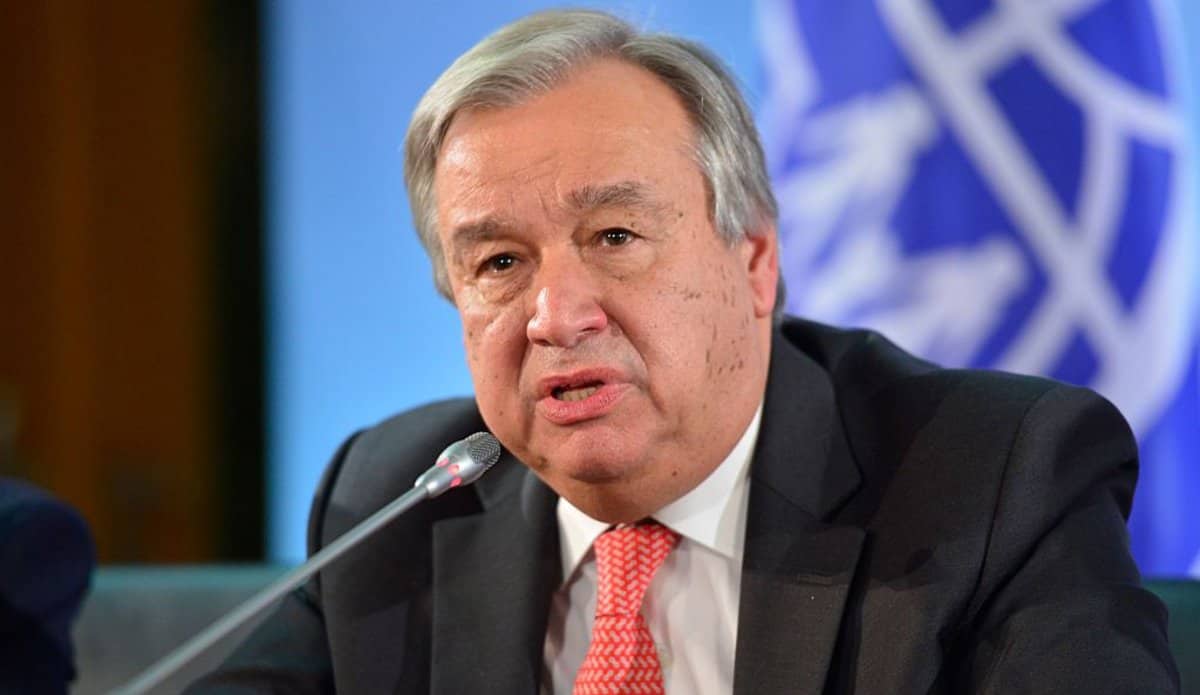
UN Secretary General Calls for Domestic Violence ‘Ceasefire’

Before the coronavirus crisis began, approximately one in three women and girls were subject to some form of violence in their lifetime. UN Secretary General Antonio Guterres reports that confinement, combined with the economic and social pressures brought about by COVID-19 lockdowns worldwide, have caused a “horrifying global surge in domestic violence.”

“For many women and girls, the threat looms largest where they should be safest: in their own homes,” Guterres said in a statement on April 5.

Echoing his previous calls for a global ceasefire, Guterres said, “today I appeal for peace in homes around the world…I urge all governments to put women’s safety first as they respond to the pandemic.” 

The UN reports that calls to domestic violence hotlines in Lebanon and Malaysia, for example, have doubled since the beginning of the pandemic, compared with the same period in 2019. 

The secretary general also expressed concern that police resources and shelters are tied up dealing with COVID-19 response efforts, and unable to respond to women who are desperately in need of support.

“Healthcare providers and police are overwhelmed and understaffed. Local support groups are paralyzed or short of funds. Some domestic violence shelters are closed; others are full,” Guterres pointed out. 

Strict curfews and lockdowns enforced across the Middle East and North Africa have deprived many women of their limited means of escaping violence at home–work, travel, and family visits.  

“Under these conditions, women are forced to react to the needs of the family to a large extent,” Lebanese social worker Rania Suleiman told Deutsche Welle (DW) on April 2. 

“This means highly stressful situations daily. If they don’t meet the demands the way their husband wants them to, they run the risk of being physically abused,” Suleiman explained. 

The German news agency also spoke with two MENA region women, Aisha and Leila (not their real names), who continue to suffer from domestic violence and are very concerned about the impact of COVID-19 on their already difficult home lives.

“I assume that I would be beaten and harassed even more than I currently am. I couldn’t take it,” Aisha said when asked what impact confinement would have on her relationship. 

Leila explained that her husband’s frequent work trips and visits to family were her only escapes, and both options are now off the table due to government imposed COVID-19 curbs. 

In Morocco, where courts handled 17,000 cases of violence against women in 2019, non-governmental organizations (NGOs) have stepped up to provide telephone hotlines and online support for abuse victims.  

NGO Mobilising for Rights Associations (MRA) has collected a number of useful resources on its website to help women and girls facing violence at home. The National Union of Women (UNFM) has created a free mobile application called #Kolonamaak (“we are all with you”) and dedicated a 24/7 hotline to provide psychological and social support to women in need. 

As with domestic violence around the world at any point in time, domestic violence during coronavirus lockdowns is likely to remain grossly underreported and to continue to have a devastating impact on women and girls, regardless of legislation and non-governmental initiatives.  


Read also: Libya’s Coronavirus Outbreak Grows as Conflict Ensues in Tripoli 

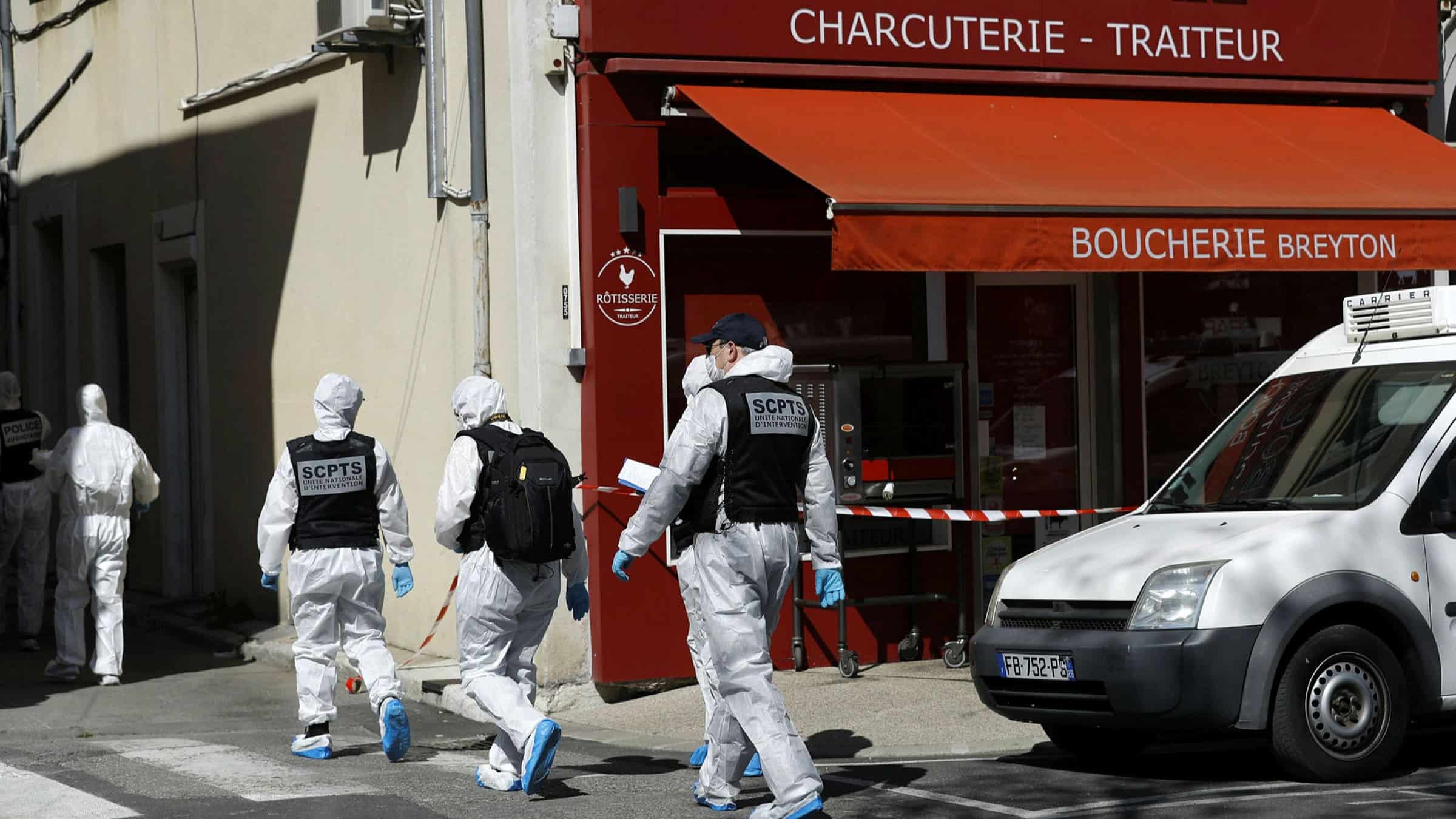
French Police Investigate Sudanese Refugees Behind Deadly Knife Attack

French police arrested a third suspect last night linked to the deadly knife attack that left two dead in the southeastern town of Romans-sur-Isere on Saturday, April 4. The three suspects are Sudanese refugees, sources at the National Anti-Terrorism Prosecution office told AFP.

On Saturday morning, Abdullah Ahmad Othman attacked a number of people in the street, in tobacco and meat shops, and at a bakery in Romans-sur-Isere. 

Othman killed two and injured two others who are still in intensive care, but their condition is reportedly stable. Meanwhile, two others have left the hospital.

Secretary of State to the Minister of the Interior Laurent Nunez said Othman obtained refugee status in June 2017 and a ten-year residence permit in July of the same year. He was not known to the French police or to French or European intelligence services.

Police made a second arrest, one of Othman’s acquaintances, later that day. The third detainee, according to sources close to the investigation, is a “Sudanese youth residing in the same center” where the main suspect lives.

The French judiciary announced last night that it had opened an investigation framing the attack as “killings with terrorist targets” and “terrorist criminal conspiracy.”

The investigation indicates the attacker pursued “a criminal path that is designed to disturb public order through intimidation,” the prosecution said. 

A source close to the investigation stated that the attacker “did not remember what happened,” and that police delayed his interrogation because he was very confused during the arrest. He will undergo a psychological examination on Sunday, April 5.

The prosecution said that the search of his home yielded “handwritten documents of a religious nature and in which the author complains, in particular, of his residence in an infidel country.” The prosecution added that it is likely the suspect penned the writings. 

President Emmanuel Macron condemned the attack on Twitter. 

“My thoughts are with the victims of the Romans-sur-Isère attack, the injured, their families. All the light will be shed on this odious act which comes to mourn our country already hard hit in recent weeks.”


Read also: US places new ISIS leader on Terrorist Black List, Imposes Sanctions on Syrian Defense Minister