Lebanon: Unrest Grows in Parallel to COVID-19 and Liquidity Crises

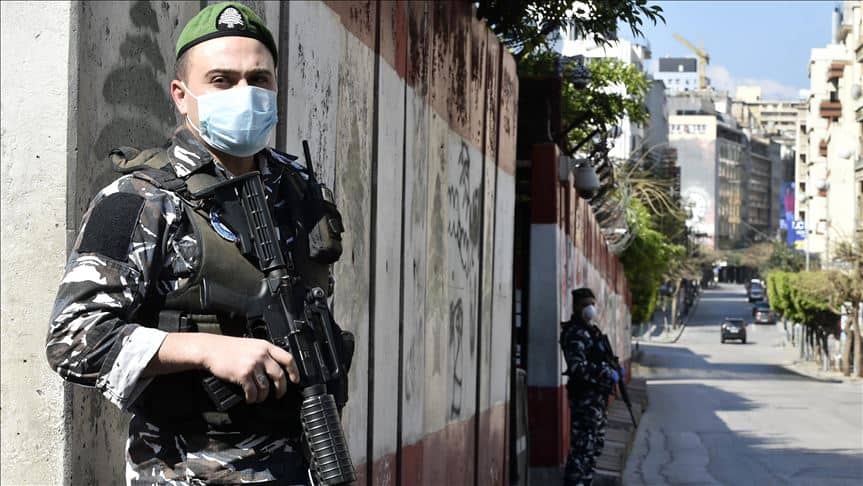
Lebanon is suffering under the weight of dual shocks from its economic crisis, punctuated by a Dollar shortage, and the growing coronavirus outbreak that promises to deepen the country’s economic woes. 

 In recent days, a number of alarming incidents demonstrated high levels of fear and uncertainty spreading, like COVID-19, throughout the country. 

A man-made a failed attempt at self-immolation today after his bank refused his request to withdraw $500 from his savings account, containing $200,000, in southern Lebanon. 

Lebanese news outlet Naharnet reports the individual from Jdeidet Marjayoun drenched himself and part of the bank in fuel before security forces intervened and successfully stopped him from igniting the accelerant. 

The man’s extreme reaction demonstrates the heightened level of uncertainty in the Lebanese banking and finance sector. 

Parliamentary Speaker Nabih Berri appears to be equally alarmed by the status of Lebanese bank deposits and raised the issue with Central Bank Governor Riad Salameh on Tuesday, April 7. Berri called on the bank to reassure citizens about their savings, and guarantee their deposits, be they big or small.

“Speaker Berri reaffirmed to Salameh that people’s deposits in the banks must be considered sacred and must not be acted upon under any circumstances,” a spokesperson said. 

“Regardless of what you say is a campaign against the central bank, take the initiative and seriously reassure the people about their money,” Berri allegedly told Salameh in the meeting.

The scarcity of US Dollars has prompted a crash in the Lebanese Pound’s (LBP) black market value. Banks have been restricting access to dollars, creating an environment of uncertainty, further reducing faith in the banking sector and the LBP. 

On April 3 a Central Bank circular instructed financial institutions to allow small depositors (holding less than LBP 5 million), to convert savings to dollars and withdraw them at the stabilized market rate. Many account holders are expected to take the opportunity to cash out.

A bank hold-up in the city of Tyre on April 8 synthesized Lebanon’s health and liquidity crisis.  A group of young men entered the bank and took the manager and employees hostage for over an hour before security forces resolved the situation. 

The ringleader was demanding $15,000 for his mother’s medical treatment, and hung banners outside the bank stating, “In the Name of the Lebanese People, This Branch Has Been Closed until Further Notice” and “What was Taken by Force Can Only be Retaken by Force.”

“The country’s financial crisis has caused a dollar shortage that, since September, has restricted the ability of medical supply importers to import vital medical supplies, including masks, gloves, and other protective gear, as well as ventilators and spare parts,” Human Rights Watch reported on March 24. 

Meanwhile in Tripoli, a wild prison riot broke out on April 7 among inmates scared of COVID-19 infection. Four inmates were allegedly wounded when security forces fired rubber bullets to break up the fracas at Qoubbeh Prison. 

The rioters called for the government to make good on its long-running promise of a general amnesty for those who committed minor crimes and drug-related offenses.

On April 6, security forces thwarted an escape attempt from Zahle Prison in the Bekaa Valley when they uncovered a tunnel several meters in length. Family members said inmates were trying to escape because, “they are scared about the coronavirus issue, they are scared it will spread,” Al Jazeera reported.

As of April 5, 559 detainees had been released, Interior Minister Mohamed Fehmi said. Up to 9,000 prisoners are being assessed for release to reduce the burden on the heavily over-prescribed prison system due to the COVID-19 outbreak. 

Governments across the Middle East and North Africa have released prisoners in an attempt to prevent the spread of the novel coronavirus in facilities which are often overcrowded and have compromised sanitation. 
Read also: Lebanese President Calls for International Support Against COVID-19

Bahrain Prioritizes Both Citizens and Economy During the COVID-19 Crisis

While many of the richest countries on earth are balancing the health of their citizens with the need to preserve an intact economy, Bahrain is demonstrating an alternative approach. Bahrain’s government announced on April 8 it will be paying all private sector salaries in the coming months. From April until June, Bahrain will spend $570 million to ensure all its citizens receive their wages as the pandemic continues to spread across the globe.

Bahrain has confirmed 855 COVID-19 cases, including five deaths and 495 recoveries, as of April 9. As neighboring nations face much worse outbreaks, Bahrain is thinking “outside the box” to find innovative approaches. Surrounded by wealthier neighbors in the Gulf, Bahrain has still managed to prepare an $11 billion stimulus package to support its private sector and is now focusing on that sector’s future customers.

In addition to making sure the crisis does not impoverish any citizens, the government will also pay water and electricity bills and extend tax breaks on properties and the hard-hit tourism industry. The small Gulf state welcomes business owners to sign up for the benefits digitally starting April 8, after which the government will pay their employee’s wages.

The move is an encouraging approach to ensure citizens will remain financially self-sufficient during the crisis, and also to build spending power for after the crisis subsides. While many countries have seen unprecedented layoffs and business shutdowns, the Bahraini government’s decision will limit its citizens’ suffering and prepare them to revitalize the country’s economy post-crisis.

The plan will cost an estimated half a billion dollars because of Bahrain’s limited size, a tiny sum in relation to the trillions of dollars the EU and US plan to pump into otherwise bankrupt companies in order to maintain the status quo.

Preparing for a comeback after the crisis

Any funding a national government has available is by definition generated through the revenue of tax-payers and national resources. The Bahraini government appears to simply “recycle” some of this money, putting it into the hands of those consumers that will need to reboot the economy post-crisis.

Governments have had two approaches available to them. Total lockdowns are proven to contain or slow the spread of the virus but cause economic damage as people lose their incomes. The second option is keeping the economy open as much as possible, which might lead to higher infection rates but fewer unemployed people and bankrupt businesses.

The Bahraini approach appears to be taking the best of both approaches. The spread of the virus is limited while citizens continue to make, and possibly even save, money. When Bahrain’s shops and events reopen there will be a large field of customers with money ready to spend. As soon as the state announces the lockdown end date, its citizens can start making vacation plans or make long shopping lists for items they were unable to buy because of shop closures.

The result should be an economy that is suffering, but also one that is perfectly situated to come roaring back to life. Let us call Bahrain’s lockdown a peaceful “hibernation” during a “bear market” winter.


Read also: Bahrain FI Grand Prix Forges Ahead Without Fans

One Step Closer to Peace? Saudi-Led Coalition Announces Yemen Ceasefire

Saudi Arabia-led Coalition Spokesman Colonel Turki Al-Malki announced a comprehensive ceasefire from midday April 9, subject to extension, in order to deescalate tensions and begin working toward a political solution to the Yemen conflict. 

“The Coalition will seize this opportunity to unite all efforts to reach a comprehensive and lasting cease-fire in Yemen, and agree on serious, concrete and direct steps to alleviate the suffering of the brotherly Yemeni people and maintain their health and safety,” Al-Malki told the state-run Saudi Press Agency on April 8.

The UN Secretary General and Special Envoy for Yemen have welcomed the move, saying it is an important step towards peace in the war-torn country. 

“This can help to advance efforts towards peace as well as the country’s response to the COVID-19 pandemic,” UN Secretary General Antonio Guterres said in a statement on Thursday, April 9.

“I now call upon the Government of Yemen and Ansar Allah to follow through on their commitment to immediately cease hostilities. I also call on the Government and the Houthis to engage with each other, in good faith and without preconditions, in negotiations facilitated by my Special Envoy Martin Griffiths,” Guterres added. 

Griffiths expressed his gratitude to Saudi Arabia for “acting on this critical moment for Yemen.”

“The parties must now utilize this opportunity and cease immediately all hostilities with the utmost urgency, and make progress towards comprehensive and sustainable peace,” Griffiths stressed.

The Houthis have reportedly sent their own roadmap to peace in Yemen to the United Nations, but have not indicated whether they will match the Saudi-led coalition’s move and put down their weapons.

“[Our proposal] will lay the foundations for a political dialogue and a transitional period,” rebel spokesman Mohammad Abdulsalam tweeted on Wednesday, April 8.

Both sides signaled their interest in working on a ceasefire to deal with the COVID-19 threat in late March, heeding Guterres’ call for a worldwide truce in the face of the coronavirus pandemic. 

A truce has not materialized and hostilities continue. As recently as Wednesday, April 8, the Yemeni government said a Houthi militia had targeted Marib with missiles, while the rebels claimed Hajj and Saadda provinces had been attacked by the coalition.  

Yemen has been mired in a bitter civil war for the past five years. The UN estimates 80%, or some 24.1 million Yemenis, require aid and protection, making the country’s devastation the largest humanitarian crisis in the world. 

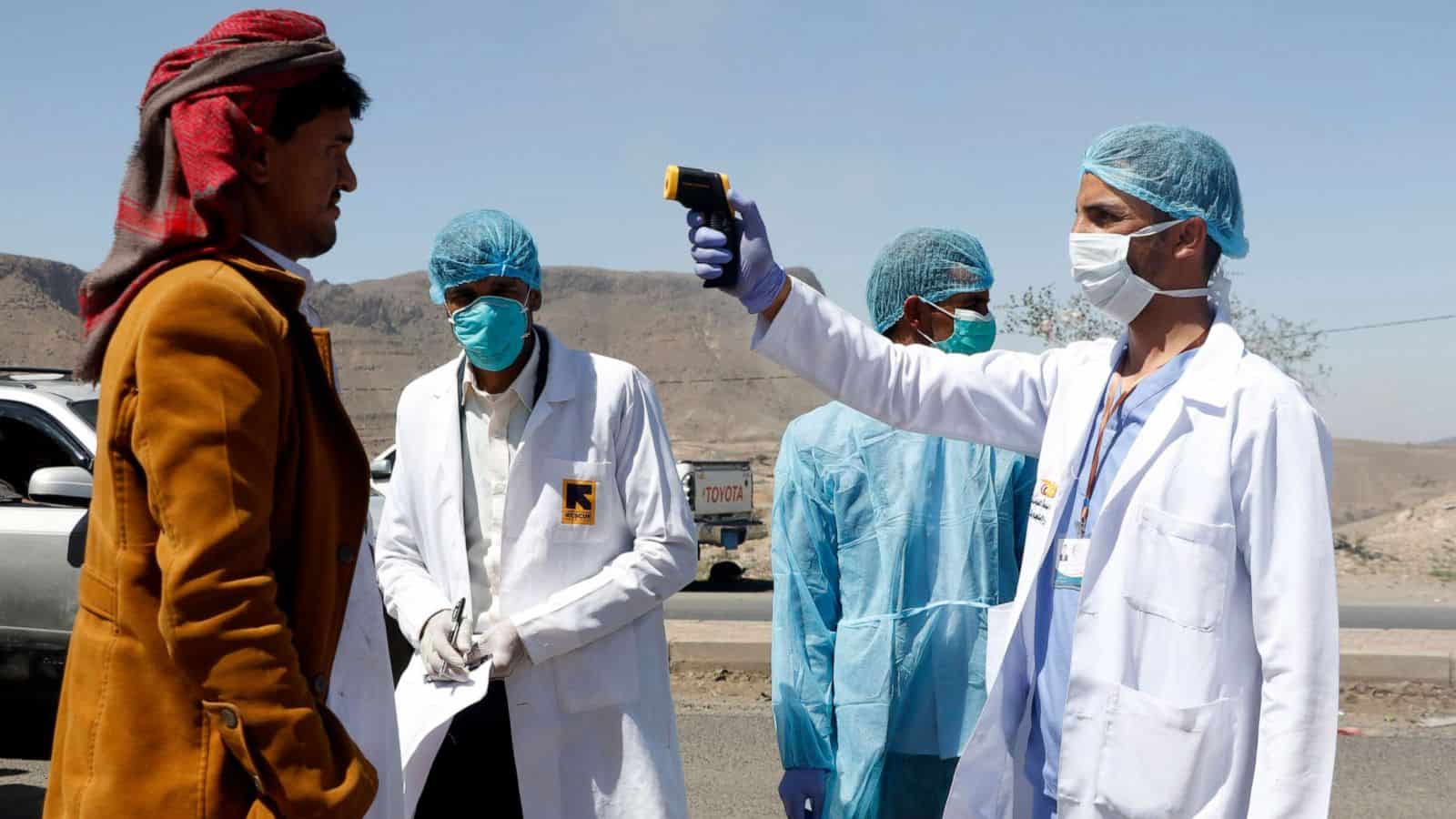
The Yemeni healthcare system is “on the brink of collapse” and despite no COVID-19 cases recorded to date, the World Health Organization says “preparedness must be stepped up.” 


Read also: Wave of Retaliatory Attacks by Saudi-led Coalition Rock Yemen

Gaza Runs Out of COVID-19 Diagnostic Tests

“Test, test, and test again” is the official recipe for pandemic containment success, according to the World Health Organization (WHO). The more tests that are performed, the better medical professionals can estimate the scale of a local outbreak and respond accordingly. The Gaza Health Ministry has taken up the WHO’s advice, testing as many possibly infected people as it can.

Despite the testing efforts, on Sunday, April 5, the Gaza Health Ministry sounded an alarm. Soon the testing kits would run out, the ministry warned, and Gaza would be left blind to the local spread of COVID-19. Little has changed since Sunday and on Wednesday, April 9, Gaza reached its “zero hour:” All tests had run out, effectively suspending testing.

Health Ministry spokesman Ashraf Al Qidra released a statement announcing the shortage: “Testing at our central laboratory has stopped, after coronavirus test kits completely ran out.” Gaza needs new testing kits, 100 ventilators, and 140 beds for intensive care units, Al Qidra explained.

The Health Ministry has been very public about the need for COVID-19 equipment. The ministry has appealed to international organizations for assistance. Little help is coming from Israel, whose government has linked any potential assistance with preconditions including the release of prisoners of war.

Gaza has reported 13 cases of the novel coronavirus to date, but fears over a larger undetected outbreak in the densely populated territory are rising, and the absence of testing kits means authorities are left guessing. The absence of kits means that hundreds of people will have to remain in quarantine even though they might not be infected, while others who are infected might continue to spread the virus, unaware of their status.

Stopping a local outbreak

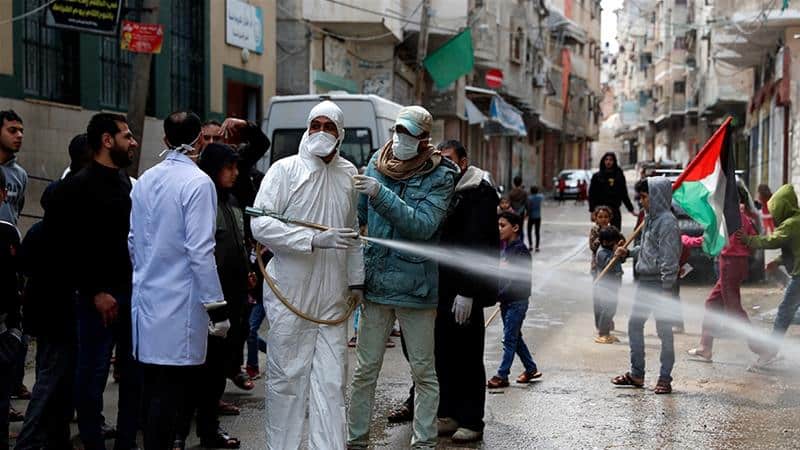
Hamas, which was elected as the governing party in Gaza in 2007, has taken WHO advice by closing schools, mosques, and weddings and banning public gatherings. The Strip’s impoverished population and the inability of the Gaza government to financially support its citizens means a lockdown is not an option.

Likely in an effort to prevent panic, local authorities have said a lockdown is unnecessary. Other governments in the region have imposed full lockdowns, indicating that economic factors may be the prime motivator behind the decision.

An international group of donors to Palestine had to cancel their annual spring meeting in Brussels because of the virus. Norway, which has been involved in the Palestine-Israel conflict, released a statement on April 4 to urge its fellow donors to step up support for Palestine.

The Norwegian Foreign Affairs Minister said in the statement: “A significant drop in revenues to the Palestinian Authority as a result of the coronavirus crisis will have dramatic consequences for the Palestinian economy and for living conditions in Palestine. I am particularly concerned about the possible spread of the coronavirus in Gaza and in the Palestine refugee camps.”

The crisis in Gaza has created some unlikely alliances. After the 13th case in Gaza was announced on April 7, Hamas called on the Palestinian Authorities (PA) to “put their differences aside,” according to the Palestine Chronicle. 

Ismail Haniyeh, head of the Hamas Political Bureau, discussed the matter in a April 6 call with the prime minister of the Palestinian Authorities. “We, as Palestinians, are united in one trench to confront this pandemic,” Haniyeh said in the call, continuing that “the safety of every Palestinian in Jerusalem, Gaza, the West Bank and abroad should be the main concern of the factions.”

If traditional opponents like Hamas and the PA can find common ground in the midst of this crisis, perhaps international donors can do the same and provide Gaza with the help it desperately needs.

Read also: WHO Says There is Still Time to Increase Middle East Coronavirus Response

Iran Pulls the Strings as EU Nations Ignore Sanctions, Alliances for Profit

With so many sanctions against Tehran, it can come as no surprise that Iran is looking for the means to overcome the obstacles placed in its path. Realistically, they are there for a good reason, though it is easy to forget this as the world sees Iran crumbling under the pressure of the COVID-19 crisis with worsening economic conditions based upon limited trade and exportation. Is it a good idea to relax? 

Despite the ongoing crisis, Iran continues to carry out untold human rights atrocities against an entire indigenous people. America and the EU turn a blind eye by calling this a regional conflict and by calling both groups extremists, possibly constituting an easy path to avoid getting involved in the tussle. 

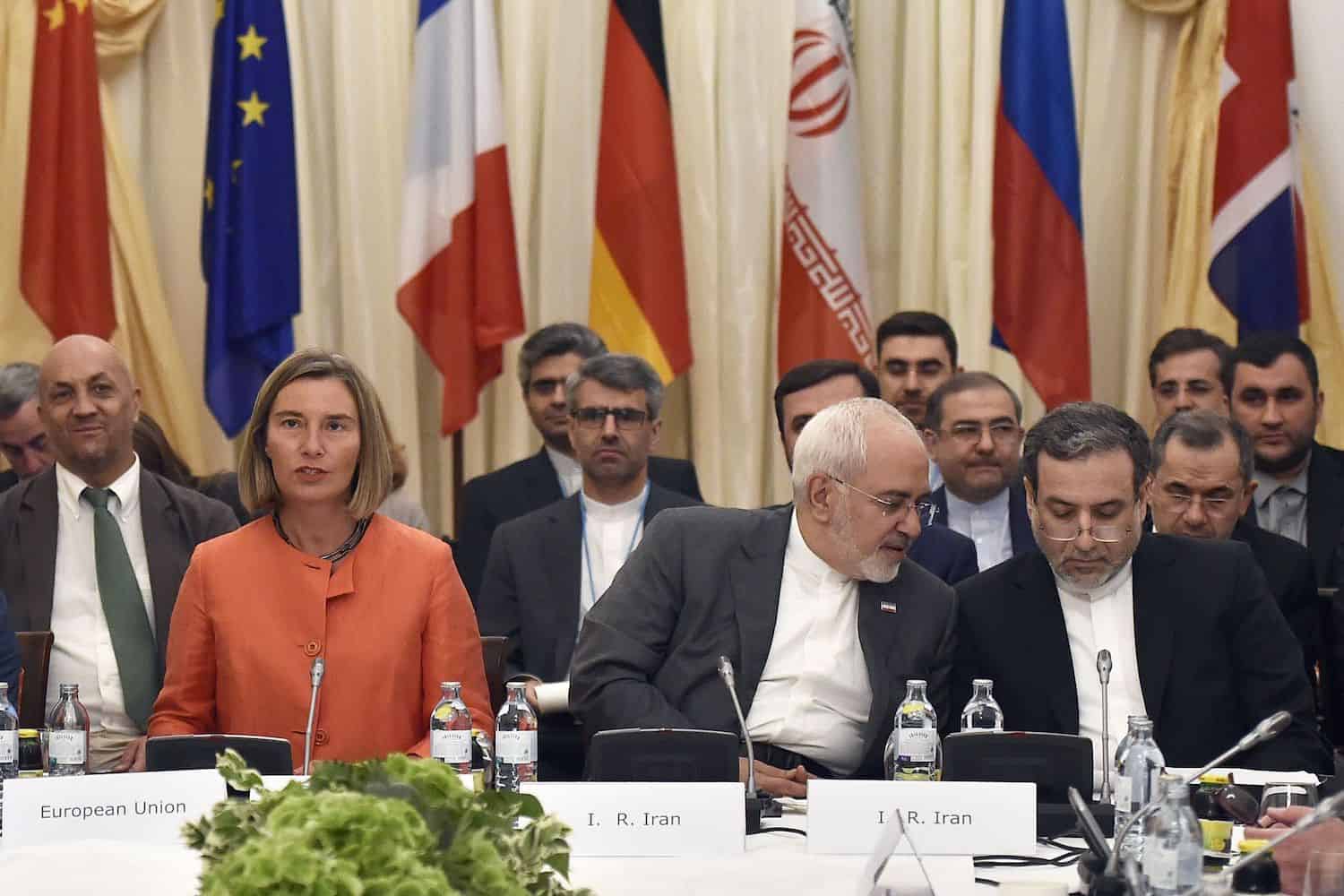
The reality of it is that Tehran has found a way around the sanctions, and multiple US allies are complicit in helping it. Recent agreements between Germany, France, and Iran are proof of the rest of the world subtly disregarding the  United States. With all of these nations so focused on maintaining the nuclear accord, none is keen to call Iran to task. Financial gain seems to outweigh holding onto the Accords that have been in place for years between allies. If left unchecked, these issues could destabilize the European Union and the United States, let alone any discussion of alliances. 

The kleptocratic regime in Tehran has done nothing to indicate intent to change their ways; in fact, they are just digging deeper. No matter what spin you put on it, the truth of the matter is they cannot be trusted. So, why is it that long-standing United States’ allies in Europe would even give any consideration to this? Sadly the answer is that they see this as an opportunity to weaken the mission of the United States government and forsake their alliances for a quick dollar.


Read also: Iran Urges IMF to Approve COVID-19 Relief Loan Despite US Opposition

Lebanon and Egypt to Suffer Severe Impacts of COVID-19 Remittances Slump

Declining remittances alone could wipe $660 billion from the global economy, Bloomberg reported today. The International Labor Organization forecasts coronavirus curbs such as non-essential business shutdowns and travel restrictions will cut working hours by 6.7% globally in the second quarter of 2020. 

In the face of past economic shocks, such as natural disasters, remittances have generally remained steady. The global nature of COVID-19 and its impact on sectors traditionally filled by migrant workers, such as the hospitality industry, “upends the wisdom about remittances being very stable,” said Institute of International Finance economist Elina Ribakova.

“Some of the largest remittance-sending countries—the United States, Switzerland, Germany, France, and Italy—are locked down by the COVID-19 pandemic, and service sector jobs have been hard hit from outset of the health crisis,” the World Bank explained. 

“While large—global remittances peaked at $706 billion in 2019—this safety net is now frayed by job losses in the service sectors most reliant on migrant workers and shutdowns that fail to recognize remittance agents as essential services,” the global institution warned on April 3.  

In the MENA Region, Lebanon and Egypt, whose economies rely heavily on repatriated money, predict hard hits from the drop in remittances ensuing from the coronavirus pandemic.

Lebanon 

Remittances account for 12.5% of Lebanon’s GDP and are a key source of income for the country’s beleaguered economy, which was already mired in debt and a recession before the virus hit. Money from the Lebanese diaspora has, however, been declining for the past 10 years, reducing the amount of foreign currency (namely US dollars) in the local economy.

In 2019, Lebanese citizens responded to the increasingly shaky Lebanese Pound. Many withdrew their dollars from the local banking sector, which was looking increasingly unstable, adding to the Dollar shortage. Now the lack of dollars and difficulties in securing credit have greatly decreased the country’s purchasing power and ability to finance its fight against COVID-19.

“The country’s financial crisis has caused a dollar shortage that, since September, has restricted the ability of medical supply importers to import vital medical supplies, including masks, gloves, and other protective gear, as well as ventilators and spare parts,” Human Rights Watch reported on March 24. 

The government has also failed to pay private and public hospital bills, further restricting the health sector’s ability to respond to the pandemic.  

Egypt 

The Egyptian economy is heavily reliant on tourism and remittances, the latter accounting for 8.8% of GDP. Both are negatively impacted by the novel coronavirus outbreak and threaten to derail the past two years of solid economic growth. 

Following a 5% growth rate in 2019, and high tourism revenue for 2018-19, 2020 was set to be a great year for Egypt’s economy. Now the International Food Policy Research Institute (IFPRI) estimates Egypt will lose between 0.7% and 0.8% of its GDP for each month the COVID-19 crisis persists. 

IFPRI’s modeling shows that, “while all households are hurt by lower tourist expenditures, it is poor households—and especially those in rural areas—that suffer the most from lower remittances.”

Due to their heavier reliance on repatriated funds, IFPRI predicts that poor rural households could lose between 11.5% and 14.4% of their average monthly income, whereas the urban poor may lose between 9.7% and 11.5% of their average income.

Gulf States

In 2019 half a trillion dollars in remittances flowed into emerging markets and developing economies, according to the World Bank. 

For 66 countries around the world, remittances contribute up to 5% of annual GDP. In others such as Haiti and Nepal, remittances account for as much as 20% of GDP, making these transfers a more important source of income than foreign direct investment or development assistance.

Economist Cornelia Mayer points to the impact of COVID-19 on the Gulf Cooperation Council (GCC), where in the United Arab Emirates (UAE), for example, 80% of the country’s population is made up of migrant workers. 

“In 2017, overseas workers in the Gulf Cooperation Council (GCC) sent more than $25 billion worth of remittances to India and slightly above $30 billion to Pakistan, Egypt, the Philippines and Bangladesh,” Mayer said.

The macro-economist and energy expert predicts that as a result of COVID-19, low real estate prices in the UAE will reduce demand for construction. Migrant workers will be laid off and forced to return to their countries of origin when flights open, where they will add to the growing ranks of the unemployed. At the same time, their home economies and families will no longer be benefiting from the money they would normally be sending back. 

Africa

Africa is also wide open to the economic shock caused by “significant declines” in remittances, foreign direct investment, and constrained aid budgets and resources. 

“As entire economies are being locked down across the world as well as on the continent, remittances will fall and impact dependents in many African countries,” head of risk consultancy firm Exx Africa Robert Besseling forecasts. 

“For example, in Zimbabwe, nearly US$400 million of remittances income is under threat since South Africa and other countries with large Zimbabwean expatriate populations have imposed their own lockdown orders, sending many workers home,” Besseling said. 

Even the act of sending remittances has become more complicated for those who continue to draw a wage and cannot access digital means to send money internationally. Due to movement restrictions and closures of non-essential businesses, the logistical difficulties of sending money back home is an extra barrier to the flow of remittances.  

There is no obvious solution to the COVID-19-related decline in remittances. It could be addressed by re-opening the construction or hospitality industries, but there seems no safe way to do so in light of the serious public health threat posed by novel coronavirus. Instead, the reduction in repatriated money is just another piece of the economic puzzle the global pandemic is creating, that economies, large and small, will have to deal with in the coming year. 


Bernie Sanders Withdraws from US Presidential Race

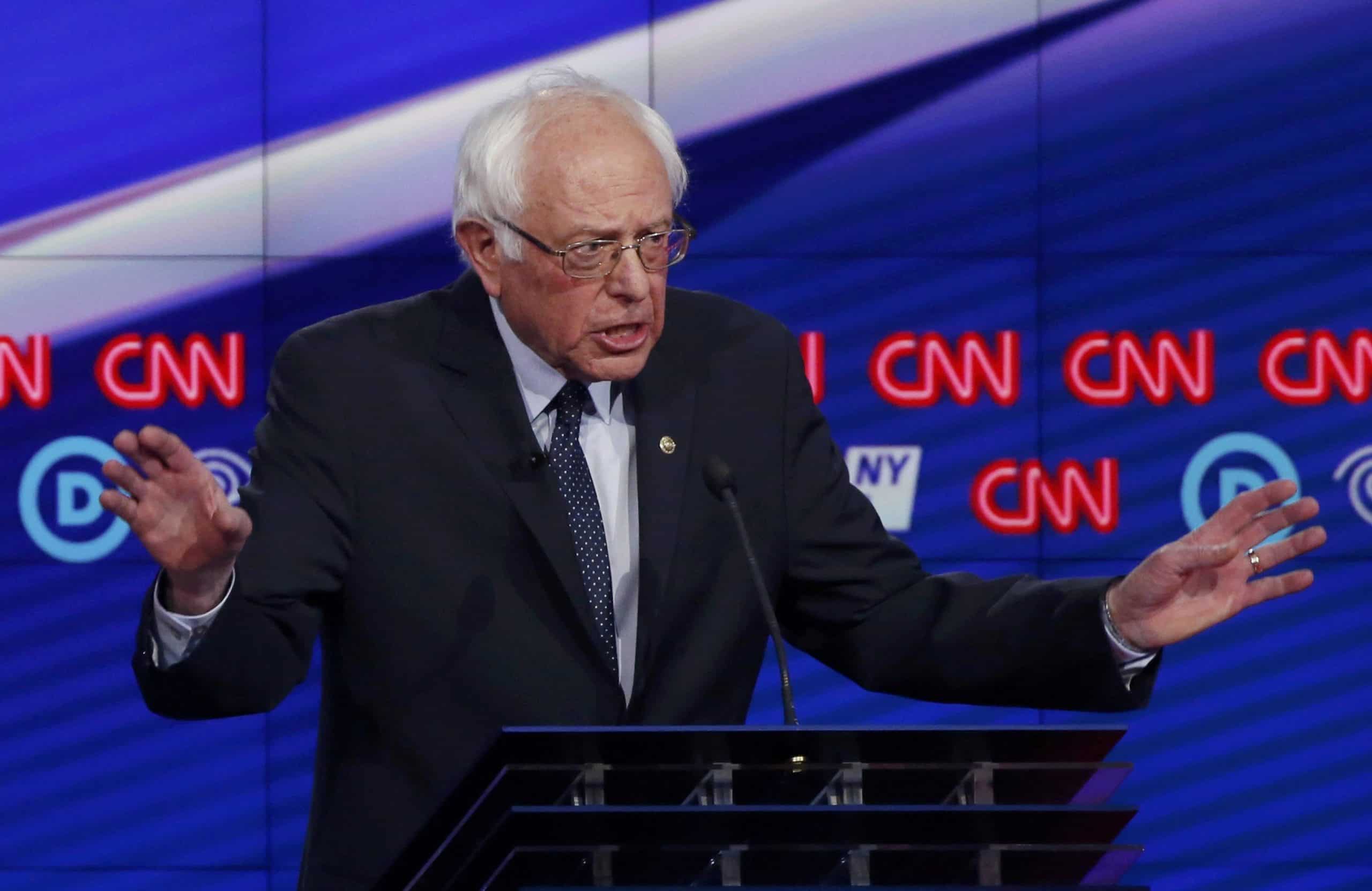
Bernie Sanders announced his decision today, April 8, to suspend his 2020 presidential campaign, ceding the Democratic nomination to Joe Biden after major losses in March severely weakened his campaign.

Sanders reportedly informed his campaign team of the decision by phone without giving any details on the reasons for the withdrawal.

Sanders’ move gives former Vice President Joe Biden the green light to take on Republican President Donald Trump in the November 2020 elections.

The Associated Press (AP) said that Sanders had finished his campaign after in the Democratic primaries, which determine the party’s presidential nomination: “Vermont Sen. Bernie Sanders saw his once-strong lead in the Democratic primary evaporate as the party’s establishment lined swiftly up behind former Vice President Joe Biden..”

According to FiveThirtyEight’s forecast, Joe Biden had a better chance of snagging the Democratic nomination given the results of the primaries.

The United States is facing the unprecedented crisis of a major COVID-19 outbreak and has quickly become the epicenter of the pandemic, with 410,843 cases and 14,210 deaths.

WHO Says There is Still Time to Increase Middle East Coronavirus Response

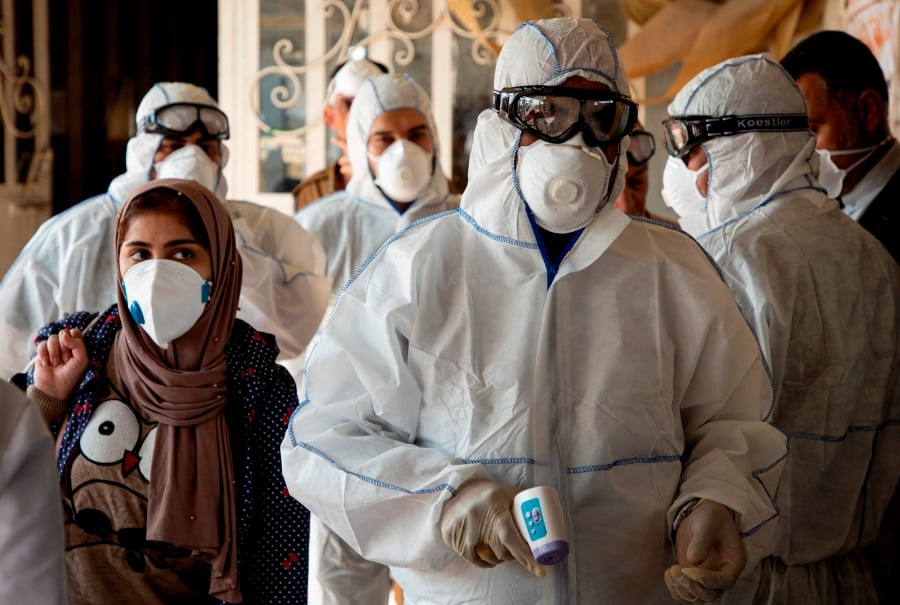
“The Middle-East still has a chance to stop COVID-19,” said Richard Brennan, regional emergency director for WHO’s Regional Office for the Eastern Mediterranean on Tuesday, April 8. The region has confirmed 77,000 COVID-19 cases and almost 4,000 deaths to date, with 78% of those cases in Iran.

The fact that all other Middle Eastern countries have reported less than 4,000 cases, with most counts below 1,000 means there is still hope for the region, according to the WHO official.

While the US and UK have witnessed a disproportionately high death rate among people of color, the Middle East is thus far reporting averages similar to those seen across the globe.

Iran demonstrates a worst-case scenario with the virus spreading amid chaos and economic devastation. The country’s numbers appear to be flattening out, in an encouraging sign that the Iranian outbreak passed its peak. “Of all the other countries, in most instances we are still seeing a concerning rise in the number of cases day after day,” Brennan said about Iran relative to other Middle Eastern nations.

Early preventative measures such as lockdowns and the closure of public events have helped stem the spread of the virus. Most countries in the Middle East are reporting numbers significantly lower than their European counterparts. The focus should now change to testing as many people as possible.

WHO urges expanding measures

“We really do need a comprehensive approach to the way we scale up the proven public health measures such as early detection, such as early testing, the isolation of patients who have the disease,” Brennan said.

A number of concerning issues remain that might complicate matters further. A shortage of healthcare workers in the Eastern Mediterranean region could endanger the feasibility of rapid testing, which is required to ascertain the scope of the virus’ spread.

“We need health workers to be mobilized to ensure their availability to meet shortages,” Ahmed Al Mandhari, Brennan’s superior, proclaimed during an online press conference in Egypt.

Healthcare workers need to be well-protected in order to combat the virus. Shortages in personal protective equipment (PPE) in Europe have led to avoidable infections among healthcare professionals. “We also need to protect health workers…to prevent and control infection and provide them with the required personal protective equipment,” Al Mandhari added.

Conflict zones present a unique challenge

The WHO and many international NGOs have raised an alarm about the region’s conflict zones. After initial encouraging news of a potential ceasefire, Yemen remains with limited hope of relief. Russia and Turkey have committed to a ceasefire in Syria as they respond to their own national health crises, providing a brief lull in violence for the devastated country. Libya’s embattled and besieged national government has started to report cases, but its lack of control over most of the country means that authorities lack the ability to stem the tide.

Countries facing political and economic instability, such as Iraq and Lebanon, are similarly concerning. Human Rights Watch sounded an alarm in an April 8 statement about the dangerous effects of government measures. Without much economic support for citizens in lockdown, the watchdog NGO fears the impact of the virus could easily extend beyond those infected.

As the world continues to struggle to contain COVID-19, the Middle East’s early implementation of measures has helped prevent a rapid spread of the virus. Now that lockdowns are in place and more is becoming clear about the novel coronavirus, the Middle East requires another push to enhance testing and increase healthcare capacity.

Iran Urges IMF to Approve COVID-19 Relief Loan Despite US Opposition

Iranian President Hassan Rouhani renewed calls for the International Monetary Fund (IMF) to grant the COVID-19 stricken country a $5 billion dollar loan, on April 8.

Speaking from a televised Cabinet meeting, Rouhani repeated his entreaty to the IMF, saying a failure to grant the loan would amount to discrimination. 

“We have not asked for anything from the IMF in the past 50 years, and we have met all our obligations; should the Fund not fulfil its responsibilities in these hard times, the world will interpret it differently,” Rouhani said.

Rouhani did not miss the opportunity to lash out at the United States and its economic sanctions, saying, “history will never forget that the White House, which was an economic terrorist, has now become a terrorist in the medical field, too.”

The Iranian Prime Minister’s rhetoric is the latest in a war of words between the US and the rogue Persian state on economic sanctions and COVID-19 assistance. His latest comments echo those of Iran’s Foreign Minister Javad Zarif who also accused the US of “medical terrorism.” 

This time, however, it appears that Rouhani’s claims have some basis in fact. Reports are circulating that the US is indeed trying to block the IMF from loaning money to Iran. 

The US is the largest shareholder in the IMF and can wield its 16.5% of votes to stonewall loan requests. The European Union, who appear to favor the Iran bailout, could theoretically, alongside other members, accumulate a majority of votes to okay the loan, and circumvent US opposition. 

The Trump administration maintains that, despite its aggressive program of economic sanctions, Iran has sufficient cash accounts available to cover the economic and public health costs associated with fighting its massive coronavirus outbreak.

“The world’s leading state sponsor of terrorism is seeking cash to fund its adventurism abroad, not to buy medicine for Iranians,” a US State Department source told Al-Monitor on April 7.  

White House officials who spoke to the Wall Street Journal believe any new funding from the IMF would not be used to fight COVID-19 but diverted to sure-up the economy or fund terrorism. 

“The [Iranian] regime’s corrupt officials have a long history of diverting funds allocated for humanitarian goods into their own pockets and to their terrorist proxies,” stressed the State Department spokesman. 

The IMF has confirmed that it is in talks with Iran regarding the loan. 

Iran, who has not accessed IMF support since receiving “standby credit” between 1960 and 1962, applied for a $5 billion loan on March 12. 

All member states “facing an urgent balance of payments need” can apply for access to a Rapid Financial Instrument through the IMF.

US Sanctions and Offers of Assistance 

The US has offered to provide unilateral COVID-19 assistance to Iran, and reiterated that sanctions do not target medicine or health devices. However, its regime of secondary sanctions has made ventilators and other equipment hard to come by. Financial institutions and companies avoid doing business with Iran for fear of falling foul of the US’ measures.  

Despite devastation from the pandemic, Iran’s Supreme Leader Ayatollah Ali Khamenei rejected the US’ offer of assistance on March 22, calling the US leadership “liars and charlatans” and saying Iran is suspicious of their proposal. 

Iran has continued its calls for the US to lift its sanctions on humanitarian grounds.

“We had always said the sanctions are unjust but coronavirus revealed this injustice to the world,” Foreign Minister Javad Zarif said in a video.

Zarif’s US counterpart, Secretary of State Mike Pompeo, hit back on Twitter, writing that Iran’s “concerted effort to lift U.S. sanctions isn’t about fighting the pandemic. It’s about cash for the regime leaders.

Endgame

It appears that even the coronavirus pandemic is not enough to stop Iran and the United States from trading tit-for-tat accusations or to reduce the tension between the two countries. Instead, the bitter adversaries see opportunity in the unfolding crisis.

Iran has sighted a means to secure a reprieve from economic sanctions. “Iran sees an opportunity to leverage the coronavirus to pressure the U.S. to ease its maximum pressure policy because they are at a deadlock with the economy,” Iran-based economist Siamak Ghasemi told the New York Times

“Of course sanctions relief will give the government more financial resources to battle coronavirus, but they are also thinking long term,” Ghasemi said. 

The US sees the devastating COVID-19 outbreak in Iran as another nail in Khamenei’s coffin, and a step closer to Iran’s capitulation.

The International Crisis Group’s Iran Director Ali Vaez argues, “the Trump administration believes that the outbreak has succeeded where sanctions failed to weaken the economy even further.”  

“They think that the timeline for bringing Iran to its knees has shortened because of the coronavirus,” Vaez added. 

It is impossible to ascertain the direct impact of discrete factors such as the Iranian regime’s bumbling response and lack of medical supplies due to sanctions, or cultural factors such as licking shrines, have had on the spread of the virus in Iran. 

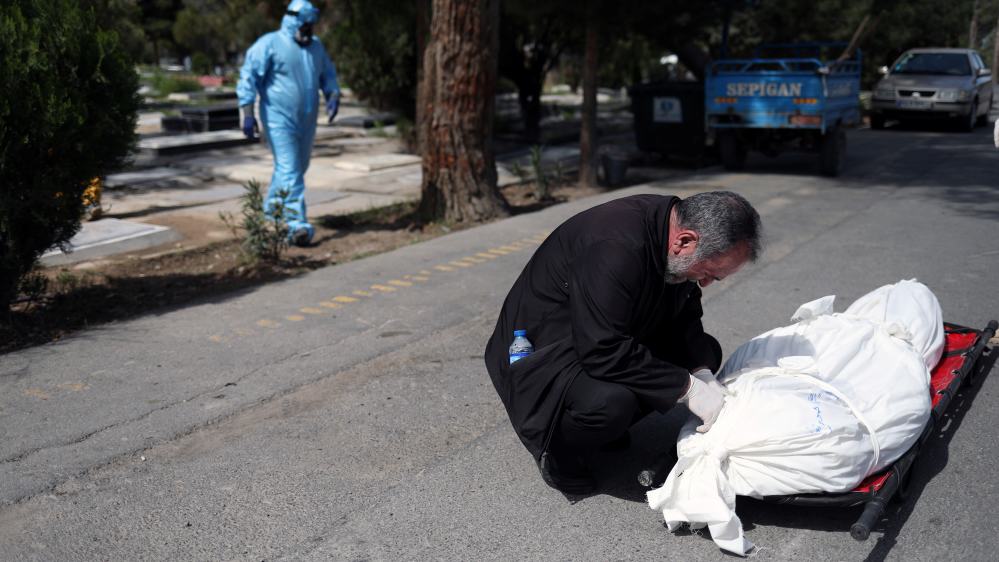
What is evident, is that a combination of circumstances created conditions which allowed the novel coronavirus to spread rapidly throughout Iran, killing 3,993 Iranians if the regime’s figures are to be believed, and in reality likely many more. 

There is not yet any clear advantage to be won by the US, who is itself now struggling under the burden of COVID-19, or Iran, from this pandemic. What is clear is that the Iranian people remain on the losing side of the pandemic and Iran-US tensions.


Read also:  Iran Requests $5 Billion From IMF to Fight Coronavirus Outbreak

Should the Super Rich do More to Stop Coronavirus?

“A footballer can live six months or a year without getting paid,” Carloz Tevez proclaimed on April 1. The Argentinian football player called upon his colleagues in professional football to donate their million-dollar wages to help support the vulnerable. “For us, it’s easy to talk from home, knowing that I have food for my children. But for those desperate people, that can’t move, that if they leave their homes they will get arrested and can’t feed their children, it’s very worrying.”

Tevez’ statement made headlines across the world as a notable exception to the deafening silence coming from the world’s ultra-rich. Many billionaires and multi-millionaires have retreated to luxury mansions far away from the rest of society amid the threat of COVID-19. Luxurious bunkers and yachts offer comfortable escapes for some of the world’s richest men and women.

For decades the world has worshiped the rich and applauded them for donating minuscule fragments of their fortunes. Now that an actual global threat has emerged, the rich are nowhere to be found.

Even the most noble of the ultra-wealthy have shown they will not risk their personal fortune. Bill Gates cannot stop giving advice on the crisis, yet he is not sacrificing even a tenth of his roughly one hundred billion dollar fortune. Elon Musk and Jack Ma, two of the world’s top innovators, have used the crisis as a public relations event, offering highly publicized but insignificant donations relative to their enormous personal fortunes.

Mark Zuckerberg, the owner of Facebook, was gracious enough to donate a whopping $25 million to the fight against COVID-19, which is less than one percent of his net worth. Imagine donating one percent of your net worth. How good would you feel, and how much praise would you accept?

James Dyson, inventor of the British-made line of vacuum cleaners, and who has since migrated from the UK to avoid paying taxes, is having his company produce 15,000 ventilators. The British taxpayers, however, will pay for the order.

It is all relative. And relative generosity is not enough.

When multi-billionaire founder of Alibaba Jack Ma donated $1 million, the world applauded, although the amount he gave, relatively, equates to a “regular person” donating $30. Any billionaire who gives less than several hundreds of millions of dollars is making this crisis worse.

The only billionaire who has come close to “giving until it hurts” is Jack Dorsey, the controversial owner of Twitter. Dorsey pledged $1 billion, which is one third of his net worth.

These donations by the world’s ultra-rich have garnered praise although they are sacrificing next-to-nothing. No ultra-rich individual has taken any step that could endanger their personal fortune for the betterment of those without such vast bank accounts. The world’s 25 richest people still own as much money as 4 billion of the world’s poorest.

Hundreds of billions of dollars that could save countless lives are right now stashed in overseas bank accounts in tax havens such as Panama or the Cayman islands. This money is only serving as a guarantor for the continued privilege of our global ultra-rich elite and their offspring.

For years the rich have been hailed as the best of us. Standard outlook has agreed that they amassed their fortunes because of their intelligence, hard work, and superior skills, and taxing these fortunes would be a “punishment for success.” Our current global disaster is revealing the opposite. The key to success in our neoliberal world is not through skills but through opportunism, greed, and exploitation. Now that the world’s poorest need their wealthy brothers and sisters to support them, they are nowhere to be found.

If there is any lesson to be learned from the global coronavirus crisis, it is that no human being should be trusted with such vast shares of our collective wealth. The ultra-wealthy have had ample opportunity to show that they could be responsible shepherds of the money they “earned,” but that opportunity is quickly running out.

After the pandemic is over there will only be one way to recover from the economic devastation of the COVID-19 virus: Tax the ultra-rich.


Read also: British PM Boris Johnson Tests Positive for Coronavirus