Moroccans told to start social isolation to stop coronavirus pandemic

Morocco is entering a new phase in its fight against coronavirus as the Health and Interior Ministry told Moroccans in a joint statement on March 18, to limit their movements and begin home isolation.

“These preventative measures are necessary in this delicate phase, to stop the spread of novel coronavirus,” the press release said. 

Moroccans will only be able to leave isolation to make essential grocery purchases, get medical help or go to work. 

Morocco’s tally of confirmed coronavirus cases rose to 49 on Wednesday, March 18, said the Ministry of Health. The five new cases were identified in people who had traveled from overseas. 

The new cases include two Moroccans who returned to Casablanca from Spain, a Moroccan man in Meknes who had traveled to Egypt and two French tourists now in isolation at an Agadir hospital. All patients are quarantined and receiving medical care as per Morocco’s disease prevention measures. 

The North African country has reported two deaths from the virus so far, and one full recovery. Both fatalities were elderly people who suffered from existing health conditions. 

The virus remains in “phase 1” according to health authorities, who say that at present all identified cases have come from overseas and community transmission has not been reported, yet.

Local law enforcement, the Sureté National and Gendarmerie Royale, “will be charged with guiding citizens to respect the introduction of the new measures made in the interests of all Moroccans.”   

The communique reassured Moroccans that the necessities of daily life would still be available and that the country has adequate stocks of food and fuel available across the country. 

International flights are now suspended, with the exception of extra repatriation flights but they are also scheduled to end on Thursday. Taxis are taking fewer passengers to ensure social distancing but it is not yet clear if public transport will be shut down completely. 

The new measures to deal with the “exceptional circumstances” created by the coronavirus pandemic, come after a quasi-shutdown forced Mosques, cafes, restaurants, entertainment venues, hammams to close on Monday, March 16.  

MAP reports two café owners in Tanger have already been arrested for contravening the order. The government has also launched a campaign to disinfect public spaces and transport. 

Moroccan parliamentarians joined the economic response to the pandemic and announced they would donate their monthly salaries to the King Mohammad VI Special Fund for the Management and Response of COVID-19 on Tuesday, March 17. 

King Mohammed VI created the $1 billion fund on March 15 to deal with the economic and social fall-out from the virus. 

The King oversaw, in person,  a working session on preventative measures to halt the spread of COVID-19 on Tuesday, March 17. He instructed the Inspector General of the Royal Armed Forces (FAR) to place fully-equipped medical centers across the country at the Health Minister’s disposal. Those present were instructed to ensure the continued flow of goods and services, and be prepared to take all measures to deal with the disease outbreak. 
 

Read also: Airport Chaos as Stranded Tourists Scramble to Escape Morocco

Airport Chaos as Stranded Tourists Scramble to Escape Morocco

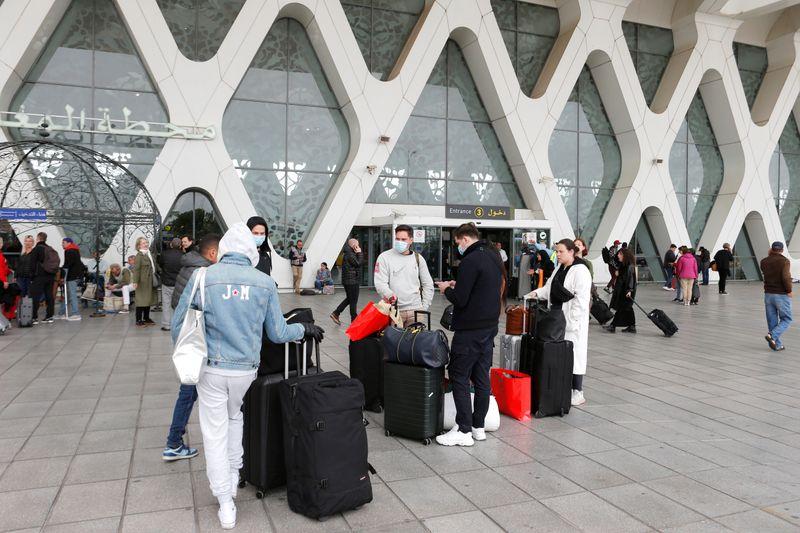
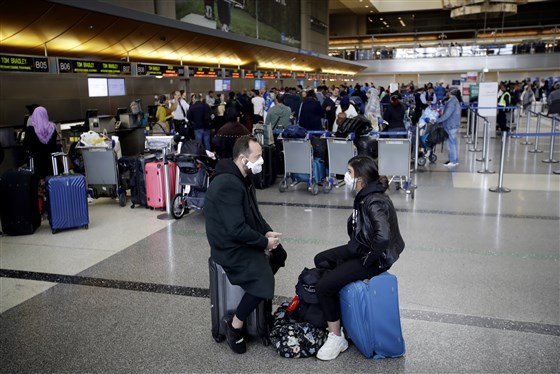
Tourism hub Marrakech has been overrun with tourists queuing to secure seats or get on standby lists for flights home. There are reports of three to four hours waits at the airline counters.  

Stranded foreign nationals are calling for their governments to do more and help repatriate them. The situation is very fluid, with so-called “rescue flights” being arranged, then canceled last minute. It’s unclear if Moroccan authorities or the airlines are behind the cancellations. 

There are now 49 confirmed cases of the coronavirus in Morocco, including two deaths and one recovery.

In a positive development for stranded Belgians, Foreign Minister Phillipe Goffin announced his government was chartering repatriation flights that will enable 720 citizens to leave Morocco on Wednesday, March 18.

Brussels Airlines will take Belgians home on two flights each from tourist hotspots Agadir and Marrakech. 

The Australian Embassy in Morocco announced on Wednesday, March 18, that as of March 17, 85 Australians had managed to exit Morocco on commercial flights. 

“We expect more flights to leave from Marrakech before Moroccan airspace is expected to close on Thursday 19 March. The Australians who managed to fly out were at Marrakech airport. We will continue to post updates during the course of the day,” the Embassy said in a Facebook post.


Australian tourists are in a difficult position as they are no longer able to transit through the EU since it closed its borders to non-essential travelers on Tuesday. To make matters worse, sources told Arabia Policy that Australians have been bumped off flights to make way for citizens of air carriers’ home countries.

The British and French Embassies have been updating their citizens on the release of new commercial flights via Facebook. Many citizens of those two countries have been successful in securing newly released tickets or having tickets for later flights honored if empty seats are available. 


On March 17, British Ambassador Thomas Riley thanked British citizens stuck in Morocco for their “patience and forbearance” in the face of such a stressful situation. 

He also said the UK is bringing in “30 flights over the next three days with British Airways, RyanAir, Easy Jet, and TUI.” The flights are set to depart mainly from Agadir and Marrakech, where the majority of tourists are currently stranded. 

Riley also told Brits to contact their travel agency, tour or flight company and go present themselves in person at the airport desk if they are unable to call. 

The French Embassy is encouraging citizens to keep an eye on the flight company websites and to be wary of giving back details to intermediaries or ticket re-sellers. Extra flights to France are being operated by Air France, Transavia, and Easyjet.

Tourists have used various means to secure plane tickets, with many engaging family members to sit on airline websites and try book tickets simultaneously in order to secure a flight out. 

It is unclear how many French and British citizens have managed to leave Morocco and how many tourists from around the world remain holed up in hotels across the country.

The Spanish Embassy announced on March 17 that ferries between Ceuta and Melilla and the Iberian peninsula have recommenced. The crossings are weather-dependent and, like flights, subject to change. 


Read also: COVID-19: Morocco Restricts Travel With 29 Countries

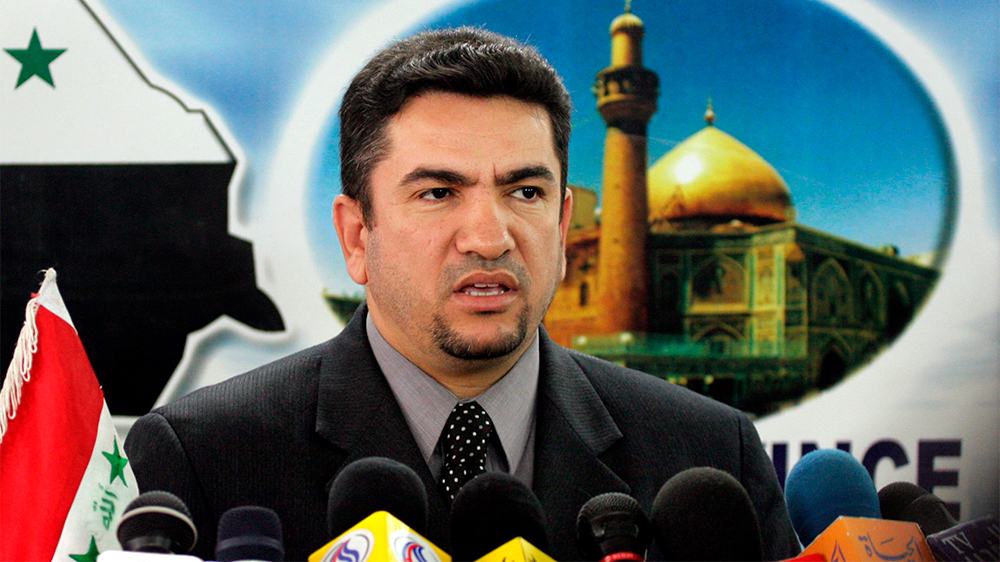
Adnan Al Zurfi: Who is Iraq’s New Prime Minister-designate?

Iraq has waited for a prime minister able to form a governing coalition since former Prime Minister Adel Abdel Mahdi resigned in December 2019. Iraqi president Salih chose to appoint Adnan Al Zufri, a relative unknown, to form a coalition cabinet. The decision follows an intense debate among Iraq’s opposing political factions which searched for a “non-confrontational figure to preserve the status quo,” according to reporting by Al Araby.

Al Zufri’s appointment was supposed to indicate a fresh start with a mandate to form a cabinet, but the appointment was marred by renewed violence. Rockets struck Baghdad’s high-security Green Zone and a NATO base located 10km south of Baghdad.

The appointment expressed intent to find a consensus candidate, but Iraq’s second largest political bloc, the Fatah Alliance, called the appointment an “unconstitutional step.” Fatah’s opposition highlights the rift between pro-Iranian and pro-American factions within the government. Iraq is caught between the interests of the US and Iran, and appointing Zurfi without a proper consensus from the opposing blocs does not indicate an end to the country’s political crisis.

The lack of support for Al Zurfi has raised questions about his appointment, which is seen as an olive branch to the United States. US Secretary of State Mike Pompeo reacted positively to the news on Twitter:


Who is Adnan Al Zurfi?

Al Zurfi, a member of former Prime Minister Haider Al badi’s Nasr coalition, is an Iraqi-American who moved to Iraq following the US invasion of the country. Al Zurfi worked for the Iraq Reconstruction and Development Council, a US Department of Defense-sponsored team tasked with rebuilding the devastated nation. One year later he was appointed governor of Najaf by Paul Bremer, who led the US-Iraqi administration following the fall of Saddam Hussein’s regime.

His activities in Najaf Province, home to the third holiest city of Shia Islam after Mecca and Medina, were closely monitored by the US. Wikileaks  leaked several classified documents that describe the new prime minister-designate:

“Zurfi, a 54-year-old American citizen who owes the first phase of his political career to his CPA appointment as Najaf Governor in 2004 and the second phase to an important intelligence position in the Ministry of Interior as a Maliki loyalist, was frank, direct, and systematic.”

During his tenure Al Zurfi as governor of Najaf Province, US intelligence had little faith in his ability to bring together opposing parties. US officials did believe Al Zulfri would be good for “security” reasons.

“While Zurfi stands to make a difference in security, his claim to be the man to bridge Shi’a political differences in Najaf and execute necessary reform is dubious,” the leaked cables revealed.

Many see Al Zurfi’s appointment as a move to appease the US. Iraq’s parliament voted to demand a US withdrawal following anti-government protests in January. After continued attacks on US and NATO bases in Iraq and the US’s clear refusal to abandon its bases that intend to “deter” Iran, AlZurfi has been offered a mission impossible.

The prime minister-designate could continue to work with the US and form a government that does not represent the will of the Iraqi people, or he could make concessions to opposing political blocs that would alienate Al Zurfi from his traditional allies. In either scenario, it appears the Iraqi political crisis is far from over.


Read also: UN Envoy Tells Iraqi Politicians to Stop Squabbling and ‘Step Up to the Plate’

Calls for a ‘Peace Conference’ in the Ongoing Oil War

Crude prices in the United States fell to lows not seen since the energy crisis of the early 2000s on Wednesday, March 18. A meeting between OPEC members and Russia failed to limit production, which would stabilize prices, and a price war ensued. Tensions between Russia and the Saudi-led OPEC bloc has often led to price drops in the past, but the COVID-19 pandemic is raising oil market risk to a new level.

Russia and most OPEC members depend heavily on oil production revenues, but the US could be one of the greatest losers in the ongoing price war. The US has invested heavily in its shale gas exploitation for years, a controversial but abundant source of natural gas. As oil prices plummet, this gas extraction is decreasingly economically viable. This change could result in bankruptcies among US shale gas companies.

OPEC could also become a victim of Saudi Arabia’s decision to drastically ramp up production. The move intended to force Russia back to the negotiating table. Instead, it is causing major damage to the already vulnerable economies of OPEC member states. Countries like Algeria and Venezuela can ill afford further economic maladies and the increased Saudi production could endanger some states’ continued OPEC membership.

Moscow is aware of tensions among OPEC members. Russia is expanding its claim to be one of the world’s leading oil producers, announcing that it is expanding drilling into the half-a-trillion barrels of oil believed to be hidden below Antarctica. As ice caps melt and climate change opens access to the North Pole, previously inaccessible oil reserves are now becoming economically viable.

Russia will likely be a prime beneficiary of this development, but this does little for the Russian Federation in the short-term as current oil prices leave Russia’s struggling economy with little room to maneuver.

Russia is unlikely to budge, Saudi Arabia is flooding the European market with cheap oil, and there seems to be little hope for a rebound in oil prices. Without any good news in sight, Iraq’s Deputy Prime Minister for Energy Affairs and Minister of Oil, Thamir Al Ghadhban, penned a letter urging all sides to the table.

The Iraqi minister hopes to achieve peace in this oil price war and calls for a meeting between OPEC and non-OPEC oil-producing countries. In the letter, Al Ghadhban asks OPEC’s secretary-general to “urgently achieve” the meetings in order to “discuss all possible ways to come up with serious and immediate actions,” according to Reuters.

Whether oil-producing countries around the world heed the call and set aside their differences to stabilize global oil prices as the COVID-19 pandemic rages on remains to be seen.


Read also: Oil Price Crash Spotlights Systemic Weakness in Algeria’s Economy

Coronavirus in Iran: COVID-19 could kill ‘millions,’ study says

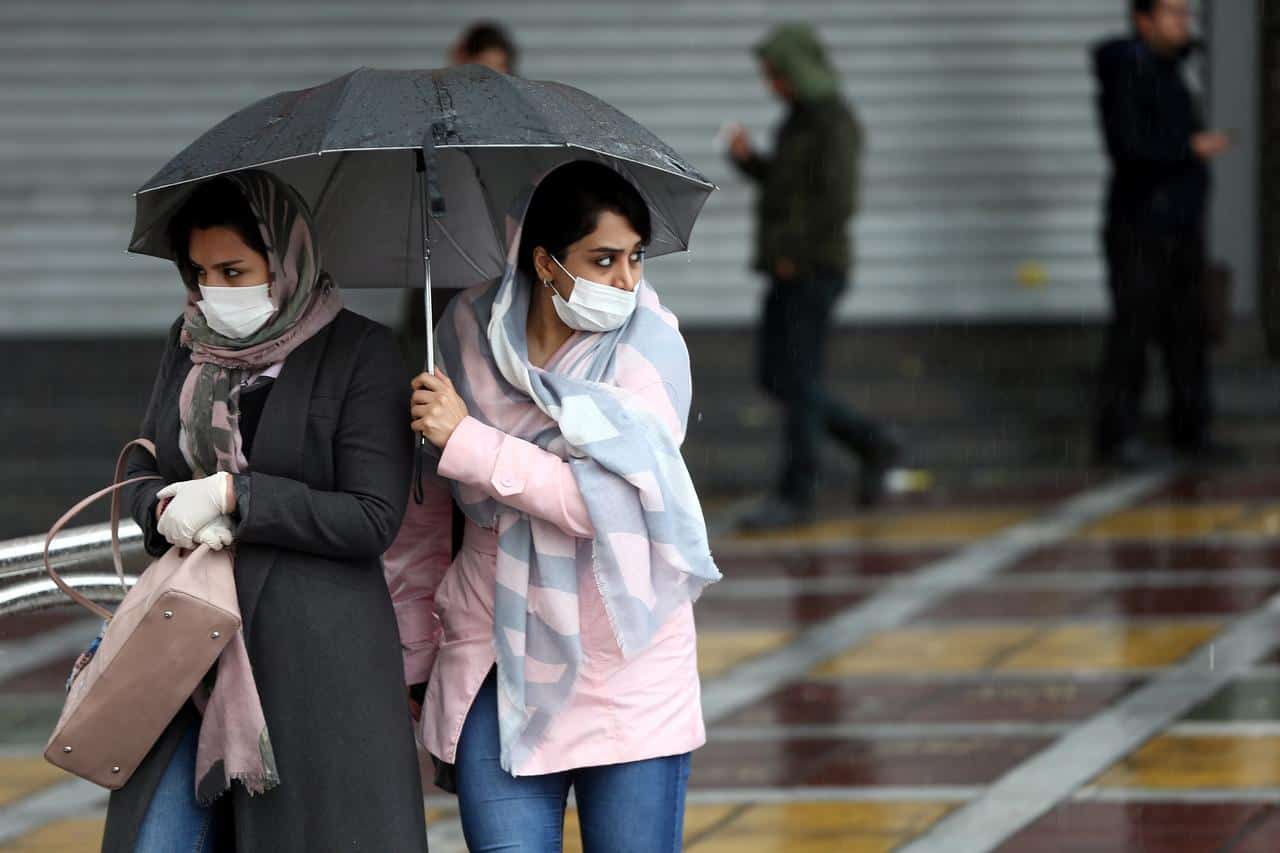
Iranian physician and state television journalist Dr. Afruz Eslami told Iranians on Tuesday evening, March 17, that the coronavirus spread in Iran could be limited to 120,000 cases and 12,000 fatalities. This is a best-case scenario, dependent on the government implementing strict containment measures, securing necessary medical supplies, and garnering public respect for the state’s imposed measures. 

Such requirements are highly unlikely. The Iranian government would struggle to impose an effective quarantine because the public have already shown they will not adhere to state-prescribed measures, and the country’s medical sector is already overwhelmed due to stringent US sanctions. 

Eslami based her figures on new modeling from a study conducted by the highly respected Sharif University of Technology.

According to the modeling, moderate levels of cooperation would lead to approximately 300,000 cases and 110,000 deaths.

If Iranians continue to ignore warnings and advice, Eslami warned that the woefully under-resourced medical system could collapse. 

“Medical facilities are not sufficient, there will be 4 million cases, and 3.5 million people will die,” should the public fail to follow official guidance, the physician stressed.

Meanwhile, the spiraling death toll and infection rate prompted Iran’s supreme religious leader Ayatollah Ali Khamenei to issue a fatwa banning “unnecessary travel.” The move precedes the Persian New Year, Norwuz. Iran typically witnesses an upswing in travel around the holiday as people return home to celebrate. 

The doctor’s urgent warning, aired on Iran’s tightly controlled state television, signifies a significant change of tack by authorities.  

Mere days ago the state was still trying to downplay the severity of the crisis. After Eslami’s warning that “millions” could die and Ayatollah Ali Khamenei’s fatwa on “unnecessary travel,” it seems Tehran is now publicly acknowledging the gravity of the outbreak.   

Health Ministry Spokesman Kianoush Jahanpour reported a 13% spike in the death rate on Tuesday. The virus claimed 153 more lives, bringing total fatalities to 988 amid approximately 16,000 confirmed cases.  

Iran’s outbreak accounts for approximately 9 out of 10 confirmed cases of COVID-19 in the Middle East region. The World Health Organization warned on Tuesday that actual numbers could be five times higher. 

Enraged Shiite devotees stormed the shrines of Imam Reza at Mashad and Fatima Masumeh at Qom on Monday, March 16 after authorities closed the sites to slow the COVID-19 spread. Pilgrims normally stream in to kiss and touch the shrines 24 hours a day, a factor now recognized as a major contributor to the virus’s rapid spread throughout Iran and the MENA region.

According to the Associated Press, protestors outside the shuttered shrines yelled, “The health minister is damn wrong to do that, the president is damn wrong to do that!”

President Hassan Rouhani responded to outrage at the closures by telling Iranians, “our soul is closer to the saints more than at any time.”

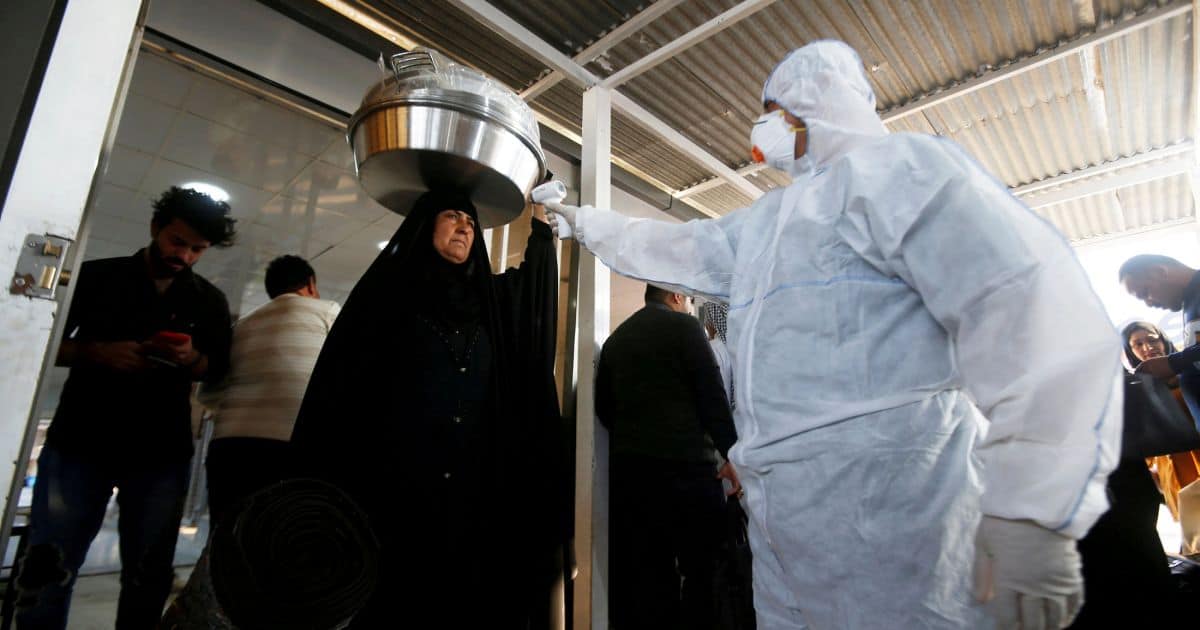
Despite Khamenei’s fatwa and closures, Iran is still not in a full lockdown. Health-check teams are monitoring travelers leaving cities in 13 out of Iran’s 31 provinces, according to state television. 

Judiciary spokesman Gholamhossein Esmaili said the government had also released 85,000 prisoners on furlough from the crowded jail system to quell the spread of COVID-19 amongst inmates. 


Read also: Iran Temporarily Frees 85,000 Prisoners

Israeli gov’t uses cover of COVID19 to approve civilian phone tracking

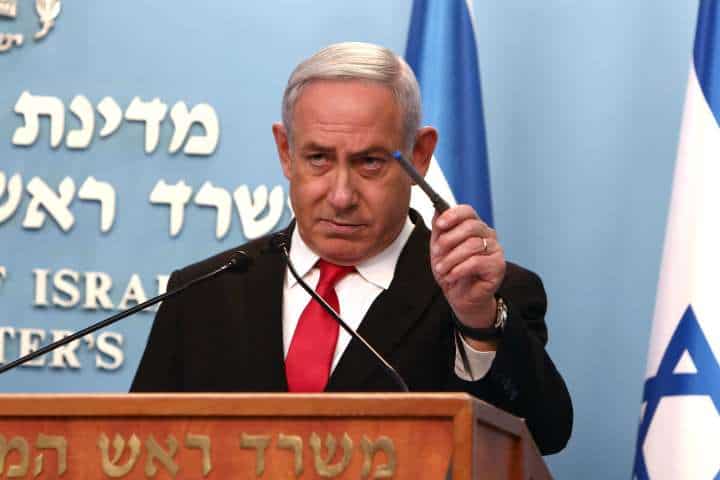
Benjamin Netanyahu’s holdover cabinet circumvented Israel’s Foreign Affairs and Defense Committee. In the early hours of Tuesday morning, March 17, the cabinet approved new measures that allow security agency the Shin Bet to access smartphone data of people infected with COVID-19. The agency is authorized to retrace their movements to identify and notify other potentially infected people. 

Israeli police will also have access to data to ensure that those under quarantine respect the conditions of their confinement. The security services will have unprecedented access to civilian phone data, without requiring a court order, for 30 days, Netanyahu announced

“Israel is a democracy and we must maintain the balance between civil rights and the public’s needs,” Netanyahu said. 

“These tools will very much assist us in locating the sick and stopping the virus from spreading,” he reassured Israelis in a televised speech on Monday night, March 16.

Israel is host to 337 of the 196,640 confirmed novel coronavirus cases worldwide. Tens of thousands are in Israeli quarantine after arriving from foreign countries or coming into contact with potentially infected people within Israel.

The country has already shut down eateries and public places and requires international arrivals quarantine for two weeks. Approximately 70% of its public sector will soon receive one month’s paid leave to stop COVID-19’s spread. 

One of the surveillance plan’s architects, Transportation Minister Betzalel Smotrich, told Twitter followers the “mechanism to electronically block the spread of corona” is extreme but justified. 

“I can assure you all unequivocally: There isn’t and won’t be a ‘Big Brother’ in the State of Israel, even in the framework of an extreme event like what we are dealing with now,” Smotrich tweeted. 

In an attempt to calm concerns over the cyber monitoring powers, a senior Justice Ministry official told Israel’s Channel 13 news, “the information will be given only to the Health Ministry, to specific people with security clearances, and it will be erased immediately after it is used.” 

Despite these assurances, Israeli politicians, citizens, and civil libertarians have criticized the government’s use of cyber monitoring technology which is usually reserved for counterterrorism purposes.

Foreign Affairs and Defense Committee head Gabi Ashkenazi described the cabinet’s decision to side-step his committee and the parliament by calling the measure an emergency amendment as a “power grab.” 

“The government approved—in the dead of night, in a power grab—emergency regulations, despite the fact that the Foreign Affairs and Defense Committee only started discussing the matter yesterday and was not able to hold the discussion in a serious way and complete it,” said Ashkenazi, a member of the Blue and White party.

“It is unacceptable to approve the use of such a measure in this way, with no parliamentary or public oversight,” Ashkenazi, who is a former Israel Defence Forces chief of staff, added.

Israel’s Attorney General Avichai Mandelblit responded to Ashkenazi’s allegations by emphasizing that the situation was urgent and the decision would “save lives,” but did not elaborate further, The Times of Israel reports

A statement from the Prime Minister’s Office emphasized the need to act quickly, explaining that “delaying the use of these tools by even one hour could lead to the deaths of a great many Israelis, as occurred with the deaths of thousands in Italy and other places around the world”. 

Approval for the surveillance measures will last for 14 days, after which the Knesset can again weigh in on the issue. 

The new measures set a “dangerous precedent and a slippery slope that must be approached and resolved after much debate and not after a brief discussion,” said The Association for Civil Rights in Israel (ACRI). 

ACRI also argued in a statement that the small gains made by accessing such data “does not justify the severe infringement of the right to privacy. The danger of COVID-19 is not only the virus itself, but the fear that as part of the efforts to overcome the danger, we will also lose our basic values as a free and democratic society.”

China, South Korea, Taiwan, and Singapore have also used mobile phone data in their struggle to contain the COVID-19 outbreak. 

LNA Official: GNA Recruits Fighters From Sahel, Sahara to Tripoli

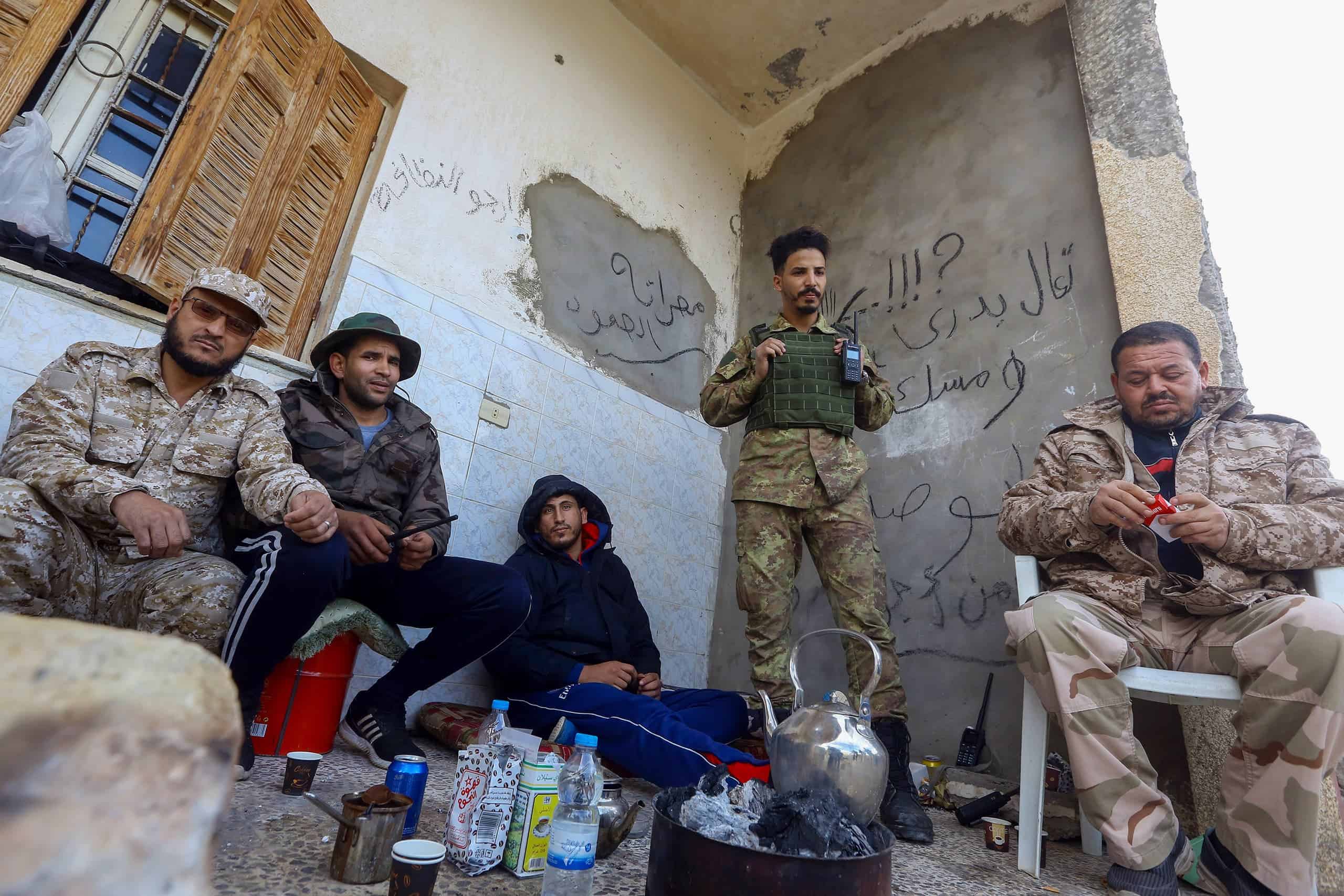
The head of the Follow-up and Monitoring System at the General Command of the Libyan National Army (LNA), Ghaith Niru Isbaq, said that Prime Minister Fayez al-Sarraj’s Government of National Accord (GNA) continues to recruit African fighters into armed militias in Tripoli. 

GNA recruits fighters from countries in the Sahel and the Sahara region to support its forces and reinforce the ranks of armed militias in the battle for the capital, Isbaq continued, and obstruct the progress of the LNA.

Isbaq stressed in a statement to Al-Arabia that the military intelligence of the LNA monitors the transportation of African mercenaries to Tripoli and found that the movement is taking place under the control of the GNA through Libyan airports, especially Ghadames airport.

The GNA also transfers the fighters from western Libya, as well as across land borders, through the Ubari region and the Idri region, where forces aligned with Major General Osama al-Juwaili transport the mercenaries by private car to Tripoli.

The process of recruiting fighters takes place through agreements with Chadian or Sudanese armed factions, according to Isbaq, who says the mercenaries are well-trained. 

The fighters enter Libya in groups with the sole aim of participating in armed clashes, killing Libyans, and destroying Libya, Isbaq asserted to Al-Arabia.

He added that the GNA provides the fighters with both material and logistical resources that it does not provide to ordinary sub-Saharan African migrants in its ranks.

Meanwhile, the reports of the former UN envoy to Libya, Ghassan Salameh, indicated more than once that foreign fighters are engaged in the Libyan conflict, specifically in Tripoli, as the LNA has claimed on several occasions to have killed sub-Saharan African fighters and their families, especially from the Chadian opposition, during clashes with GNA forces.

Read also: LNA Accuses Turkey of Transporting Terrorists to Libya on Civilian Aircraft

COVID-19: Global Markets Spiral as Economic Fallout Becomes Apparent

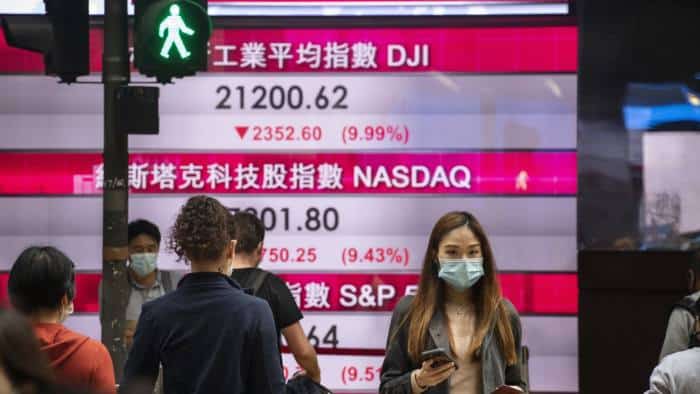
Many Middle Eastern share markets fell to new multi-year lows, while Saudi stocks recovered after four sessions of losses and the Qatari index continued its recent gains. 

Ramped-up government measures to tackle the coronavirus and the emerging economic fallout is weighing heavily on investor sentiment in the MENA and globally. 

In Egypt, 25 of 30 stocks declined, while nine out of 11 Saudi bank stocks rose. Saudi oil giant Aramco also closed up and Qatar’s stimulus plan prompted it to gain 1.1%.

Aramco Chief Financial Officer Khalid al-Dabbagh’s assurances that the company was “very comfortable” with $30 barrel oil prices seem to have restored confidence and led to a 4.7% rise. That combined with a 5.7% rise in National Commercial Bank drove the Saudi markets Tuesday gains.

The announcement of a $20.55 billion stimulus package for the Qatari economy, featuring private sector financial incentives, pushed the market up and into its third consecutive session of gains. Heavyweight Industries Qatar rose 3.5% and Vodafone Qatar was up 3.1%.

The UAE markets were hit hard, with the Abu Dhabi index falling 6.3% as major lender First Abu Dhabi Bank lost 9.9%, and telecom company Etisalat retreated 7.1%. The Dubai index slipped 5% to reach its lowest rate since January 2013. Emirates NBD Bank closed down 5.4% and bluechip Emaar Properties took a big hit, plunging 10%.

Egypt’s market closed down 2.4% and Talaat Mostafa was the big loser, slumping 8.9%. Bahrain also fell 1.1% and Oman slipped 0.6%.

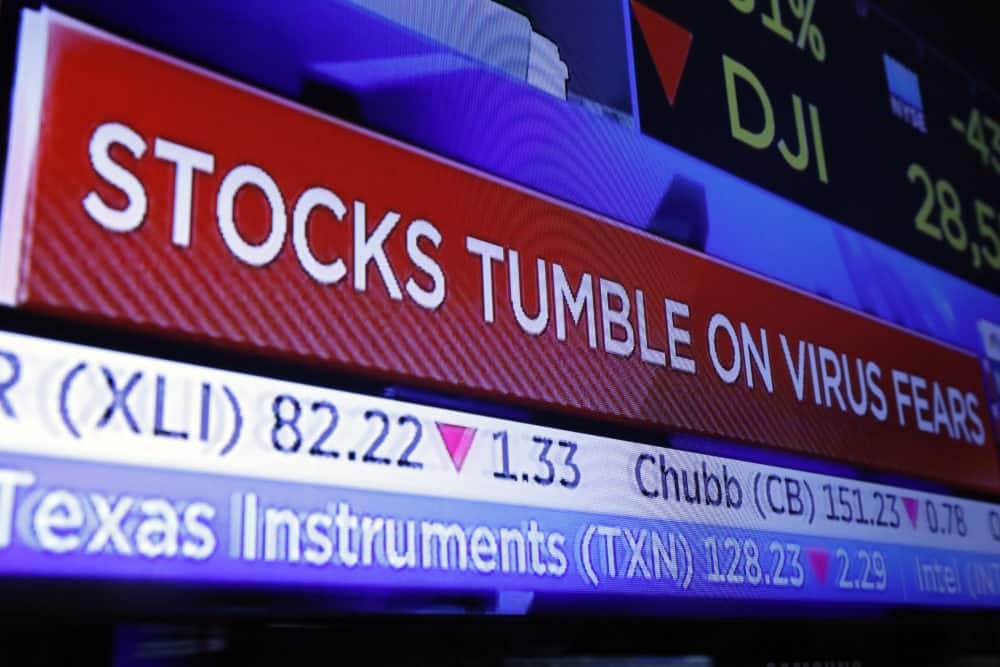
Wall Street and the European markets bounced slightly on Tuesday, March 17, after a catastrophic opening to the week. 

On Monday, Wall Street experienced the biggest fall since 1987, and European markets are faltering in the wake of Coronavirus fears and economic-slow downs.

Investors seem immune to the US Federal Reserve’s latest attempt to calm the market by imposing a further emergency rate cut on Sunday, March 15. Central banks around the world have followed the Federal Reserve’s lead and taken measures to ease monetary policy. 

Monday’s S&P 500 losses were the third-largest daily percentage drop in history, only outdone by “Black Monday” in 1987 and the Great Depression crash of 1929. The US market, however, improved on Tuesday, March 17, opening higher after Monday’s mayhem. 

London’s FTSE 100 followed suit upon opening, but the gains fizzled and fell by about 1% during morning trade. European markets are experiencing similar drops as the economic impact of Coronavirus widens, causing confidence to seep out of markets.

Airline, travel, and leisure stocks have borne the brunt of the Coronavirus shutdowns that have ground Europe to a halt, experiencing big losses as a result.

The volatility appears set to continue and the Philippines became the first country to close their stock exchange to guard against the Coronavirus losses. 

“With the news flow evolving quite rapidly and liquidity tight, we’re likely to see continued bouts of volatility, which suggests that it’s not a particularly sensible time to be trying to do anything too aggressive from a trading perspective,” Toby Gibb, head of investment directing at Fidelity International in London, told Reuters.

Meanwhile, governments around the world are scrambling to prepare economic packages and funds to deal with the growing costs of Coronavirus as the outbreak takes a toll on trade, markets, and supply chains that are pushing towards another global recession. 

 “The sudden economic stop caused by COVID-19 containment measures will lead to a global recession this year,” S&P Global declared. 

In the wake of worrying about economic losses caused by the coronavirus pandemic, Pakistani Prime Minister Imran Khan is ringing the alarm on the potential consequences for the developing world. 

“My worry is poverty and hunger,” Khan told the Associated Press. “The world community has to think of some sort of a debt write-off for countries like us, which are very vulnerable, at least that will help us in coping with (the coronavirus).”

“It’s not just Pakistan. I would imagine the same in India, in the subcontinent, in African countries,” he warned, referring to the virus. “If it spreads, we will all have problems with our health facilities. We just don’t have that capability. We just don’t have the resources.”

How Universal Basic Income Can Save a Coronavirus-Infected Economy

Economists around the world are watching in horror as the economic system that binds the world together wobbles and coughs. The economy has become ‘infected’ with the coronavirus, and as instructions on keeping ourselves safe become more obvious, what will happen to the economy confounds even the most seasoned expert.

Never in history has our economic system ground to a near-complete halt as it is now. 

The first shocks are being felt as travel restrictions mean colossal losses in the airline industries, and oil and gas producing companies are feeling the pain as oil prices fall. 

Now that many countries are implementing bans on restaurants, cafes, and cinemas, the second shock will be felt. Every country in the world has a significant portion of its population working in the hospitality sector, and as shops close, the incomes of people working in the sector dry up. 

The third and most significant shock comes from the ripple effect of the second shock, combined with increased mandated business closures. Individuals losing their spending power results in businesses selling less, or temporarily closing down. Jobs are lost and the cycle spirals further out of control.

“What will happen to the economy?” It is a question that confounds many. 

Without a wage, how can people spend? And without people spending, how can businesses recover? These are the questions that are keeping economists up at night, and led the New York Times to write “we’ll soon find out what happens once a mighty economic machine gets a microscopic, yet potent, virus in its gears.”

Luckily, it appears that there is a relatively simple solution to prevent this potential catastrophe from happening. It has been scientifically tested and was even part of a US presidential primary candidate’s platform. It is called UBI, and the only reason it is not mentioned more appears to stem from a genuine lack of imagination of many economists. 

UBI stands for “Universal Basic Income,” and as the name suggests, it intends to provide anyone with sufficient income to survive. The concept is not new and has been touted by many public figures such as US presidential candidate Andrew Yang, who proposed a conditional version of UBI, and renowned economic thinker Rutger Bregman.


It might sound abstract, but in its essence, it means every citizen of a nation gets a monthly payout that covers rent and basic expenses including healthcare, food and water, and access to the internet and electricity. Every citizen would receive this Universal Basic Income, and with it, the gears of the economy grind on.

UBI was originally thought of in order to reign in some of the excesses of modern-day capitalism. People trapped in gig-economy jobs with little income and no job security would have a regular income whether they have work or not. People who cannot afford to go back to school could choose to study and improve their chances of getting a better job. 

It would provide relief and support for the millions of people who struggle to pay their bills every month, which causes tremendous stress and even health-complications. Having a UBI would mean no one is too poor to visit a doctor, and no one has to worry about feeding and educating their children.

The reason why this concept has not been rubber-stamped and implemented years ago, is the source of the money needed to provide this service. Although not as expensive as you might think, a UBI for every citizen does mean a large amount of revenue will have to be distributed. 

Paying for such a system would have to be done through increased taxes on companies making large profits, and the wealthiest 10% of the population would likely see a small increase in their tax rate. 

Another source of revenue that is often proposed is a tax on stock market transactions. A minuscule tax on each stock, bond, or commodity traded could generate enormous amounts of revenue that could make UBI a reality.

Under normal conditions, solutions that increase taxes on multinationals and the rich are considered taboo. One of the proponents of UBI, Rutger Bregman, garnered global attention when at the World Economic Forum in 2019, he dared to suggest that increased taxes on the rich could well help solve many of the world’s issues. 

“This is not rocket science,” he pointed out to the shocked billionaires in the room.

That was then, and the topic was about climate change, a much more abstract issue than the global economic system shivering as the impact of the coronavirus pandemic becomes clearer. 

Now that the capitalist system that has allowed these people and businesses to be so successful is on the verge of an unprecedented slow-down, perhaps these parties will be more willing to make a sacrifice to support the common good, and save capitalism in the process.


Read also: Global Markets Are Crashing: Is a 2020 Recession at Hand?

Conflict Zones Around the Middle East Face New Threat

The COVID-19 pandemic has now claimed the lives of thousands of mostly older or chronically-ill people across the world. Advanced modern healthcare systems like those seen in China, the US, and Europe have struggled to cope, combat the spread, and protect those most vulnerable. 

It took the collective might of the Chinese state, with all its power and resources, to contain the spread of COVID-19. Even with the mind-boggling efficiency and fervor with which the Chinese built hospitals, quarantined entire populations, and tightened social restrictions, the local outbreak still claimed more than three thousand lives before China managed to bring it under control.

We now know how to contain the COVID-19 virus. China and South-Korea have shown that through strict and timely measures, national unity, and collaboration, as well as rigid adherence to standards and protocols, the infection rate can be slowed to a point where it is deemed “under control.” 

While this knowledge provides some comfort to the millions of people in self-isolation or under preventative quarantine around the world, these proven measures have little chance of being implemented in conflict areas.

In the MENA region, Libya, Syria, and Yemen both have no government to rely on in the practical sense. 

Libya’s UN-recognized government is desperately trying to hold on to the capital and has little control over what goes on in the rest of the country. 

Syria is in rubble, with most of the population either internally displaced, in refugee camps, or in desperate need of even the most basic of amenities. While Syria nominally has a central government, given the ongoing tensions in Idlib province and several foreign military forces operating within its borders, the Syrian government cannot be safely relied upon to contain the coronavirus.

Yemen is a tragic case in itself, as the UN and many international NGOs have for years decried the poor state of its healthcare facilities as well as continued attacks on hospitals by the parties at war.

Yemen was already one of the poorest nations in the region when the conflict broke out, and little stands in the way of the coronavirus spreading in an already desperate and depleted country.

As European and American governments now face the coronavirus head-on, with thousands of new infections every day, little attention will be spent on issues abroad. As Western governments have learned from the approach taken by China and South Korea, so must the global community continue to evolve its learning on the virus and freely share best practices and effective measures.

The scale of COVID-19 infections in these conflict zones will not be clear for a long time. Hopefully, once it becomes known, the global community will be ready to collectively assist these fragile nations and help some of the globe’s most vulnerable people.