Troops Withdraw from Camp Taji, Iraq Amid Fears of New Threat

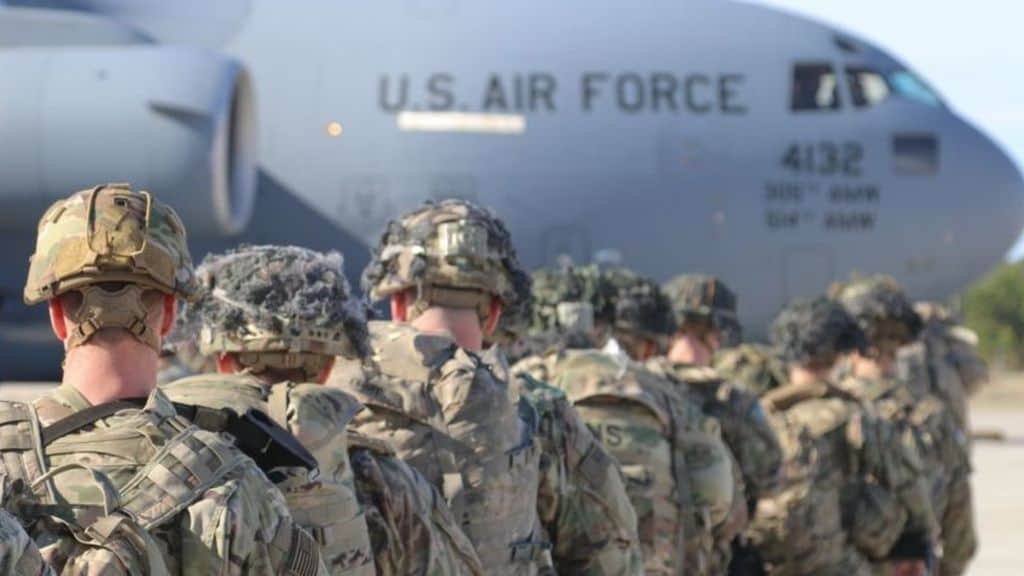
The New Zealand military has withdrawn all forces from Camp Taji in Iraq. The base has featured in recent news over rocket attacks that claimed the lives of British and American personnel. After retaliatory strikes and outrage among Iraqis, forces are now abandoning the base.

The reason for the withdrawal has little to do with the attacks. Western nations previously signaled their intent to withdraw large numbers of troops over a new threat in the region: COVID-19. New Zealand Defense Minister Ron Mark on Monday, March 30 assured citizens that its troops were withdrawn from the area and are now in isolation at a New Zealand air base. 

Similarly, French, Dutch, Spanish and Portuguese troops were shipped home in a “temporary withdrawal” after the local coalition stopped training Iraqi security staff. The Dutch Defense Ministry announced that troops will not return to the region until at least the end of May, depending on how the pandemic evolves.

Iraq currently has 547 confirmed cases of COVID-19, and Iran has reported 38,309 cases with over 2,640 reported deaths, making it the sixth worst-hit nation in the world. Fears over the spread of the novel coronavirus in Iran are genuine. Continued sanctions that damage Iran’s economy and limit imports of medical supplies hamper the country’s opaque approach.

The move signals the fear many nations feel over the spread of the novel coronavirus in the region, after Iran became the worst-hit country in the Middle East. Many military bases in Iraq are situated in a perimeter around Iran, and military leaders across the world fear the virus will enter Iraq through the border with Iran. 

The fact that troops are held in isolation upon their return shows fears that troops may have been infected during their deployment. Although many of the countries who have signaled a withdrawal have significantly higher numbers of COVID-19 infections than Iraq, the withdrawals indicate that foreign powers foresee an escalation of the crisis.

US Military Stays Put

US military members presented higher infection rates than civilians as of March 27, and many nations already withdrew troops, but the United States appears unwilling to move its own.

Unrest is growing among US military personnel, who have reportedly received conflicting information on how to avoid infection and who they should rely on for accurate information.

Task & Purpose magazine reported an anonymous army officer saying, “This is a telling indicator of leadership failure. Unfortunately, the outcome has about a two week delay.” 

US Surgeon General Dr. Jerome Adams told the magazine, “This week, it’s going to get bad,” and remarked that “right now, there are not enough people out there who are taking this seriously.”

“Everyone needs to act as if they have the virus right now,” Adams added.

The US military reported 613 cases as of Friday, March 27, up from 124 one week earlier. Infection rates are likely to increase as 12,300 National Guard troops have been mobilized to assist in the COVID-19 response within the United States itself.

The US government is deploying military field hospitals and using naval hospitals to support the fight against the pandemic as infections in the US skyrocket. The country became the worst-hit country globally on March 27, and numbers have since nearly doubled.

The US announced that policy regarding COVID-19 is implemented at the “commander’s discretion” as the 225,000 US military members stationed around the world face differing contexts.

US Defense Secretary Mark Esper said, “I can’t put out a blanket policy, if you will, that we would then apply to everybody because every situation is different,” highlighting the difficult choices ahead for the US military, which now faces an invisible enemy.
 

Read also: COVID-19: US Military to Halt Overseas Movement, France to Pull Troops from Iraq

Egypt: Medical Workers Receive Pay Rise, Central Bank Limits Transactions

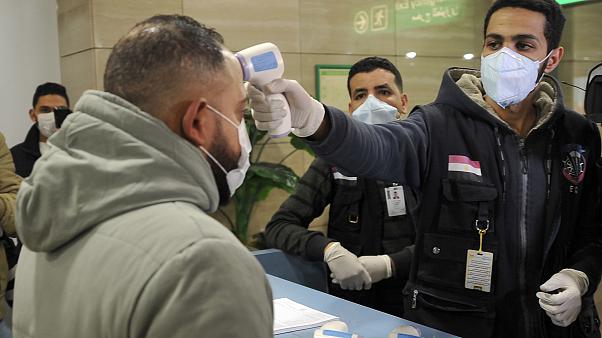
Egypt’s vital medical workers will benefit from a 75% pay increase that will cost the government EGP 2.25 billion ($143 million). Egyptian President Abdel Fattah El Sisi gave the order after meeting with his novel coronavirus advisory team on Sunday, March 29.

El Sisi praised health workers for leading the country’s COVID-19 response and ordered a “risk fund” be established to support them, Presidential Spokesman Bassam Rady told Egyptian media on Monday, March 30.

Health Ministry spokesperson Khaled Megahad said there were four more coronavirus deaths on Sunday, March 29, bringing the country’s death toll to 40. There are now 609 confirmed cases in Egypt, while another 132 patients have fully recovered.  

Egypt has tried to curb the spread of the novel coronavirus by suspending flights in and out of the country, enforcing a 7 p.m. to 6 a.m. curfew, closing down non-essential businesses, shutting down government services excluding the health sector, and shuttering all education facilities. 

Health professionals working in isolation facilities, fever and pulmonary hospitals, and the country’s COVID-19 testing laboratories will also be rewarded with “exceptional bonuses” for their work to bring the dangerous virus under control, Rady said. 

Prime Minister Mostafa Madbouly had previously exalted health professionals for their efforts in the “war” against COVID-19, and said, “(I) advise citizens to be understanding in how they treat them.”

Egyptian authorities have also decided to temporarily limit bank transactions in order to control inflation and limit stockpiling, due to concerns that banking facilities could be coronavirus transmission hotspots. 

The Central Bank of Egypt (CBE) announced daily cash deposits and withdrawals would be limited to EGP 10,000 ($635) per person and EGP 50,000 ($3,170) for companies, on Sunday, March 29.

Egypt, like many other north African countries, has a largely cash-based economy.

Cash machines are already subject to regular sterilization, but the bank has moved to limit ATM withdrawals to EGP 5,000 in order to limit the spread of COVID-19, it said in a statement published on the Egyptian government’s State Information Service website.

Following CBE Governor Tarek Amer’s admission on Egyptian television that EGP 30 billion ($1.9 billion) had been withdrawn in the last three weeks, some analysts are concluding the measures are, in fact, aimed at limiting hoarding and inflation. 

“We found that individuals are withdrawing money from the banks although they did not need it. We want some discipline. We live in a society and we have to think of others,” Amer explained on a late night talk show on March 29.

One anonymous analyst who spoke to Reuters about the limits said it’s “not official, but I heard [it was designed] to control hoarding and inflation.” Another added, “this could reduce hoarding and panic buying and contain prices.”

The CBE is also encouraging Egyptians to use online banking and payment methods to decrease the number of banknotes in circulation “as a precautionary measure against coronavirus.” 

The threat of COVID-19 has forced the prime minister and Social Solidarity Minister Nevin El Qabbag to reconsider how to structure vital pension payments. 

Qabbaj said payments will be staggered across the first week of April in order to prevent the elderly and vulnerable from crowding at ATMs and post offices to withdraw their government money. The CBA agreed to waive withdrawal fees for pensioners over the next six months in a further attempt to encourage them to space out withdrawals. 

It remains to be seen what effect the new limits, fee waivers, and spacing out of payments will have on Egypt’s economy and the propagation of the novel coronavirus. 


Read also: Egyptian Red Crescent Sends Humanitarian, Medical Aid to Gaza Strip

Prison Riots in Syria, Iran Amid Global Tensions

On Sunday, March 29, tensions escalated at a prison holding low-level ISIS combatants in the southern neighborhoods of Hasakah in northern Syria. Operated by the Syrian Defense Forces (SDF), the prison was overrun by rioting detainees.

Destroying barriers and gates, the prisoners overwhelmed the Kurdish guards and took control over the ground floor and courtyard. Several escaped once the prisoners controlled the courtyard, according to Human Rights Watch. 

Security forces have now regained control of the courtyard, preventing further escapes, but parts of the prison are still controlled by the rioting detainees. Paramilitary forces have entered the complex to reestablish full control of the prison, according to a real-time tweet by Ivan Hassib of the Associated Press.


The number of escapees is still uncertain, with the Syrian Observatory for Human Rights reporting four escaped militants. A US-Syrian combined air and ground response was launched and a yet unconfirmed number of escaped prisoners have been re-captured, according to Kurdish security forces.

Kurdish members of the SDF operate the prison which primarily holds suspected ISIS militants, many of whom are foreigners who moved to Syria during the rise of the Islamic State. The Islamic State of Syria and Iraq (ISIS) has since been crushed by US and Russian bombardment and ground offensives by local forces.

Kurdish forces have long warned that the Turkish invasion of Syria endangers the Kurdish ability to effectively guard prisons holding suspected ISIS combatants. With crowded facilities and poor conditions, attempts at prison breaks are a common occurrence. COVID-19 has created an entirely new reason for both riots and unprecedented prisoner releases across the Middle East, the Washington Post reports.

Iranian prison riots

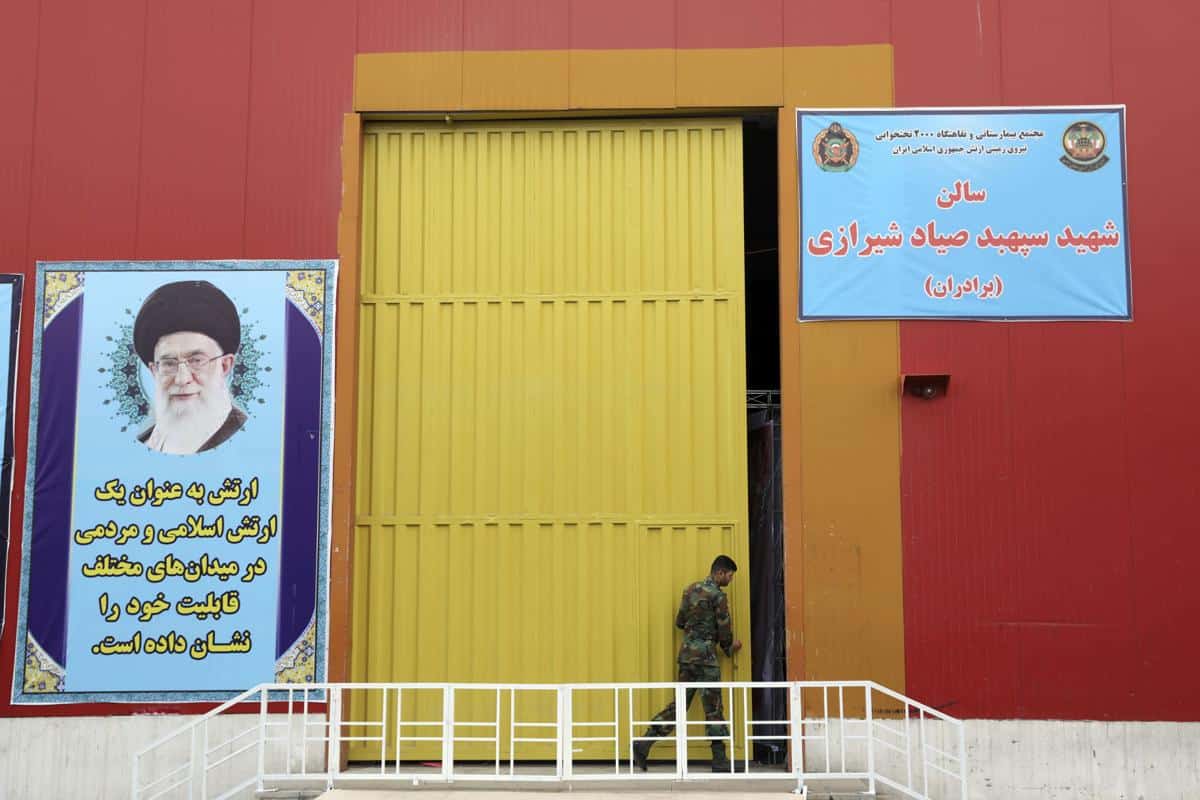
In southern Iran, prisoners caused damage to surveillance equipment in another riot. Prisoners expressed their panic over the spread of COVID-19 at the Abel Abad prison in the city of Shiraz, violently attacking prison guards and damaging the facility. Iran signaled fears over coronavirus outbreaks in prisons, releasing 100,000 detainees as of March 30. Facilities that house violent criminals, like Abel Adab prison, cannot afford such releases as this might endanger the safety of Iranian citizens.

On Friday, March 28, 74 inmates escaped a detention facility in western Iran, but many have voluntarily returned, according to reports. Guards were preparing for an amnesty program related to the Persian new year and COVID-19 measures when the prisoners escaped. Investigations are underway into four prison guards who allegedly assisted in the prison break.

The conditions of prisoners in Iraq, Iran, and Syria have received increased attention as squalid facilities and overcrowding create increasing tensions among prison populations. Since the start of 2020 Iran has struggled with several prison riots, and more are expected in the region as panic over the outbreak of the novel coronavirus increases. Human Rights Watch has reported on prisoner mistreatment in several Middle Eastern countries and fears further escalation as the virus spreads among the region’s free and the incarcerated populations.


Read also: Iran Releases French Academic Roland Marchal


Oil Giants Scramble to Store Surplus as Demand Reaches Unprecedented Low

The global oil market is experiencing an unprecedented shock and drowning in a surplus due to the spread of the novel coronavirus and its impacts on the world’s major economies.

Some oil refineries have started shutting down due to the lack of demand. On the ground, barrels are selling for less than $10—and oil producers in some markets are actually paying buyers to rid them of crude oil, according to a Bloomberg report.

The world normally consumes about 100 million barrels of oil per day. Traders and analysts estimate that about one-quarter of this demand has disappeared over the past few weeks of COVID-19 lockdowns.

In the US, oil sellers predict inflation to worsen this coming week. The price of oil is inversely related to the value of the US dollar. Oil barrels around the world are priced in US dollars. Fewer dollars are needed to buy barrels of oil, the stronger the US dollar is. Because the US is a net importer of oil, rising oil prices trigger a rise in the US trade deficit, and more dollars are needed to purchase oil.

“The oil market has seized up, the logistic sectors are struggling to cope because of loss of demand,” said Gary Ross, an influential oil watcher and chief investment of Black Gold Investors LLC.

Since oil became essential to the global economy over a century ago, the world has never witnessed such a decline in demand, even during 1929, twin 1970s, and 2008 market crashes. 

In the unprecedented era of COVID-19, billions of employees are prohibited from driving to work, international air traffic has been suspended, and companies and factories have shut down, contributing to the steep decline in oil demand.

The global aviation sector was immediately affected by the novel coronavirus pandemic as most countries canceled and suspended flights. This has reduced fuel consumption rates by 75%, or about 16 million barrels per day.

Between the abundant supply and the stagnation of demand, the global oil surplus can reach “10.6 million barrels per day in the second quarter of the year” to cite projections from Michael Tran, an analyst at RBC Capital Markets. This means that oil production will reach over one billion barrels, which will need to be stored in the period mentioned, a quantity sufficient to “approach the limits of (storage) at the end of the year or interpreters 2021,” Tran said.  

Producers that do not have access to pipelines or export ports will quickly exceed the capacity of local reservoirs, merchants and consultants warn. Meanwhile, producers with coastal access are resorting to using giant tanker fleets to store surplus oil.

CEO of Frontline Ltd Robert Hvide Macleod said in February that the company has never seen so much demand for long-term tanker leasing. It is estimated that merchants may store about 100 million barrels at sea, but that amount represents only a few days of surplus production.

In the US, Plains All American Pipeline LP, one of the world’s leading pipeline operators, has asked oil producers to voluntarily reduce production to avoid flooding networks that connect wells with refineries through thousands of miles of pipes.

The rapid spread of COVID-19 has closed large sectors of the global economy, and the current drop in oil prices spells trouble for countries dependent on revenue from oil sales. Oil-exporting countries will face significant budget shortfalls in a time of unprecedented need for their populations.


Read also: Oil and Stock Prices Drop After US Business-Only Stimulus Plan Fails

Egyptian Red Crescent Sends Humanitarian, Medical Aid to Gaza Strip

The Egyptian Red Crescent Society has provided medical and humanitarian assistance to the Gaza Strip in coordination with the Palestinian Red Crescent Society.

The Red Crescent is an international humanitarian movement providing medical aid and services in the Muslim world. The NGO is aligned with the Red Cross. 

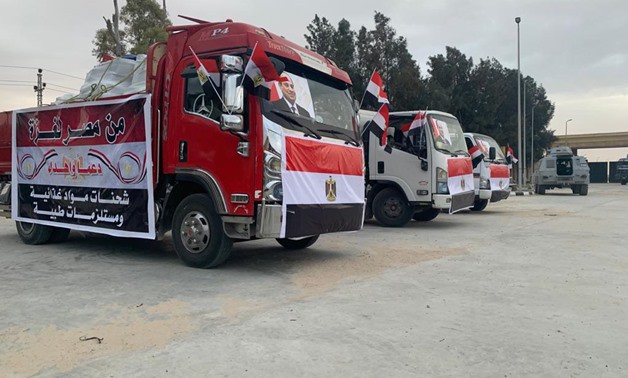
The Rafah Crossing Administration confirmed the arrival of three Egyptian trucks loaded with food and medical assistance in Gaza and authorities examined, sterilized and handled the aid in accordance with safety procedures.


The Ministry of Health in the Gaza Strip announced seven new cases of the coronavirus on March 25, bringing the total number of confirmed infections in the Strip to nine.

The new cases “had mixed with the previous two cases,” spokesman for the Ministry of Health Ashraf al-Qudra confirmed, adding that the new patients “were security men who were being held in the same center, and they did not leave and did not mix with anyone outside the center.”

The Palestinian Ministry of Health in the Gaza Strip appealed for $23 million on March 26 to tackle the coronavirus outbreak in the territory.

Israel has imposed a siege on Gaza’s population of more than two million people since Hamas emerged victorious in the 2006 legislative elections. The blockade was tightened in the following year as Hamas claimed control over the Gaza Strip and has severely weakened the territory’s medical infrastructure.  


Read also: Egypt Seeks EU Support to Break Arab-African Balance in GERD Standoff

Qatar Airways CEO: ‘We Are Not Taking Advantage’ of COVID-19

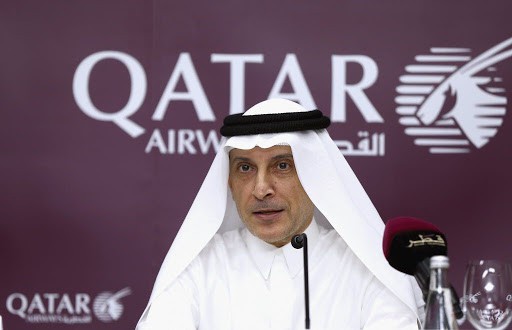
In February, Qatar Airways Chief Executive Akbar al-Baker said concerns about novel coronavirus (COVID-19) transmission were just “a fear factor.

Now, the cash-strapped CEO is pledging the Qatari flag carrier will keep operating to get people home to their families and not just to profit from the extraordinary situation the world finds itself in as a result of COVID-19.

“We will fly as long as it is necessary and we have requests to get stranded people to their homes, provided the airspace is open and the airports are open,” al-Baker told Reuters on March 29.

“We have received many requests from governments all over the world, embassies in certain countries, requesting Qatar Airways not to stop flying,” the airline chief said. 

Thousands of people have been left stranded in foreign lands or had to dramatically alter their travel plans last-minute as countries close borders amid the global coronavirus pandemic.

The airline industry has been hit hard and many companies were forced to scale back or suspend operations completely, making Qatar a rare exception.

Rival Gulf carriers Etihad Airways and Emirates, for example, had to cease operations on March 25 after the UAE imposed a ban on all flights in and out of the international air transit hub.  

Qatar Airways has not only continued flying but even began “upgrading flights to larger aircraft or adding new flights to help get people home,” according to their Facebook page. 

Many of the stranded customers Qatar is purporting to help get home have, however, complained of price-gouging and profiteering. 

One Facebook commenter, pointing out the $7,645 plus price tag on a one-way flight from Perth, Australia to Birmingham, England said, “This is NOT helping people get home,” calling on the airline to “stop taking advantage of this situation.” Others, however, praised the airline for its flexibility and responsiveness to the COVID-19 crisis.

Al-Baker denied the resemblance to profiteering, maintaining, “We are not taking advantage … this is a time to serve people who want to be with their loved ones in a very trying time.”

To support his argument, al-Baker underlined that Qatar Airways has been running many fights at under 50% occupancy, causing the company to spend money at an alarming rate, leaving only enough to stay afloat for a “very short period.” 

“We will surely go to our government eventually,” al-Baker said.


Read also: Qatar Airways Keeps Flying as Other Transit Hubs Close

Saudi Arabia Intercepts Houthi Rockets over Riyadh and Jazan

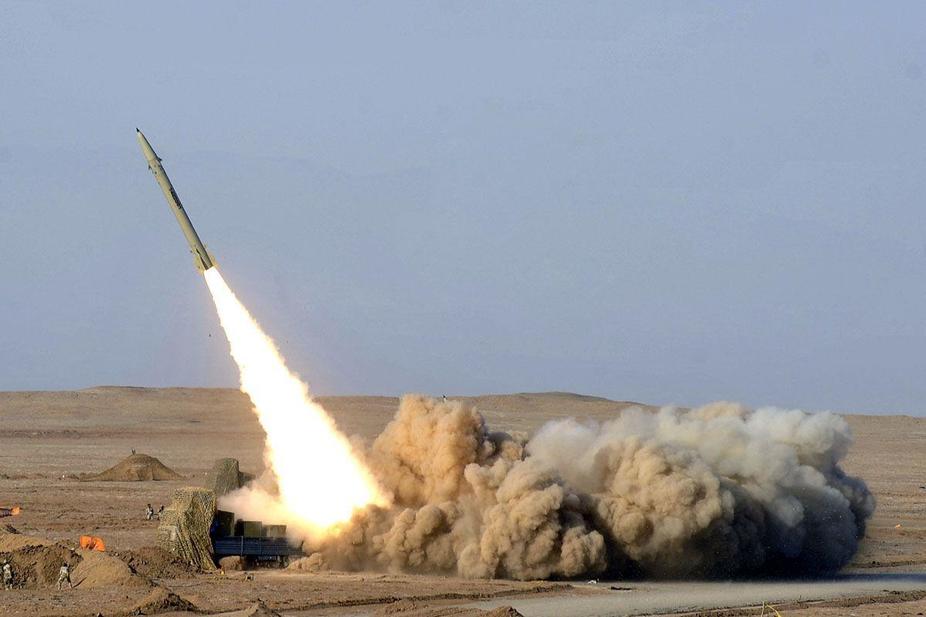
Saudi Arabia’s air defense intercepted two ballistic missiles fired by Houthi rebels at the Saudi cities of Riyadh and Jazan late on March 28, according to state-run news outlet the Saudi Press Agency (SPA).

“The Royal Saudi Air Defense intercepted and destroyed two ballistic missiles launched by the terrorist Iran-backed Houthi militia from Sa’dah and Sana’a toward civilians and civilian objects in the Kingdom,” Saudi-led coalition spokesman Colonel Turki Al-Maliki reported.

Riyadh Civil Defense spokesman Lieutenant Colonel Mohammed Al-Hammadi also told the SPA that there were no fatalities but two civilians in residential areas of the capital had been “slightly injured” by falling fragments from the intercepted rockets. 

The missile attack comes just days after the Saudi-led coalition and Iran-aligned Houthi militia agreed on a ceasefire to tackle the growing threat posed by the novel coronavirus (COVID-19). 

Al Malki was scathing in his response, saying, “This escalation by the Houthi militia does not reflect its announcement of acceptance of the ceasefire and de-escalation, nor any seriousness in engaging in confidence-building measures and reaching a comprehensive political solution with the Yemeni government to end the coup.”

Al Malki said the attack is another example of Iran exploiting Yemen to promote its own agenda of territorial advancement, echoing the comments Yemeni President Abd Rabbo Mansour Hadi made on March 28.


Will Oman Take On New Role in the Region under Sultan Haitham Bin Tariq Al Said?

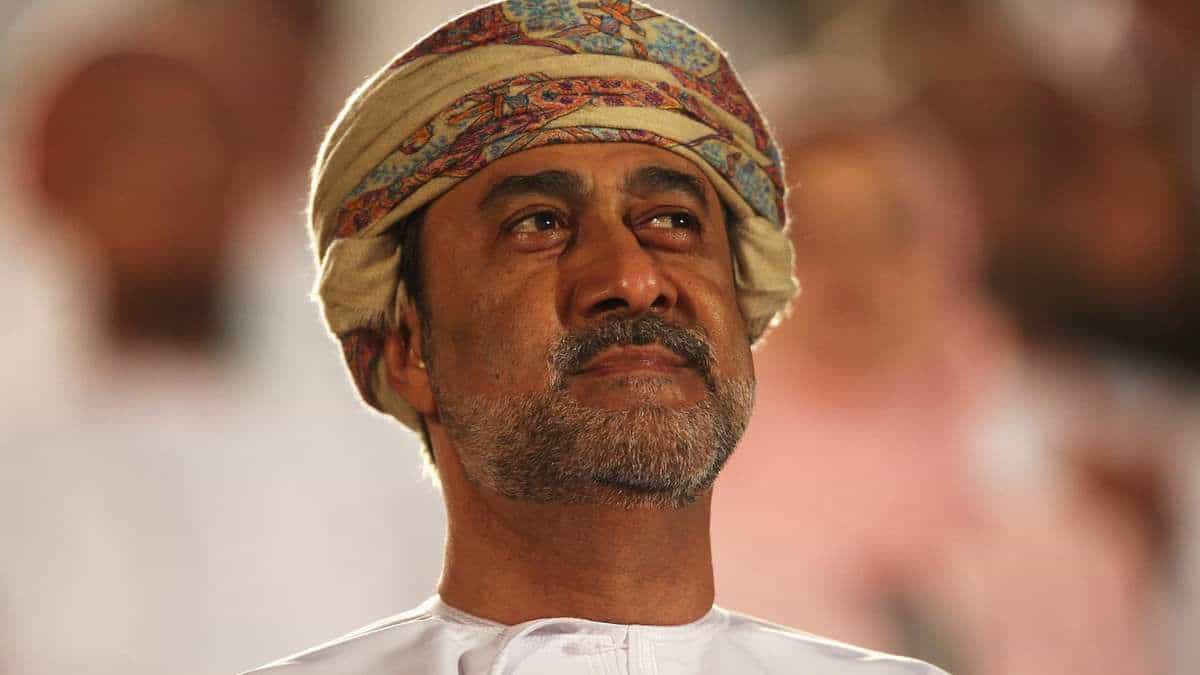
After the death of Sultan Qaboos, who ruled Oman for 40 years, the Omani Royal family appointed His Majesty Sultan Haitham Bin Tariq Al Said as the ninth Sultan of Al Said Dynasty.

Prior to his death. observers and analysts buzzed with speculation about Sultan Qaboos’ succession plan as he had no heirs.  Sultan Qaboos indicated his choice for the next Sultan in his Will. The document was only revealed after he died in January 2020 and the Omani Royal family followed through with his request.

Oman’s ruling dynasty has been in power since 1744 and since the early 1800s Oman has maintained close ties with Britain and the United States. The Sultanate’s strategic location allowed it to exert influence in places as far as Zanzibar and other parts of East Africa.

Oman also shares historic, strategic, and geographic ties with Iran.

The traditional slow life along with the attractive diverse nature and landscape makes Oman a great tourist and investment destination for many Gulf Cooperation Council (GCC) citizens and Europeans and Americans who want to experience Arab culture in a beautiful, and historically stable, country.

Sultan Haitham is likely to open up the country more to foreign investments in tourism, gas-oil, and organic chemical industries after Sultan Qaboos’ somewhat limited foreign investment in a number of key sectors.

Despite a 20% unemployment rate, Omanis do not seem to be in a hurry for a quick political make-over. A small group of young well-educated progressive voices are calling for participatory democracy, the inclusion of women in political positions, and the monarchy passing the power to draft legislation to the Oman Council.  Despite these calls for increased democratization, no major political opposition seems to be emerging in this oil and gas-rich country.

Sultan Qaboos held many government positions such as the Minister of Defense, Foreign Minister, Finance Minister, and the head of the central bank.  Sultan Haitham, a relatively inexperienced military and foreign policy figure, is likely to appoint trusted confidants to these positions. Oman maintained a neutral role in regional conflicts including the Yemen War and the Qatari crisis, while being one of the first countries to strengthen relationships with many non-traditional allies in the region, such as Iran and Israel. Oman’s neutrality and non-alignment positioned the sultanate as a “facilitator” for many regional conflicts, according to Oman’s Minister of Foreign Affairs, Yusuf Bin Alawi bin Abdullah.

Oman was among the first Arab states to adopt the Israeli-friendly policies sweeping the Gulf region recently. Oman openly developed friendly ties with Israel as early as 2018, following the state visit of Israel’s Prime Minister Benjamin Netanyahu to Oman where the late Sultan Qaboos received him. A few months later, Oman’s Minister responsible for Foreign Affairs called on Arab states to “accept Israel as a Middle East state.”

Upon his succession to the throne, Sultan Haitham vowed to continue his predecessor’s policies. However, rapidly evolving regional affairs make many speculate about the influence of the Saudi-Emirati pact on Oman’s new Sultan.

Oman’s geographic position on the southern part to the Strait of Hormuz, sharing sovereignty on the strategic waterway with Iran, calls for cooperation on security and trade matters. The shared geographic interests, along with the personal relationships the late Sultan Qaboos developed with Iran, will outlive the late Sultan.

Omani-Iranian ties may become even closer as Iran depends on Oman’s mediation to help solve diplomatic issues. The close relationship worries Saudi Arabia and the UAE, who are trying form a common front to thwart Iran’s hegemony and destabilizing policies in the region by influencing the foreign policies of the smaller GCC member states.

However, that is not the case for Oman as the sultanate tries to balance power in the region by maintaining strong relationships with Iran. The strong relations kept the powers in check and provided cautious respect for Oman’s sovereignty within the GCC power house member states.

While many speculate about the next chapter of Oman’s foreign policy after 50 years of strong, strategic, progressive, and unconventional regional and global foreign policies, it is likely that under the new Sultan Haitham Oman will continue to build on past achievements without significant shifts in alliances.

Oman will even play a more important role as a key mediator and facilitator in regional and global conflicts, especially when it comes to issues related to the stability of the region, and its traditional ally, Iran.

Both Iran and the U.S. will continue to rely on Oman’s vital role to advance discussions and negotiations, and help save face for both countries. Oman has been a vital facilitator of Iran’s diplomatic discussions with the U.S. on many issues.

Oman supported Iran through the early negotiations surrounding the U.S. Iranian nuclear deal in early 2012 and the release of the American hikers who were detained in Iran in 2009. The sultanate also facilitated negotiations in the latest U.S. Iranian crisis following the assassination of the Islamic Revolution Guards Corps IRGC Lieutenant General Qasem Soleimani.

As Saudi Arabia and the United Arab Emirates try to step into a regional leadership role, forging alliances and leveraging conflicts is key to the success of crown Prince Mohammed Bin Salman and Abu Dhabi’s crown Prince Mohammed Bin Zaid.

There is no doubt that the timing of Sultan Haitham’s accession to the throne of Oman is one of the most sensitive in the recent history of the Gulf region. The newly emerging conflicts that surround Oman increase the strategic role it has to play to maintain the peace and stability in the region while maintaining its historic non-alignment neutrality with regional powers.

For Oman, a country built on historic peace and stability, proud of its own rich culture, the choice of Sultan Haitham as its next ruler was a testament of the will of the late Sultan Qaboos to continue his policies.

As the regional diplomatic facilitator, Oman has the potential to not only be the next industrial, cultural, and tourist attraction, but also a leader and facilitator of regional stability.


Read also: Can Oman’s New Sultan Haitham bin Tariq Tackle Rising Youth Unemployment?

Despite Passing of Historic Stimulus, Markets Slide at COVID-19 News

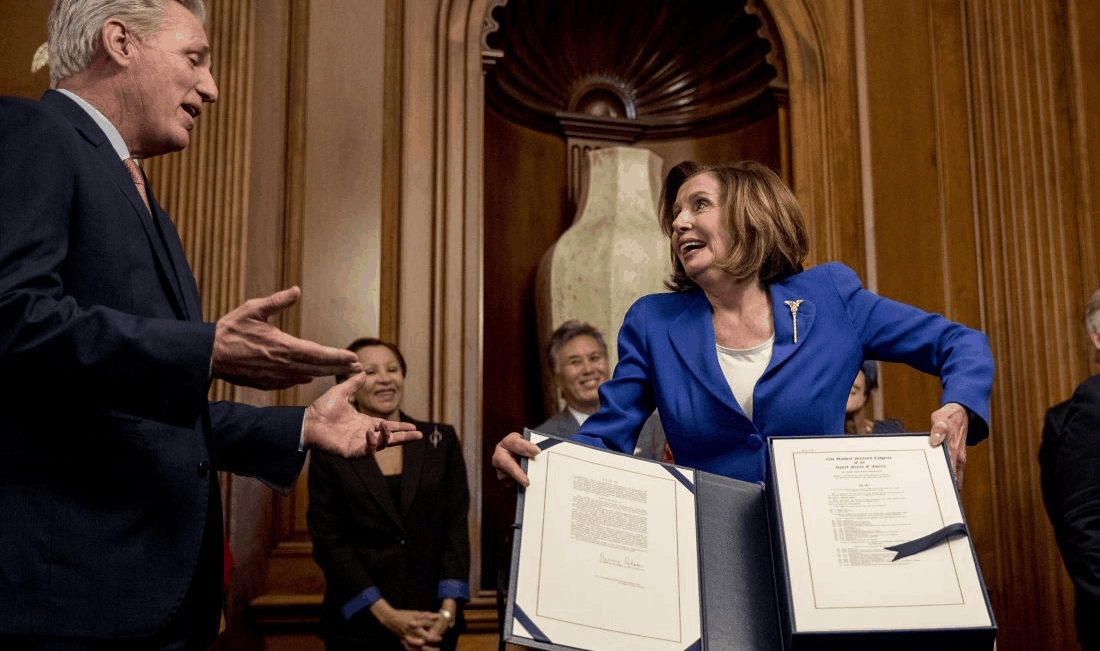
Republican and Democratic lawmakers expressed relief yesterday, March 27, as a historic stimulus bill passed into law. Democratic Speaker of the House Nancy Pelosi smiled as lawmakers posed for pictures with the signed document. 

US President Donald Trump saw the moment as such a victory that he used the occasion to make a dig at his political opponents, not inviting Pelosi to the bill’s signing, The Hill reports.

As these politicians have their coffee on Saturday, March 28, their sense of achievement may be unraveling. The stimulus bill’s main purpose is to support American citizens and businesses, and to keep markets positive. Alarming numbers on the growth of the country’s COVID-19 outbreak threatened any sense of victory. 

The United States officially became the country worst-hit by the pandemic on Friday, March 27, with 85,435 recorded cases. This number has since grown to 104,837, with figures expected to rise significantly in the coming weeks.

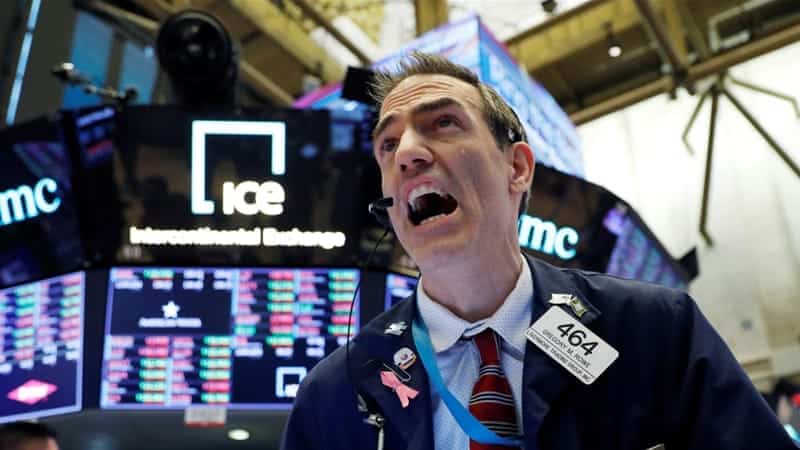
“It’s a proud moment for all of us,” Senate majority leader Mitch McConell said on Friday, but after a three day historic rally in the markets, the Dow Jones fell by 915.39 points and the S&P 500 lost 3.4%. Even with this week’s rally, markets are still down more than 20% from February’s peak.

A change in focus

Wayne Wicker, chief investment officer at Vantagepoint Investment Advisers said, “Now that the fiscal policy is in place and the Treasury has done what they need to do, the attention will turn back to the health crisis.” 

At least 10% of the funds issued on Friday will go to fighting the outbreak, and many questions remain about the US healthcare system’s ability to cope with the pandemic. The US government is publicly focused on supporting its economy, and now that trillions have been marshaled to support its struggling citizens, businesses, and banks, the focus may shift to public health. 

US President Donald Trump is counting on public-private partnerships to achieve success. Trump announced on March 27 that he has made agreements with several US manufacturers of ventilators, but only General Motors was engaged in producing the critical equipment. The BBC reports that Trump invoked the recently-activated Defense Production Act to force the company into action. The uniquely private sector-oriented approach in the US is focused on returning the country’s economy to business-to-usual. 

The approach’s success or failure will be seen in the following weeks as markets react to increasing numbers of confirmed cases.

Tunisian Enterprises, Society Rally in COVID-19 Response

The outbreak of COVID-19 in Tunisia has now reached 227 confirmed cases, with seven deaths, two recoveries, and 218 patients in active care. Neighbored by Algeria, which has 354 active cases, and Libya, which confirmed its first case on March 24, Tunisia has the lowest recorded case count in North Africa. The numbers align with Tunisia’s small geographic size and population, but the country is eager to limit further spread of the global pandemic.

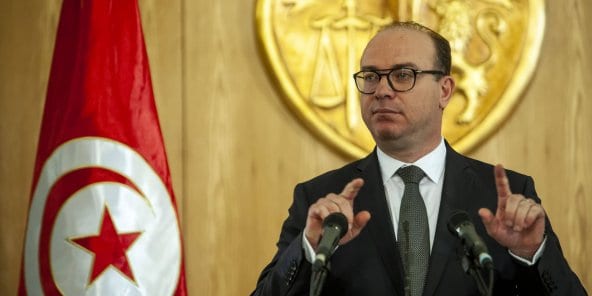
Tunisian Prime Minister Elyes Fakhfakh spoke to the nation on March 13. In the wake of Fakhfakh’s speech, businesses and citizens appear to be rallying together to combat the virus. 

Tunisia closed its borders on March 16, canceled cultural and sports events, and closed educational and religious facilities. The containment measures have helped to slow the spread of the novel coronavirus, with a limited increase in reported cases. Compared to explosions in cases witnessed in far richer countries across Europe, Tunisia’s spirit of solidarity appears to be prevailing.

Robot: “Everyone is required to apply public quarantine procedures and not to leave their homes to limit the spread of the contagion in order to preserve the safety of human lives.”

Employing technological innovations such as “robot cars” to inform citizens on the streets, Tunisians have found creative ways to contribute to national efforts. Old-fashioned self-sacrifice is providing significant support. Workers in a factory that produces protective medical equipment, so crucial in the battle against COVID-19, decided to self-isolate in the factory in order to churn out as many face masks as possible. 

The BBC and AFP reported that the 150 mostly female employees made the decision after encouragement from their families. The workers were joined by cooks, a physician, and a pharmacist to ensure proper quarantine. The employees’ efforts are paying off, with the factory now producing 50,000 protective face masks everyday. 

Tunisia’s private sector is similarly stepping up, with voluntary contributions from Tunisian banks at DT 112 million (approximately $40 million), according to the national press agency, Agence Tunis Afrique Presse. The funds will support Tunisian companies and low-income households. Further financial support from the Tunisian banking sector is expected to support the manufacturing of essential medicines and medical supplies for healthcare workers.