We Need a New Approach to Economics

Our lauded financial system appears unable to cope with a few months of bad news without trillions in stimulus. Well-run companies lose half of their value in a day through no fault of their own. We maintain that stock markets provide the best indicator of companies’ health. Our current crisis is exposing companies with so much debt they cannot handle one bad month.

It’s these issues that should be keeping economists and policymakers up at night.

Instead, governments are spending ungodly amounts of money to prop up failing industries, provide tax-relief for oil and gas companies, and keep the current economic system from collapsing. We see a little indication for any new way of thinking. 

Author Naomi Klein has called this type of situation “disaster capitalism.” Outlined in her award-winning book “The Shock Doctrine,” disaster capitalism is best explained by a quote from Milton Friedman, an architect of the current neoliberal economic system:

“Only a crisis, actual or perceived, produces real change. When that crisis occurs, the actions that are taken depend on the ideas that are lying around. That, I believe, is our basic function: To develop alternatives to existing policies, to keep them alive and available until the politically impossible becomes politically inevitable.”

In practice this means that after governments spend trillions to keep big business, banks, and industries alive, healthcare and social services for the poor and eldery will require “painful” cuts. 

This may sound dystopian, but this happened in Europe after the 2008 great financial crisis. Government bailouts created large amounts of debt and suddenly healthcare systems became unaffordable. 

Europeans were forced to retire at a later age and social benefits were cut for society’s most vulnerable. In the name of common sense, Europeans accepted their governments’ reasoning and sacrificed many social services that had taken decades of activism and social action to realize.

The crisis at hand

Today’s crisis could be considered a disaster-capitalist’s dream. While health concerns create panic and confusion, governments take rapid action. The cherry on the cake: The public cannot take to the streets in protest.

The post-coronavirus world will likely be different than the world we knew just a month ago. Governments are already taking economic action that would generate major headlines and protests under normal circumstances. 

Tax rates for big industries and businesses are undergoing cuts, and giant companies are receiving exemptions that allow them to force employees to go to work. After a decade of corporations raking in billions in record-breaking profits, taxpayer money will now be given to help prop up failing multinationals.

If we do not speak up soon, we might be too late. One new factor could allow us to combat disaster-capitalism: The internet and social media. With millions stuck at home, the public should have the time and energy to evaluate their governments’ economic solutions, discuss issues online, and start petitions to try to clarify which actions are acceptable and which are not for policymakers.

It is important to support and follow government measures to fight the spread of COVID-19. When it comes to economic matters, we should maintain a healthy skepticism. Screaming at the television will not prevent disaster-capitalists from exploiting panic and confusion.

As many self-isolate and entire countries face lockdown, now is the time to be curious, to read interesting books, and to watch TED talks and speeches by forward-thinking progressives. See what Rutger Bregman has to say about reducing poverty, watch Naomi Klein explain how to realize a greener economy, or learn about democratizing the workplace from Richard Wolff. 

We reduce our own confusion when we are informed. When we build an opinion on economics, we can make sure we immunize ourselves from neoliberal rhetoric that will be used to justify the disaster-capitalism ahead.

Now is not the time for fear and confusion, it is the time to inform ourselves and speak up.


Read also: COVID-19: Global Markets Spiral as Economic Fallout Becomes Apparent

Prayers During a Pandemic: ‘Digital Worship’ Provides Options

The communal aspects of meeting with friends, family, and neighbors for worship is one of the most important factors of religion. Many faiths begin their rituals by greeting fellow worshippers and see this as an essential element of their practices.

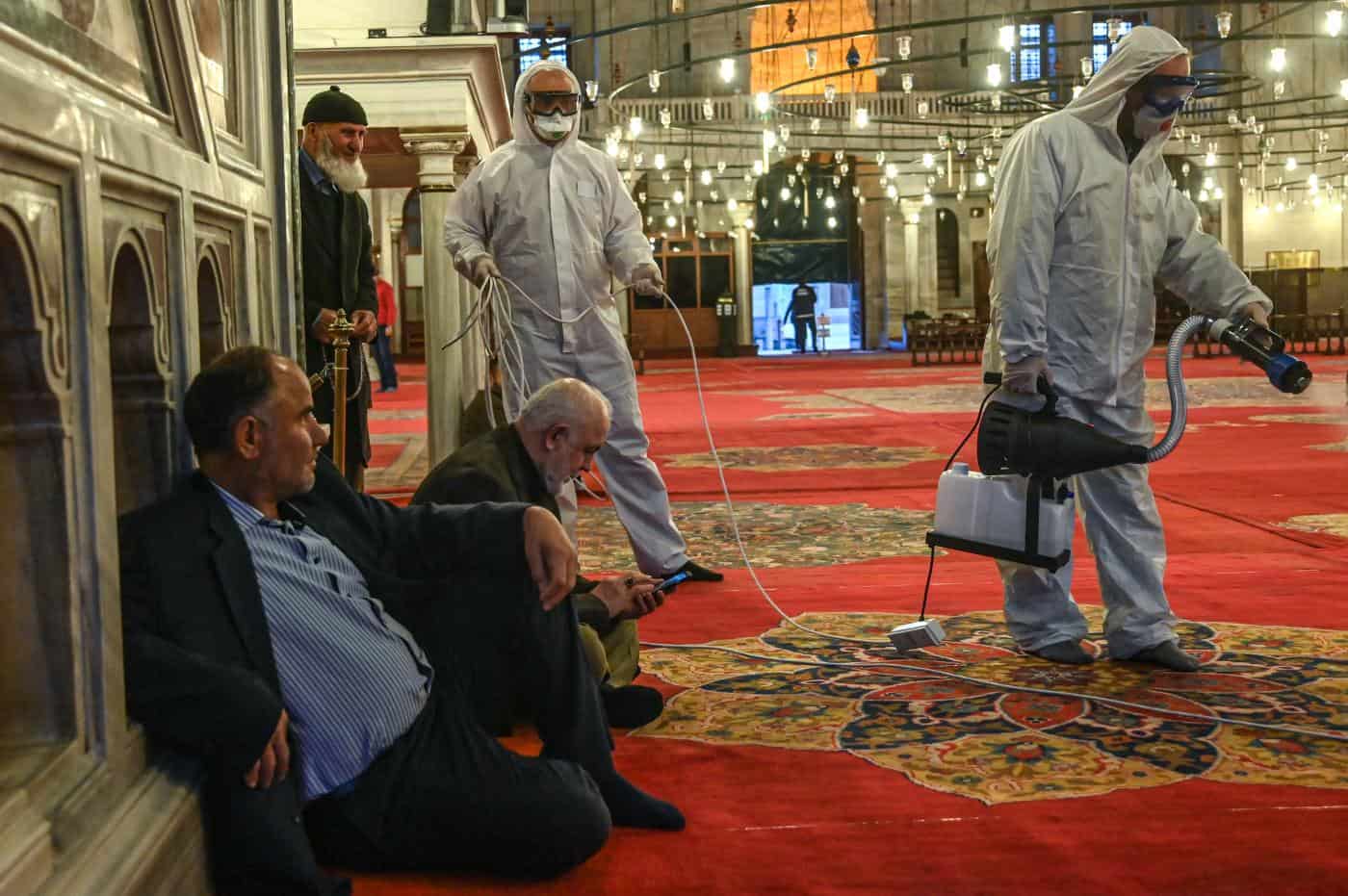
The COVID-19 pandemic has temporarily changed how we look at these gatherings. Instead of sharing in a communal experience, we are afraid of sharing the coronavirus. In order to continue age-old traditions, various religions are providing modern solutions to foster a sense of togetherness in this time of isolation and quarantine.

Mosques and churches around the globe have provided live-streams and online platforms to provide a sense of community and allow worshippers to follow their rituals from home. 

For many Muslims, this Friday marked the first time in their lives that they did not attend traditional Friday prayers, and Jewish and Christian congregants are preparing for a similar experience on their holy days. In India, authorities canceled ancient Hindu festivities for the first time in history.

As encouraging as these digital solutions are, many are defying public health recommendations and gathering in massive numbers. Reports from Indonesia and Pakistan show large mosques filled with crowds on March 20, and several churches have defied health advice.

The New Life Christian Center in Indiana, USA announced on March 12 that, “Due to the recent outbreak of fear—and the resulting raw, unmitigated stupidity—regarding the perceived threat of the ‘coronavirus,’ etc., tomorrow night, Friday, March 13th, 2020, we WILL be having a church service here at New Life Christian Center in Austin, Indiana. Anyone who is sick, you are welcome to come to church. We will lay hands on the sick, and the sick shall recover.”

In Indonesia, the world’s largest Muslim nation, many people defied WHO guidance in order to attend prayers. This follows an earlier religious gathering in Malaysia of 16,000 people from over 30 countries. The event made headlines for spreading the novel coronavirus. Many attendees returned home, where the infection spread further. 

In Singapore, the spread of the coronavirus is linked to urban churches. South Korea’s outbreak was similarly attributed to attendance at a mass event of the Shincheonji Church of Jesus, according to the New York Times.

With digital solutions at hand, religious authorities of all faiths are encouraging a virtual approach to worship. An infectious disease that could harm the sick and elderly the most is prompting religious groups around the world to spread the message that not attending traditional religious gatherings is in no way evidence of a lack of faith.


Read also: COVID-19: Harsh Measures to Quell the Pandemic Across MENA Region

First Palestinian COVID-19 Patients Have Recovered

The Palestinian Authorities were one of the first governments on Earth to close their borders. After a number of visitors to a Bethlehem hotel reported coronavirus symptoms, the Palestinian Authorities opted for the economically painful solution of restricting access by closing borders. 

This solution appears to have had some success as the number of active COVID-19 cases–patients who have not yet recovered–dropped to 31. A government statement on Saturday, March 21 reported four new cases, bringing the total to 35. Whether the Palestinian Authorities are able to contain the spread of the virus in the densely populated area remains to be seen.

Other nations have similarly imposed travel restrictions across the Middle East and North Africa, and most borders have now been shut. The Palestinian example provides some hope that this method will assist in reducing the global spread while allowing national authorities to identify and treat cases within their country.


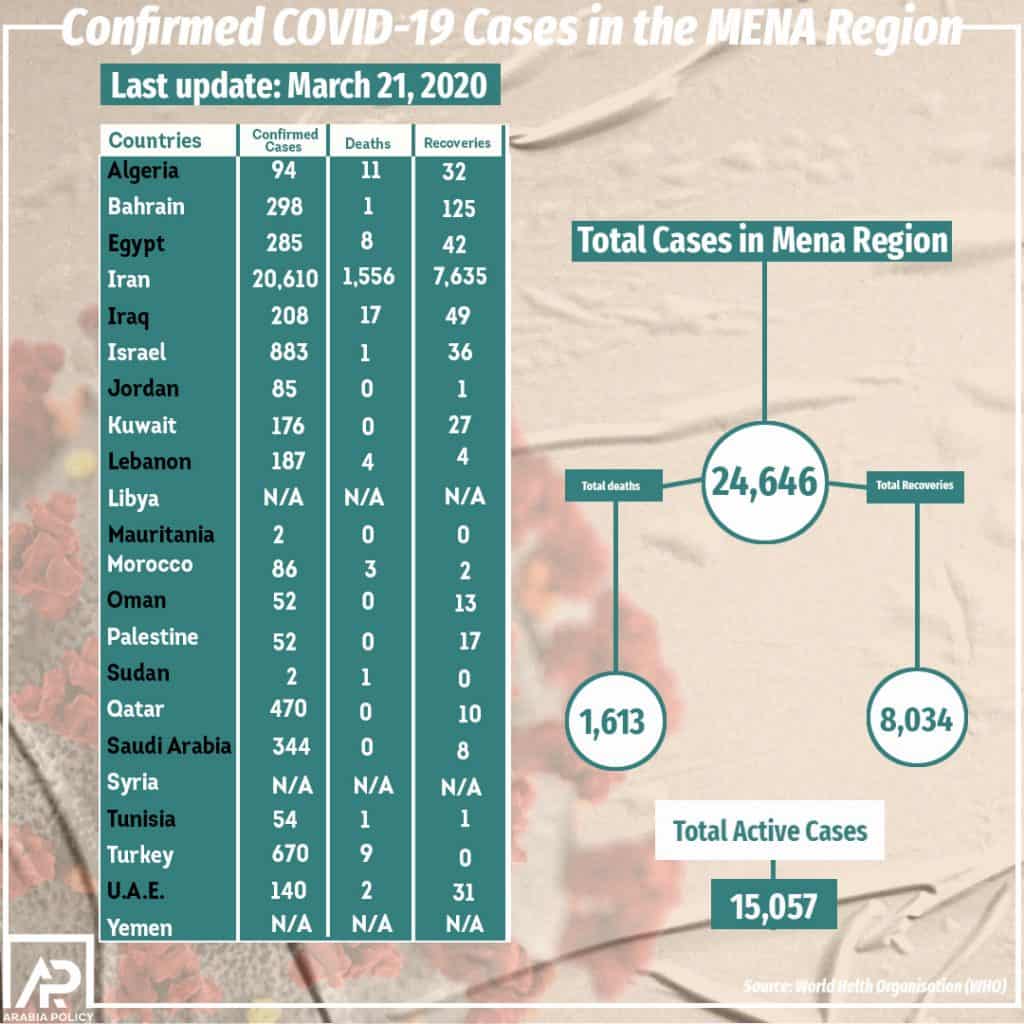
An overview of the COVID-19 Pandemic’s impact on the MENA-region

A Window onto the Life of a ‘Narco’ in Afghanistan

Much has been said about the global drug trade. Movies about drug kingpins from the 1980s and 1990s are made into popular TV series like Netflix’s Narcos or into blockbuster movies like Scarface. But the real story of modern-day drug traffickers is much more complex. 

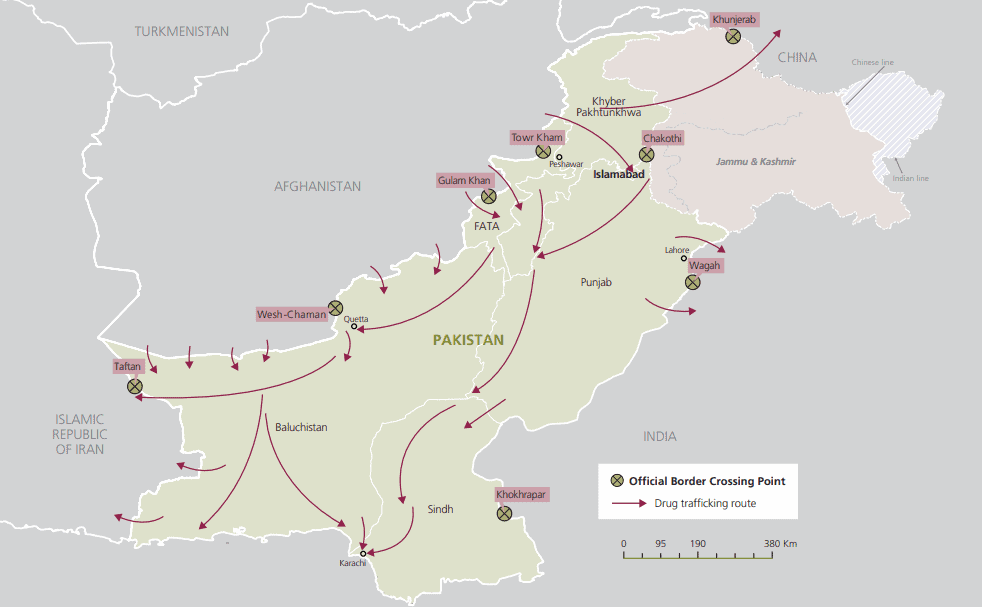
Recent UN reports have allowed us a deep insight into the practical experience of being a drug trafficker in Afghanistan. Presented in a narrative, every step of the journey is based on specific facts from the stories told by people who traffic opiates across Afghanistan to this day.

Growing up in Afghanistan

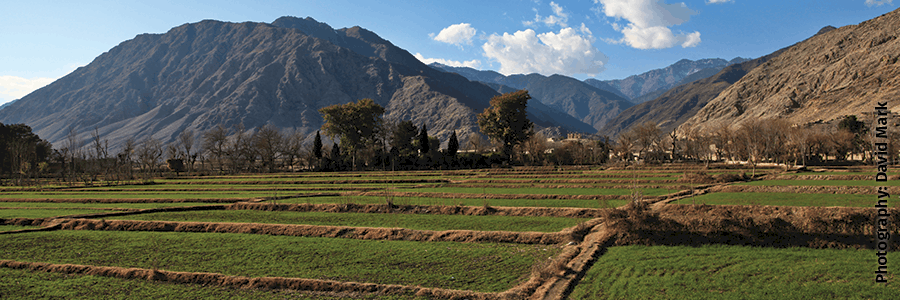
The Afghani name for a drug trafficker is Quchaqbar, a word you will have undoubtedly heard if you were born in Afghanistan. Growing up in a province like Kandahar, on the border with Pakistan, will have meant that whether you like it or not, the drug trade will most likely be a big part of your life. 

Let’s say you are in your late teens, you’ve lived in Kandahar all your life and your dream is to be a doctor when you grow up. There is a university in Kandahar where you could study, but first, you will have to manage to get out of your village with enough money to support your education.

Unfortunately, there is very little work where you live. Asking around at local farms and shops quickly reveals a harsh truth, without a job, how would you ever be able to realize your dream, or even feed yourself? When you discuss your predicament with your cousin, he mentions that he knows someone who could help you; his uncle might have a job for you.

You had seen his uncle drive around town in his 1994 Mercedes-Benz before, and wondered how he could have become rich enough to afford a nice car like that. When you meet him he asks you if you have a working smartphone and whether you know the area, after which he explains the job: You are about to become a Quchaqbar.

The first steps

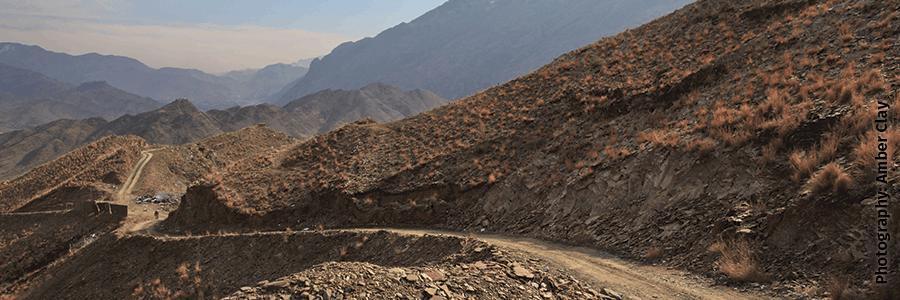
You are told to deliver something to Spin-Boldak, a town on the Pakistani border. But first you are told to find a route to get there safely. Using your knowledge of the area, combined with digital maps on your phone, you scout a route through the mountains where you are unlikely to meet anyone. You discuss the route with your new employer who gives you advice on how to avoid risks and what you can do to not get caught. After every detail has been carefully discussed you are told to wait two days, when bad weather will help you avoid detection on your journey.

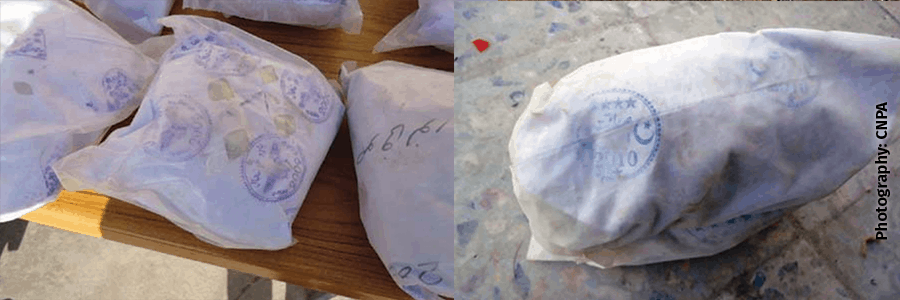
Heroin and Morphine packaged for transport across Afghanistan

When the day finally arrives you visit a small laboratory outside of town. You recognize one of the men working there, he used to be a chemist in the town’s pharmacy before it had closed a few years ago. Two girls, roughly of the same age as you, hand you two different packs, each with their own strange stamp on it. “If you have to get rid of one, pick this one” the girls tell you. The least valuable pack contains Morphine, while the other has a much more valuable product: Heroin.

With the two packages stuffed in your backpack, you set off towards the mountains.


On the road

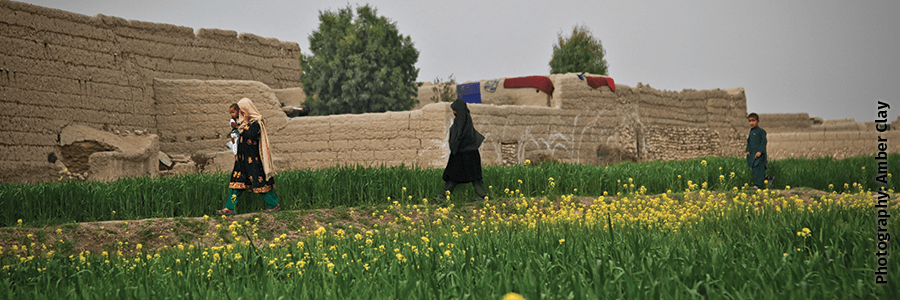
As you hike across the mountain you are glad that your employer gave you so much information. You were told to avoid certain areas, as Taliban forces there would demand a bribe of up to 10% of the value of your cargo. He has done a background-check on the person you are to meet in Spin-Boldak, and taught you ways to hide the packages if you come across the Afghani border patrol. If you do need to pass a government checkpoint, you have been taught to bribe a local woman or child to carry the packages on them as you cross.

As you make your way to the border you pass villages and areas controlled by other trafficking organizations, often local families working together to supplement their meager income. 

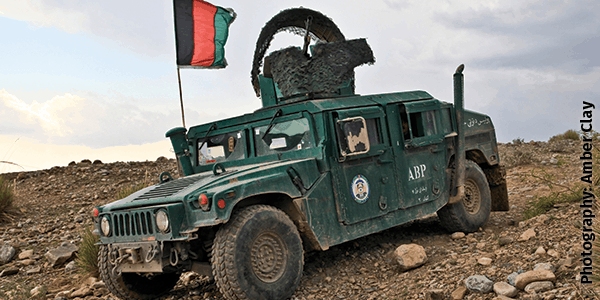
You are glad that these local groups often cooperate with each other and do not regularly fight like the Mexican and Colombian cartels you have seen in movies. The cover provided by the weather and your well-planned route mean you make your way to the busy border town without running into the black humvees of the Afghan Border Patrol.

Delivery

In the town of Spin-Boldak, near the border with Pakistan, you find the person you were to meet. The man has a strange accent, he tells you he grew up in Australia and his dual-nationality will help him get the packages across international borders. Your employer had made sure this person could be trusted long before you set off, and after you hand him the two packages he tells you to go to a ‘hawalar,’ a link in the informal Hawala money-transfer network.

After a quick phone call to your employer, you receive a password to give to the man. When you do, a big pack of bills comes out and after the Hawalar takes his cut, you have made more money than your father could make in a year. As you set off to return to your village you realize you are one step closer to saving up for university. But will you ever get a regular job now that you know how much money can be made?

What it all means

Variations of this story develop every day in Afghanistan. Young Afghanis traffic morphine and heroin from province to province, until they reach the border. Young women often enter the trade if their husband or the family’s breadwinner passes away. For them there is work in growing opium, working in labs, or acting as couriers.

Poverty and lack of legal employment means there are few options for young Afghanis who want to study or simply provide for their families. Because the trade is so pervasive, finding someone who can offer you a ‘job’ in the industry is often very easy. And once someone has entered the business, it is hard to get out as legal jobs make only a fraction of what Quchaqbars can make.

As long as there are no other options, everyday another young person in Afghanistan will start their journey to become a Quchaqbar, whether they want to or not.

Explosions Kill 2 Turkish Soldiers in Syria’s Idlib

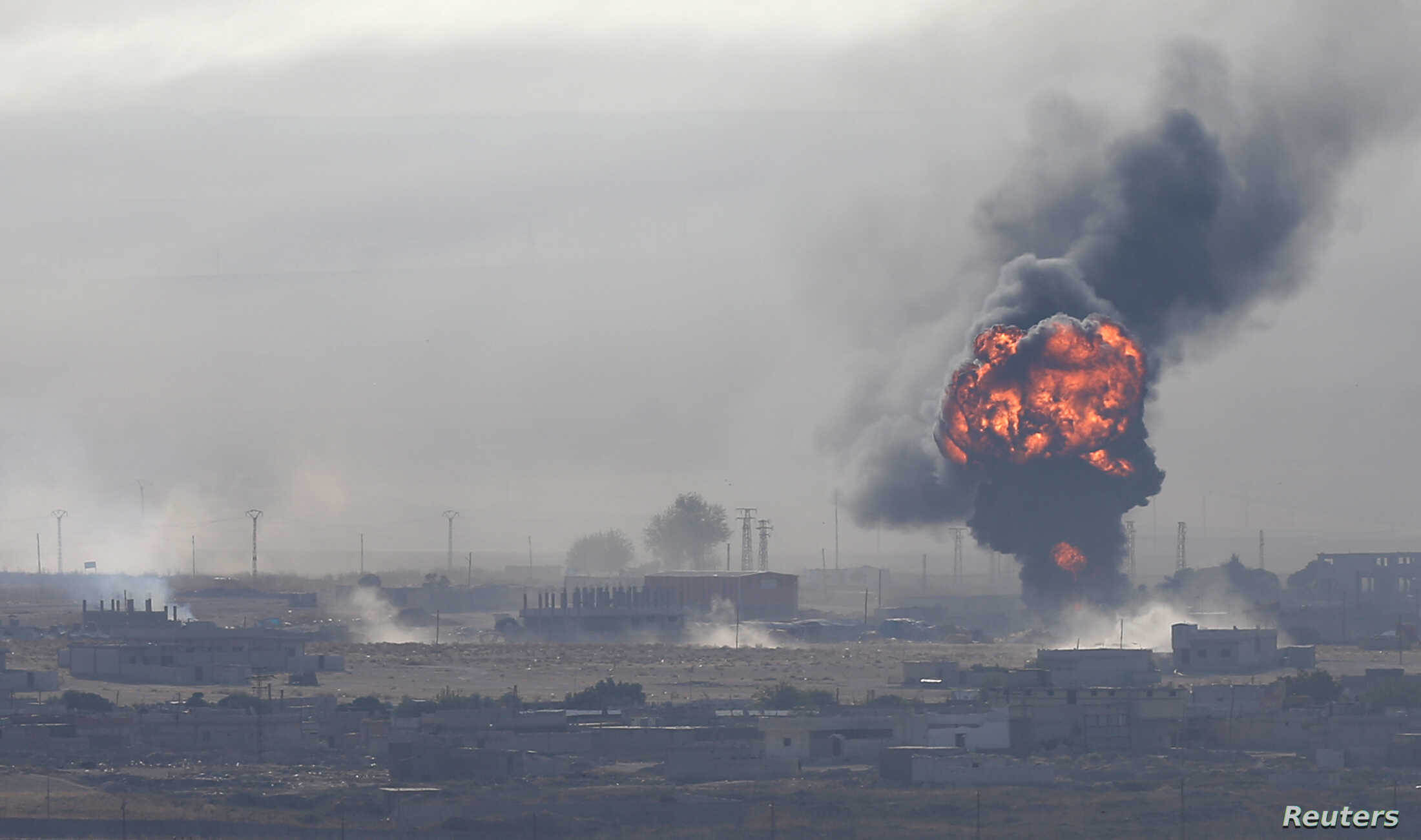
Two Turkish soldiers were killed and another one injured on March 19 in two separate explosions on the Allepo-Lattakia (M4) road, in Syria’s Idlib province, marking the first Turkish fatalities since March 5

Turkey’s Ministry of Defence announced that “some radical groups” carried out the deadly missile attacks and Turkish forces responded by opening fire on various targets in the area.

Local outlets reported the number of Turkish soldiers killed in Idlib has now reached 56. 

Earlier on March 20, two explosive devices hit a Turkish military convoy on the M4 road near the village of Mambel west of Idlib.

Turkish forces have also combed the area and bombarded regime-held sites south of Idlib with heavy artillery, amid accusations by the organization “Guardians of Religion” loyal to “Al Qaeda” of carrying out the attack, according to the Syrian Observatory.

On March 18, the Turkish army removed the dirt berms on the M4 road near the city of Jericho, in response to Russian accusations that Turkey was slow to remove obstacles to the conduct of joint patrols on this road, under the recent ceasefire agreement between the two sides.

Meanwhile, Turkey introduced new reinforcements to Syria at midnight March 19, which were distributed to different locations.

Syrian regime forces continue to bring large military reinforcements supported by foreign militias to focal points of engagement in Jabal al-Zawiya, south of Idlib, especially areas that recently came under regime control and areas close to points of direct confrontation with the opposition.

Field sources suggest that Turkey and Syria’s advancements could pave the way for new military action in the area as Russia moves to control the entire M4 road.

Turkish President Recep Tayyip Erdogan and his Russian counterpart, Vladimir Putin, announced they had reached a ceasefire agreement in Idlib, effective March 6. 

Since March 15, the ceasefire has included joint patrols on the M4 road and established a safe passage six kilometers north of the road and six south of it.

The agreement followed months of escalation in Idlib, during which Syrian regime ariel bombardments killed 33 Turkish soldiers in late February.


Read also: LNA Accuses Turkey of Transporting Terrorists to Libya on Civilian Aircraft

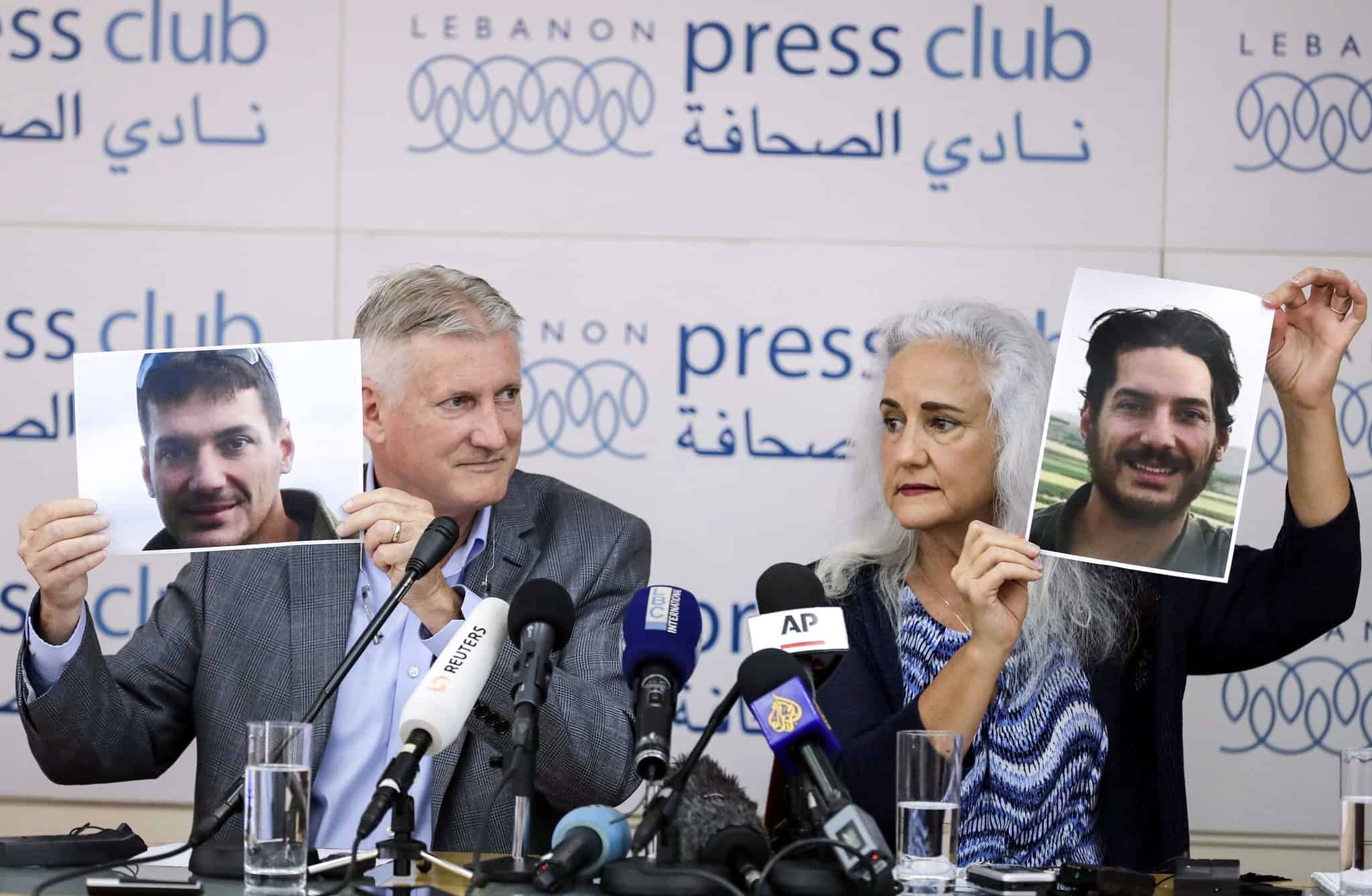
Trump Urges Syria to Release Kidnapped American Journalist Austin Tice

US President Donald Trump is working to secure the release of American journalist Austin Tice, who was kidnapped in Damascus, Syria on August 14, 2012.

Before a press conference with the White House Coronavirus Task Force, Trump indicated that Bashar al-Assad’s regime is holding the journalist captive in Syria, announcing his administration has pressed for Tice’s release.

“We hope the Syrian government will do that. We are counting on them to do that. We’ve written a letter just recently,” Trump said at the beginning of the press conference.

“We have done a lot for Syria and we have to see if they will do that,” he added. “It would be much appreciated if they left Austin Tice right away.”

“He’s been there for a long time. And he was captured long ago. Austin Tice’s mother is probably watching, and she’s a great lady. And we’re doing the best we can,” he assured. “If he’s alive, we’d like to get him back quickly.”

The journalists’ parents expressed their optimism after Trump’s statements.

“We are very grateful to President Trump for his efforts to bring Austin back,” stated Mark and Debra Tice.

Tice was in Syria working as a photojournalist for Agence France-Presse, McClatchy News, the Washington Post, CBS, and other media when he was detained near Damascus on August 14, 2012.

A month later, Tice, then 31, appeared blindfolded and held by an unknown group of gunmen in an ominous video.


Since then, the US has yet to receive any official information on Tice.

In 2018, the US announced a $1 million reward for any information that could lead to Tice’s release.


Read also: US places new ISIS leader on Terrorist Black List, Imposes Sanctions on Syrian Defense Minister

Can the US intervene to save oil prices?

Saudi-Arabia feels confident it can win the current war over oil prices. Because it can produce oil at one of the lowest costs on earth, Aramco and the Saudi state appear bullish in recent statements. 

The stand-off between the two energy giants, mixed with significantly reduced demand due to the COVID-19 pandemic, has resulted in oil prices sinking to levels not seen since the 80s.

Yet strangely, yesterday was reportedly the ‘best day ever’ for oil prices as prices rose by an unprecedented 24% after remarks made by Donald Trump.

The US President claimed he will ‘intervene’ in the Saudi-Russo stand-off at the ‘appropriate’ time, which sent oil prices shooting up. But how much power the US really has to intervene in this oil war remains to be seen.

One thing the US will surely do is buy massive amounts of oil for its national reserves, but this is hardly a shrewd move as most countries will likely take advantage of low prices to stock up on reserves.

In the best-case scenario, Trump convinces both parties to cut production drastically, most likely by promising cuts to the struggling US shale gas industry’s production. This would stabilize oil prices somewhat but still do not counter the growing amount of oil in storage and the large drop in demand caused by the global coronavirus pandemic. 

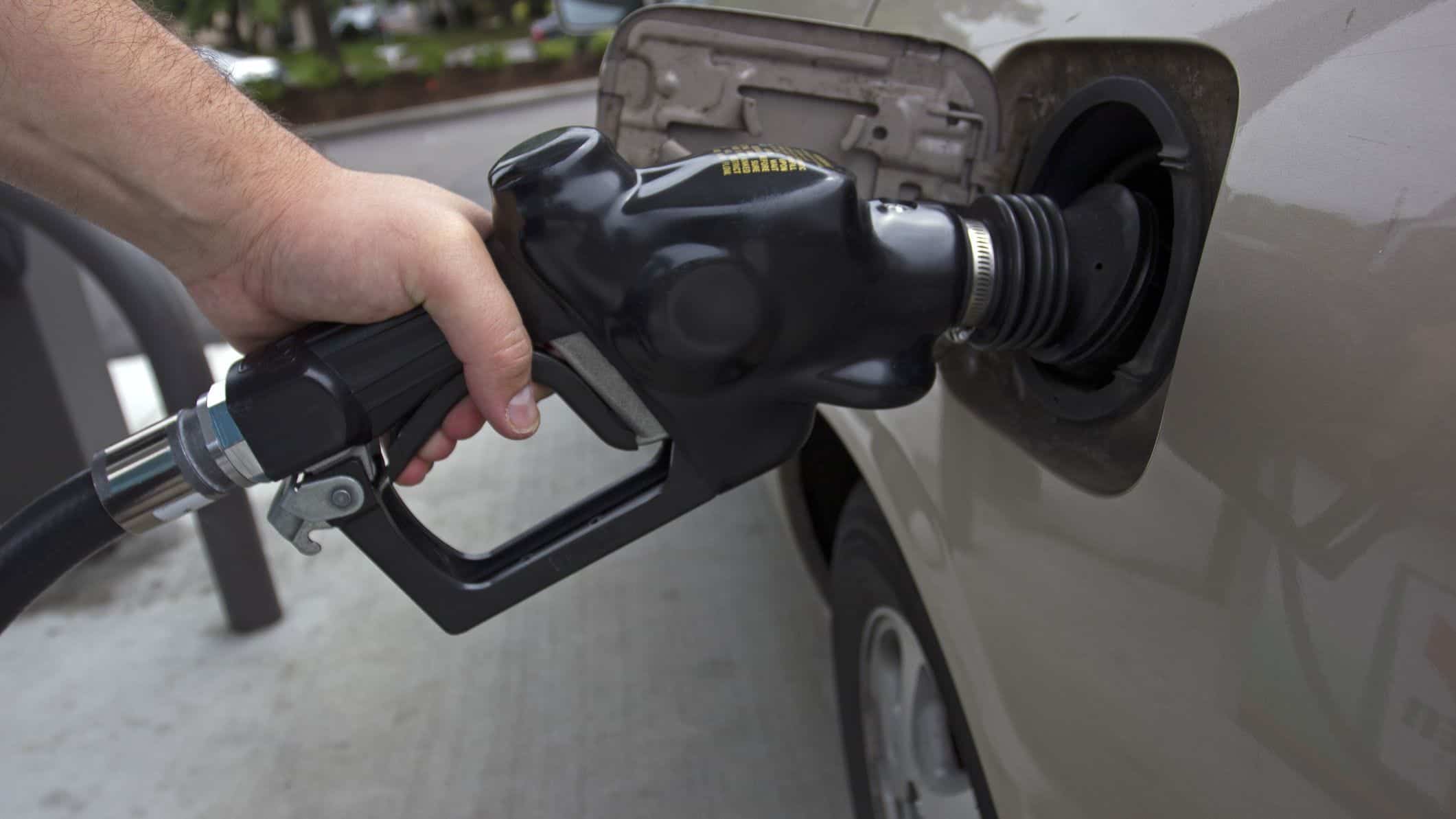
The worst-case scenario would consist of a bailout for the US oil industry without an agreement with Moscow and Riyadh. By subsidizing US oil, the global oil market could become even more unbalanced, could cost US taxpayers billions and have little sustainable impact on the global oil market in the long run. But markets are based on emotion and trends, so what will happen is still impossible to predict.

The US President has a limited toolkit but there is some hope for the oil industry. China is reporting it has successfully brought the spread of the coronavirus under control, with no new local infections reported as of yesterday, March 19. China is slowly getting ‘back to business’ and is focusing on producing massive amounts of medical supplies and equipment to fight the pandemic. As Chinese factories restart or even expand production, Chinese demand for oil will also increase.

As global oil producers keep an eye out for Trump’s next move, it could easily be ‘communist’ China that will bring any semblance of stability back to global oil markets.


Read also: Oil Price Crash Spotlights Systemic Weakness in Algeria’s Economy

US places new ISIS leader on Terrorist Black List, Imposes Sanctions on Syrian Defense Minister

Syria has followed many other countries in the region and banned foreigners from entering to stop the spread of novel coronavirus (COVID19) from Friday, March 20. The new restriction comes days after the World Health Organization (WHO) said it would start testing for the virus in Syria, where they are “very concerned” about the propagation of the virus. 

Since March 2011, conflict has raged in Syria and the country is woefully unprepared to deal with a COVID19 outbreak that developed countries like Italy and France have been hard-pressed to tackle.

The health system is in disarray, and by the end of 2017, the UN reports “more than half the country’s hospitals, clinics, and primary health care centres were only partially functioning or had been damaged beyond repair.

Fighting has caused an estimated 5.6million refugees to flee Syria and led to over 6.1 million people being internally displaced. Clashes in the northern Syrian rebel held province of Idlib have displaced an estimated one million people, since December 2019 alone, further exacerbating the already astronomical level of human suffering in the country.

Just days before Syria announced its border closure, the US moved to impose new measures against the two men it sees as responsible for many of the atrocities and ensuing humanitarian crises that has left Syria especially vulnerable to the coronavirus pandemic. 

On March 17, the US State Department added the new ISIS leader Amir Muhammad Sa’id Abdal-Rahman al-Mawla, to its official ‘terrorist blacklist’. 

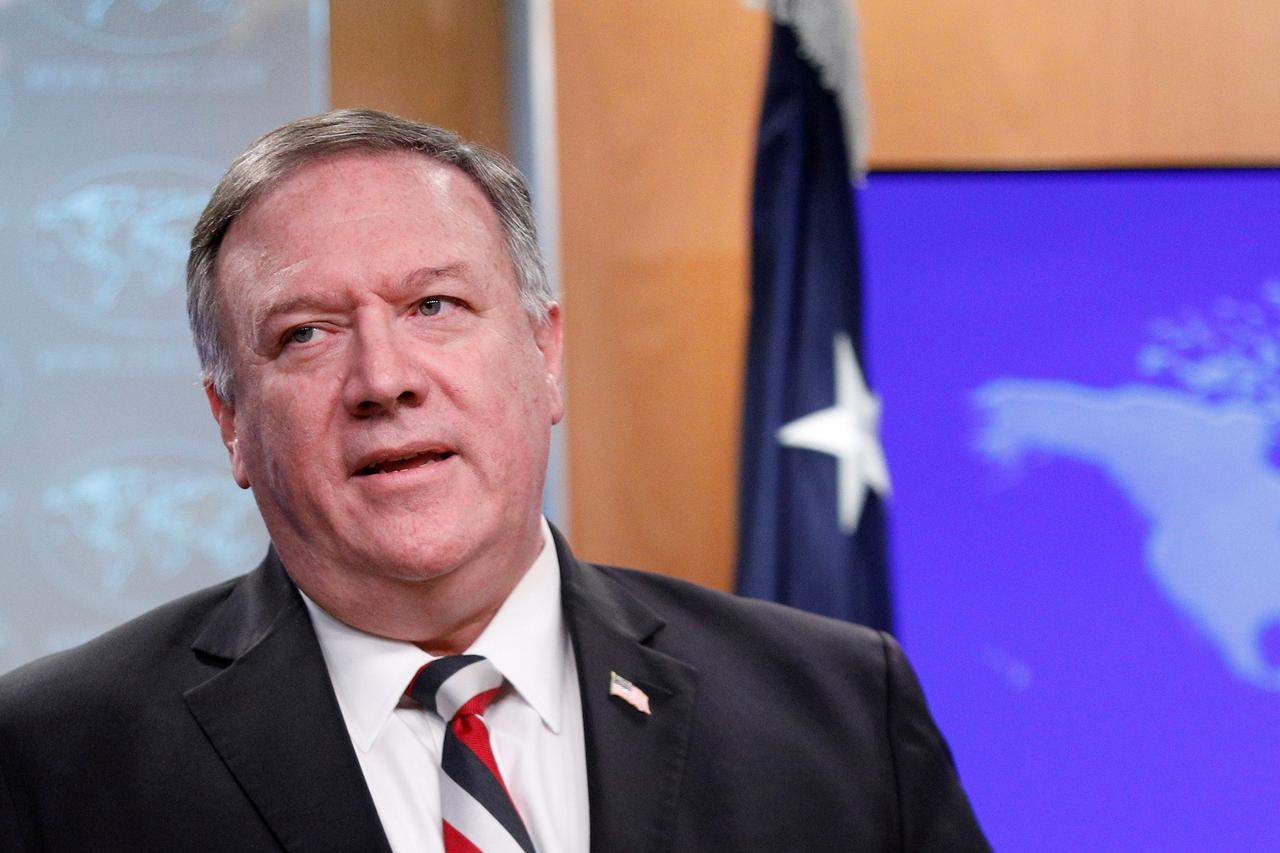
Later that day, Secretary of State Mike Pompeo declared the US would impose sanctions on the Assad regime’s Minister of Defense Lieutenant General Ali Abdullah Ayoub.

Al-Mawla, now listed as a “Specially Designated Global Terrorist (SDGT),” took over the ISIS leadership after former spearhead Abu Bakr al-Baghdadi was killed in an American lead raid in October 2019. Al-Mawla and Al-Baghdadi allegedly met in a US detention camp back in 2004

The US believes Al-Mawla actively participated in the genocide of an estimated 5000 Yazidisi in Syria in 2014, and produced religious edicts justifiying the atrocoties in a chilling post-script to the massacres. 

“Al-Mawla helped drive and attempt to justify the abduction, slaughter, and trafficking of Yazidi religious minorities in northwest Iraq and over-sees the group’s global operations,” the State Department statement said.

There is now a $5 million reward offered for information to track al-Mawla’s down. His designation as an SDGT means US persons are now prohibited from trading with him, any US property or financial assets will be blocked and it is an offence to provide support or resources to al-Mawla. 

Secretary of State Mike Pompeo declared in a press conference that the US will now impose sanctions on the Assad regime’s Minister of Defense Lieutenant General Ali Abdullah Ayoub who they hold responsible “for the violence and the disastrous humanitarian crisis in northern Syria.”

“The Department of State is imposing sanctions under Executive Order 13894 on Minister of Defense Lieutenant General Ali Abdullah Ayoub for his deliberate actions since December 2019 to prevent a ceasefire from taking hold in northern Syria.  This obstruction resulted in almost a million people being displaced and in dire need of humanitarian aid in the midst of a cold winter in Idlib,” Pompeo said.

It remains to be seen if the US’s new measures against ISIS’s al-Mawla and Ayoub will make any difference to the Syrian conflict. The move does however demonstrate the US’s ongoing commitment to a political solution in Syria. 

“We stand on the side of the Syrian people,” Pompeo avowed.  

“As we enter the tenth year of the Syrian conflict, the United States will continue to use all diplomatic and economic tools at our disposal to pressure the Assad regime and its backers, including Russia,” the Secretary of State said.  


Read also: Trump Declares War Against the Novel Coronavirus

Morocco, Jordan and Tunisia enter state of emergency and lockdown to stop COVID19

Authorities from Morocco, Jordan and Tunisia countries announced strict new measures to stop the propagation of novel coronavirus (COVID19). As of March 20, the MENA region has recorded 23 015 confirmed cases of COVID19. 

Morocco

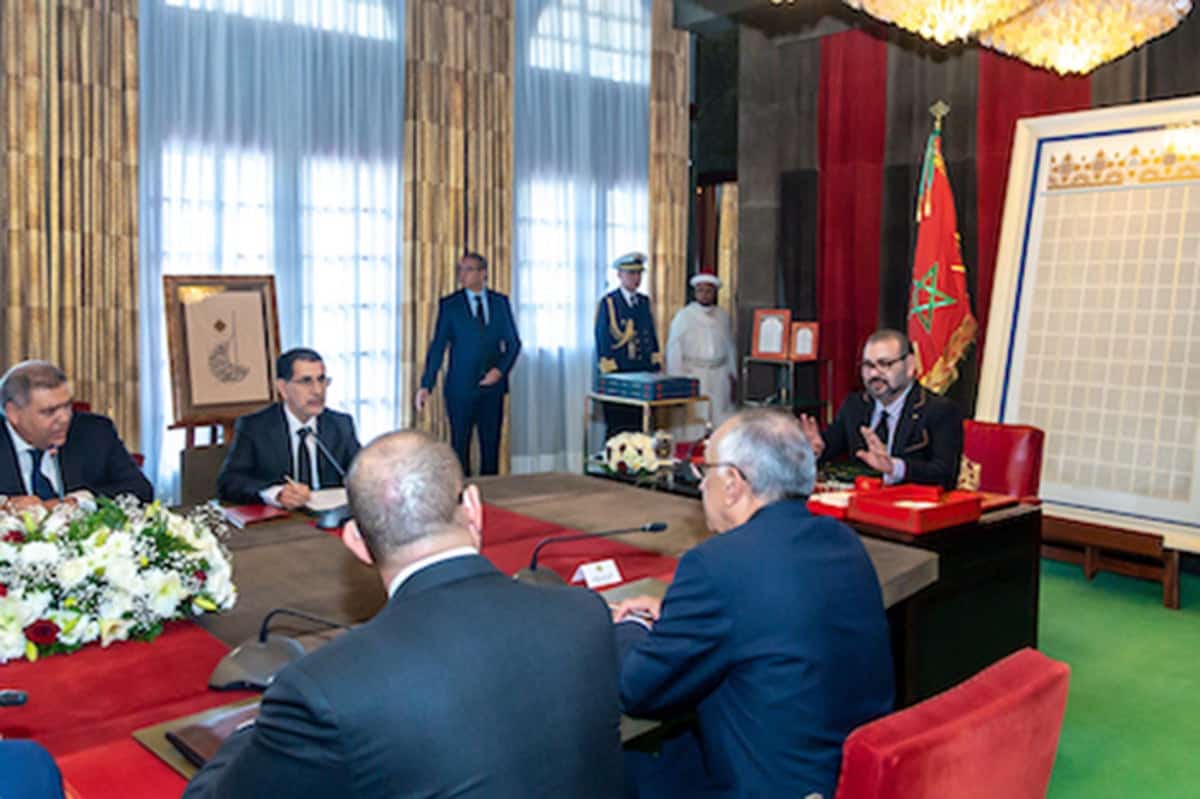
Morocco’s security forces are mobilizing across the country and preparing to enforce the new state of emergency announced on Thursday, March 19 by the Ministry of Interior. Moroccans have been told to enter “sanitary isolation” and similarly to France, will be required to carry a permission-slip to justify leaving confinement as of 18:00 on Friday, March 19, under the new directive. 

Citizens will only be permitted to access public spaces in order to perform essential tasks including buying groceries and medicines. Those working in vital sectors like supermarkets, pharmacies, banks, petrol stations, the medical sector, and telecommunications will also be allowed to go to work. 

Morocco has now recorded 74 confirmed cases of COVID19, three deaths, and two full recoveries. 

Jordan

A nationwide curfew will prohibit all movement in the Kingdom of Jordan from 07:00 on Saturday, March 21 under the latest Defence Order issued by Prime Minister Omar Razzaz on Friday, March 20. 

“The Public Security Department (PSD) will launch sirens tomorrow at 7:00 am, as the curfew takes place, in accordance with the Defense order No. 2,” the Kingdom’s official Jordan News Agency reported.

“Anyone who violates the provisions of this Order and the measures issued by the Prime Minister and the Minister of Defence shall be liable to immediate imprisonment for a period not exceeding one year,” Minister of State for Media Affairs Amjad Adaileh said.

The curfew will remain in place until further notice. Jordan’s coronavirus tally stands at 69 confirmed cases, with one recovery and no fatalities. 

Tunisia

Tunisian President Kais Saied ordered a full lockdown “except in case of force majeure” during a televised address on Friday March 20. The new measures come in addition to the country’s existing 6pm-6am curfew enacted on March 18. 

“All the state’s facilities will ensure vital services, including security and health services. Food supply will also be ensured and shops will remain open,” Saied stressed 

The President added that “spaces will be dedicated to quarantine, requisition measures will be adopted to ensure the continuity of vital services, and large industrial zones will be shut down.”

It is not yet known when the lockdown will start going into effect.

Tunisia reported 15 new confirmed cases of COVID19 on March 20 and now has 54 cases and one fatality from the virus. 

Risks and Opportunities of Medical and Industrial Cannabis legalization in Lebanon

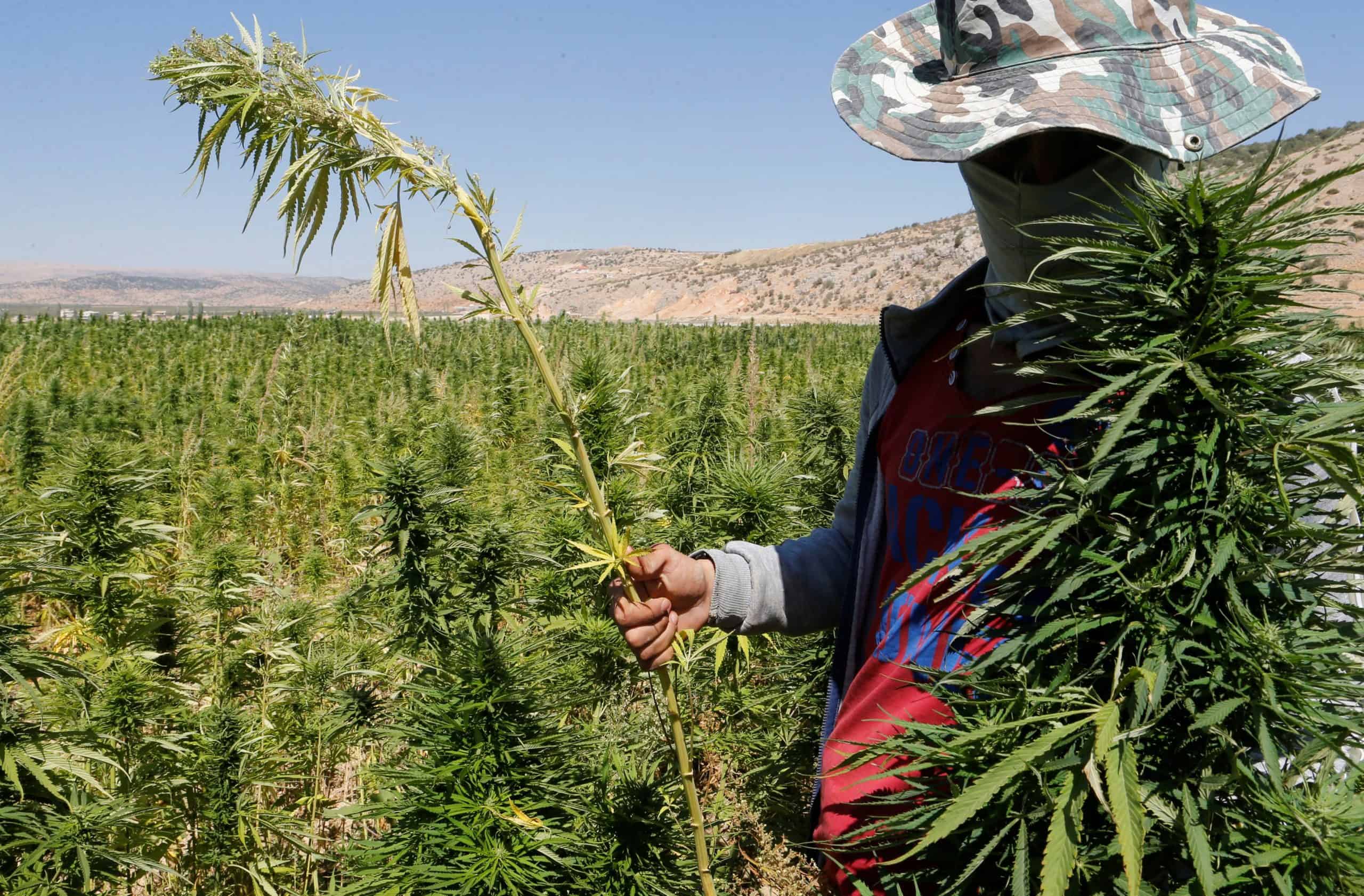
A draft law that would legalize medical and industrial cannabis cultivation has passed two parliamentary committees and is now set for a final vote in Lebanese parliament. 

A legal medical and industrial marijuana sector promises to bring big bucks into Lebanon’s failing economy but there are concerns that the long-standing illegal sector will be shut out of the new industry. 

The UN reports that “cannabis continues to be the most widely used drug worldwide,” and estimates around 3.8% of the global population aged 15-64, the equivalent of over 188 million people, are users.  

Former Economy Minister Raed Khoury estimated that Lebanon could generate $1 billion in revenue from medical marijuana exports per annum. Legalization of cannabis has also been proposed in the past by Druze Leader Walid Jumblatt, but gained serious traction in the current parliament, after consulting firm McKinsey & Company recommended it as one of 150 initiatives to kick-start Lebanon’s sickly economy, in a report publicly released in 2019.  

“Hemp crops in Lebanon cover an area between 200,000 and 300,000 dunums (10 dunums are equivalent to one hectare). Each dunum produces between 1,000 and 2,000 kg of raw cannabis that can be transformed into 4 to 8 kg of pure resin,” Lebanese University drug trafficking expert Hassane Makhlouf explained to Le Commerce du Levant. 

Since the beginning of the war in Syria, Lebanon has all but abandoned its field destruction campaigns, instead focusing operations on traffickers and mules, meaning farms have an oversupply of product, according to Bekaa Chamber of Commerce Agriculture Department director Said Gedeon. 

At its peak, the Lebanese recreational marijuana industry was worth an estimated $2 to $3 billion per annum, but the European market shift away from hashish and increased supply has pushed prices to a low of $13-$8 per gram. Farmers who used to earn $1000-$2000 per kilo of hashish are now making just $400.

Under the draft legislation, currently headed for a final vote in parliament, a new medical and industrial cannabis industry would be built around the cultivation of different strains not usually grown in Lebanon.

The new legal sector would produce cannabis containing less than 1% THC for medical and industrial use, running parallel to the existing illegal sector that thrives in the Bekaa Valley.

Under the law, a licensing system would be introduced that excludes anyone who has a criminal record from participating in the growth, sale, manufacture, and export of cannabis and its derivatives. 

Critics of the legislation argue this will further stigmatize those who participate in the illegal sector and lock them out of what promises to be a highly lucrative new industry. 

There are concerns that, as with other industries in Lebanon, the rich will have a death-grip on the economic opportunities, and regular Lebanese people, and the Bekaa valley producers, will see little to no “ trickle-down” benefits.

The draft bill approved by parliamentary committees has also been criticized for not addressing the possession and cultivation of cannabis for personal use in Lebanon, where 3000-4000 are arrested per year for drug crimes, primarily the consumption of hashish. It, instead, proposes to implement harsher penalties on violations of the law.

Nevertheless, Lebanese parliamentarian and draft law subcommittee member Yassine Jaber is optimistic about the potential for a new legal cannabis industry in Lebanon. 

“We have a competitive and a comparative advantage in the cannabis business. Our soil is among the best in the world for this, and the cost of production is low compared to other states,” she told Al Jazeera

Arabia Policy sat down virtually with drug policy expert Dania Putri from the Transnational Institute to get her take on the draft legislation under consideration in Lebanon and the challenges of cannabis legalization globally.  

Arabia Policy (AP) What are your thoughts generally on the legislation put before the parliament?

Dania Putri (DP): It looks like the draft bill was not designed specifically to address the issue of criminalization and to combat the illicit market, but probably to facilitate foreign investors and/or companies that are interested in developing a production system for low-THC cannabis (ie. hemp) and/or CBD-goods in Lebanon. 

Cultivating low-THC cannabis for industrial, and to a certain extent medical, purposes requires large or mega-scale cultivation and processing facilities, so oftentimes such production systems tend to be monopolized or “oligopolized” by a smaller number of actors.

Nonetheless, of course, it’s refreshing to see something happening at the parliamentary level. At least it shows that there’s interest to address the cannabis issue in Lebanon and it might have opened up new avenues for public debates on other, and hopefully better and more inclusive, regulatory initiatives.

AP: Do you agree with the proposed licensing system?

DP: No, I think it should be more inclusive and should at least include pathways for criminal expungement. 

AP: Do you think a more holistic approach is needed for the industry to be successful- one that better integrates existing illegal cannabis industry and decriminalizes cannabis use? 

DP: Yes, for sure! Decriminalization of small-scale possession and ideally also small-scale cultivation should always be prioritized — which, in the beginning, can be done in a ‘de facto’ way as well, for example by coordinating with law enforcement agencies that can issue directives for their officers operating on the ground. 

And, yes, I think the ideal model should involve actors currently operating the illicit market, especially those who do so for subsistence, like small-scale farmers in the Bekaa Valley. Such actors have been the ones who bear the brunt of prohibitionist policies, the very policies that have made drug trafficking more risky and thus more profitable — but only for the big guys.

Also, we should note that the majority of cannabis, including hashish, produced in Lebanon is most likely sold and consumed outside the country, if not the region. So, even if they have a very good internal regulation model, Lebanon would still have to cooperate with other countries, for example, the Netherlands where Lebanese hashish is also commonplace (though illegally traded) to find ways to regulate the trade.

AP: Based on your experience, in countries that have a well-established illegal cannabis sector, does that illegal sector continue after legalization? 

DP: Unfortunately in Canada – where legal cannabis regulation was implemented in October 2018 – the current illicit market prevails. This most likely has to do with the lack of options and procedures for illicit actors to transition to and enter the licit market. There’s very little effort to expunge criminal records, too, so reform advocates now are trying to push Canadian policymakers to address this gap. 

In Uruguay the illicit market also prevails, but to be honest I have had trouble finding reliable studies on this particular issue. But, interestingly, in Uruguay small-scale cannabis possession and drug use in general have never been criminalised. 

The thing is, the illicit market will always remain, as long as:

  • there are significant barriers to entry to the legal market, especially for producers
  • neighbouring and other countries still have prohibitionist policies in place, but still have demand for cannabis
  • prohibitionist policies are retained for other psychoactive drugs

A more realistic goal is to minimise harms and violence associated with the drug market, which I think can be addressed by reducing the intensity and frequency of drug-related crackdowns, and by allowing new (decentralised) modes of production and distribution to form, like the Cannabis Social Clubs and home-growing model for example.

AP: What are some of the challenges countries who decriminalize low THC cannabis production for medical and industrial uses face? What effects does it generally have on criminal consumption?

DP: As you may have guessed, decriminalising low-THC cannabis production for medical & industrial uses would probably have little impact on illegal consumption. 

Switzerland has allowed and legally regulated low-THC cannabis cigarettes but of course this does not satisfy most users’ needs.

Many countries have also long allowed low-THC cannabis production (of between 0.3% and 1% THC) for industrial uses. In China, for example, they have large-scale hemp production, while the U.S. just recently clarified some regulations surrounding hemp production.

Of course this often has little impact on regular non-medical and recreational consumption and production of cannabis, especially since in Europe and North America, users are accustomed to consuming relatively potent cannabis with THC content that can be higher than 20%.

Another challenge is that production is dominated by a few large actors, as I explained above, and this has remained a difficulty in countries like Colombia and Jamaica, where legal reforms included high-THC cannabis too. 

It seems to me that Lebanon and other countries in the Global South are considering regulating cannabis production because there are actors interested in exporting to the international market of legal medicinal cannabis, although there are risks that the value of the international market has been overestimated Besides, there are other challenges involved, as countries who wish to export have to:

  • invest heavily in new technology and infrastructures in order to comply with international standards (Good Agricultural and Collection Practices, Good Manufacturing Practices)
  • find and negotiate terms and licenses with countries that have legal regulation for imports

Thank you to Dania Putri for taking the time to answer Arabia Policy’s questions, on a fascinating area of policy, especially for the Middle East and North Africa region where cannabis is a part of the economic, social, and cultural fabric of many countries.

 

Read Also: Lebanon in ‘Turbulent Seas’ as Eurobond Default Looms