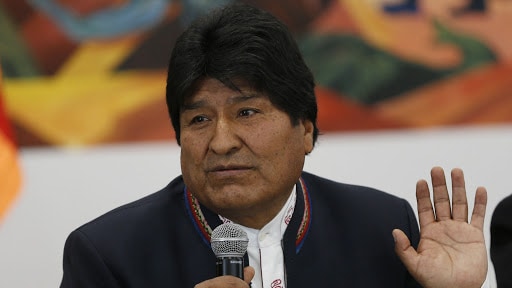
Evo Morales: ‘Don’t Commercialize the Coronavirus’

Evo Morales is a man familiar with crises. Elected as the first indigenous president of Bolivia in the depths of a financial crisis, he brought together a fractured nation and stabilized his country financially while lifting large swaths of the population out of poverty in the process.

It is Morales’s criticism of global neoliberal capitalism that guided his policies, and it is this criticism that spurred him to speak up on Twitter this Tuesday, March 17.

Responding to news released by Spanish newspaper ABC that US President Donald Trump had attempted to buy a German company working on a COVID-19 cure, Morales spoke out on the global pandemic:


“The coronavirus has shown that commercializing health, as proposed by capitalism, is inhuman and immoral,” Morales tweeted. 

“Health cannot be a business but must be a human right. It is time for the countries of the world to return to the path of solidarity. Let’s protect life first.”

Morales’s statement coincides with similar messaging coming from the World Health Organization (WHO) calling for worldwide solidarity on Monday, March 16, with WHO Director-General Tedros Adhanom Ghebreyesus saying, “We are all in this together.”


The statements from Morales and WHO highlighted a growing need for human solidarity in the face of the global COVID-19 epidemic. Where many governments have been reluctant to implement economically painful measures such as banning people from going to work, national leaders are hearing increased calls to put the economy second in order to prioritize the health of society’s most vulnerable.


As humanity is suddenly confronted with its own vulnerabilities, continued calls for collaboration can hopefully calm the global obsession with economic growth and stock prices and lead to a united fight against the virus that we can all be proud of.


Read also: The Coronavirus is Here. Don’t Panic.

Inside the Quarantine: Treatments Provided to Coronavirus Patients


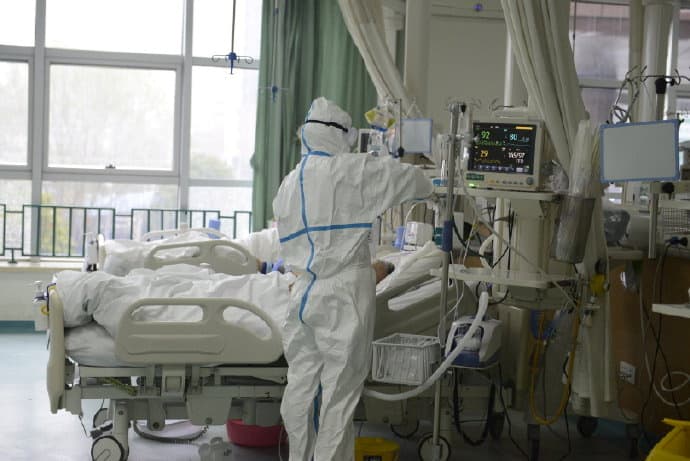
Medications provided to infected patients are aimed at treating symptoms instead of countering the infection directly, according to a nurse who was infected by the novel coronavirus (COVID-19) in China and has since recovered. The nurse added that the matter of survival remains dependent on each infected patient’s immunity.

Deng Nanjing, a nurse in a Wuhan hospital in the epicenter of the novel coronavirus outbreak in China, struggled to alleviate her infected patients’ pain and found herself suffering from similar symptoms. She was then admitted to the hospital where she worked, according to a New York Times report.

Fever is the virus’s most common symptom, appearing in 90% of patients. Approximately one-fifth of patients experience shortness of breath, coughing, and fatigue.  

Doctors do not have any medications or vaccines to treat COVID-19 and use a combination of drugs and antivirals to relieve symptoms, according to Nanjing.

Medicines that were prescribed in hospitals in Wuhan include:

  • Arbidol, an antiviral medicine used to treat influenza in China and Russia.


  • Tamiflu, an antiviral medicine used to treat influenza, which is widely available in many countries around the world.


  • Kaletra, a treatment usually used for patients with HIV, which appears to prevent the proliferation of the novel coronavirus in the body.


  • Antibiotic drugs are administered intravenously in combination with nutrition products, especially as patients develop anorexia during the quarantine period.

Performing an x-ray can reveal damage to a patient’s lungs. In advanced cases, patients must be connected to a respirator.

Days after the patient begins to recover, their appetite returns and their immune system becomes stronger, producing antibodies that help kill the virus. This was the case with nurse Nanjing, who donated her plasma which could contain antibodies and potentially be used to treat future COVID-19 patients.

For patients with immune systems that cannot resist the disease, body temperature will start to rise, causing vomiting, diarrhea, hallucinations, and the loss of smell and taste senses. Meanwhile, the heart rate slows down to 50 beats per minute.

High-risk patients include older adults—especially those over 80 years old—and people with serious chronic medical conditions such as heart disease, lung disease, and diabetes. 

Confirmed COVID-19 cases have reached 183,737 around the world, while the number of fatalities totals 7,177 in 142 countries. 

Meanwhile, 80,833 patients around the world have recovered from COVID-19.

The total number of cases in China reached 80,860, including 3,213 deaths and 67,490 recoveries. 

The countries most affected by the virus after China include Italy with 2,158 deaths and 27,980 cases, followed by Iran with 853 deaths and 14,991 cases, Spain with 342 deaths and 9,942 cases, and France with 148 deaths and 6,633 cases.

EU Closes Borders in Last-Ditch Attempt to Slow COVID-19 Spread

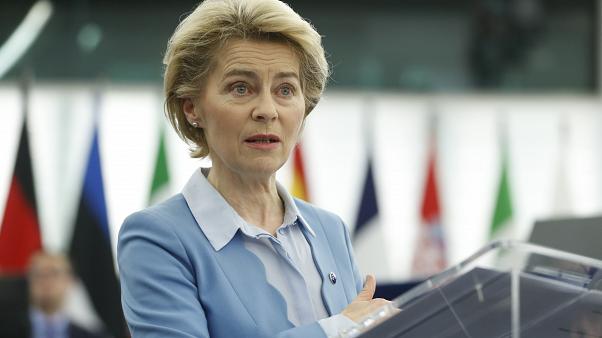
The European Union will introduce a temporary restriction on non-essential travel that will be in place for 30 days but “can be prolonged as necessary,” Von der Leyen stated after a discussion with G7 leaders. 

“We need to do more to reduce huge pressure on our healthcare system,” Von der Leyen stressed. 

“We know that everything that reduces social interaction also reduces the spread of the virus. The less travel, the more we can contain the virus,” the European Commission President added


The statement came hours after French President Emmanuel Macron announced that starting at noon Tuesday, March 17, “all trips between non-European countries and the EU and the Schengen zone will be suspended for 30 days.”Von der Leyen stressed that “the flow of goods to the European Union must continue.” 

Brussels announced on Sunday, March 15 that “green lanes” would be implemented on main roads to ensure medical and food supplies were given priority and could be transported freely.

There will be exemptions for EU citizens returning to the Schengen area, health care workers and scientists working on COVID-19, people who commute across borders, and goods transporters. 

Under the post-Brexit transition agreement, UK citizens will also be exempt from the ban. 

“UK citizens are European citizens,” explained Von der Leyen, and therefore “there are no restrictions for UK citizens to travel to the continent.”

The European Commission then released a new set of guidelines for border management to member states on Monday, March 16, following Von der Leyen’s announcement. 

“All persons, EU and non-EU nationals, who cross the external borders to enter the Schengen area are subject to systematic checks at border crossing points,” the guidelines state.

They also advise that “Member States have the possibility to refuse entry” but could use “alternative measures to a refusal of entry such as isolation or quarantine” if considered more effective.  

The 30 day ban will apply to the entire Schengen Area, including 22 European Union members and Iceland, Norway, Switzerland, and Liechtenstein. Non-Schengen EU members and the UK have been strongly encouraged to implement the ban and new containment guidelines. 

European Union Civil Liberties Chair Juan Fernando López Aguilar has demanded member states coordinate and act proportionally in response to the latest border closure and unilateral border restrictions. 

“I fully share the need for public policy measures restricting social interaction to slow down the spread of the Coronavirus, I urge member states to take their measures in full respect of the principles of proportionality and, above all, solidarity among EU Member States, non-discrimination and the applicable Schengen rules,” said a statement from Aguilar released on Monday evening, March 16.

“It is key that when taking measures no discrimination is made between EU citizens,” he emphasized. 

Aguilar also reiterated Macron and Von der Leyen’s sentiments, reminding members that the challenge of COVID-19 can only be vanquished with a coordinated approach. 


Read also: No Novel Coronavirus Precautions at Ceuta as Spanish Outbreak Spreads Rapidly

Iran Temporarily Frees 85,000 Prisoners

In a sign of international collaboration and a recognition of priorities, Iran is releasing thousands of prisoners at the request of Javaid Rehman, UN Special Rapporteur in Iran.

Around the world, national governments are taking unprecedented action. Shops are closed and major events are canceled, but no action has been as radical as Iran’s temporary release of 85,000 prisoners.

Among the freed prisoners is a large swath of political prisoners. The move signals a significant shift in priorities as the COVID-19 pandemic continues to spread: Respecting humanity is a clear political priority.

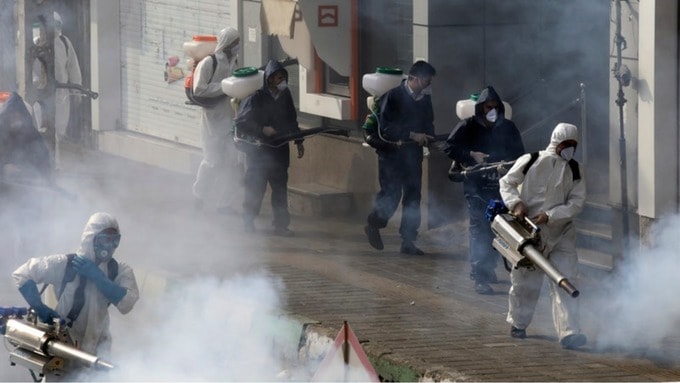
Tehran reported on Monday that the number of novel coronavirus infections in the country reached 14,991. Due to the pandemic’s rapid spread in Italy, Iran is no longer the hardest hit by the virus, although questions remain about the Iranian government’s ability to contain the virus. Iranian public health officials hold out hope. Nearly 5,000 Iranians, almost one third of reported cases, have now recovered. Infected patients are now closely monitored as Iranian healthcare professionals rapidly advance in virus recognition and treatment.

Iranian president Hassan Rouhani asked Iranians on Monday, March 17 to self-isolate: “We are past the peak of the disease but I still suggest people to stay at home, and in case of urgency, observe all health protocols.” Public officials check for signs of fever at checkpoints throughout major cities, and educational institutions have closed. A return to business-as-usual remains a hope for the future as Iranian government officials and global health experts decry the effect of U.S. sanctions on the spread of the disease in Iran.

Before the spread of COVID-19, the Iranian healthcare system struggled to import necessary specialized drugs. A 2019 Human Rights Watch report highlighted sanctions-related shortages of drugs to treat epilepsy, provide chemotherapy and, according to The American Prospect, “specialized drugs for children living with and recovering from cancer,”.

In a letter to UN Secretary-General António Guterres released on Thursday March 12, President Rouhani called the US sanctions “a severe and indiscriminate campaign of economic terrorism” and urged for a halt in the “general collective punishment of the Iranian people”.

While Iranian officials have seen enough humanity in their political prisoners to set them free, US officials in a Friday press conference stated “we believe the coronavirus will only make Iranian generals more aggressive” as one of the reasons for the US military to remain in Iraq.

Around the world, people stand together to do their personal duty in containing the virus, whether through self-isolation or taking preventative measures to be able to work safely. Whether national governments will take a similar brotherly approach based on our shared humanity and common duty in this global crisis, might reveal the true depth and extend of the crisis.

Read also: Dozens Of Iranians Die From Alcohol Poisoning Attempting to Cure Coronavirus

Peace Corps Evacuates Volunteers, Suspends Operations

The United States Peace Corps has suspended activities and is evacuating all volunteers in reaction to the novel coronavirus pandemic. In an open letter to volunteers, Peace Corps Director Jody Olsen said the organization came to the “difficult decision” as more and more volunteers required evacuation. The move follows the evacuation of volunteers stationed in China and Mongolia earlier this month. 

“As COVID-19 continues to spread and international travel becomes more and more challenging by the day, we are acting now to safeguard your well-being and prevent a situation where Volunteers are unable to leave their host countries,” Olsen’s letter explained.

Olsen assured host countries and communities that they are not closing posts and that Peace Corps operations will resume when “conditions permit.”

“I also want to assure you and our host country partners that these evacuations represent the temporary suspension of Volunteer activities,” she added.

Evacuations may be easier said than done as many countries, including the entire European Union, have closed their borders. Within the MENA region, the Peace Corps operates in Morocco and Jordan. The two countries suspended all international flights on Monday, March 16 and Tuesday, March 17, respectively.

The Peace Corps also operates in Tunisia, which has only banned flights from Italy. Tunisian Prime Minister Elyes Fakhfakh is scheduled to update the country’s COVID-19 measures imminently and may decide to follow his regional counterparts in suspending all international flights. 

The United States also raised its global travel advisory on March 15 to “Global Level 3 Health Advisory – Reconsider Travel.” 

The US State Department is advising citizens “to reconsider travel abroad due to the global impact of COVID-19” as “many areas throughout the world are now experiencing COVID-19 outbreaks and taking action that may limit traveler mobility.” 

The Peace Corps was founded in the 1960s and currently operates in 60 countries worldwide. The organization aims to address local challenges and promote understanding and friendship. 

COVID-19: Harsh Measures to Quell the Pandemic Across MENA Region

The number of cases outside of China has exceeded those reported inside China. Globally, more than 174,000 cases have been confirmed.

The COVID-19 death toll exceeds 6,700—but more than 77,600 people have now recovered from the disease worldwide.

Global markets have been hard hit, recording significant losses as fear grows worldwide and an end to the pandemic seems far off. Wall Street halted trading for 15 minutes after the market dropped 8% upon opening. 

Nations are now grappling with how to handle the outbreak as well as rising public panic and its catastrophic economic consequences. A number of MENA countries so far have imposed harsh measures, more in line with those put in place in China and South Korea, to protect their countries from the pandemic. 

Bahrain reported the first coronavirus death in the Gulf today. The patient, a 65-year old Bahraini man, suffered from underlying health conditions. In total, the GCC has recorded approximately 1,000 cases of coronavirus.

The grip of the shutdown is tightening in many countries. International flights are suspended, land and sea borders have been closed, along with public gatherings and non-essential businesses in order to delay the spread of COVID-19. 

Outside of government measures, campaigns encouraging citizens to self-quarantine have taken off across social media. 

In the Gulf, social media users are posting “We are all home for the sake of…” followed by the relevant country and national flag. In Morocco Twitter and Instagram are alight with the hashtags #ilovemorocco (#jaimelemaroc in French), #istayathome (#jerestalamaison in French). 

Flights and borders

On Sunday, Morocco joined Saudi Arabia and Kuwait in closing its borders and suspending all international flights. As a result, thousands of tourists are reportedly stranded in Morocco with no clear answers about when they may be able to leave.  

Algeria has suspended “air and sea travel to and from European countries,” the prime minister’s office said on Monday. The move will be accompanied by a repatriation plan from the affected countries, the office added.

Egyptian Prime Mostafa Madbouly announced air traffic would stop on Thursday, March 19, until March 31 but reassured tourists they could complete their vacations. He said hotels will be sanitized during the flight shutdown and discouraged people from panic buying, reassuring Egyptians the country has enough commodities to last months. 

Jordan will halt all “all flights into and out of the kingdom”  from Tuesday, March 17, until further notice, said Prime Minister Omar al-Razzaz. “All land and sea crossings and airports are closed except for cargo,” he added.

Public closures

The UN estimates half a billion children are not able to attend school as governments in 56 countries have imposed nationwide school shutdowns because of coronavirus. The public closures are, however, extending to include restaurants, bars, and entertainment venues. Governments are also considering closing down non-essential services and businesses.

From Monday, March 16, Morocco has closed all mosques, cafes, theaters, sports and public clubs, hammams, and entertainment venues. Markets and shops selling essentials are exempt, as are restaurants who offer delivery, the Interior Ministry’s statement said. Public gatherings of 50 people or more have also been banned and the government is rolling out a disinfection program of public transport and spaces. 

The Western Wall is to become a kiss-free zone as Israel steps up its anti-virus measures. “Do not kiss the Western Wall stones,” Rabbi Shmuel Rabinowitz told Jews, encouraging believers to practice social distancing and good hygiene practices. 

Dubai’s lounges, pubs, and bars, including those within restaurants, are to be deserted until the end of March following the latest government circular ordering their closure. The UAE is also saying 125,000 people have now been tested for coronavirus there, a rate of 13,000 per million. There are 98 confirmed cases in the UAE with 23 reported recoveries.

Turkey has taken a similar stance, ordering the closure of all bars, discos, and nightclubs nationwide starting on Monday, March 16, for an indefinite period. Schools and universities are already closed in Turkey.

Lebanon has entered a two-week shutdown, with people urged to stay home and the airport set to close on Wednesday. Land and seaports will also be closed for two weeks. 

“The next two weeks are very important and the weather conditions may play an important role in mitigating the latest measures imposed to combat the spread of the virus,” Lebanese Health Minister Hamad Hassan said on March 16. “The Social Affairs Ministry has stepped forward and will receive aid in order to distribute it to people in need amid the coronavirus crisis.”  

Over the weekend, Syrian President Bashar Al-Assad announced the country’s parliamentary elections, scheduled for April 13,  would be postponed. 

Panic buying

There are widespread reports of panic buying, beginning with hand sanitizer, soap, and toilet paper. 

Images circulating on social media now show the dry goods shelves of Moroccan retailer Marjane, for example, have been ransacked. Local authorities say they are closely monitoring the situation and have promised to crack down on speculation. 

Such behavior has prompted many governments across the region to reassure citizens they have sufficient commodity stocks to last the coming months. 

Jordan’s Prime Minister and the Director of Aqaba Industry and Trade, Ibrahim Al-Hawamdeh, assured citizens that the country has adequate provisions and commodities that continue to arrive as normal. 

Countries across the Middle East and North Africa are going into lockdown, closing borders, public spaces, and schools as governments desperately try to quell the novel coronavirus (COVID-19) pandemic.

like hypermarket chains Lulu Group and Al Maya Group have tried to stem the surge in panic buying with similar assurances. 

“All our supermarkets have plenty of stocks. I visited a few stores to take stock of the situation. We are very well prepared,” said Al Maya Group Director Kamal Vachani. 

“We have basic essentials, groceries, FMCG products including sanitizers. There is no cause of concern. There is no shortage of any items.”


A Change in Fate, How the Kurdistan Dream Evaporated

How the fate of a nation can change.

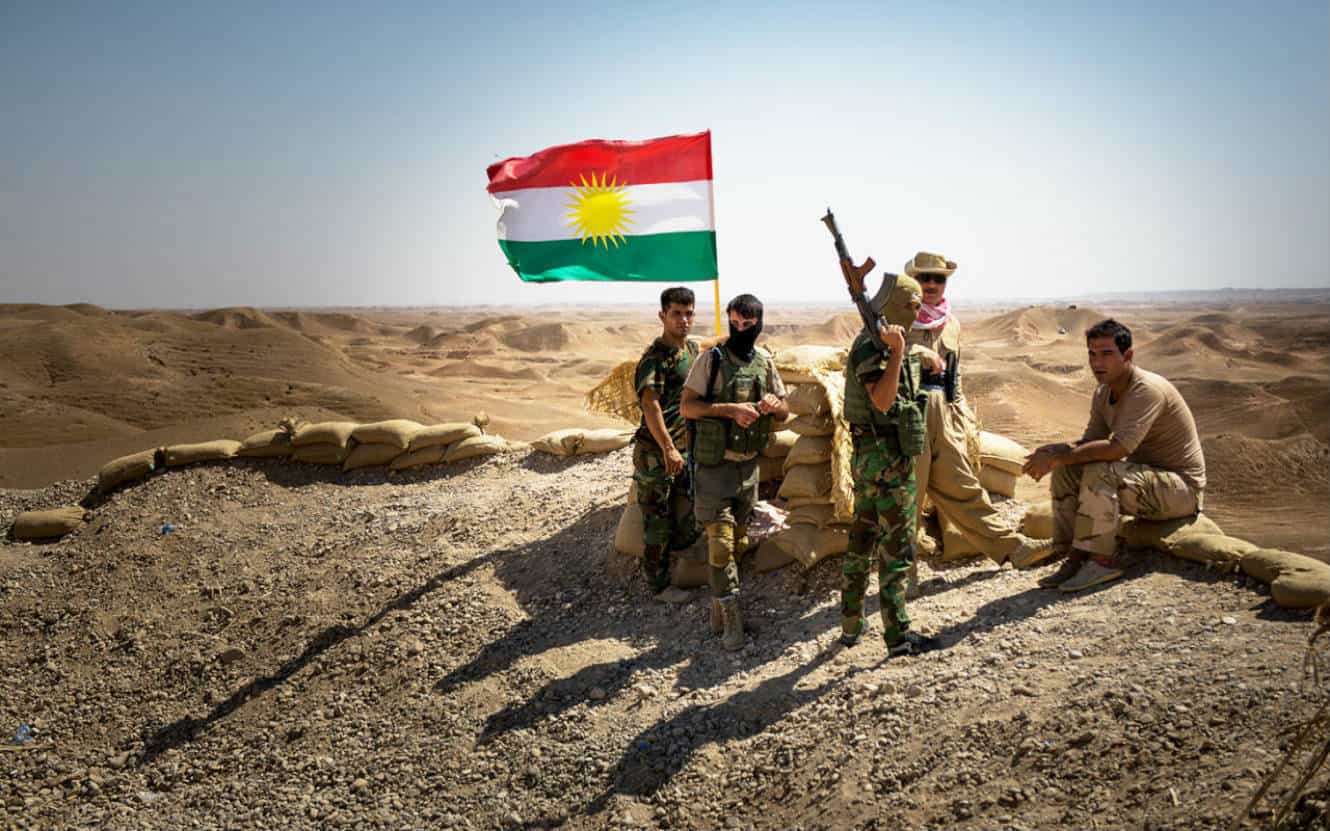
Only a few years ago, the Kurds of northern Syria were global superstars. While nothing seemed to be able to stop the expansion of the ISIS “caliphate,” Syrian Kurds were the first to start defeating the men in black.

With every victory, the flag of Kurdistan could be seen from CNN to Al Jazeera, as the international press heaped praise on the brave men and women who were actively fighting the West’s worst nightmare.

The Peshmerga, the name of the Kurdish army, became synonymous with liberation from extremists, and Kurdish female fighters were being reported on either as fearless Amazons fighting for their homeland or as the ultimate example of “Girl Power.”

An independent Kurdistan, as a reward for the 11,000 Kurds who had lost their lives fighting ISIS, seemed not only a realistic prospect—it was considered to be a possible solution to increase regional stability.

A few years on, the Kurds are largely ignored. From being considered America’s closest allies in the fight against ISIS, US media now describes the Kurds as “militias aligned with PKK terrorists.”

Underscored by the US withdrawal from northern Syria, in October 2019, US President Donald Trump completed the betrayal of the US-Kurdish alliance when he made a deal with his Turkish counterpart and essentially left the Kurds alone in the face of a Turkish invasion.

As US forces retreated south, US leadership had effectively given Kurdish land to the Turkish, who were eager to set up a buffer zone south of their border with Syria. After seven years of autonomous Kurdish rule, the presidents of American and Russia negotiated away the Peshmerga’s territorial gains.

In Germany, where standing up for Kurdish rights is considered an act of terrorism, families are under threat of having their children taken away, merely for being politically-active Kurds.

The Kurds still hold tens of thousands of ISIS fighters and their relatives in large camps, but Al-Monitor reports that unrest grows as Turkey withholds water and electricity from the areas.

With instability inside its zone of control and constant threats to its borders, the dream of Kurdistan seems further away than ever.

As Turkey’s influence in Syria grows, and the Syrian, Russian, and American governments agree to deals, it is unclear whether even the dream of a free independent Kurdistan is allowed to exist.

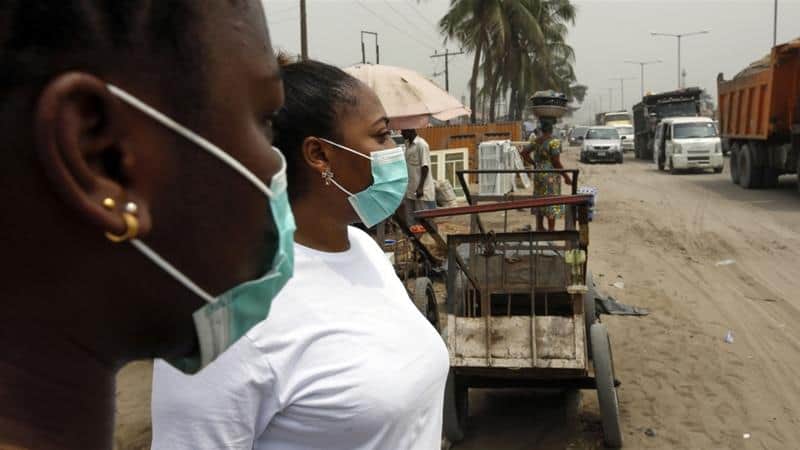
COVID-19 spreads in Africa: Is the continent equipped to deal with the virus?

Over the last two weeks, a radical shift in immigration and travel restrictions has taken place in Africa as the novel coronavirus (COVID-19) pandemic grips the globe. Visitors from Europe, China, and the US are increasingly seen as a threat to public health and governments are responding with screenings, quarantines, and outright travel bans.

So far the spread of COVID-19 appears to be limited. 

Public health systems trained to test for Ebola, HIV, and tuberculosis are being revamped to test for COVID-19 infections, and less-frequent air travel has helped limit the spread of the outbreak. 

WHO investments into African laboratories and screening procedures have so far allowed for a quick response, but similar to American and European healthcare, the system is only designed to cope with a limited amount of testing.

African preventative measures to the pandemic have mainly focused on screening newly arrived visitors at airports, but the continent will unlikely be spared from the global crisis.

When Sudan reported its first case of coronavirus, it was detected in a person who had already died. This means the virus had been able to spread for weeks without detection. This example perfectly illustrates the African problem detecting COVID-19 cases in the continent larger than the USA, China and India combined. Half of the 54 African nations have so far reported at least one case, with Egypt as the worst-hit nation.

African nations hope to benefit from the lessons learned from containing the Ebola crisis. 

“There’s been a substantial increase in both the human resource capacity, the financial investment, and really, the logistical strengthening of public health and epidemic response capacity in sub-Saharan Africa,” the Intercept quoted Craig Spencer, the American doctor who caught Ebola while working in Guinea in 2014, as saying. 

“Whether it’s Nigeria or New England, without resources already in place, it’s really, really hard to scale up quickly,” Spencer warned. 

“Despite the compounding inequalities between global north and global south, we still have a lot of commonalities in that there are gaps in our preparedness and weaknesses in our health systems that pandemics can take advantage of.”

African countries have so far dedicated significant efforts to limit the spread of the Coronavirus, but how much of the pandemic is continuing undetected remains to be seen. 

Conflict zones, especially, are poorly equipped to contain the spread of COVID-19, and without proper treatment, the virus could have a significantly higher death toll compared to China or the West. 

As COVID-19 is primarily dangerous to the elderly and chronically ill, people most at risk in Africa will be the elderly and those millions who already have HIV, active tuberculosis, or both.

While COVID-19 has a relatively low fatality rate, the combination with these illnesses, which reduces the ability for immune systems to fight infections, could prove for an unforeseen third group of high-risk patients that have so far gotten little attention during the pandemic’s spread in the West.

One advantage the African continent holds over others is its relatively young population. While stock markets crash and the West is in disarray, the question remains whether the COVID-19 pandemic will lead to a rebalancing of global power, or whether Africa will eventually become the worst hit of all continents.


Read also: The Elections Offer Three Different Visions for the Middle East

Malta Rescues 112 Migrants Amid Allegations of Ignored Distress Calls

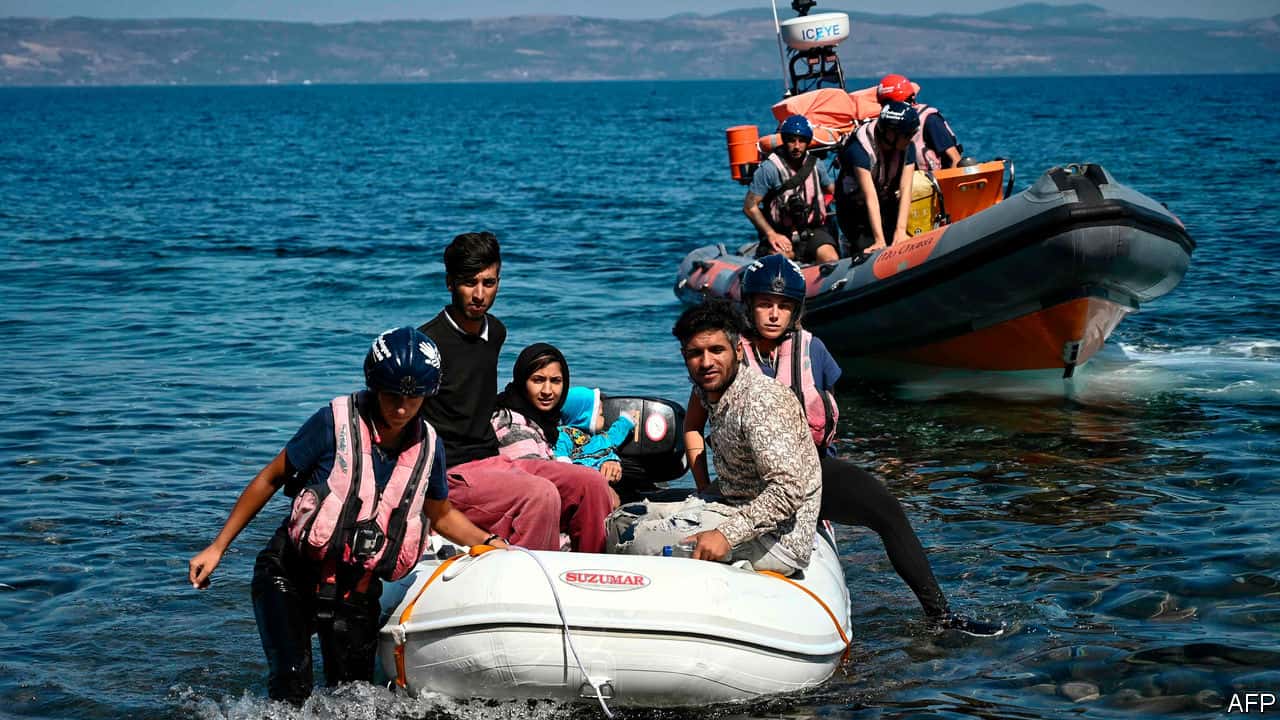
On Sunday, March 15, Maltese soldiers wearing protective clothing to guard against Coronavirus contamination rescued 112 North African migrants, including women and children, from an inflatable boat. All passengers were subject to medical check-ups upon landing and being shuttled to a reception center, Reuters reports

The sea rescue NGO AlarmPhone has accused Malta of ignoring the migrants’ distress call for 18 hours before eventually going to their aid. The migrants reportedly spent 48 hours at sea and ran out of fuel and began losing air after around 30 hours at sea.

“The extreme delay in the rescue of 112 people on March 14th by the Armed Forces of Malta is one new escalation, although we experience the delay in rescue since months,” an AlarmPhone spokesperson told Arabia Policy. 

AlarmPhone also accused RCC Malta, Frontex (EU border agency), and the Libyan Coast Guard of mounting a coordinated “push-back operation from the Maltese Search and Rescue (SAR) zone to Libya” against two other migrant boats. 

“The European border agency Frontex, MRCC Rome as well as RCC Malta were all aware of this boat in distress and colluded with the Libyan authorities to enter Maltese SAR and intercept the migrant boat,” a press release by the organization said.

Allegedly, on March 14, AlarmPhone received a distress call from 49 people trying to flee Libya after their boat engine had failed and the vessel started taking on water. 

AlarmPhone informed RCC Malta of the distress call, and RCC Malta confirmed they had sent patrol boats to assist the boat of 49 people, as well as the rubber boat with 112 people that was eventually rescued by Maltese authorities on March 15. 

AlarmPhone was unable to make any further contact with the 49-passenger boat on March 14 but received calls from passengers and their relatives on March 15. The passengers claimed they had been returned to Libya, by a Libyan vessel, and “imprisoned and battered” upon their return. 

“In the afternoon, we were called by the people who were on the boat, and they testified that before the push-back occurred they saw a helicopter circling above them,” said an AlarmPhone statement.

“About 30 minutes later, according to their testimonies, a vessel of the so-called Libyan coastguard arrived on scene,” the statement continued.

“The people stated that the Libyan officers behaved brutally toward them, beating them repeatedly.”

Malta has seen a surge in migrant arrivals in 2020 as the conflicts in Libya and Syria rage on. The majority of migrants disembarking at Malta are of Sudanese, Eritrean, or Nigerian origin but have transited through Libya. 

The UNHCR reports that “the number of sea arrivals to Malta at the start of 2020 was relatively high for this time of the year, with 989 people being disembarked in Malta between 1 January to 29 February.” 

Italy also saw a rise in sea arrivals earlier in 2020 but only 43 arrivals have been recorded in March as coronavirus grips the country. 

AlarmPhone told Arabia Policy that COVID-19 could be used as a pretext to “to shut down the contested topic sea-rescue in the Central Mediterranean completely.”

“For this reason, constant reporting of the situation of refugees in the externalized border regions as Libya is now even more important,” a spokesperson stressed. 


Read also: MSF: Overcrowded Migrant Camps in Greece Present COVID-19 Breeding Ground


The Elections Offer Three Different Visions for the Middle East

On Tuesday, November 3, 2020, people across the United States will be asked to vote for a Republican or Democratic candidate to lead their country. Who the American people choose will have a radically different impact on the Middle East.

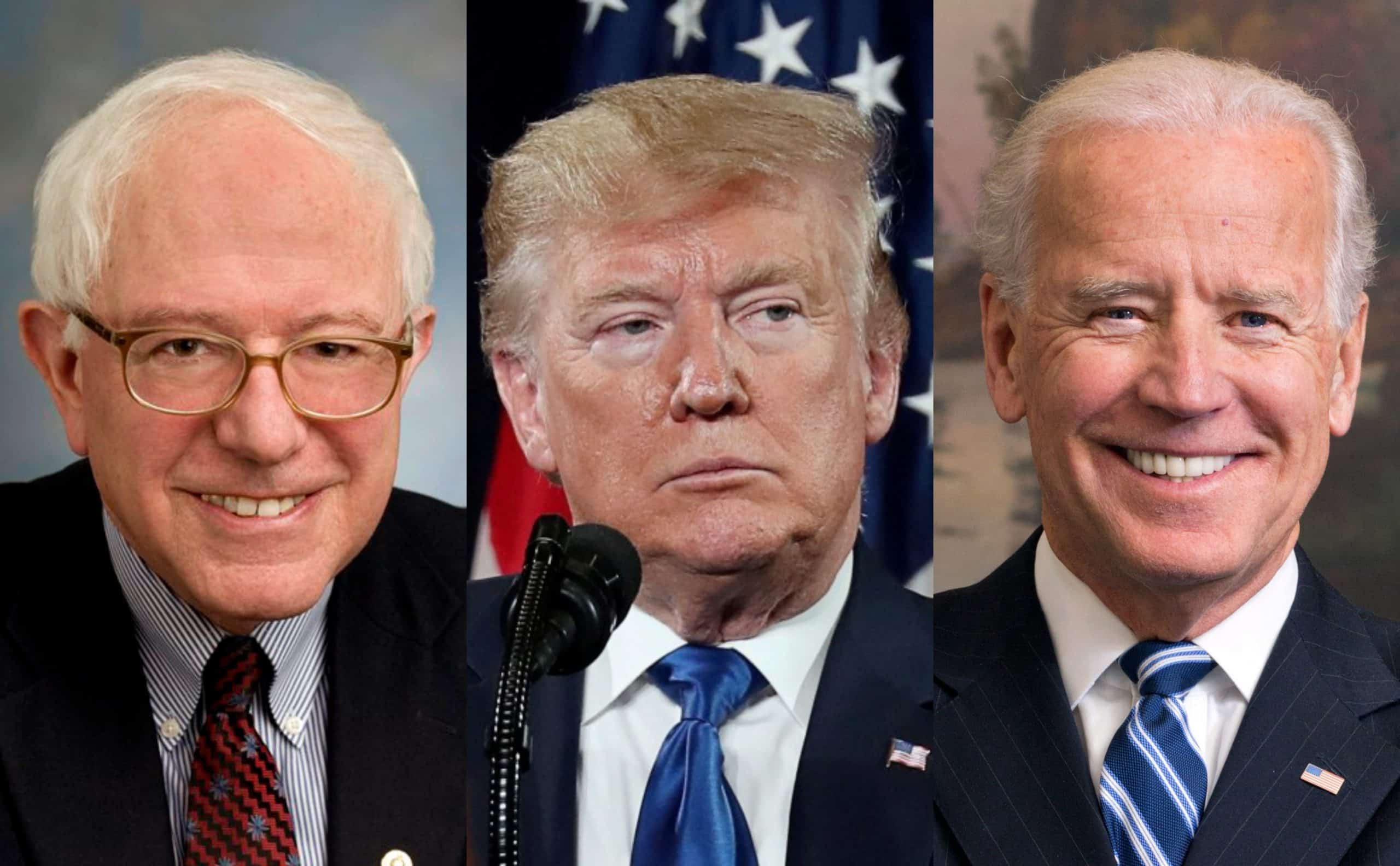
Three men remain in the race: Current president Donald Trump will be the candidate representing the Republicans, with either Joe Biden or Bernie Sanders opposing him.

Elections in the US can be a protracted affair as it starts a full year before the first primary vote is cast to select a political party’s nominee. 

For most of 2019, American television has been inundated with ads from political campaigns promoting their candidate or attacking competitors. As things stand, political campaigns are expected to spend over $6 billion trying to influence Americans with their advertisements.

Now that the field of candidates on both the Republican and Democratic sides have been reduced to a manageable amount, it becomes clear what impact each candidate will have on US foreign policy, and what this will mean for the Middle East.

Republican Candidate Donald Trump: More of the same

With around 94% support among Republican voters, Donald Trump will be the sole Republican candidate and has a good chance of winning the election. Where in many countries political campaigns are focused on convincing the other side, American elections work differently. 

The American political world is a divided one. Republican voters watch different TV shows, read different newspapers and visit different websites than Democratic voters. This has resulted in a situation where voters changing parties is not a big enough factor to influence who wins. 

Instead, the two main political parties in the US have a base of support, and whoever excites their base the most has the best chance of winning—and Trump voters sure are excited. 

Trump’s Middle East plans:

Donald Trump plays a strange game when it comes to foreign policy and war. On one side he says he opposes all foreign intervention and that he wants to “bring American soldiers home,” on the other hand he has given US military leaders unprecedented freedom in their powers to make war. He has shown to have little regard for collateral damage and has repeatedly called for the targeting of the families of “terrorists.” 

Trump’s repeated antagonism towards Iran reveals he is eager to try to bluff and bully to get his way, which could inadvertently lead to more war in the Middle East. 

The fact that the Trump administration has so far ignored pleas from the Iraqi government to leave the country and the continued presence of two aircraft carrier fleets in the area do not signal a practical reduction of US efforts in the Middle East. 

If President Trump is reelected, you can expect the US withdrawal in Afghanistan to continue, although US bases in Iraq would likely remain in order to keep Iran encircled.

Democratic Candidate Joe Biden: Back to the future

Former Vice President Joe Biden is currently leading the race to become the Democratic nominee on a pitch to bring the US back to 2016. He offers no grand policy changes or unique proposals, instead he aims to “restore” US politics to its pre-Trump days. Biden has offered to again sign up to the Paris Climate Accord, to reinstate fuel economy standards, and return to Obama-era immigration practices.

Biden is seen as the “unity candidate” by establishment Democrats. While at first the centrist vote was split among several candidates, an unprecedented move in US politics led all other candidates to drop out of the race. This unified the opposition to candidate Bernie Sanders, deemed by party elites to be too radical in his proposals.

Because of the way American democracy works, a Democratic candidate has to win a much larger proportion of the vote than a Republican in order to win. Whether Joe Biden really is “the one man who could beat Trump” remains to be seen, his repeated gaffes have led many to question whether Biden could energize the Democratic base enough to win a large majority of the vote.

Biden’s plans for the Middle East:

Biden promises to get rid of travel bans on people from Muslim countries and urges for an end to US support for the conflict in Yemen. However, he questions whether US troops should withdraw from Afghanistan and aims to keep a significant American presence in Iraq. As an establishment candidate, Joe Biden would undoubtedly do little to reduce America’s military industry or reduce Pentagon budgets. Instead he will focus on re-establishing US “influence” in the world and “reengaging” with allies currently scorned by Trump.

While Biden has criticized the Trump “peace deal” for Israel and Palestine and has criticized Israeli policies regarding annexation and illegal settlements, like Obama, he is unlikely to do more than employ rhetoric in support of a two-state solution. 

Like most US politicians, Biden often mentions his unwavering support for the state of Israel and has often called on Palestinians to “eradicate incitement on the West Bank” and reiterates that Israel “has the right to defend itself” after Israeli violence in Palestine.

Bernie Sanders: The polite revolutionary

The only other potential presidential candidate is Democratic senator Bernie Sanders. 

Sanders’ message revolves around a full restructuring of the US  in order to provide the poor and middle-class with more support.

He has promised to change the military-industrial complex, give every American healthcare, and fight the influence of money on politics. In response to these proposals, all of corporate America has fought his candidacy. 

For months, anyone watching US television might not have known Sanders was in the race. TV shows chose not to mention his name unless it was to pronounce him a dangerous communist with no shot at the nomination. When he would poll first in a state, headlines would say “Joe Biden Second, Pete Buttigieg in a promising third position” and fail to recognize any success of the Sanders campaign. 

However, the Sanders campaign used online resources to promote their message and soon become the chosen candidate of America’s young and marginalized. When it appeared he could actually win the candidacy before last month’s Super Tuesday, all other candidates unprecedentedly dropped out of the race to make sure he would not get the opportunity. 

Although Sanders’ message calls for radical change, his message is polite and non-confrontational, giving him little chance against the enormous powers he attempts to challenge. Sanders currently trails Biden in the delegate count, with 736 delegates to Biden’s 890.

The Sanders plan for the Middle East

Sanders broke an American political taboo by humanizing Palestinians in a debate. While US politicians go out of their way to show their support for Israel and its government, Bernie Sanders has said Israel should not receive any more US support until Palestinians are treated with respect and as an equal part of an eventual peace agreement.

Sanders argues for an end to all foreign intervention by the US, wants an organized withdrawal of all US military members outside of its own territory, and promises to drastically reduce the almost $700 billion the US spends on its military each year. 

It is not yet clear whether Bernie Sanders has the fight in him to challenge the entrenched powers that would deny him the nomination. The greatest chance for peace in the Middle East clearly would come from his nomination. The first Jewish president of the United States could have the legitimacy to oppose Israel and diminish US foreign influence in favor of policies focusing on strengthening the US from within.

Who will win the US presidential race remains to be seen. Currently, Donald Trump still appears to have the best chance, but the unpredictability created by the Coronavirus pandemic and the resulting consequences seen in global markets could upend the race and produce unexpected results.

 

Read also: Donald Trump Tries to Calm Investors as Market Panic Ensues