Oil and Stock Prices Drop After US Business-Only Stimulus Plan Fails

On the night of Sunday, March 22, representatives in the US Senate were unable to agree on the giant aid package the Republican party had proposed. The vote was split among party lines, and no aid will be released until an agreement is reached. 

When US President Donald Trump had invoked the Defense Protection Act, usually intended to be a war-time measure, Americans had expected robust action with immediate results. Sunday’s vote shows the American political divide is not put on hold even for a crisis of this magnitude.

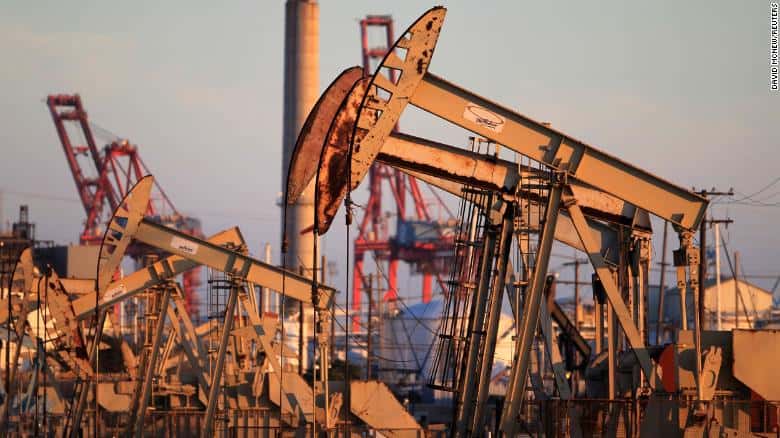
The resulting market panic was to be predicted as US stock markets reacted to the news. The Dow Jones Industrial Average dropped 4.5%, S&P 500 fell 4.9%, and the Nasdaq lost 4.4%. Oil prices ended lower, even after another round of monetary stimulus by the Federal Reserve.

Trump and the Republican Party will undoubtedly blame Democratic senators for these market losses and any absence in relief in the face of economic catastrophe. 

An investigation into the merits of the stimulus bill, however, paints a different picture.

While originally pitched as a bill to support American families by providing them with at least two significant cash payouts, the eventual bill that the Republicans put to a vote on Sunday proved to be little more than a giant bailout for big business. 

In a prime example of disaster-capitalism, the Republican party used this moment of panic and confusion to divert giant amounts of taxpayer-money to corporate donors and lobbyists.

The advertised support for struggling families was diminished to a one-time payment geared towards people making roughly $75,000 a year. Using data from 2018 tax filings, people who made this amount stand to benefit most, receiving $1200 per person, with $2400 for couples. 

Anyone richer would get much less, as would anyone poorer.

People making less than $75,000 a year would get $600 instead, with couples receiving $1200.

Means testing

The way that one qualifies for the one-time cash payout would be based on their 2018 tax records, excluding the 11 million undocumented immigrants, homeless people, the unemployed, people who have only recently started working, most people on hourly contracts, and those working in the gig economy.

Adding this rigorous “means testing” to the legislation, rather than making the payments universal, clearly shows that the Republican party’s proposal is not the robust aid package the government has billed it as. Instead, it is a massive giveaway to big business with little enforcement of how it is spent.

While poor Americans will have to prove their need for assistance, multi-million dollar businesses get their money with few strings attached. The legislation included $58 billion in loans and guarantees for airlines and cargo carriers, $150 billion for “eligible businesses,” and $300 billion in small-business loans.

Alexandria Ocasio-Cortez, a Democratic congresswoman from the worst-hit city, New York, criticized the Trump administration’s approach. New York City faces a dire lack of face masks, gloves, ventilators, and hospital beds: “It is going to cost lives” the congresswoman stated.

In contrast to the Trump stimulus plan, the Financial Services Committee proposed another plan to assist Americans. 

This plan would provide a universal payment of $2,000 to every American, with an additional $1,000 for every child. Anyone deemed to make enough money to not need the support will be asked to repay this amount through taxes next year. Importantly, the bill would temporarily stop companies from demanding payments on mortgages, rent, and debt repayment in order to make the cash infusion last.

Maxine Waters, chairwoman on the committee, explained the plan’s priorities in a press release:

“As the COVID-19 pandemic continues to spread, we have seen the devastating effects on workers, consumers, investors, markets, and the economy. Low-income communities were already struggling before this crisis began and will likely be hit particularly hard by the coming recession. This is an urgent public health crisis that has quickly harmed our entire economy, and it demands swift and bold action. The Financial Services Committee will play a central role in that response.”

With two very different plans on offer, which type of stimulus will eventually pass the Senate should give an indication of the government’s priorities. Whether the Trump administration is really trying to support struggling Americans will be seen when they offer their next proposal to the senate.

How big the overall amount is will not be the most important factor. Who the stimulus is intended for, that will make the difference.

 

Read also: Can the US intervene to save oil prices?

God, Country, Family, and Football: Sport in the Arab World

While living in the Arab World, one can hear a distinct sound on many calm evenings and otherwise quiet weekend afternoons. Short bursts of noise, roaring voices, and applause suddenly sound through many towns and villages. This common noise is not a case of social upheaval or protest—it is most likely due to FC Barcelona or Manchester United scoring a goal.

The love of football goes very deep throughout the Middle East and North Africa. 

Traditional markets, souks, and ancient shopping streets are filled to the brim with replica shirts for almost every major football club in the world. Champions League or important matches in Britain or Spain mean packed cafes and coffeehouses, and the sound of the commentary is heard in many restaurants as complimentary background-noise for those wanting to keep up with the score while they eat.

While most youth in the region rally behind local clubs, they often supplement their football fervor with impassioned support for specific European clubs from Europe’s major leagues. Seeing a Real Madrid or Bayern Munich tracksuit is as common as seeing traditional clothing in many parts of the football-obsessed region.

Part of this support stems from the impressive list of Arab players who have made an impact on the global game. 

Egypt’s Mohamed Salah, Algerian Riyad Mahrez, and Moroccan Hakim Ziyech serve as primary examples of Arab players that are currently having a significant impact on Europe’s top clubs, but the love of football often transcends the support for specific individual players.


Football and National identity

The MENA region’s national leagues do not make the global top 25 but are some of the best leagues in Africa and Asia. 

Morocco, Tunisia, and Egypt are considered to be among Africa’s top leagues while Saudi-Arabia is seen as the fifth-best league in all of Asia. 

These national leagues, unfortunately, cannot compete in terms of the mind-boggling financial power that the elite clubs in Europe posses, and no other non-European league has been able to do so. But there is always hope as the enormous amount of talent and enthusiasm that exists in the Arab world provides a consistent pool of young footballers ready to make their mark on the game.

According to the book “Popular Culture and Political Identity in the Arab Gulf States,” the link between the sport and regional and national identity is unquestionable. 

The book quotes Scottish football legend Bill Shankly to underscore how football is weaved into Arab identity, nationalism, culture and even politics:“Some people think football is a matter of life and death. I can assure them, it is much more serious than that.” 

This is often not incidental, as political leaders and governing royalty have often understood the power of the sport. 

As football is traditionally a sport for the poor and working classes, rulers have often used football to endear themselves to the public and build national identity. By supporting the development of local football leagues, sponsoring foreign teams, and even hosting major international tournaments, national leaders and business elites provide a sense of pride to their citizens.

“For an Egyptian like me, to have entered into the world of professional football, it just means that nothing is impossible,” Egyptian striker Mohamed Saleh once said. 

As the internet and social media bring the sport ever closer to enthusiastic fans in the MENA region, following football matches around the world is becoming possible to even the poorest aficionado of the sport. With the amazing regional talent, governmental support, and the local shared passion for football, the sport’s influence in the region will likely only increase in the years to come.


Read also:

Saudi Arabia and Kuwait Elevate COVID-19 Measures With Strict Curfews

Saudi Arabia 

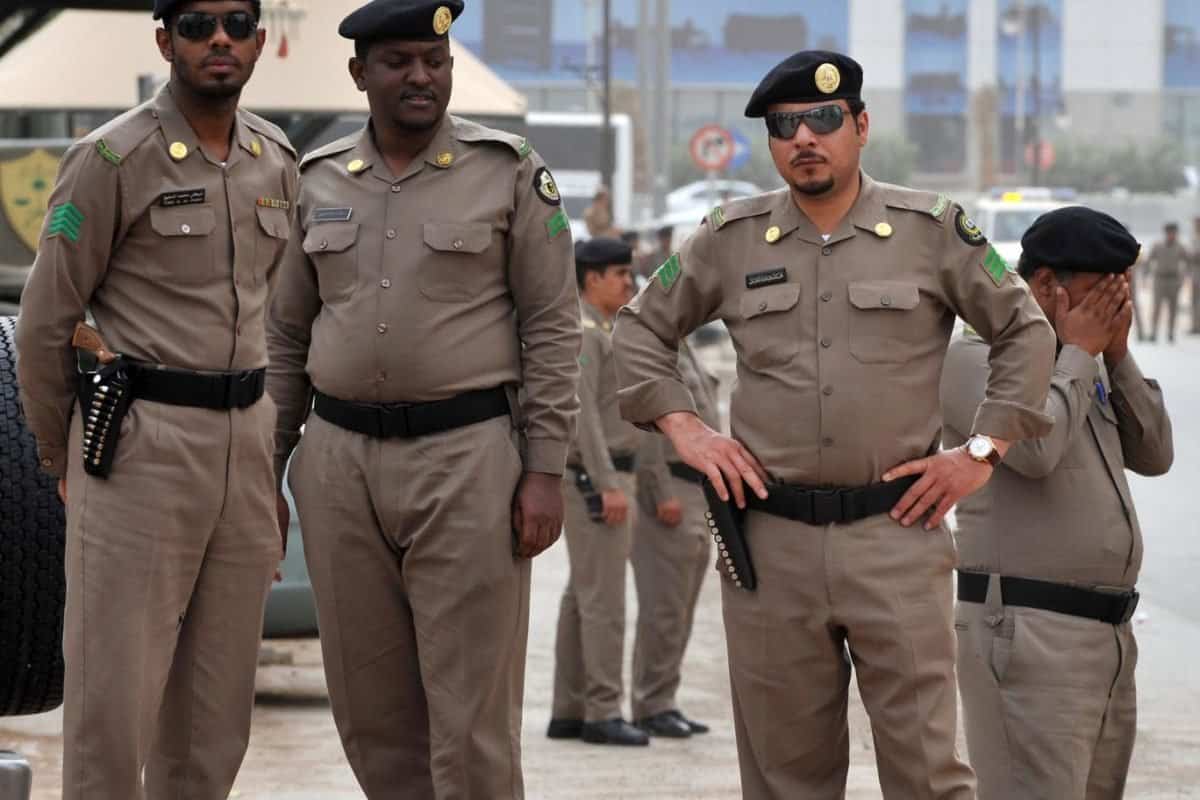
Saudi Arabia’s King Salman bin Abdulaziz announced that from Monday, March 23, a curfew enforced by local security services will be in place from 7 p.m. to 6 a.m. for 21 days. 

Essential workers such as those working in the military, security, media, and health sectors, as well as key service areas like food distribution, are exempt from the curfew aimed at limiting the propagation of the coronavirus (COVID-19). 

“Preserving public health has become one of the most important duties for the people of this country and those residing on its land, and they must fulfill their duty by staying in their homes, and not to expose themselves and their country to the risk of the spread of this pandemic,” the state-run Saudi Press Agency (SPA) reported.

There are now 562 confirmed cases of the virus in Saudi Arabia, including 19 full recoveries, and no deaths have been reported from the dangerous disease.

The SPA said a Ministry of Interior source warned that violators of the curfew will be fined 10,000 riyals ($2,663) for the first offense, and double that if they violate the curfew a second time. After that, offenders will be subject to a maximum 20-day jail sentence. 

The curfew comes on-top of Saudi Arabia’s already stringent anti-coronavirus measures, which include the closure of public spaces, having non-essential government agencies provide services remotely, suspending international flights,  quarantining travelers on arrival, and a ban on serving food inside restaurants. 

Saudi Arabia’s central bank said on March 22 it would suspend loan payments for three months for health sector employees due to the coronavirus pandemic. The bank has also assured Saudis it is ready to step in if the country’s economy falters. 

Kuwait 

Kuwait’s streets fell silent on Sunday evening after a partial curfew was introduced to curb the spread of COVID-19 in the Gulf state. Kuwaiti’s are facing steep fines of 10,000 dinars ($32,020) and up to three years jail for violating the 5 p.m. to 4 a.m. curfew.

Deputy Prime Minister Anas Al Saleh told state news outlet KUNA the National Guard and police were ready to impose the curfew. “Some manifestations of non-compliance with precautionary measures,” were behind the cabinet’s decision to impose the curfew, Al Saleh added.

The Deputy Prime Minister also announced the suspension of the government and private sector activity will be extended for two weeks. This comes in addition to Thursday’s decision to keep Kuwait’s schools and universities closed until August 4, 2020, the longest education shutdown declared in the Gulf so far. 

The drastic measures imposed in Kuwait do, however, appear to be having a positive impact on the virus spread, with Ministry of Health Spokesperson Dr. Abdullah Al-Sanad only reporting one new case of COVID-19 on March 23, taking the country’s tally to 189. 

“We can reverse its [COVID-19’s] course, but we need to fully understand and have faith in our ability to do so, and limit its spread, and that is not impossible,” the doctor told local media at a press conference, citing Chinese city Wuhan’s success in bringing the virus under control. 

Of those 189 confirmed cases, Al-Sanad said 30 have recovered so far, while three people remain in a critical condition and two are reportedly stable. The spokesperson said 17,010 coronavirus tests had been carried out to date. 

Armenia Prioritizes Food Security in Economic Support Plan

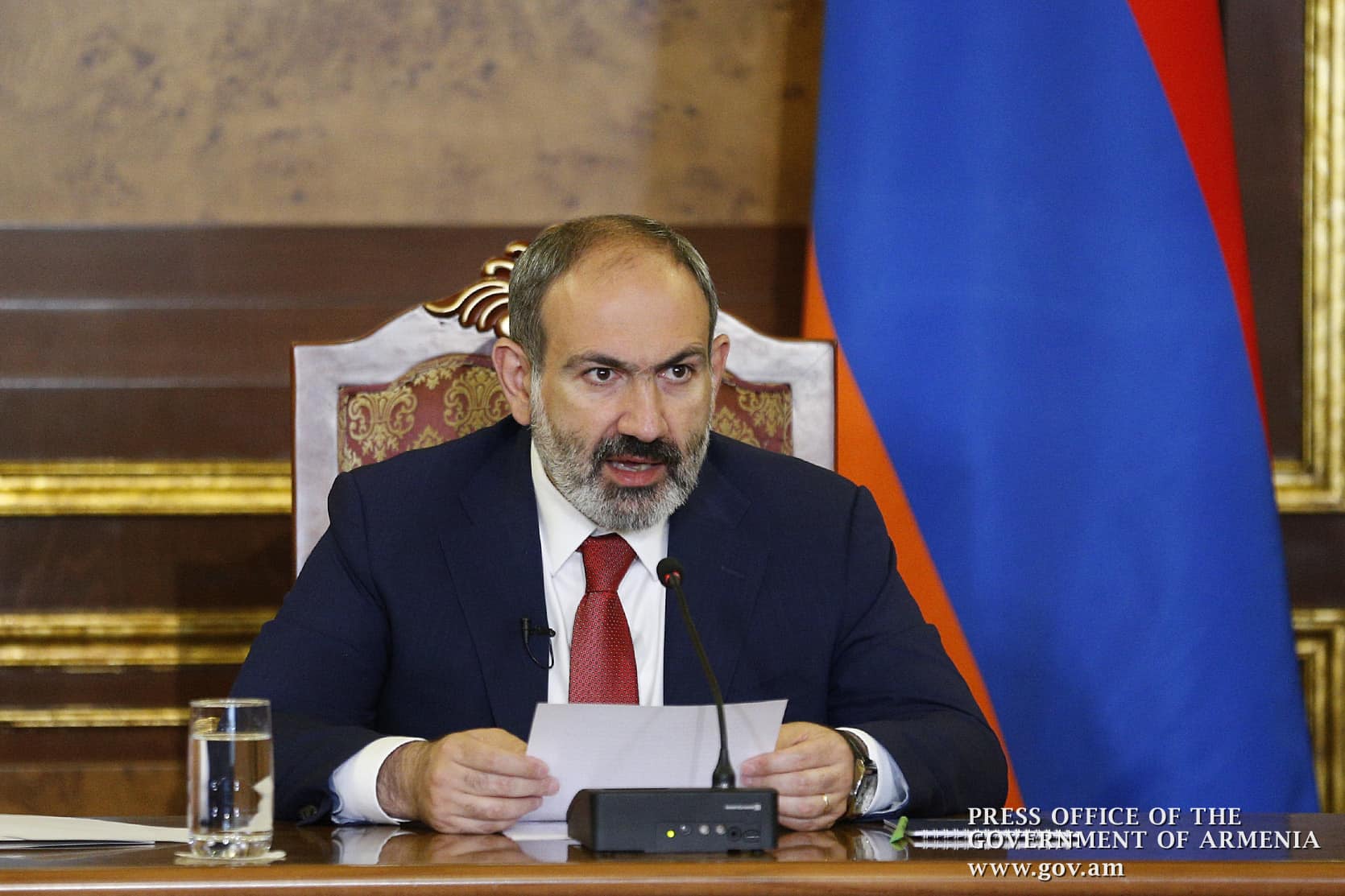
“The coronavirus situation can last much longer than originally expected,” was the somber message of Armenia’s Prime Minister Nikol Pashinyan after a Monday, March 23, meeting with the commission entrusted with Armenia’s response to the COVID-19 pandemic. 

The task force underlined the need for increased imports of masks, tests, and other necessary equipment to combat the spread. China has offered help to Armenia by providing lung ventilation devices and medical protective gear, according to Armenia’s press agency

The Armenian government is in crisis mode after today’s meetings, which followed an intense coronavirus-related debate in the Armenian parliament on Friday, March 20.

As Armenia battles the spread of the virus, economic measures are being put in place to limit economic damage from the global crisis. The approach focuses on short-term economic measures and social restrictions, along with preventive action and strategic economic measures that are oriented to the long-term economic prospects of the country.

‘’In this stage, our task should be not only supporting our businessmen and raising the competitiveness of our economy but making it visible for the world that after overcoming the crisis Armenia is one of the best countries in the world for doing business,” the PM declared

“This will definitely be not an easy task but I am confident we will be able to carry it out.’.

The Armenian government says it will focus first on those most in need of economic support to assuage short-term misery caused by the economic downturn amid the global spread of the virus. But a realization that the crisis has long-term ramifications prompted the government to emphasize its support for Armenia’s agricultural sector.

Increasing Armenia’s agricultural output has been a point of focus for the Armenian government, which has for years worked with the World Bank and the UNDP to improve yields and business performance of Armenian farmers. Fearful of losing the progress gained so far, Armenia’s response to the economic effects of the pandemic will focus heavily on Armenian agriculture as a marker for long-term success.

By doing long-term planning today, Armenia is hoping to come out of the global crisis stronger and more competitive than before.

COVID-19 in Armenia

Prime Minister Nikol Pashinyan announced on Sunday, March 22, that there were now 194 cases of the coronavirus in Armenia. 

After an initial eight cases that were primarily linked to travelers from Italy, the COVID-19 spread after infections emerged from an engagement party, where the groom’s mother made contact with dozens of guests after erroneously considering herself cured of the virus. 

Deputy speaker of the Armenian parliament Alen Simonyan urged for amendments as a “preventive measure” that would criminalize citizens who breach quarantine or self-isolation.

During the emergency debate on March 20, Simonyan highlighted the woman attending the engagement party as an example of criminal negligence. 

“The Etchmiadzin case is a vivid example. The woman thought she had cured herself and that she posed no danger to anyone, she went to an engagement party based on her assumption, and I do not think that she kissed and hugged her guests intentionally. I do not think that the woman supposed she could infect anyone during her son’s engagement party,” Simonyan remarked, according to Armenian publication News.am.

In order to prevent similar cases, the Armenian parliament is now proposing a punishment of five years imprisonment for breaching quarantine or self-isolation measures.

One Armenian person has died from the virus, a 34-year-old Armenian man residing in the US died from COVID-19 after traveling to Florida for work, where he visited several theme parks. 

Gaza Confirms First Cases of Coronavirus, Mobilizes Preventive Measures

Monday, March 23, has been a day of bad news in Gaza. The Palestinian press agency is reporting the shooting by Israeli soldiers of 29-year-old Sufian Nawaf Khawaja on the same day Gaza reported its first two cases of the novel coronavirus (COVID-19). 

The shooting of an unarmed citizen is sadly nothing new in the region, but now that the coronavirus has been detected a new worry has emerged for residents of the densely populated region.

On Thursday, March 19, two Palestinians returning from Pakistan through the Egyptian-Gaza border had tested positive for the virus and are now being quarantined in the nearby town of Rafah. As Gaza is one of the most densely populated areas in the world, residents are rightfully worried about the spread of the virus.

Even before the first cases of COVID-19 were detected, the situation in Gaza was dire. 

The Israeli blockade of the area home to nearly two million people is severely impacting regional development, according to the UN

The UN reported in November 2019 that internal political divisions, Israeli policies and the ongoing expansion of illegal settlements in the West Bank had created “a desperate reality.” The continued restrictions on goods from entering the region was making life difficult for residents in Gaza, with women disproportionately affected, according to Tanya Hary, Director of the Israeli human rights organization Gisha.

Even before the coronavirus started spreading around the world, the WHO had highlighted severe weaknesses in Gaza’s healthcare system. 

Shortages of essential medicine had rendered the local healthcare institutions unable to properly provide reproductive healthcare, treat non-communicable diseases, or address mental health issues. Following the Great March of Return demonstrations, the World Health Organization (WHO) verified 332 protesters had been killed, with 33,141 injured people suffering from gunshot wounds and other significant trauma.

Palestinian response to COVID-19

Among these disastrous conditions, the Palestinian Ministry of Health had implemented several preventative measures. 

In collaboration with WHO, information was provided to the public, suitable health facilities for quarantine and treatment had been assessed, and the testing of travelers at the border that commenced. 

It was this cross-border testing that led to the detection of the two first cases in Gaza, who have now been brought to Rafah for quarantine in order to prevent community spread of COVID-19.

Neighboring countries have reported significant numbers of active COVID-19 cases. Egypt has confirmed a total of 327 cases, 14 of which have died and 56 have recovered as of yet. Israel itself is dealing with a major outbreak with 1,238 cases, one death, and 37 recoveries. Jordan, which borders the West Bank, has 112 cases with no deaths and one recovered patient.

Still under blockade with a weak healthcare system and surrounded by countries in the midst of their own virus-related crises, Gaza and the West Bank are preparing new preventative measures. 

On Sunday, March 22, Palestinian Prime Minister Mohammad Shtayyeh announced new measures to stop the pandemic on the front pages of three prominent Palestinian daily newspapers.

Among the measures announced is the temporary closure to the public of the Al Aqsa mosque in Jerusalem, which is under the jurisdiction of the Jerusalem Islamic Waqf. 

The closure of Al Aqsa will be a disappointment to Muslims in the area set to celebrate Insra and Mi’raj holidays, but the containment of the COVID-19 pandemic is taking precedence, according to the Palestinian Authority. 

Additionally, banks will be banned from receiving clients face-to-face for two weeks and stock market activity has been suspended as the two cases in Gaza bring the total cases in Palestine to 59.


Read also: US now describes Palestinians living in East Jerusalem, as ‘Arab residents’

UAE Suspends International Flights, and Introduces New COVID-19 Closures

Airline Hub at a Standstill 

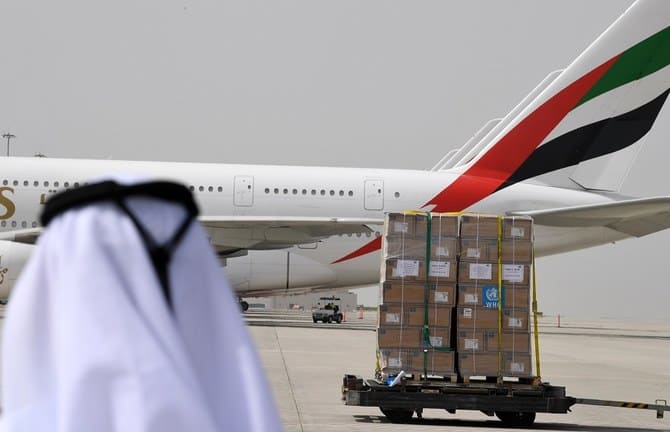
International transport hub, the United Arab Emirates (UAE) began the week by announcing the suspension of all inbound and outbound passenger flights for two weeks starting from March 25 to curb the novel coronavirus (COVID19) spread.

Repatriation flights will be exempt, as are cargo flights, the General Civil Aviation Authority, GCAA said while stating that the decision will be open to re-assessment. 

In line with the government’s decision, Dubai flagship carrier Emirates Airlines announced the suspension of all international flights. Emirates has issued conflicting statements but it appears at this time that repatriation flights and cargo will remain temporarily unaffected. 

“As per the UAE government’s directive, Emirates will temporarily suspend all passenger services for two weeks starting from 25 March 2020. We are very sorry for any inconvenience caused to our customers and travellers,” said an update on the Emirates website issued Monday morning. 

In a statement issued on March 22, by the Emirates Group said “Having received requests from governments and customers to support the repatriation of travellers, Emirates will continue to operate passenger and cargo flights to the following countries and territories until further notice, as long as borders remain open, and there is demand: the UK, Switzerland, Hong Kong, Thailand, Malaysia, Philippines, Japan, Singapore, South Korea, Australia, South Africa, USA, and Canada.”

The airline will also cut employees’ salaries by 25-50% for at least three months in lieu of laying off staff. Group Presidents Sir Tim Clark and Gary Chapman have agreed to to forfeit their own salary for the same period. 

Abu Dhabi-based Etihad Airways has not yet suspended flights but is changing routes and implementing cost-cutting measures to deal with the impact of coronavirus. 

The latest advice from Etihad posted on March 23 said “in compliance with government directives, or due to the impacts of travel restrictions, we have suspended or reduced the number of flights on many routes”.

Flights are suspended to the following countries until April 30: Azerbaijan, Belarus, Belgium, China (Chengdu and Shanghai), Egypt, Italy, Japan, Joran, Kazakhstan, Kenya, Lebanon, Morocco, Russia, Saudi Arabia, Serbia, Spain, Sudan, Switzerland and Turkey. Flights to other destinations in Etihad’s network are on hold or subject to special conditions.

What began as a promising start to the year after recording the company’s best month ever in January, Etihad, like all airlines around the globe is scrambling to maintain operations in such uncertain times. Etihad’s Chief Executive Tony Douglas told UAE news agency The National on March 22. 

“By March, we and the rest of the industry were in negative sales as the cost of theoretical cancellations was greater than the cost of sales,” Douglas admitted.

“No one’s crystal ball is well-calibrated enough for this, the trick is to embrace the ambiguity, be agile and be adaptive,” Douglas said. He added that in the meantime Abu Dhabi’s state carrier are “doing all we can to conserve cash.

The GCAA hinted at a relatively quick return to service stating, “additional examination and isolation arrangements will be taken later should flights resume in order to ensure the safety of passengers, air crews, and airport personnel and their protection from infection risks.” 

The International Air Transport Association estimates the COVID19 pandemic has cost airlines based in theMiddle East $7.2 billion in revenue as of March 11 due to the cancellation of 16 000 passenger flights since the beginning of 2020. 

New COVID19 Closures

Meanwhile, UAE residents are coming to grips with the latest raft of closures as the country’s COVID19 fight enters a new phase. 

The UAE Ministry of Health & Prevention and the National Emergency Crisis and Disasters Management (NCEMA) announced its decision to “close all commercial centers, shopping malls along with fish, meat and vegetables markets after 48hrs and for a renewable period of two weeks” via Twitter on March 23. 

“The decision excludes pharmacies, and food retail outlets, including cooperative societies, grocery stores, and supermarkets, along with fish, meat and vegetables markets dealing with wholesalers,” the Ministry added.

Restaurants can only stay open if they offer takeaway options. 


The UAE’s Interior Ministry and NCEMA renewed calls on March 23 for the public to respect COVID-19 preventative measures by staying home, avoiding public places and only going out to purchase essentials or necessary jobs, adding that “the UAE law on communicable diseases, which includes fines and jail terms, will be enforced against all violators.”


Read also: UAE Introduces Travel Restrictions, Residents Shut-In as Borders Close

Egypt, Lebanon, Turkey Act to Curb COVID-19 as Cases Rise

Egypt 

Egypt has moved to suspend religious gatherings and close all museums and archaeological sites in spite of assurances from the Health Minister the state is “in control” of the novel coronavirus (COVID-19) outbreak. 

There are 294 confirmed cases of the virus in Egypt, 10 deaths, and 42 recoveries recorded to date. 

All mosques and Islamic places of worship across Egypt will be closed for two weeks beginning Saturday, March 21, “for the necessity of preserving souls.”

Churches have been ordered to close their doors, and mass and monastery visits will also be suspended for two weeks, the Coptic Orthodox Church announced Saturday.  

Meanwhile, the Secretary-General of the Supreme Council of Antiquities, Moustafa Waziri,

declared all museums and archaeological sites are to be closed from Monday, March 22 until March 31 to permit “sanitizing and applying safety precautions and preventive measures against coronavirus.”

On a lighter note, the Ministry of Tourism and Antiquities has shared a message from the famous Pharaoh King Tutankhamun. 

‘’For thousands of years I have seen it all, and I have learned that the sun always shines after the storm,’’ a Ministry Facebook post said accompanied by the hashtags #stayhome, #staysafe, and #ExperienceEgyptSoon.


The new measures announced on Friday and Saturday come on top of a raft of COVID-19 curbs already in place in the North African country, including university and school closures; suspension of international flights; a shutdown of eateries, bars, shopping malls; and a curfew for essential businesses permitted to remain open. 

Egypt’s Health and Population Minister Hala Zayed told Egyptian TV on March 20 that authorities had coronavirus under control but urged citizens to adhere to anti-coronavirus measures like social distancing and self-quarantine to prevent a larger outbreak. 

“Until this moment, we have been successful in tracking the contacts of every case; however, if [people don’t commit to social distancing], it is doing to be very dangerous,” Zayed said.

Lebanon

A week after the Lebanese government told citizens to stay home, Interior Minister  Mohammed Fahmi announced it is now illegal to defy the lockdown, and the nation’s security agencies have been mobilized to enforce the measures.

“The law will be implemented on everyone. Every violation threatening public safety will be suppressed and I won’t receive phone calls from anyone,” Fahmi declared at a press conference on March 22. 

Fahmi’s statement comes hot on the heels of Lebanese Prime Minister Hassan Diab’s declaration on Saturday, March 21, that stricter security measures were required to enforce COVID-19 prevention measures as Lebanese citizens continue to flout the shutdown. 

“The plans include staging patrols and erecting checkpoints on roads to enforce commitment to the taken measures,” Diab told Lebanese people in a televised address to the nation. 

Diab stressed that, “we are in great danger and triumphing over coronavirus can only happen through cooperation between the state, the society and the citizen.” 

Lebanon’s Health Ministry said there were 248 confirmed cases of COVID-19 on March 22, including four deaths and eight recoveries. 

Turkey

Turkey has moved to restrict the movements of senior residents with chronic illnesses as the country’s coronavirus death toll jumped from 9 to 21 on March 22, with a total of 947 confirmed cases. 

“As of midnight today, the citizens aged 65 and over and also people who suffer from chronic illnesses are restricted to go out of their homes and to walk in open areas such as parks, gardens,” a statement from the Interior Ministry advised. 

Only essential public officials and pharmacists will be exempt from the new restraint aimed at protecting the elderly, who based on current statistics are most at risk of contracting a severe case of coronavirus, the state-run Anadolu Agency reported. 

From March 22, food-service establishments like restaurants and bakeries can only stay open if they offer customers takeaway or delivery, according to Reuters.

Turkish education institutions have been closed since March 13 but students will be able to keep up their studies from home when a new digital education platform launches on Monday. 

“I hope we will get over these difficult times together. Just follow the rules and guidance and also continue staying at homes,” President Recep Tayyip Erdogan reassured the Turkish people via Twitter. 

The country has also moved to suspend flights to another 46 countries including Canada and Turkish-held northern Cyprus, on top of the flight bans already in place for 22 countries.

UNHCR Reports No New Cases of Coronavirus Among Refugees in Lebanon

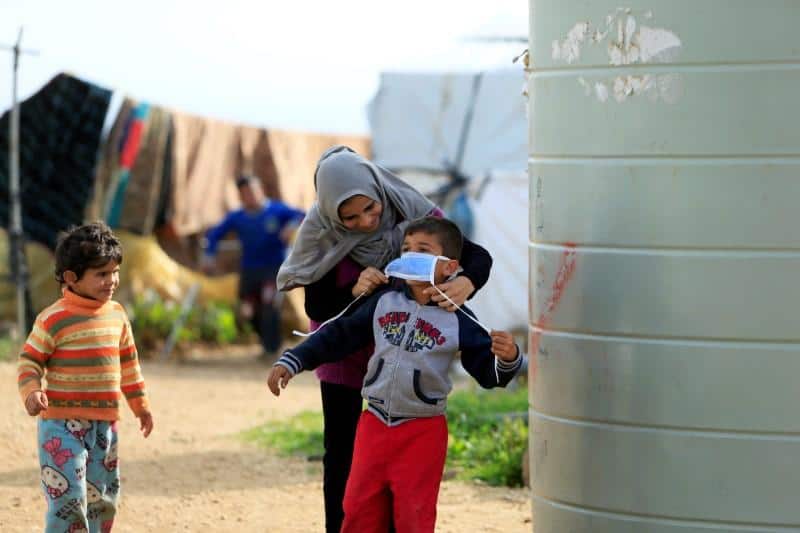
The United Nations High Commissioner for Refugees (UNHCR) confirmed today, March 22, there have been no new cases of the novel coronavirus (COVID-19) among refugees in Lebanon.

“Until now we have not recorded any infection among the refugees with the emerging coronavirus,” UNHCR’s External Relations Officer Lisa Abu Khaled said in a statement.

She added that the UNHCR has strengthened its preventive and response measures to take into account the health of refugees and humanitarian workers across the country.

The UN and the UNHCR are working closely with the relevant Lebanese authorities to strengthen the capacity of health care to ensure all infected patients receive the necessary services.

Over the past month, the UNHCR has worked to spread awareness and information in refugee communities and at the individual level to counter the spread of the virus. 

The UNHCR is urgently seeking an initial $33 million to boost the preparedness, prevention, and response activities to address the immediate public health needs of refugees amid the pandemic.

The Lebanese Ministry of Health announced that the country’s current cases indicate a rapid commencement of the deployment phase of the virus. The ministry stressed the implementation of all preventive measures, especially adherence to complete domestic quarantine.

The Ministry of Health stated that any leniency in applying these rules warrants legal and criminal prosecution and a large fine.

Prime Minister Hassan Diab said the number of COVID-19 cases in Lebanon jumped to 230 despite calls almost a week ago for all to remain at home.

UN Secretary-General Commends Humanitarian Pause in Libya Conflict

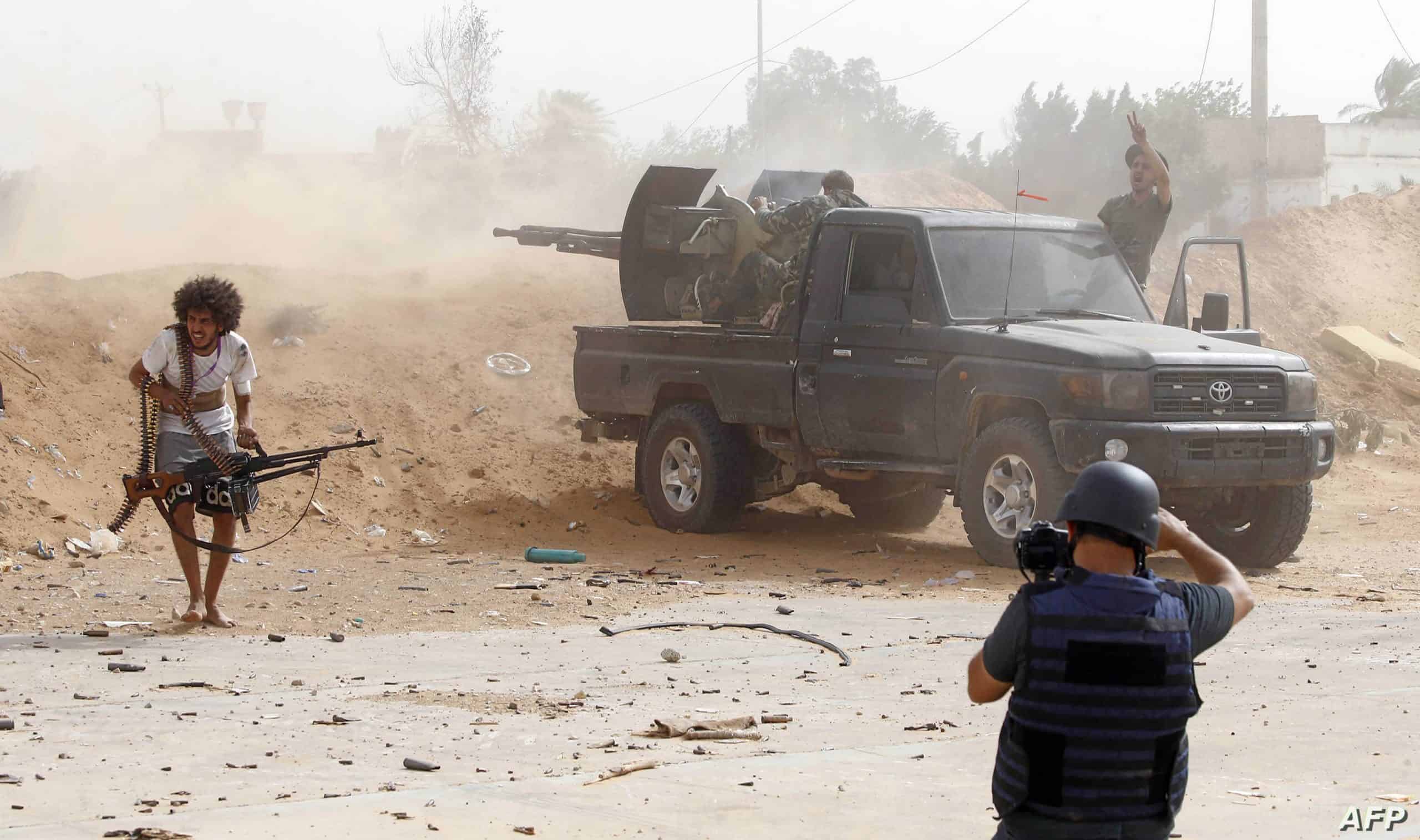
UN Secretary-General Antonio Guterres praised the Government of National Accord (GNA) and Libyan National Army (LNA) for pausing fighting to deal with the public health crisis presented by the novel coronavirus (COVID-19) in the worn-torn North African country. 

“Given the already dire humanitarian situation in Libya and the possible impact of the COVID-19 pandemic, the Secretary-General calls on the parties to join forces to address the threat and to ensure unhindered access of humanitarian aid throughout the country,” Guterres said in a statement.


Over the last week, the UN and the international community have appealed to both sides of the conflict to work together to address the threat of coronavirus in Libya.  

The international tally of coronavirus cases reached 307,297 and deaths hit 13,049 on Sunday, March 22.

Libya is yet to report any cases of the virus, but its suspected the absence of cases is due to a lack of testing rather than a lack of an outbreak. There are grave concerns the pandemic will have a disastrous effect in conflict zones like Libya, Syria, and Yemen.

Amid the deepening global COVID19 pandemic, the news of a pause in fighting in Libya is a timely, positive development both for the conflict and the global fight against the virus. 

Guterres also expressed hopes that the current pause in fighting might translate into a solid ceasefire. 

“[The Secretary-General] therefore calls on the parties to accept the draft ceasefire agreement emanating from the 5+5 Joint Military Commission talks facilitated by the United Nations in Geneva last month,” the UN statement concluded.


 Read also: LNA Accuses Turkey of Transporting Terrorists to Libya on Civilian Aircraft

Iran Releases French Academic Roland Marchal

French President Emmanuel Macron announced today, March 21, that Iranian Authorities will release French researcher Roland Marchal, who has been imprisoned in Iran alongside French-Iranian researcher Fariba Adlkhah since June 2019.

The Elysee indicated that the academic, who specializes in sub-Saharan African studies, will arrive in the country midday today, March 21.

The statement also addressed the continued detention of another French citizen: “The President of the Republic urges the Iranian authorities to immediately release our citizen, Fariba Adelkha, who is still imprisoned in Iran.”

Adelkhah, 60, was charged with “propaganda against the system.” The French researcher’s support committee said that the charges against the two were fabricated, and demanded the immediate release of both, expressing its fear for their health.

Adelkhah’s health suffered after she carried out a hunger strike for 49 days. Marchal, who was placed in near-total isolation, was affected “morally and physically,” according to his lawyer.

On Friday, March 20, Iran’s judiciary said that it was “cooperating” to release a French detainee. This came as Paris agreed to release an Iranian who was threatened with extradition to the United States, and who was transported to Tehran yesterday night, March 20.

Iranian state television reported that Jalal Ruhullah Ahmadinejad boarded a plane to Tehran after France released him.

Ahmadinejad, who was working as an engineer for more than a year, has been in French prisons and is accused of circumventing the US sanctions imposed on Iran.

The detentions have complicated ties between the two countries during a period when Macron hopes to diffuse tensions between Washington and Tehran. 

Iran’s Revolutionary Guards have arrested dozens of dual nationals in recent years, mostly on espionage charges.

The detentions have coincided with Western powers, prompted by the US decision to withdraw from an international agreement to curb Iranian nuclear activities.