USAID Suspends Program in Yemen After Pledging COVID-19 Aid Package

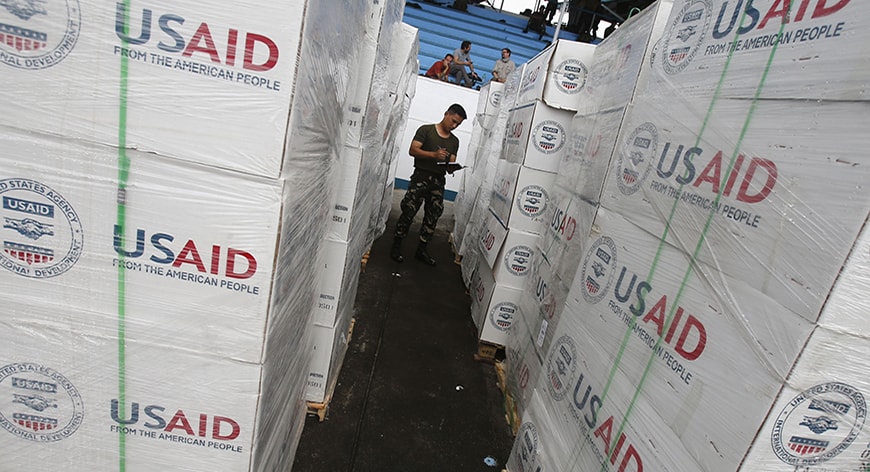
Despite curfews and lockdowns, the novel coronavirus pandemic continues its spread across the Middle East and North Africa. COVID-19 threatens the entire region’s public health apparatus, and countries like Libya, Syria, and Yemen are woefully unprepared for the outbreak after years of conflict. 

US Secretary of State Mike Pompeo announced the US would mobilize $274 million in emergency health and humanitarian funding in response to the precarious position of the world’s poorest and war-torn countries as they prepare to face COVID-19.

“Today’s $274 million will provide resources to 64 of the world’s most at-risk countries to better combat the pandemic and enable the UN High Commissioner for Refugees (UNHCR) to assist some of the world’s most vulnerable populations,” said Pompeo in a press statement.  

“Importantly, our response adds $64 million in humanitarian assistance for the UN High Commissioner for Refugees to assist its pandemic response efforts for some of the world’s most vulnerable populations,” he added.

It is unclear how much of that funding will find its way to Yemen after an anonymous USAID spokesman said it will “partially suspend” operations in areas of the country held by Houthi rebels. 

“The US government has made the difficult decision to reduce aid until we can be confident that US taxpayer assistance will reach those for whom it’s intended,” the official told the Associated Press.

Approximately 70% of Yemenis live in rebel-held parts of the country, which finds itself in a dire humanitarian crisis after five years of conflict. Houthi rebels have reportedly interfered with UN efforts to ensure aid flows to needy citizens, not just combatants and their supporters, for months. 

The novel coronavirus may prove to bring about some positive developments in the Yemen conflict. The Saudi Arabia-led coalition and Iran-backed Houthi Rebels agreed on March 26 to put down their weapons and join the collective fight against COVID-19.  

How long the truce will hold, and how much longer it will be before Yemen reports its first case of COVID19, remains to be seen.  

Earlier in the week UN Secretary General Antonio Guterres called for a global ceasefire and for an end to fighting in Yemen in the wake of a potential COVID-19 outbreak. 

“More than five years of conflict have devastated the lives of tens of millions of Yemenis,” Guterres said on March 25. “It is time to put armed conflict on lockdown and focus together on the true fight of our lives,” the secretary general implored. 


Thousands of Healthcare Workers Contract COVID-19 in Spain

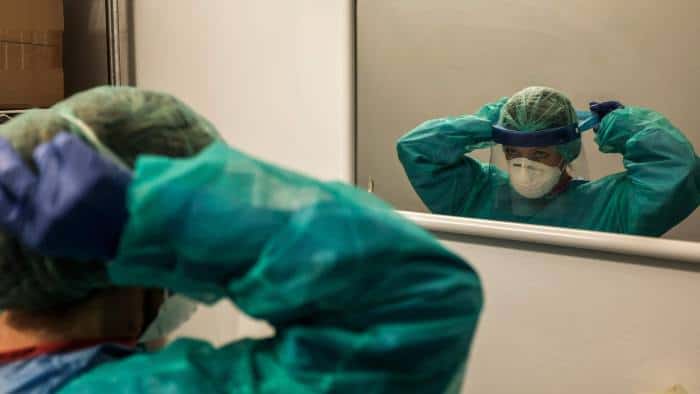
The Spanish government has announced 769 people died of COVID-19 related complications over the last 24 hours. A dark day in the country’s history was made even darker by the news that Spanish healthcare workers are rapidly becoming infected themselves.

The limited availability of medical supplies and a severe shortage of hospital beds has pushed the Spanish healthcare system to breaking point.

Spain currently has 64,059 cases, while 4,858 patients have died during the COVID-19 crisis.

Medical personnel are working longer days than ever. At work they must deal with patients spread all over the hospital and, when they end their shift, they fear bringing the virus home to loved ones. The fear is legitimate: 14% of the total number of cases are now medical staff who have been infected while combatting the pandemic. Out of all the brave Spanish medical professionals 5,400 have now contracted the virus.

The problem with medical staff getting infected by COVID-19 is not unique to the Iberian nation. In Italy at least a tenth of healthcare workers became infected, according to the New York Times. France is reporting similar numbers, as Europe’s doctors and nurses have become the front-line of the pandemic. 

The rate of infection among medical professionals is deeply concerning, especially among retired professionals who are being recalled to help with the crisis. The retired medical professionals are often much closer to the age when COVID-19 becomes high risk and the importance of personal protective equipment (PPE) increases further. 

The United Kingdom is asking tens of thousands of retired medics to return to duty. Scotland has asked anyone who has retired in the last three years to consider returning to assist in the national epidemic.

Personal Protective Equipment

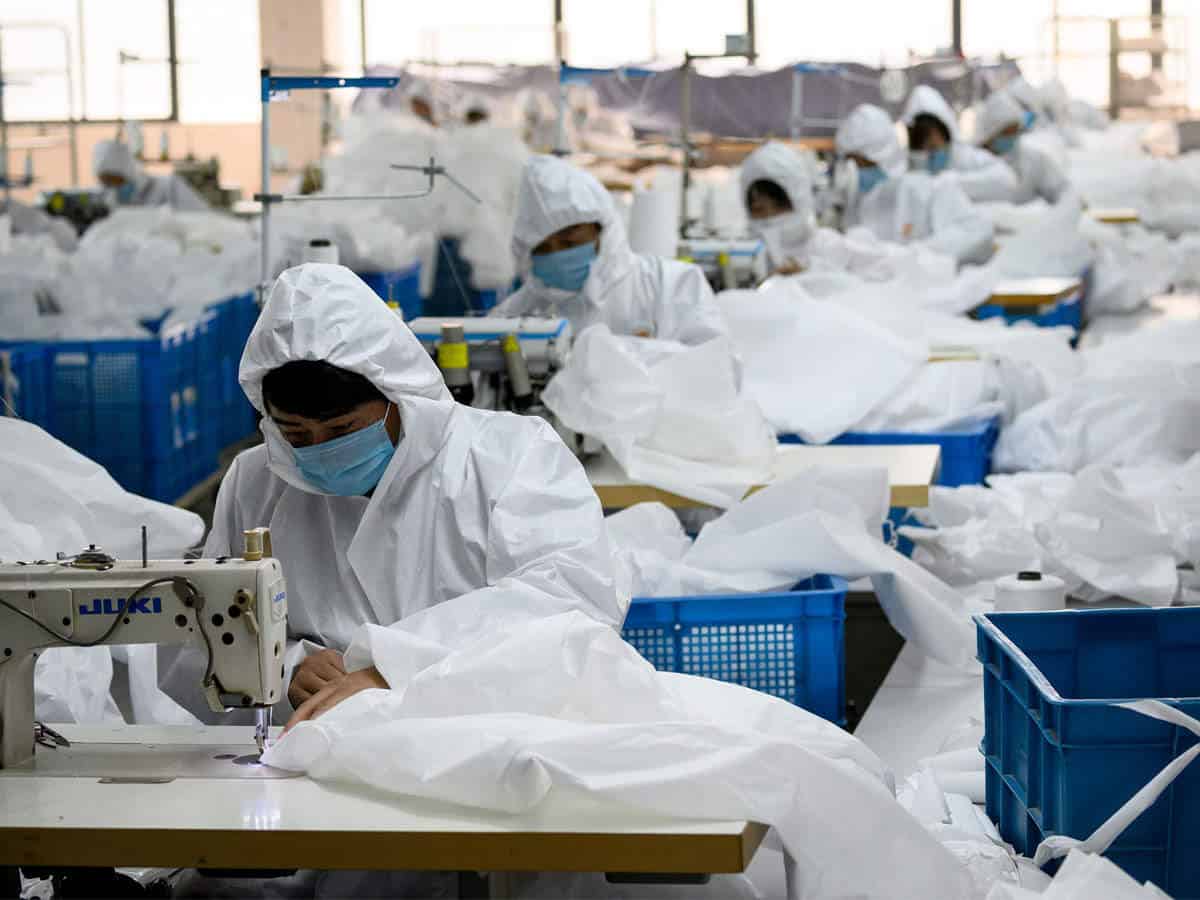
As retired workers return to assist those patients suffering from the virus, governments need to prioritize the provision of PPE to those healthcare workers that stand between containment and a human catastrophe. 

Healthcare workers risk life and limb to protect every other human on earth, from the United States to the Democratic Republic of Congo.

While governments pump trillions into their economies, few are taking the steps to force industry on a war-footing to produce sufficient PPE. The industrial might of our global capitalist system can provide relief to those brave healthcare workers. While healthcare professionals are rightfully celebrated, they deserve all the protection our governments can provide them.

In a time of economic and medical uncertainty, protecting those that protect us is the best investment available.

Where is Robert Levinson and Did He Really Die in Iranian Custody?

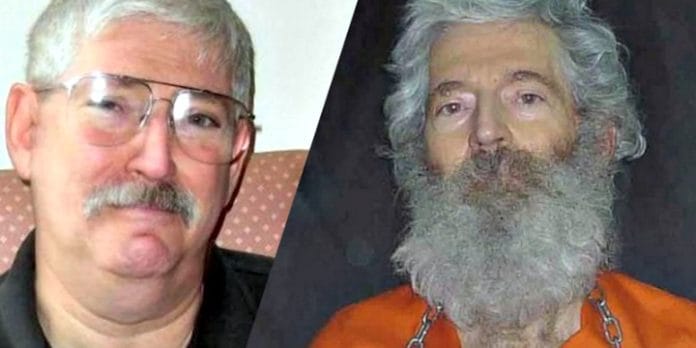
Robert Levinson was a former-FBI agent and private investigator. He was last seen on Iran’s Kish Island in 2007 before mysteriously disappearing, never to be seen again. 

According to his family and the US government, the father of seven was detained by Iranian authorities and, at some point prior to the COVID-19 outbreak, died in their custody, a claim the Iranian government strongly refutes. 

After 13 years of hoping and waiting for their beloved family member to return home, the Levinson family issued a statement on March 25 saying they now believe he is dead.

“If not for the cruel, heartless actions of the Iranian regime, Robert Levinson would be alive and home with us today. It has been 13 years waiting for answers,” the statement said.

“How those responsible in Iran could do this to a human being, while repeatedly lying to the world all this time, is incomprehensible to us. They kidnapped a foreign citizen and denied him any basic human rights, and his blood is on their hands,” the family added.

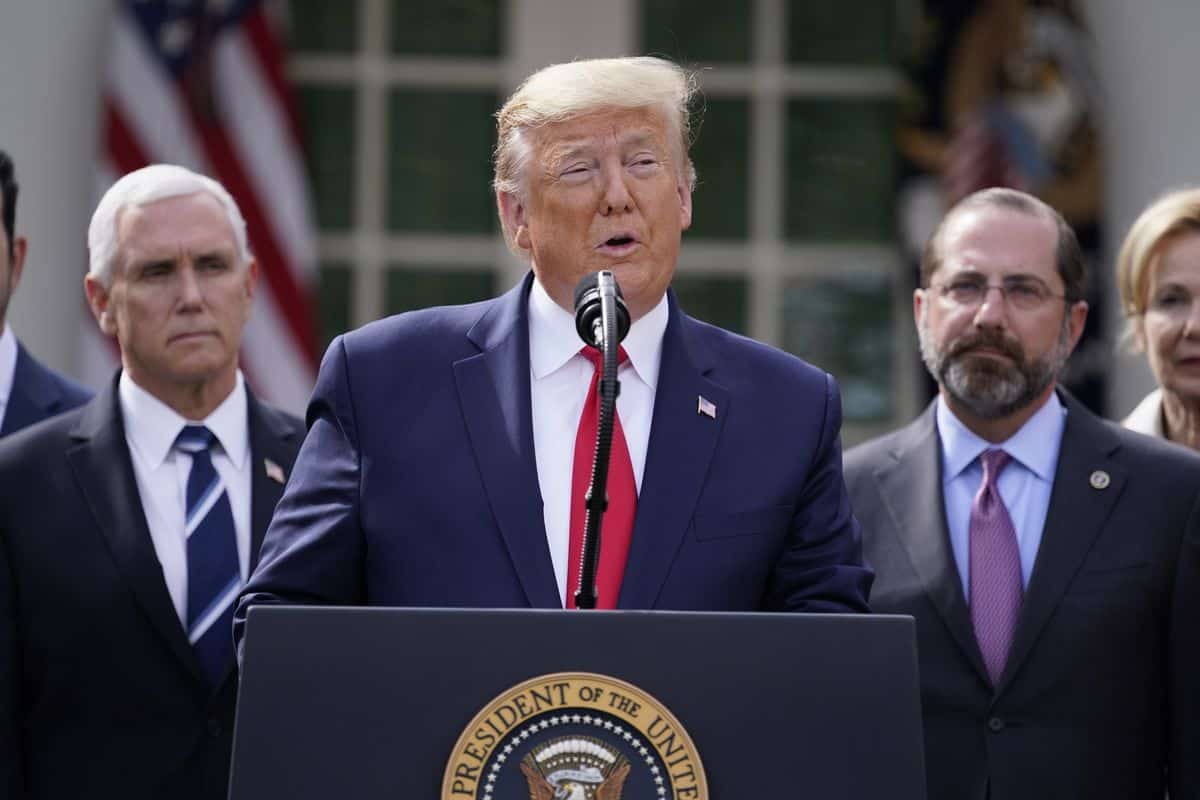
White House security adviser Robert O’Brian commented on the Levinson case on March 25 to clarify earlier remarks from President Trump, who said “it’s not looking great, but I won’t accept that he’s dead.”

“As President Trump said today, Iran must provide a complete accounting of what occurred with Bob Levinson before the United States can fully accept what happened in this case,” said O’Brien.

“While the investigation is ongoing, we believe that Bob Levinson may have passed away some time ago,” he said, echoing the Levinson family’s latest statement. 

Iran’s Ministry of Foreign Affairs has, however, denied the claims. In a statement on March 26, Spokesman Seyyed Abbas Mousavi said there was “credible evidence” that Levinson had in fact left Iran for “an unspecified destination” years ago. 

“In recent years, the Islamic Republic of Iran has done its utmost to obtain evidence for the exact fate of Mr. Levinson after leaving Iran, but has not found any clue suggesting that he might be alive,” Mousavi added. 

The Levinson family is yet to comment on the Iranian government’s response. 

Iran’s explanation of Levinson’s whereabouts have varied over time. When he went missing, Iranian state TV reported the retired FBI agent had been arrested by security services and would soon be freed. 

The Middle Eastern nation maintained a similar track until 2014 when Iranian Foreign Minister Javad Zarif told CNN, “I have not seen anything that could prove that he (Levinson) was ever in Iran.” For the last six years, Iran has been silent on the issue, except for informing the UN in 2019 that the case investigating his disappearance was still open. 

There is very little concrete evidence about what exactly happened to Bob Levinson back in 2007. 

Conflicting accounts outline that he left Iran of his own volition, or was moved to another location like Afghanistan or Pakistan. The official US line is that he has been held by Iranian authorities for the past 13 years, making him the longest serving hostage in US history. 

The last person to admit to seeing him alive is fugitive Dawud Salahuddin. Based on Salahuddin’s account, Levinson was arrested by plainclothes Iranian security officers while checking out of the Maryam Hotel on Kish Island. 

The Levinson family travelled to Iran in 2007 and saw Bob’s name on the passenger manifest for his flight to Kish Island and his signature on hotel check-out documents, seemingly corroborating Salahuddin’s version of events.

The man’s family last received ‘proof of life’ images and video in 2010 and 2011 showing Levinson with a bushy beard and hair, wearing a bright orange jumpsuit like those sported by prisoners in the infamous US jail Guantanamo Bay. 

That same year, the Levinsons were also furnished with documents by a former Iranian official that apparently indicated Levinson’s arrest had been ordered by intelligence authorities. The former official provided details of his detention. 

In 2013 an Associated Press investigation revealed that Levinson, who was 58 years old when he vanished, had in fact been working in Iran as part of an “unauthorized CIA mission.” The revelation added credence to the hypothesis he was being held by Iran and used as a political bargaining chip.

Levinson’s family held high hopes that the Trump administration would secure a breakthrough in the affair and thanked him personally for his help in their March 25 statement. 

“We know if President Trump chooses (to be involved), he’s a dealmaker. That’s what he does. It’s going to require negotiating with the Iranians to get him out of there,” Levinson’s son Dan told AP News in 2017 on the tenth anniversary of his father’s disappearance. 

“He’s very well-suited to be able to do this. We’re hopeful for that,” Dan added. Those hopes, it seems, are now dashed. 

The Department of State Rewards for Justice offered a $20 million reward for information leading to the location and recovery of Levinson in 2019, in addition to the $5 million reward offered by the FBI. Both remain unclaimed. 


Read also: Coronavirus in Iran: COVID-19 could kill ‘millions,’ study says

The US Becomes Worst-Hit Country in the Global COVID-19 Epidemic

The United States government garnered praise this week for its unprecedented response to the economic fallout caused by COVID-19. As markets climbed with record numbers not seen since 1932, the budget for fighting the spread of the virus met wide criticism. Debates about stimulus payments and unemployment-benefits rage on while a tornado of conflicting partisan news creates mass confusion.

Andrew Cuomo, Governor of New York City, where the outbreak is most severe, appeared on national television to slam the shortage in ventilators. On the same day, a Trump administration press conference tried to assure the nation there was “no evidence” of a shortage of ventilators.

Dr. Deborah Birx, coronavirus task-force coordinator for the White House, directly contradicted the New York governor. The conflicting messages are creating a dangerous flurry of partisan news, with right-wing sources saying the New York shortages are ‘fake news’ and left-wing outlets throwing accusations of lying at the Trump administration.

Meanwhile, the country has gone from record lows in unemployment, just weeks ago, to the Department of Labor receiving 3.2 million new requests for unemployment benefits. The US strategy has so far focused primarily on limiting the economic impact of the virus, putting a lot of faith in the US healthcare system to cope with the medical fallout of the pandemic.

The US outbreak has revealed that even though America might spend twice the budget of other nations on healthcare, the privatized and regionalized structure of the system is struggling to cope with the pandemic. While the US does have some of the best medical facilities and experts, the for-profit model means there is little in the ways of long-term preparedness for crises.

The centralized systems in South Korea and China have been able to rapidly adapt through the guidance of health ministry officials. In the US, support to the system has to come in packages of billions of dollars sent to hospitals in ‘need’.

Medical supplies are not purchased at a federal level. The privatized nature of the system means prices for medical equipment are skyrocketing as different states bid on equipment, competing with other states. In New York City, officials noticed with consternation that medical masks that used cost 85 cents now cost $7 each, as several states are bidding to get them first. In a fully privatized system, supplies go where the money is, instead of where the greatest need is.

Barriers to treatment

While most countries are encouraging citizens to get tested as much as possible, in the US the profit-motive is creating barriers that incentivize citizens not to seek testing or treatment. When a COVID-19 test comes out negative, many health providers in the US charge the patient. The New York Times reported on people being charged $4000 after testing negative for the virus.

Quarantined people also do not get automatic financial support, meaning many people keep working instead of ‘risking’ getting tested and losing their income while quarantined.

Around 30 million Americans do not have healthcare coverage at all, and have a long history of not going to the doctor when they are sick. As government officials are downplaying the risk of the disease, people displaying symptoms are not seeking treatment and even going to work. The term ‘medical bankruptcy’ is a specifically American problem where every year half a million Americans lose their life-savings because of unaffordable medical costs.

People without medical insurance only have access to emergency care once their medical issue has developed into something life-threatening. As people wait at home with, or work through, their COVID-19 infection, the worst cases end up in crowded emergency rooms. While a 100 million Americans do have insurance, they have such poor coverage that they still have to pay large amounts to access treatment.

With half of the population having poor or non-existent healthcare coverage, and limited direct support available for those infected, the majority of the population have insurmountable barriers to seeking testing and treatment. American labor laws, that allow staff to be fired without much recompense, are leading to symptomatic citizens continuing to go to work.

The current state of the US healthcare system and the government’s focus on the economy are a contrasting approach to those China has taken. Which approach will have a positive impact in the long-term remains to be seen. As the number of active cases and related deaths rise, the question becomes when it will become politically untenable to prioritize economic performance over human lives.

When American media start showing daily images of coffins, as we have seen in Italy, will the US change its approach to the COVID-19 pandemic?

Sanctioned Countries Appeal to UN Secretary General for Temporary Relief

As the physical and societal impact of the coronavirus-pandemic become clearer by the day, the global community struggles to contain the spread and limit damage to national economies. 

Speaking to the leaders of the world’s major industrial nations at the G-20, Antonio Guterres said “the world is only as strong as our weakest health system”.

Nations facing conflict and those nations under economic sanctions that limit their ability to fight COVID-19 are currently the most vulnerable with the weakest health systems.

After an earlier call from the Secretary General for a global ceasefire, now a group of nations have asked Antonio Guterres to “reject the politicization of such a pandemic” in a call for a temporary lift on sanctions.

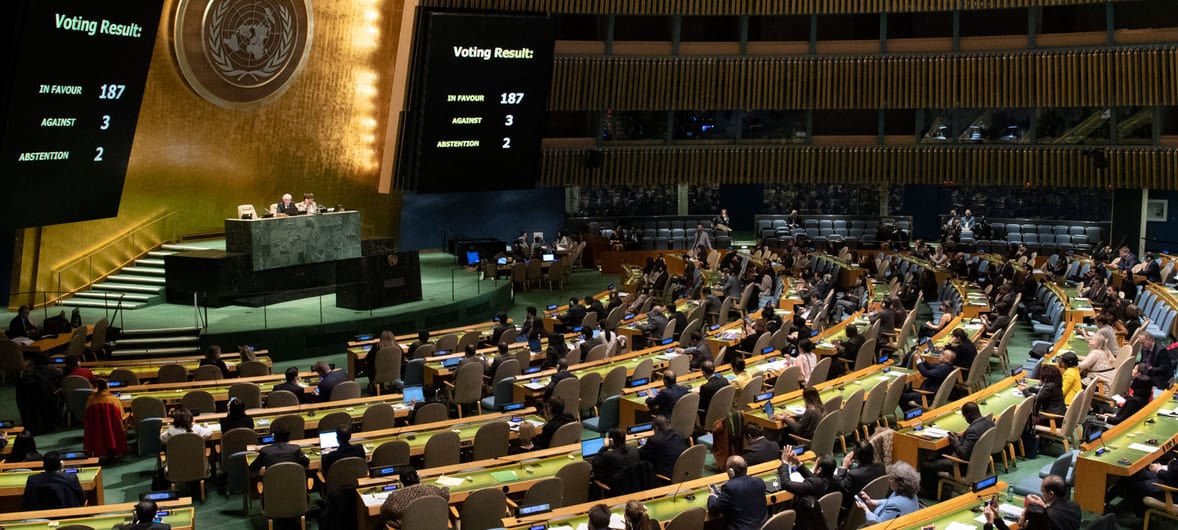
Ambassadors from China, Cuba, Iran, Nicaragua, North Korea, Russia, Syria and Venezuela appealed to Guterres to “call for the complete and immediate lifting of these illegal, coercive and arbitrary measures of economic pressure […] in order to ensure the full, effective and efficient response of all members of the international community to the COVID-19.”

On Wednesday, March 25, the UN Secretary General echoed the calls to the G-20. Appealing to the self-interest of National leaders, he said: “If we do not act decisively now, I fear the virus will establish a foothold in the most fragile countries, leaving the whole world vulnerable as it continues to circle the planet, paying no mind to borders.”

The UN reported that the Secretary General urged G-20 leaders to commit to ban all limits to international trade, including international sanctions. He emphasized the need for access to food, essential health supplies, and COVID-19 medical support in order to combat the pandemic.

“This is the time for solidarity not exclusion,” he underlined.

Guterres painted a bleak picture of the situation of countries in need of assistance: “These are places where people who have been forced to flee their homes because of bombs, violence or floods are living under plastic sheets in fields, or crammed into refugee camps or informal settlements. They do not have homes in which to socially distance or self-isolate.”

He highlighted how, for many people, even basic containment measures are impossible to uphold.

 “They lack clean water and soap with which to do that most basic act of self-protection against the virus – washing their hands. And should they become critically ill, they have no way of accessing a healthcare system that can provide a hospital bed and a ventilator,” Guterres explained.

Neither Guterres nor the group of ambassadors pointed at any specific countries, however most are under sanctions from the EU and the USA. 

Guterres closed his speech succinctly: ”We must come to the aid of the ultra-vulnerable – millions upon millions of people who are least able to protect themselves. This is a matter of basic human solidarity. It is also crucial for combatting the virus.”

Read also: UN Secretary General Calls for Temporary ‘Peace on Earth’

British PM Boris Johnson Tests Positive for Coronavirus

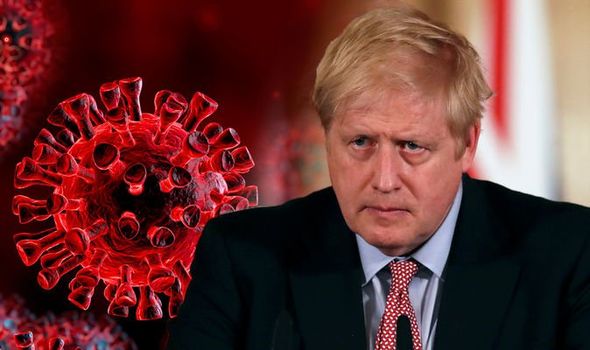
British Prime Minister Boris Johnson announced today that he has tested positive for the novel coronavirus.

“Over the past 24 hours, I have suffered from mild symptoms,” Johnson revealed in a video, noting a high fever and persistent coughing. “It was a positive coronavirus test result.” 

“I am subject to self-isolation now, but I will continue to lead the government through a television circuit to combat this virus,” he added.

“There is no doubt that thanks to the magic of modern technology, I can continue to communicate with all of my best teams to lead the national war against the coronavirus.”

His Tweet:


A spokesman for the prime minister said that Johnson, 55, experienced minor symptoms on March 26, one day after he attended a weekly session with parliament.

“The Prime Minister was examined for Corona on the advice of a senior government medical advisor, Chris Witte,” the spokesman said.

The government also made it clear that if Johnson was unable to work, he would be replaced by Secretary of State Dominic Rap.

British newspapers reported that the finance, justice, and health ministers may isolate themselves as they made contact with Johnson.

Johnson met with Queen Elizabeth II on March 11, and Prince Charles, the 71-year-old heir to the British throne, tested positive for coronavirus earlier this week. Charles is in good health and is now self-isolating at his residence in Scotland with mild symptoms along with his wife Camilla, who tested negative for the virus.

The PM also met with some senior ministers and officials this week, and has appeared at press conferences alongside his top medical and scientific advisors.

The UK recorded its highest COVID-19 death toll on March 26 with 115 deaths in 24 hours. The country’s total cases stand at 11,658 including 578 deaths.


Read also: Croatia Claims Three Boxing Team Members Contracted COVID-19 at London Qualifier

Croatia Claims Three Boxing Team Members Contracted COVID-19 at London Qualifier

The Croatian Boxing Federation revealed on March 27 that three team members have now tested positive for COVID-19. The three men attended the Boxing Road to Tokyo European Qualification tournament that began behind-closed-doors in London on March 14. 

The event was canceled after just three days of fighting due to the threat posed by the coronavirus pandemic.

The Croatian federation’s Secretary-General Marko Marovic told the BBC that the team’s epidemiologist believes heavyweight boxer Toni Filipi, coach Tomo Kadic, and another unnamed coach “were most probably infected during (the) Tokyo 2020 qualifier.”

“Our first concern is the health of our boxing family. We are still praying that everything ends well and there will be no other positive tests,” Marovic added.

Meanwhile infected coach Kadic told Croatian TV, “the IOC should have known that they ought to have scrapped the qualifiers.”

The Turkish Boxing Federation announced on March 24 three of its team members tested positive for the deadly virus after returning to Turkey from the event at London’s Copper Box Arena.

Boxer Serhat Guler and trainer Seyfullah Dumlupınar were both hospitalized by the illness, and the entire Turkish contingent who attended are currently in mandatory 14-day home-quarantine.

Turkish Boxing Federation Chairman Eyup Özgeç slammed the International Olympic Committee’s BTF for allowing the “horrible event” to go ahead in the wake of coronavirus and blamed the infections on the “irresponsibility” of the committee.

The BTF has since come forward and defended itself in a press release issued on March 27 denying the link between the Road to Tokyo event and the Turkish and Croatian team members’ positive test results. 

“Some news reports appeared to draw a connection between the affected participants and the Boxing Road to Tokyo European qualifier held in London. The London event was suspended ten days ago, on 16 March 2020, and the BTF is not aware of any link between the competition and the infection,” the statement said.

The BTF also suggested the Croatians could have contracted the virus elsewhere, stating, “many participants were in independently organized training camps in Italy, Great Britain and in their home countries before the competition started.”  

“It is not possible to know the source of infection,” the task force emphasized.

Eyup, who is also the Vice-President of the European Boxing Confederation (EUBC), had decried the lack of anti-coronavirus measures in place at the venue and team accommodation.

“We didn’t see any hygienic standards there. There were no preventative measures,” Eyup told BBC Sport.

For its part, the BTF said “precautionary measures before, during and in the follow-up phase of the event were implemented,” and stressed that, “safeguarding the well-being of the athletes, officials and all other participants has always been a top priority.”

A spokesperson for the British event organizers concurred, saying regular temperature testing was conducted throughout the tournament in compliance with Public Health England’s advice. 

“Teams were advised on the steps they should take if any members of their delegation showed symptoms of the virus. During the competition there were no recorded instances of teams contacting the medical team to report symptoms,” the spokesman said. 

The BTF also expressed its sympathy to the team members now suffering from COVID-19 and wished them a quick recovery.

There is a strong possibility the infected athletes will be able to make a full recovery in time for the Tokyo Olympics 2020 which has now been postponed until 2021 to the growing worldwide coronavirus pandemic. EUBC President Franco Falcinelli welcomed the decision and thanked the IOC and Japanese government for making a timely decision and avoiding uncertainty for athletes and the various sporting bodies involved in the Olympic movement.  


How a Global Superpower Fights a Virus

Millions of people around the world are sitting at home. They are under quarantine, in enforced lock-downs, or are simply out of a job. The impact of COVID-19 is only just becoming clear, and policy-makers around the world are grasping at straws to find the best approach to limit infection-rates and minimize economic damage.

The two current global superpowers have taken radically different approaches. China and the United States are in different phases of their national epidemics, but their strategies reveal a lot about their priorities. In order to build a better idea of available solutions and their consequences, we need to compare the two strategies side by side.

There are two ways this global health crisis can negatively impact people’s lives: getting sick, or losing income. Solving both problems at once appears a difficult balance to strike and the two global superpowers appear to have chosen contrasting priorities.

China’s theory of change relies on a brief but painful economic catastrophe. The government’s aggressive measures limit the amount of infections, but could lead to greater economic damage in its aftermath. The US approach aims to do the exact opposite. The American approach entails a brief, but painful, medical catastrophe. Measures intended to keep the economy intact result in more infections but reduce economic impacts during and after the crisis.

As much as the current approaches differ, the initial response in both countries was remarkably similar. Before the scale of each national crisis became clear, the initial instinct of national leaders was to play politics. 

In the first six weeks of the Chinese outbreak, the government stamped down on whistle-blowers and was accused of hiding the scale of the outbreak from the rest of the world. 

Across the Pacific, US President Donald Trump spent much of the first six weeks following the first recorded case in the US, downplaying the risk and repeating that the virus was ‘under control’.

After the immense scale of their respective national crises came into sharp focus, both governments embarked on historic and unprecedented missions. The approaches they chose, however, could not have been more different.

The Chinese approach

China realized the potential scale of the outbreak at the end of January when over a thousand cases had been detected. Chinese President Xi Jinping invited the WHO and international experts, including the American Center for Disease Control (CDC), to come investigate the virus as it formulated a strategy. 

Chinese health experts identified the weaknesses in the Chinese healthcare system’s ability to cope with the virus. What followed grabbed the world’s attention as the might of the centralized Chinese state was aimed at doing what it does best: Construction.

Having turned sleepy villages into multi-million-people cities in recent decades and having had to rapidly build infrastructure to combat SARS in 2003, the Chinese were up to the task. In six days Chinese workers built a hospital capable of housing 2000 COVID-19 patients, while 20,000 healthcare workers from across the country flew into the epicenter of the outbreak.

This rapid construction made sure there were sufficient hospital beds, protective equipment for staff, and specific hospitals dedicated to fighting the virus. The 11 million unfortunate people living in Wuhan experienced a different example of centralized state power. The government gave them only four hours time before the complete lock-down of their city began. Overnight, all businesses were closed, industry halted, and streets started resembling a ghost town, save for the occasional patrolling military or police units.

The lack of privacy in China meant that the state knew where its citizens were, and what they needed. This helped Chinese authorities in tracking down isolated cases and finding clusters of infections. It also meant that all citizens with prescriptions for existing conditions were rapidly supplied with a three-month supply of the medicine they required. The state provided anyone economically affected by the virus with supplementary income and made money available to support struggling businesses. Free testing and treatment was given to anyone even remotely suspected of being infected.

After the initial peak, the number of new infections started coming down, and within a month China could proudly boast of recording days without new infections. The WHO’s assistant director general Bruce Aylward was in China to witness the process. 

“China’s bold approach to contain the rapid spread of this new respiratory pathogen has changed the course of a rapidly escalating and deadly epidemic,” calling the approach the “most ambitious and I would say agile and aggressive disease containment effort in history,” Aylward said.

But Aylward is not an economist. Although China has made efforts to support its economy, the real economic consequences of it’s rapid slow-down and current careful restart are yet to be seen.

The American approach

The American approach to the pandemic contrasts sharply with the Chinese method. The US strategy is summarized most easily by a tweet by US President Donald Trump: “We cannot let the cure be worse than the problem itself.” 

Once the scale of the problem in the US became clear, several examples of other countries’ approaches had emerged. Britain at the time was counting on ‘herd immunity,’ Koreans had turned the rapid testing of citizens into an art form, and Western healthcare systems were gaining their own experience with the virus.

The president exuded confidence whenever the topic came up and the message was clear, the United States would be able to cope with COVID-19. Policy-makers were downplaying the effects of the virus and highlighted the merits of American healthcare. The United States spends more than twice on healthcare per-capita than any other country, and the Republican administration assured Americans they were about to get value for their money.

Two weeks later, New York City was reporting thousands of cases and every US state appeared to show COVID-19 infections. Xi Jinping had faced a point-of-no-return that called for drastic action several weeks earlier, and now it was his American counterpart’s role to marshal his country into action.

And act they did. The American approach focussed on keeping the economy as strong as possible. The aim was to limit the suffering of citizens by preventing unemployment, poverty, or the loss of retirement funds linked to stock markets. The stupendous financial power of the United States and its Federal Reserve were put on a war-footing to save US markets, and with them, the prosperity of American citizens.

Just as China’s efforts were called the ‘most ambitious, agile and aggressive’ approach to disease containment, similar descriptions could apply to the American approach to saving its financial markets. The US government prepared an unprecedented $2 trillion dollar stimulus package to provide liquidity and support to its economy. As mind-boggling as this amount might be, it is only a fraction of the money the US is about to spend.

Powers granted to the Federal Reserve following the 2008 crash are now coming to bear on global financial markets as the Federal Reserve has announced it will spend up to a trillion dollars to help capitalize banks. One trillion dollars, everyday. Highlighting the priorities of the US strategy, the total amount hospitals are receiving is a one-time $100 billion dollar assistance package, or 10% of what the US plans to spend on banks per day until the end of the month.

Every single day for the rest of the month, the central bank will pump a trillion more dollars into supporting failing banks. The mission is clear: Keep Americans employed, US markets intact, and get back to business-as-usual as soon as humanly possible. 

According to financial expert Dylan Ratigan, all together the US government is ready to spend 14 trillion dollars in order to save financial capitalism and preserve its economy.

Different strategies, different outcomes

These two superpowers have staked their strategies on different priorities. Each strategy contains its own unique dangers and advantages. 

China’s rapid containment could lead to millions of Chinese people suffering from poverty and hunger as a result of an economic shock caused by the containment efforts. The as yet unknown economic results from the containment strategy could very easily change international perspectives on the success of the Chinese approach.

The choices made in the US could similarly have painful effects. The fragmented and privatized nature of American healthcare could make effective containment difficult. The US has rapidly become the nation worst-affected by COVID-19. 

The CDC’s worst-case scenario predicts between 160 and 214 million infected Americans, which would lead to between 200,000 and 1.7 million deaths. This would not only be a tragedy of historic proportions, it could very well make the $14 trillion the US has invested in its efforts go up in smoke as markets and political leaders struggle to cope with such a catastrophe.

It is important to note that both strategies do not exclude elements of the other. Valiant attempts are made by state and city governments in the US to contain the virus and procure the necessary protective gear and medical equipment to test and treat COVID-19 patients. With risk to their own lives, medical staff across the country are doing whatever they can, even when they cannot properly protect themselves from the virus.

Meanwhile, in China, the government is preparing billions in infrastructure-spending to boost its economy and is seeing industry gradually return as its COVID-19 expertise and medical supplies have become an unforeseen new export product.

Many national leaders are now facing the same point-of-no-return that Xi Jinping and Donald Trump experienced. Which superpower’s example they will follow, and what consequences that might bring, will become clear in the weeks and months ahead.

 

Read also: Global Institutions: COVID-19 Will Impact Every Facet of Life

PLO: Israel Close to Annexing Jordan Valley

Israel now occupies most of the Jordan Valley, said Dr. Saeb Erekat, secretary general of the Palestine Liberation Organization’s executive committee. 

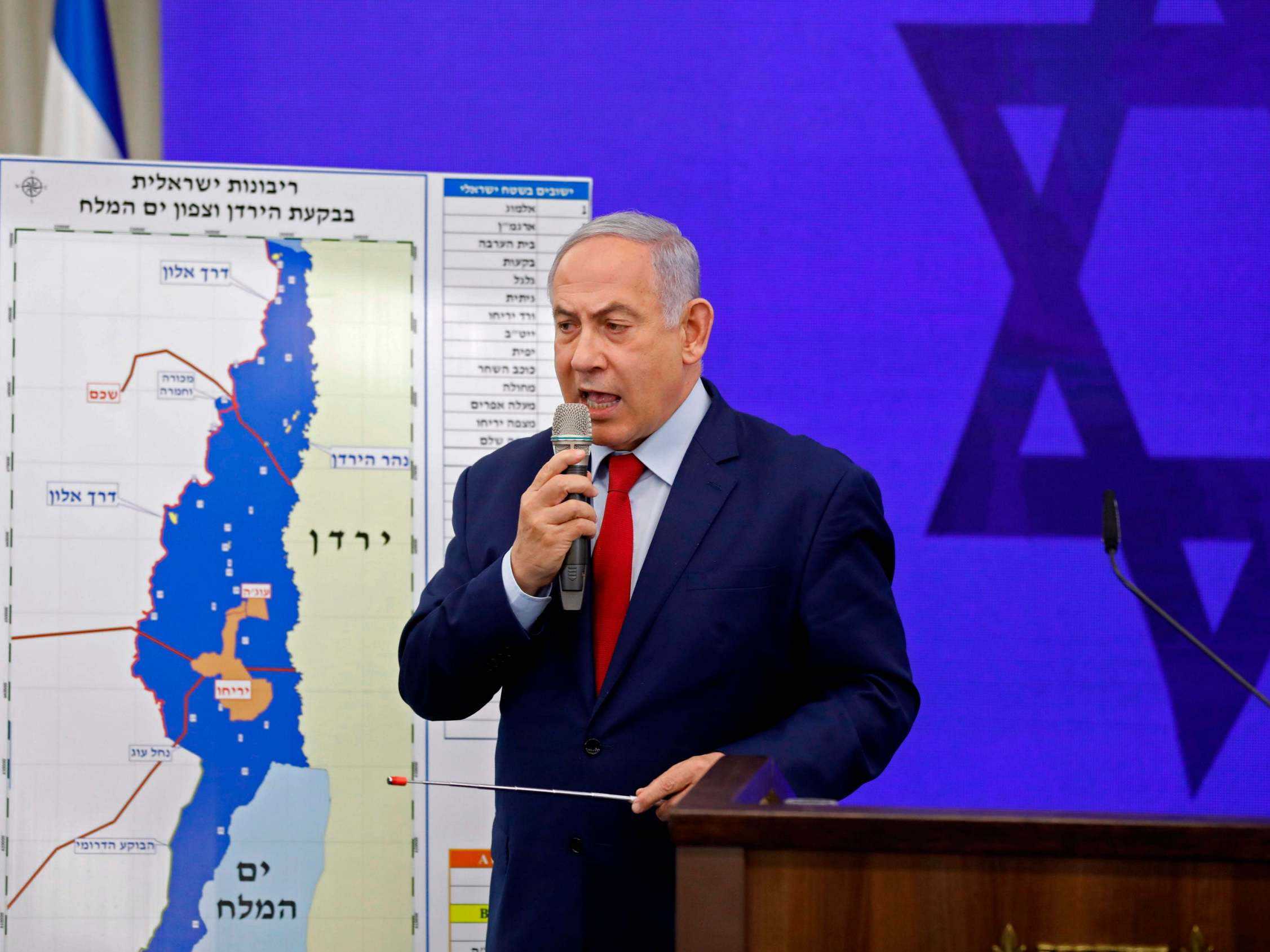
The statement highlighted how Israeli settlements continue to encroach on the occupied West Bank. Erekat said that the 55,000 native Palestinians living in the Jordan Valley now hold only 5% of the land, according to Middle East Monitor. Israeli settlers are increasingly building on the remaining 95%, with 12,700 Israelis already living in the occupied territory. 

Defying the UN and much of the international community, Israel built four new settlement outposts and 110 settlement units in the area over the past year. Deprived of their native land, Palestinians from the Jordan Valley are increasingly dependent on Israeli controlled water sources, with up to 94% of all Jordan Valley water sources controlled by Israel.

For Israel, the Jordan Valley represents a “defensible border,” according to the Jerusalem Post. For people in the West Bank, it means nothing less than encirclement and annexation. The Jordan Valley runs along the border between the West Bank and Jordan, and represents one of the last remaining open international borders accessible to Palestinians.

Any opportunity for diplomatic temperance evaporated when the US proposed a one-sided peace deal allowing the annexation of the Jordan Valley, roughly one third of the total area of the West Bank.

Embattled Prime Minister Benjamin Netanyahu earlier proposed an annexation of the region, reported the Time of Israel. The International Criminal Court referred to these plans in its intended investigation into Israeli and Palestinian crimes in the Palestinian territories.

A member of Netanyahu’s Likud party submitted two bills to the Israeli parliament (Knesset) on Wednesday, March 18. Both bills propose a permanent annexation of the entire Jordan Valley, as well as reinstating the death penalty exclusively for Palestinians. The bills’ proponents likely did not intend to implement the proposals. Instead, the bills constituted a political move to drive a wedge between the coalition attempting to form a government.

The move reveals that Israeli politicians feel comfortable publicly proposing measures that violate international law and several UN resolutions.

These moves demonstrate a sense of impunity among Israeli politicians, a sense mirrored by actions of the Israeli Defense Forces, which are acting as an occupying force. Locals have little political or judicial recompense for injustices committed against them as the Israeli military demolishes homes, occupies valuable water sources, and undermines tangible efforts to make life easier for locals. Water networks are purposely destroyed, causing man-made droughts for Palestinian farmers, while Israeli settlements in the region enjoy an unimpeded water supply.

On Thursday, March 26, further evidence of these continued practices emerged as Israeli forces destroyed a residential building, tents, equipment, and pumps providing water and electricity in the Jordan Valley village of Ibziq. In the town of Khirbet al-Dir, Israeli forces intervened to stop locals from installing solar panels. Italian aid organization GVC Italia expended considerable effort to provide the village with solar panels, but Israeli soldiers stopped this minimal form of relief in its tracks.

With a powerful ally backing its activities, Israel continues to consolidate its borders. COVID-19 and its economic ramifications are occupying the attention of Palestine’s allies, and it is unsure who Jordan Valley residents can appeal to for justice in the near future.

COVID-19: US Military to Halt Overseas Movement, France to Pull Troops from Iraq

The Pentagon issued a 60 day stop movement order for all US troops worldwide on March 25. Meanwhile, the French Armed Forces Minister announced his country will withdraw troops from “Operation Chammal” in Iraq as it mobilizes to respond to the deepening coronavirus crisis gripping France. 

The stop movement order, issued by Secretary of Defense Mark Esper, applies to all Department of Defense “uniformed and civilian personnel and their sponsored family members overseas.” Some exemptions exist, most notably the drawdown of US troops stationed in Afghanistan.   

“The purpose is to make sure that we’re not bringing the virus back home, infecting others, that we’re not spreading it around the military,” Esper told Reuters.

An estimated 90,000 defense workers were scheduled to deploy within the next 60 days. A large number of those now unable to travel overseas will likely be re-assigned to missions supporting the US government’s domestic coronavirus response.

US Navy hospital ships are already en route to Los Angeles and New York City to back up local hospitals, and the Army Corps of Engineers is working on strategies to increase bed capacity in New York. 

Among the 68,534 confirmed cases of the novel coronavirus throughout the US, 37,258 are located in New York State alone, making it the most affected state. The spiraling health crisis prompted New York State Governor Andrew Cuomo to call on the US government and military for extra assistance, including medical equipment, as New York’s hospital system struggles to cope under increased strain.

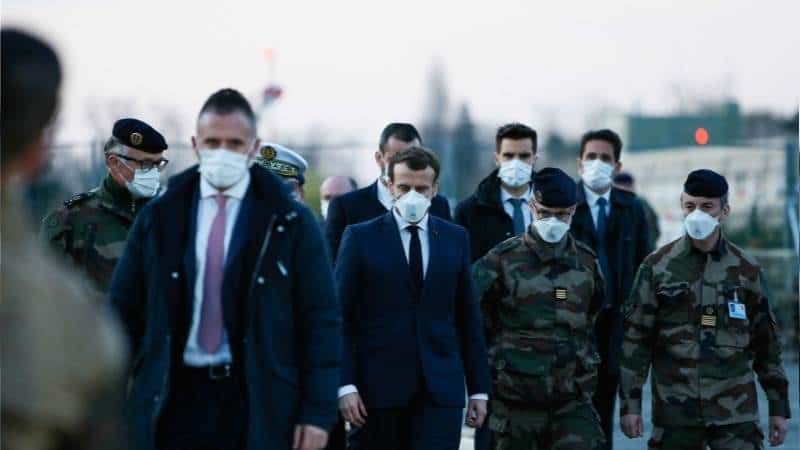
Over the last few days, French Armed Forces also stepped up to join the national effort to fight coronavirus within the Hexagon. 

French troops have already carried out a number of medical evacuations by air and sea. Troops set up a field hospital to handle overflow from the Mulhouse hospital, located on the border with Switzerland and Germany, which has been overwhelmed by the COVID-19 outbreak. 

The number of confirmed cases in France continues to soar, and at the time of publishing there are 20,002 active cases, including 1,331 fatalities. 

As part of “Operation Resilience” launched by President Emmanuel Macron on March 25, troops will also mobilize to provide medical, logistical, and security aid. Troops will also provide assistance to populations hard-hit by the deadly virus in France and its overseas territories, said a statement from the Ministry

French authorities said the same day that approximately 100 soldiers serving in Iraq within Operation Chammal are to be immediately, but temporarily, repatriated. The troops are part of a US-led coalition providing local Iraqi forces with anti-terrorism training to fight the Islamic State (Daesh). 

“In coordination with the Iraqi government, the coalition has decided to adjust its deployments in Iraq and provisionally suspend training activities, after taking into account the health crisis,” the French military announced.  

For its part, Iraq suspended all military training to prevent the spread of COVID-19 in the country. Iraq has confirmed 26 deaths from COVID-19 amid 241 active cases. In neighboring Iran, considered the epicenter of the outbreak in the Middle East, the virus has killed an estimated 2,234 people.


Read also: Mayhem in the Wake of US Airstrikes in Iraq