UN: Lift Unilateral Sanctions Amidst COVID19

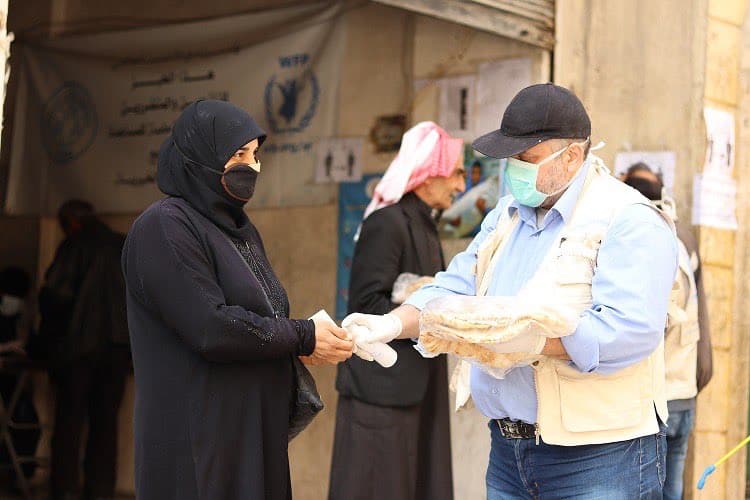
United Nations Special Rapporteur on the Right to Food Hilal Elver has renewed calls for the international community to lift unilateral sanctions imposed on Syria, Venezuela, Iran, Cuba, and Zimbabwe. 

 Elver argued that throughout history, sanctions have rarely worked as a deterrent but almost always have “dramatic and detrimental” impacts on the socio-economic situation of everyday citizens. “As a result, the wellbeing of the civilian populations becomes severely compromised,” she added. 

 The special rapporteur is particularly concerned by potential food shortages due to a combination of sanctions and reduction in global supply caused by stockpiling. Elver also highlighted the precarious nature of food security in conflict-torn regions like Yemen, Syria, Gaza, and refugee camps.

“If the international community is serious about the fight against COVID-19 and the eradication of food and nutrition insecurity, States need to refrain at all times from direct and indirect interference with access to food,” Elver stressed.

 The international community holds grave fears that a severe outbreak in Syria, which has now recorded its first cases of COVID-19, would be disastrous. The country’s health system is greatly diminished and unprepared for the threat posed by the virus after the country was ravaged by sanctions and 10 years of conflict. 

 China is currently presiding over the UN Security Council, and its permanent UN representative, Zhang Jun, reiterated on April 1 China’s support for a political solution to the Syrian war and the suspension of sanctions.  

 “We call for the complete and immediate lifting of unilateral coercive measures,” Zhang told the Security Council via teleconference.

 Elver’s entreaty follows UN Secretary General Antonio Guterres and UN High Commissioner for Human Rights Michelle Bachelet’s appeals for members to ease sanctions on March 24. 

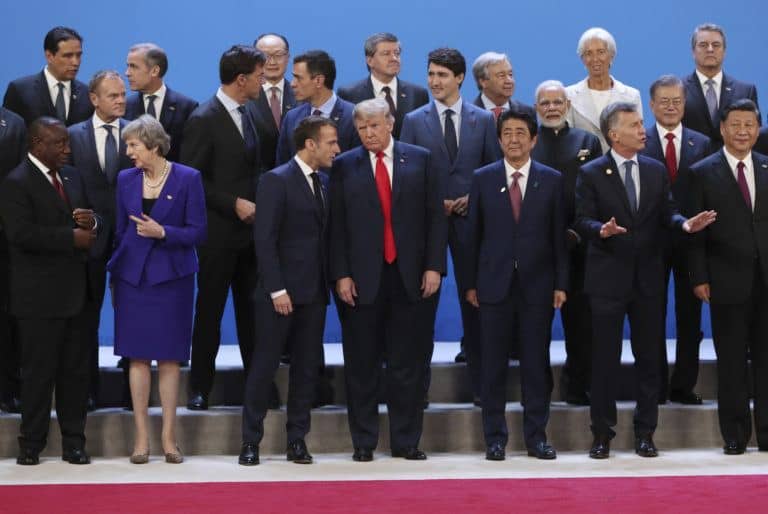
 “I am encouraging the waiving of sanctions imposed on countries to ensure access to food, essential health supplies, and COVID-19 medical support. This is the time for solidarity not exclusion,” Guterres penned in a letter to the G20. 

 Meanwhile, Bachelet said, “at this crucial time, both for global public health reasons, and to support the rights and lives of millions of people in these countries, sectoral sanctions should be eased or suspended. 

 “In a context of global pandemic, impeding medical efforts in one country heightens the risk for all of us,” stressed the human rights high commissioner.

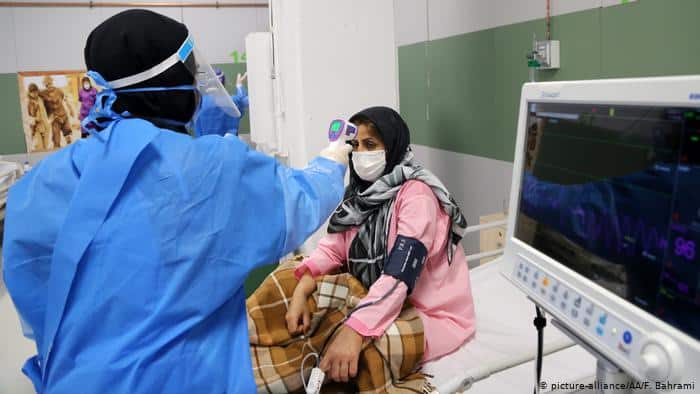
 Iran has been subject to crippling US sanctions since the nuclear deal collapsed in 2018.  Its health system, already on shaky ground due to sanctions, has been overwhelmed as COVID-19 spreads rapidly throughout the country.  

 According to human rights reports, there is a serious lack of essential medicines and equipment, such as ventilators, required to fight the pandemic that has already claimed over 3,000 Iranian lives. 

 Meanwhile, Zimbabwe has welcomed the UN’s push for sanctions to be waived. Foreign Affairs and International Trade Minister Sibusiso Moyo stated, “the Government welcomes the UN observation that sanctions have a debilitating impact on the health sector and that, in the context of a global pandemic, impeding medical efforts in one country heightens the risk for all of us.”

Read also: EU Sends Medical Support to Iran, Tests Circumvention of US Sanctions
Kuwait Boosts National Economy Amid COVID-19 Shocks, Falling Oil Prices

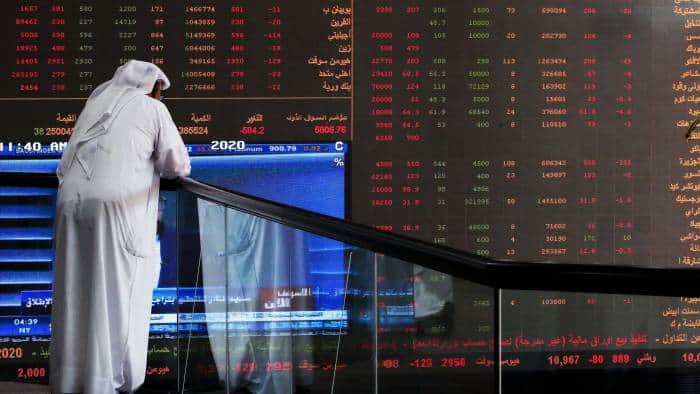
Kuwait was quick to implement anti-COVID-19 measures, and lead the Gulf states in its decisions to suspend international flights and implement a partial curfew to curb the spread of the deadly virus. The government has now moved to buffer the economy from the harmful repercussions of COVID-19. 

After an extraordinary meeting of the Kuwaiti Cabinet on March 31, government officials announced a raft of socio-economic measures aimed at keeping the national economy ticking over, limiting costs and negative effects from COVID-19, and preserving the country’s strong international credit rating.

The cabinet committed to implement eleven different socio-economic protections, ranging from price control mechanisms for essential commodities, to expediting government payments towards the private sector. 

The recommendations were strongly focused on reinforcing social security provisions, as well as the provision of “soft and long-term loans,” and a suspension of repayments on government funded credit. 

The measures primarily target small- to medium-size enterprises, and individuals working in sectors like aviation, real estate, and hospitality which have been badly affected by the COVID-19 outbreak. 

Kuwait has committed to “ensure the safety of the citizens working in the sectors affected by the repercussions of the crisis,” through “establishing a mechanism to secure the minimum income that ensures facing the cost of living for workers affected by the current crisis and linked to contracts,” an official statement relayed through state-run KUNA News said on April 1. 

Kuwait’s robust and decisive containment measures appear to be working. The country reports 237 active cases including 14 patients in intensive care. Another 80 patients have recovered in full and 911 more left quarantine on April 1, according to KUNA News. 

The country’s oil price has taken a sharp dive in recent weeks, following global trends, due to a lack of global demand and OPEC ructions. The price of Kuwaiti oil recovered slightly today, April 1, rising by $1.37 to reach a price of $25.70 per barrel. 

The International Monetary Fund (IMF) reports that the country’s “ample financial buffers and strong financial sector allow Kuwait to face these shocks from a position of strength.”  

Kuwait’s Central Bank (CBK) followed the US Federal Reserve’s lead in early March and reduced interest rates by 1% point to ease monetary policy and increase liquidity.  

The government has already committed $1.6 billion, or 1.4% of GDP, to the coronavirus fight. Amir Sheikh Sabah al-Ahmad al-Jaber al-Sabah donated approximately $16 million to a fund set aside to address the economic repercussions of COVID-19. 

Nevertheless, Standard and Poor’s lowered Kuwait’s credit rating from AA to AA- on March 28, and Moody’s has also flagged the country’s rating for review in light of a “significant” reduction in government revenues. 

S&P agreed with the IMF’s outlook, saying the Kuwaiti economy appeared stable and relatively well prepared to handle the economic repercussions of COVID-19 and the oil price fall. 

“We forecast that, in line with lower oil prices, Kuwait’s general government balance will be in deficit exceeding 10 percent of GDP in 2020 before gradually returning to surpluses over the medium term,” the international ratings agency said.

Read also: Saudi Arabia and Kuwait Elevate COVID-19 Measures With Strict Curfews

Prisoners Released Worldwide in COVID-19 Response

While many people around the world feel deprived of their freedom like never before, prison inmates are being released as a public health measure.

Unprecedented prisoner releases are happening across the globe. In Africa, Somaliland released 574 prisoners, according to Anadolu Agency. Sudan and Ethiopia are releasing 4,000 prisoners each. Human Rights Watch is calling for the release of prisoners in Cameroon.

In the greater Middle East, Afghanistan has already released 10,000 prisoners, Turkey is set to release 45,000, and Iran has released 85,000 inmates. UN experts have called on Yemen to empty its prisons, saying that “the health system in Yemen is on the brink of collapse and that prisoners must cope with a lack of adequate food and minimum standards of hygiene that contravene standards set by international law.”

In Asia, the Jakarta Post reported that Inodenisa released 5,500 inmates from crowded prisons and plans to release 30,000 in total. India’s Supreme Court on March 23 issued a directive to release Indian prisoners in efforts to “decongest” the country’s prisons. India has 450,000 inmates in its prison system, which is 17.6% over capacity according to the Indian National Crime Records Bureau. Human Rights Watch urged the release of Thai prisoners after COVID-19 rumors triggered a riot in Buri Ram Prison in eastern Thailand.

In North America, Canada’s public safety minister requested the early release of federal inmates. “This pandemic continues to evolve and we have been clear that our response will as well,” a spokeswoman for the minister announced.

On March 25, UN High Commissioner for Human Rights Michelle Bachelet addressed the issue: “Covid-19 has begun to strike prisons, jails and immigration detention centres, as well as residential care homes and psychiatric hospitals, and risks rampaging through such institutions’ extremely vulnerable populations.”

“Authorities should examine ways to release those particularly vulnerable to COVID-19, among them older detainees and those who are sick, as well as low-risk offenders,” Bachelet continued.

The exceptions: China and the US

There are two major exceptions to the global drive to release prisoners to protect them from infection. The governments of China and the US, two of the countries worst-hit by the pandemic, have not made any efforts to release prisoners on a national scale.

China has recorded 806 confirmed COVID-19 cases in its prison system but has yet to release any inmates. Little is known about the current state and safety of China’s prisoners, and no national official has publicly discussed the idea of a release.

The US holds the most prisoners of any nation. With 2.3 million people in jail, the country holds almost one quarter of all incarcerated people in the world. US President Donald Trump has indicated that he might consider releasing “totally non-violent prisoners” through an executive order, but faces opposition from both Democratic and Republican lawmakers.

With no indication of rapid action on the federal level, families of the imprisoned hope that state governments might step in.

In New York State, which has the most recorded COVID-19 infections in the world, officials requested the release of 1,500 inmates. New York Governor Andrew Cuomo faces criticism for using prison labor to produce hand sanitizer.

The Los Angeles Times reported that California is planning early releases of 3,500 inmates. The daughter of one California inmate told the LA times, “He feels like he’s in a Nazi Germany death camp. They basically locked them all in the ‘sick’ dorm and are only taking guys out with a high fever.” The woman reported that inmates are poorly cared for: “An inmate in his dorm of 150 men just tested positive, so they put his entire dorm on lockdown. He can’t get bandages he needs for open sores from an autoimmune disease. He’s 72 and due out in August.”

The Texas observer reports that public health experts and advocates join inmates’ families in a call for releasing prisoners at high risk for infection. “If he gets sick, it’s possible I may never see my husband again,” the wife of one Texas inmate said.

Resistance to prison releases

But many in the US are resistant to the idea. “Certainly there’s going to be infections in our prisons. We have to make sure the prison system is capable of handling that,” Democratic Congressman John Garamendi said. The mayor of Honolulu, Hawaii told the Honolulu Civil Beat that “our prison could actually be the safest place in terms of COVID-19.” Hawaii Prosecuting Attorney Justin Kollar described the local situation as “a ticking time bomb.”

China and the US may hesitate to release their prison populations because of their staggering numbers. China incarcerates one million minority Uyghurs according to the UN, who are forced to work and undergo programs in “re-education camps.” where they are forced to work and undergo programs

In the US, anti-drug laws have led to a large prison population of non-violent offenders who, once freed, would be difficult to re-imprison in the current era of tolerance towards cannabis use.

Both nations also employ variations of forced prison labor that create an economic incentive against releasing prisoners. Uyghurs in China undergo forced labor while in the US, many prisoners make less than $1 an hour and face spells in isolation cells if they refuse to work. These practices are permitted by the US constitution’s thirteenth amendment which allows slavery as punishment for crimes. The US also engages private contractors in running many of its prisons, and profits encourage recidivism.

Governments around the world are seeing their imprisoned citizens in a new light, and human solidarity is extending through prison walls. Still, many families of incarcerated people still face the fear of their relatives becoming infected in institutions that have limited healthcare capacity. Releasing all non-violent prisoners worldwide is still some time away. In this strange time the words of the world’s most famous former prisoner, Nelson Mandela, come to mind: “Action without vision is only passing time, vision without action is merely day dreaming, but vision with action can change the world.”


Read also: Tunisia Pardons Prisoners, Welcomes EU Aid in COVID-19 Response

COVID-19 Pandemic Leads to Massive Increase in Gun, Ammunition Sales

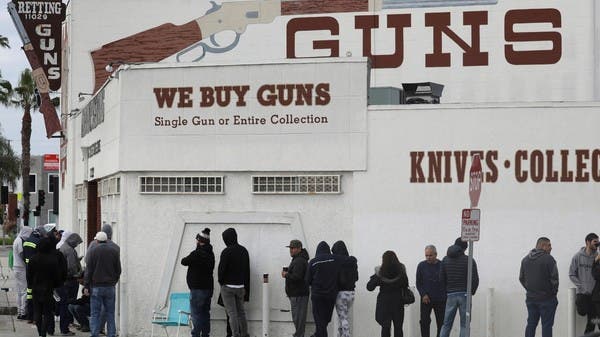
Many countries that legally sell firearms are recording massive increases in sales of guns and ammunition. Brazil, Canada, and the US have seen a spike in ammunition sales, many to first-time buyers, as concerned citizens stock up.

Brazil, with one of the highest murder rates in the world, relaxed its gun laws in January and sales have since spiked. The COVID-19 pandemic has not yet spread in Brazil as it has in the US, but sales are expected to increase in the coming months. Brazil has reported 5,812 COVID-19 cases and 202 deaths.

Sales have also risen across Canada, according to the country’s gun dealers. Fears of shortages in ammunition stocks have been the main contributing factor, according to Canadian Press. Canada has reported 8,591 COVID-19 cases, including 33 deaths.

Nowhere has the panic-buying of guns been as explosive as in the United States. American gun culture is already based on fears of a “government takeover” or apocalyptic visions of the future, and COVID-19 has only elevated those fears. In many states, guns stores are considered essential businesses and are allowed to stay open during lockdowns.

Gun producers and the National Rifle Association (NRA), which represents the largest gun manufacturers in the country, have actively triggered further fear of societal breakdown. The organization’s advertisements have linked the virus with citizens’ perceived need to arm themselves.

NRA Advertisement encouraging gun sales in response to COVID-19 fears

The pandemic is having a significant impact on the United States, with over 190,000 cases and 4,000 recorded deaths as of April 1, but its citizens’ fear of societal breakdown is unique. CNN reports that the state of Colorado has seen a 1,000% increase in the sale of ammunition, with Arizona and Ohio reporting a 945% increase and an 897% increase, respectively. 

Only US presidential elections have triggered similar rises in guns sales. Fear that an incoming Democratic president could ban assault weapons has led to panic-buying in the past. Today’s global crisis is creating enough anxiety that gun sales will likely reach new records.

In a country with limited support for the poor and an exploding unemployment rate, fear of a societal collapse seems to grow. Some Americans see gun ownership as a way to protect themselves in that perceived eventuality.


Read also: What is Hydroxychloroquine and Can It Cure Coronavirus?

Saudi Arabia Calls for Pilgrims’ Patience over Hajj Contracts

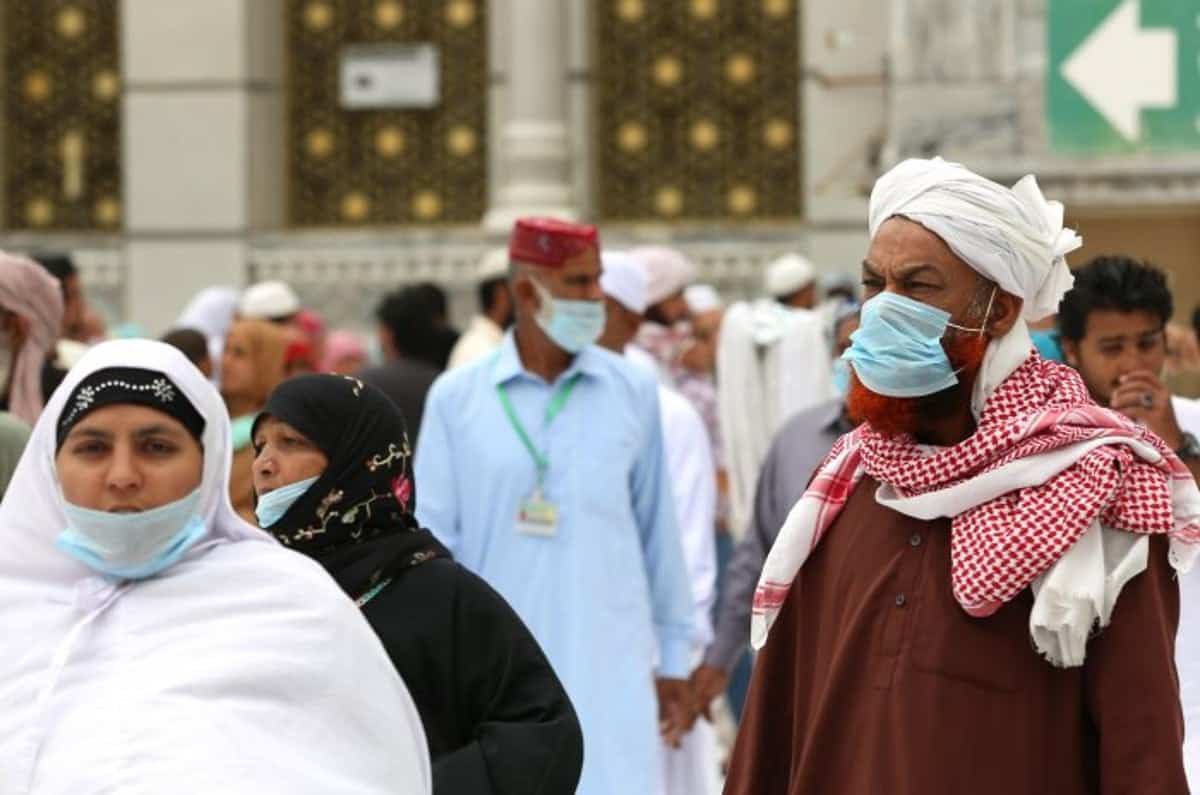
Minister for the Hajj and Umrah Dr. Muhammad Saleh bin Taher Banten called for the world’s Muslims to “be patient in concluding Hajj contracts” as Saudi authorities scramble to gain a clearer picture of how the coronavirus pandemic may impact the annual pilgrimage. 

“Under the current circumstances, as we are talking about the global pandemic… the kingdom is keen to protect the health of Muslims and citizens and so we have asked our brother Muslims in all countries to wait before doing [Hajj] contracts until the situation is clear,” the minister said on Saudi state television on March 30.

Muslims are required to do the Hajj once in their life if they are fit and financially able. Approximately 2 million people flock to the holy cities of Mecca and Medina each year to perform the rite, which is scheduled to take place from July 28 to August 2, 2020. 

Pilgrimage revenues are a key source of diversification for the Saudi Arabian economy, which Crown Prince Mohammed bin Salman has committed to reform under the Saudi Vision 2030 plan.  

The kingdom has already suspended the Umrah pilgrimage to curb the virus spread, resulting in 1,200 visiting pilgrims finding themselves stranded in Mecca and forced into health isolation at local hotels.

Banten told the Saudi Press Agency (SAP) that in coordination with the Ministry of Health he had recently inspected their isolation conditions to ensure “all services and care are provided to Umrah performers.”

“Based on the current conditions, the amounts paid by those who obtained Umrah visas and couldn’t perform Umrah due to the precautionary, temporary suspension are currently being refunded,” Banten added on April 1.

With over 74,000 COVID-19 cases in the Middle East and North Africa, Saudi Arabia has 1,563 confirmed cases of the novel coronavirus, 31 of which are reportedly in critical condition. The disease has caused ten fatalities, while another 165 patients have made full recoveries, Health Ministry Spokesman Dr. Mohammed Al-Abdulaali said after a meeting of the Saudi COVID-19 Committee on Tuesday evening, March 31.

To slow the spread of the virus, Saudi Arabia introduced a three week coronavirus curfew on March 25, suspended flights in and out of the country, halted domestic travel, and undertook a broad sanitization program of public spaces.


Read also: Saudi Arabia and Kuwait Elevate COVID-19 Measures With Strict Curfews

COVID-19 spreads across the African continent – an overview

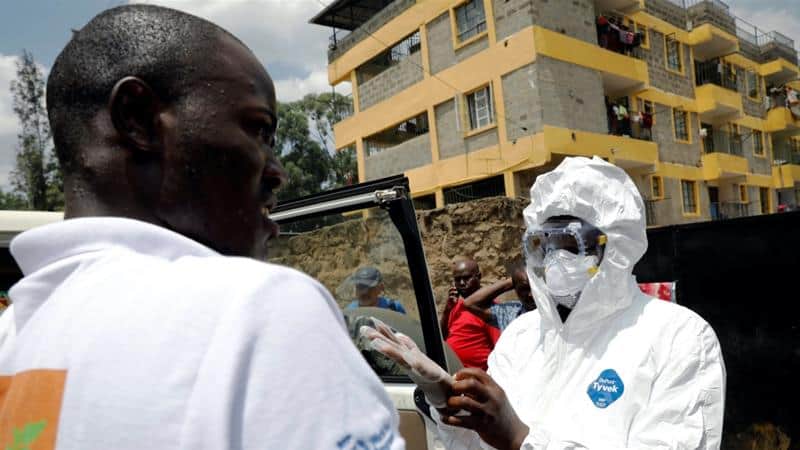
The streets of Lagos, Nigeria were deserted on Tuesday, March 31 as Africa’s largest city shut down in an effort to contain COVID-19. Home to 20 million people, the city’s usually bustling streets have been brought to a standstill for at least two weeks. Checkpoints with police units, outfitted in protective gear, are keeping roads clear and businesses shut.

African nations like Nigeria face a difficult choice. Containment efforts such as lockdowns proved to be an old-fashioned but effective approach in China, but many nations lack the financial capacity to ensure citizens have enough economic support to endure their isolation. China rapidly distributed a three-month supply of medicine to its population and was able to distribute funds to its citizens during its quarantine. Without this capacity, lockdowns could significantly impact poor people who depend on daily labor or trades for income.

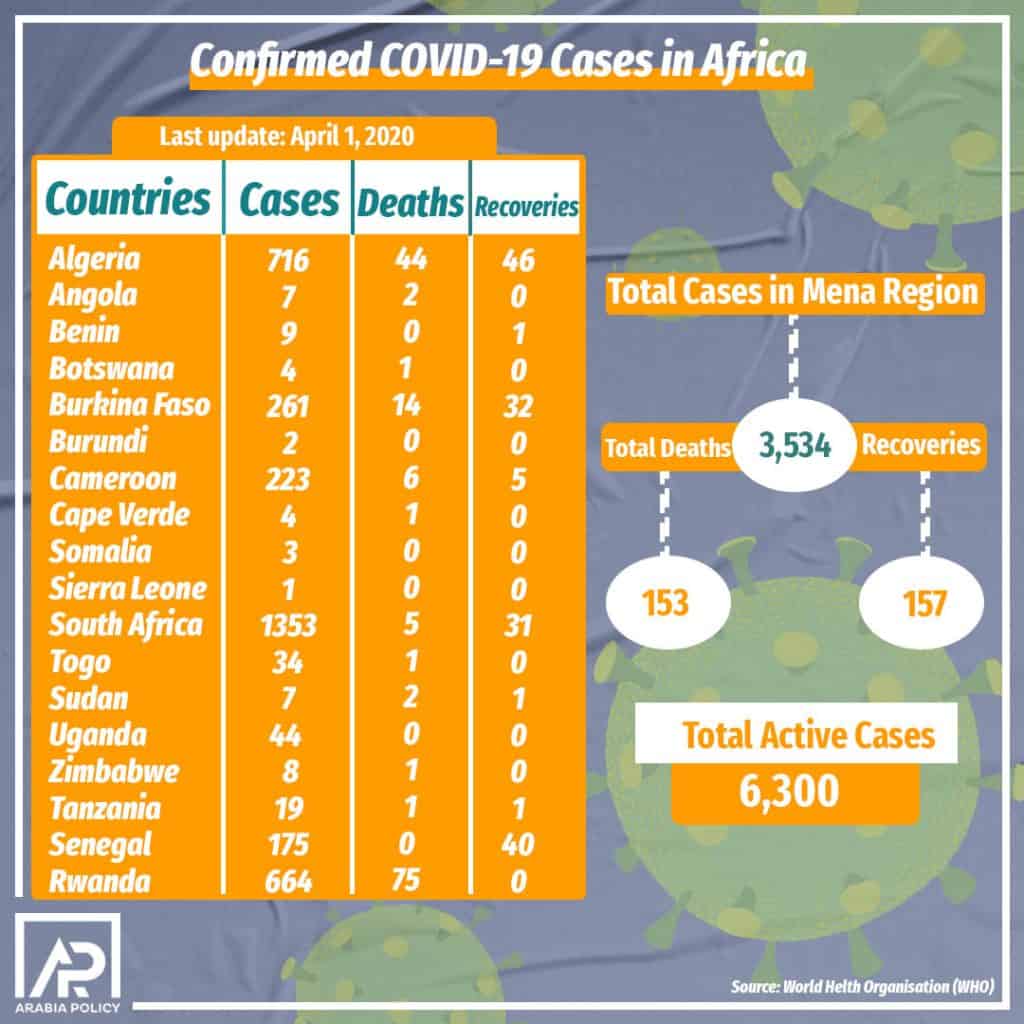
Experts warn that many African countries’ healthcare systems lack the capacity to deal with a significant increase in virus cases. North African countries that were first to see COVID-19 cases have responded with lockdowns and have so far slowed the pandemic’s spread. South Africa is currently the African country worst affected, with 1,353 cases, and has responded by implementing a three week curfew.

Many doubt the capacity of African nations to test enough of their citizens. In reality, that worry should extend to most nations around the world, excepting a few countries such as Germany or South Korea, who have turned testing into a national expertise.

African nations do on average have weaker healthcare systems than most developed nations, but experiences from Europe have revealed that healthcare spending does not always indicate success.

France, Spain, and Italy all ranked among the world’s top healthcare systems before the COVID-19 pandemic, yet they are seeing the highest coronavirus mortality rates in the world. These nations host some of the world’s oldest populations and were late to implement lockdowns, providing lessons to the rest of the world.


Africa’s unique strengths and weaknesses

Andrew Cuomo, governor of New York state, one of the world’s worst-hit regions, said on March 31, “Everyone is subject to this virus. I don’t care how smart, how rich, how powerful you think you are.” Cuomo called the virus “the great equalizer.”

The populations at greatest risk of life-threatening complications from COVID-19 infection are elderly people and those with pre-existing conditions. African nations have the world’s highest levels of HIV and tuberculosis infections, each disease contributing to reduced immune systems. Approximately five % of sub-Saharan adults have HIV and Africa still sees more than two million new tuberculosis infections every year.

However, Africa’s population is also the youngest in the world. With a median age of 19.7, Africans are significantly younger than citizens of those countries who have suffered the highest death rates. In contrast, China’s median age is 38.4, Spain’s median age is 44.9, and Italy has a 47.3 median age.

Africa’s youth may prove a valuable asset in the months ahead. Public health experts have remarked on the expertise many African nations have built dealing with Ebola and other health crises, and remain hopeful that through early containment and economic support measures, African nations could potentially limit the effects of the pandemic.


COVID-19 on the African continent

COVID-19 spreads across the African continent – an overview
A brief overview of the current state of Africa’s COVID-19 crisis as of April 1, 2020

Egyptian Airlines Request State Support in Managing COVID-19 Losses

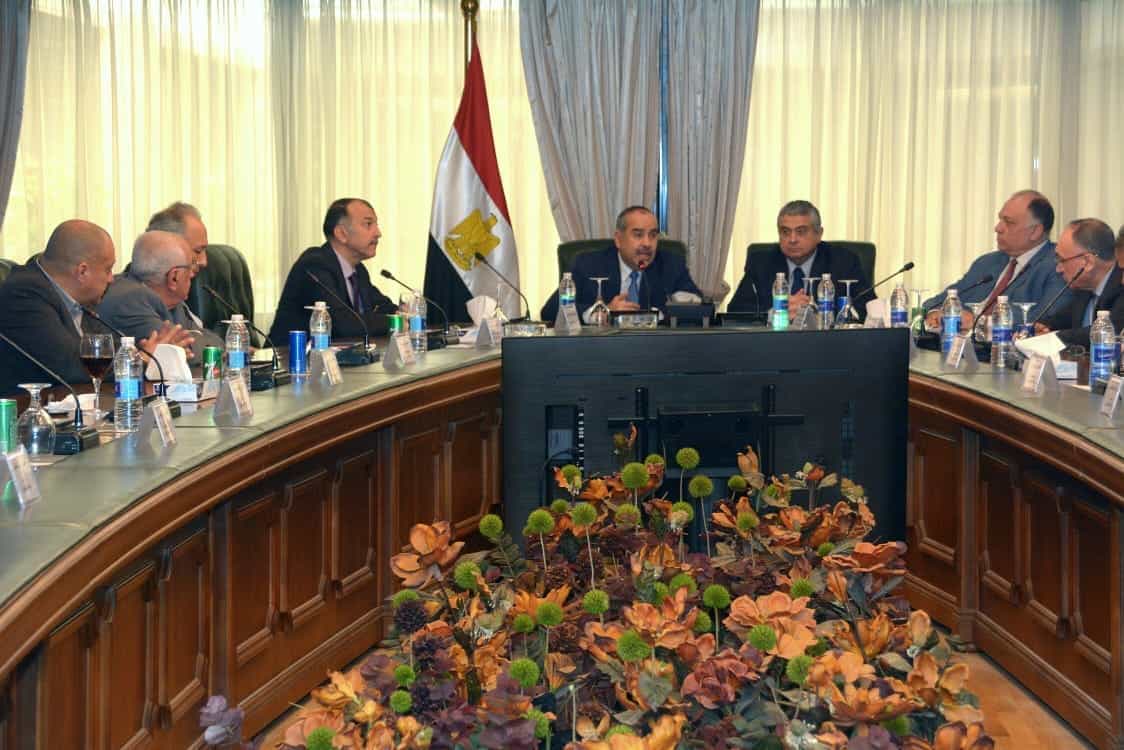
Private Egyptian airlines called on the government to intervene to stop the revenue hemorrhage caused by the global novel coronavirus pandemic. The airlines made the appeal during a meeting with Egyptian Minister of Aviation Mohammed Menar Anabah on March 31. 

The Egyptian Ministry of Civil Aviation posted a photo from the meeting on its Facebook page. The post also detailed the discussion at the ministry’s Cairo headquarters.

During the meeting, concerned parties analyzed the repercussions of the novel coronavirus crisis in the aviation sector. Egypt suspended all international air traffic on March 31.

“Egypt is currently going through a difficult period,” the ministry said. The situation, the post went on, “requires us to cooperate in order to overcome this current ordeal.”

“Current events in the country have been greatly reflected in the civil aviation sector,” the post added.

The ministry will hold meetings to share developments and  “follow up on the situation with the civil aviation authority and the concerned authorities.” 

The ministry will also form a committee to “provide the necessary support…to private Egyptian Airlines in order to tackle this crisis,” according to the same source.

The aviation industry is experiencing major challenges worldwide, prompting the United States, Italy, and the UAE, among other states, to intervene to save airline companies from escalating losses.

Egypt’s economy is suffering in several sectors, especially tourism since the government imposed restrictions on travel in an attempt to limit the spread of the virus.

Egypt confirmed five more deaths and 54 new COVID-19 cases on March 31, bringing the country’s total number of confirmed cases to 710. The number of deaths reached 46.

In order to curb the spread of the pandemic, Egypt imposed a nighttime curfew on March 29 in all cities, suspended in-person studies and some government department operations, and closed all non-essential businesses and services to prevent public gatherings. 


Read also: Against Warnings, Egypt Announces Intent to Build Strategic Food Reserve

G20 Prepares COVID-19 Action Plan for Debt in Developing Nations

The G20 promised on March 31 to present an action plan to address debt in the world’s poorest countries. The world’s 20 strongest economies have pledged to support low-income nations’ debts following an $83 billion outflow of capital since the coronavirus pandemic started.

Working with the International Monetary Fund (IMF) and World Bank, the finance ministers and central bank leaders are addressing the lack of liquidity available to countries with weaker economies. Put simply, liquidity refers to having enough reserve cash at hand to pay “the bills” while receiving less revenue than expected. Liquidity is weakening in many poorer nations: The pandemic has reduced revenues from taxes, while foreign investors shift their money away from perceived risky investments.

The G20 action appears to come in direct response to a March 25 call from the IMF and World Bank. The two global institutions have for weeks attempted to highlight the potential damage the COVID-19 pandemic could have on developing nations. Their call urged all bilateral creditors to suspend debt payment from the world’s poorest nations. The World Bank classifies these countries as “IDA” countries, referring to the International Development Association loans these nations are eligible for.

The IMF and World Bank asked the G20 to allow the global institutions to assess which countries are most in need, and to prepare a proposal for finance and debt relief. G20 nations are expected to present and forward the plan at a meeting starting on April 16.

The world’s poorest countries are set to be worst-hit by the pandemic, a United Nations Development Programme (UNDP) report revealed on March 30, with developing countries forecast to lose $220 billion. The UNDP stated: “Income losses are expected to exceed $220 billion in developing countries. With an estimated 55 per cent of the global population having no access to social protection, these losses will reverberate across societies, impacting education, human rights and, in the most severe cases, basic food security and nutrition.”

A global response

Many of the world’s global institutions have made calls for solidarity among nations as the crisis develops. Most economic and health complications caused by the coronavirus can be resolved through an approach based on solidarity and our shared humanity, according to the United Nations, the Food and Agriculture Organization, and financial institutions.

The group of nations have committed between $5 and $8 trillion to support economic stability and support for business and people economically affected by the crisis, after the G20 was initially criticized for what many saw as a slow response. The IMF also has a $1 trillion war budget to support the worst-hit economies in the world and stresses that the global economy is only as strong as its weakest links.

Achim Steiner, administrator of the UNDP, said, “This pandemic is a health crisis. But not just a health crisis. For vast swathes of the globe, the pandemic will leave deep, deep scars. Without support from the international community, we risk a massive reversal of gains made over the last two decades, and an entire generation lost, if not in lives then in rights, opportunities and dignity.”


Read also: COVID-19 Will Have Specific Impacts on Middle East

Tunisia Pardons Prisoners, Welcomes EU Aid in COVID-19 Response

Tunisian President Kais Said announced on March 31 that an additional 1,420 prisoners will be granted a special pardon and released to reduce the pressure on Tunisia’s crowded jails as COVID-19 cases rise.  

The latest round of amnesties comes after 670 detainees were released and another 1,846 had their sentences shortened to mark the 64th anniversary of Tunisia’s independence on March 20.

It appears that the pardons will do little to un-burden the country’s overcrowded prison system, as another 1,031 people have been arrested for breaching the nationwide curfew imposed to curb the virus’s spread. 

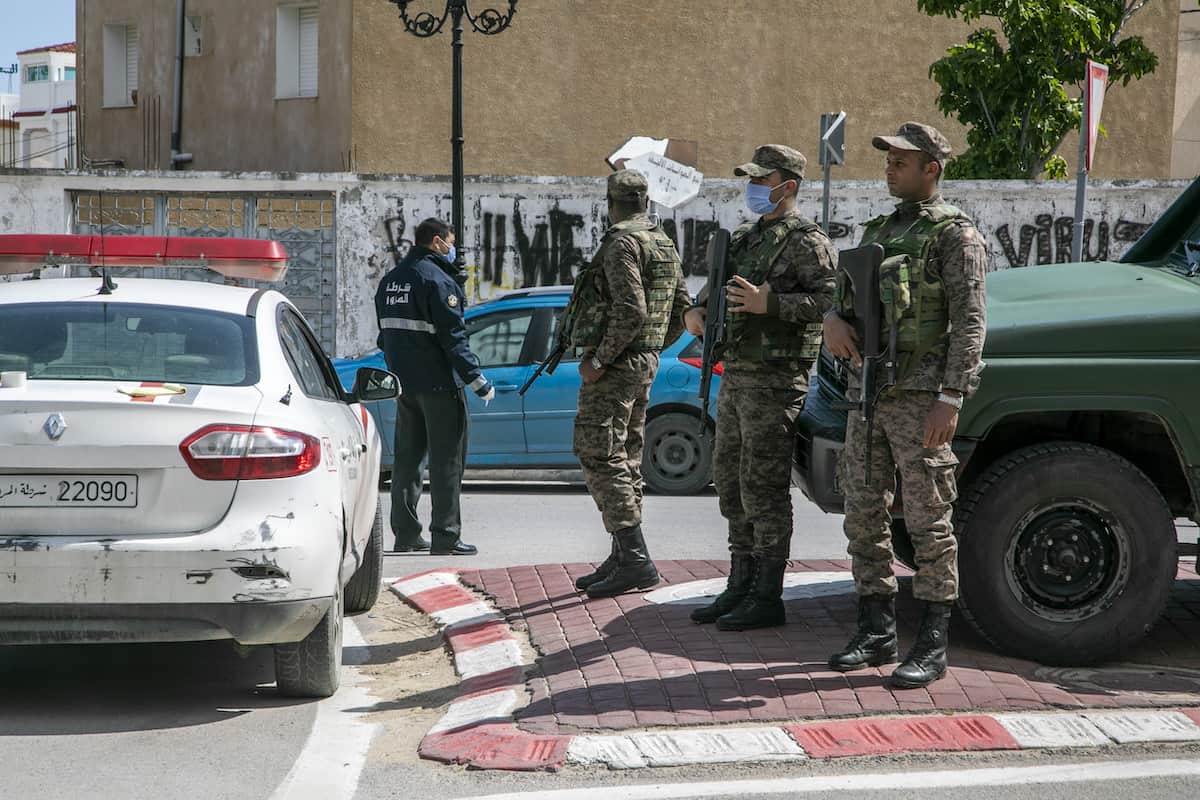
Interior Ministry Spokesperson Khaled Hayouni said an additional 197 offenders have been taken into custody for failing to respect the country’s lockdown and a staggering 13,682 driving licenses have been revoked as part of enforcement efforts. 

A nationwide curfew was implemented in the North African country on March 18. Tunisia has recorded 362 novel coronavirus cases, including nine deaths, to date. 

The European Union (EU) announced on March 28 that it would provide its north African neighbors, Tunisia and Morocco, with emergency funding to counter the coronavirus threat. 

EU Ambassador to Tunis Patrice Bergamini said Tunisia is slated to receive €250 million in budgetary support to fight COVID-19 and the associated socio-economic challenges. 

Bergamini also said the EU would increase funding for the “Essaha Aziza” health program, currently operating in 60 governorates, from €20 to €60 million.  

Morocco will receive a total of €450 million from the EU. Of that sum, €150 million will be directly channeled into King Mohammed VI’s Special Fund for the Management and Response to COVID-19. 

“In addition, the [European] Commission will use all possible flexibility to redirect €300 million of the funds allocated to Morocco towards the response to the pandemic by accelerating their mobilisation to meet the country’s exceptional budgetary needs,” an EU press release said. 

EU Sends Medical Support to Iran, Tests Circumvention of US Sanctions
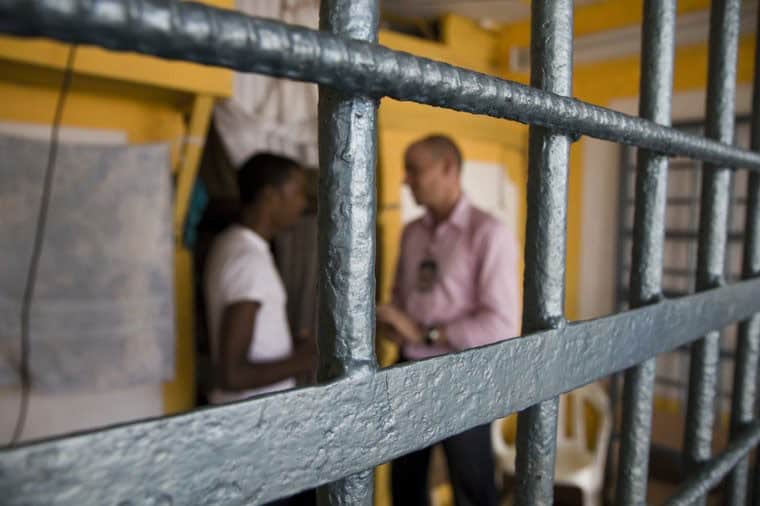
With Iran’s COVID-19 outbreak spiraling out of control, many countries are urging the US to temporarily lift sanctions and allow much-needed medical supplies to enter the hard-hit nation. The EU, China, and other foreign powers have asked the Trump administration to provide a moment of relief to Iran by temporarily lifting the economic sanctions that target Iran’s economy and trade.

The sanctions do not explicitly block medical supplies, but they complicate exchanges to such an extent that most businesses avoid trade with Iran entirely. Under normal circumstances these sanctions are performing as intended, but with Iran in the grip of its COVID-19 epidemic, many world leaders have asked for a show of mercy.

Instead, the United States seems to treat the novel coronavirus pandemic as a foreign policy opportunity. The US has tightened sanctions on Iran and other strategic foes. The US theory of change predicts that once the Iranian people reach a breaking point, they will hold their own government accountable, overthrow the regime, and replace it with a US-aligned government. The US government has been trying these methods for over half a century, but no sanctioned country has seen this theory come to fruition.

Many doubt this strategy’s efficacy, including leaders who have faced economic sanctions themselves. F.W. de Klerk, former president of apartheid South Africa, commented on the decision to implement economic sanctions: “It halted economic growth, but it hurt the black population much more than the white population. It didn’t help those who it was intended to help, it actually harmed them more than it harmed the intended victims of the sanctions.” Similar effects are occurring in Iran where the poor, and now the COVID-19 infected, are suffering most from the policies.

The novel coronavirus has transitioned from foreign policy opportunity to national emergency in the US: the country’s infection rate is increasing rapidly, and theTrump administration estimates the death toll at 100,000 to 200,000. According to official numbers, New York state alone currently has more confirmed cases than all of Iran. It is Iran’s unreported cases that worry global policy-makers.

Many European nations are withdrawing their military forces from Iraq and Afghanistan, where military bases encircle Iran’s borders. They fear the virus could spread outside of Iran’s porous borders. The US military has instituted travel restrictions on troop movement in the Middle East and is quarantining its returning soldiers in recognition of the threat.

To assist Iran’s struggle with its COVID-19 outbreak without breaching US sanctions, the European Union has a unique idea. Following the collapse of US participation in the agreement intended to limit Iranian nuclear ambitions, the EU set up the Instrument in Support of Trade Exchanges (INSTEX) trade mechanism. INSTEX promotes the exchange of Iranian oil for European products, constituting part of the mechanism’s incentives provided to Iran.

The mechanism never succeeded in providing enough trade to offset newly implemented US sanctions, but the EU now envisions a re-purposing of the mechanism. France, Germany, and the United Kingdom, which is still officially part of the EU, have now sent medical supplies to Iran through INSTEX.

Prior to the COVID-19 pandemic, in November 2019, Belgium, Denmark, Finland, the Netherlands, and Sweden indicated they would join France, Germany, and the UK as members of the INSTEX mechanism. Membership in the mechanism was seen as a contentious issue that could harm relations with the United States, but the evolving medical disaster in Iran could further increase participation.


Read also: Europe Urges IMF to Support Iran and Venezuela