35th Annual Women’s Economic Forum Wraps Up in Cairo

From March 4 to 9, female business leaders from around the globe convened in Cairo to participate in workshops on employment, international trade, technology, and finance at the Annual Women’s Economic Forum.

“The organization of the event, despite all obstacles and challenges taking place worldwide, has proven that women are able to do anything under any circumstances,” the Head of Egypt’s National Council for Women, Maya Morsi, remarked. 

Organizers said the decision to host the conference in the MENA region for a second time reflects women’s ascendance in the region’s business community.

“I have met some really exceptional women in Egypt,” the founder of the Women Economic Forum, Harbeen Arora, told ABC News. “We would like the world and our global community to learn about them.”

Women’s empowerment has advanced significantly in Egypt since the 2011 revolution, thanks to ambitious entrepreneurs and support from the government. The country aims to improve women’s economic participation from 22.9% to 40% by 2030. 

Entrepreneurship courses are now compulsory at Egyptian universities, and co-founder of online media company SuperMama and design start-up Coushies, Yasmine El-MeHairy, said it has made a huge difference in the country’s business environment.

“Back when I started [in 2011], we were paving the way for others,” El-MeHairy said. “I look around now and I’m surrounded by mentors and mentorship groups.”

Egyptian Minister of Environment Yasmine Fouad told conference-goers that women play a vital role in “preserving and protecting the environment, especially in rural areas.” 

She also used the opportunity to praise Egypt’s female lawmakers and President Abdel Fattah El Sisi’s support of women’s empowerment and gender equality initiatives.

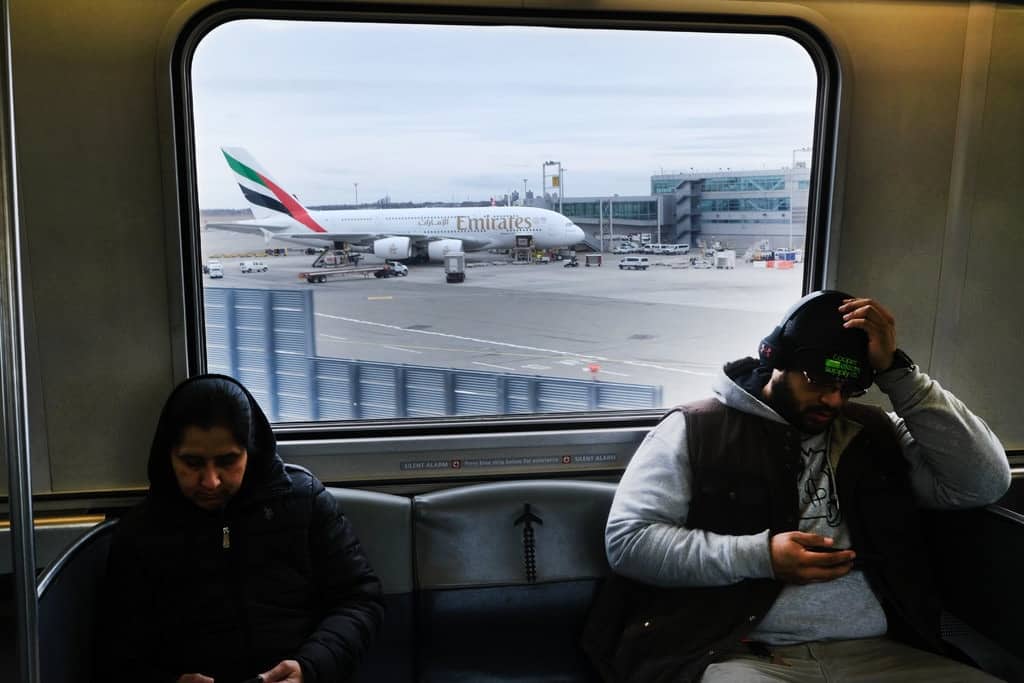
Why It’s Too Early to Reconsider Your Travel Plans

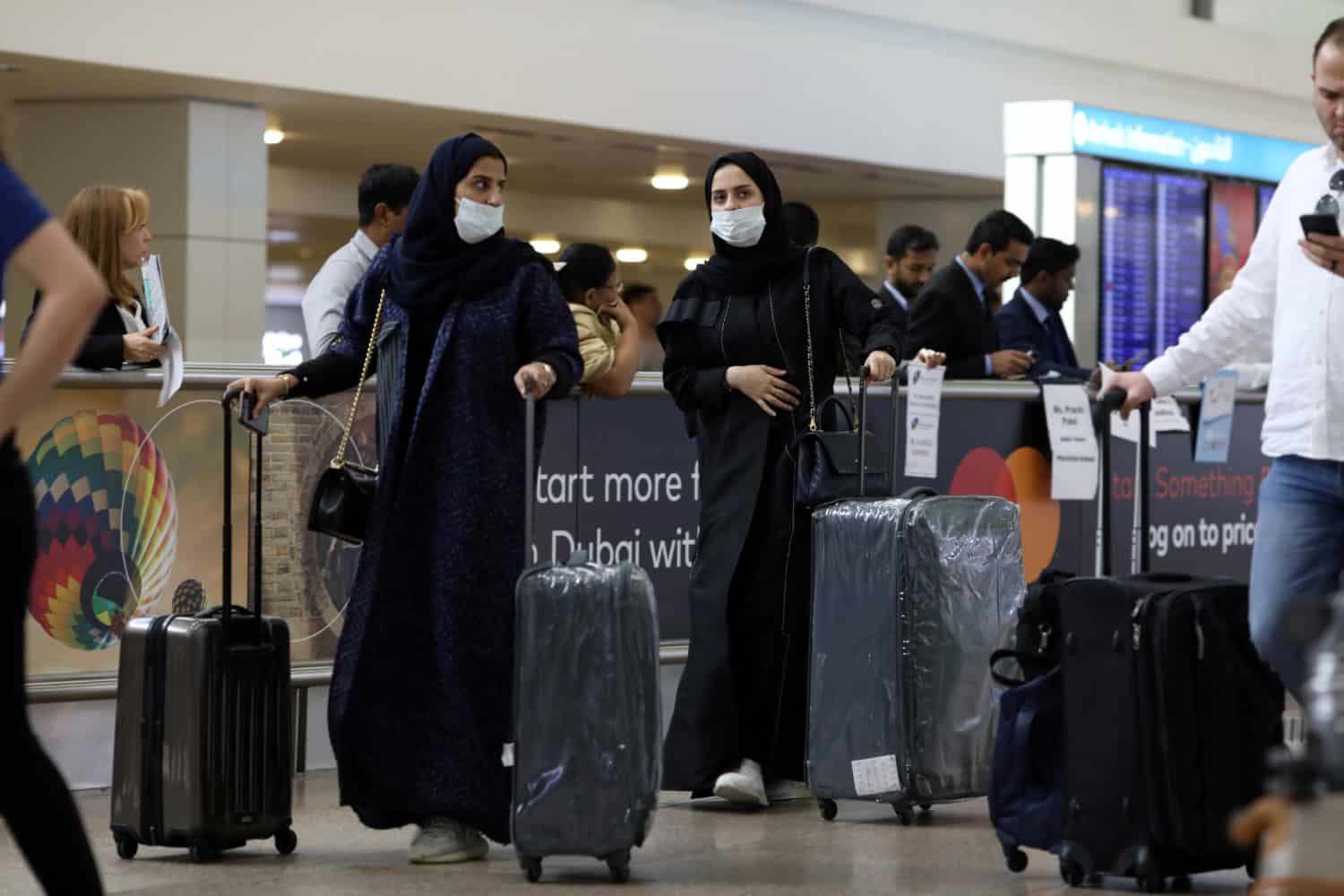
Countries around the globe may be canceling events, banning flights, and telling citizens to stay put as the COVID-19 epidemic spreads, but in adversity, there is an opportunity for those prepared to take calculated risks. 

The world’s reaction to the outbreak has ranged from the extreme to the absurd. 

On one hand, the United Arab Emirates has advised residents to stop traveling, and Saudi Arabia has temporarily suspended pilgrims’ entry for Umrah or visiting the Prophet’s Mosque.

On the other hand, Australia is experiencing a toilet paper shortage caused by nonsensical panic-buying, and religious zealots in Iran are facing prison for licking a shrine to prove they are not scared of the virus.

The hysteria is, however, not completely unfounded. The latest information from the World Health Organization says that although the COVID-19 infection is generally mild, “it can cause serious illness” and “about 1 in every 5 people who catch it need hospital care.” 

With that in mind, the International Air Transport Association (IATA) is trying to reassure travelers that it is still safe to fly. The global industry body yesterday revised estimated revenue losses, saying the industry stands to lose between $63 and $113 billion over the COVID-19 outbreak. 

After crisis discussions in Singapore, air transport stakeholders are encouraging potential customers to keep flying, insisting that flight bans will not eradicate the disease or stop it from spreading.

“To date, there’s no real evidence of transmission from one passenger to another passenger … we know there are instances where people have flown and traveled even when already sick with a fever,” Dr. David Powell, IATA’s Medical Advisor, told the Australian Broadcasting Commission (ABC). 

Most infections worldwide have come from people being “up close and personal with people unwell at the time,” Powell noted, adding that an airplane environment may, in fact, be safer than others as “your average jet airliner has an air change rate that is 10 times” that of a normal room. 

Even if the public is convinced it is safe to travel, they still need to take into account the possibility that bans, restrictions, and ending up in quarantine could ruin their trip, according to aviation expert Dr. David Yu. 

“It’s visa restrictions, immigration restrictions that are really stunting a lot of it,” he told Australia’s ABC News.

“For example, I’m based in Shanghai. If I go to Korea, for example, I might not be able to come back or I would have to go into quarantine.”

So what if you have considered the health implications, travel restrictions, and still want to fly? The good news is you can snap up some amazing deals. For example, a business class flight from Amsterdam to Denpasar, Indonesia, dropped from $2,596 to just $1,786 today. 

Turkish Airlines has slashed prices on a number of routes connecting the Middle East, Asia, and Europe. The airline has also taken the unusual measure of applying a zero change fee on international flights. The offer applies to “tickets booked and purchased between March 6 and March 24, 2020” and is “valid on flights operated by Turkish Airlines until the end of 2020.”

Emirates and Royal Air Maroc are also offering zero change fees for the time being, and other regional carriers like Etihad Airways and Qatar Airways have reduced prices to entice travelers back on board. 

The move is aimed at reassuring travelers and providing them flexibility as the COVID-19 situation rapidly develops. It also provides peace of mind for travelers whose insurance does not cover cancellations made because of epidemics.

Reports are also emerging that carriers are running half or completely empty flights to maintain their slots at British airports. Airlines must use 80% of their slots or face losing them altogether, leading to industry heads like the Chief Executive of Airlines UK, Tim Aldersdale, to call for the rules to be relaxed. 

“It makes no sense whatsoever under these unique and challenging circumstances to force airlines to fly empty aircraft, wasting money and fuel and creating carbon emissions. We urgently need a temporary suspension of the rule – as happened during the financial crisis – to allow airlines to respond to demand and use their aircraft efficiently,” Aldersdale insisted in an official statement.

CEO of Virgin Atlantic, Shai Weiss, concurred. 

“The UK slot coordinator and the European Commission need to urgently relax the rules for the whole Summer,” he said, in light of the “unprecedented impact on global passenger demand” caused by the virus. 

There are many more great travel savings to be had as the novel coronavirus outbreak shows no signs of abating. For most people, the chance of contracting and being severely affected by COVID-19 is slim.  

So, if you are already working from home because of the virus, and you are young and healthy, why not jump on a cheap—and probably empty—flight to someplace nice?


 

Read also: UAE Tells Public not to Travel Overseas as Novel Coronavirus Outbreak Intensifies

Rift between Ethiopia-Sudan, and Egypt Grows on Grand Ethiopian Renaissance Dam

The resolution on the Grand Ethiopia Renaissance Dam (GERD), issued after the conclusion of the council’s 153rd session in Cairo on March 4, supports the rights of downstream countries, Egypt and Sudan to maintain water security and rights to their shares of Nile River water. 

According to Ahram Online the resolution also stressed that “Egypt and Sudan’s water security is part and parcel of Arab National security.”

The mega-dam located on the Ethiopia-Sudan border promises to bring electricity and greater economic opportunities to Ethiopia, but could potentially threaten Egypt and Sudan’s water and food security.

Sudan apparently expressed its reservations when a draft version of the resolution was introduced to the parliament by Egypt on Wednesday, sources told MENA news agency. 

“Despite support from all Arab states for the draft resolution, the Sudanese side did not show any enthusiasm, but rather requested that Sudan’s name not be included in the resolution,” the sources said.

Sudan was the only country out of 22 Arab League members that declined to sign the final resolution, arguing it is not in the country’s national interest and due to concerns it could lead to an Arab-Ethiopian confrontation, MENA news reported. 

The Arab League resolution adds to tensions, primarily between Ethiopia and Egypt, that have grown significantly since, Egypt became the first country to sign the agreement on filling and operation of the GERD, on February 29. 

It prompted Ethiopia’s Foreign Ministry to issue a statement saying it “rejects the ‘Resolution’ in its entirety.” It also praised Sudan for, once again, demonstrating its position as “a voice of reason and justice” on the issue. 

The statement issued on Thursday said, “This ‘Resolution’ gives blind support to a member state without taking into consideration key facts at the center of the GERD talks. Ethiopia, however, commends the stance taken by the Government of the Republic of the Sudan for refusing to endorse the ‘Resolution’ of the Arab League.”

Ethiopia also reiterated its position on the issue, stating it “has the right to use its Nile water resources to meet the needs of the present and future generations,” and is committed to “equitable and reasonable use, not causing significant harm and that of cooperation.”

Ethiopia, Egypt, and Sudan have been in negotiations over the filing and operation of the GERD for 10 years. There are fears the dam, located on the Ethiopia-Sudan border, will give Ethiopia control over the river which supplies 90 percent of Egypt’s water. Approximately 85 percent of the Nile’s water originates in Ethiopia. 

Ethiopia pulled out of tripartite negotiations over the filling and operation of the GERD organised by the US Treasury Department in Washington at the end of February, claiming it required more time to consider the draft agreement. 

Meanwhile, the Addis Standard reported on Thursday that Ethiopia had taken the extraordinary step of recalling eight ambassadors, including the ambassadors to Cairo (Egypt) and Khartoum (Sudan). The rationale behind the mass recall is unclear, but, the timing is curious given the deterioration in GERD talks. 

In light of recent developments, it remains to be seen if, and when GERD negotiations will be revived. The US managed to bring all parties back to the negotiating table last year, but in light of recent criticism from Ethiopia, who labelled its role in negotiations “undiplomatic,” it doesn’t appear to be in a good position to mediate talks. 

 Turkey-Russia Uphold Ceasefire in Syria, So Far

Since early 2016, five attempts at a ceasefire have failed in Syria. Yet, this morning all was quiet in Idlib province according to the Syrian Observatory for Human Rights. 

For most of 2020, increasingly brutal fighting in Syria’s Northeastern Idlib province between Turkish troops and its proxies fighting Russian-backed Syrian regime forces appeared to bring Russia and Turkey ever closer towards direct conflict.

As Turkey is a member of NATO such a conflict could quickly spiral out of control, with consequences reaching far outside of Syria, especially as both president’s appear to use foreign policy posturing as a means to shore up support with their own population.

It took a six-hour meeting, for Turkish president Recep Tayyip Erdogan and Vladimir Putin, president of the Russian federation, to settle on a ceasefire starting at midnight.

Yet, many of the issues endangering the current absence of violence were not resolved by the meeting. Syrian forces remain entrenched around Turkish military installations and no concrete agreement was reached to protect the local population and displaced Syrians attempting to make their way to Turkey and beyond.

Continue reading ” Turkey-Russia Uphold Ceasefire in Syria, So Far”

As Diplomats Talk, Tripoli Airport Faces Attack

After the abrupt resignation of the UN envoy for Libya, the opportunity for a diplomatic resolution in Libya appears to be faltering. In the wake of the initial jubilation over the fall of Muammar al-Gaddafi, the conflict in Libya has continued to spiral out of control. Tribal loyalties now outweigh any semblance of national identity and the UN-backed government is struggling to maintain any form of power.

The country is torn between local and tribal interests which, in turn, conflict with the interests of the foreign powers backing each side. The nation is now largely controlled by Khalifa Haftar, the Libyan-American leader of the main opposition to the UN-backed government in Tripoli.

For months, forces loyal to Haftar have attempted to besiege Tripoli, the last stronghold of the UN-backed ‘Government of National Accord.’ Both sides in the conflict have been accused of using a variety of questionable mercenaries, militias and religious fanatics. Because of the use of these irregular forces, who are armed through each sides’ international backers, fighting in Libya remains chaotic and decentralized with little regard for International Humanitarian Law.

Surprising news of an ‘alliance’ between Haftar aligned forces and Al-Assad’s Syrian regime, followed a recent escalation in Turkey’s support for the UN-backed Tripoli government. 

As always, Libya’s civilians are the ones suffering the most. Peter Maurer, president of the International Committee Red Cross (ICRC) described the situation aptly:

“The combination of economic collapse and protracted conflict is making it difficult for people to acquire even the most basic items and services, like health care, clean water and education.

People’s savings and other resources are dwindling. The most vulnerable among them are those households who have lost a breadwinner.”

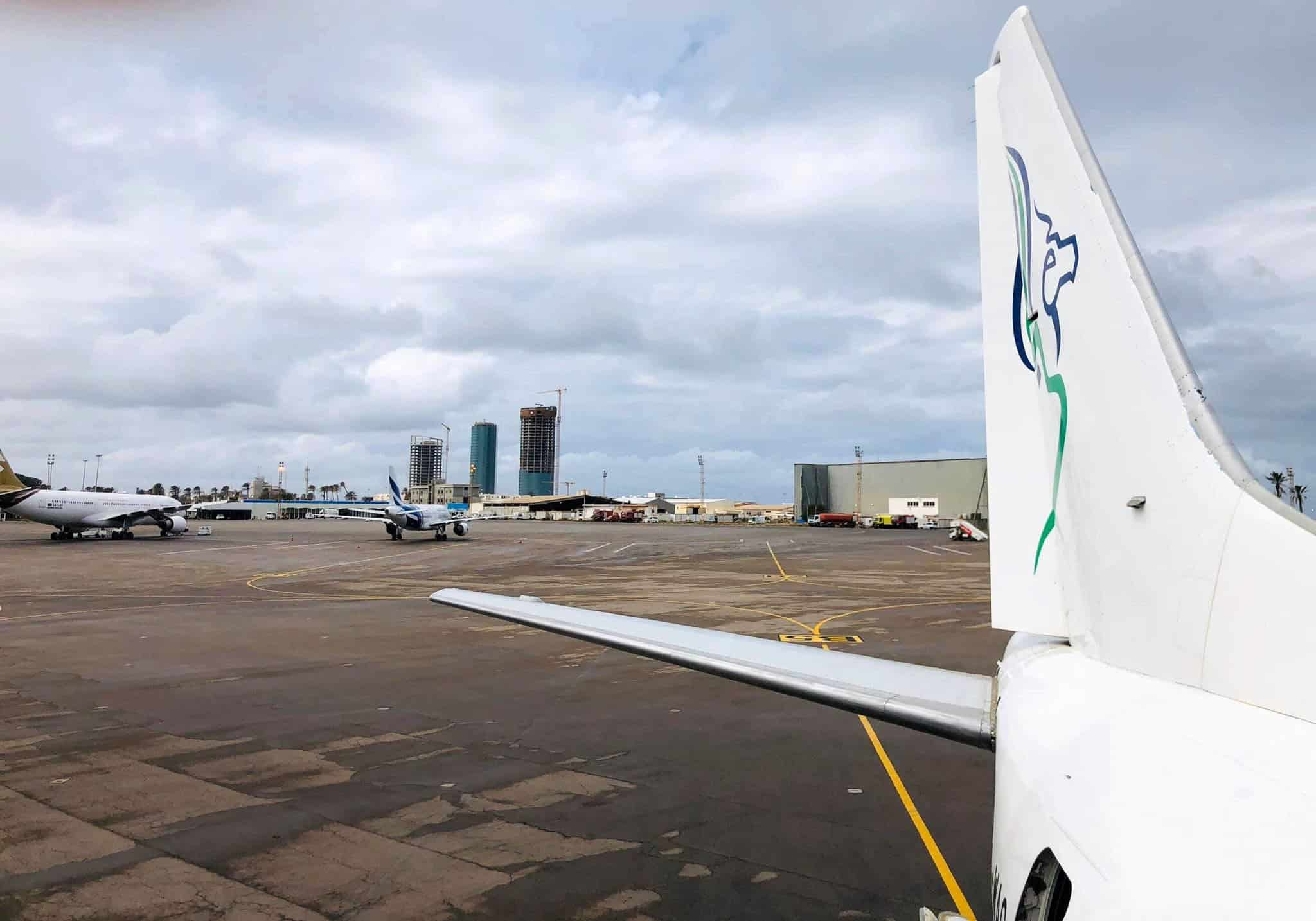
As political talks between the two warring factions in Syria continued, missiles once again hit Tripoli’s only functioning civilian airport. All flights have been grounded and the airport has been evacuated; The airport and surrounding neighborhoods were damaged by missile fire for the second time in a week. 

Shelling of the airport has occurred sporadically over the last months, forcing flights to be diverted to Misrata, 200 kilometers east of the capital.

Both internal and international diplomacy seem to only entrench the warring parties further: A diplomatic solution to the conflict appears less likely than ever. 

Read also: Libya Crisis: Looking for Peace in Any Old Place

Chaos in Kabul After Gunmen Open Fire at Memorial for Second Year in a Row

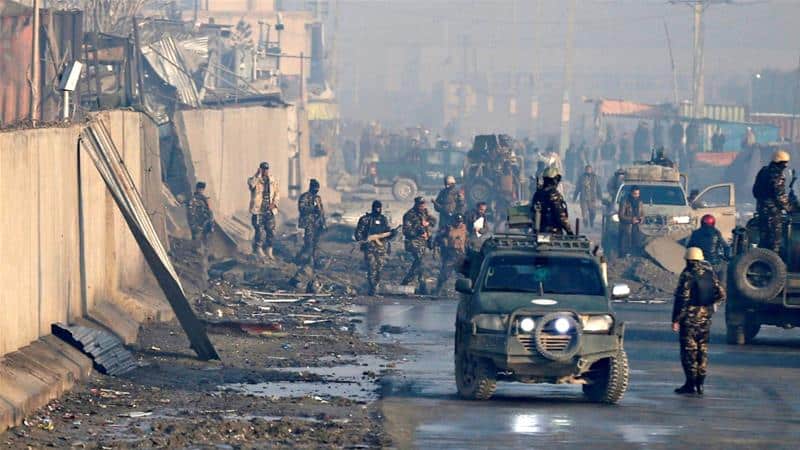
On Friday, Kabul was rocked by a violent attack on the 25-year anniversary of the death of ethnic minority leader Abdul Ali Mazari.

The event was attended by several government officials and politicians, including former Afghan president Hamid Karzai and former presidential candidate Abdullah Abdullah. Gunmen stormed the event during the speeches.

The scale of today’s tragedy is still unclear. Afghanistan’s Pajhwok Press Agency reports 18 injuries, while the BBC and Al Jazeera are reporting 27 casualties and 29 wounded.

The attack marks a return to violence on the streets of Kabul, the first major attack since the recent deal between the United States and the Taliban. Although the ceremony memorialized a Shia minority leader who was killed in 1995 by the Taliban, it is unclear who is responsible for the attack.

The Taliban had agreed to a week-long “reduction of violence” as part of the recent deal with the U.S. The temporary truce ended when three people were killed, and 11 injured, in Eastern Afghanistan earlier this week. Although the Taliban has committed to not attack ‘foreign’ forces, the conflict with the Kabul government continues unabated.

The Taliban released a statement shortly after the attack, denying their involvement.

Last year, the same memorial was attacked by an ISIS-affiliated group, raising speculation that Friday’s attack was motivated by resentment toward the ethnic Hazara minority, who are primarily Shia.

On Monday the Guardian reported that Mark Milley, the chairman of the joint chiefs of staff in Afghanistan, warned that violence would not be “going to go to zero,”especially as “the Taliban is not a monolithic group.”

NATO representative Ambassador Kay published a statement condemning the attack: 

“I condemn today’s attack on the #AbdulAliMazari commemoration in #Kabul leaving many dead & injured. My thoughts are with the victims’ families, wishing speedy recovery to the wounded. We will continue to support the ANDSF in the fight against terrorism.”

The attack further underscores the difficult road towards peace in Afghanistan. The United States and the Taliban have made agreements that differ from agreements with the Kabul government, and little progress appears possible as violence continues to flare up.

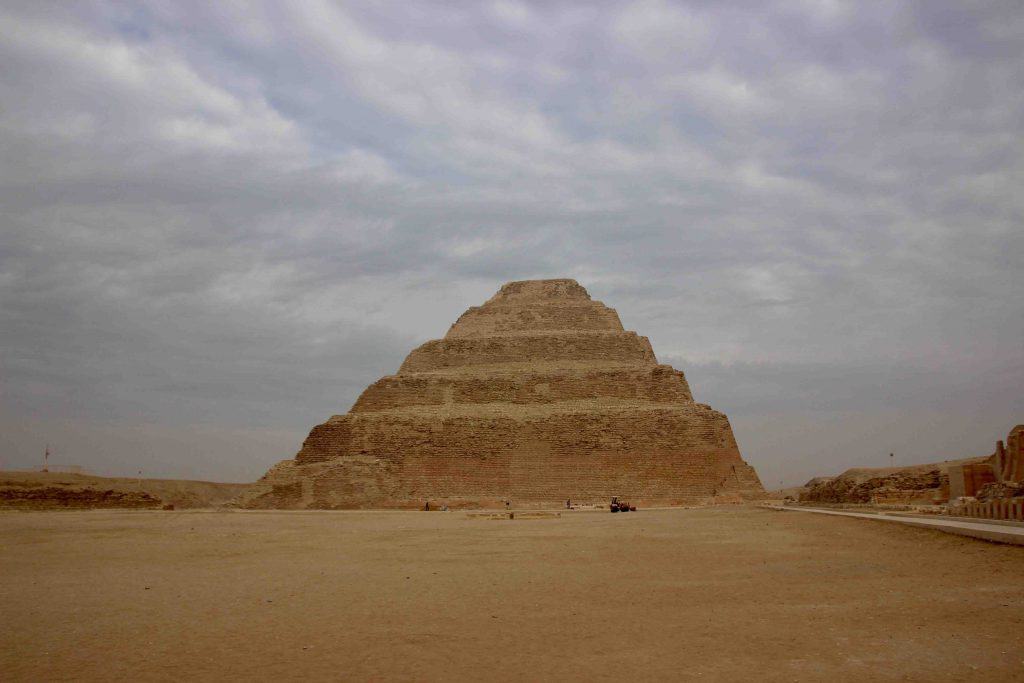
Egypt’s 4700-year-old Step Pyramid Reopens to Public

Egypt’s Prime Minister Moustafa Madbouli, accompanied by the Minister for Tourism and Antiquities Khaled el Anani, inaugurated the ancient necropolis in front of a group of foreign diplomats and international press on Thursday. 

The Tourism and Antiquities Minister told reporters the building had been “in real danger” in 2003 and has cost the country 104 million Egyptian pounds (roughly $6.6 million) to restore. 

Egypt’s 4700-year-old Step Pyramid Reopens to Public
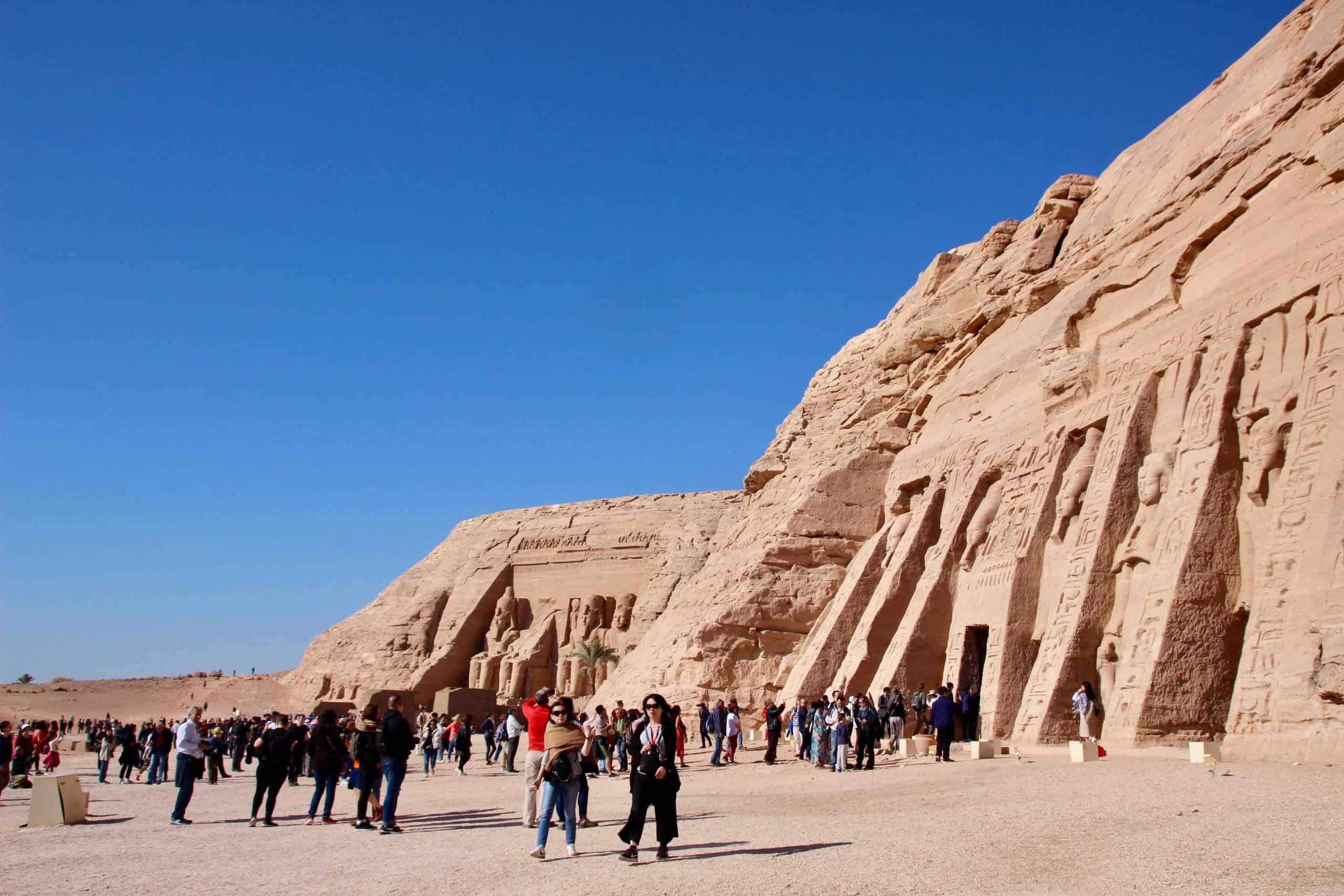
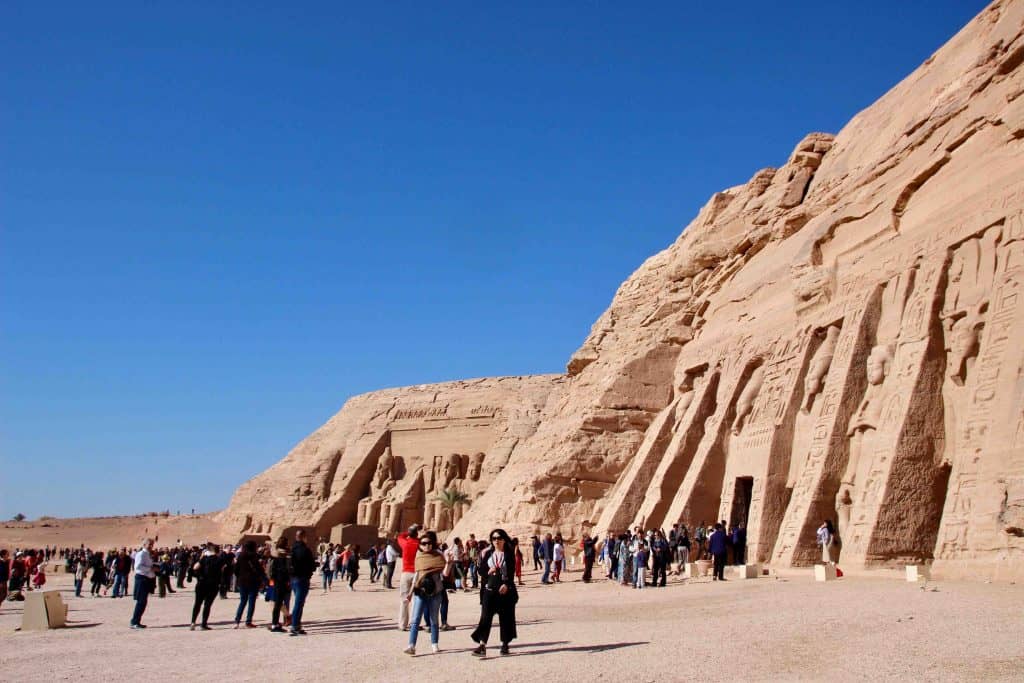
The ancient Nubian Temple of Abu Simbel was relocated by Egyptian authorities and an international team, piece-by-piece to prevent it being flooded by the construction of the Aswan High Dam

“The restoration project started at the end of 2006 but slowed down after 2011. Real work was only resumed at the end of 2015, and here we are,” said El Anani, referring to the political, economic, and security challenges Egypt has faced over the last decade. 

For the first time, tourists can enter the pyramid by the southern entrance and view the burial chamber and sarcophagus of Third Dynasty Pharaoh Djoser, who commissioned the necropolis in the 27th century.  Djoser’s grand vizier, Imhotep, built the pyramid, considered the architectural precursor to the Great Pyramids of Giza. 

The pyramid is considered the oldest stone structure of its size in the world but had started to crumble after being badly damaged in the 1992, when a  5.8 magnitude earthquake shook Egypt.

Egypt’s 4700-year-old Step Pyramid Reopens to Public
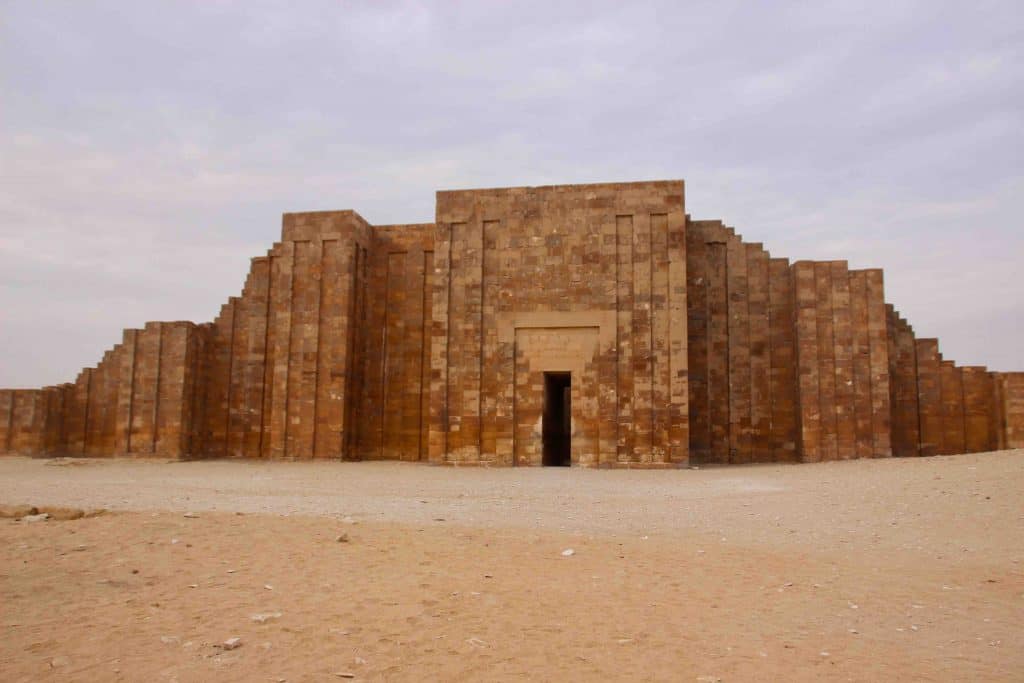
Entrance to the Saqqara necropolis complex

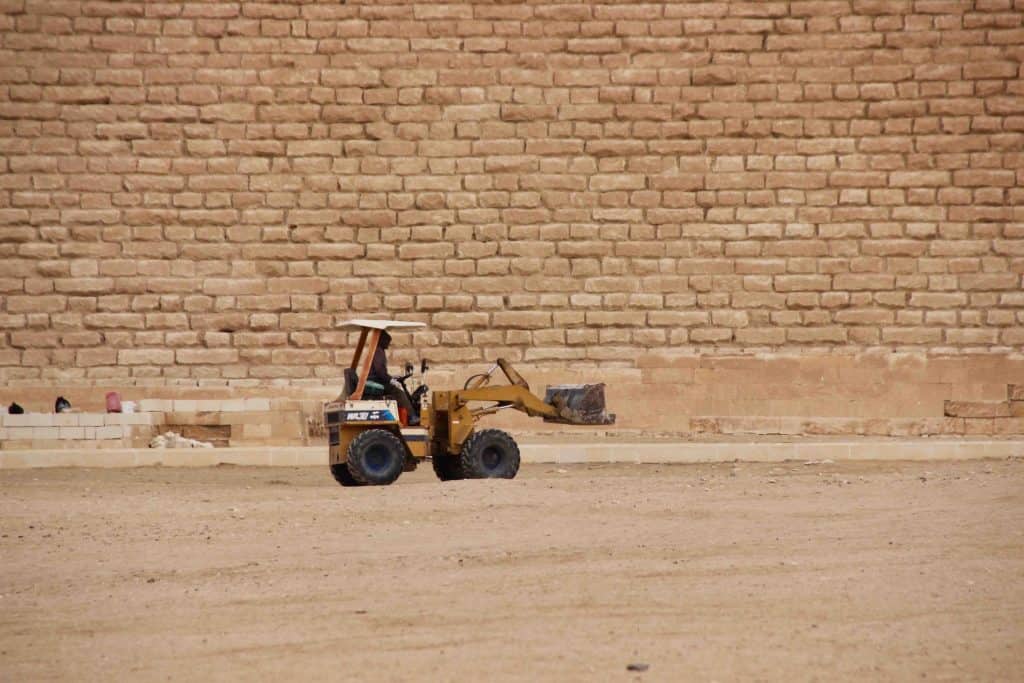
The restoration project included the painstaking removal of rubble by hand, installation of steel beams to secure walls, and the injection of new mortar as well as reinforcing materials to conserve its structural integrity.  

The Step Pyramid and necropolis complex are part of an open-air museum located at Saqqara, around 30 km from Egypt. 

Egypt’s 4700-year-old Step Pyramid Reopens to Public
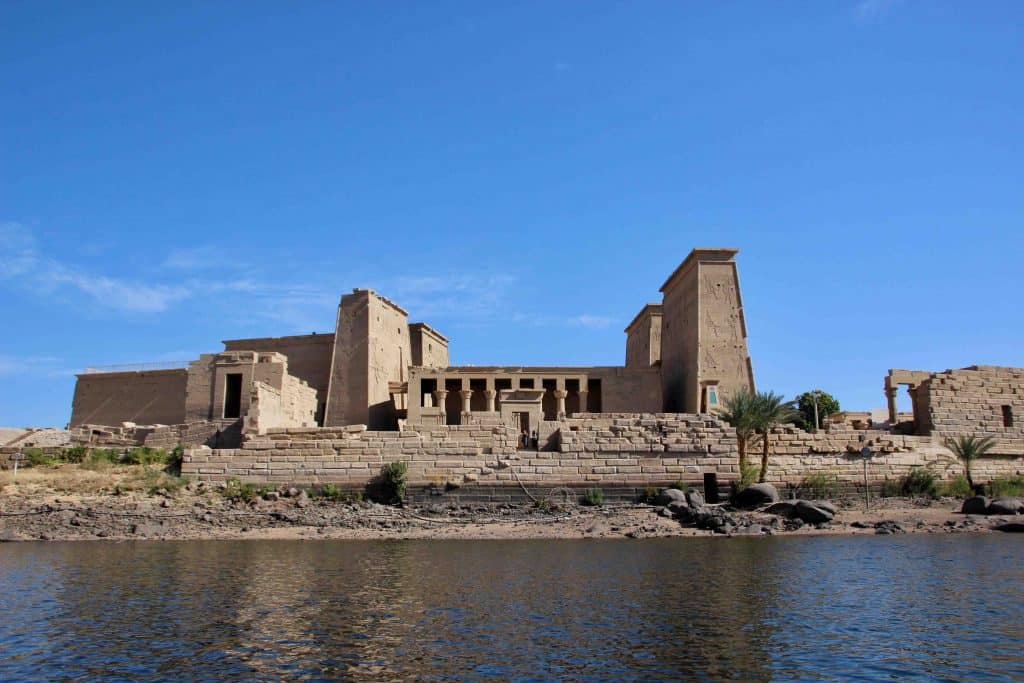
Philae Temple, was flooded by the old Aswan Dam. It remerged when the High Awan Dam was built and moved to a new island in the Nile, so it could be preserved and accessed by the public once again.

The restoration of ancient monuments is a never-ending project and cost for Egypt’s government but is also essential for the nation’s tourism industry and preservation of its unique archeological heritage. Many projects would not be possible without the assistance of the international community, such as the relocation of Abu Simbel or restoration of the Philae Temple. 

Egypt’s 4700-year-old Step Pyramid Reopens to Public
The ancient Nubian Temple of Abu Simbel was relocated by Egyptian authorities and an international team, piece-by-piece to prevent it being flooded by the construction of the Aswan High Dam
Egypt’s 4700-year-old Step Pyramid Reopens to Public
Philae Temple was flooded by the old Aswan Dam. It remerged when the High Awan Dam was built and moved to a new island in the Nile, so it could be preserved and accessed by the public once again.

The country’s tourism sector and economy have been badly affected by the 2011 Arab Spring revolution and terrorist attacks such as the 2015 downing of a Russian flight from Sharm El Sheik by Islamic State that killed 224 people. 

The completion of the Step Pyramid preservation project and the imminent opening of the new Grand Egyptian Museum (GEM) suggest, however, things are looking up for Egypt’s embattled tourism industry. 

Many Western countries like Australia still advise their citizens to reconsider travel to Egypt and to exercise a high degree of caution when visiting, but tour operators say people are starting to return anyway. 

The UK gave Egypt an important vote of confidence when it  lifted its 2015 ban on flights to Sharm el Sheik in October 2019. The resumption of flights has provided a small but welcome boost to the Red Sea economy built on the base of all-inclusive resorts and scuba diving. 

The new Grand Egyptian Museum (GEM) located not far from the Great Pyramids at Giza, is now 94.5% complete and, after years of delays, is scheduled to open in the final quarter of 2020, according to a January report by Conde Naste Traveller

The $1 billion state-of-the-art facility will be the world’s largest archeological museum and far better equipped to display and preserve Egypt’s many treasures than the archaic Egyptian Museum in Tahrir Square. 

Egypt’s 4700-year-old Step Pyramid Reopens to Public
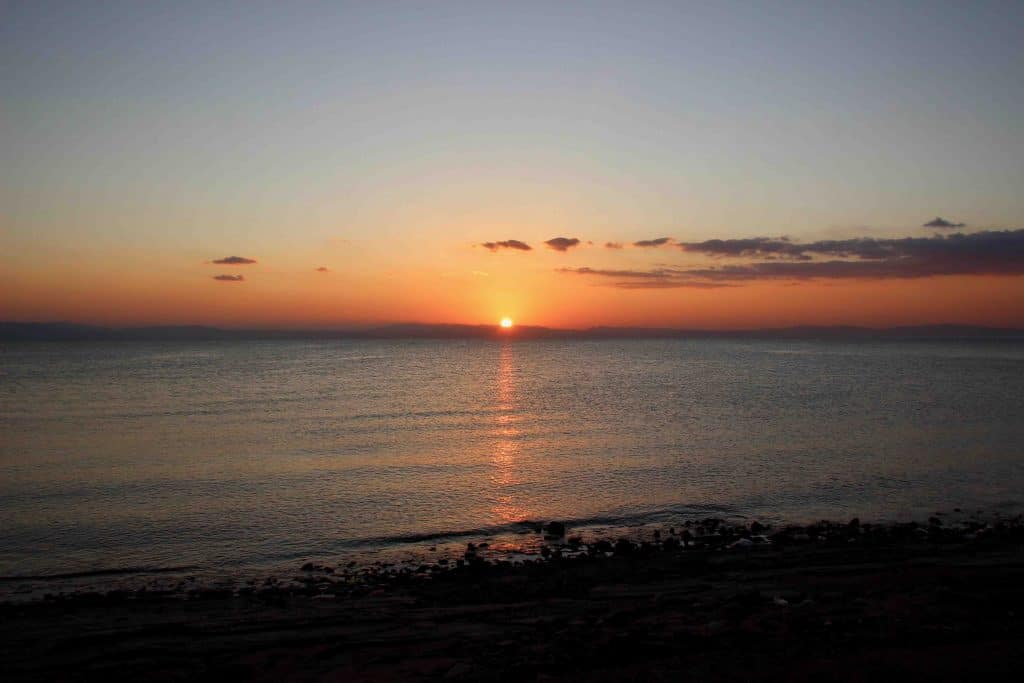
Sunrise over the Red Sea at Dahab on Egypt’s Sinai Peninsula.

Two Suicide Attackers Blow Themselves Up Near US Embassy in Tunis

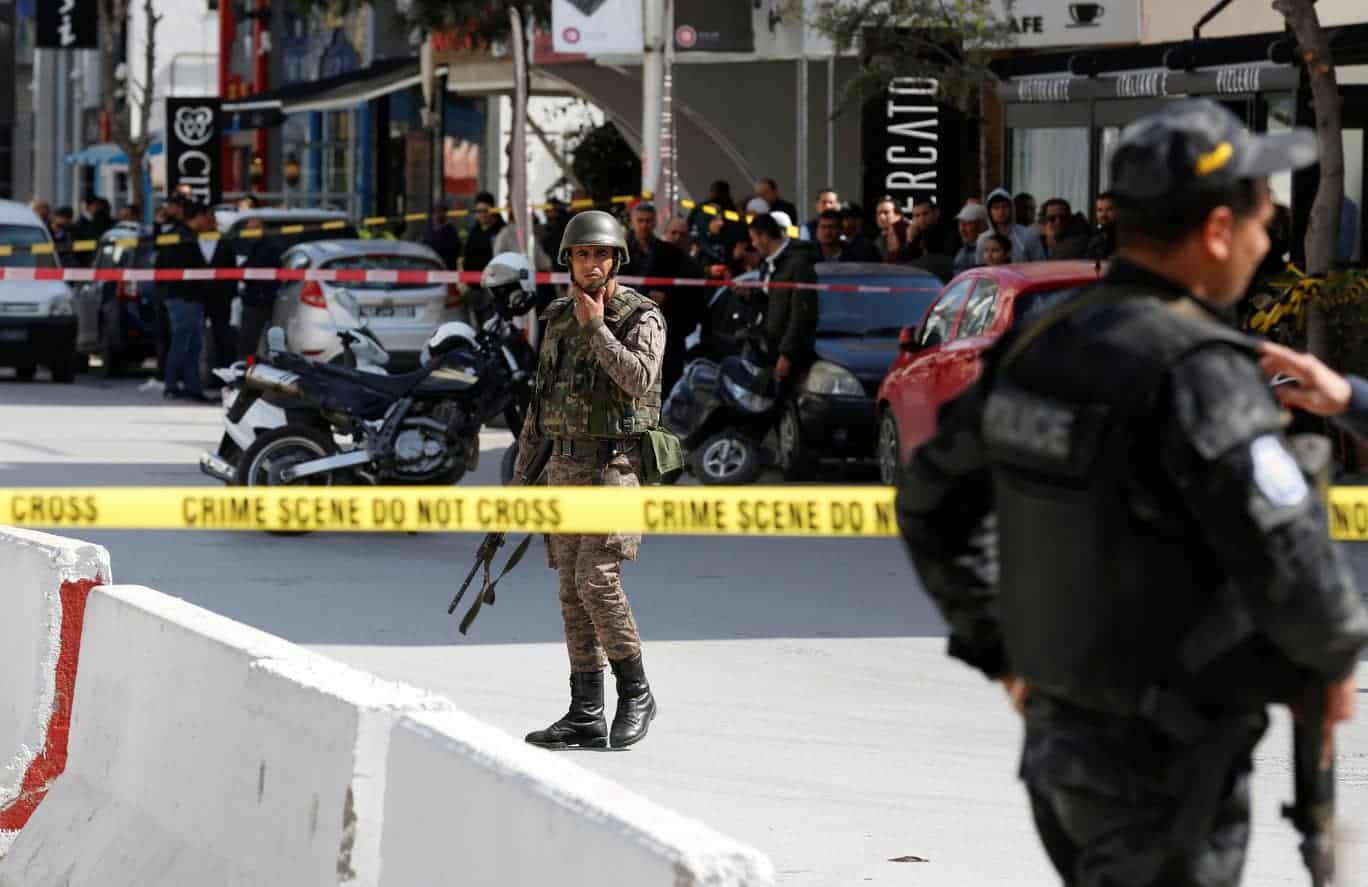
Two men on a moped detonated a bomb at the security checkpoint near the US embassy in Tunis on Friday at 11 am. No deaths were reported at the time of the suicide attack.

Tunisia’s Ministry of Interior said in a statement that the two suicide bombers targetted a police patrol opposite the embassy, injuring five police officers and one female civilian.

Emergency personnel are responding to an explosion that occurred near the U.S. Embassy in Tunis. Please avoid the area and monitor local media for updates,” the U.S. Embassy said in a statement on Facebook. 

The Embassy said on Twitter that Emergency units have been deployed to respond to the bombing, advising citizens not to approach the area.

“Emergency personnel are responding to an explosion that occurred near the U.S. Embassy in Tunis.  Please avoid the area and monitor local media for updates.”

The statement added that a ministerial council is being held at the Carthage Palace to follow-up on the terrorist attack.

Photos and videos posted on social media show civilians running from the scene

After mass deployment of police officers, the area was cordoned off as a safety measure.

The U.S. embassy in Tunis is located in the Berges du Lac district, the district hosts a number of international embassies.

Citing the ministry of interior, state-run agency TAP, later reported that one of the injured policemen succumbed to his wounds.

The victim, second Lieutenant Taoufik Mohamed Missaoui, was a member of the internal security forces, the Interior Ministry said in a press release. 

TAP added, citing a judicial source, that the Counter-Terrorism Judicial Division is now investigating the suicide attack to identify the perpetrators of the attack.

Coronavirus Impacting Business in the Middle-East

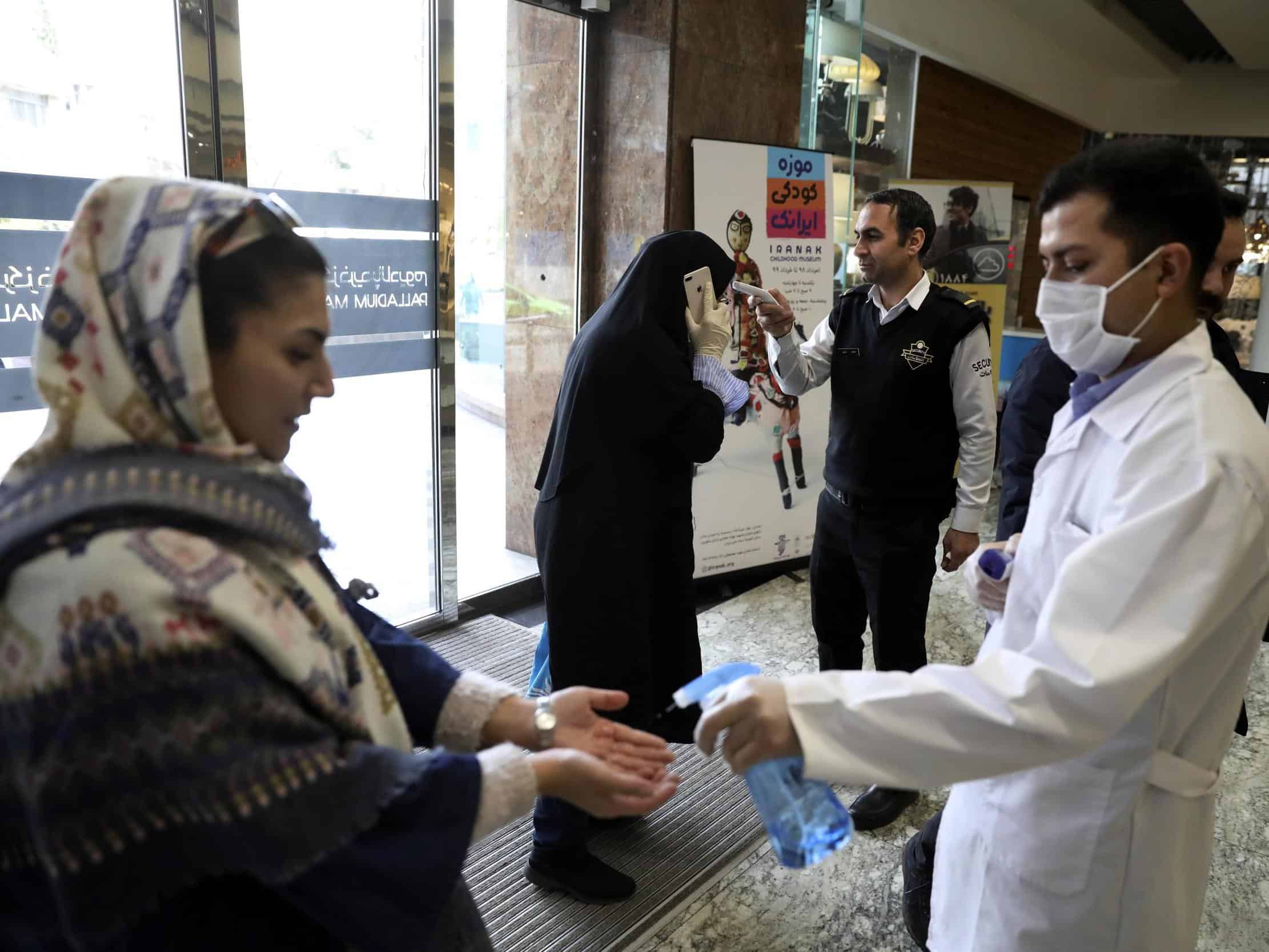
As the COVID-19 virus spreads across the globe, Middle-Eastern schools are shutting their doors, airlines ask their staff to take time off and travel restrictions are put in place: business is feeling its effects. 

From a downturn in global oil prices and a reduction in tourism and pilgrimages, Middle-Eastern economies are feeling the economic havoc created by the virus.

Global markets

The economic impact of the COVID-19 virus can most clearly been seen in Asia where the virus originated. Closed factories and empty shopping malls are creating a perfect storm of economic misery for China, South Korea, and other impacted nations. This sudden reduction in economic activity results in reduced output which, in turn, reduces global demand for oil.

While Saudi-Arabia has been making significant efforts to diversify its economy away from fossil fuel production, all parts of the economy appear to be impacted. Riyadh is urging its fellow OPEC members to drastically reduce production levels but needs a deal with non-OPEC oil giant Russia. 

National economies

Fear of the virus and the resulting preventative measures are increasingly impacting the economy across the Middle-East. Canceled flights hurt airlines in the Gulf, while disruptions to global supply chains impact factories and mining in the region. 

Continue reading “Coronavirus Impacting Business in the Middle-East”

UAE Tells Public Not to Travel Overseas as Novel Coronavirus Outbreak Intensifies

The UAE’s Health Minister issued a statement today urging “citizens and residents to avoid traveling abroad due to the spread of COVID-19 in multiple countries.”

The call falls short of a complete travel ban, but the warning that those returning from overseas will be dealt with “at the discretion of competent authorities” may be enough to keep people at home. 

“Those who travel may face preventative measures upon their return to the UAE—at the discretion of competent authorities – including undergoing medical checks at the airport and a 14-day home quarantine,” the statement advised.

“Those who test positive will be transferred to a designated health facility for treatment and quarantine to ensure their safety and to avoid contact with others.”

AP News reports that a group of 215 foreigners, including Egyptian, Sudanese, and Yemeni nationals, evacuated from Hubei in China have already placed under quarantine in the Emirates Humanitarian City. 

The UAE has confirmed 27 cases of COVID-19 to date. Health and airport authorities were quick to implement thermal screening of passengers on selected flights including those originating in Thailand, Lebanon, Syria, and Italy. 

The UAE is a major global travel hub and home to Dubai Airport, the world’s busiest international passenger and freight airport. It’s also the home base of major international airlines Emirates and Etihad Airways. 

At present, UAE civil aviation and health authorities have suspended all scheduled flights between Dubai and Bahrain, Iran, and China, with the exception of flights to Beijing. 

Abu Dhabi’s flag carrier, Etihad, has also suspended flights to mainland China and Hong Kong, excluding Beijing routes. Both companies have reduced services on a number of routes and asked staff to take leave if possible. 

Worldwide airline profits for 2020 are predicted to take a big hit as the  COVID-19 outbreak affects travel. The global aviation industry body, the International Air Transport Association (IATA), revised its estimates up today and is now predicting revenue losses of between $63 billion and $113 billion for the passenger-carrying business alone.

Read also: 13 Countries Shut Down Schools Amid Coronavirus Outbreak, Affecting 290 Million Students