Against Warnings, Egypt Announces Intent to Build Strategic Food Reserve

Anticipating the start of the country’s wheat harvest, Egypt has announced its plans to “boost” its national food reserves in order to reassure its citizens. On March 30, Reuters reported that Egyptian president Abdel Fattah Al Sisi had ordered his government to increase the strategic reserves of staple goods.

The Egyptian government has purchased large amounts of vegetable oils and Russian and Romanian wheat to ensure the country is well-stocked ahead of Ramadan, which is set to begin near the end of April. 

As the harvest season starts, fears over protectionist measures to limit exports are creating consternation among global food supply chain experts.

The World Bank and the UN Food and Agriculture Organization (FAO) continue to release statements urging governments not to limit food exports, in order to keep international supply chains alive and well. The World Bank addressed G20 trade ministers who attended a video conference meeting on March 30. 

World Bank projections indicate that the global economy is in a deep recession that could influence global trade and supply chains.

In order to avoid the disruption of global food supplies, the World Bank urged for “continued international cooperation to maintain an open and rules-based trading system.” World Bank Managing Director of Development Policy and Partnerships Mari Pangestu said, “Going it alone is not an option. We will come out much stronger if we all work together with a clear focus on the future.”

Maximo Torero of the FAO has similarly sounded the alarm and emphasized collaboration: “We must and we will survive the coronavirus pandemic. But we must understand–now–the enormous damage that measures taken to combat it will inflict on our global food system.”

Food security as a global issue

The issue of food security extends to the degree that people are able to afford fresh food in developing countries, according to Arif Husain of the World Food Programme (WFP). Husain explained on the WFP website that “a slowdown in the economy can exacerbate existing food insecurity. It limits people’s ability to access nutritious food in different ways, including through reduced income or increased job insecurity.”

Both the FAO and World Bank are clear about measures to avoid global food shortages: Governments should avoid implementing export barriers in order to keep global supply chains functioning well. While tourism and travel industries have collapsed due to the outbreak, humans will always need food to eat. 

One country limiting its exports could reverberate through supply chains and endanger both its own and others’ ability to maintain the smooth operation of the global trade in food.

Decisions such as Sisi’s wheat and vegetable oil stockpiling in Egypt signal a worrying trend. If some countries take a protectionist stance others might follow suit. Shortages in certain types of food could become a reality. With emerging markets and developing countries at greatest risk, G20 trade ministers could provide an example to the world by maintaining or even expanding their food exports.

If more countries implement protectionist measures to limit food exports in the coming weeks, the COVID-19 crisis could evolve into a global food shortage.


Read also: Egypt: Medical Workers Receive Pay Rise, Central Bank Limits Transactions

Blindsided Airbnb Hosts to Receive $250 Million in Compensation

Airbnb CEO Brian Chesky told hosts the company has set aside $250 million to cover some of their lost revenue from COVID-19 booking cancelations, via a video livestream on March 30.

Chesky apologized for not being more consultative with his “partners” (hosts) and announced that, “we will pay $250 million to hosts to help cover the cost of COVID-19 cancellations.”

In practice, that means hosts stung by COVID-19-related cancelations, with check-in for dates between March 14 and May 31, will be eligible to receive 25% of what they would normally receive under their cancelation policy–covered entirely by Airbnb.

Airbnb also set up a $10 million Superhost Relief Fund, started off with a $1 million staff donation and a $9 million contribution from the digital disrupter’s founders. In addition, the company is working to make it easier for previous guests to send payments to help out hosts, and has lobbied the US government to include US hosts in the COVID-19 Stimulus Bill. 

When the World Health Organization (WHO) declared the novel coronavirus a pandemic, Airbnb responded by allowing guests to cancel reservations and receive a full refund for bookings made from March 14 to May 31. 

The refunds came directly from the hosts, not Airbnb, and the high volume of cancelations that ensued left hosts struggling out of pocket and feeling let down by the global online accommodation marketplace. 

In a message broadcast from his home, Chesky acknowledged that Airbnb had blindsided hosts when it granted the free cancelations without consulting them.

“I’m sorry that we communicated this decision to guests without consulting you—like partners should. We have heard from you and we know we could have been better partners,” said Chesky. 

The CEO went on to add, “when your business suffers, our business suffers. We know that right now many of you are struggling, and what you need are actions from us to help, not just words.”

Many who rely on Airbnb, like property management company owner William Fuller, were left with empty booking calendars and no money to pay mounting bills and mortgage payments.

“If Airbnb truly believed in this change of policy and wants to help out all the folks in the world, that is fine, but they need to do it with their money, not other people’s money,” Fuller told USA Today on March 16.

Independent hosts echoed Fuller’s concerns, and property management companies were upset by the way they felt Airbnb’s “extenuating circumstances” policy unfairly favoured guests. 

Airbnb, like other tourism and hospitality businesses hit hard by the COVID19 outbreak,  has been forced to implement a range of cost saving measures. They’ve pulled advertising, which is expected to save the company $800 million, while the company’s co-founders are forfeiting their salaries and executives have agreed to a 50% pay cut. 


US Intelligence Unaware of Foes’ COVID-19 Crises

Like many citizens, US intelligence agencies are very much interested in the development of the COVID-19 pandemic. As many Americans check World Health Organization (WHO) or Johns Hopkins data on a daily basis to stay informed on growing numbers, US spy agencies are more interested in the numbers that go unreported.

The US intelligence community is unaware of the scale of the pandemic in countries it sees as traditional enemies, according to five inside government sources, reports Reuters. China, Iran, North Korea, and Russia are all under surveillance by the well-funded US spy agencies. North Korea and Russia in particular have a tight control on outbreak information collected by national institutions, and are privately guarding that knowledge.

North Korea claims to have confirmed zero of the novel coronavirus, but the country’s close proximity to and trade relations with China means it is unlikely that the virus has not spread in the authoritarian state. Both of North Korea’s neighbors have reported significant numbers of cases, but North Korean media outlets and tightly-guarded information networks make it difficult for outsiders to see the true effect of the virus within the country’s borders.

Russian numbers on its COVID-19 outbreak are similarly difficult to gather. Moscow has reported 2,337 cases and 17 virus-related deaths as of Tuesday, March 31. Russian President Vladimir Putin announced on March 27 a one week paid vacation for all Russians working in non-essential industries, and delayed constitutional changes. 

These moves indicate the virus is having a significant impact on the Russian Federation, but the actual severity of the crisis is unclear to the Central Intelligence Agency and other agencies tasked with monitoring Russia.

Iran is also publishing statistics, but the US government does not trust these official numbers. Iran has reported 44,605 cases, with 2,898 deaths and 14,656 recoveries, but the US insists the scale of the outbreak is much higher.

There is a reason for US intelligence agencies’ difficulties building an accurate picture of the scale of their foes’ epidemics: With limited testing and sanctions on medical equipment imports, these countries might not know the scale of their crises themselves. Iran has decried US sanctions and is well aware of its inability to accurately record all CODIV-19 cases. Russia’s oil-based and heavily sanctioned economy is similarly suffering from a lack in capacity.

As the crisis has revealed in China, containing the virus requires swift centralized action and a willingness to temporarily suspend significant parts of the economy. With American foes in a deep state of financial crisis, only the reported total of COVID-19 related deaths offer an understanding of their local crises.

Dubai Expo 2020 Likely Postponed to 2021

The Tokyo 2020 Olympics will now take place from July 23 to August 8, 2021, after the spread of COVID-19 forced organizers to postpone the sporting mega-event for the first time in 124 years. 

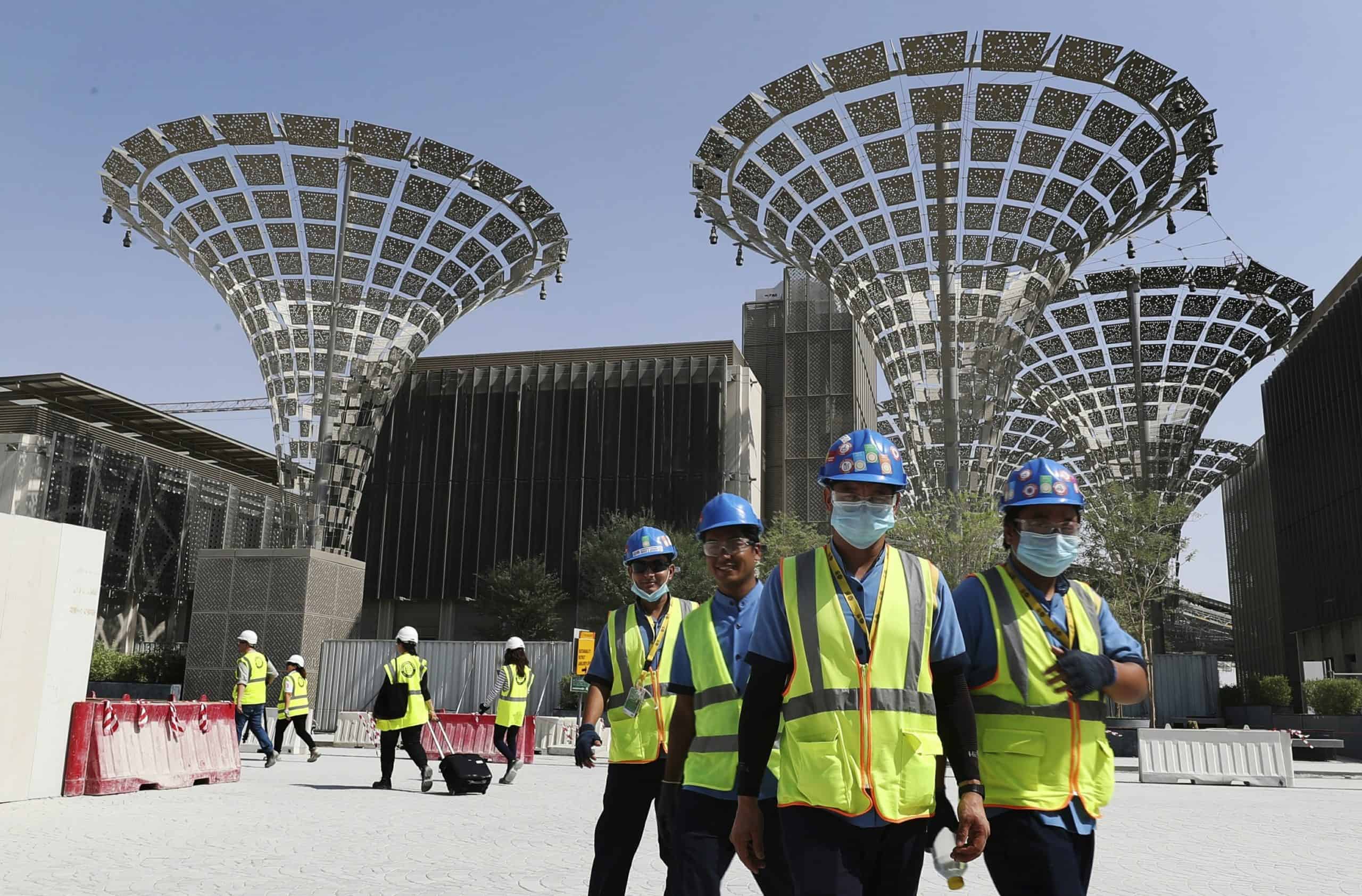
Global travel restrictions, economic pressures, and a raft of other coronavirus-related issues look set to push the highly anticipated Dubai Expo 2020, scheduled for October, to 2021. Organizers announced the proposal after a virtual meeting with stakeholders on March 30. 

The steering committee avowed that the novel coronavirus pandemic is having a significant impact on its preparations, with one participant saying there was a “need to postpone Expo’s opening by one year, to enable them to overcome this challenge.”

“In spirit of solidarity and unity, we support the proposal to explore a one-year postponement made by the Steering Committee at today’s meeting. We will follow the Bureau International des Expositions (BIE) processes on making the decision to delay Expo 2020. The BIE will now work with its Member States and Expo 2020 Dubai to establish a change in dates,” Dubai Expo 2020 said in a statement on its website. 

BIE Secretary General Dimitri Kerkentzes commended the steering committee’s sensible approach to the threat posed by COVID-19 and welcomed the United Arab Emirates’ (UAE) decision, echoing a sentiment shared by many member states.  

“I am confident that we will collectively overcome the challenges caused by this global crisis. The UAE’s decision to support a one year postponement demonstrates pragmatism, openness, and commitment to delivering an Expo that lives up to our shared ambition. We retain full confidence in the UAE’s ability to host a World Expo that inspires and delights millions, when the time is right,” said Kerkentzes. 

An estimated 25 million visitors, 70% coming from outside the Emirates, were expected to flow through the specially designed Expo precinct from October 2020 to April 2021. The mega-event still promises to be the largest ever held in the Arab world and may be bigger and better still if granted an extra year to prepare. 

Member states will vote on the postponement proposal at the next BIE meeting in June. Stakeholders expect a forthcoming two-thirds majority vote, which is required to approve the date change. 

Dubai began preparations to host the Dubai World Expo 2020 in 2013. The “World’s Greatest Show” was meant to give Dubai the opportunity to shine on the world stage, address the universal challenges of our times, and provide a serious boost for the national economy.

The UAE has invested an estimated $8 billion in Expo 2020 infrastructure projects alone and was banking on tourist revenues in the vicinity of $9 billion over the course of the 173 day showcase.

It remains to be seen if the visitation numbers and economic benefits envisaged can still be achieved in an uncertain post-COVID-19 environment. In the meantime, the steering committee reminded everyone to “stay home, stay safe.”


Read also: Latest Coronavirus Victim, Tokyo Olympics 2020, to be postponed to 2021

Bump in Oil Prices After Russia Agrees to OPEC Talks

Global oil prices rose on Tuesday, March 31, as news broke that Russia is willing to sit down with OPEC to discuss the ongoing crisis in oil prices. US president Donald Trump spoke to President of the Russian Federation Vladimir Putin and agreed on “peace talks” with the Saudi-led OPEC bloc.

The economies of oil-producing countries are in dire straits, with an ongoing price war amid historic drops in both supply and demand caused by the COVID-19 pandemic. China has cut its economic output, airlines have stopped flying, and all over the world cars are staying parked at home as lockdowns become the norm in many countries. 

The results of these unprecedented factors have led to oil prices not seen since the 1980s and led to severe trouble for oil-extracting industries.

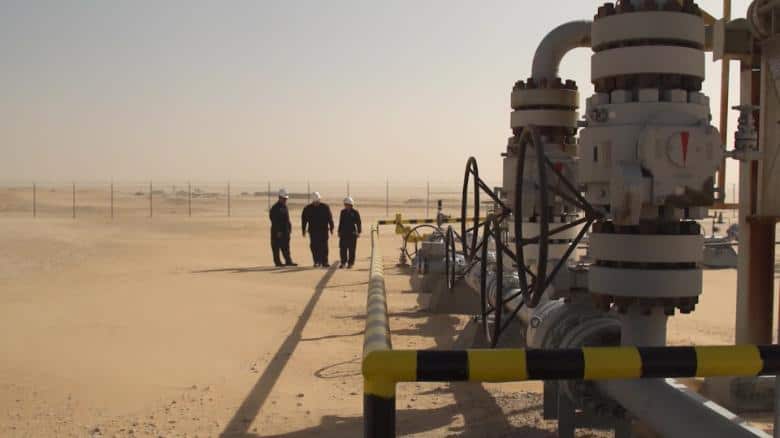
Crude prices are up slightly, to an average of $21.24 per barrel. These prices are still insufficient to sustain competitive production for high-cost oil extracting industries, such as Canada’s tar-sand extraction and the US’ shale-gas industry. 

Both Russia and the US have significantly higher production costs per barrel than Saudi Arabia. Similar to its Gulf state neighbors, the Saudis possess some of the cheapest oil to extract. This difference in production costs has been a primary fuse in the current oil war.

Russia and OPEC tried to limit oil production and stabilize prices during meetings in early March 2020. When these meetings failed, oil prices plummeted amid an outlook of global overproduction. When oil supply exceeds demand, storage facilities across the planet are filled to the brim and even oil-tankers are used to store billions of gallons of oil. With Russia, the US, and OPEC production at maximum levels, storage is quickly running out and countries that depend on oil revenue to fill state budgets are becoming more desperate.

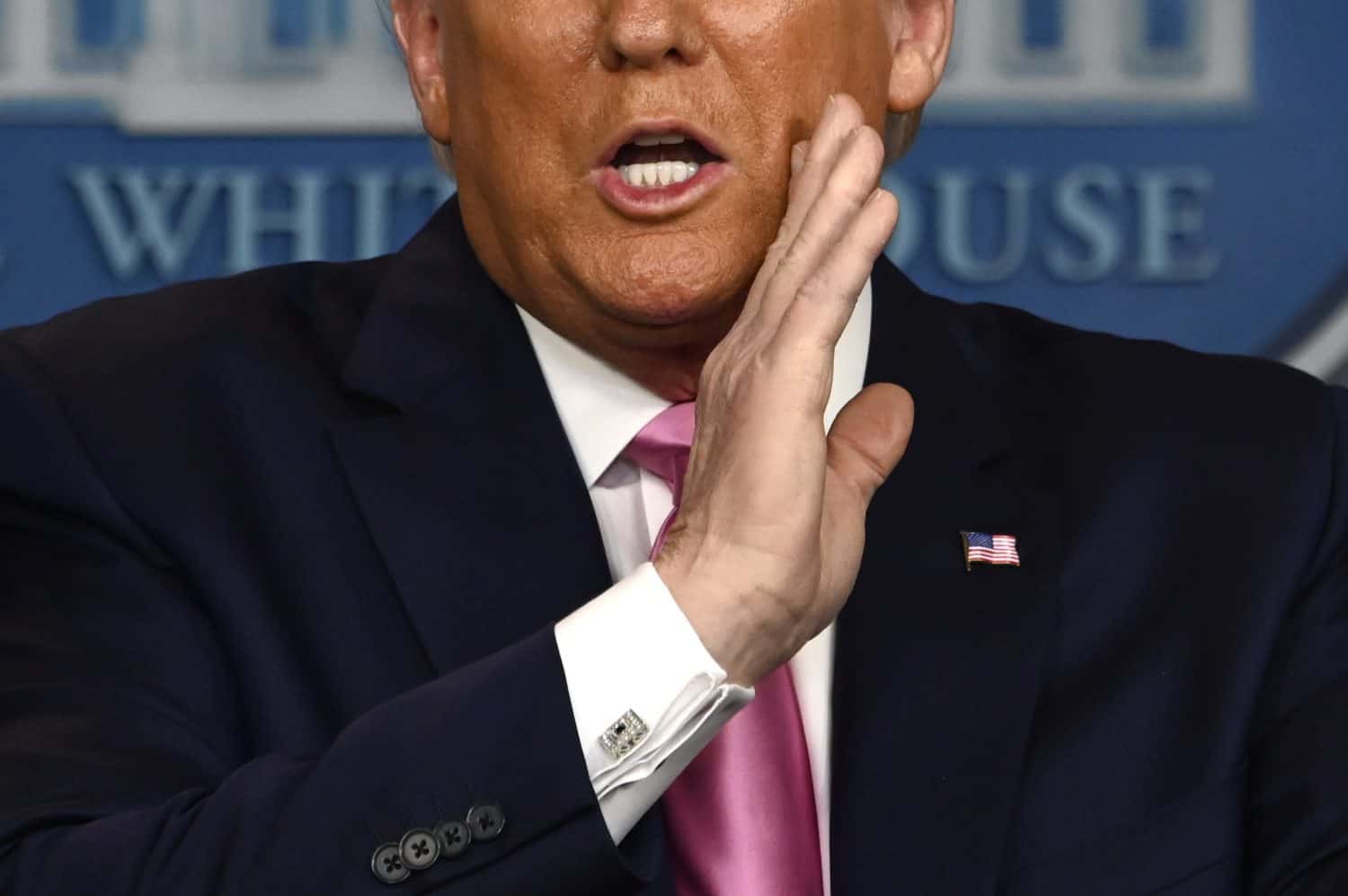
President Trump has suggested he would “intervene” in the ongoing Russia-Saudi spat, and it appears that Trump was able to convince his Russian counterpart to return to the negotiating table. 

“We don’t want to have a dead industry that’s wiped out,” Trump told the press on Monday, March 30, “It’s bad for them, bad for everybody. This is a fight between Saudi Arabia and Russia having to do with how many barrels to let out. And they both went crazy, they both went crazy.”

Expensive US oil-extracting industries, such as shale-gas producers and deep-sea offshore projects, are some of the primary victims of the disagreement between Russia and Saudi Arabia. Trump has every incentive to use the diplomatic avenues available to him, confirmed by his call with Putin and his intent to send a “special energy envoy” to Riyadh to sway Saudi opinion.

Even in the best-case scenario for oil-producing countries, an agreement on a global production cut might not cause a return to pre-pandemic prices. The global crisis limits industry, travel, and personal movement, meaning significant time remains before demand will equal supply. Goldman Sachs predicts industries such as airlines may never return to levels seen before the crisis, casting doubt on the notion that demand will return to its previous levels.

Many environmental organizations see the current slump in the use of hydrocarbons as a pivot point in the ongoing energy transition towards renewables. Greenpeace USA highlighted that shale-gas production has never really been competitive, calling the industry a “Ponzi scheme” in a March 22 publication on the future of oil production. 

The organization stated that “oil companies failed to recognize that they should have become diversified energy companies 60 years ago. The price of that failure will now be paid by every human and every other species on Earth. The transition to lower consumption lifestyles and renewable energy systems remains more urgent than ever.”

The current crisis sheds light on some of the weaknesses in global oil production and also highlights the growing priority governments put on transitioning to cleaner energy. 

On March 17, as COVID-19 numbers were growing in Europe, the Czech Republic Prime Minister Andrej Babis said, “Europe should forget about the Green New Deal now and focus on the coronavirus instead.” Many governments have put sustainable energy programs on the back-burner as they focus on limiting economic pain for their citizens.

An agreement between OPEC and Russia should certainly cause a rise in global oil prices. Whether oil prices will return to pre-crisis levels and whether demand will ever catch up with supply in the future may indicate the future of energy use.


Read also: Oil Giants Scramble to Store Surplus as Demand Reaches Unprecedented Low

An Unprecedented Challenge Calls for Unprecedented Cooperation

The novel coronavirus pandemic is perhaps the single most daunting threat that humanity has faced in recent history. The disease’s exponential spread and the ubiquity of risk set this apart from anything else the medical establishment has seen in modern times. A growing body count and finger-pointing have people on edge across the globe.

Today’s political landscape testifies to the fact that even when faced with a danger of incredible magnitude, our differences divide us. A report from Newsday shares the story of a doctor who showed up to treat COVID-19 patients dressed in makeshift protective gear, including a shower cap to cover his head, a basic mask, and the plastic lid from a take out meal to cover his face.

While the doctor underscores the fact that he often tries to lighten the mood by humor, the situation is somber: The United States healthcare system is not prepared to deal with crises of this nature. Regardless of mainstream media portrayals, shortages of supplies abound. Saying the system is stretched too thin and urgently needs assistance is an understatement.

It may be natural to focus on the negative, but a time like this calls for solidarity and cooperation to find a solution and save as many lives as possible. President Trump recently passed into action powers that can force manufacturers to produce items that the government deems necessary, but why is such a measure necessary?

It is sad, to say the least, that the president must exercise such powers before most manufacturers will step up. However, corporate apathy is not always the case. Elon Musk’s Tesla produced thousands of ventilators instead of vehicles, and legendary designer Naeem Khan shifted his production from fashion gowns and other attire to masks for healthcare workers.

Khan, whose clothing has been worn by famous figures such as Michelle Obama, Kate Middleton, and Queen Noor of Jordan, has now gone full force into manufacturing the masks, which are being donated by the thousands. The first sets of masks will be given to New York, the hardest hit with the novel coronavirus.

Zainab Khan, president of The Muslim American Leadership Alliance (MALA) is helping to coordinate these efforts. Kahn observed her husband, a physician who works with the doctor mentioned by Newsday, risking his life to help others lacking in personal protective equipment. It reminded her that there are thousands of people on the front lines of this crisis, and the only way we are going to beat this is by coming together.

Kal Loul, the founder of tech company Global Geeks and a member of the MALA board of directors, has also committed to providing masks. This will bring the organization’s mask donation grand total to over 5,000.

The environmentally safe, customized masks are made with a hemp fabric that has antibacterial properties and is lined with a microfilter. Each mask has a pocket for a disposable filter that can be washed. It took Naeem Khan less than one week to make such an impact. Imagine what could happen if the rest of us set politics aside and focused on getting through this together.

The masks will also be donated to the Long Island Community Hospital and to medical care facilities in San Diego. Richard Margulis, president and CEO of Long Island Community Hospital, expressed gratitude for these acts of solidarity:

“We are following every lead to obtain more PPE and have been so grateful to receive community donations. This demonstrates that we are all community right now.”


Wave of Retaliatory Attacks by Saudi-led Coalition Rock Yemen

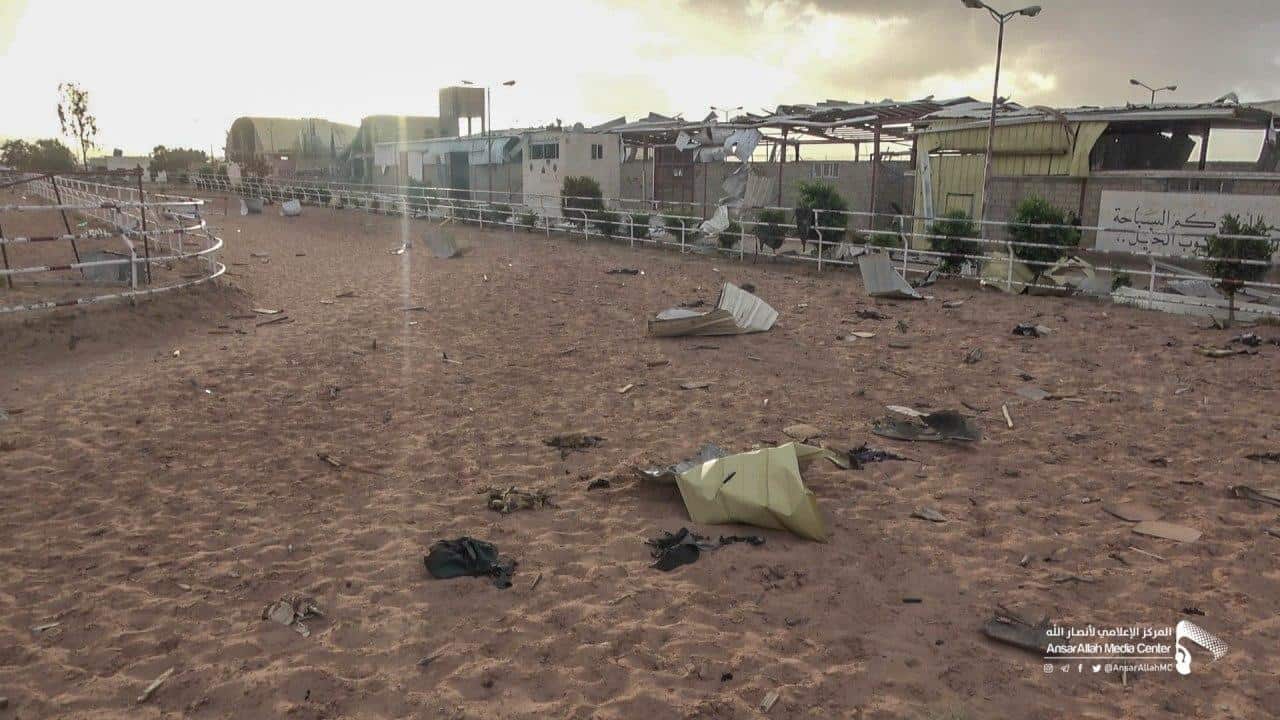
Houthi news agency Al Masirah reports that a Saudi-led coalition air strike killed one handler and up to 70 horses at a military academy in the rebel capital city of Sanaa on Monday, March 30. 

Graphic photos published by the news outlet show the heavily damaged stables littered with dead and injured horses, in what appears to be the latest in a barrage of retaliatory attacks by the coalition. 

According to further witnesses and media reports, a large number of attacks were perpetrated across Houthi-held parts of Yemen on March 29 and 30. Sanaa was targeted with approximately 25 air strikes after a period of relative calm since September, 2019. Meanwhile, Hodeidah was also badly bombed in the latest round of retaliatory raids.

The attacks appear to be retribution for two ballistic missiles fired by the Iran-aligned Houthi militia late on the night of Saturday, March 28. Falling shrapnel from the missiles that Saudi Arabia’s air defense intercepted and destroyed over Riyadh and Jazan “lightly injured” two people. 

In a statement published by the state-run Saudi Press Agency, Saudi coalition forces spokesman Turki Al-Maliki confirmed the raids took place across several governorates including Hodeidah. 

“In response to the ballistic missile threat, the Joint Forces Command of the Coalition has conducted a military operation to neutralize and destroy ‘legitimate military targets’ of the terrorist Houthi militia,” Al-Maliki said on March 30. 

The spokesman said the destruction included, “storage, assembly and installation sites of ballistic missiles and UAVs, locations of Islamic Revolutionary Guard Corps (IRGC) experts, and weapons depots.” 

The retaliatory strikes come just days after parties to the conflict agreed in principle to a ceasefire that would enable them to collectively tackle the threat of COVID-19.

UN Special Envoy for Yemen Martin Griffiths expressed his alarm at the renewed violence in Yemen and again called for an end to hostilities in the country that has been ravaged by five years of bloody civil war. 

“I am gravely dismayed and disappointed by these actions at a time when the Yemeni public’s demands for peace are unanimous and louder than ever before. Yemen needs its leaders to focus every minute of their time on averting and mitigating the potentially disastrous consequences of a COVID-19 outbreak,” said an exasperated Griffiths. 

“In wars, the windows to build unity and find common grounds between fighting parties are rare and precarious,” Griffiths said, adding, “I hope the peace advocates on either side of the conflict will not allow this window to close without making real progress.”

Read also: USAID Suspends Program in Yemen After Pledging COVID-19 Aid Package

COVID-19 Measures Could Endanger Global Food Supply

On March 20, Russia banned the export of grain products, followed by Kazakhstan and Kyrgyzstan. These measures were reported as “strategic decisions” to safeguard local food supplies. While the decisions might seem straightforward, these measures could have a severe impact on the global food supply, according to Maximo Torero, a Peruvian economist who works as chief economist for the UN Food and Agriculture Organization (FAO).

Protectionist measures by countries like Russia, who provide the world with a large portion of its grain, could have unexpected negative consequences to the global food supply, according to Torero. On the FAO website, Torero outlined the steps required to prevent a global shortage of fresh fruit and vegetables.


Supply chains are currently working as intended, but the shipping industry faces a slowdown as lockdowns become more common and demand for products falls. That is not a cause for nations to start hoarding their own resources: Trade barriers can only damage global supply lines, according to Torero. 

One of every five calories people consume has crossed at least one international border, according to the FAO. Low- and middle-income countries make up a significant portion of global food importers, making them especially vulnerable to disrupted supply chains.

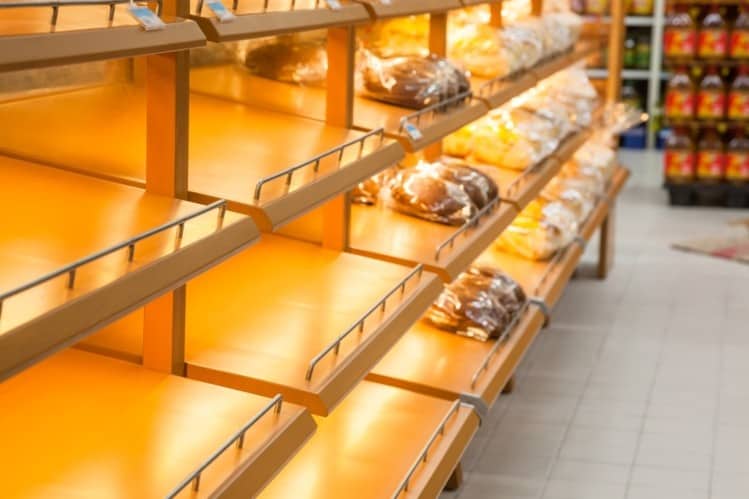
Bloomberg agriculture editor Millie Munshi described the current local supply situation: “The reason you’re seeing the empty shelves is because of how much frenzied buying there has been.” She continued, “with that huge spike in demand, retailers, suppliers, the whole supply chain really has had a hard time refilling and restocking. So that’s really what’s causing the empty shelves right now.


Following the 2008 financial crash, many nations increased export taxes or implemented outright export bans, which could prove disastrous in our currently fragile global trade system. Ironically, it is farmers in poor countries that run the greatest risk of food insecurity if barriers are erected.


The Solution

Torero and the FAO argue for the opposite response to barriers and hoarding. They argue that countries should review their trade policies and actively reduce trade barriers to allow the world’s produce to flow unimpeded. While scenes of empty shelves looted of every sheet of toilet paper are commonplace across Europe and North America, it is perishable goods that should be our primary concern. Fruits and vegetables require quick and efficient supply to demand, and slowdowns in international trade endanger that speed.


Fish and fresh produce are left on supermarket shelves as people stock up on canned goods, but it is exactly these products that should be purchased, used, and replenished. Aside from the health benefits of fresh food over preserved variations, keeping the market for these products alive and well will only support their availability in the future.

Governments can still support their national food producers, not through barriers to export, but by purchasing produce directly from farmers. This would result in farmers receiving a consistent income for their labor, less food waste, and creates a “strategic reserve” of available fresh fruit and vegetables for citizens under lockdown.

Around the world, farmers require workers to help harvest, package, and ship their produce. Locust plagues and droughts have already created significant hardships specifically for African farmers, and global cooperation is the only way to avoid catastrophe, according to Torero.

As more people have their movement restricted it is increasingly important to keep up the movement of food. By eating fresh produce and fish, consumers can avoid depleting limited supermarket stocks, eat healthier, and contribute to sustaining global food supplies. 

For governments, the recipe for success is the same approach prescribed in most other COVID-19 issues: Cooperation between nations is the key to stopping the virus and limiting its consequences.


Read also: Global Institutions: COVID-19 Will Impact Every Facet of Life

North Korea Ramps Up Missile Tests as World Battles COVID-19

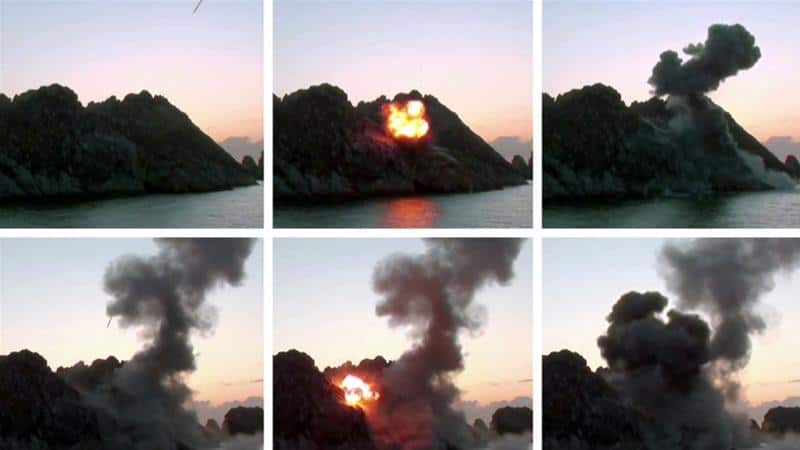
North Korea launched another two short-range missiles on Sunday, March 29 and appears to be forging ahead with its traditional spring season weapons testing regime, unphased by the global novel coronavirus pandemic. 

North Korea’s official KCNA news outlet claimed two “super-large multiple rocket launchers” were successfully fired on Sunday. 

“The operational deployment of the weapon system of super-large multiple rocket launchers is a crucial work of very great significance in realising the party’s new strategic intention for national defence,” ruling party vice chairman Ri Pyong Chol said during the testing, the KCNA reported.

The South Korean military confirmed the test took place, specifying that two short-range missiles were fired from the North Korean city of Wonsan and were airborne for approximately 410 kilometers before exploding into the ocean. 

South Korea’s joint chiefs of staff issued a statement condemning the latest testing in light of the coronavirus pandemic. 

“In a situation where the entire world is experiencing difficulties due to Covid-19, this kind of military act by North Korea is very inappropriate and we call for an immediate halt,” the JCS statement read. 

It is unclear if North Korean leader Kim Jong Un, who oversaw a volley of rocket testing last August, attended the launch at the Academy of National Defence Science alongside Ri. Nevertheless, it appears the uptick in testing is a show of strength from North Korea, which claims to be unaffected by the COVID-19 outbreak that has rocked neighboring China and South Korea. 

A total of nine rockets have now been fired over rounds of testing in March, the highest number fired in a single month, says North Korea missile program expert Shea Cotton.  

That’s on a par with 2016 and 2017 which “were huge years for North Korea’s missile program,” tweeted Cotton, who is responsible for the North Korea Missile Test Database. 

“If things continue, I think we’re going to see something similar to both those years, with more missile tests and new missiles being premiered, giving North Korea new capabilities,” the James Martin Centre for Nonproliferation Studies Senior Research Associate told followers.

Denuclearization talks have been on hold between North Korea and the US since a failed summit between Kim Jong Un and US President Donald Trump in February 2019. 


Returning US Military Personnel Face Difficult Quarantine Conditions

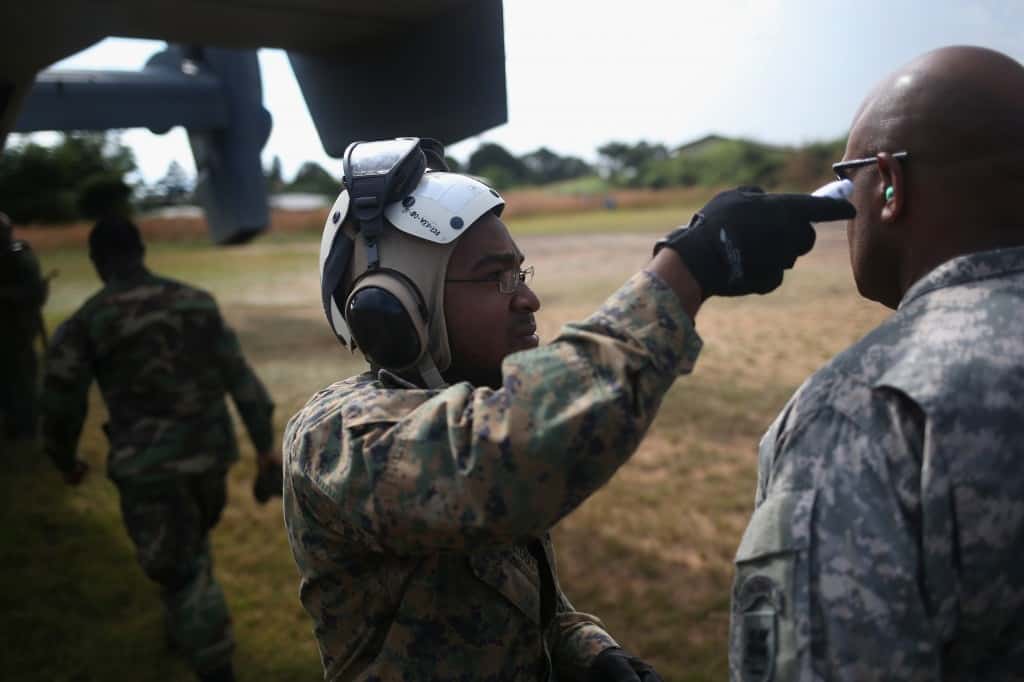
US military personnel home from recent deployments in the Middle East returned to a country in crisis. The United States is now the country with the most reported confirmed COVID-19 cases (143,532 as of March 30 at 4pm ) and infection rates among US service members are relatively high.

Many US bases are located on Iran’s perimeter which means military personnel have been serving in close proximity to the Middle East’s worst-hit nation. While the number of cases in Iraq and Afghanistan is still relatively low, returning military members are closely monitored.

US soldiers returning to Fort Bliss, Texas were led into buses without water or bathrooms, then into cramped barracks where they should remain for the duration of their quarantine, reported the Associated Press.

While in quarantine, troops received insufficient food and water and were not permitted to “walk down the hall, go outside or exercise,” according to the same report.

Troops returning from Afghanistan in North Carolina are housed in large white tents in order to avoid contaminating regular troop barracks. Military leadership is currently addressing complaints from military personnel.

As the Pentagon deals with the virus spreading among its ranks, many military members are asked to self-isolate. Soldiers who do so must leave the barracks where they are stationed. If there is a risk of infection, these soldiers cannot return home, to prevent infecting family members. These soldiers that can neither self-isolate at home nor at facilities provided by the government have been promised extra pay to cover expenses.

These soldiers qualify for “Hardship Duty Pay Restriction of Movement.” This covers the cost of lodging, providing up to $100 per day for 15 days each month. 

The US military announced its first case on March 1: “We had a breach in our perimeter.” 

In weeks since, the US government has asked retired medical personnel to return to duty and many soldiers are stuck at their bases because troop movement is restricted. The US stimulus bill, passed on Friday, March 27, mobilized $20 billion for veteran care. Many former military members could be at risk of COVID-19 infection within the country’s civilian population.

The base in South Korea where the first US military infection case was detected implemented severe measures to isolate the virus. Office buildings were closed, as well as the base’s schools and leisure facilities. The US military has implemented more stringent measures than the civilian population faces, but containment proves difficult because soldiers regularly mix with civilians outside of duty.


Read also: Troops Withdraw from Camp Taji, Iraq Amid Fears of New Threat