Turkey Bans News Sites, Escalating Information War With Saudi Arabia, UAE

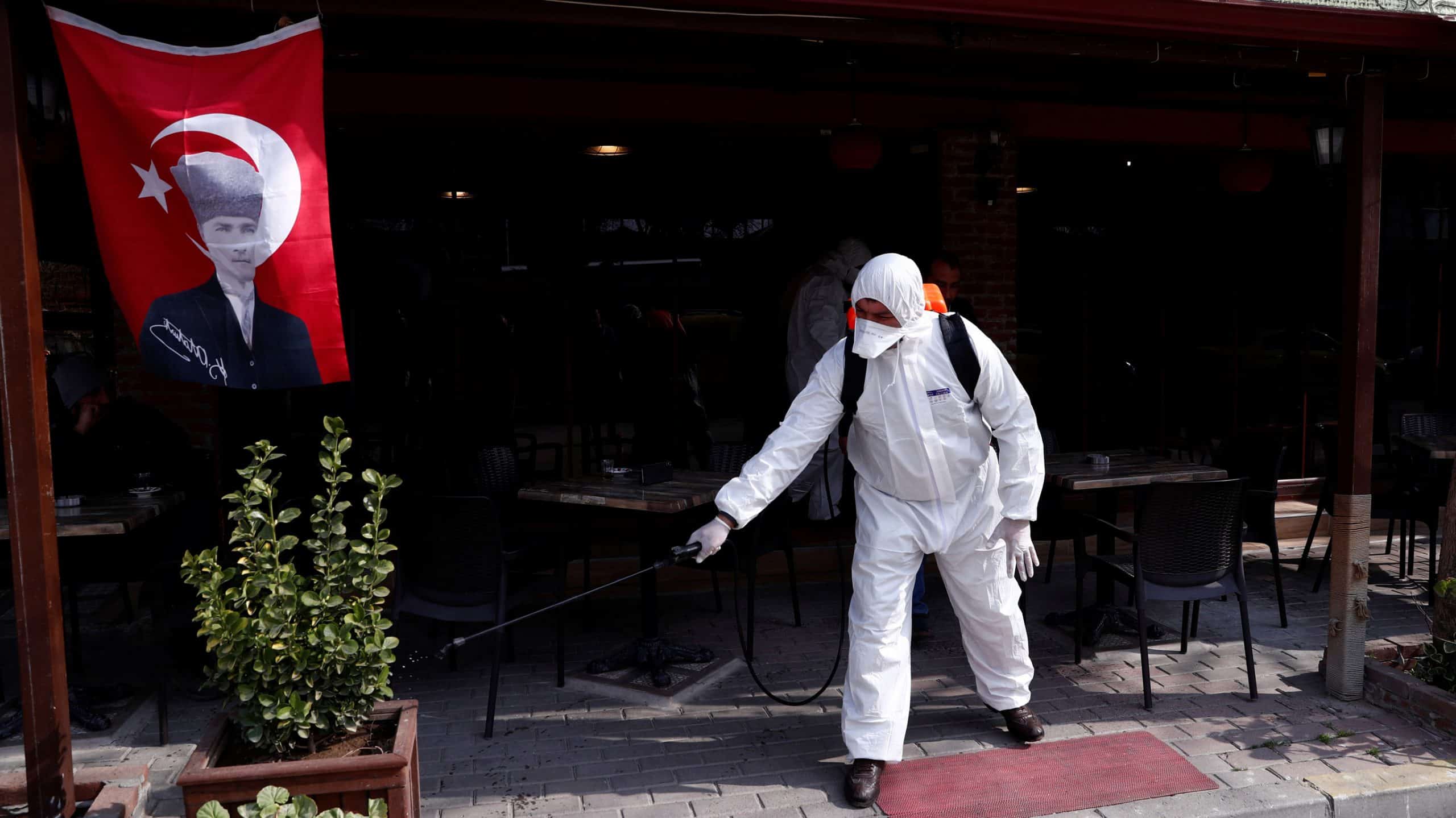
A week after the Saudi Arabian government blocked its citizens’ access to Turkish state-backed news agencies TRT World and Anadolu Agency, the Turkish government has reciprocated. 

Turkish internet users trying to access the state-run Saudi Press Agency (SPA), the UAE’s WAM news outlet, or any of ten other sites associated with the two countries will find they are now blocked. 

The Turkish website for the Independent, a newspaper partly owned by a Saudi company, has fallen foul of the latest development in Turkey and Saudi’s tit-for-tat information war. 

Speaking about his paper’s website being taken down, the Independent’s Turkey editor, Nevzat Cicek, said the ban was political and a “retaliation against Saudi Arabia” for taking down Anadolu and TRT.

“We believe the tensions between Saudi Arabia and Turkey reflected on us,” Cicek told Reuters on April 19. 

On March 25, tensions between Saudi Arabia and Turkey were further provoked when an Istanbul court indicted 20 Saudis for the murder of journalist and regime critic Jamal Khashoggi.

According to Turkish prosecutors, Khashoggi was lured into the Saudi Consulate in Istanbul on October 2, 2018 and brutally murdered by Saudi agents before his dismembered body was disposed of, never to be found. The killing caused a global outcry and soured relations between Riyadh and Ankara. 

Both Saudi Arabia and Turkey have become experts in employing social media, particularly Twitter, to push their agendas. Twitter itself identified and removed over 5,000 Saudi and Egyptian accounts accused of pushing messages critical of Turkey, Iran, and Qatar in April, while Turkey has long used Twitter as a tool for attacking its enemies, favoring removal requests as its modus operandi. 

The most recent Twitter data, published in May 2019, showed “74% of the total global volume of legal requests to remove content originated from only two countries: Russia and Turkey.” During the period of January-June 2019 Turkey submitted a massive 6,073 removal requests to Twitter, compared to countries such as Saudi Arabia, Iraq, and Iran who all submitted just one removal request during the same period.  

As Turkish forces launched a fresh offensive in Syria in late 2019, an avalanche of pro-Turkish military propaganda pervaded Twitter. A closer look at the posts in question revealed they used old stock photos that did not even feature Turkish soldiers but were from conflict zones around the world. 

The CEO of misinformation investigation company VineSight Gideon Blocq found the posts were part of a pattern of “inauthentic behavior,” leading him to tell the Associated Press, “one can conclude that these automated accounts are there to push content.” 


Read also: WHO Commends Saudi Arabia’s COVID-19 Aid Package to Yemen

COVID-19 Fears in Kashmir Under Permanent Quarantine

Kashmir is the stage for a clash of civilizations in a persistent and bloody conflict only rivaled by the conflict between Palestinians and Israelis. Pakistan and India both claim sovereignty over the remote region, which forms the border between the two countries. Ever since the British partition of India in 1947, Kashmir has witnessed untold death and misery from clashes between Hindus and Muslims.

Perpetual quarantine

On August 5, 2019, India revoked the special status that granted limited autonomy to the region. During the partition of India, Kashmir was given the choice to join Pakistan or India. Britain offered the region its special status to ensure it would be part of India. After parties betrayed that bargain last year, the Indian government has kept tight control over the area through lockdowns enforced by Indian soldiers.

As many people around the world experience isolation for the first time, the people of Kashmir are accustomed to the experience. India tends to revoke Kashmiris’ freedoms whenever the Indian government fears any form of unrest in the area. Local jails are packed with people deemed problematic to the Indian government and Indian artillery units still move in and out of the region for skirmishes with Pakistani forces across the contested border.

Inter-religious tensions in India

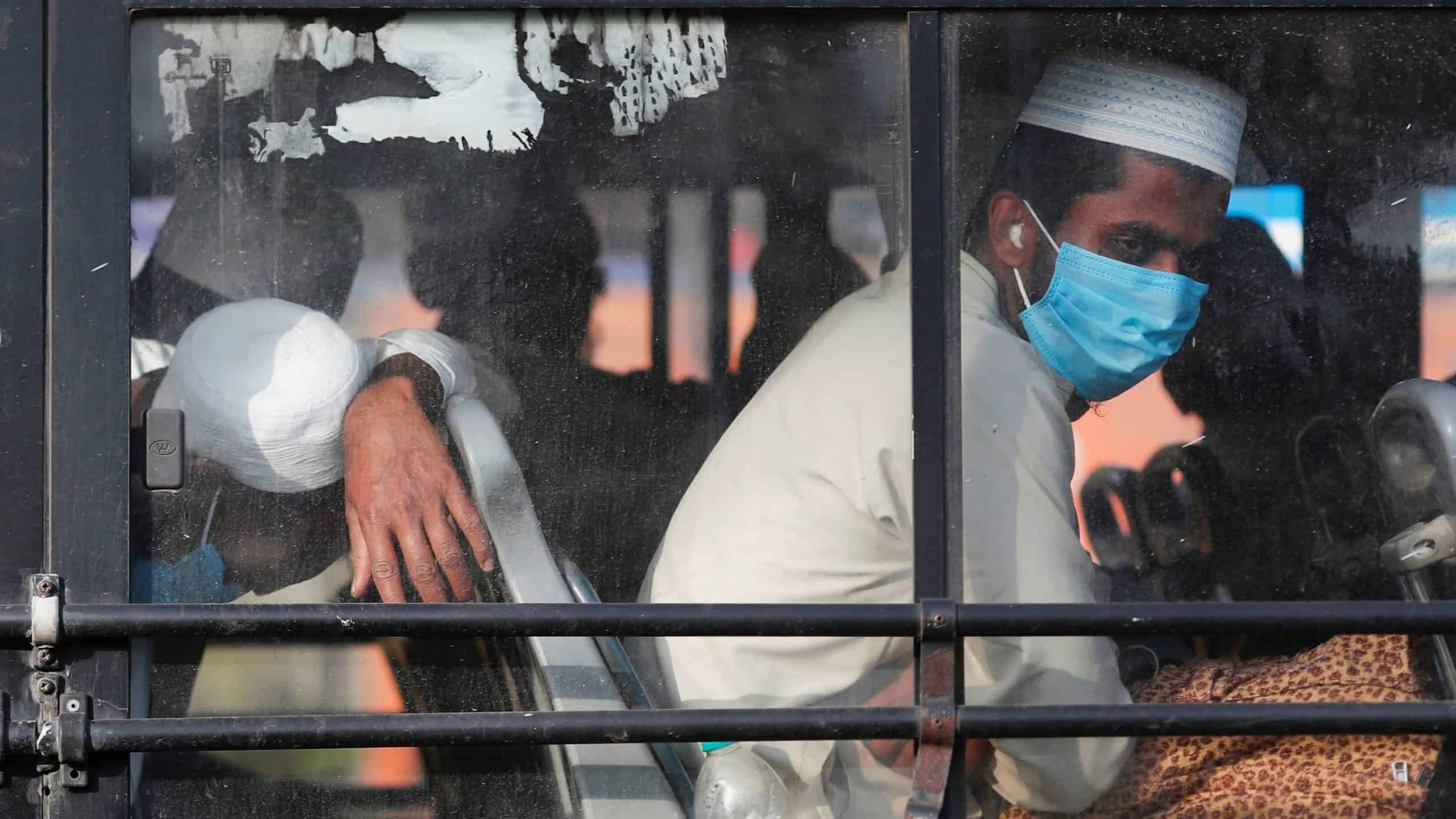
Inter-religious tensions in India are on the rise during the COVID-19 pandemic, prompting fears for the safety of Kashmir’s beleaguered population. A much-reported Islamic conference in Tablighi Jamaat led to an outbreak in coronavirus infections, and prominent Indian news sources and politicians since painted the spread of COVID-19 infections as a purposeful plot by Indian Muslims.

Hindu nationalists are framing the Indian epidemic under the moniker “Corona Jihad” in propagandist social media posts, accusing Muslims of spreading the virus deliberately. These efforts by Hindu nationalists prompted an increase in group violence against Muslim Indians. But the effects can be felt in Muslim-majority Kashmir is feeling the effects. Some Hindus are accusing local milk sellers in Gujjar of spreading COVID-19, effectively destroying their livelihoods.

Aid diverted to Jammu

On April 15, Indian newspaper the Hindu reported that the Kashmiri Directorate of Health Services was forced to stop testing potentially infected people in the region after 5,000 test kits were “mysteriously” diverted to Jammu, a Hindu-majority region that is part of the former Kashmir princedom. Local health officials had waited for a plane to deliver much-needed testing kits but found the aircraft empty on arrival.

Only after a local senior politician intervened were 4,000 test kits eventually airlifted to Kashmir. The area is facing a significant backlog in the processing of testing kits, leaving many to doubt the reported 368 cases, 5 deaths, and 71 recoveries in Kashmir. While Jammu and Kashmir comprise a joint administrative region, Kashmir has almost six times the amount of infections relative to Hindu-majority Jammu.

Checkpoints and jails

Kashmir already faced restrictions in internet access and movement before the COVID-19 pandemic hit India. Measures intended to contain the virus have resulted in even more severe restrictions, and local residents fear their continuity after the pandemic subsides.

Military checkpoint construction is underway throughout the region to monitor citizens’ movement during the pandemic, but the permanent nature of the construction has locals worried these checkpoints are here to stay. Additionally, hundreds of Kashmiri political prisoners are spread throughout India’s prisons. Relatives of the imprisoned have told Al Jazeera they live in constant fear that their loved ones might get infected in the cramped Indian prison system.

Fears over potential spread of COVID-19

The absence of sufficient testing capabilities, combined with regional and religious tensions, have left locals with little faith in the Indian government’s response to COVID-19. Kashmiris are calling the current lockdown “corona apartheid” on social media, as the Hindu and Muslim regions of Jammu and Kashmir face different measures.

Local poverty and the proximity to Pakistan, which has 8,418 cases of its own, could lead to a local disaster. With Nahendra Modi’s Hindu nationalist vision for the country, there is a significant chance that healthcare priorities will extend to Hindu-majority regions first, potentially leading to large disparities in the impact of COVID-19 in India.


Read also: Governments Hope Apps Could Improve the Global COVID-19 Response

UN: $350 Million Needed for Urgent Logistical Upgrades in COVID-19 Fight

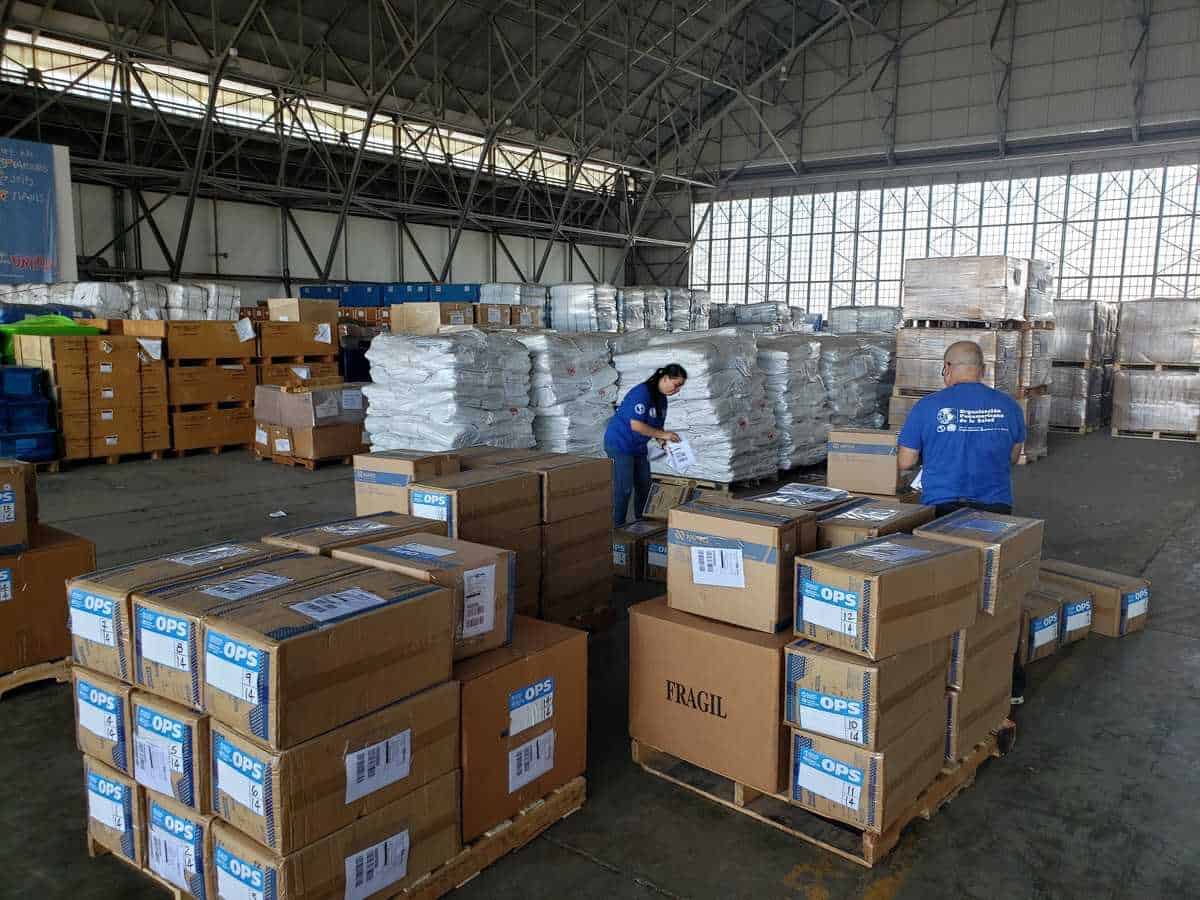
A letter undersigned by leaders of the UN’s key humanitarian agencies issued an “urgent call” for funds to fight the globe’s novel coronavirus pandemic. It reiterated the UN Secretary General’s call for donors to give $2 billion to the organization’s COVID-19 response fund, plus an extra $350 million to immediately create a “logistics backbone” to support the distribution of international anti-coronavirus aid. 

The UN Office for the Coordination of Humanitarian Affairs’ (UN OHCA) letter had one key message: “It is in everyone’s interest to stop the virus from spreading unchecked, destroying lives and economies, and continuing to circle around the world.” The humanitarian chiefs were firm that COVID-19 is a global pandemic, with global implications, requiring a generous and coordinated global response. 

“In this race against an invisible enemy, all countries must fight back, but not all begin from the same starting line. In countries where the world’s most vulnerable need humanitarian aid and supplies to beat back the pandemic, canceled flights and disrupted supply routes hit disproportionately hard,” it read.

Highlighting this phenomenon in the MENA, UNICEF appealed on Monday for an additional $92.4 million to support its programs in the region. The UN children’s agency said the region has the highest number of children at risk from the pandemic’s fallout due to existing inequalities in areas such as conflict, poverty, and food insecurity.  

UNICEF predicts a further 4 million children may be pushed into poverty by the global pandemic, joining the region’s 25 million children who already struggle to meet their basic needs. 

UN Emergency Relief Coordinator Mark Lowcock said Yemen is of particular concern as the UN already feeds some 13 million in the country, and if funding and supply lines cannot be assured these programs could be cut. Included in those figures are 2 million malnourished and 400,000 acutely malnourished Yemeni children.

“If you don’t get support to them every month, you have a 50% increase in the mortality rate among those children (with severe malnutrition),” according to UNICEF’s Ted Chaiban. “It was already critical to address the needs of children in Yemen. With COVID-19, now you’ve got this extra layer of vulnerability,” the regional chief told the Associated Press on April 20. 

Helping the most vulnerable helps all

Lowcock argues the renewed UN calls for donations are not purely about saving lives in war-ravaged places like Yemen or parts of Africa already wracked by famine. 

“This isn’t just about compassion and empathy it’s about hard self-interest. Nobody is going to be safe, until everyone is safe. The places [where] humanitarian agencies work are potentially huge reservoirs where it is hard to manage the virus,” Lowcock warned in an interview with the Guardian. 

Of the $2 billion that the UN secretary general requested to fight COVID-19 on March 25, the international community has been forthcoming with just $550 million in funding and assistance. The letter renewed calls for donations, and made an urgent request for $350 million “to enable a rapid scale-up of logistics common services.”

In the wake of global transport shutdowns, the World Food Programme (WFP) is setting up a “logistics backbone” to assure the flow of aid shipments and personnel to the places that need them the most, like Yemen, the Central African Republic, and South Sudan. 

“WFP now urgently needs additional funding to establish the necessary transport hubs, charter vessels and provide aircraft for cargo, health workers and other essential staff,” the UN OHCA letter explained.

According to the humanitarian organization heads, “without these logistics common services, the global response could stutter to a halt.” The risks of that for the health of the entire world are great, but it remains to be seen if wealthy nations, struggling under the economic burden of COVID-19, will have the foresight and ability to provide the funds requested. 


Read also: Pandemic Stresses Turkey’s Economy as Case Count Surpasses That of Iran

Governments Hope Apps Could Improve the Global COVID-19 Response

Around the world, countries are desperate for a way out of the pandemic crisis. COVID-19 measures such as lockdowns severely limit economic activity while the virus presents a constant threat to the well-being of society’s most vulnerable. This perfect storm of a combined health and economic crisis has sent governments and national leaders scrambling for a “quick fix.”

The virus’ continued spread in April clarified that no country will be exempt from this global phenomenon, and the focus has shifted from preventing initial infections to mapping local outbreaks, implementing lockdowns, and performing as much testing as possible. As effective as these measures might be in the long-run, they are a far cry from the quick fix governments had hoped for.

Apps offer a ‘quick fix’

With no chance of developing a vaccine anytime soon, the new tools exciting many governments are tracing apps. In Australia, recent statements argue it is the “quickest way to get the footy back.” In The Netherlands, it is seen as a way to end the country’s “intelligent lockdown.” The British National Health Service is “working closely with the world’s leading tech companies,” and France sees their StopCovid app as an important part of their “exit strategy.”

From Morocco to the UAE to Germany to India, apps are increasingly presented as a way to mitigate the pandemic’s effects on everyday life across the world. Most countries who have expressed they will pursue this strategy are still developing their apps, but many are pitching such a tech intervention to the public as a source of hope in difficult times.

How apps can help

Most apps to address the pandemic work through “contact tracing” via Bluetooth technology. Apps monitor the proximity of other phones and cross-reference the COVID-19 status of the phone owners. If the app notices a user has been in close contact with someone diagnosed with an infection, the person will receive a request to get tested or to self-quarantine for a set amount of time.

Advocates of the apps highlight that if a high enough percentage of people install the application on their phone, monitoring can become effective enough to reduce or even halt mandatory lockdowns. Knowing which citizens have been in the proximity of others, governments can trace local outbreaks and quarantine only those who have had a feasible threat of infection.

A proven resource?

Some countries that have had success in dealing with their local epidemics implemented apps that monitor patients, report potential contacts, and trace possible contacts. South Korea and China used the digital technology to map potential infections and quarantine citizens with possible infections.

Examples from Israel and Russia also highlight the personal privacy implications of using these apps. Israel has been accused of using data from their secret national database maintained by Shin Bet, the Israeli secret police. Russians who use the state’s tracing app have given it a one star rating on Apple and Android app stores because of its far-reaching privacy implications.

Privacy concerns

The difference between problematic and effective apps is largely determined by who handles the data and what is done with it. “It’s easier to have good cooperation when those in charge are not some sort of secret police but a health authority,” author Yuval Harari said about the matter. In Singapore, data gathered by the app was freely shared with the population, allowing people to take personal responsibility in the crisis.

When apps directly report their data to secret service authorities or opaque government institutions, the app becomes a greater threat to the population during and after the pandemic. The fact that the tender for Israel’s app saw pitches from a notorious spyware firm highlights the potential for government abuse with this type of technology.

Fragmented approach

While it is encouraging that governments are eagerly searching for possible solutions to our current predicament, the fact that each country is developing their own app is raising concerns. Each country having their own data sets, approaches, and technology could easily result in a patchwork of inconsistent results.

As an example, as long as a Belgian app is not compatible to share data with a Dutch app, any Belgian or Dutch citizen that steps over their shared open borders creates a problem. If a Moroccan app warns whenever anyone is within Bluetooth range, which is wider than social distancing standards, and a Spanish app calculates the threat in meters, inconsistent data emerges.

Mandatory or voluntary?

While many of the apps are being presented as a voluntary measure, once implemented, they could prove much more invasive than expected. In order to lift lockdown measures, citizens might be required to show their COVID-19 status via the app in order to carry out essential functions such as using public transport or reporting for work.

China is showing this in practice. Citizens of Wuhan are expected to show their COVID-19 status via a government app in order to enter stores, take the bus, or leave the city. The risks of missed contacts or false positives could mean many people are quarantined wrongfully, while others are encouraged to go outside even though they might be infected.

Opinions are divided

The app has risks for abuse by the government or by citizens alike. A phone of someone marked as a potential infected person could be willfully used to “mark” others as infected, and sensitive data being shared could pose a security threat, creating an opportunity for hackers. People who are infected but are reliant on their work for survival could simply uninstall or turn off the app to continue to go to work.

On April 20, Australian politician Bob Katter called the idea of a tracking app “Orwellian,” while other critics have highlighted that false positives from Bluetooth’s questionable efficacy may lead to panic or confusion. The success of COVID-19 tracing apps appears to stem from widespread use. Whether a purely national approach can stop the global crisis remains to be seen.

Perhaps leaving the development of such a tool to a trusted international body like the WHO could prove more fruitful, especially in countries where citizens fear their government. How much of a “quick fix” these apps prove to be will soon become clear as more and more governments roll out their own versions.

 

read also: UAE to Import Malaria Tablets From India for COVID-19 Treatment

Pandemic Stresses Turkey’s Economy as Case Count Surpasses That of Iran

The total number of coronavirus cases in Turkey reached 86,306, making it the most affected country by the pandemic in the Middle East, overtaking Iran for the first time.

Turkish Health Minister Fahrettin Koca reported on Saturday, April 18 that the number of confirmed pandemic cases in the country reached 82,329, adding that his country recorded an increase of 3,783 confirmed cases within 24 hours. The count brought Turkey close to the total number of infections in China, where the disease first appeared.

Koca also pointed out that 121 people died during that period, which raised the total number of deaths in the country to 1,890.

While 1,822 patients in Turkey have recovered, the number of examinations conducted in one day also reached a high of 40,520.

The Ministry of the Interior announced that it had extended travel restrictions between 31 cities for an additional 15 days, from midnight on Saturday.

Turkey is facing an economic crisis. Amid the devaluation of its currency and the decrease of its foreign reserves, a rapid rise in coronavirus cases threatens to flood an already fragile economy. “Turkey is now caught in the middle of a global crisis with low central bank reserves, high inflation, and a wider budget deficit. Not the best combination to fight a recession,” said Selva Demiralp, a professor of economics at Koc University.

The country of 82 million is one of the few in Europe that has not ordered a national lockdown because the Turkish lira is falling and they need to keep the economy going.

Turkey’s financial situation was already weak before COVID-19. Adding to that a public health crisis and a president who prioritizes his reputation above the well-being of his people, Ankara is on the verge of a disaster, reported Foreign Policy magazine.

Turkey’s debt was ranked fourth riskiest in the world in May 2019, after Venezuela, Argentina, and Ukraine. The coronavirus pandemic has led to the devaluation of foreign currencies and decreased earnings, deepening the crisis in all emerging economies, which are now struggling to avoid default on loans.

Turkish governmental optimism

Following these negative signs, Berat Albayrak, the Turkish Finance Minister and Erdogan’s son-in-law, gave the impression that things are “well”  on March 19. 

Central Bank Deputy Governor Oguzhan Ozbas previously expressed similar confidence, saying that “with its dynamic structure, the Turkish economy will be among those that will get over this process with minimum damage and in a short time.” The central bank representative said that the country’s economy expects a growth of 5% during the year.

Despite the reforms that Erdogan introduced to his country’s health care system, it still lags behind other Organization for Economic Cooperation and Development (OECD) countries in terms of the ratio of medical personnel to population.

Recent moves by President Erdogan’s administration have intimidated investors. Turkey recently restricted foreigners’ ability to trade the lira on the foreign exchange market, causing the currency to drop to the lowest level among all emerging markets.

Total foreign currency reserves fell rapidly in recent months to the lowest level since 2009 and Turkey’s foreign exchange reserves, with the exception of gold, reached a low of $77.4 billion at the end of February, according to the International Monetary Fund. In contrast, the country’s budgetary needs for 2020 are estimated at $170 billion.


Read also: COVID-19: Turkey Seizes Respirators Destined for Spain

UAE to Import Malaria Tablets From India for COVID-19 Treatment

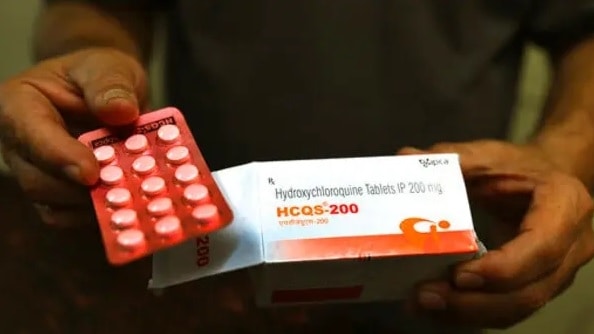
The UAE is set to import 5.5 million tablets of the anti-malarial medicine hydroxychloroquine (HCQ) from India for the treatment of COVID-19 patients.

”Under the guidance of UAE leadership, UAE embassy India succeeded in obtaining the approval of the Indian government to export adequate quantities of Hydroxychloroquine to UAE,” the UAE Embassy in New Delhi tweeted.

”The first shipment of medicine, currently on its way to the UAE, includes 5.5 million pills for treatment of patients with COVID-19. We highly appreciate the cooperation of the Indian government in facilitating the procedures for obtaining the necessary approvals,” the mission added.


The UAE has recorded 6,302 cases of the coronavirus, 37 deaths, and 1,188 recoveries.

India is planning to send the anti-malarial drug to over 55 countries hit hard by COVID-19. A vital player in the global pharmaceutical market, many countries including the US and China have depended on India for pharmaceutical ingredients and finished drugs long before the outbreak of the pandemic.

Multiple countries have attested to the effectiveness of the anti-malarial chloroquine and HCQ drugs to treat COVID-19 patients and have begun stockpiling the medications. A group of Arab countries, including Saudi Arabia, Egypt, and Morocco, have decided to incorporate the drugs into national COVID-19 treatment.

US President Donald Trump’s frequent promotion of HCQ is causing an increased demand for the drug with the United States. The demand has grown despite the FDA’s disapproval of it as a treatment for COVID-19, and despite the White House infectious disease expert Anthony Fauci insisting the drug’s effectiveness in treating the virus is inconclusive.

HCQ has become a controversial COVID-19 treatment option due to its side effects. Some COVID-19 patients who received a large dose of the drug have developed an irregular heartbeat, which may expose them to other heart problems. Other patients have developed diarrhea and signs of potential liver damage.

COVID-19 researchers have stressed the need to conduct additional studies using larger numbers of patients in order to determine the drug’s risks and benefits.


Read also: UAE Sends Aid Plane to Assist Somalia’s Efforts Against Coronavirus

Houthis Arrest, Kidnap Former Yemeni Minister Khaled al-Ruwaishan

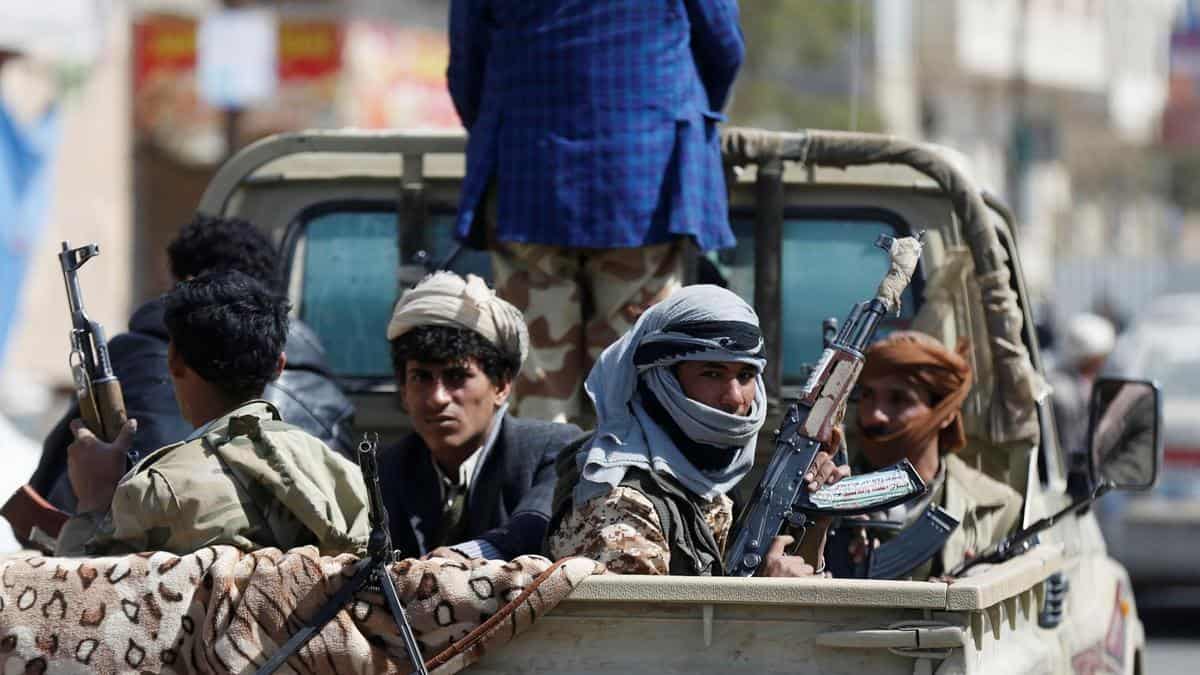
Houthi militias continue to hunt Yemeni activists and actors against their policies in their areas of control, arresting today former Yemeni Minister of Culture Khaled al-Ruwaishan in front of his house in the capital, Sanaa.

“The Houthis arrested my father half an hour ago,” al-Ruwaishan’s son wrote on Facebook without providing further details. 

The former minister of culture is known for his critical writings on Houthi policies since the outbreak of Yemen’s civil war in March 2015.

“The arrest of the great writer al-Ruwaishan, who enjoys great popular and cultural respect, in front of his home assures the world the nature of the Houthis militias against every voice opposing them,” said Yemeni human rights activist Tawfiq Al-Hamidi to Anadolu Agency.

“The Houthis chose this timing to arrest him, to draw attention away of the death penalty for the four journalists that caused embarrassment for the group, and they formed pressure by international organizations, international institutions, and major countries,” Al-Hamidi added.

Al-Hamidi called upon the Houthis to immediately reveal al-Ruwaishan’s whereabouts in order to hold the group fully responsible for the former minister’s health and physical safety.

The Houthi militia has captured and detained tens of thousands of Yemenis since initiating its coup on August 18, 2014.

The arrest of al-Ruwaishan comes after the Houthis sentenced four journalists, who have been imprisoned since June 2015 with six other journalists, to death on April 11. The rebel court found the journalists guilty of spying and collaborating with the Saudi-led coalition. 

Al-Ruwaishan’s kidnapping also comes amid repeated international calls for the release of detainees in Houthi prisons to avoid the spread of COVID-19. 

On February 16, the Yemeni government called for a comprehensive exchange of prisoners with the Houthi militia as part of an Amman, Jordan peace talk agreement and in anticipation of the spread of COVID-19. 


Saudi Arabia declared a two-week ceasefire in Yemen on April 9. The Saudi Press Agency (SPA) said the move came at the invitation of UN Secretary-General Antonio Guterres to stop hostilities in the country in order to confront the spread of COVID-19.

The following day, Yemen recorded its first case of the virus. Testing facilities for COVID-19 are almost non-existent, with more than half of the country’s hospitals destroyed or closed. The true treat of the virus unknown, but the World Health Organization (WHO) said in March that COVID-19 could infect up to 93% of Yemen’s population

Despite the ceasefire, fighting still ongoing between the Houthis and forces loyal to the exiled government. The Saudi-led coalition accused the Houthis on April 14 of breaching the unilateral truce 241 times in 48 hours, and the UN Security Council later called on the Houthis militias to seriously engage in the peace process.

The Yemeni government continues to accuse the Houthi militia of obstructing the humanitarian initiative and disrupting UN agreements despite the COVID-19 pandemic and the exceptional conditions it has created.


Read also: Yemen Records First COVID-19 Case, Houthis Reject Ceasefire

Israel to Ease COVID-19 Curbs While Morocco Extends Lockdown

Israeli Prime Minister Benjamin Netanyahu told Israelis the government will start lifting COVID-19 restrictions as they have produced “good results” that have led to a slowdown in infections. 

“Our good results enable us today to start taking steps in the opposite direction – not a tightening, but an easing,” Netanyahu said in televised remarks on Saturday, April 18.

Israel has been in a semi-lockdown since March 14, with education suspended, non-essential business closed, and citizens encouraged to stay home and not venture more than 100 meters from their residence. The country tightened restrictions during Passover, forcing all businesses to close, banning intercity travel, and extending curfew hours. 0 

Some neighborhoods, like the ultra-Orthodox Bnei Brak where up to 40% of the population was thought to be infected with COVID-19, have been sealed off from surrounding areas and subjected to stricter lockdown conditions.  

Israel has 13,362 confirmed COVID-19 cases and recorded 171 deaths from the disease, but Health Ministry data shows the infection-rate curve is flattening.  

Israel’s Cabinet approved today the easing of COVID-19 curbs, as introduced by Netanyahu on Saturday. As a result, open-air, socially-distanced prayers in groups of 19 will be allowed, and people will be able to travel within a 500-meter radius of their home or workplace for prayer or sports. Businesses can increase staffing from 15% to 30% or to a maximum of ten employees at a time and a new “purple badge” standard is set to determine which businesses can reopen.  

Morocco, which has only recorded 2,820 confirmed cases of COVID-19, has taken a dramatically different approach to Israel, extending the nationwide lockdown for an additional month, until May 20. 

A government council met on April 18 to discuss COVID-19 measures and decided to extend the country’s lockdown to include the Muslim holy month of Ramadan, as many had expected and the minister of health had suggested.

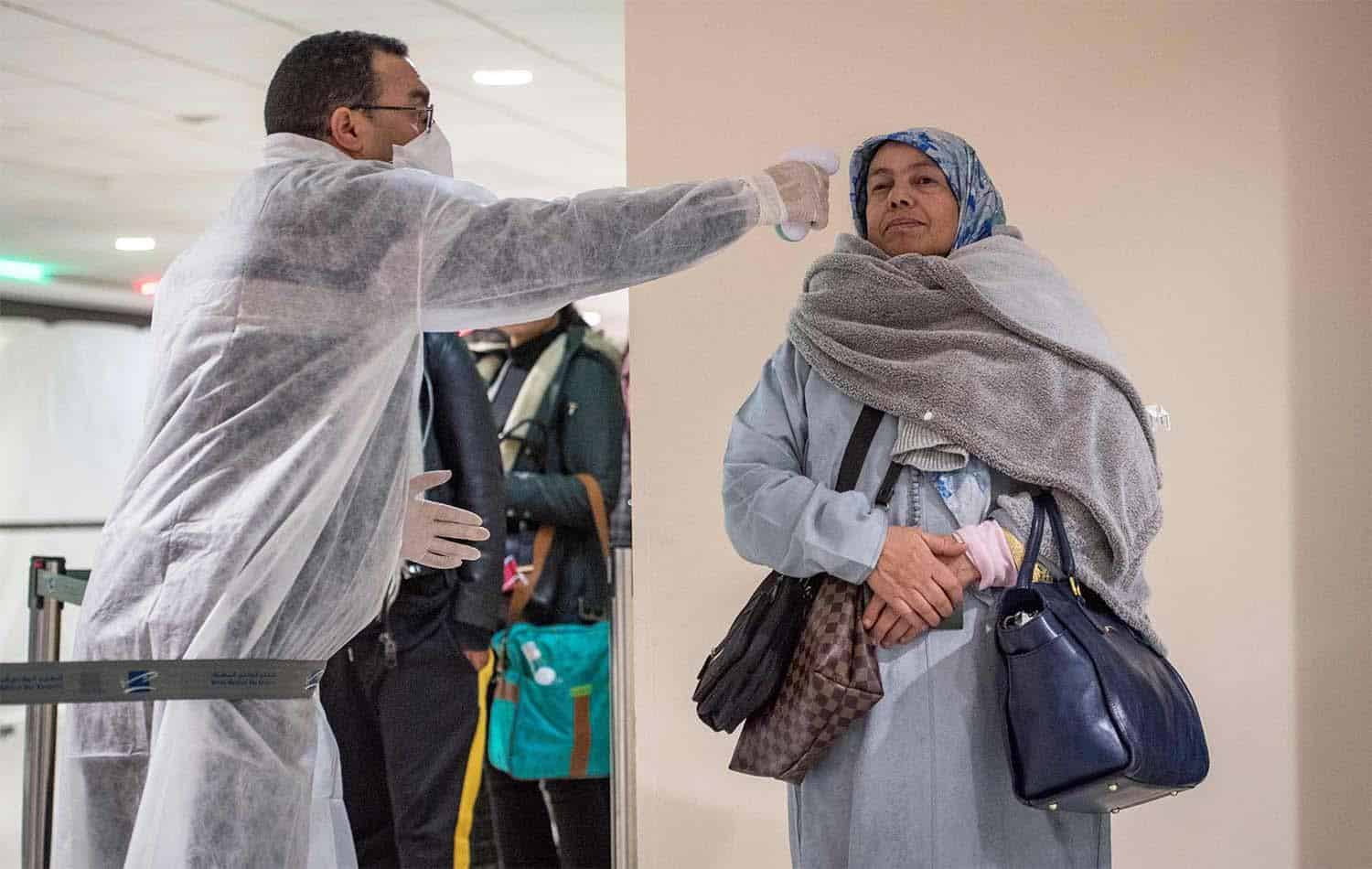
Moroccan citizens and residents are only permitted to leave their homes to purchase groceries or medicines, seek medical treatment, or for work deemed essential and must wear face masks in public. 

Under the prolonged state of emergency measures, education facilities, sporting clubs, entertainment venues, and restaurants remain closed. All international and domestic flights, intercity travel, border crossings, and maritime travel are also restricted or suspended indefinitely. 


Read also: Morocco, Jordan and Tunisia enter state of emergency and lockdown to stop COVID19

Bread Crisis Threatens Lebanon, Iconic Hotel Folds in COVID-19 Downturn

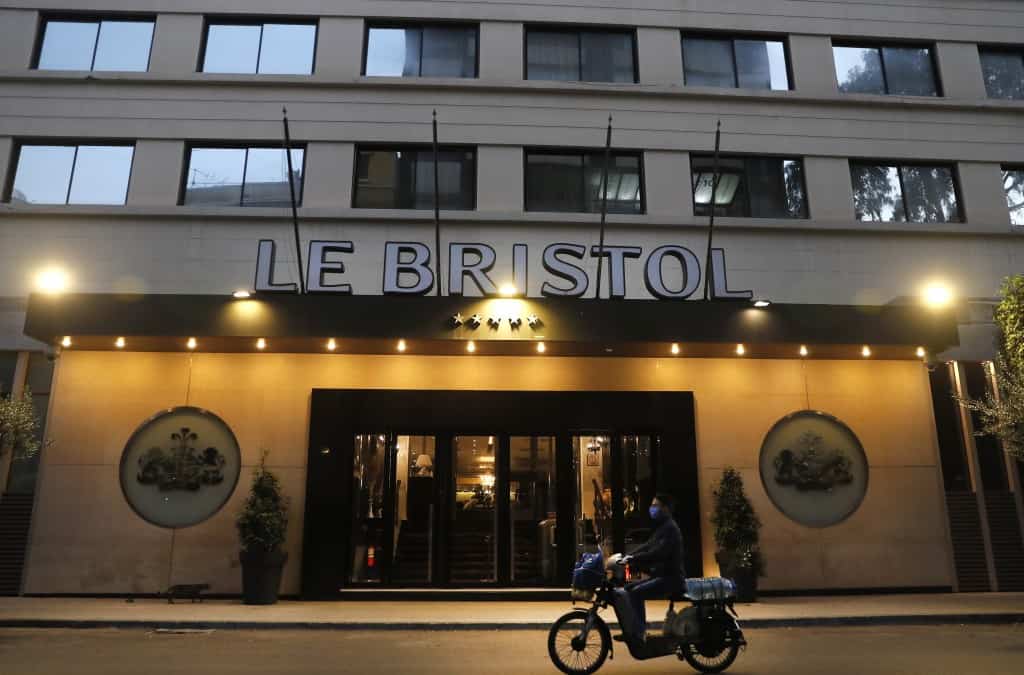
The grand old Le Bristol Hotel has been a Beirut institution for nearly 70 years and survived civil war protests, but will not reopen its doors when Lebanon eventually lifts its novel coronavirus shutdown. 

The luxury hotel’s executive assistant manager, Pascale Selwan Tabet, confirmed yesterday, April 18, that Le Bristol was not able to overcome the low occupancy rates caused by the dual shocks of Lebanon’s economic and COVID-19 crises and is now closed for good. According to the national hotel owner’s association, occupancy rates in Beirut were already as low as 10-15% due to months of protests, before COVID-19 halted travel completely. 

“The succession of these dramatic events in town and globally has impacted the hospitality industry. Then the coronavirus pandemic ‘executed’ the tourism industry,” Tabet said.

For seven decades, the hotel, an architectural mix of East and West, has brought together the crème de la crème of Lebanese society with royalty and international stars from around the world. Renowned for its gastronomy and lavish ballroom parties, Le Bristol is owned by one of Lebanon’s richest families, the Doumets. 

After the hotel’s closure, expected to be officially announced next week, 120 employees will lose their jobs. Lebanon’s unemployment rate is already high and only set to rise further, with the International Monetary Fund (IMF) predicting the Lebanese economy will contract another 12% this year, as opposed to 6.5% in 2019. 

Lebanon was already mired in a deep economic crisis prior to the arrival of COVID-19 and defaulted on its international loans in late March. A dollar shortage has further compounded the economic crisis, causing the value of the Lebanese pound to plummet.

The economic crisis is now starting to have a major impact on food security, with bread the latest commodity to be affected. Bakers have announced they will only sell bread directly from their bakeries as of Monday, April 20.  

The Union of Bakeries Syndicate claims they can no longer make money on their current wholesale bread price because the astronomical dollar exchange rate has massively driven up production costs.

Union leader Ali Ibrahim said that while distribution represented 90% of bakery sales, “there is no law that forces us to distribute bread.’’ 

Economy Minister Raoul Nehme has refused the union’s request to raise the standard price of a packet of bread sold in stores, and in retaliation the union is halting distribution to stores, villages, and remote areas.

“We resort to selling straight from bakeries at the official price, with the economy minister refusing to put two prices, between bakeries and shops,” he said.

There are now concerns that Lebanese citizens will struggle to get bread due to the movement restrictions imposed to curb the spread of COVID-19. Former Economy Minister Raed Khoury acknowledges that baker’s profits have declined due to the high exchange rate but argues they are still making money and need to accept lower profits as the new normal. 

It remains to be seen how the bread distribution cut will play out on Monday. The union is adamant that they are “not responsible for the overcrowding in front of bakeries,” but it is likely that long bakery queues and increased food insecurity will be consequences of the  Union of Bakeries Syndicate radical decision. 


Read also: Lebanon: Unrest Grows in Parallel to COVID-19 and Liquidity Crises

Turkish Authorities Politicize COVID-19 Aid Campaigns

On Friday, April 17, the Turkish Interior Ministry announced investigations into the mayors of Ankara and Istanbul. Turkey’s main opposition party, the Republican People’s Party (CHP), controls the metropolitan governments under investigation. The mayor of Istanbul, Ekrem Imamoghu, and Ankara’s mayor, Mansur Yavas, are expected to submit their legal response on April 20.

Both mayors are accused of hosting local donation drives to fight the COVID-19 epidemic in Turkey. This conflicts with a March 31 issuance of state regulations as the ruling Justice and Development Party (AKP) announced their nationwide fundraising campaign. The state-owned Vafikbank that holds the municipal funds has frozen the accounts, blocking access to the funds.

The March 31 regulations specify that all provinces and metropolitan municipalities, including Ankara and Istanbul, have to receive permission from government-appointed officials before commencing local campaigns. Turkish legal experts have disagreed with Friday’s investigations stating that Turkish law expressly grants the authority for local politicians to receive donations.

Playing politics

Arab News spoke to Baris Yarkadas, a former opposition MP-turned-journalist, who described the investigations succinctly: “They are launching an investigation against Imamoglu just because he collected donations for the needy people.” The former MP highlighted the importance of politics in the decision, saying that the ruling party is “trying to create a basis for appointing trustees to the cities. I’m warning the AKP: Do not (obstruct) the Turkish people. Helping the poor and the needy is not a crime.”

The fact that both mayors are from the opposition CHP party is not a coincidence. “From the beginning of the process, the Turkish government has been trying to establish a monopoly on the state’s social policies that aim to lessen the negative impacts of the pandemic,” Emrah Gulsunar, a political scientist from Lund University, told Arab News.

Turkish President Recep Erdogan knows very well the power that mayoral governments have. Erdogan himself rose to national prominence as mayor of Istanbul and appears weary of anyone trying to follow in his footsteps.

As political games in Turkey continue over crucial aid, Turkey’s Health Ministry released the country’s latest case report. As of this week, Turkey has the most new COVID-19 infections of any country worldwide. According to data released on Saturday, April 18, Turkey has reported 78,546 cases and 1,769 deaths.