China Leads Fight Against COVID-19 as Spread of Infection Slows

Every day the news appears to be getting worse. The number of deaths keeps climbing and infection rates are accelerating across the US and Europe. But there is encouraging news from the first, and worst hit, a nation so far. China reported no new local infections yesterday.

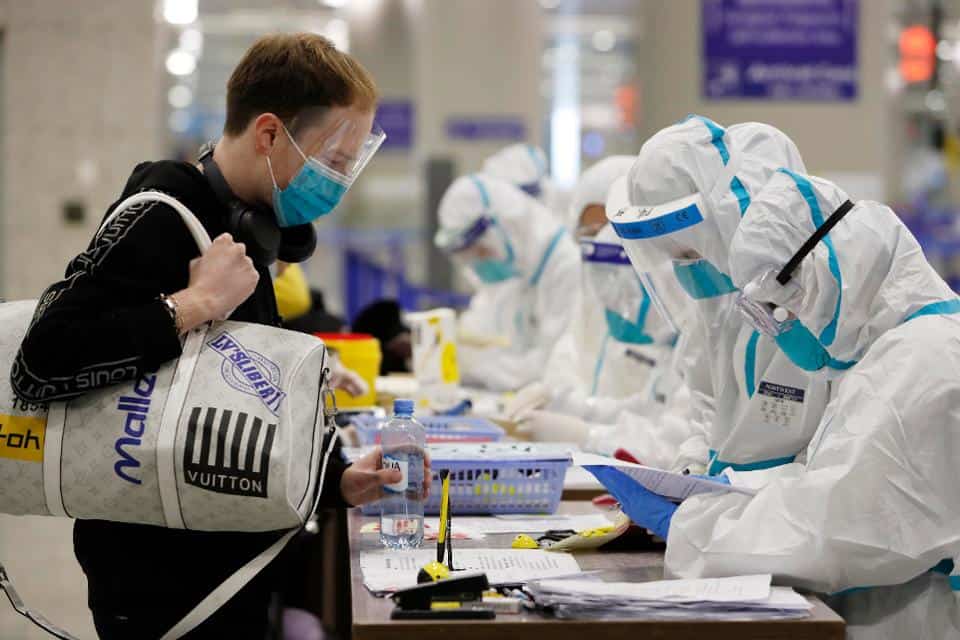
Through a combination of very high levels of testing and drastic quarantine measures, China is showing the world how the virus can be contained. South-Korea has learned quickly from its neighbor and has performed 300,000 tests and has built the capacity to conduct 15,000 new tests a day. In contrast, the United States, with six times Korea’s population size, has conducted only 60,000 tests so far.

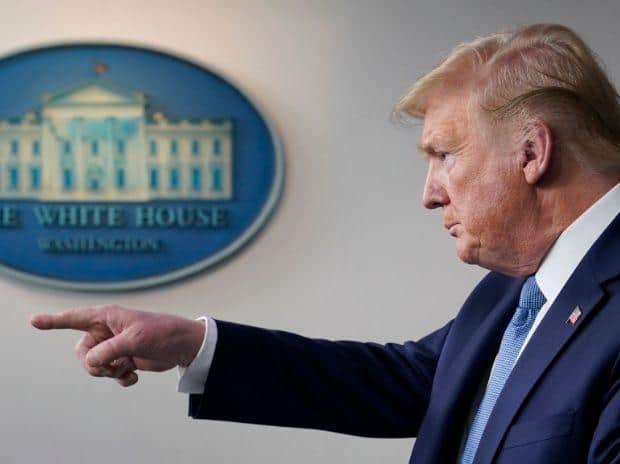
While US President Donald Trump continues to try to frame the virus as Chinese, other countries are starting to recognize China as a global leader in fighting the pandemic. 

According to the Intercept, the Chinese government and private parties have sent doctors and medical necessities to Belgium, France, Italy, Iran, Iraq, the Philippines, Spain, and the US. 

Trust in China’s approach is evidenced by the number of Chinese expatriates who are flying to China. After a Chinese woman in the US was refused testing three times, she decided to fly to China to get the testing and treatment she needed.

The Chinese government sees the gestures made to other countries as an integral way to project the power and success of the Chinese state by providing materials needed to protect healthcare workers and follow the World Health Organization (WHO) advice to test as many people as possible.

While US President Donald Trump on Wednesday did not reject a possible ‘punishment’ for China, other countries take a different approach. Serbian President Aleksandar Vucic sent a letter to his Chinese counterpart, saying “the only country that can help us is China. For the rest of them, thanks for nothing.” The following Monday the first Chinese testing kits started arriving in Serbia.

China alone will not save us. Supplies of ventilators, face-masks, and sanitizers have suddenly become a scarce commodity and without global cooperation, these shortages could hamper any containment efforts.

This is not the time to cast blame, instead, let’s try to learn from each-others’’ successes and try to limit each-others’ pain. Because, together, we can emulate China’s recent success and stop the virus.
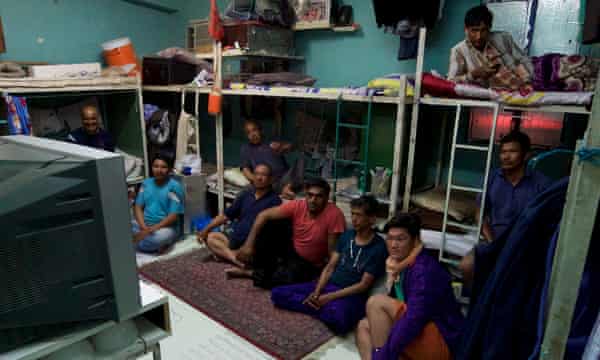
Qatar Locks Migrant Workers in Squalid Labor Camps to Prevent COVID19 Spread

The Gulf Cooperation Countries are home to some 35 million migrant workers, according to International Labor Organisation statistics. The majority of low-income laborers from Asian countries like India, Nepal, and Bangladesh are housed in large camps in “crowded and often unhygienic conditions,” GCC based advocacy group Migrant-Rights.Org reports.

Today the Guardian reports Qatar’s biggest labor camp is locked-down to prevent the spread of COVID-19 after hundreds of workers tested positive for the virus.

Police are reportedly patrolling the perimeter of the camps in Doha’s “Industrial Area”. Meanwhile, fear and uncertainty is growing amongst the workers penned up inside.

“The situation is getting worse each day. Workers from camp 1 to camp 32 are in lockdown. My friends who live there are in extreme panic,” a Bangladeshi worker told the Guardian.

A Nepali man described the new rules inside his camp, telling the news outlet, “we are not allowed to walk in groups or eat in a tea shop. But you can still buy food and take it home. I’m worried about my family back home. There won’t be anyone to take care of them if anything happens to me.”

Migrants-Rights.Org says social distancing is impossible in camps where people are “housed six or eight to a room in the best of situations.”

“These conditions leave migrants vulnerable to health issues in the best of circumstances, and will especially accelerate the spread of the virus,” the NGO added.

Aside from the fetid and cramped camp conditions, Associate Editor of Migrant-Rights.org Vani Saraswathi said she also holds grave concerns over the financial futures of workers and their families.

“The government should never have kept workers in such appalling conditions, but the least they can do now is ensure workers get their wages on time. They must keep an eye open for wage deductions and delays,” said Saraswathi.

“If workers can’t send money home now, their families will face real hardships just when they need money the most.”

The number of confirmed cases of COVID19 in the combined Gulf states of Qatar, Bahrain, Saudi Arabia, Kuwait, and the UAE has shot up to more than 1,200.

On March 11, Qatar’s Ministry of Public Health announced 238 new confirmed cases linked to three cases identified in “expatriates from a “residential complex”. Though it is not specified, many have deduced that a labor camp was likely the hotspot of the outbreak.


Read also: Fate of Qatar Gas Production Could Reveal Global Trend

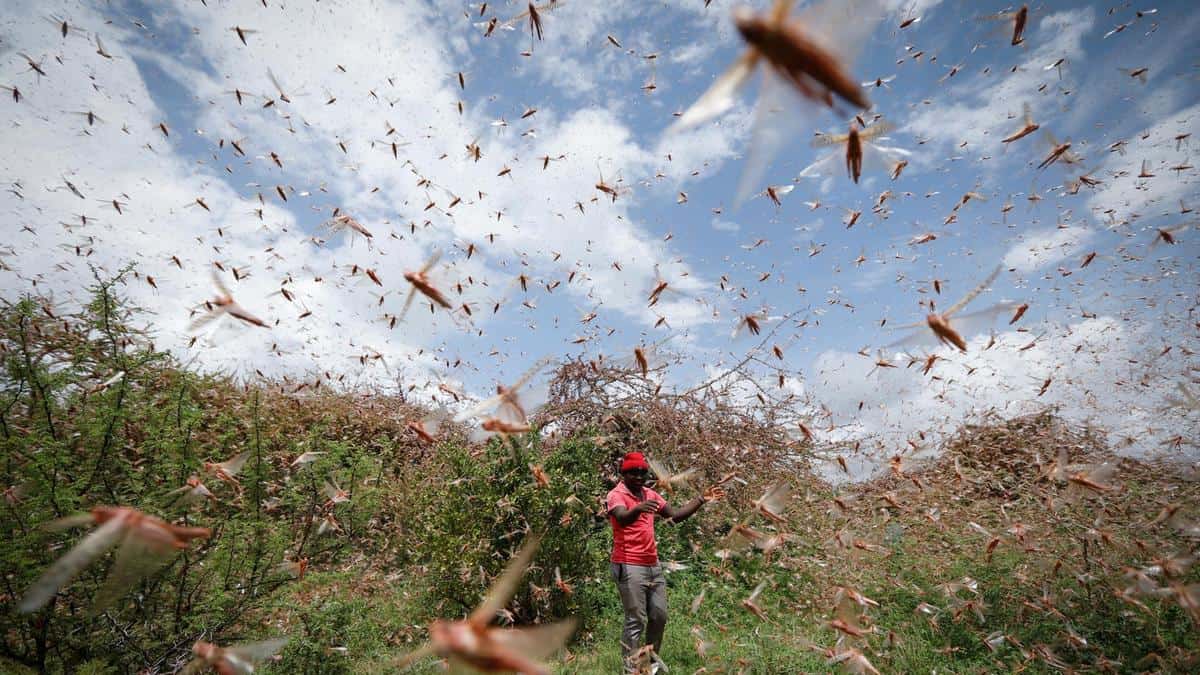
Growing Locust Swarms in Horn of Africa Threaten Food Security in MENA

The UN’s Food and Agriculture Organisation (FAO) has warned that an enormous swarm of locusts developing in the Horn of Africa is likely to threaten the Middle East and North Africa in the coming months.  

According to the FAO, the upsurge in locust numbers has the potential to reach plague proportions and is the “worst desert locust crisis in over 25 years.” Despite efforts to control the outbreak, it has already spread to Iran, Sudan, and Yemen. 

“The situation remains extremely alarming in the Horn of Africa, specifically Kenya, Ethiopia, and Somalia where widespread breeding is in progress and new swarms are starting to form, representing an unprecedented threat to food security and livelihoods at the beginning of the upcoming cropping season,” the FAO’s Locust Watch website said.

The Desert Locust situation update issued on March 17, said the developments in Kenya, Ethiopia, Yemen and Iran are very concerning, while the problem is relatively under control in Sudan, Eritrea, Egypt, Saudi Arabia, and Oman. 

The spread of desert locusts to Yemen and Iran is particularly worrying for the MENA region due to the conflict in Yemen and the novel coronavirus catastrophe unfolding in Iran. 

Locust Watch advises that, in Yemen, so-called “hopper bands” are still forming on the southern coast near Aden, although control was carried out in the area but, “the situation is not well known in other areas where breeding is likely underway.”

As for Iran, “swarms and adult groups continue laying eggs in the southwest (southern Khuzestan, Busherh, southern Fars, western Hormozgan provinces),” the update said.  

Worrying hatching and band formation is imminent and “local breeding continues in the southeast where hoppers are forming groups and bands in eastern Hormozgan. Control operations are in progress,” the update went on.

The success and continuation of control efforts in Iran are seriously threatened by the COVID19 outbreak gripping the country. As of March 19, Iran had 17 361 confirmed cases of novel coronavirus and had recorded 1135 fatalities from the virus.

Once formed, ravenous swarms of desert locusts, considered the “most destructive migratory pest in the world” by Locust Watch, can move quickly, travelling up to 150km per day. 

They are also capable of eating the equivalent of their bodyweight daily, and the swarm currently in the Horn is estimated to eat enough food to feed around 35 000 humans, on a daily basis. 

The swarm is expected to arrive in the Middle East in April and spread as far east as Pakistan, The Weather Channel reports.   

The growing band of desert locusts poses a frightening risk to the food security and lives of the region’s poorest and most vulnerable people.

“Persons living in poverty face compounding vulnerabilities to climate change impacts because they lack the resources to quickly recover from its effects. In this case, desert locusts are ravaging crops in the field before harvesting, wiping out livestock and wildlife feed, and with them savings, assets and livelihoods,” United Nations Environment Programme expert Richard Munang explained in a recent interview with The Weather Channel. 

“It Wasn’t Me” Donald Trump Uses Racism as Diversion Tactic

For years, US president Donald Trump has had a recognizable strategy when it comes to criticism: Don’t apologize, just attack. He combines this strategy with what American political experts call ‘whataboutism,’ a rhetorical trick to highlight the flaws of another to minimize your own. 

Whenever he was criticized while running for president ‘what about Hillary Clinton..’ would be the immediate response. During his presidency he has used the Democrats to divert attention, and now it is basically anyone who is Chinese.

Whenever Donald Trump refers to the COVID-19 pandemic, he labels the virus as ‘the Chinese virus’, it is the Chinese government that is at fault for the current outbreak in the US, not Donald Trump.


Ironically China is now reporting no new local cases, making it one of the countries where the virus is ‘under control,’ Donald Trump appears focused on making sure xenophobia and anti-Chinese distrust in the US is raised to a fever pitch. And, the more outrageous his statements, the more his political base supports him.


The Pew Research Center reports that whether or not an American considers the virus a threat or not, is now primarily linked to their political preference. Large swaths of right-wing media watching Republican voters now think COVID-19 was created intentionally in a Chinese military lab, think a vaccine is almost ready for use, and that the media is exaggerating the risks of the virus.


Donald Trump’s rhetorical strategy is undoubtedly going to work with his base of supporters. With global xenophobia against Asian people on the rise, and America’s troubled past with Japanese internment camps during WW2, Trump is walking a dangerous line by stirring up anti-Asian resentment.

By pointing blame away from his government’s response, key flaws remain unaddressed, while racist tropes spread that could endanger global solidarity in this time of crisis.


Read also: Trump Declares War Against the Novel Coronavirus

UN Agency Warns at Least 1.7 Million Jobs at Risk in Arab World Over COVID19 Pandemic

The latest report from the ESCWA warns at least 1.7 million people may lose their jobs across the MENA region as a result of the novel coronavirus (COVID19) pandemic.

It advises that, alongside the rising death tolls and drain on public health, Arab states must prepare to implement economic policies to deal with the unprecedented economic fallout from the COVID19 pandemic. 

The Middle East and North Africa has recorded over 21 000 confirmed cases of the virus, as of March 19. 


View this post on Instagram


Nearly 21,000 cases of the coronavirus have been confirmed throughout the Middle East and North Africa—but as conflicts in the region limit countries’ ability to accurately monitor the situation, this estimate may be far from reality. #coronavirus #coronavirusupdate #middleeast #northafrica #covid

A post shared by ARABIA POLICY (@arabia_policy) on

The report estimates that in 2020, GDP will decline by $42 billion and 1.7 million jobs could be lost causing a 1.2 percentage point increase in the regional unemployment rate. 

Nation-wide lockdowns of everything but essential services, means, unlike the 2008 global financial crisis, every sector is badly affected. The service industry, which is the region’s top employer is very hit-hard and its activities are expected to be cut by half. 

The UN estimates the drop in global oil prices has stripped $11 billion from regional oil net revenues from January to Mid-March 2020. 

During the same time period, businesses in the Arab world lost a staggering $420 billion of market capital, equivalent to around 8% of the region’s total market capital. 

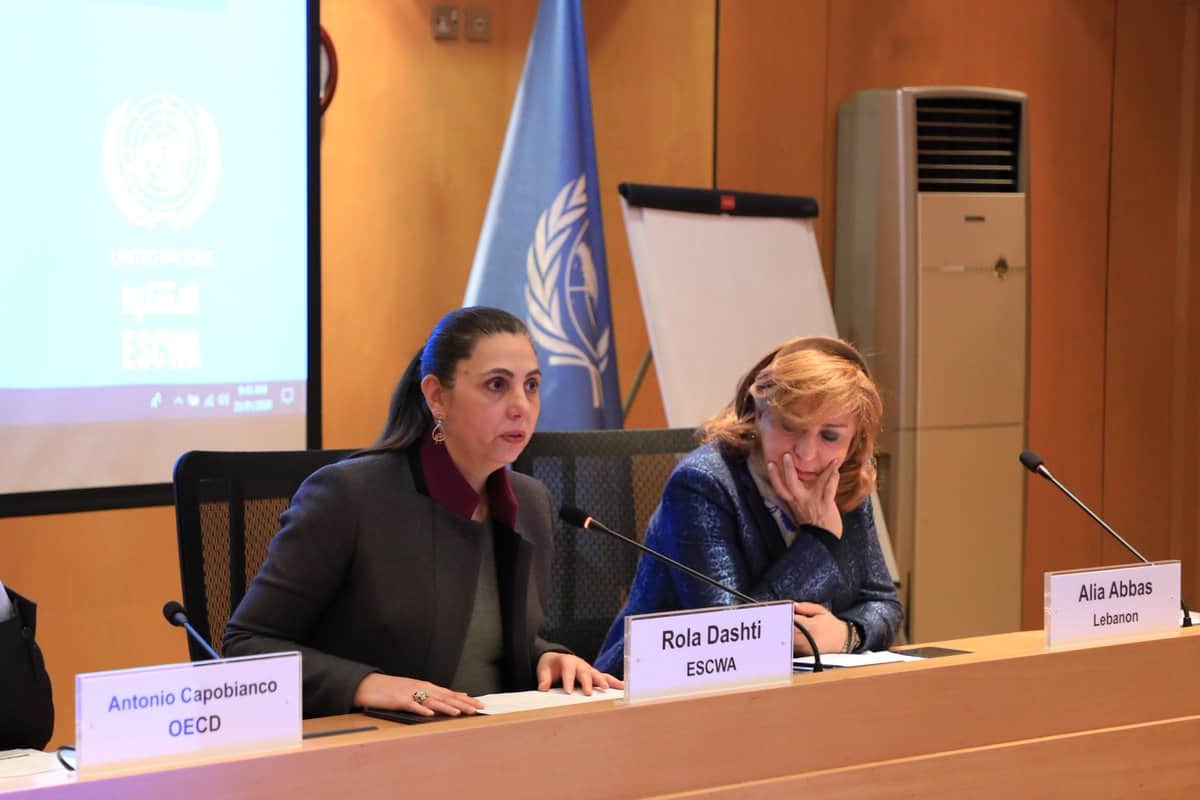
While the death toll and case count continues to rise, ESCWA Executive Secretary Rola Dashti said, “we can start to assess our economic losses and find ways to mitigate them.” 

He emphasized, “policy solutions and swift actions are needed to trigger recovery, based on a comprehensive and integrative approach that leaves no one behind.”

On the policy front, ESCWA recommends governments implement macro and microeconomic initiatives to address the downturn, with particular focus on the vulnerable and poor who are most at risk.

As for business, the UN suggests fiscal policy measures such as “tax extension and exemptions, wage subsidies, deferment of debt obligations, and support to small and medium enterprises.” 

They are also encouraging multilateral financial organizations to support the region’s least developed countries who are extremely vulnerable during this time. 


Read also: COVID-19: Global Markets Spiral as Economic Fallout Becomes Apparent

Dispelling Myths About Youth in the MENA-region

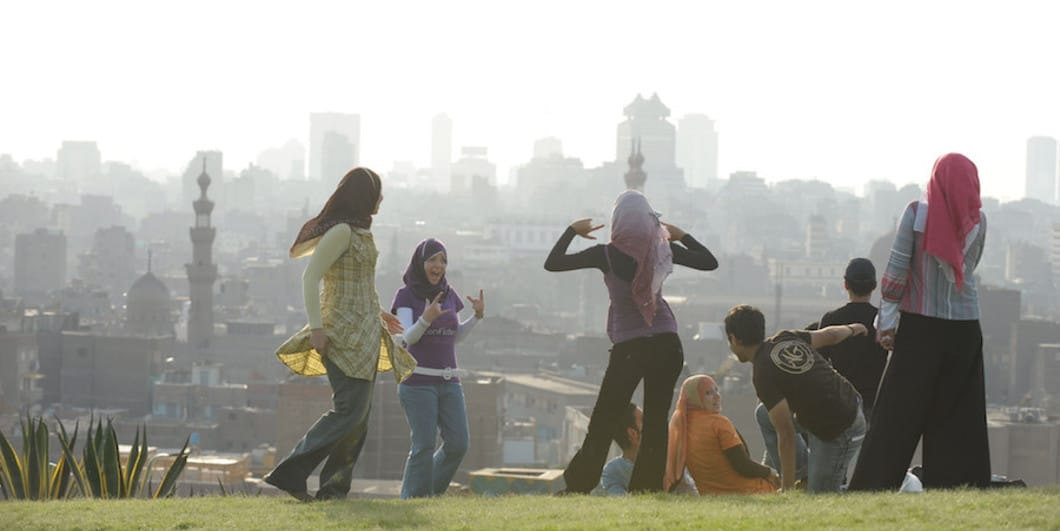
A lot of reporting covers the activities of young people in the Arab world, and almost all of it presents a skewed perspective. Ever since the September 11 attacks in New York City in 2001, the youth of the region has been viewed through a distorted lens. That trend worsened after the rise of ISIS, with worries about the radicalization of young Muslims in the West peaking, and any citizen of an Arab country that joined the group was breathlessly reported on in global media.

Googling news about ‘Arab youth’ leads to many news articles that cover young jihadists, Palestinian youth throwing stones, or the plight of young women trapped in war zones.

All of this might lead a casual observer toward the following conclusion: The youth in the MENA-region are increasingly conservative and religious, are hostile towards the West, and most of all, they are somehow different from the young people growing up all over the world. As 65% of Arab populations are below 30, the skewed perspective leads to unsettling conclusions about the future of the region.

In order to gauge the actual opinions of the 200 million young people in the Arab world, Dubai Public Affairs firm Asda’a BCW puts out an annual ‘Arab Youth Survey’. The study is conducted in 15 countries and territories in the MENA-region and is based on 3300 face-to-face interviews.

The survey reveals that Arab youth have very similar priorities compared to global youth, are eager for reform in their countries, and have a very different outlook on religion from what traditional press reporting suggests. 

It is difficult to claim Arab youth is increasingly religious and conservative when 66% of interviewed youngsters agree that religion plays too big of a role in the region and 79% think that religious institutions need reform. 

The youth in the MENA-region clearly expect more of their governments and demand high quality education that promotes social mobility while making clear that conflict should be resolved whatever the cost.

Below is a short list of myths and stereotypes about Arab youth that the survey dispels:


Myth #1: Arab Youth are frustrated and eager for conflict


Myth #2: Arab youth are misinformed and technologically backward

Myth #3: Arab youth are increasingly religious and conservative

Myth #4: Arab youth have different problems and priorities

Myth #5: Arab youth are desperate and uneducated

For the complete findings, please find the study here

European Citizens Unhappy With Government Response to Pandemic

As the novel coronavirus spreads across Europe, people are starting to lose trust in their government’s approaches. Now that the scale of the coronavirus is becoming more obvious to Europe, and millions are either self-isolating or in mandatory quarantine, unhappiness over government measures is growing.

When the first cases were detected in Europe, governments stressed that ‘business-as-usual’ was very much the preferred approach. Fearful of the economic impact of measures limiting trade, tourism, and large public events, governments urged people to take personal responsibility as life continued.

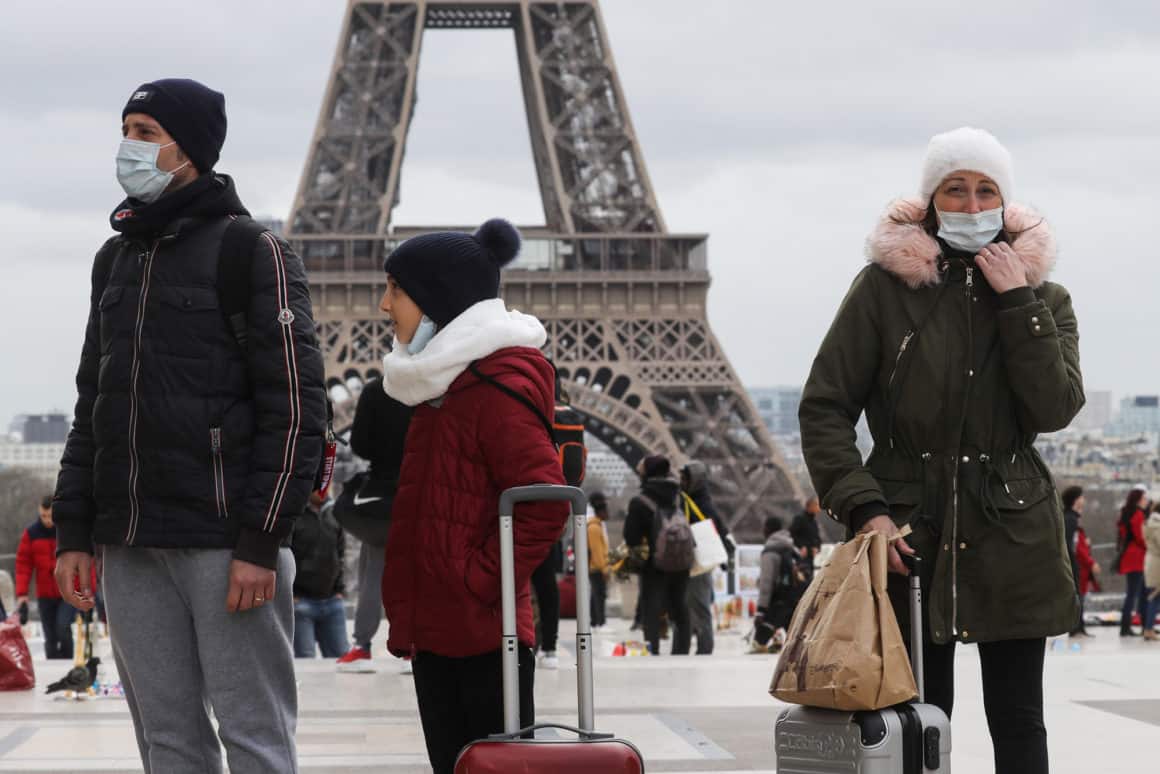
Per government advice in the Netherlands, people continued packing for their vacations, scheduling business meetings and dropping their children off at school. If there would be casualties, the economy surely would not be among them. In France, local elections carried on as planned, hundreds of thousands of tourists flocked to Paris and employees went to work as if nothing was wrong. The Government of the United Kingdom even announced they would count on ‘herd immunity’ to solve the COVID-19 outbreak. Once 60% of the population contract the virus, the British government said, the epidemic would no longer pose a threat.

A few thousand infections and hundreds of deaths later, governments across Europe started to realize that prioritizing the economy was not going to work.

Bell curves of infection rates matched with healthcare capabilities started spreading and isolation became the new trend. In France and Italy fines and charges are being handed out for people who leave their homes unnecessarily, most of Europe’s major tourist attractions are closed off to the public, and highways are eerily quiet.

While overconfidence in the capabilities of national governments and healthcare systems had led to the initial absence of panic, the realization is creeping in that the institutions most Europeans hold dear are not as well managed as initially thought.

Following the 2008 financial crisis, austerity measures were implemented throughout Europe. Hospitals saw mergers, to limit the amount of ‘inefficient’ smaller local hospitals, healthcare was further privatized and studying to be a medical professional became more expensive each year.

The result of creating a highly efficient healthcare system is that the system is geared to performing under ideal situations, not one nurse too many, not an idle doctor to be seen. Now that healthcare systems are coming under pressure on an extraordinary scale, people are starting to doubt decisions made over the last decade.

French workers at warehouses for online retailer Amazon are protesting, in Spain citizens drowned out a national address by the king by beating on pans from their windows or balconies, and the British prime minister had to be pressured into reversing course.

In Europe, people are realizing that healthy skepticism of their government’s priorities and a sense of personal responsibility to stay informed are becoming an important factor in daily life. As the virus spreads, so does the realization that everybody must be vigilant, protect their communities and pressure democratic representatives to take the right course of action.

Happy Nowruz! A 3000-Year-Old Celebration of Renewal and Togetherness

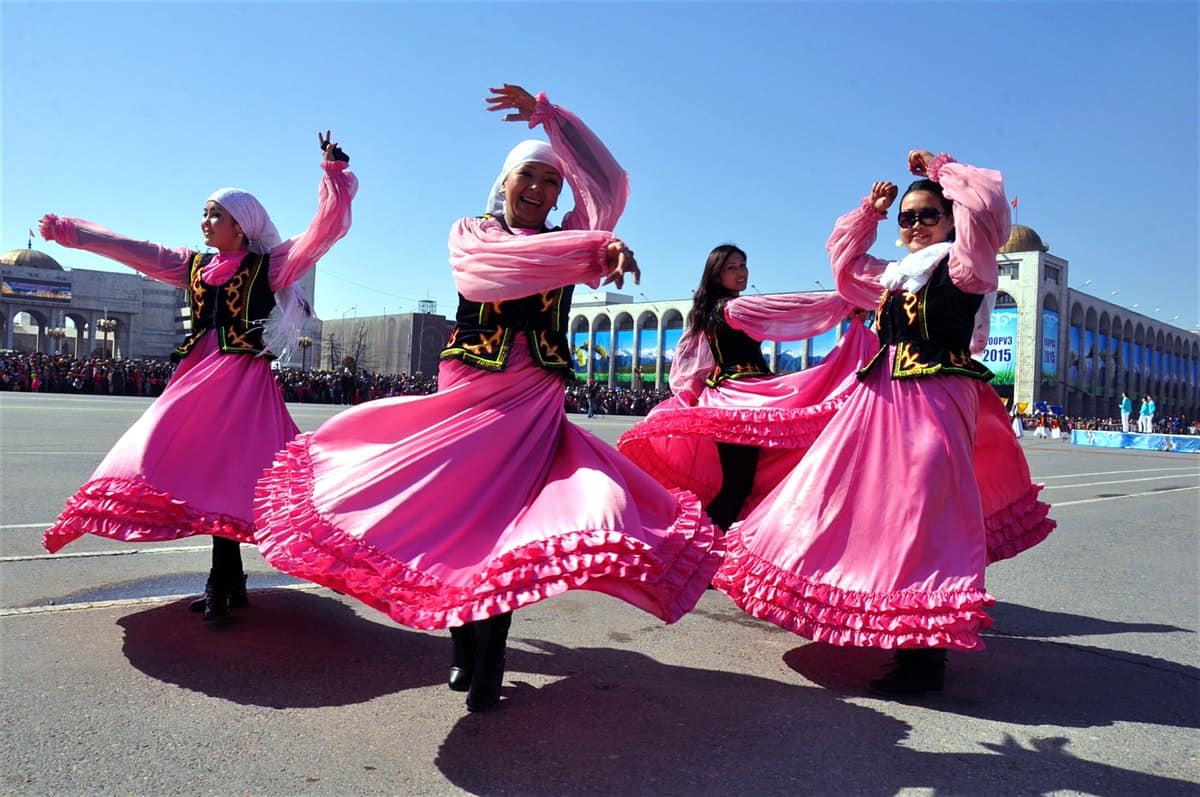
With the end of winter, it is time for new beginnings: Across the Middle East and South Asia, celebrations are about to begin as Nowruz, the ‘Persian New Year’, marks the beginning of spring and celebrates a fresh start to the year.

With the world in the midst of tumultuous and uncertain times, celebrations of renewal and togetherness are more important than ever. Luckily, a great example of a secular holiday that binds together a variety of cultures and religions is upon us: Happy Nowruz everybody!

The tradition of Nowruz dates back 3000 years and was originally a Zoroastrian tradition, one of the world’s oldest still-practiced religions. It was celebrated at the height of the Roman empire, during the Chinese war of three kingdoms and constituted a royal holiday for the Abbasid-dynasty and has survived to this day. 

As the world changed and new empires, cultures, religions, and traditions arose, Nowruz has managed to survive as a beloved tradition in many different cultures.

The build-up to the joyous day started earlier this week with the traditional ‘festival of fire,’ when bonfires and fireworks mark the ending of the previous year, and an ancient version of trick-or-treat where children leave a cap or small basket at their neighbors doors to collect sweets, fruit, or pastries.

At the close of the year everything bad is banished into the past and the 13 days of Nowruz are ready to begin.

The beginning of spring is symbolized by all things clean and new, starting with ‘shaking the house’ a tradition of a thorough spring-clean and restock of the shelves. People decorate their sparkling clean houses, prepare a festive table, and dress in their finest, preferably new, clothes.

Nowruz celebrates togetherness and our shared connection, celebrants call everyone they know to wish them a happy Nowruz, to reaffirm connections and acknowledge each other’s existence.

For the 13 days of Nowruz, people visit their families and expect to be visited in turn. This year, this tradition will likely be performed digitally where possible, but the idea to see your family and connect with them, not once but repeatedly, is a message anyone can embrace in our current times.

While not very well known in the West, this year is a great time to start celebrating Nowruz. It is time to make an effort to connect with family and friends via phone or video-call, give the house a good clean, and celebrate leaving one year behind us, and standing together in being hopeful for the next.

UAE Introduces Travel Restrictions, Residents Shut-In as Borders Close

Under the sweeping new measures, citizens currently overseas have been told they cannot return to the United Arab Emirates (UAE) for a renewable two week period, the state-run Emirates News Agency reports.

Those traveling for business, visiting their country of origin, or vacationing outside the UAE have been advised to contact their local Emirati diplomatic mission for support, advice, and the facilitation of their return to the Emirates. 

The suspension imposed by the UAE’s Ministry of Foreign Affairs and International Cooperation comes into force from Thursday, March 19 at 12pm. 

The Emirates is a global transit, tourism, and business hub. Only around 10% of those residing in the UAE are Emirati citizens, the rests are expatriate workers and their families who will all be affected by the new “temporary” regulations. 

As of March 19, there are 133 confirmed cases of coronavirus in the UAE, no fatalities and 22 full recoveries recorded. 

The UAE has also put a halt on issuing new work permits and has stopped issuing visas on arrival for holders of exempted passports. The Ministry of Human Resources and Emiratisation issued an indefinite suspension on the issuance of all types of labor permits from March 19. Intra-corporate transfers, Dubai Expo 2020 permits, and diplomatic passport holders are, however, exempted.  

UAE Attorney General Hamad Al Shamsi declared that anyone returning to the UAE must home quarantine for 14 days. Violation of the isolation period is an offense and Al Shamsi promised the law would be strictly applied to anyone contravening the order.  

Citizens and residents of the UAE are also, from Wednesday, March 18, banned from traveling abroad, until further notice. 

“The decision stems from the eagerness to ensure the citizens’ safety and wellbeing in light of the rapid spread of the virus around the world, restrictions imposed on travel by countries, and the gradual suspension of flights,” the Ministry said

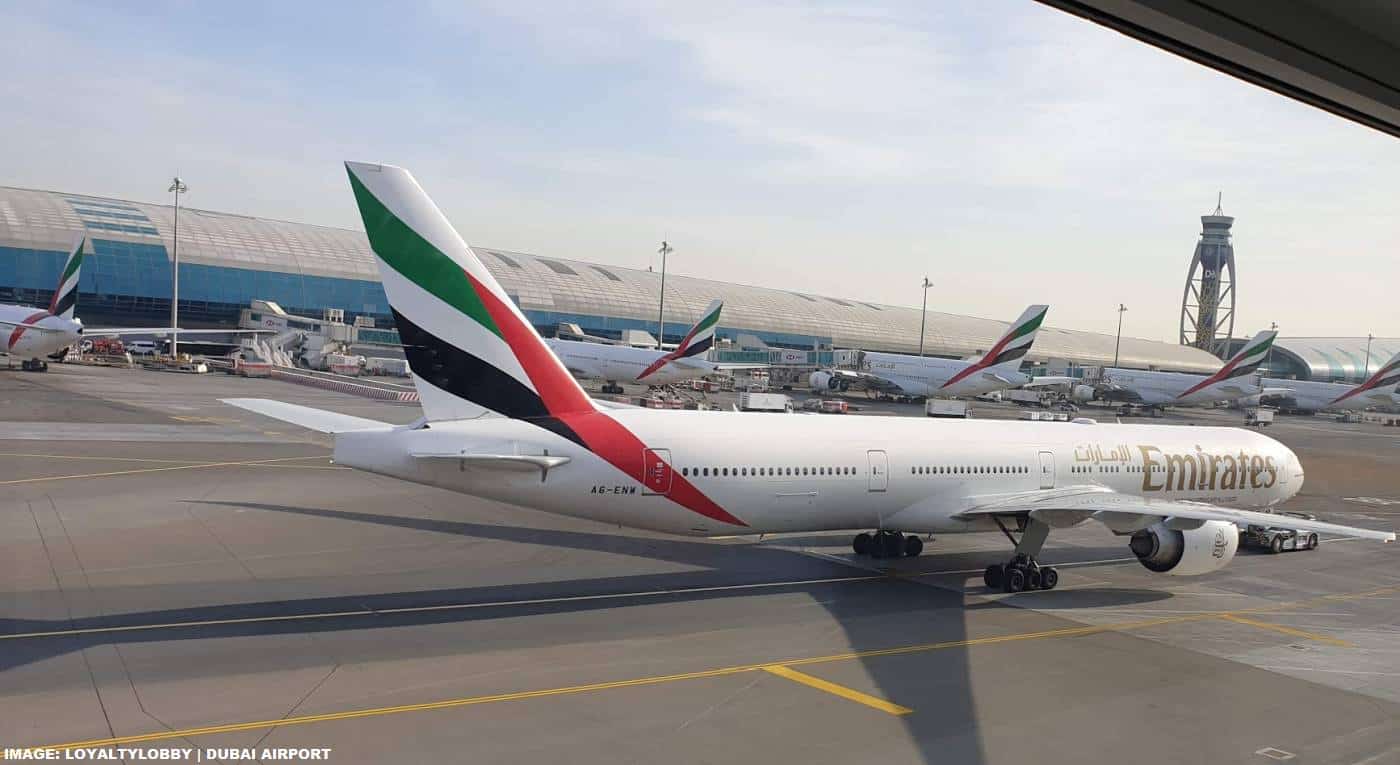
Many international airlines are fighting for survival as the coronavirus pandemic rages on and state-owned UAE airlines Emirates and Etihad Airways have been hit hard. 

On Thursday, March 19, Reuters reported Emirates has asked its approximately 21,000 cabin crew and 4,000 pilots to take unpaid leave as demand for international travel plummets under the cloud of COVID19.

According to an internal staff email seen by Reuters, Emirates told pilots, “you are strongly encouraged to make use of this opportunity to volunteer for additional paid and unpaid leave.”

Aviation industry body The International Air Transport Association (IATA) has called on MENA region governments to provide economic assistance to airlines in light of the disastrous effect COVID19 is having on the sector. 

“Stopping the spread of COVID-19 is the top priority of governments. But they must be aware that the public health emergency has now become a catastrophe for economies and for aviation,” said IATA’s Director-General and CEO Alexandre de Juniac on March 19.

The demand for air travel to and from Dubai and Abu Dhabi is only set to decrease further as the UAE government’s new coronavirus measures come into force and worldwide travel restrictions further constrict global connectivity.  


Read also: COVID-19: Harsh Measures to Quell the Pandemic Across MENA Region

Trump Declares War Against the Novel Coronavirus

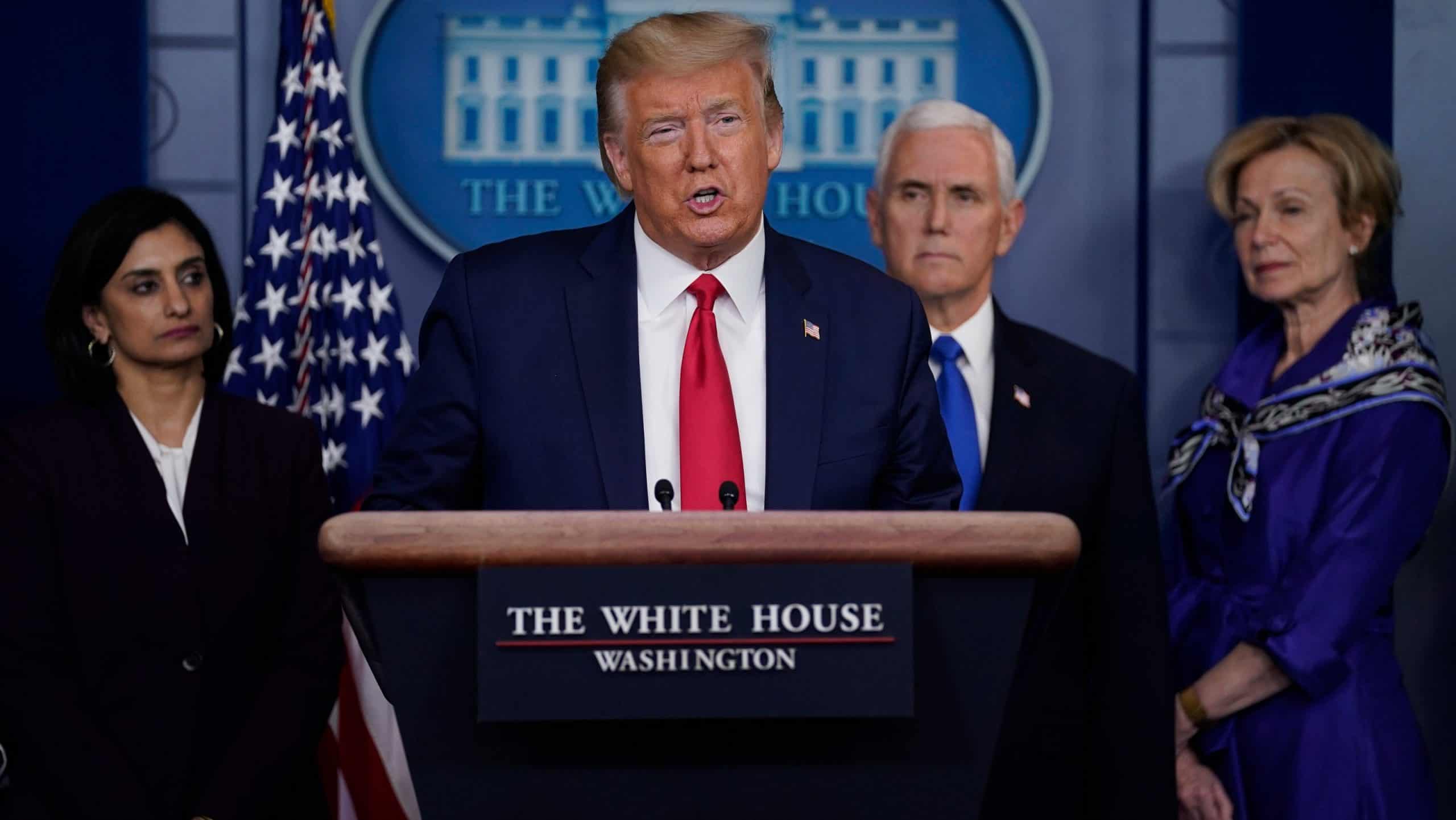
US President Donald Trump declared today, March 17, that the United States is at war against the novel coronavirus (COVID-19), which he describes as an “invisible enemy.”

Trump announced during a White House press conference that he will mobilize the 1950 Defense Production Act, which allows the head of state to compel American businesses to produce materials needed for national defense, in the fight against COVID-19.

“The law can do many good things,” Trump remarked.

Trump aims to use the law to intensify the production of medical supplies that are necessary to consolidate the country’s efforts in combatting the epidemic, such as respirators and masks, and to expand hospitals’ capacity to treat COVID-19 patients.


Trump expressed that considers himself a “wartime president” while his administration tries to curb the spread of the virus, which has impacted all 50 states.

The president explained that the invisible enemy is always the most difficult enemy, but he expressed his confidence that COVID-19’s “defeat will take place in a period faster than we thought.”

The Defense Production Act, enacted in 1950 during the Korean War, gives the US president broad authority in times of war to accelerate resource production in support of military and space programs, homeland security, and the energy sector.

Senate Minority Leader Chuck Schumer had called on Trump earlier today to use the law to address the shortage of medical supplies throughout the country.

“It’s used in times of war, but we must mobilize as if it were a time of war when it comes to hospital beds, supplies and equipment,” Schumer said on the Senate floor.

Hospitals and individual states have also called on the Trump administration to provide more equipment and protection for frontline physicians and nurses in the fight against COVID-19.

Trump confirmed “progress” in clinical trials of a COVID-19 vaccine, affirming during the press conference that the US is working with various groups to develop it. The president added that the US has improved its ability to conduct tests to detect the virus.

Read also: COVID-19: Global Markets Spiral as Economic Fallout Becomes Apparent