US Passes Largest Stimulus Package in History

On the night of March 24, the US Senate approved the largest stimulus bill in American history. 

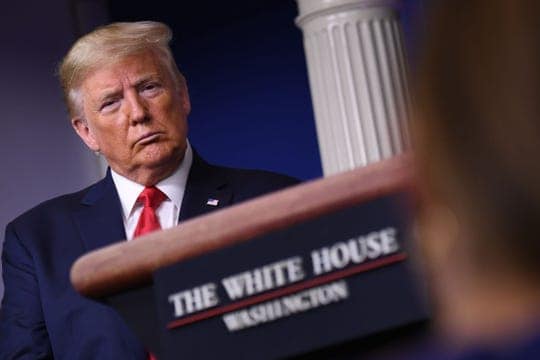
The bill allocates $2 trillion for direct assistance to business and quarantined workers, with $4 trillion in ‘fire power’ for the US Federal Reserve. The package provides $3000 in direct assistance for a family of four as well as significant amounts going to prop up struggling companies.

The impending approval of the historic package caused a major rally among US and global markets, as the US tried to assuage fears of structural problems in the markets prior to the pandemic and signaled a way to get back to ‘business as usual’ as soon as possible.

Larry Kudlow, senior economic advisor to US President Donald Trump said in a press conference about the bill that the government will help any company that operated “very well at the beginning of the year.” The senior adviser signaled that the only reason markets had tumbled was the COVID-19 pandemic, and the government’s priority was to “keep things going” by supporting large businesses that had performed well before the recent market crash.

The $4 trillion in Federal Reserve ‘fire power’ as Kudlow called it, is intended to give the Federal Reserve more power to intervene. In 2008, it was the federal reserve’s dollar ‘swap lines,’ in combination with China’s strong economic activity, that helped stabilize markets enough to begin a new rally amid action from central banks around the world. 

The government is clearly hoping for a repeat in empowering the Federal Reserve with significant funding. Whether Donald Trump’s ‘America First’ policy will mean that dollar swap lines might not be given out so freely as in 2008 may, however, be a significant factor in repeating the ‘success’.

The US government did not help themselves by setting an extremely limited window for success. US President Donald Trump said the country should be open for business by Easter, giving the US a little more than two weeks to recover from the COVID-19 slump in both demand and supply. 

The essence of the plan balances on monetary and fiscal stimulus but very much relies on good news on the health front, as a vaccine or significant drop in cases needs to materialize before the deadline. 

If the deadline is not met and the COVID-19 virus continues to spread in the US, as medical experts expect, these trillions of dollars might very well disappear in thin air as markets tumble again in the near future.


Read also: “It Wasn’t Me” Donald Trump Uses Racism as Diversion Tactic

Sudan’s Defense Minister Dies of Heart Attack

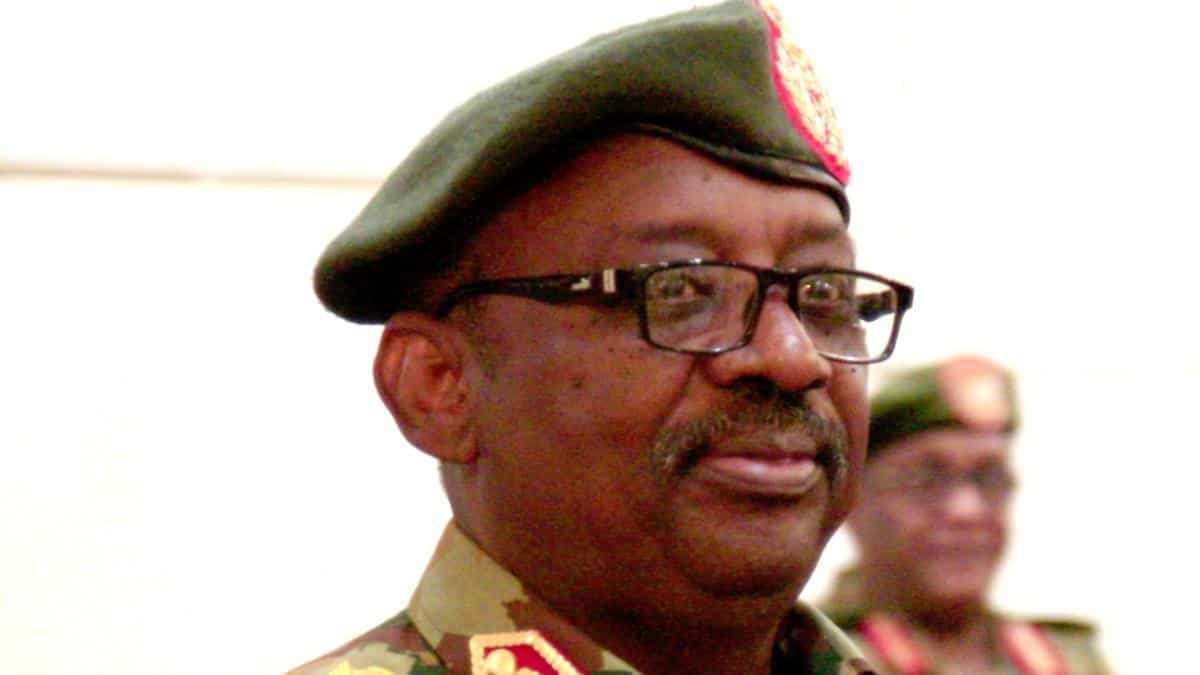
The Defense Minister and Sovereign Council Member Lt. Gen. Jamal al-Din Omar is being hailed as a “good man” and skilled negotiator following his sudden death from a suspected heart attack while heading-up peace talks in Juba. 

Omar was in the South Sudanese capital for the latest phase of peace talks between his country’s transitional government and armed rebel groups of the Sudanese Revolutionary Front, the Sudan Tribune reports. 

It is unclear what effect Omar’s death and the growing novel coronavirus epidemic will have on the crucial negotiations, but they have been suspended for at least a week from March 25 the Associated Press reports

Negotiations about security arrangements with rebel groups from Darfur and the Two Areas have been running across the border in South Sudan since October 2019. A March 9 assassination attempt on Prime Minister Abudallah Hamdok in Khartoum by unknown assailants  further highlighted the shakiness of Sudan’s security and government.

In the Sudanese capital Khartoum, the Sovereign Council members gathered to eulogize and pray for their late colleague. 

“Lt. Gen. Omar has been martyred while he defending Sudan’s stability, safety and dignity and he had dedicated his life for progress of the country,” the Council said in an official statement, according to the official Sudan News Agency (SUNA).

The Minister, originally from Hajar Alasal in the Nile River State, was an integral part of the Military Council that replaced Omar al-Bashir’s regime last year. He then sat on the Sovereign Council that is now governing Sudan as part of a 39-month power-sharing agreement with the civilian government. 

Prime Minister Abudallah Hamdok took to Twitter to extend his condolences to Omar’s family. He praised the Minister’s contribution to the peace process and said he was “deeply saddened” by the loss of one of Sudan’s “loyal sons,” who was, “distinguished by wisdom, patience, good manners, and good opinion.”

“He played a very crucial role in mediation especially on the security arrangements during peace talks. He was such a good man and Sudanese will surely miss him,” wrote National Democratic Movement spokesman David Lawrence Lual, in response to Omar’s sudden passing. 

Lt. Gen. Jamal al-Din Omar’s body is currently being returned to Khartoum for burial in Sudan. 


Read also: Assassination Attempt on Sudanese PM Shocks Khartoum

What is Hydroxychloroquine and Can It Cure Coronavirus?

Hydroxychloroquine (HCQ) and chloroquine (CQ) have become part of the international conversation on coronavirus cures after US President Donald Trump began singing their praises, small studies in China and France showed positive results and Morocco bought the entire stock produced by local manufacturer Sanofi. 

What do we know about the drugs?

HCQ and CQ are part of a family of antimalarial drugs used to treat acute attacks of the mosquito-borne infectious disease for over 70 years.

The two drugs also have anti-inflammatory properties and are used to treat chronic-autoimmune disease lupus and rheumatoid arthritis. Both medications are widely available internationally and are relatively inexpensive. 

China and France have conducted limited clinical trials of hydroxychloroquine, a less toxic derivative of chloroquine, as a COVID-19 treatment. A larger trial will begin in New York today, Governor Andrew Cuomo said. 

The World Health Organisation’s (WHO) ‘SOLIDARITY’ mega-trial will also include HCQ and CQ alongside HIV drugs, lopinavir, and ritonavir as the global health body attests “robust data is needed to show which treatment is effective.”  

In China, an in vitro study found both compounds had coronavirus-fighting properties, while clinical trials involving over 100 patients revealed chloroquine was effective in controlling COVID-19 associated pneumonia and shortening the disease’s course.

Importantly, the larger human study did not observe “severe adverse reactions” to CQ, leading a team of Chinese pharmacologists investigating COVID19 treatments to conclude, “in light of the urgent clinical demand, chloroquine phosphate is recommended to treat COVID-19 associated pneumonia in larger populations in the future.”

A Chinese study published in the journal Nature on March 18 discovered, “HCQ can efficiently inhibit SARS-CoV-2 (COVID-19) infection in vitro,” but the researchers reiterated that, “whether HCQ is as efficacious as CQ in treating SARS-CoV-2 infection still lacks the experimental evidence.”

Off the back of the available information, Chinese authorities have recommended CQ be added as a treatment for COVID-19 there, and a number of national health bodies around the world have since followed suit. 

Meanwhile, the French study reported that “despite its small sample size our survey shows that hydroxychloroquine treatment is significantly associated with viral load reduction/disappearance in COVID-19 patients and its effect is reinforced by azithromycin.” 

There’s growing political will to expand use of HCQ and CQ in France on the back of those results and testimony from people who have benefited from the treatment like Mayor of Nice Christian Estrosi who said after six-days of use he had “the sense I’ve been cured.

At present, it is clear that there is not sufficient quality scientific evidence to suggest that hydroxychloroquine and chloroquine can cure or prevent COVID-19.

The lack of evidence, however, has not stopped governments around the world including Moroccan and Algerian health authorities, approving the drug for use to fight coronavirus. 

Health Ministry spokesperson Dr Soraya Ayoub announced on Monday March 23 that the Algerian government has approved chloroquine as a coronavirus treatment. Morocco’s Ministry of Health also decided to approve the use of CQ and HCQ and said they will be distributed to health facilities across the country in coming days to treat COVID19. 

The Moroccan government reportedly purchased the entire stock of ‘Nivaquine” (CQ) and Plaquenil (HCQ) manufactured locally by French pharma company Sanofi on March 18, to sure-up its stocks of the drugs. 

In the US, interest in the drugs sparked by Trump’s comments has led to alleged stockpiling by citizens and health professionals alike, the US’s National Public Radio reports. The move raised concerns amongst lupus and arthritis advocates that sufferers will no longer be able to access the drug leading to calls for the government to ensure their access to the vital medication.

What has Trump said about HCQ and CQ?

President Donald Trump debuted the idea of using the drugs to fight COVID19 during a Whitehouse press conference on March 19. 

“It (chloroquine) is known as a malaria drug, and it’s been around for a long time and it’s very powerful.  But the nice part is, it’s been around for a long time, so we know that if it — if things don’t go as planned, it’s not going to kill anybody.”

Trump added that, “normally the FDA would take a long time to approve something like that, and it’s — it was approved very, very quickly and it’s now approved, by prescription.”

The U.S Food and Drug Administration (FDA) responded quickly to Trump’s comments and issued a statement advising there “are no FDA-approved therapeutics or drugs to treat, cure or prevent COVID-19.”

“We understand and recognize the urgency with which we are all seeking prevention and treatment options for COVID-19. FDA staff are working expeditiously on that front,” the drug administrator emphasized.

Trump exalted the virtues of CQ for fighting COVID19 again during his Tuesday, March 24 virus update. He cited the recovery of a man who “said goodbye to his family” but made a miraculous recovery and is now “in good shape,” thanks to chloroquine. 

“I’m pleased to report that clinical trials in New York will begin existing for existing drugs that may prove effective against the virus.  At my direction, the federal government is working to help obtain large quantities of chloroquine,” Trump boasted. 

Are HCQ and CQ dangerous?

The short answer is yes, these medications are not the harmless pill that Trump makes them out to be. Unfortunately, self-medication against coronavirus with hydroxychloroquine has already proved deadly for one American who died from taking a version of the drug. Three people in Lagos, Nigeria also ended up in hospital after overdosing.

Anyone who has taken antimalarials knows they can cause some pretty unpleasant reactions. Subcontinent news agency India Today highlighted the dangerous side-effects of the antimalarial drugs after the  Indian Council for Medical Research (ICMR) recommended it for use as a COVID-19 preventative for high-risk individuals, on March 23. 

The drugs were widely prescribed in India during the late 1980s to combat a dangerous malaria outbreak where they gained a reputation for nasty side-effects as well as their efficacious antimalarial properties.

“It is like swallowing death,” former drug-user C. Bangee told India Today. “It leaves a horrible bitter taste in the mouth. I remember taking it and feeling faint, nauseous and terribly unwell. I hope the drug is different now,” the 69 year-old Dehli local said.

Side-effects listed for Hydroxychloroquine the U.S National Library of Medicine’s ‘Medline’ database include, “headache, dizziness, loss of appetite, nausea, diarrhea, stomach pain, vomiting, skin rash, mood or mental changes and reading or seeing difficulties.”  The database also warns that children are at high risk overdosing and the medication can cause serious vision problems. 

There is still a worrying lack of evidence on the efficacy of Hydroxychloroquine and chloroquine in the treatment or prevention of COVID-19. The drugs have been in use for many years and their side-effects are well documented, but so is their potential toxicity if taken incorrectly.  

In light of this, everyday citizens should not rush to pharmacies and try to purchase the antimalarial or self-medicate. The best way to prevent coronavirus from spreading, remains a combination of hand washing, avoiding touching your face, social distancing, covering your mouth to cough or sneeze, and staying home if you feel unwell. 

 

Europe Urges IMF to Support Iran and Venezuela

European Union Minister for Foreign Affairs Josep Borrell announced the EU’s intent to support Iran’s fight against the spread of COVID-19, following a March 23 conference call between EU foreign ministers.

“We’ve not been able to provide a lot of humanitarian help but there is some €20 million in the pipeline… that we expect to be delivered over the next weeks,” Borrell said, “We also agree in supporting the request by Iran and also by Venezuela to the International Monetary Fund to have financial support.”

Providing humanitarian aid to a country that has reported 1,934 pandemic deaths might not seem controversial, but the aid defies US sanctions on Iran. US sources claim that the sanctions do not apply to humanitarian aid and are imposed on Iran as part of the US’ “maximum pressure” strategy to realize regime change.


The Atlantic Council researched how economic sanctions have impacted the Iranian coronavirus response and reported that “despite the fact that sanctions exempted humanitarian goods, the US Treasury Department had previously prosecuted medical companies for selling small amounts of medical supplies to Iran, which in turn, has had a deterring effect on other companies doing business with Tehran.”

This problem ought to be easily resolved, Director of Human Rights Watch Kenneth Roth pointed out: “The U.S. government should clearly state that no one will be penalized for financing or supplying humanitarian aid in this time of a public health crisis.”

Economic hardship severely hampers the fight against the pandemic, as Lebanon’s interconnected financial and medical crises demonstrate. Foreign Affairs Minister of Iran Javad Zarif accused the Trump administration of “maliciously tightening US’ illegal sanctions with aim of draining Iran’s resources in the fight against COVID-19.”


On March 20, a coalition of 25 civil rights groups, charities, and think tanks in the US joined forces to urge the Trump administration to ease sanctions on Iran. As long as the COVID-19 pandemic continues to intensify, many countries, including the EU, neighboring Pakistan, and China, are now supporting the notion of a temporary reprieve for Iran to assist the country in its struggle against the virus.

Venezuela

Venezuela is buckling under a mixture of sanctions and increasing pandemic-related pressure on its healthcare system. For years, crippling sanctions aimed at its oil industry have caused considerable economic hardship for the South American nation. The US has continued to attempt to weaken the country’s economy enough to realize regime-change, after a failed attempt to replace Venezuelan president Nicolas Maduro in 2019.


Director of Ancora Humanistas Dr. Oscar Noguera said, “Health personnel are already complaining about the lack of adequate clothing for their protection, while the increased emigration of doctors and nurses has left our hospitals in a vulnerable condition. The number of intensive care beds available in the country is barely close to 80.”


President Nicolas Maduro imposed a travel ban and nationwide quarantine. The Venezuelan government’s improvised efforts will most likely have little effect as the global spread of COVID-19 has become a daily reality in most countries around the world.

Economist Jeffrey Sachs stressed that it’s “absolutely unconscionable to keep sanctions on at this moment. The only moral, sane and legal thing to do is stop the madness that is crippling other countries’ health systems.” There appears to be growing support for a temporary relief from sanctions to address the pandemic. UN High Commissioner for Human Rights Michelle Bachelet released a statement today, March 24, to signal the United Nations’ support for temporary relief:

“At this crucial time, both for global public health reasons, and to support the rights and lives of millions of people in these countries, sectoral sanctions should be eased or suspended. In a context of global pandemic, impeding medical efforts in one country heightens the risk for all of us.”  


Read also: Iran Requests $5 Billion From IMF to Fight Coronavirus Outbreak

Latest Coronavirus Victim, Tokyo Olympics 2020, to be postponed to 2021

International Olympic Committee (IOC) President Thomas Bach and Japanese Prime Minister Shinzo Abe confirmed the sporting world’s fears at a joint press conference on Tuesday. The two announced that Tokyo 2020 would be pushed back until 2021 due to the global coronavirus pandemic. 

After “a very friendly and constructive meeting” between IOC officials and Japanese government representatives, all parties agreed that postponing the games set to commence on July 24 was the only option, due the accelerating spread of the novel coronavirus worldwide. This will be the first time in the modern Olympics’ 124-year history that games have been postponed

Bach praised Japan’s national COVID-19 response but said “the unprecedented and unpredictable spread of the outbreak has seen the situation in the rest of the world deteriorating.” 

Tokyo 2020 joins a growing list of international sporting events canceled in the wake of the COVID-19 crisis. Other events include the Master’s Golf, French Open, and Euro 2020. As of March 24, there are 375,000 confirmed cases of the disease worldwide, including 14,500 deaths. The numbers are increasing rapidly. 

“In the present circumstances and based on the information provided by the WHO today, the IOC President and the Prime Minister of Japan have concluded that the Games of the XXXII Olympiad in Tokyo must be rescheduled to a date beyond 2020 but not later than summer 2021, to safeguard the health of the athletes, everybody involved in the Olympic Games and the international community,” said the IOC’s statement.

The Olympic Flame will stay in Japan and the games will retain the name “Tokyo 2020” in order to provide “a beacon of hope to the world during these troubled times,” the IOC added.  

On March 22, the IOC promised that a decision about the event’s future would come within four weeks and reassured the world that canceling or holding a scaled-back version of the Olympics was not in the cards. The IOC faced mounting pressure from Olympic committees, international sporting bodies, and athletes who have recently ratcheted up their calls for a quick decision on the future of the Tokyo 2020.


Lebanon Struggles to Deal with Dual Crises

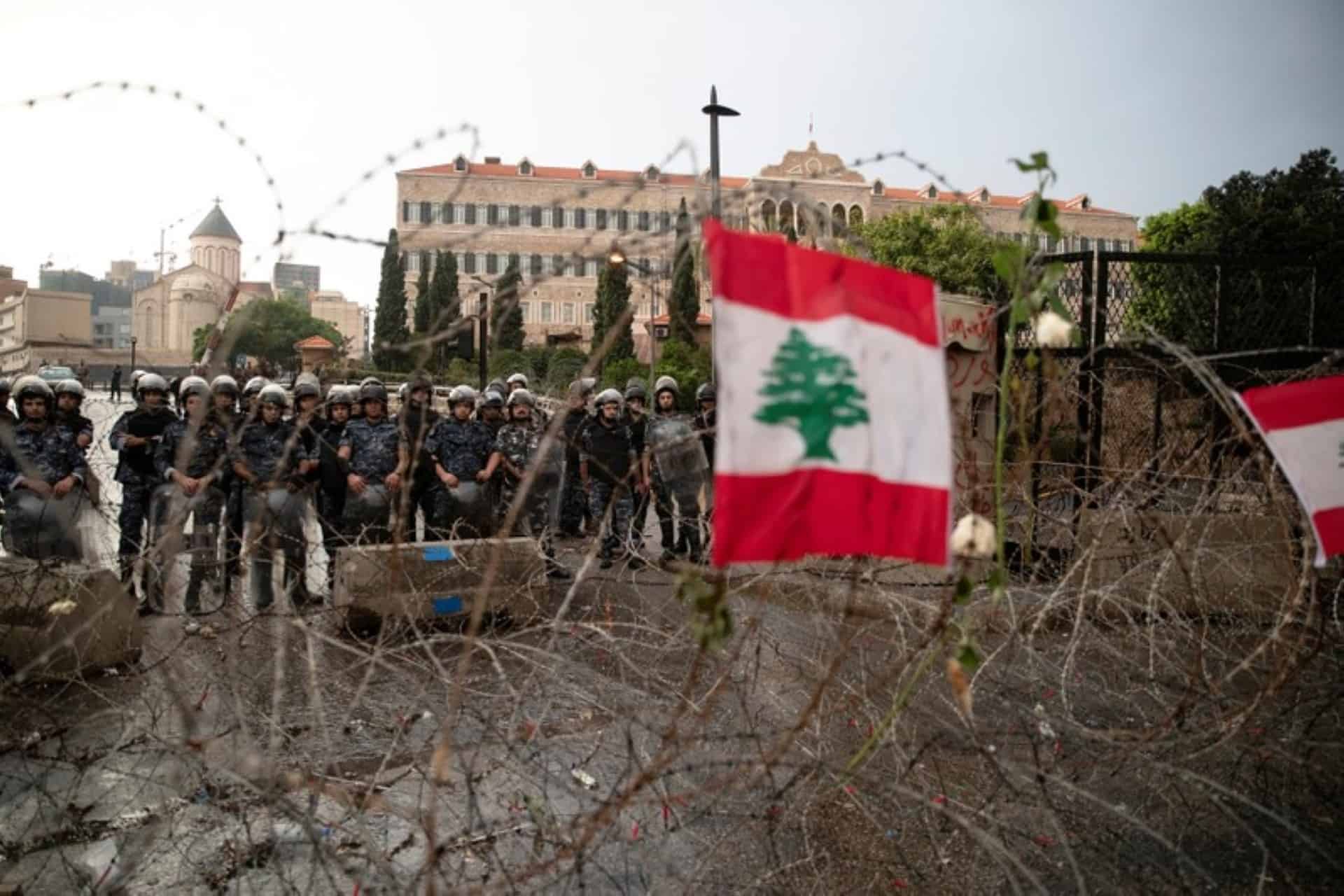
Dark clouds form over Beirut as the Lebanese people brace for two very different but interconnected crises. On Monday, March 23, the Lebanese government announced that it will stop using its limited reserves of foreign currency to pay maturing Eurobonds. 

The decision comes as a second shock to international creditors following the country’s March 9 failure to repay $1.2 billion. Lebanon still has an estimated $30 billion in outstanding Eurobond debt and the failure to pay maturing debt in foreign currency could result in unforeseen consequences for the embattled nation. 

Lebanon’s economy was in critical shape before the coronavirus started its spread around the world. Protests and new political leadership preceded the news that COVID-19 spread outside of China. This could result in a second crisis that would do significantly more damage, given Lebanon’s precarious situation.

Lebanon’s government announced reforms following national protests, but the growth of Lebanese COVID-19 cases is shifting priorities. Limiting the spread of the virus means lockdowns and further economic slowdown. 

Prioritizing economic health over public health could result in a disproportionately high death toll. Lebanon’s financial woes make it harder for the country to import medical supplies from abroad. Shortages in supplies are pushing the country to the brink, as healthcare workers must protect themselves against infection if they are to detect new cases and effectively treat patients.

Human Rights Watch highlighted the interconnected nature of the two crises. Lebanon’s shortage of foreign currencies means it is more difficult to import masks, gloves, and other protective gear to ensure healthcare workers are properly protected. The government’s failure to reimburse hospitals means the financial crisis is resulting in under-stocked and over-burdened hospitals.

National restrictions on credit and distrustful foreign suppliers mean that providing adequate care for infected Lebanese people while ensuring healthcare workers’ safety approaches impossibility.


Read also: UNHCR Reports No New Cases of Coronavirus Among Refugees in Lebanon

Global Institutions: COVID-19 Will Impact Every Facet of Life

The COVID-19 crisis is far from business-as-usual: This message resonates from recent communiques from leading global institutions. From the International Monetary Fund to the World Bank to the World Health Organization to the United Nations, experts are doing whatever they can to get the message out. WHO Director General Tedros Adhanom Ghebreyesus addressed the world and stressed that while the pandemic is growing at an alarming pace, there is still time to come together and beat the spread of the virus.

The United Nations continues to urge a temporary cease-fire across the globe. UN Secretary General Antonio Guterres urged an immediate secession of hostilities to allow a concerted effort to fight the coronavirus. Guterres warned that healthcare systems in conflict zones are ill-equipped to deal with the pandemic, and hopes that geopolitical players can set aside their differences to address a crisis. Conflicts in Libya, Syria, Yemen, and the Sahel pose particular concern. 

The World Bank continues to prepare aid packages for countries that will be less resilient to coming global financial difficulties. Billions in support will be ready for distribution to those countries worst affected. These packages are unlikely to bring satisfactory relief to millions without work or income, but the conditions of support are much less stringent than usual. The IMF is similarly requiring fewer stipulations and mobilized $50 billion for low- and middle-income countries in need.

The IMF outlined many ways that governments can help limit the crisis’s economic impact. The institution’s prescription consists of targeted stimulus programs and direct payments to citizens, sidelining austerity. The coming recession will be as bad, or worse, as the 2008 recession, according to the IMF. The organization also mentioned that a COVID-19 vaccine and current containment efforts could lead to a rapid recovery in 2021.

International institutions are preparing for the worst, and urging unprecedented global cooperation. Citizens must come to grips with our shared sense of humanity, and hope that national leaders will adopt a similar approach.


Read also: UN Agency Warns at Least 1.7 Million Jobs at Risk in Arab World Over COVID19 Pandemic


UN Secretary General Calls for Temporary ‘Peace on Earth’

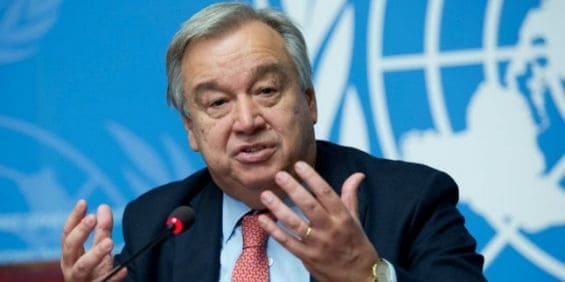
“Our world faces a common enemy: COVID-19.” When UN Secretary-General Antonio Guterres appeared on televisions across the world on Monday, March 23, his tone was solemn. 

“The virus does not care about nationality or ethnicity, faction or faith. It attacks all, relentlessly,” Guterres continued as he urged warring parties around the world to establish a global cease-fire in order to address the novel coronavirus pandemic.

Guterres reminded millions watching from self-isolation at home that “the most vulnerable—women and children, people with disabilities, the marginalized and the displaced—pay the highest price.”

The Secretary General urged a general worldwide ceasefire to allow for humanitarian aid and crucial measures to fight the outbreak of COVID-19, especially in conflict areas where healthcare systems have collapsed.

“To warring parties, I say: Pull back from hostilities. Put aside mistrust and animosity. Silence the guns; stop the artillery; end the airstrikes. This is crucial…to help create corridors for life-saving aid. To open precious windows for diplomacy. To bring hope to places among the most vulnerable to COVID-19.”

The UN’s public statement set the goal. Now leaders of warring parties have a specific choice to either continue the onslaught, or heed the call of peace.

Libya

On Tuesday, March 24, the Bill & Melinda Gates Foundation warned that the United Nations High Commission for Refugees (UNHCR) is suspending activities in Libya. Resettlement flights for refugees have been halted globally and NGOs are powerless to stop any harm from being inflicted on refugees and civilians.

Residents of Tripoli are under lockdown, but the UN-backed Government of National Accord has a limited sphere of influence, which means the measures should have little effect on the spread of the virus in the country at large.

On Saturday, March 21, the United Nations welcomed positive signals from both warring parties.


London-based publication Al-Awsat reported on Tuesday, March 24, that both parties are trading accusations, giving little hope for a sustainable ceasefire. Four Turkish soldiers and one Syrian mercenary were killed in the preceding days, and Tripoli’s airport continues to face artillery fire. Anadolu Agency reported two further civilian casualties on the same day.


Syria

In Syria, the iNGO International Rescue Committee warned on Monday, March 23, that the country “could soon become one of the most severe outbreaks in the world.” The Idlib province, where fighting between Turkish and Russian aligned forces has complicated an already opaque struggle between pro-Assad forces and a variety of militias, is at particularly dire risk.

The country has confirmed its first case of the novel coronavirus, and the Kurdish administration that controls northeastern Syria has announced a lockdown. Cooperation with the WHO has been difficult, reports Al-Monitor.

In an encouraging move, the Associated Press reported that on March 22, Syrian president Assad met with Russia’s defense minister to discuss “enforcing the cessation of hostilities in the Idlib de-escalation zone.” undoubtedly in part related to the coming COVID-19 outbreak in Syria.

Yemen

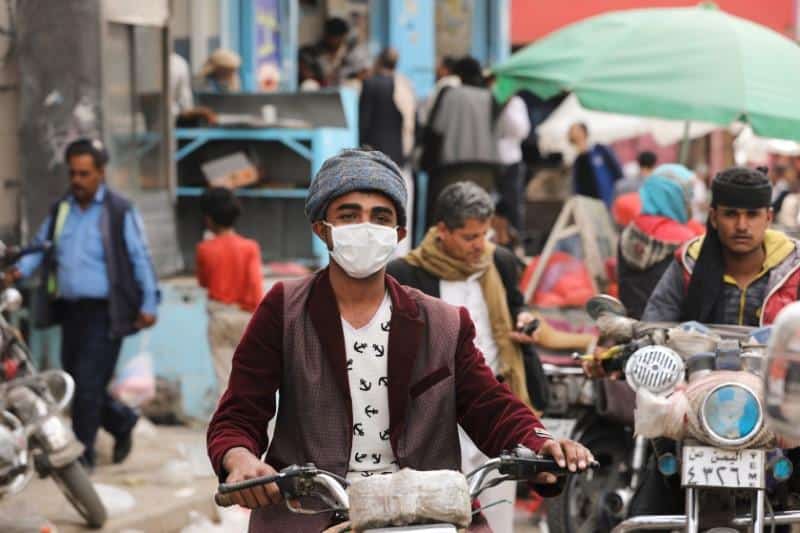
Widely considered the worst conflict area in the world, Yemen’s few remaining intact healthcare facilities are struggling to provide basic healthcare, let alone effective COVID-19 responses. Independent information provider ACAPS reported that only 51 percent of health centers are fully functional, with limited medicine and personal protective equipment for healthcare workers. 

With over 3.6 million internally displaced people and at least one million of those people living in camps or informal settlements, information is hard to share and the country’s healthcare system is not ready for COVID-19. 

Anadolu Agency reported on Tuesday, March 24, that Houthi rebels have welcomed the call for a humanitarian cease-fire. The World Health Organization (WHO) increased supply distribution to Yemen and raised the country’s alert level. WHO Director General Ghebreyesus also commended Saudi Arabia for airlifting COVID-19 response supplies to Yemen.


Parties have yet to guarantee a No cease-fire, has yet been guaranteed, and Yemen and Syria appear to signal moves to stop the fighting. Let’s hope that the UN Secretary General’s call for a temporary halt in violence could create something rarely seen: Temporary but complete peace on Earth. In the words of Antonio Guterres, “That is what our human family needs, now more than ever.”


Read also: WHO Commends Saudi Arabia’s COVID-19 Aid Package to Yemen

WHO Commends Saudi Arabia’s COVID-19 Aid Package to Yemen

The Director-General of the World Health Organization (WHO), Tedros Adhanum Ghereyesus, thanked Saudi Arabia for its medical aid to Yemen to address the threat of COVID-19.

Ghereyesus took to Twitter in response to images of aid parcels that appeared on social media. 

“Thanks to the Kingdom of Saudi Arabia for its great support to the World Health Organization at this critical time in the spread of the virus #COVID19. We all must be led by solidarity to keep the world safe & serve the vulnerable. With this kind of commitment and support, we can stop the #coronavirus from spreading,” Ghebreyesus tweeted.


The supplies, delivered to the Yemeni cities of Aden and Sana’a, included laboratory tests and personal protection materials for health workers.

The shipment also included medicines and special supplies to support the ongoing crisis response process.


Saudi Arabia has now confirmed 562 coronavirus cases, 19 of which have recovered, with no deaths reported.

Among the confirmed cases, 25 were linked to travel and have been isolated. The remainder involved social contact with previous cases, according to Dr. Muhammad Al-Abd Al-Ali, spokesman for the Saudi Ministry of Health.

While WHO received reports of several suspected cases in Yemen, the organization has not yet confirmed any cases of the novel coronavirus. 

The Saudi-led coalition’s years of sanctions and attacks on Yemen, many targeting hospitals and clinics, have degraded the country’s health infrastructure past its breaking point. 

Over 80% of Yemen’s population lacks food, fuel, drinking water, and access to health care services, which makes it particularly vulnerable to diseases that can generally be cured or eradicated elsewhere in the world, according to the International Committee of the Red Cross.

Lacking even the ability to cure treatable diseases, Yemen is in a precarious position as it prepares to combat the impact of the global pandemic.

WHO’s representative to Yemen, Altaf Musani, said that the organization has increased distribution of medical gear and test kits, and has heightened the alert on Yemen’s situation to help the war-torn country’s fragile health system cope with the potential outbreak of COVID-19.


Read also: It’s Time for Peace in Yemen

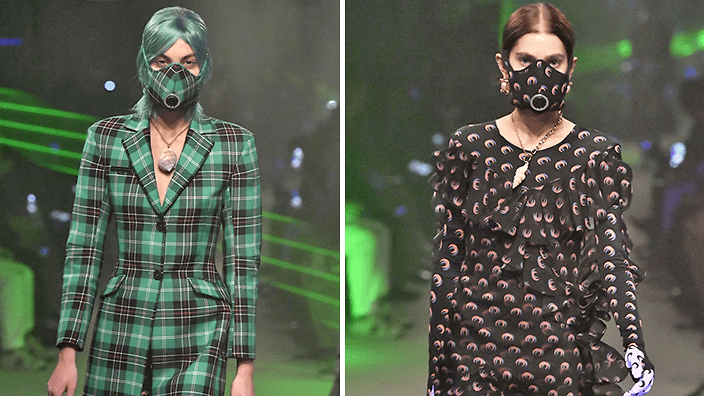
Fashion Houses Turn From Couture to Face Masks to Help COVID-19 Fight

Global luxury goods conglomerates Kering Group and LVMH announced over the weekend that they are joining the international fight against the coronavirus by converting their couture manufacturing plants to make face masks, hand sanitizer, and other essential medical equipment now in high demand. 

Kering Group, the parent company of brands like Gucci and Saint Laurent, said in a statement on March 23 that over the next week it plans to “provide the French health service with 3 million surgical masks, which the Group will purchase and import from China.”

They are also in the process of converting the French Balenciaga and Yves Saint Laurent factories to manufacture masks “while complying with the strictest health protection measures for their staff members,” the press release added. 

Meanwhile, in Italy, where there are 50,418 active coronavirus cases and 6,078 fatalities from the virus, Gucci has begun manufacturing masks and medical overalls in response to a call for help from medical authorities in the Tuscany region.


Amid a shortage of hydroalcoholic gel (hand sanitizer) in France, LVMH has been using the famous Guerlain, Dior, and Givenchy perfume and cosmetics factories to manufacture “as much gel as needed to support the public authorities,” according to the company’s Instagram.

“Since Monday, the gel has been delivered free of charge daily to the French health authorities and as a priority to the Assistance Publique-Hôpitaux de Paris,” LVMH said. “We will continue to honor this commitment for as long as necessary, in connection with the French health authorities.”

France confirmed 13,815 active cases of the virus as of March 23, alongside 676 deaths and 2,207 recoveries. 

Fashion and cosmetics retailers across the globe have pledged to provide assistance and support to governments in light of the coronavirus pandemic.

On March 23, Prada said, like Gucci, it would too begin producing masks and overalls and Prabul Gurung has committed to making personal protective equipment for New York’s medical service providers. 

LVMH and Kering Group’s commitment to stay open and keep producing are, in addition to providing badly needed supplies, offering valuable employment opportunities for workers as the economic outlook grows increasingly dire under the pandemic’s strain. 


T