Hosted by the Turkish Ministry of Culture and Tourism, the inaugural International Migration Film Festival was an opportunity to shine a light on the plight of refugees and the role of film in telling migrant stories.
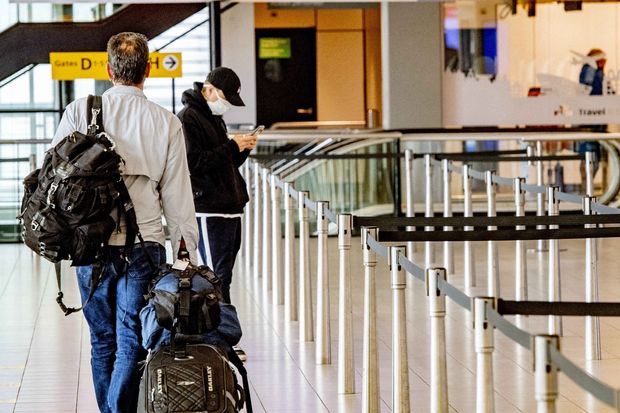
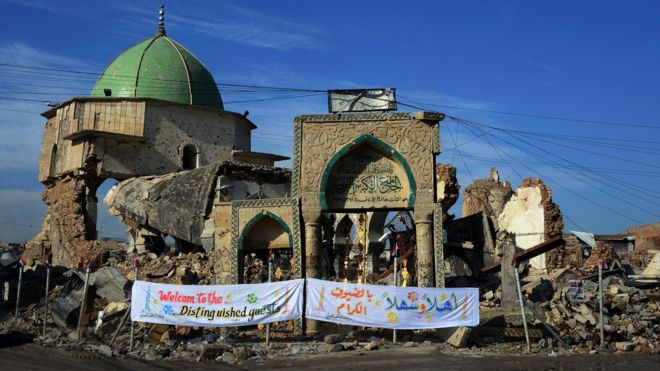
Turkey has an acute interest in the world’s response to the refugee crisis, being home to the largest number of refugees in the world. Estimated at approximately four million, Turkey’s refugee population includes 3.6 million people from neighboring Syria.
The week-long festival was originally scheduled to take place in April in the city of Gaziantep, home to approximately 500,000 refugees. However, organizers moved it online due to the coronavirus crisis. From June 14-21, 45 films from 30 countries were available to stream online.
The festival also comprised online masterclasses, which were open primarily to refugees and migrants, on the art of filmmaking and storytelling. Participants had the opportunity to learn from Bosnian director Danis Tanovic, Mexican producer and writer Michel Franco, and three time Oscar-winning British costume designer Sandy Powell.
The festival’s Instagram featured talks by American actor and director Danny Glover, Iranian-American actor Shabab Hosseini, and American actor and director Matt Dillon. Regarding the festival’s vast offerings, director of programming Hulya Sungu said, “We hope to reach refugees around the world.”
Among the films featured at the festival were “For Sama,” the award-winning story of Waad al-Kateab’s life during the uprising in Aleppo and her family’s debates over whether to leave the city, and “Omar and Us,” the story of a retired Turkish Coast Guard captain who overcomes his prejudices to help his Syrian neighbors.
Inaugural International Migration Film Festival winners
“For Sama” won the award for Best Film with filmmaker al-Kateab, herself once a refugee in Turkey, advising audiences to watch the film to understand why refugees flee their homeland and the difficulties they face.
Among the other films recognized at the festival were “Just Like My Son,” a story by Italian director Costanza Quatriglio that focuses on two brothers who escaped from Afghanistan for Europe, which won the Most Inspiring Script award, and “Children of the Shore” by Amelia Nanni, which won the UNICEF International Short Film award.
Nanni said the award encourages her to shoot her next film and she dedicated a share of her prize money to assisting creatives without access to support. She said, “I will share half of the price with other people, friends who do their arts in this crisis in a system where art is discredited and with friends in Belgium who don’t have the ‘right’ paper and passport to study there.”
The full lineup and winners can be found on the festival website.