Bahrain continues to struggle with its local COVID-19 epidemic. The small island nation that is home to 1.6 million people is still seeing its caseload grow as officials have now confirmed 11,398 total cases. The country is outperforming its neighbors Qatar (56,910 cases) and Saudi Arabia (85,261 cases) but appears to struggle to limit new infections.
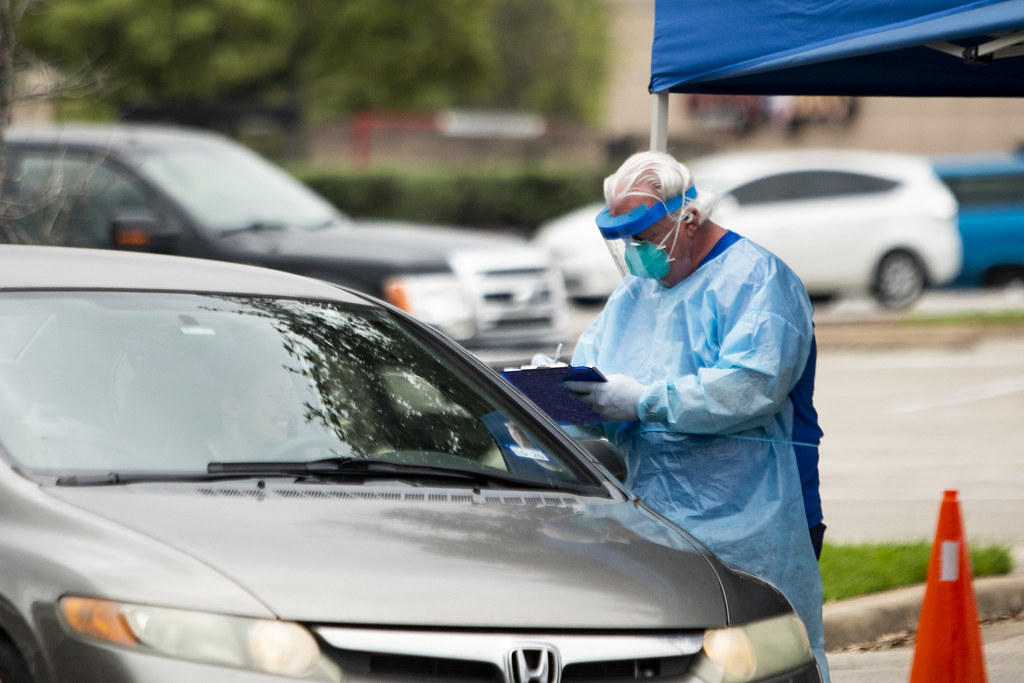
The Bahrain Health Ministry has performed over 300,000 tests and has limited travel, screened entry points, and banned social gatherings. However, Bahrain’s non-native population continues to be a source of new infections as low-income foreign workers make up the majority of new cases. With 4,914 active cases remaining, the kingdom is ensuring all citizens take the crisis seriously.
Coronavirus hoaxer
A tip from the General Administration for Combating Corruption and Economic and Electronic Security led prosecutors to a citizen accused of spreading false information about the virus online. The resident had used social media to claim the virus was a global hoax intended to deprive people of money.
Bahrain’s Chief Prosecutor Nawaf Al Awadi told Gulf News that the suspect had belittled Bahraini containment measures and, in effect, discouraged citizens from adhering to the protocols. Bahrain is treating the case as an effort to undermine national efforts to limit the spread of COVID-19.
Al Awadi reported that the conspiracy theorist had claimed that “COVID-19 does not exist in reality and is just a lie for ripping off people’s money.” Bahraini officials are taking failures to comply with measures or the undermining of such efforts very seriously.
Breaches of Bahraini public health law are punishable with a sentence of up to three months and a possible fine that can range between $2,645 and $26,500.
Cases climb
Citizens of Bahrain had hoped for good news following the easing of restrictions that coincided with the Islamic holy month of Ramadan and the following Eid al Fitr celebrations, but local health professionals continue to report new cases.
Three-hundred new cases emerged on Friday, May 29, Saturday ushered in 29 new infections, and Sunday saw the country’s 19th COVID-19-related death.
The country’s Achilles heel appears to be its foreign workers who often face poor living conditions. The mainly Asian low-income workers are often housed in crowded labor camps where the virus can freely spread. In order to limit infections of foreign workers, the government has moved 8,011 away from these crowded facilities to be housed by the companies that employ them.
“Many employers were quick to implement precautionary measures necessary to combat this pandemic by providing additional accommodation to reduce congestion and through those efforts 8,011 laborers were relocated,” Labor and Social Development Minister Jameel Humaidan told Gulf Daily News.
A new normal
Meanwhile, the Bahraini public and private sector are preparing for a “new normal” as they move much of their services online. Gulf Daily News has reported that costs of services and products in the country will likely increase by as much as 35%, partly because physical businesses can only serve a limited amount of customers at once.
In response, the Al Salam Bank of Bahrain has announced it will be launching a virtual branch to provide banking services amid COVID-19 restrictions. The Labor Ministry of Bahrain has similarly moved much of its facilities for job seekers online.
The ministry told Gulf News that it will use the digital system to comply with new public health measures as well as to provide more fair and transparent employment opportunities to citizens. The ministry has set up a hotline for older workers who could potentially struggle with the shift to digital.